
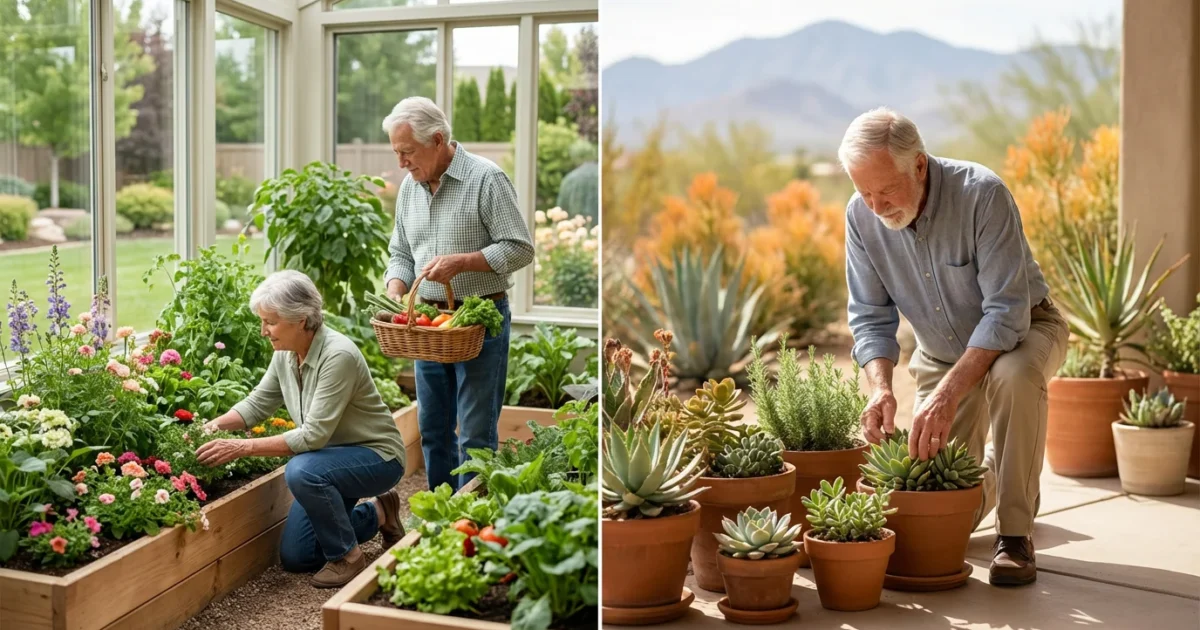
Retirement offers a unique opportunity to dedicate more time to passions, and for many, that passion is gardening. Cultivating a vibrant garden, growing your own produce, or simply enjoying beautiful landscapes enriches daily life. Choosing a retirement location with a climate conducive to your gardening dreams becomes a crucial consideration.
This guide explores the best states for gardening enthusiasts, considering climate suitability, growing seasons, and other practical aspects of retirement living. You will discover how different regions support various plant types, allowing you to plan your green oasis.
Table of Contents
- Understanding Your Gardening Needs
- Key Factors for Gardening Retirees
- Florida: The Tropical Paradise
- California: Mediterranean and Beyond
- Pacific Northwest: Temperate and Lush
- North Carolina: Four Seasons of Growth
- Texas: Southern Sun and Hearty Harvests
- Relocation Planning for Gardeners
- Frequently Asked Questions
Understanding Your Gardening Needs
Your ideal gardening state depends on your specific interests. Consider what you love to grow. Do you dream of year-round tropical fruits, bountiful vegetable harvests, or vibrant flower beds? The local climate, soil conditions, and water availability significantly impact your gardening success.
Finding the right location often involves comparing northern and southern retirement climates to see which growing season fits your lifestyle.
The USDA Plant Hardiness Zone Map provides a standard by which gardeners assess how well plants withstand winter temperatures in specific regions. Understanding your target zone helps you select appropriate plants. However, zones represent only one piece of the puzzle. Factors like average first and last frost dates, humidity levels, and seasonal rainfall also play vital roles in overall climate suitability for gardening.
Researching microclimates within a state further refines your search. Coastal areas often experience milder temperatures, while inland regions or higher elevations might have more extreme weather. Your gardening goals shape which climate best supports your retirement gardening and climate interests.
Key Factors for Gardening Retirees
While climate is paramount for gardeners, practical considerations for retirement living remain essential. You must weigh the overall cost of living, access to quality healthcare, and state tax policies. These elements directly impact your financial well-being and quality of life.
Gardeners often rank among the most active outdoor enthusiasts, making natural beauty and land access top priorities for relocation.
Consider the availability of local resources important to gardeners. Access to nurseries, garden centers, and active garden clubs enriches your hobby. Proximity to family and friends, and the overall community atmosphere, also contribute significantly to a fulfilling retirement. A balanced approach ensures you find a location that supports your passion for growing and your broader retirement needs.
Cost of Living and Taxes
Your retirement budget influences where you can comfortably settle. The cost of housing, groceries, and services varies widely across states. States with lower property taxes or no state income tax often appeal to retirees.
The Tax Foundation provides comprehensive data on state tax burdens. For instance, states like Florida and Texas have no state income tax, which can be a significant benefit for retirees relying on pension income or investments. This financial advantage leaves more discretionary income for gardening supplies and other interests.
| Factor | High Cost States (e.g., CA) | Moderate Cost States (e.g., NC) | Low Cost States (e.g., TX) |
|---|---|---|---|
| Median Home Price (approx.) | $750,000+ | $350,000 – $450,000 | $300,000 – $400,000 |
| State Income Tax | Yes (high progressive) | Yes (flat/progressive) | No |
| Property Tax Burden | Moderate | Moderate | Moderate to High |
| Sales Tax Rate | 7.25% | 4.75% | 6.25% |
Note: Data is approximate and varies by specific locality. Consult the U.S. Census Bureau and Tax Foundation for current figures.
Healthcare Access
Access to quality healthcare becomes increasingly important during retirement. Research the availability of hospitals, specialists, and medical facilities in your prospective area. Medicare.gov offers resources to compare healthcare providers and plans.
Look into states with strong healthcare infrastructure and a high number of physicians per capita. A robust healthcare system provides peace of mind, knowing you can access necessary medical attention. This practical consideration often influences the final decision for many retirees.
Florida: The Tropical Paradise
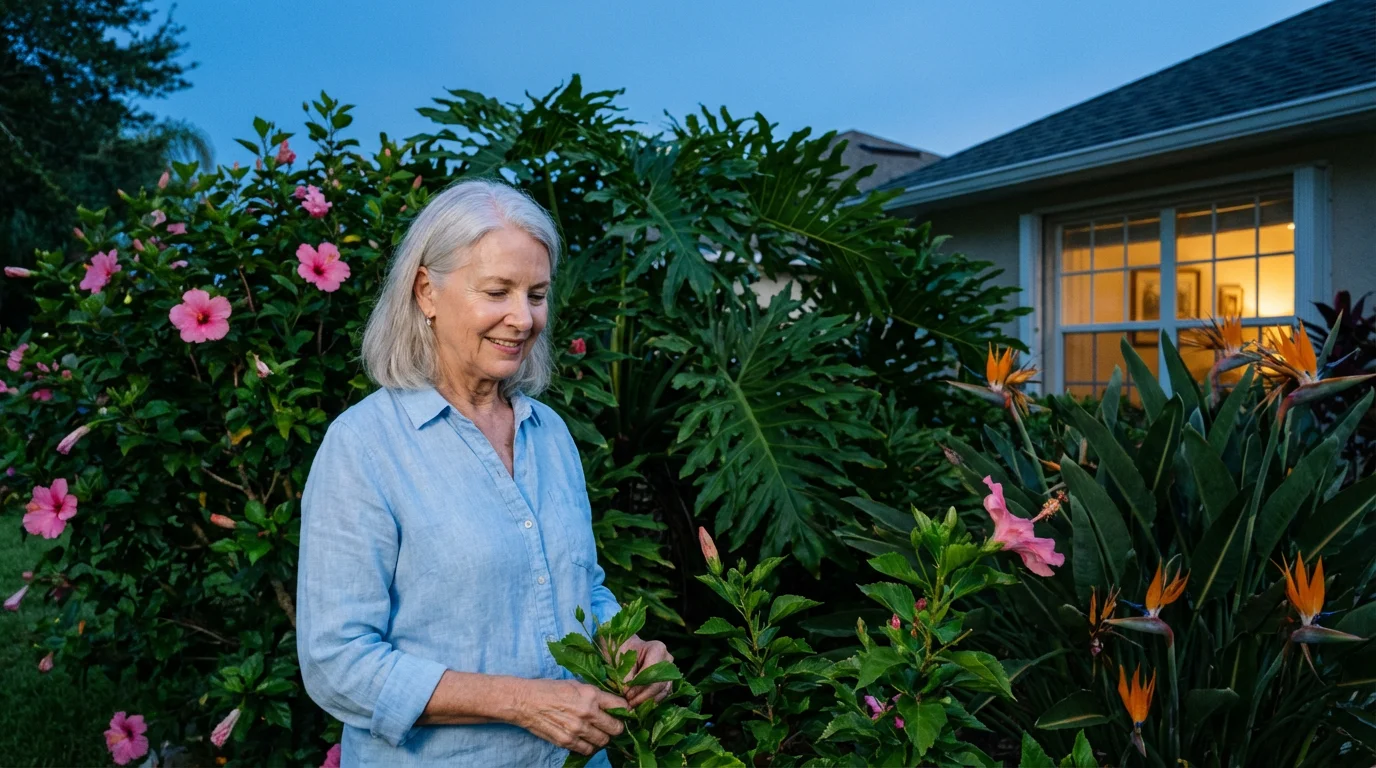
Florida consistently ranks high among the best states for retirement gardening, especially for those who love warm weather and unique plant varieties. Its subtropical to tropical climate offers an extended, often year-round, growing season. You can cultivate a wide array of plants that thrive in heat and humidity.
Additionally, it is wise to consider the impact of climate change on long-term gardening sustainability in coastal regions.
The state’s USDA hardiness zones range from 8a in the panhandle to 11b in the Keys, allowing for diverse gardening experiences. Many communities, especially 55+ developments, feature meticulously landscaped grounds and offer residents opportunities to participate in community gardens. What are the best states for retirement gardening if you seek a vibrant, green environment? Florida often tops the list.
Pros of Gardening in Florida:
- Longest growing season in the continental U.S., often year-round.
- Ability to grow tropical and subtropical fruits: citrus, mangoes, avocados.
- Abundant sunshine fosters lush plant growth.
- Many active garden clubs and plant societies.
Cons of Gardening in Florida:
- Intense summer heat and humidity can stress some plants.
- Frequent heavy rainfall requires good drainage.
- Prevalence of pests and plant diseases that thrive in warm climates.
- Risk of hurricanes and tropical storms affecting gardens.
| Climate Factor (Orlando, FL) | Details |
|---|---|
| USDA Hardiness Zone | 9b-10a |
| Average Frost-Free Days | 300+ |
| Average Annual Rainfall | 50-55 inches |
| Average Summer High Temp | 90°F |
| Average Winter Low Temp | 50°F |
California: Mediterranean and Beyond
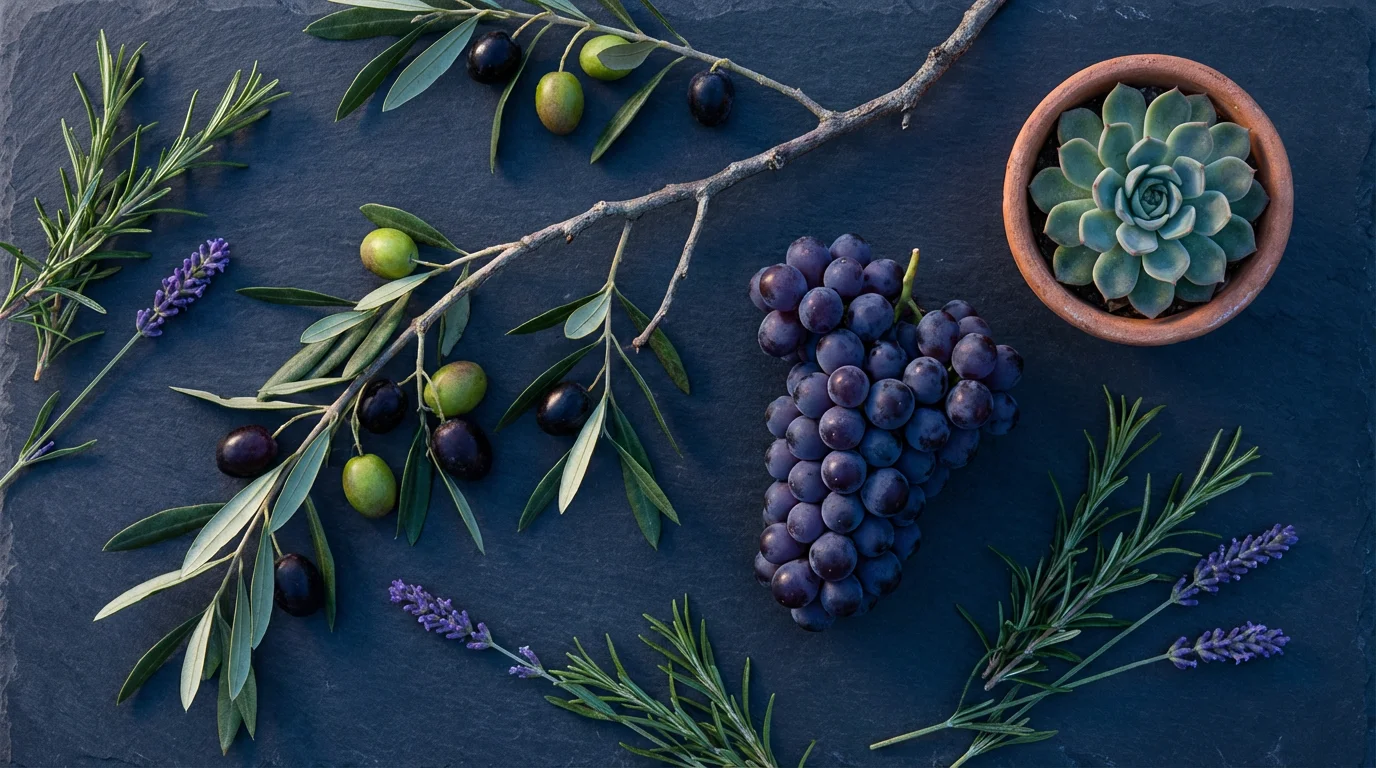
California offers incredible diversity in its climate, from cool coastal regions to hot deserts and snowy mountains. This variety provides numerous opportunities for retirement gardening and climate suitability. You find Mediterranean climates ideal for olives, grapes, and drought-tolerant plants, especially along the coast.
For those who prefer low-water gardening, retiring in the desert southwest offers a different but equally rewarding xeric experience.
Inland valleys boast longer growing seasons, suitable for extensive vegetable gardens and fruit trees. Northern California features milder, wetter conditions, supporting different types of flora. This geographical breadth makes California a compelling choice for gardeners with varied interests.
Pros of Gardening in California:
- Diverse climates support a vast range of plant types.
- Long growing seasons in many regions.
- Access to specialty nurseries and unique plant varieties.
- Stunning natural beauty for garden inspiration.
Cons of Gardening in California:
- Water restrictions and drought are ongoing concerns.
- High cost of living, particularly in popular coastal areas.
- Some regions experience intense heat or strong winds.
- Complex soil conditions vary greatly by location.
| Climate Factor (Los Angeles, CA) | Details |
|---|---|
| USDA Hardiness Zone | 10a-10b |
| Average Frost-Free Days | 320+ |
| Average Annual Rainfall | 12-15 inches |
| Average Summer High Temp | 80°F |
| Average Winter Low Temp | 48°F |
Pacific Northwest: Temperate and Lush
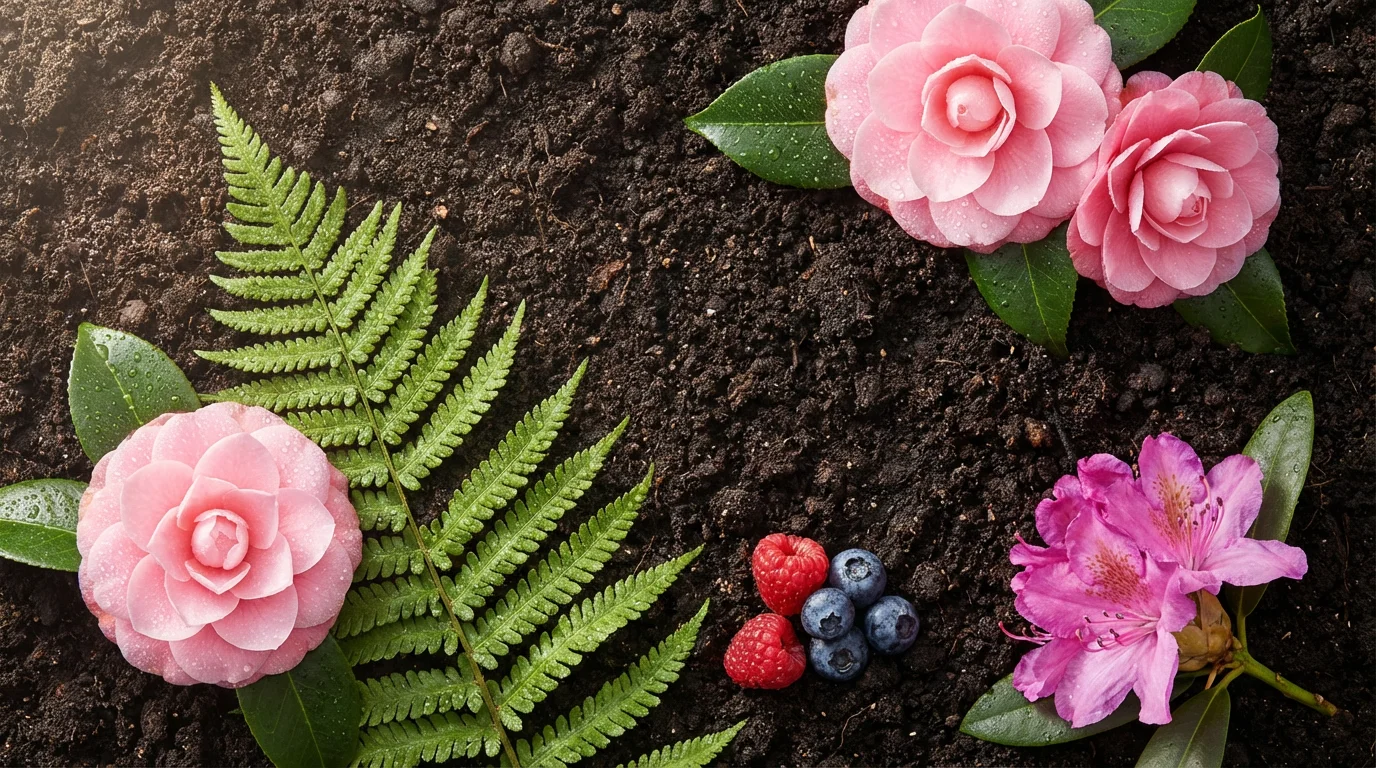
The Pacific Northwest, encompassing states like Oregon and Washington, appeals to gardeners who appreciate cooler, wetter climates. This region provides an ideal environment for camellias, rhododendrons, ferns, and a wide variety of berries. You will find mild winters and long, moderate growing seasons.
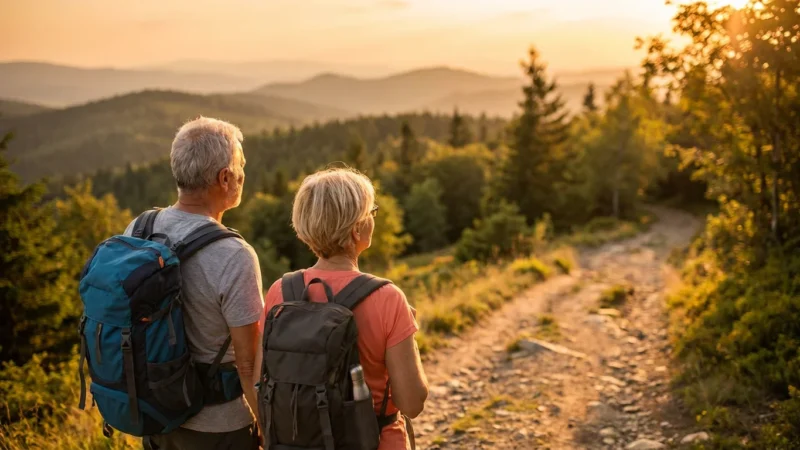
This region is perfect for those seeking active retirement lifestyles amidst evergreen forests and scenic trails.
The consistent rainfall throughout much of the year keeps landscapes lush and vibrant. Many areas boast fertile soil, often rich in organic matter. This allows for productive vegetable gardens, particularly for cool-season crops. The temperate rainforest effect creates unique gardening opportunities not found elsewhere.
Pros of Gardening in the Pacific Northwest:
- Mild winters and cool summers benefit many plants.
- Abundant rainfall reduces the need for irrigation.
- Excellent for growing berries, cool-season vegetables, and acid-loving plants.
- Strong community of gardeners and active horticultural societies.
Cons of Gardening in the Pacific Northwest:
- Persistent cloud cover and rain can limit sun-loving plants.
- Shorter sunny growing window compared to southern states.
- Slug and snail populations thrive in moist conditions.
- Risk of fungal diseases due to high humidity.
| Climate Factor (Portland, OR) | Details |
|---|---|
| USDA Hardiness Zone | 8b |
| Average Frost-Free Days | 200-220 |
| Average Annual Rainfall | 37-40 inches |
| Average Summer High Temp | 81°F |
| Average Winter Low Temp | 37°F |
North Carolina: Four Seasons of Growth
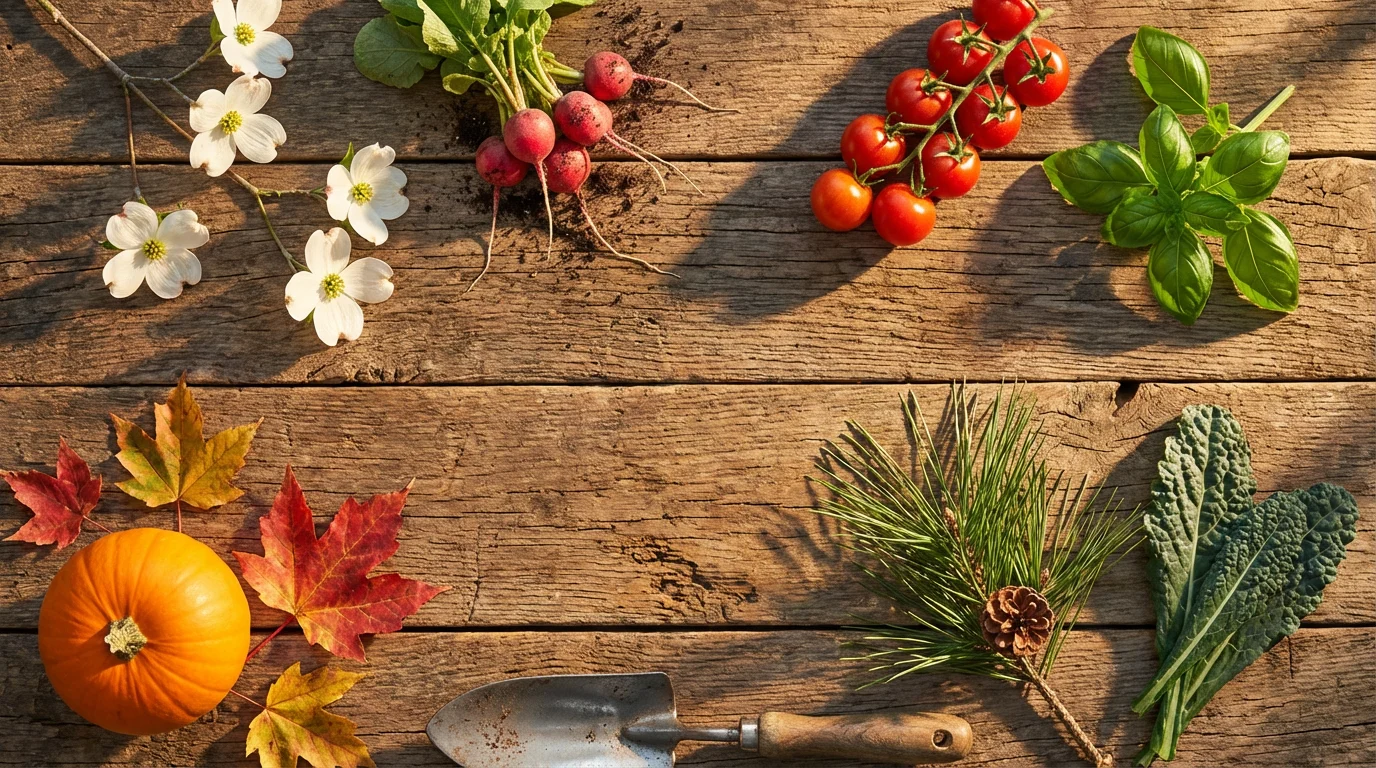
North Carolina offers a balanced climate with four distinct seasons, providing a varied gardening experience. Its diverse topography, from the Appalachian Mountains to the Atlantic coast, creates multiple microclimates and gardening zones. You can grow a wide range of plants, from temperate fruits and vegetables to some subtropical varieties in the warmer eastern parts.
The state’s climate is ideal for those who want to embrace all four seasons in their garden, from spring blossoms to winter greens.
The state generally experiences mild winters, especially in the Piedmont and coastal plains, and warm, humid summers. This climate supports a long growing season for many common garden crops. What are the best states for retirement gardening that offer seasonal change and good growing conditions? North Carolina presents a strong case.
Pros of Gardening in North Carolina:
- Four distinct seasons allow for varied planting schedules.
- Generally mild winters extend the growing season.
- Good rainfall throughout the year.
- Variety of elevations and soil types.
Cons of Gardening in North Carolina:
- Humid summers can lead to fungal issues.
- Summer heat can be intense in lower elevations.
- Some areas experience significant pest pressure.
- Risk of hurricanes in coastal regions.
| Climate Factor (Raleigh, NC) | Details |
|---|---|
| USDA Hardiness Zone | 7b-8a |
| Average Frost-Free Days | 210-220 |
| Average Annual Rainfall | 45-48 inches |
| Average Summer High Temp | 89°F |
| Average Winter Low Temp | 31°F |
Texas: Southern Sun and Hearty Harvests
Texas provides a vast landscape with diverse climates, from arid western regions to humid eastern plains. Its large size means you can find a gardening environment suitable for many preferences. The state offers long, warm growing seasons, allowing for multiple harvests of many vegetables and fruits. The USDA hardiness zones range from 6b in the panhandle to 10a along the Gulf Coast.
Check out our guide to Texas retirement to see if the Lone Star State is the right fit for your future harvest.
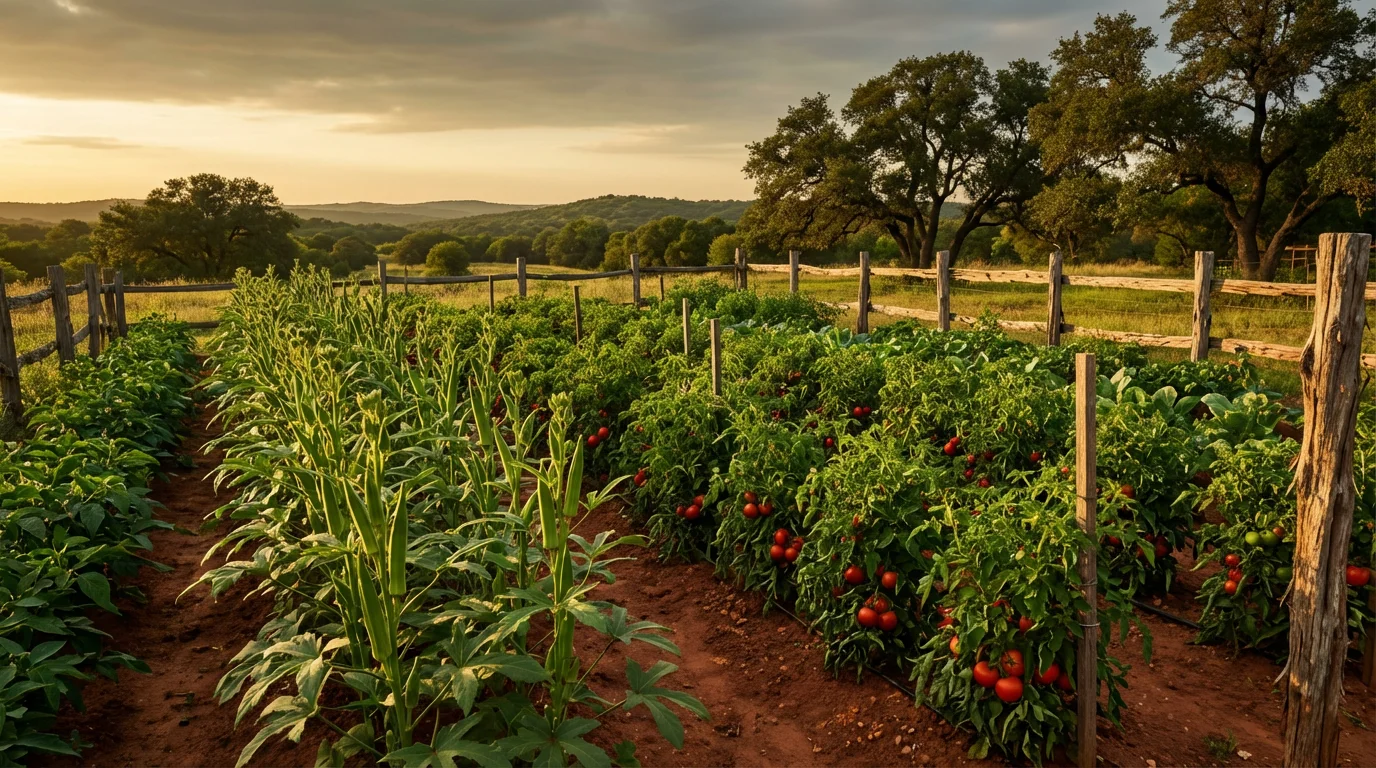
You can cultivate heat-loving plants like peppers, tomatoes, and okra with great success. Many communities across Texas feature large properties, providing ample space for extensive gardens. The long periods of sunshine contribute significantly to plant vigor and productivity.
Pros of Gardening in Texas:
- Long and warm growing seasons across much of the state.
- Diverse climates support a wide array of plants.
- Opportunities for large garden plots due to larger land availability.
- No state income tax.
Cons of Gardening in Texas:
- Intense summer heat and drought require careful water management.
- Alkaline and heavy clay soils in many areas need amendment.
- Occasional severe weather, including hail and tornadoes.
- Varying hardiness zones mean careful plant selection.
| Climate Factor (Austin, TX) | Details |
|---|---|
| USDA Hardiness Zone | 8b-9a |
| Average Frost-Free Days | 250-270 |
| Average Annual Rainfall | 34-36 inches |
| Average Summer High Temp | 95°F |
| Average Winter Low Temp | 38°F |
The best time to plant a tree was 20 years ago. The second best time is now.
Relocation Planning for Gardeners
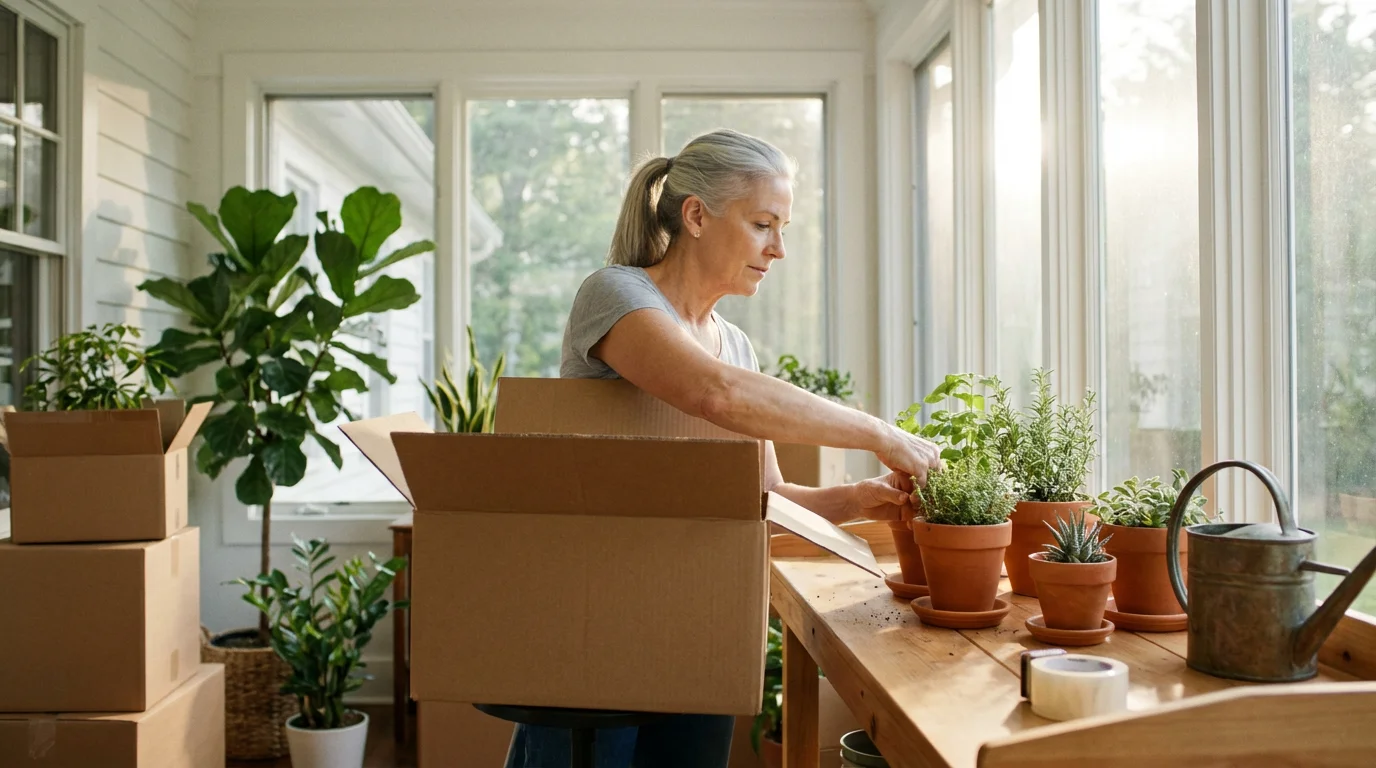
Moving for retirement, especially when gardening is a priority, involves careful planning. You need to consider logistical steps to ensure a smooth transition for you and your plants. Begin research early to avoid last-minute complications.
Many gardeners also prioritize other outdoor activities and favorable climates when selecting their ultimate retirement destination.
Assess your current plant collection. Decide which plants you can realistically transport and which you might need to leave behind or propagate from cuttings. Moving companies often have restrictions on transporting live plants across state lines. Understanding these regulations simplifies your move.
Practical Relocation Steps:
- Research local regulations: Investigate specific plant quarantine laws in your new state. Some states restrict bringing certain plants or soil to prevent disease or invasive species.
- Evaluate new property: Visit prospective homes. Assess sun exposure, soil type, and existing landscaping. Consider space for a garden and water access.
- Connect with local experts: Join online gardening forums or local garden club groups. These resources provide invaluable insights into regional conditions and plant recommendations.
- Plan plant transport: For beloved plants, research professional plant movers or prepare smaller plants for self-transport. Root cuttings or gather seeds for easier relocation.
- Amend soil early: If possible, begin amending the soil at your new home before you move. This gives the soil time to integrate amendments and improve structure.
- Establish a local network: Upon arrival, visit local nurseries, join garden clubs, or attend farmers’ markets. These connections help you adapt to your new gardening environment.
Frequently Asked Questions
What are the best states for retirement gardening if I want to grow vegetables year-round?
States like Florida and parts of California offer year-round growing seasons for many vegetables. Florida’s subtropical climate allows continuous warm-weather crops. Southern California’s mild winters support cool-season vegetables throughout the colder months.
How does state income tax affect my retirement gardening budget?
States with no income tax, such as Florida and Texas, allow you to retain more of your retirement income. This extra capital can be allocated to gardening expenses, including seeds, tools, amendments, or even hiring professional landscapers for heavier tasks. A lower tax burden directly increases your discretionary funds.
Can I find good 55+ communities with gardening opportunities?
Many 55+ communities across the U.S. now incorporate gardening amenities. You will find community garden plots, shared greenhouses, or designated gardening areas. Some communities even offer gardening clubs and educational workshops. Research specific community offerings during your search.
What should I consider about water availability for gardening in retirement?
Water availability is crucial. States prone to drought, like California, often have water restrictions. Research average rainfall and local water policies. Consider installing rain barrels or choosing drought-tolerant plants in drier regions. Efficient irrigation systems also become important for sustainable gardening.
How important is soil quality when choosing a gardening retirement state?
Soil quality greatly impacts plant health and growth. While you can amend almost any soil, starting with naturally fertile soil reduces effort. Research common soil types in potential areas. For example, some regions have heavy clay, while others have sandy soil. Understanding this helps you plan for necessary improvements.
Where can I find more specific climate data for potential retirement locations?
The National Weather Service provides extensive historical climate data, including average temperatures, rainfall, and frost dates for specific locations. You can also consult local university extension offices. These resources offer detailed, localized information to inform your gardening plans.
Choosing the perfect state for retirement gardening involves balancing your passion with practical living considerations. Each state offers unique advantages and disadvantages for gardeners. You must consider climate, cost of living, healthcare, and community support.
Thorough research and careful planning will guide you toward a location where your retirement gardening and climate preferences align. You will find an environment where your green thumb thrives, enriching your retirement years.
Disclaimer: This article is for informational purposes only. Cost of living, taxes, and local conditions change over time. We encourage readers to verify current information through official sources and visit potential retirement destinations before making relocation decisions.





Leave a Reply