

Retiring in Wisconsin offers a blend of distinct seasons, rich cultural experiences, and a strong sense of community often associated with Midwest living. You will discover a state that balances vibrant urban centers with serene natural landscapes. This guide provides comprehensive insights into what you can expect when considering Wisconsin for your retirement years.
For those looking to compare options in the Great Lakes region, a Michigan retirement offers similar scenic beauty and affordable costs.
Wisconsin presents a unique opportunity for retirees seeking an active lifestyle or a peaceful retreat. Understanding the nuances of its cost of living, tax structure, climate, and healthcare options is crucial for making an informed decision about your future home. This article outlines key considerations to help you determine if Wisconsin aligns with your retirement goals.
Table of Contents
- Cost of Living in Wisconsin
- Wisconsin’s Tax Environment for Retirees
- Climate and Seasons: Embracing Wisconsin’s Weather
- Healthcare Access for Wisconsin Retirees
- Top Retirement Destinations and Communities in Wisconsin
- Midwest Living: Culture, Community, and Activities
- Pros and Cons of Retiring in Wisconsin
- Relocation Planning: Your Move to Wisconsin
- Frequently Asked Questions

Cost of Living in Wisconsin
Understanding the cost of living is a primary factor in any retirement planning. Wisconsin generally offers a more affordable lifestyle compared to the national average, particularly regarding housing. However, expenses vary significantly between urban centers like Milwaukee or Madison and smaller towns or rural areas.
Retirees seeking a similarly laid-back pace of life with affordable housing may also find a Kentucky retirement to be an excellent financial match.
If you are planning your retirement on a budget, exploring affordable areas is a great way to maximize your savings.
Your budget will stretch further in many Wisconsin communities. For example, the median home value in Wisconsin is often below the national median. This makes purchasing a home more accessible for many retirees.
The overall cost of living index in Wisconsin typically hovers around 90-95% of the national average, with housing costs being a significant contributor to this affordability. Other expenses such as groceries and transportation remain comparable or slightly below national figures. Utilities, however, can be higher due to the heating demands of colder winters.
Cost Comparison: Wisconsin vs. National Average
| Category | Wisconsin Average Index | National Average Index | Notes |
|---|---|---|---|
| Overall Cost of Living | 93.7 | 100 | Generally more affordable than national average. |
| Housing | 84.6 | 100 | Significantly lower, median home prices are attractive. |
| Groceries | 99.2 | 100 | Slightly below national average. |
| Utilities | 103.5 | 100 | Can be higher due to heating needs in winter. |
| Transportation | 96.1 | 100 | Modestly lower, depends on location and personal use. |
| Healthcare | 92.4 | 100 | Generally more affordable than national average. |
(Data represents approximate indices where 100 is the national average, actual figures vary by source and time.)
Choosing a retirement in rural America can be a great way to find highly affordable housing and tight-knit communities.
You will find that specific areas like Door County, a popular tourist destination, may have higher housing costs. Conversely, many towns throughout central and northern Wisconsin offer even lower costs. Researching specific cities and towns is essential to align with your financial plans.

Wisconsin’s Tax Environment for Retirees
Navigating state taxes is a critical component of choosing a retirement location. Wisconsin’s tax policies have a mixed impact on retirees, which requires careful consideration. The state generally has higher income and property taxes compared to some other states, but it offers some exemptions beneficial to seniors.
For another option with no state income tax, though similarly high property taxes, check out our guide to a Texas retirement.
If tax burden is your primary concern, look into retiring in Tennessee, which features no state income tax and highly favorable property tax rates.
To see how Wisconsin compares to states with lower tax burdens, review our guide on tax-friendly states for retirees.
Wisconsin taxes most retirement income, including private pensions, 401(k)s, and IRAs. However, Social Security benefits are fully exempt from state income tax, which is a significant advantage for many. This exemption helps reduce the overall tax burden for a large segment of the retired population.
The state has a progressive income tax system with several tax brackets. For example, in recent years, the top income tax rate has been around 7.65%. Property taxes are also relatively high, ranking among the higher states nationally. However, some homeowners may qualify for the Wisconsin Homestead Credit, which can reduce their property tax burden. You can find detailed tax information and potential credits on the Tax Foundation website.
Key Tax Considerations for Retirees
- Social Security Exemption: Your Social Security benefits are not taxed by the state of Wisconsin.
- Retirement Income: Most other retirement income sources, such as private pensions and 401(k) withdrawals, are subject to state income tax.
- Property Taxes: Property taxes in Wisconsin are generally higher than the national average. Homeowners may apply for credits or exemptions depending on income and age.
- Sales Tax: Wisconsin imposes a state sales tax rate of 5%. Some counties also have an additional local sales tax, typically 0.5%.
- Estate Tax: Wisconsin does not have an estate tax or an inheritance tax.
You should consult with a financial advisor to understand the specific implications of Wisconsin’s tax laws for your individual retirement income. This personalized guidance ensures you fully prepare for your financial future in the state.

Climate and Seasons: Embracing Wisconsin’s Weather
Wisconsin is renowned for its distinct four-season climate, offering a full range of weather experiences. Understanding these seasonal variations is vital for anyone considering Midwest living in retirement. Each season brings unique opportunities and challenges.
Active seniors who thrive on high-altitude winter sports and mountain hiking might also find a Colorado retirement fits their adventurous lifestyle.
Those drawn to the charm of cold-weather states with beautiful coastlines may also want to research a Maine retirement for its scenic shores and cozy towns.
For retirees who prefer to escape cold winter snow altogether, a popular option is to consider retiring in Arizona for its year-round warmth and desert beauty.
If you love four distinct seasons but prefer a milder climate with coastal and mountain scenery, exploring an Oregon retirement could be an appealing alternative.
Summers in Wisconsin are typically warm and pleasant, with average temperatures in the 70s Fahrenheit. You will experience comfortable humidity levels and abundant sunshine, perfect for outdoor activities. Thunderstorms can occur, but severe weather is infrequent.
Autumn brings spectacular displays of fall foliage, as trees turn vibrant shades of red, orange, and gold. Temperatures are mild and crisp, creating ideal conditions for scenic drives and apple picking. This season often ranks as a favorite among residents for its natural beauty and comfortable weather.
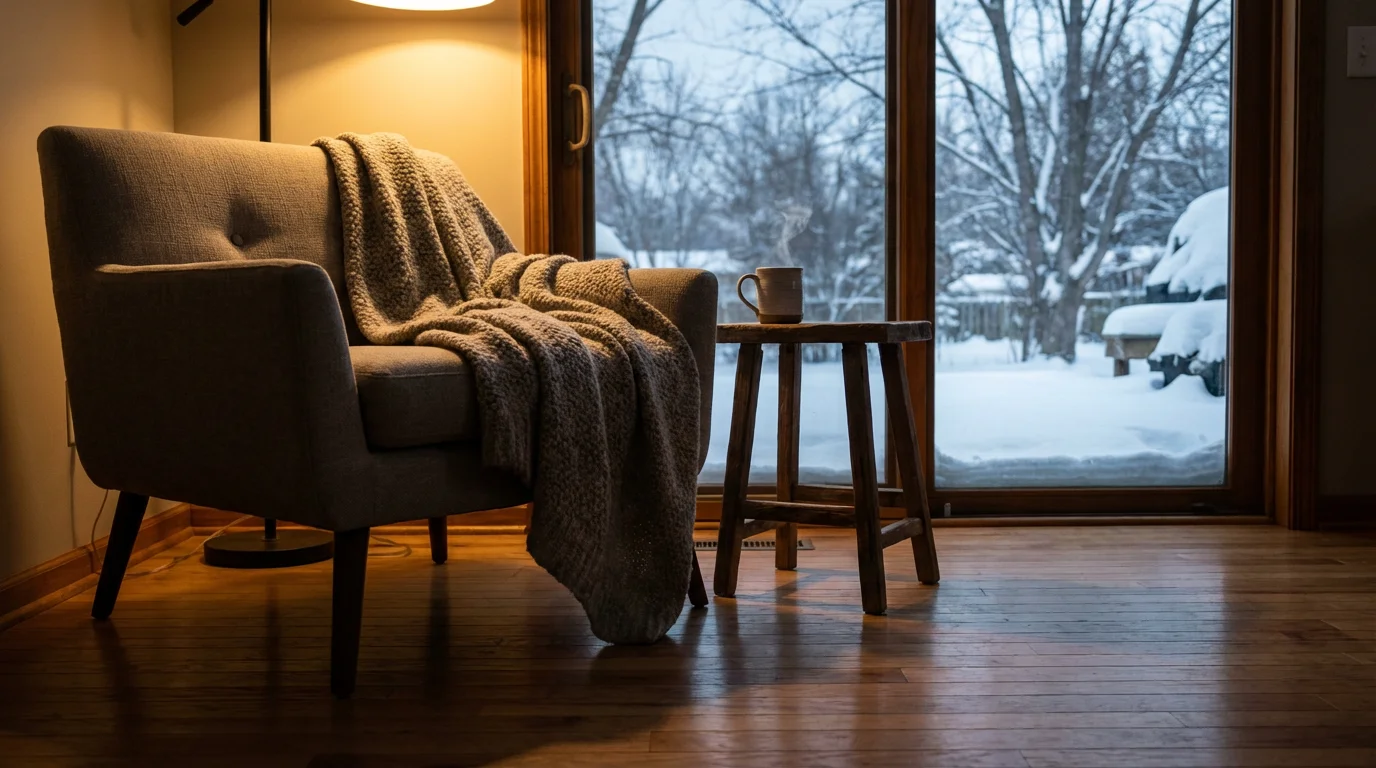
Winters are cold and snowy, with average temperatures often below freezing. Snowfall is common, transforming the landscape into a winter wonderland. While the cold can be significant, many communities embrace it with various winter sports and festivals. You can enjoy skiing, snowshoeing, ice fishing, and holiday events.
Spring is a season of renewal, with gradually warming temperatures and melting snow. The landscape reawakens with blooming flowers and budding trees. While spring weather can be unpredictable, it marks the return of milder conditions and outdoor possibilities. You can check detailed climate data through sources like the National Weather Service.
Climate Overview
- Summer (June-August): Warm, pleasant, average 70s F. Ideal for lakes and outdoor recreation.
- Autumn (September-November): Mild, crisp, stunning fall foliage. Excellent for hiking and scenic tours.
- Winter (December-February): Cold, snowy, average 20s F. Opportunities for winter sports and cozy indoor activities.
- Spring (March-May): Thawing, warming, average 40s-50s F. A season of transition and reawakening.
Embracing all four seasons is part of the Wisconsin experience. If you enjoy seasonal changes and outdoor activities throughout the year, Wisconsin’s climate could be a perfect fit for your retirement.

Healthcare Access for Wisconsin Retirees
Access to quality healthcare is a paramount concern for retirees. Wisconsin consistently ranks well in healthcare quality and accessibility. You will find a robust network of hospitals, clinics, and specialized medical facilities across the state, particularly in urban and suburban areas.
If you are looking for top-rated medical systems in the Southeast, a Georgia retirement offers excellent healthcare access along with a warmer climate.
States like Pennsylvania also offer exceptional medical systems; you can learn more about its benefits in our guide to retiring in Pennsylvania.
Major cities like Milwaukee, Madison, and Green Bay house large healthcare systems and teaching hospitals renowned for advanced medical care. These institutions offer a full spectrum of services, from primary care to specialized treatments and research. Access to these facilities is generally excellent.
The state features several highly-rated hospitals, ensuring access to top-tier medical professionals and technology. For instance, the University of Wisconsin Hospital and Clinics in Madison and Froedtert Hospital in Milwaukee frequently appear on national “best hospitals” lists. These facilities are critical resources for complex medical needs.
For retirees navigating Medicare, Wisconsin provides various options. You can choose between Original Medicare (Parts A and B) or Medicare Advantage Plans (Part C), which often include prescription drug coverage and additional benefits. Medicare Part D plans are also available for prescription drug coverage.
To navigate healthcare options, you should utilize resources like Medicare.gov. This official site helps you compare plans, find doctors, and understand your benefits. Additionally, state-specific resources can assist with understanding local healthcare programs and elder care services.
Navigating Healthcare Options for Retirees in Wisconsin
- Assess Your Needs: Determine your primary care, specialist, and prescription drug needs.
- Research Local Providers: Identify hospitals and clinics in your target retirement area.
- Understand Medicare Options: Choose between Original Medicare, Medicare Advantage, and Part D prescription plans.
- Utilize Official Resources: Visit Medicare.gov and other government sites for accurate plan comparisons.
- Connect with Local Support: Explore state or local aging and disability resource centers for assistance.
- Consider Long-Term Care: Plan for potential long-term care needs, including assisted living or in-home support.
Rural areas may have fewer immediate options for specialized care. However, telemedicine and transport services often bridge these gaps. Overall, you can expect high-quality healthcare services throughout Wisconsin.

Top Retirement Destinations and Communities in Wisconsin
Wisconsin offers a diverse array of communities, each with its unique charm and amenities, catering to various retirement lifestyles. From bustling cities to tranquil lakeside towns, you can find a place that feels like home. Many communities are known for their strong social networks and opportunities for engagement.
If you prefer mountain scenery over lake views, you might consider how a Colorado retirement matches your active lifestyle goals.
Madison
As the state capital and home to the University of Wisconsin, Madison offers a vibrant intellectual and cultural environment. You will find excellent healthcare, diverse dining, and numerous parks. The city boasts a lively arts scene, farmers markets, and beautiful lakes for recreation.
- Pros: High-quality healthcare, rich cultural scene, abundant natural beauty, strong economy.
- Cons: Higher cost of living and housing compared to other Wisconsin cities, can experience heavy tourist traffic.
Milwaukee
Wisconsin’s largest city, Milwaukee, sits on the shores of Lake Michigan. It provides big-city amenities, including professional sports teams, museums, a thriving culinary scene, and a beautiful lakefront. You will find a wide range of housing options and diverse neighborhoods.
- Pros: Urban amenities, diverse neighborhoods, numerous cultural attractions, Lake Michigan access.
- Cons: Urban traffic and noise, property taxes can be high in some areas.
Green Bay
Famous for the Green Bay Packers, this city offers a strong sense of community and a more affordable cost of living than Madison or Milwaukee. You can enjoy various outdoor activities, a burgeoning downtown, and a slower pace of life. Green Bay provides access to excellent healthcare and Lake Michigan recreational opportunities.
- Pros: Affordable housing, strong community spirit, professional sports, access to nature.
- Cons: Smaller city amenities compared to Madison/Milwaukee, colder winters.
Door County
Often called the “Cape Cod of the Midwest,” Door County is a picturesque peninsula known for its scenic beauty, charming small towns, cherry orchards, and extensive coastline. It’s a popular destination for tourists but offers a peaceful, community-focused lifestyle for residents.
- Pros: Stunning natural beauty, vibrant arts community, outdoor recreation (boating, hiking, fishing).
- Cons: Higher cost of living and housing, significant seasonal tourism, fewer large-city amenities.
Small Towns and Rural Areas
Many retirees choose smaller towns like La Crosse, Eau Claire, or communities near Wisconsin’s many lakes and state parks for a quieter retirement. These areas offer strong community ties, access to nature, and often a lower cost of living. For instance, towns along the Wisconsin River or near the thousands of inland lakes provide excellent access to fishing and other water sports.
What are the best retirement communities in Wisconsin with access to fishing? Many communities throughout Wisconsin offer excellent fishing opportunities. Areas around the vast network of inland lakes, such as those in Vilas, Oneida, or Sawyer counties, are prime locations. Towns like Minocqua, Hayward, or Eagle River are popular choices for retirees who prioritize fishing, offering access to numerous lakes stocked with musky, walleye, bass, and panfish. You can also find 55+ communities that specifically cater to an outdoor lifestyle, sometimes even with private lake access or guided fishing excursions. Exploring areas near popular state parks, like Devil’s Lake State Park or Peninsula State Park, also provides access to diverse fishing environments, including streams and larger bodies of water.
Many 55+ communities across the state offer a range of amenities and social opportunities. These typically include clubhouses, fitness centers, and organized activities, fostering a strong sense of belonging among residents. You should research specific communities based on your desired lifestyle and budget.
“Livable communities are places where people of all ages can walk, bike, shop, and socialize. They offer affordable housing and transportation options, and a supportive environment for residents to age in place.” — AARP

Midwest Living: Culture, Community, and Activities
Midwest living in Wisconsin embodies a distinct culture known for its friendliness, community spirit, and appreciation for the outdoors. You will likely find welcoming neighbors and numerous opportunities to engage in local life. This strong sense of community is a hallmark of the state.
Wisconsin’s cultural fabric is rich, influenced by its diverse immigrant history, particularly German and Scandinavian heritage. This manifests in local festivals, food traditions, and architectural styles. You can enjoy traditional fish fries, authentic German beer gardens, and lively polka music.
The state offers abundant recreational opportunities, making it an attractive destination for active retirees. Your options include thousands of miles of hiking and biking trails, over 15,000 lakes for boating and fishing, and numerous golf courses. Many communities are located near impressive state parks that offer year-round outdoor adventures.
Popular Retirement Activities in Wisconsin
- Outdoor Recreation: Hiking, biking, fishing, boating, kayaking, golfing, snowshoeing, cross-country skiing.
- Cultural Experiences: Visiting museums, art galleries, live music venues, theaters, and historical sites.
- Food and Drink: Exploring local breweries, wineries, cheese factories, farmers markets, and diverse restaurants.
- Community Engagement: Volunteering, joining clubs and organizations, attending local festivals and events.
- Sports: Following professional teams like the Green Bay Packers, Milwaukee Bucks, and Milwaukee Brewers, or attending collegiate sports.
Wisconsin hosts a variety of festivals throughout the year, celebrating everything from music and art to food and local heritage. These events are excellent ways to immerse yourself in the local culture and meet new people. Your social calendar can be as full as you wish.
Pros and Cons of Retiring in Wisconsin
Making a relocation decision requires a balanced perspective. Wisconsin offers many advantages for retirees, but it also presents certain challenges. Considering both the positive and negative aspects helps you make an informed choice.
Pros of Retiring in Wisconsin
- Affordable Cost of Living: Housing, in particular, is generally more affordable than the national average, stretching your retirement budget further.
- High-Quality Healthcare: The state boasts excellent medical facilities and a strong network of providers, especially in major urban centers.
- Beautiful Four-Season Climate: You can experience distinct seasons, with warm summers, colorful autumns, snowy winters, and refreshing springs.
- Abundant Outdoor Recreation: Thousands of lakes, extensive state parks, and numerous trails offer year-round activities like fishing, hiking, and skiing.
- Strong Community and Culture: Wisconsin offers a welcoming atmosphere, friendly people, and a rich cultural heritage with many local events and festivals.
- Social Security Exempt: Your Social Security benefits are fully exempt from state income tax, which benefits many retirees.
Cons of Retiring in Wisconsin
- Cold, Snowy Winters: While some embrace winter, others may find the long, cold, and snowy season challenging.
- Higher Property and Income Taxes: Compared to some other states, Wisconsin has relatively high property taxes and taxes most retirement income, excluding Social Security.
- Limited Public Transportation: Outside of major cities, public transportation options are sparse, making a personal vehicle essential for most.
- Urban vs. Rural Disparity: Access to amenities and specialized healthcare can be more limited in very rural areas.
- Humidity: While summers are pleasant, some residents find the humidity levels uncomfortable during peak summer months.
Weighing these factors against your personal preferences and financial situation will guide you in deciding if Wisconsin is the right fit for your retirement.

Relocation Planning: Your Move to Wisconsin
Relocating for retirement involves careful planning and execution. A well-organized approach simplifies the transition to your new home in Wisconsin. From initial research to settling in, each step requires attention.
Begin by thoroughly researching potential communities that align with your lifestyle and budget. Consider factors such as proximity to family, preferred climate, access to healthcare, and available amenities. Visiting prospective areas multiple times during different seasons can provide a realistic perspective.
Once you select a location, create a detailed budget encompassing moving costs, housing, taxes, and ongoing living expenses. Factor in potential utility increases during winter months. You can also start decluttering and downsizing your current home early in the process, which reduces moving stress and costs.
Practical Steps for Your Move to Wisconsin
- Comprehensive Research: Explore cities, towns, and 55+ communities, considering cost of living, healthcare, and amenities.
- Visit Your Top Choices: Experience prospective locations in different seasons if possible.
- Financial Planning: Develop a detailed budget for moving expenses and ongoing living costs in Wisconsin.
- Downsizing and Decluttering: Start early to reduce items you need to move, sell, or donate.
- Hire a Reputable Mover: Obtain quotes from several licensed and insured moving companies.
- Update Records: Change your address with the U.S. Postal Service, banks, insurance providers, and government agencies.
- Transfer Healthcare: Coordinate with your current doctors and find new healthcare providers in Wisconsin.
- Establish Utilities: Arrange for electricity, gas, water, internet, and trash services in your new home.
- Register Your Vehicle: Obtain a Wisconsin driver’s license and register your vehicle within the required timeframe.
- Connect with Community: Seek out local clubs, organizations, and volunteer opportunities to build your new social network.
Consider engaging a local real estate agent who specializes in retirement properties. They can offer valuable insights into neighborhoods, market trends, and specific community features. This local expertise is invaluable during your home search.
Frequently Asked Questions
What are the best retirement communities in Wisconsin with access to fishing?
Many areas in northern and central Wisconsin, particularly those within the “Northwoods” region, are ideal for retirees seeking excellent fishing access. Towns like Minocqua, Hayward, St. Germain, and Eagle River are situated amidst thousands of freshwater lakes abundant with musky, walleye, bass, and panfish. Some 55+ communities are even built near lakes, offering residents direct water access or organized fishing excursions. You will find that proximity to state parks and national forests also enhances fishing opportunities in these regions.
How do I navigate healthcare options for retirees in Wisconsin?
Navigating healthcare in Wisconsin involves several steps. First, you should identify your specific medical needs and research healthcare providers and systems in your chosen retirement area. Utilize official resources like Medicare.gov to compare Original Medicare, Medicare Advantage plans, and prescription drug plans (Part D) available in your county. Wisconsin also has Aging and Disability Resource Centers (ADRCs) that provide personalized assistance with healthcare enrollment, benefits counseling, and connecting you to local services. Additionally, many major cities boast highly-rated hospitals, ensuring access to quality care.
Does the cost of living significantly impact retirement in Wisconsin?
Wisconsin generally offers a more affordable cost of living compared to the national average, primarily due to lower housing costs. This allows your retirement savings to potentially go further. While income and property taxes are relatively higher than some other states, the full exemption of Social Security benefits from state income tax helps offset these costs for many retirees. Your budget will vary depending on whether you choose an urban center like Madison or a more rural, quieter community. Careful budgeting and understanding the local economic landscape are key.
Are there specific tax benefits for seniors in Wisconsin?
Yes, Wisconsin provides a significant tax benefit for seniors: all Social Security benefits are fully exempt from state income tax. This means you do not pay state tax on your Social Security income. While other retirement income sources, like private pensions and 401(k) withdrawals, are generally taxed, the Social Security exemption helps reduce the overall tax burden for retirees. Additionally, some property tax credits, like the Homestead Credit, may be available to qualifying low-income homeowners, including seniors. You should consult a tax professional for personalized advice regarding your specific financial situation.
How do retirees adjust to Wisconsin’s cold winters?
Adjusting to Wisconsin’s cold winters often involves embracing the season. Many retirees find enjoyment in winter sports like cross-country skiing, snowshoeing, or ice fishing. Communities also host numerous indoor and outdoor winter festivals and events. You can ensure your home is well-insulated, and a reliable heating system is essential. Investing in warm winter clothing is also important. For those who prefer to avoid extreme cold, many snowbirds opt to spend a portion of the winter months in warmer climates, returning for Wisconsin’s pleasant spring, summer, and fall seasons.
Disclaimer: This article is for informational purposes only. Cost of living, taxes, and local conditions change over time. We encourage readers to verify current information through official sources and visit potential retirement destinations before making relocation decisions.









Leave a Reply