

Considering Washington for your retirement offers a unique blend of majestic natural beauty and vibrant urban experiences. This guide helps you navigate the diverse landscapes and lifestyles available, ensuring you make an informed decision for your golden years. You will discover practical insights into living costs, climate variations, healthcare options, and tax implications across the state.
Washington state provides a compelling destination for those seeking an active retirement filled with outdoor adventures, cultural pursuits, and access to top-tier services. Your ideal retirement location balances personal preferences with practical considerations, and Washington presents a spectrum of choices to suit many desires. From the bustling cities of the Puget Sound to the tranquil eastern plains, this state offers distinct environments for every retiree.
Table of Contents
- Understanding Washington’s Appeal for Retirees
- Cost of Living in the Evergreen State
- Navigating Washington’s Tax Landscape
- Climate and Weather Considerations
- Healthcare Access and Quality
- Best Places to Retire in Washington
- 55+ Communities and Housing Options
- Relocation Planning and Practical Steps
- Frequently Asked Questions

Understanding Washington’s Appeal for Retirees
Washington state draws retirees with its stunning natural scenery, from rugged coastlines and temperate rainforests to volcanic peaks and arid eastern plateaus. The state offers unparalleled access to outdoor activities year-round. You can enjoy hiking, skiing, boating, and golf, often within a short drive of urban centers.
For a similar mix of mountains and coastal access in a milder Southern climate, a North Carolina retirement is well worth considering.
If you love coastal landscapes but prefer the East Coast, a Maine retirement offers another beautiful option.
Beyond its natural beauty, Washington boasts a strong economy and a forward-thinking culture, particularly in areas surrounding the Puget Sound. This contributes to a diverse population and a wide array of cultural, culinary, and educational opportunities. Many communities actively support senior engagement, providing a rich social fabric.
However, Washington presents challenges, primarily its higher cost of living in popular metropolitan areas. The weather, characterized by cloudy days and rain in western Washington, also influences some retirees’ decisions. Evaluating these factors helps you determine if Washington aligns with your retirement vision.
- Pros of Retiring in Washington:
- Exceptional natural beauty and abundant outdoor recreation.
- No state income tax.
- Vibrant cultural scene, especially in urban areas.
- Access to high-quality healthcare facilities.
- Diverse economy and educational opportunities.
- Cons of Retiring in Washington:
- High cost of living, particularly housing, in Western Washington.
- Traffic congestion in major metropolitan areas.
- Frequent cloudy days and rain in the western half of the state.
- Higher state sales and property taxes.

Cost of Living in the Evergreen State
The cost of living significantly impacts your retirement budget, and Washington state presents a mixed picture. Metropolitan areas, especially those around the Puget Sound, carry a higher price tag than national averages. Housing costs, in particular, drive this difference, with median home prices in Seattle consistently ranking among the nation’s highest.
For those who appreciate waterfront living but require a lower cost of entry, a Michigan retirement offers excellent value.
While Washington has high costs, those looking for more budget-friendly dry climates in the West might investigate retiring in Nevada instead.
Data from the U.S. Census Bureau and Bureau of Labor Statistics indicates that while groceries and utilities are often on par with national averages, housing and transportation expenses elevate overall costs. Moving eastward or to smaller towns generally reduces expenses. You will find more affordable options outside the major urban corridors.
Consider your personal spending habits and housing preferences when evaluating Washington’s affordability. Your retirement income stretches further in areas like Spokane or the Tri-Cities compared to Seattle or Bellevue. Researching specific communities helps you create an accurate budget.
| Cost of Living Category | Washington State Index (Avg) | Seattle Metro Area Index | National Average Index |
|---|---|---|---|
| Overall | 118.7 | 154.6 | 100.0 |
| Housing | 147.1 | 223.7 | 100.0 |
| Groceries | 101.4 | 104.7 | 100.0 |
| Utilities | 84.7 | 83.2 | 100.0 |
| Transportation | 107.0 | 120.5 | 100.0 |
| Healthcare | 95.5 | 98.1 | 100.0 |
(Source: MERIC, Q1 2024 data, National Average = 100)

Navigating Washington’s Tax Landscape
Understanding state taxes provides a critical component of your retirement financial planning. Washington is one of only a handful of states that does not levy a state income tax. This absence of income tax often attracts retirees, as it means your retirement income, Social Security benefits, and pension distributions are not taxed at the state level. Visit the Tax Foundation for detailed state tax information.
Retirees seeking a state with no income tax but a much lower cost of living might also want to research Texas retirement options.
For many seniors, finding tax-friendly states for retirees is a top priority when choosing where to settle down.
However, Washington compensates for its lack of income tax with other revenue streams. You will encounter a statewide sales tax rate of 6.5%, with local jurisdictions adding their own rates, often pushing the combined sales tax to 8% to 10.4%. Property taxes also represent a significant consideration, varying by county and specific location. The average effective property tax rate in Washington is around 0.93% of a home’s assessed value, though it varies significantly.
Washington does not have an estate tax, but it does have a capital gains tax on high-income individuals. This tax generally applies to capital gains exceeding $250,000 annually from the sale or exchange of long-term capital assets. Most retirees will likely not incur this tax. You should consult a financial advisor to understand your individual tax situation.
| Tax Category | Washington State Policy |
|---|---|
| State Income Tax | None |
| Social Security Tax | None |
| Pension/Retirement Income Tax | None |
| Sales Tax (State) | 6.5% (Local add-ons may increase it to over 10%) |
| Property Tax | Average effective rate ~0.93% (varies by county) |
| Estate Tax | None |
| Capital Gains Tax | 7% on capital gains exceeding $250,000 annually |

Climate and Weather Considerations
Washington’s diverse geography creates distinct climate zones, offering different experiences depending on where you settle. Western Washington, including the Puget Sound region, features a mild, marine climate. Summers are generally warm and dry, with average high temperatures in the 70s Fahrenheit, making for comfortable outdoor living. Winters are cool and wet, with frequent cloudy days and rainfall, though significant snowfall is rare in lowland areas. Seattle, for instance, receives less annual rainfall than many East Coast cities, but it experiences more days with measurable precipitation.
If you prefer a dry climate with almost constant sunshine, look into how an Arizona retirement might suit your lifestyle.
Those who want to completely avoid wet winters in favor of year-round sunshine often consider retiring in Florida instead.
Seniors who enjoy distinct seasons but prefer slightly less coastal humidity may also want to compare this to an Idaho retirement.
If you love the climate of the Northwest but want to explore other coastal options, consider how retiring in Oregon compares.
Eastern Washington, east of the Cascade Mountains, presents a drier, more continental climate. Summers are hotter, often reaching the 90s Fahrenheit, with abundant sunshine. Winters are colder and typically receive more snow than the western side of the state. Spokane, for example, experiences four distinct seasons, with sunny summers and snowy winters that appeal to those who enjoy seasonal changes.
Your preference for sunshine, rain, snow, or mild temperatures helps determine the best fit within the state. If you enjoy crisp, sunny days for most of the year, Eastern Washington might be a better choice. If you prefer mild temperatures and lush green landscapes, the western part of the state provides an attractive option.
Healthcare Access and Quality
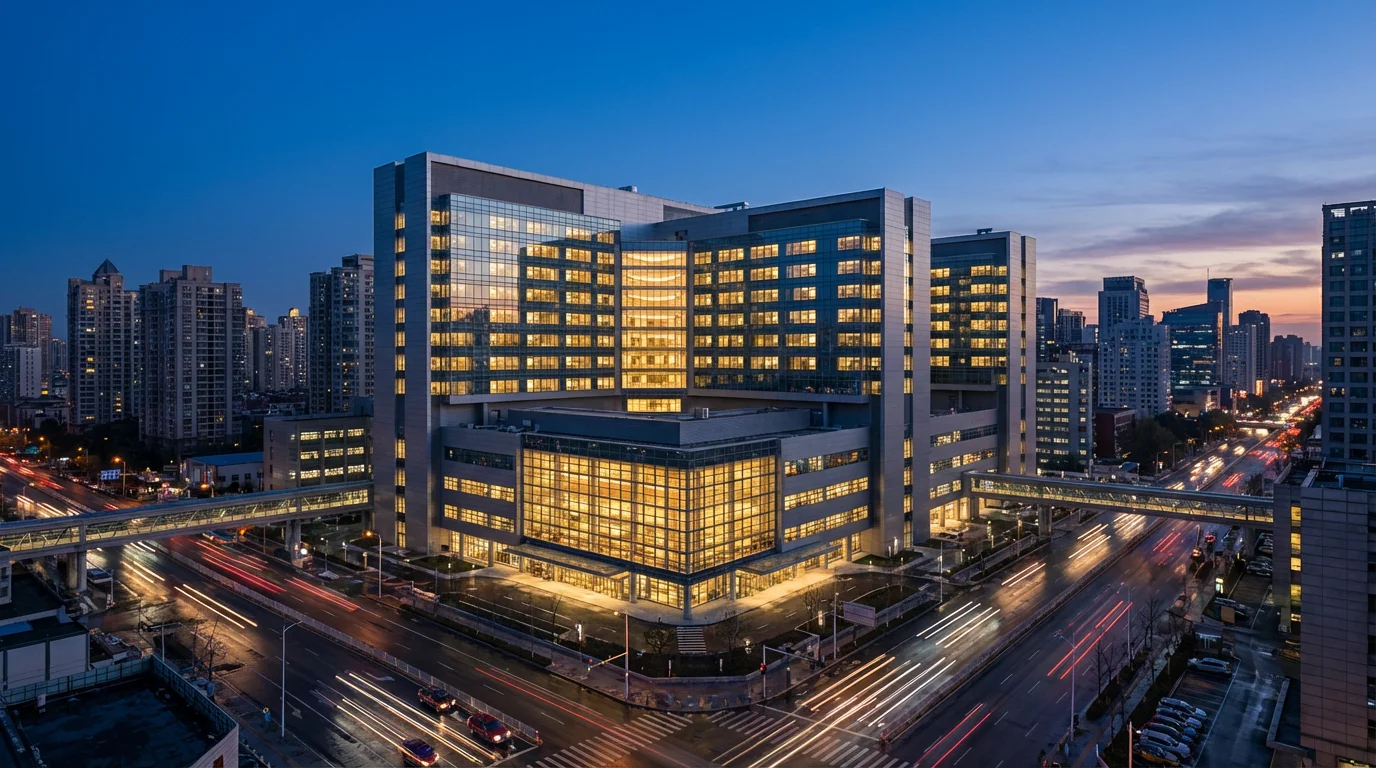
Access to high-quality healthcare is a top priority for many retirees, and Washington state excels in this area. The state boasts a robust healthcare infrastructure, particularly in its major metropolitan areas. Seattle, in particular, serves as a hub for advanced medical care, home to world-renowned institutions like the University of Washington Medical Center and Swedish Medical Center.
Major hospital systems, including Providence, MultiCare, and Kaiser Permanente, operate facilities throughout the state, ensuring that residents have access to comprehensive medical services. These systems offer specialized care, advanced treatments, and a strong network of primary care physicians. You can research healthcare providers and plan specifics at Medicare.gov.
Regarding assisted living, affordability varies significantly by location and level of care. How affordable is assisted living in Washington state? The median cost for assisted living in Washington is higher than the national average. According to recent data, the statewide median cost for assisted living facilities is approximately $6,000 per month, though this can range from $4,500 in more rural areas to over $7,500 in the Puget Sound region. Investigating specific facilities and their offerings helps you understand the costs involved. You can find resources and support for long-term care planning through the Eldercare Locator.

Best Places to Retire in Washington
Washington offers a diverse array of communities, each providing distinct advantages for retirees. Your choice depends on your lifestyle preferences, budget, and desired amenities. Here, we explore some of the best places to retire in Washington.
Retirees who want beautiful mountain scenery on a tighter budget might also want to look into retiring in Tennessee.
If you are drawn to mountainous terrain but want to see how other areas stack up, look into a Colorado retirement as well.
Retirement Near Seattle and the Puget Sound
Many retirees ask, “What are the best places to retire in Washington near Seattle?” The Puget Sound region offers urban excitement, cultural richness, and stunning natural beauty. Cities like Seattle, Bellevue, and Tacoma provide access to world-class dining, arts, and healthcare. However, these areas come with a significantly higher cost of living, particularly for housing.
- Seattle: For those seeking a vibrant urban environment, Seattle provides endless cultural attractions, professional sports, and top-tier medical facilities. Its proximity to Puget Sound offers boating and waterfront activities.
- Pros: Diverse culture, excellent healthcare, numerous dining and entertainment options, strong public transportation.
- Cons: Very high cost of living, significant traffic congestion, frequent cloudy and rainy weather.
- Bellevue: Located across Lake Washington from Seattle, Bellevue offers a more suburban feel with a thriving downtown. It balances urban amenities with natural beauty and provides excellent shopping and parks.
- Pros: High quality of life, beautiful surroundings, strong economy, good healthcare access.
- Cons: Extremely high cost of living, can feel less diverse than Seattle.
- Tacoma: South of Seattle, Tacoma provides a more affordable alternative while retaining many urban benefits. Its revitalized waterfront, museums, and arts scene attract retirees.
- Pros: More affordable than Seattle/Bellevue, active arts scene, waterfront access, good transportation links.
- Cons: Still higher cost of living than many national averages, some areas undergoing revitalization.
Coastal and Smaller Cities
For those preferring a slower pace or coastal living, Washington offers charming smaller cities and towns. These locations often provide a strong sense of community and access to outdoor activities without the intensity of major metros.
- Olympia: As the state capital, Olympia offers a balance of governmental activity and a relaxed, community-focused atmosphere. Its position at the southern tip of Puget Sound provides easy access to water recreation.
- Pros: Moderate cost of living compared to Seattle, strong community feel, beautiful natural setting, state government benefits.
- Cons: Less diverse dining/entertainment than major cities, can experience heavy rain.
- Bellingham: Near the Canadian border, Bellingham is known for its access to the San Juan Islands and the North Cascades. It appeals to active retirees who enjoy outdoor pursuits and a college-town vibe.
- Pros: Beautiful scenery, strong outdoor recreation scene, vibrant downtown, close to ferry terminal for island access.
- Cons: Can be expensive, though less than Seattle; traffic can be heavy on I-5 during peak seasons.
Eastern Washington Options
East of the Cascades, Washington’s landscape transforms into drier, sunnier plains and rolling hills. These areas typically offer a lower cost of living and a distinct climate.
- Spokane: The second-largest city in Washington, Spokane offers a comprehensive urban experience with a more affordable cost of living than its western counterparts. It boasts four distinct seasons, a vibrant downtown, and a strong healthcare network.
- Pros: More affordable housing, four distinct seasons, numerous parks and outdoor activities, good healthcare.
- Cons: Hot summers, cold winters, less diverse job market (if considering part-time work).
- Tri-Cities (Richland, Pasco, Kennewick): Located at the confluence of the Columbia, Yakima, and Snake rivers, the Tri-Cities region provides a growing economy, abundant sunshine, and a lower cost of living. It’s a popular spot for wine enthusiasts and outdoor recreation.
- Pros: Abundant sunshine, lower cost of living, thriving wine industry, river recreation.
- Cons: Very hot summers, can feel isolated from major cultural centers, limited public transport.

55+ Communities and Housing Options
Washington state offers a growing number of 55+ communities and diverse housing options catering to retirees. These communities provide amenities and social activities specifically designed for active adults, fostering a strong sense of camaraderie. You find everything from independent living with maintenance-free homes to active adult communities with extensive clubhouses, golf courses, and fitness centers.
Beyond dedicated 55+ communities, the housing market presents various choices. You can find single-family homes, condominiums, and apartments across urban, suburban, and rural settings. Home prices, as noted, vary dramatically by region. Researching specific locales and visiting communities helps you identify the best fit for your preferences and budget. This allows you to envision your daily life and social engagements.

Relocation Planning and Practical Steps
Relocating for retirement involves careful planning and execution. A well-thought-out strategy helps ensure a smooth transition to your new Washington home. Consider your priorities, such as proximity to family, climate preferences, and access to specific amenities, early in the process.
“The journey of a thousand miles begins with a single step. Make that step a well-researched one.”
Start by visiting potential areas at different times of the year to experience varied weather and seasonal activities. Engage with local residents and explore community resources. Financial planning also plays a crucial role; create a detailed budget encompassing housing, utilities, taxes, healthcare, and leisure activities. These preparations reduce stress and allow you to fully enjoy your move.
- Define Your Priorities: Determine what factors matter most, such as cost of living, climate, proximity to family, healthcare access, and community type.
- Research Potential Locations: Explore different regions of Washington, considering both Western and Eastern Washington options.
- Visit Prospective Areas: Spend time in your top choices, ideally during different seasons, to get a true feel for the lifestyle.
- Create a Detailed Budget: Account for all expenses, including housing, taxes, insurance, utilities, healthcare, and entertainment.
- Consult Financial and Tax Advisors: Understand the financial implications of your move, especially concerning Washington’s tax laws.
- Plan Your Housing: Decide whether to buy, rent, or consider a 55+ community. Begin searching for properties well in advance.
- Arrange Logistics for Your Move: Secure movers, update your address with relevant institutions, and transfer utilities. You can find comprehensive checklists on USA.gov.
- Connect with the Community: Once settled, explore local senior centers, clubs, and volunteer opportunities to build your new social network.
Frequently Asked Questions
Is Washington state tax-friendly for retirees?
Yes, Washington state is generally considered tax-friendly for retirees because it does not have a state income tax. This means your Social Security benefits, pension income, and 401(k)/IRA distributions are not taxed at the state level. However, the state does have higher sales taxes and property taxes compared to many other states.
What is the average cost of living in Washington?
The average cost of living in Washington state is approximately 18.7% higher than the national average. Housing costs significantly drive this, particularly in the Puget Sound region. Eastern Washington and smaller towns generally offer more affordable living expenses.
Are there many 55+ communities in Washington?
Yes, Washington state features a growing number of 55+ communities, especially in popular retirement areas like the Puget Sound, Vancouver, and Spokane. These communities offer various amenities, from active adult lifestyles to independent living and continuing care options, catering to diverse preferences.
How is the healthcare system in Washington for seniors?
Washington state provides an excellent healthcare system with numerous highly-rated hospitals and medical centers, particularly in major cities. Access to specialized care is robust, with systems like the University of Washington Medical Center renowned for their quality. You will find ample resources for senior healthcare across the state.
What are the best places to retire in Washington near Seattle?
For retirement near Seattle, consider Bellevue for upscale suburban living, Tacoma for a more affordable urban experience with waterfront access, or Olympia for a balanced, community-focused atmosphere. These locations offer proximity to Seattle’s amenities while presenting distinct lifestyle options and cost structures.
How affordable is assisted living in Washington state?
Assisted living in Washington state tends to be more expensive than the national average. The median monthly cost statewide is around $6,000, with higher costs in metropolitan areas like Seattle and Bellevue, potentially exceeding $7,500. Rural areas offer slightly lower rates, but it remains a significant expense. The Eldercare Locator provides resources to help you assess options.
Disclaimer: This article is for informational purposes only. Cost of living, taxes, and local conditions change over time. We encourage readers to verify current information through official sources and visit potential retirement destinations before making relocation decisions.









Leave a Reply