

Relocating for retirement represents a significant life decision, one that often includes a meticulous search for the ideal climate. While you might identify a state or region based on its general weather patterns, a deeper dive into “microclimates” reveals critical local distinctions. These highly localized weather variations significantly impact your daily comfort, health, and lifestyle, making them a crucial consideration for your perfect retirement destination.
Thinking beyond broad regional forecasts helps you uncover the specific conditions that truly define a neighborhood. Understanding how topography, water bodies, and even urban development influence local weather allows you to pinpoint a location that aligns precisely with your preferences. This article guides you through the complexities of microclimates, providing practical insights to help you find your perfect climate niche for retirement.
Table of Contents
- What Are Microclimates and Why Do They Matter for Retirement?
- Key Factors Influencing Local Weather Variations
- Practical Implications of Microclimates for Your Retirement Lifestyle
- Researching Microclimates: Tools and Strategies
- Case Studies: How Microclimates Shape Popular Retirement Destinations
- Selecting Your Climate Niche: A Step-by-Step Approach
- Frequently Asked Questions

What Are Microclimates and Why Do They Matter for Retirement?
Microclimates refer to localized atmospheric conditions that differ significantly from the general climate of a larger surrounding area. These variations can occur within a few miles, or even within different parts of a single city or neighborhood. They arise from specific geographical features and human interventions that modify sunlight, wind, temperature, and moisture levels.
For individuals planning retirement, understanding these subtle climate variations is paramount. Relying solely on a state’s overall weather profile can lead to unexpected discomfort or increased expenses in your chosen locality. You deserve a clear picture of the daily weather you will experience, rather than just broad averages.
Consider the difference a few hundred feet of elevation can make, or the impact of a large lake on temperatures. These factors directly influence your daily life, from enjoying your morning coffee on the patio to managing your home’s heating and cooling needs. Your perfect retirement spot hinges on these localized conditions.
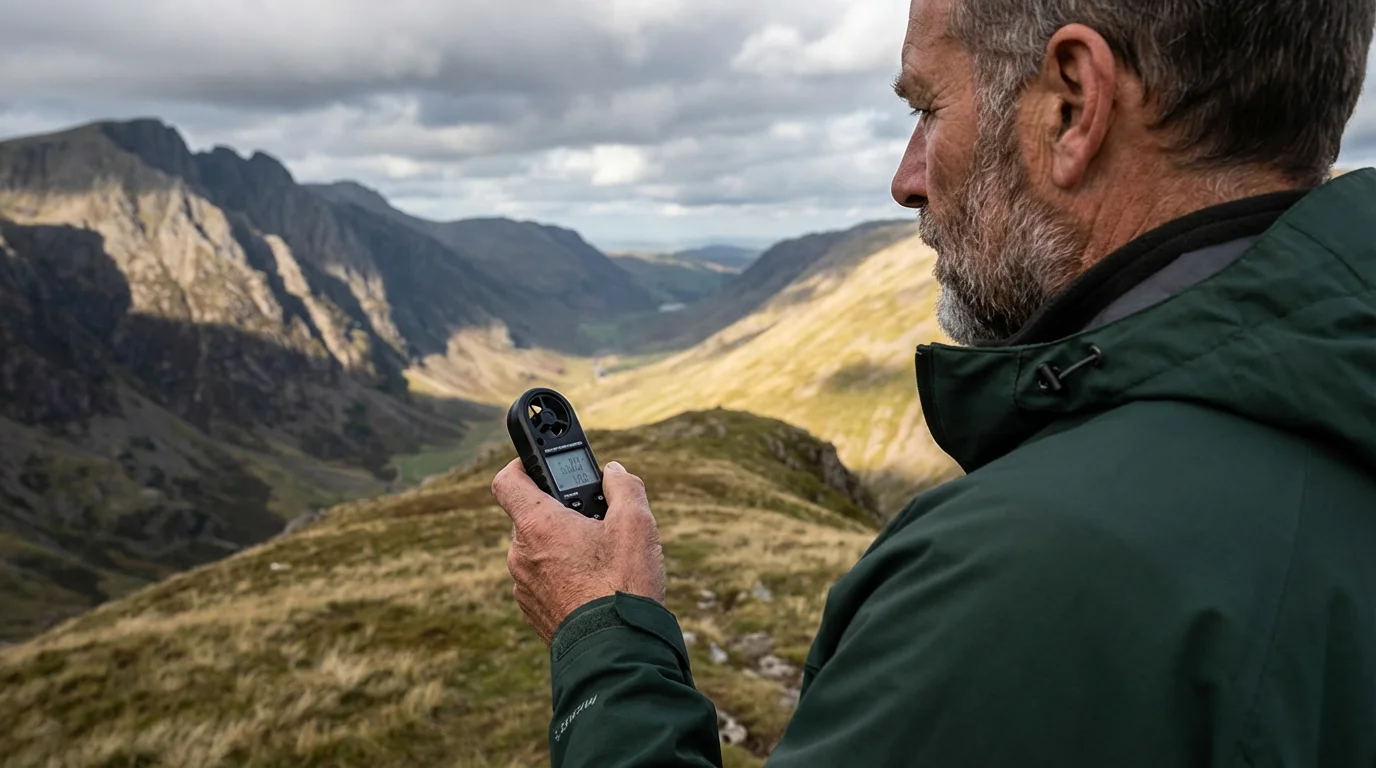
Key Factors Influencing Local Weather Variations
Several elements contribute to the creation of distinct local weather patterns. Recognizing these factors empowers you to make a more informed decision about your retirement location. Each geographical feature or environmental condition plays a crucial role in shaping a specific climate niche.
Elevation
Altitude profoundly affects temperature and precipitation. Higher elevations generally experience cooler temperatures and often more snowfall compared to lower-lying areas. For example, Asheville, North Carolina, situated in the Blue Ridge Mountains at an elevation of about 2,130 feet, has significantly cooler summers and more distinct four seasons than coastal North Carolina cities like Wilmington.
As you compare options, understanding the differences between northern and southern retirement climates can help you decide how much winter weather you are truly willing to experience.
This elevation difference directly impacts outdoor activities, gardening seasons, and the types of plants that thrive. If you desire crisp mountain air and cooler summers, higher elevations within a generally warm state might offer your ideal microclimate. Conversely, lower elevations often mean milder winters and warmer overall temperatures.
Proximity to Water Bodies
Large bodies of water, such as oceans, gulfs, or major lakes, act as thermal regulators. They absorb heat slowly and release it slowly, moderating temperatures in adjacent land areas. Coastal regions typically experience milder winters and cooler summers than inland areas at similar latitudes.
For instance, along Florida’s Gulf Coast, sea breezes often provide welcome relief from summer heat, a benefit not always available just a few miles inland. However, coastal proximity also often brings higher humidity, increased fog, and a greater risk of tropical storms or hurricanes. You must weigh these benefits and drawbacks based on your personal climate preferences and risk tolerance.
Urban Heat Islands
Cities, with their dense concentrations of concrete, asphalt, buildings, and reduced vegetation, tend to be significantly warmer than surrounding rural areas. This phenomenon is known as the urban heat island effect. Urban surfaces absorb and retain more solar radiation, and human activities release heat from vehicles and air conditioning systems.
For those looking to escape high temperatures entirely, researching retirement destinations with moderate summers can lead you to cooler sanctuary cities.
During the summer months, downtown Phoenix, Arizona, can be several degrees Fahrenheit warmer than the surrounding desert landscape, particularly at night. This increased heat can elevate energy costs for cooling and pose health risks for heat-sensitive individuals. If you enjoy city amenities, you might also need to consider the trade-off of a warmer local climate.
Topography (Mountains, Valleys)
Mountain ranges create pronounced microclimates through mechanisms like rain shadows and wind patterns. As moist air rises over a mountain, it cools and releases precipitation on the windward side, creating lush environments. The leeward side, in contrast, often remains dry and arid, forming a rain shadow. An excellent example is the Pacific Northwest, where the Cascade Mountains create a stark contrast between the wet western slopes and the much drier eastern regions.
Valleys can also trap cold air, leading to temperature inversions and localized frost. Understanding the specific orientation and features of local topography helps predict variations in sunlight, wind exposure, and precipitation. This detailed insight allows you to select a location optimized for your comfort and preferred activities.
Vegetation and Forests
Dense forests and significant green spaces contribute to cooler local temperatures and increased humidity. Trees provide shade, and through transpiration, they release water vapor into the atmosphere, which has a cooling effect. A neighborhood with mature trees often feels several degrees cooler than a sparsely vegetated area nearby.
Conversely, open plains or areas with minimal tree cover offer little respite from direct sun and wind exposure. If you prioritize shade and a slightly cooler environment, look for areas with established green infrastructure. This detail influences both outdoor enjoyment and your home’s energy efficiency.

Practical Implications of Microclimates for Your Retirement Lifestyle
The nuanced differences in local weather patterns carry tangible consequences for your retirement years. These impacts extend beyond simple comfort, affecting your health, budget, and overall quality of life. Considering these practical implications helps you weigh your options thoroughly.
If you cannot decide on a single microclimate year-round, you might want to explore the basics of seasonal retirement as a snowbird.
Health and Comfort
Your ideal microclimate directly supports your well-being. Individuals with respiratory conditions, such as asthma or allergies, might find relief in areas with lower humidity or different pollen profiles. Those sensitive to heat may thrive in cooler mountain microclimates, even within a generally warm state. Conversely, dry air in some regions can exacerbate skin conditions.
Beyond physical health, the amount of seasonal sunshine you receive plays a significant role in managing conditions like seasonal affective disorder in retirement.
Local weather also impacts joint pain or arthritis, with some individuals preferring drier climates over humid ones. The daily fluctuations you experience profoundly shape your comfort levels and ability to participate in outdoor activities. Choosing wisely means aligning your environment with your body’s specific needs.
Outdoor Activities
For many retirees, outdoor activities form a cornerstone of their lifestyle. A microclimate with a longer growing season supports avid gardeners, while consistent mild temperatures encourage walking, hiking, or golf year-round. Areas prone to heavy snowfall or ice might limit winter sports but enable summer water activities.
Finding the right setting is key to embracing new hobbies after relocation, allowing you to try new things in a hospitable environment.
Consider how localized wind patterns affect sailing or how shade from urban trees impacts your afternoon strolls. These specific conditions dictate the practicality and enjoyment of your hobbies. Your chosen microclimate directly influences how often and how comfortably you engage in your favorite outdoor pursuits.
Home Energy Costs
The subtle temperature variations within microclimates significantly affect your home’s energy consumption. An urban property experiencing the heat island effect might incur higher air conditioning costs during summer months. A home in a valley prone to cold air pooling could see increased heating expenses in winter.
For many, keeping overall costs down is a major priority, which is why researching the warmest retirement states with affordable housing can help strike a balance between budget and comfort.
Wind-sheltered locations might reduce heat loss, while exposed areas face higher utility bills due to constant drafts. Reviewing localized energy consumption data or speaking with residents can provide realistic estimates. This often overlooked factor can have a substantial impact on your retirement budget over time.
Property Value and Insurance
Microclimates influence more than just comfort; they can affect property values and insurance rates. Homes situated in known flood zones near water bodies face higher flood insurance premiums. Properties in areas prone to specific weather events, such as localized high winds or hail, might also see increased insurance costs.
These localized shifts are increasingly relevant as climate change alters retirement planning assumptions, making insurance risk assessment more critical than ever.
Conversely, a desirable microclimate, perhaps one with milder winters or pleasant breezes, can enhance a property’s appeal and value. Always research localized hazard risks and insurance implications before committing to a purchase. You want to avoid unforeseen financial burdens in retirement.
Transportation
Localized weather conditions directly impact daily transportation. Heavy snowfall in a mountain microclimate can make winter driving challenging, requiring specific vehicle capabilities or seasonal adjustments. Persistent fog in coastal or valley areas can reduce visibility and increase travel times.
Even intense heat waves in an urban heat island can make walking or cycling less appealing during peak hours. If you plan to rely on walking, biking, or public transportation, assess how the local microclimate will affect your ability to get around comfortably and safely. This practical consideration is vital for maintaining independence.
“The best time to plant a tree was 20 years ago. The second best time is now.”

Researching Microclimates: Tools and Strategies
Identifying your ideal microclimate requires more than a quick internet search; it demands focused research and active investigation. Several tools and strategies can help you uncover the specific local weather patterns of potential retirement spots. This detailed approach moves you beyond general assumptions to concrete data.
Utilize Local Weather Data
Move beyond regional climate averages. Seek out data from local weather stations, often managed by universities, airports, or the National Weather Service (NWS). These stations provide more granular information on daily temperatures, precipitation, wind speeds, and even frost dates for specific localities. A comprehensive view helps you understand daily reality.
You can access historical data for specific zip codes or even street addresses, revealing patterns over several years. This detailed information allows you to compare microclimates within the same broader region, highlighting subtle but important differences. The National Weather Service offers a wealth of information at weather.gov.
Examine Topographical Maps
Topographical maps clearly illustrate elevation changes, valleys, hills, and bodies of water. These visual aids are invaluable for identifying features that create microclimates. Look for contours indicating steep slopes, areas sheltered by mountains, or proximity to rivers and lakes.
Understanding the lay of the land provides clues about potential rain shadows, wind tunnels, or areas prone to cold air pooling. Your home’s orientation on a slope, for instance, can affect sun exposure and subsequent heating and cooling needs. A good map tells a compelling climate story.
Engage with Local Residents
No data set fully replaces firsthand experience and local knowledge. Connect with current residents through online forums, community social groups, or by simply striking up conversations during a visit. Ask about their experiences with seasonal weather, unexpected temperature swings, and localized phenomena like fog or strong winds.
They can offer practical insights into how the microclimate affects gardening, utility bills, or even specific neighborhoods. This anecdotal evidence complements your data research, providing a well-rounded understanding. Their lived experience is an invaluable resource for your decision-making.
Plan Exploratory Site Visits
Visiting a potential retirement location at different times of the year is essential. A summer visit reveals heat and humidity, while a winter trip exposes cold, snow, or persistent dampness. Spend extended time in specific neighborhoods you are considering, experiencing daily weather patterns.
Notice how temperatures change from morning to afternoon, or how breezes vary from one street to another. Walk around, observe vegetation, and pay attention to sun exposure on homes. These direct observations help you confirm or adjust your assumptions about the local microclimate.
Climate Comparison Table: Microclimate Factors and Their Impact
| Microclimate Factor | Typical Impact on Temperature | Typical Impact on Precipitation/Humidity | Retirement Lifestyle Consideration |
|---|---|---|---|
| Coastal Proximity | Milder winters, cooler summers (moderating effect) | Higher humidity, increased fog, potential for sea breezes | Outdoor activities like beach walks, sailing; risk of hurricanes. |
| Higher Elevation | Cooler overall, more distinct seasons | More snow, potentially less humidity than coastal areas | Winter sports, cooler summers for hiking; shorter growing seasons. |
| Urban Core (Heat Island) | Significantly warmer, especially at night | Often drier, but can have localized intense storms | Higher AC costs, access to city amenities; comfort for walking. |
| Valley Bottom | Prone to cold air pooling, temperature inversions | Fog, frost, can be sheltered from wind | Potential for longer heating seasons; limited sun in winter. |
| Leeward Side of Mountains (Rain Shadow) | Drier, often warmer than windward side | Significantly less precipitation, arid conditions | Gardening with drought-resistant plants; reduced snow removal. |
| Dense Forests/Green Spaces | Cooler temperatures due to shade and transpiration | Higher humidity, less direct wind exposure | Enhanced outdoor comfort, potential for allergies; less direct sunlight. |
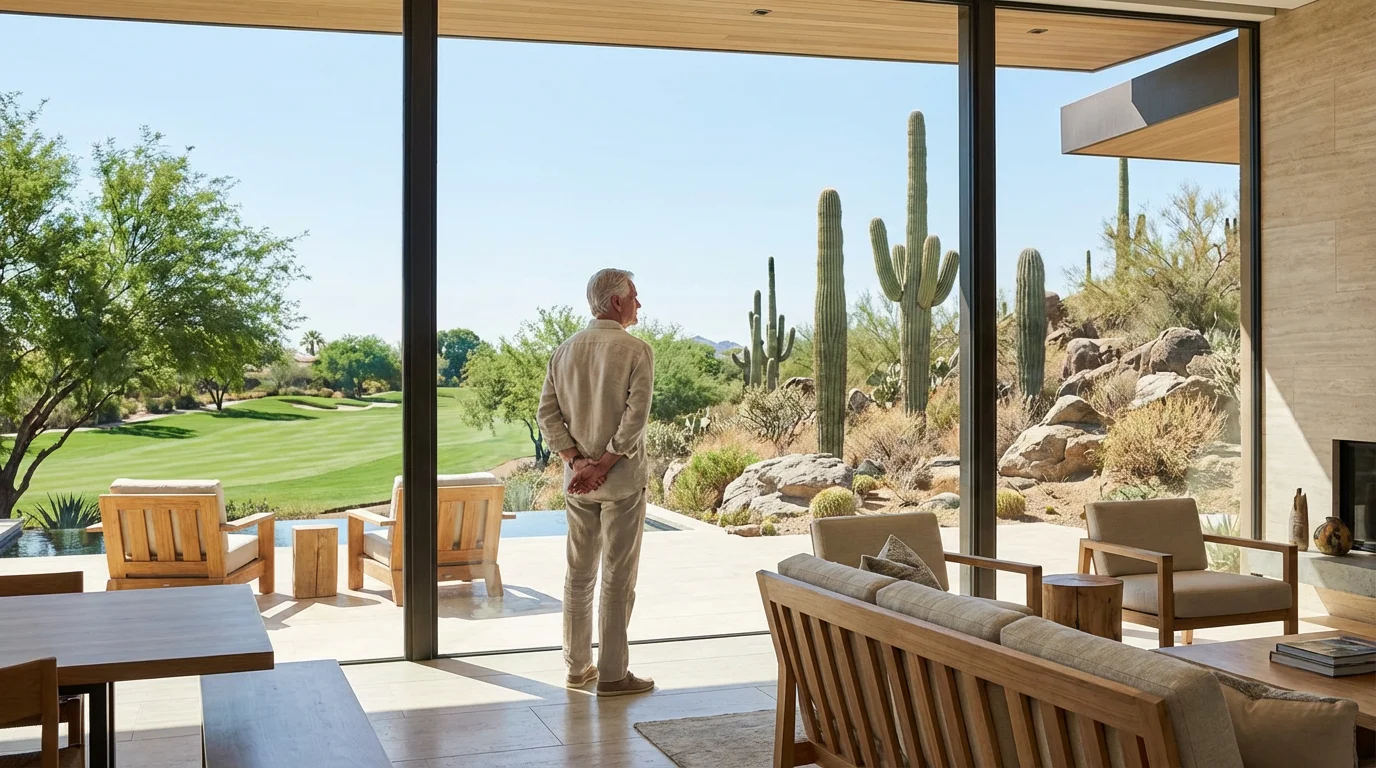
Case Studies: How Microclimates Shape Popular Retirement Destinations
Examining real-world examples helps illustrate how dramatically microclimates can alter the retirement experience within a seemingly uniform region. These case studies highlight the importance of detailed research beyond state-level climate generalizations. You gain insight into specific localized conditions.
Arizona: Phoenix vs. Prescott
Arizona is widely known for its hot, dry desert climate. However, significant microclimates exist within the state. Phoenix, a sprawling metropolitan area, exemplifies an intense urban heat island. Summer daytime temperatures frequently exceed 100°F, and nighttime lows remain elevated due to retained heat. This requires substantial air conditioning and limits daytime outdoor activities for much of the year.
In stark contrast, Prescott, located just over 100 miles north of Phoenix, sits at an elevation of approximately 5,300 feet. Prescott experiences four distinct seasons, with milder summers where average highs are in the low 90s, and true winters with measurable snowfall. This microclimate offers a completely different retirement experience, appealing to those who prefer cooler temperatures and seasonal variety, without leaving the state.
Florida: Coastal vs. Central Regions
Florida’s overall climate is subtropical, characterized by warm temperatures and high humidity. Yet, a clear distinction emerges between coastal and central regions. Coastal cities like Sarasota or Naples benefit from sea breezes that provide consistent relief during the hot summer months, often keeping temperatures a few degrees cooler than inland areas.
Central Florida cities, such as Orlando or Lakeland, experience higher daytime summer temperatures and more intense humidity, lacking the moderating ocean influence. While both areas offer warm winters, the daily summer experience differs significantly. Your preference for sea breezes or tolerance for intense humidity will guide your choice.
Pacific Northwest: Seattle vs. Eastern Washington
The Pacific Northwest is often generalized as a rainy, temperate region. However, the towering Cascade Mountain Range creates one of the most dramatic rain shadows in the United States. Seattle, on the western side, experiences a mild, oceanic microclimate with significant rainfall, cloudy skies, and moderate temperatures throughout the year.
East of the Cascades, cities like Spokane or Tri-Cities (Richland, Pasco, Kennewick) have a continental microclimate. They receive significantly less annual precipitation, enjoy more sunny days, and experience greater temperature extremes. Summers are hotter and drier, while winters are colder with more consistent snow. This vast difference dictates entirely different lifestyles for retirees.
California: San Diego Coast vs. Temecula Valley
Southern California is famous for its Mediterranean climate, but even here, microclimates create notable variations. The immediate coastal areas of San Diego, for example, enjoy remarkably consistent, mild temperatures year-round, often referred to as a “70-degree and sunny” climate. Sea fog can be common, but overall, it is incredibly temperate.
Just 40-50 miles inland, in the Temecula Valley, the moderating influence of the ocean significantly diminishes. Summers here are considerably hotter, with daytime temperatures frequently reaching the 90s and sometimes over 100°F. This inland microclimate appeals to those seeking more intense summer heat and clear, sunny days, even if it means foregoing the coastal mildness.
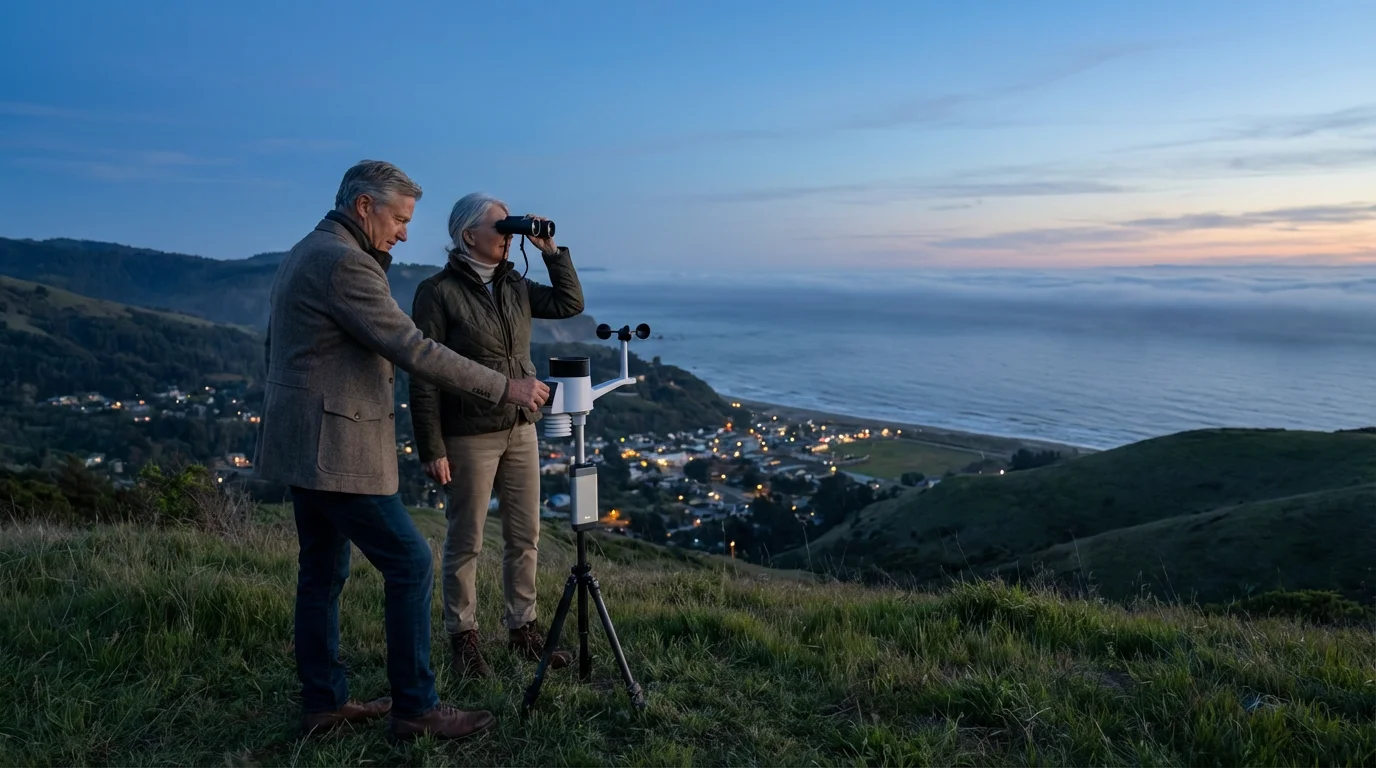
Selecting Your Climate Niche: A Step-by-Step Approach
Finding your perfect microclimate involves a structured process, moving from broad preferences to specific local investigations. This systematic approach ensures you consider all relevant factors before making a major relocation decision. You deserve a clear path to your ideal retirement environment.
-
Define Your Ideal Weather Preferences: Begin by clearly outlining what you seek in a climate. Do you crave year-round warmth, or do you prefer four distinct seasons? Are you sensitive to humidity, or do you thrive in dry heat? Consider your tolerance for snow, extreme heat, or persistent rain. Your personal comfort is the ultimate priority.
- Low humidity preference
- Tolerance for hot summers
- Desire for seasonal changes
- Avoidance of heavy snowfall
- Comfort in mild winters
-
Identify Broader Regions Matching General Preferences: Based on your initial criteria, narrow down potential states or larger geographical areas. For instance, if you want warmth year-round, you might look at Florida, Arizona, or parts of Texas. If you desire four seasons with milder extremes, the Mid-Atlantic or parts of the Pacific Northwest might be options. This initial filtering helps streamline your search.
-
Dive into Specific Localities and Their Microclimates: Once you have a region, begin investigating specific cities, towns, and even neighborhoods. Utilize the tools and strategies discussed previously, such as local weather data and topographical maps, to understand localized variations. This detailed research reveals the true character of a location’s climate. Your chosen environment impacts your daily living.
-
Consider Other Essential Retirement Factors: A perfect microclimate is only one piece of the puzzle. Evaluate other critical elements such as cost of living, healthcare access, proximity to family, and available amenities. Use resources like Medicare.gov for healthcare comparisons and the U.S. Census Bureau for demographic and economic data.
- Healthcare facility accessibility
- Overall cost of living (housing, utilities, groceries)
- Proximity to loved ones
- Availability of desired social activities and community
- Access to reliable transportation options
-
Plan Exploratory Visits Across Seasons: Make multiple trips to your top contender locations, ideally during different times of the year. Experience the heat of summer, the chill of winter, and the transitional periods of spring and fall. This firsthand experience provides invaluable insights that data alone cannot capture. Your comfort is paramount.
Making an informed decision about your retirement location involves harmonizing your climate preferences with all other practical considerations. By systematically researching and experiencing microclimates, you increase your chances of finding a place where you truly thrive for years to come.
Frequently Asked Questions
Is a microclimate a significant factor for retirement planning?
Absolutely. While regional climate data provides a broad overview, microclimates impact your daily comfort, health, outdoor activities, and even home energy costs. Ignoring these localized variations means you might miss critical details that affect your long-term satisfaction in a retirement location.
Can microclimates impact my utility bills?
Yes, they can significantly. An urban heat island effect can mean higher air conditioning costs in summer, while a valley prone to winter inversions might increase heating expenses. Understanding localized temperature and wind patterns helps you budget for utilities more accurately.
How do I find specific microclimate data for a neighborhood?
Start by examining detailed topographical maps to identify elevation changes, water bodies, and dense urban areas. Consult local weather stations, which often provide more granular data than regional averages. Visiting potential neighborhoods across different seasons and speaking with current residents offers invaluable first-hand insights. The National Weather Service provides localized forecasts and historical data.
Do 55+ communities consider microclimates in their design?
Reputable 55+ community developers often account for local climate nuances in their planning. They might orient homes to maximize sun exposure in cooler climates or shade in hotter regions. Landscaping choices, like strategic tree planting, can also mitigate microclimate effects, improving comfort and energy efficiency for residents.
What is a “rain shadow” and how does it affect local weather?
A rain shadow is a dry area on the leeward side of a mountain range. As moist air rises over the mountains, it cools, condenses, and releases precipitation on the windward side. By the time the air descends on the leeward side, it has lost much of its moisture, resulting in significantly drier conditions. This creates distinct microclimates, for example, the stark contrast between the wet western slopes and dry eastern slopes of the Cascade Mountains in Washington State.
Can microclimates change over time?
While the fundamental geographical features that create microclimates, like mountains or large bodies of water, remain constant, human development can alter them. Urban expansion, deforestation, or the creation of new reservoirs can modify local temperature, wind, and moisture patterns, leading to subtle shifts in existing microclimates.
Disclaimer: This article is for informational purposes only. Cost of living, taxes, and local conditions change over time. We encourage readers to verify current information through official sources and visit potential retirement destinations before making relocation decisions.





Leave a Reply