
Retirement represents a significant life transition, offering opportunities for new adventures, relaxation, and pursuing passions. When envisioning your ideal retirement, you likely consider factors such as cost of living, proximity to family, healthcare access, and climate. However, a crucial, often overlooked element in this planning process involves understanding the long-term implications of climate change on potential retirement locations. Your choice of where to settle down for decades directly intersects with evolving environmental risks.
This guide helps you navigate how climate change influences retirement decisions, offering practical insights and actionable steps to make an informed choice for your future. We explore the financial, health, and lifestyle considerations, highlighting how you can identify `climate resilient retirement locations` that align with your priorities and offer peace of mind. Thoughtful planning today ensures a more secure and comfortable tomorrow.
Table of Contents
- Understanding the Shifting Landscape: Key Climate Impacts
- Financial Implications: Protecting Your Retirement Savings
- Health and Well-being: Climate’s Toll on Seniors
- Identifying Climate Resilient Retirement Locations
- Practical Steps for Integrating Climate into Your Retirement Plan
- Balancing Priorities: Climate, Cost, and Lifestyle
- The Role of Infrastructure and Community Preparedness
- Frequently Asked Questions

Understanding the Shifting Landscape: Key Climate Impacts
`Climate change` presents a complex array of environmental shifts that directly affect livability across various regions. For retirees, these impacts translate into tangible concerns about safety, property, and quality of life. Understanding these changes is the first step toward making a proactive retirement decision.
While climate risks are diverse, those moving to specific regions should also consider planning for retirement in earthquake zones to ensure total home safety.
One of the most widely discussed impacts is `rising sea levels`. Coastal communities, particularly those at lower elevations, face increased risks of chronic flooding and storm surge. The National Oceanic and Atmospheric Administration (NOAA) projects significant increases in sea levels, potentially making many current coastal properties uninhabitable or subject to frequent inundation within your retirement years. This poses a direct threat to property values and personal safety in affected areas.
Beyond coastal concerns, `extreme weather` events are becoming more frequent and intense across the United States. This includes a rise in severe hurricanes and tropical storms, especially in the Southeast and Gulf Coast. These events bring destructive winds, heavy rainfall, and widespread power outages, disrupting daily life and posing significant evacuation challenges for older adults. You must consider the historical frequency and projected intensity of such storms in any potential retirement destination.
Wildfires represent another escalating `extreme weather` threat, primarily affecting Western states, but now expanding into other regions. Prolonged droughts and hotter temperatures create conditions conducive to larger, more destructive fires. These events not only threaten homes, they also lead to poor air quality, which can severely impact respiratory health. Researching local fire risk and air quality trends is crucial for those considering Western or dry-climate regions.
Increased heatwaves and prolonged periods of extreme heat affect nearly every part of the country. For older adults, this presents a serious health risk, increasing vulnerability to heatstroke and other heat-related illnesses. The need for reliable air conditioning and access to cooling centers becomes paramount. Water scarcity, a consequence of drought, also impacts daily life and agricultural stability in some regions. Considering average summer temperatures and the availability of resources to mitigate heat is essential.
Heavy rainfall and inland flooding are also increasing in many areas, even far from coastlines. These events can overwhelm infrastructure, leading to localized flooding that disrupts transportation and utility services. Understanding a community’s flood plain status and its storm water management systems becomes critical. These varied environmental shifts demand your careful attention as you plan where `how will climate change affect retirement` for you.
Financial Implications: Protecting Your Retirement Savings
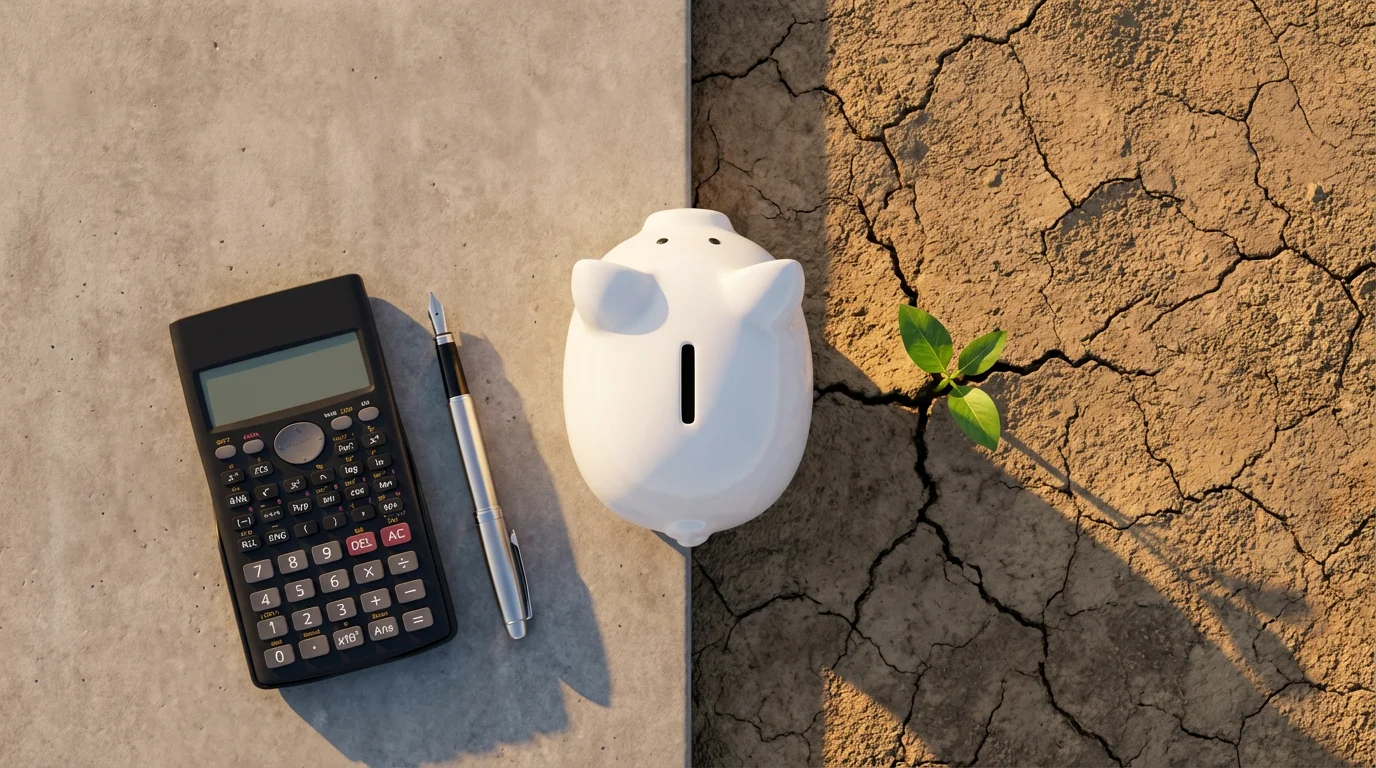
The environmental shifts driven by `climate change` carry significant financial consequences for retirees. Your choice of location can directly impact your budget, property value, and overall financial security. Proactive planning helps safeguard your hard-earned retirement savings.
To further protect your nest egg, consider cross-referencing climate data with a list of tax-friendly states for retirees to maximize your monthly budget.
Beyond the costs of insurance and repairs, overall housing affordability for seniors remains a critical factor in determining your long-term financial health.
One of the most immediate financial impacts is the escalating cost of insurance. Homeowners insurance premiums are rising sharply in areas prone to `extreme weather` events, such as coastal regions facing hurricanes or areas with high wildfire risk. Flood insurance, often separate from standard homeowners policies, also sees substantial increases and may become mandatory in certain zones. According to the National Association of Insurance Commissioners, premiums have seen double-digit percentage increases in many vulnerable states, reflecting the growing risk. Your insurance costs could become a significant, unpredictable expense.
Property values in high-risk areas also face increasing volatility and potential decline. As `rising sea levels` and `extreme weather` threats become more apparent, demand for properties in vulnerable locations may decrease. This could make it harder to sell your home later or force you to accept a lower price than anticipated. A study by the First Street Foundation indicated that properties with flood risk already sell for less than comparable homes without such risk. This impacts your ability to leverage home equity or pass on an appreciating asset.
| Risk Factor | Financial Impact | Example Region |
|---|---|---|
| Rising Sea Levels | Increased flood insurance premiums, reduced property values, potential for chronic inundation. | Coastal Florida, Louisiana |
| Severe Hurricanes | Higher homeowners insurance, damage repair costs, prolonged displacement expenses. | Gulf Coast, Southeast Atlantic |
| Wildfires | Elevated homeowners insurance, difficulty securing coverage, property loss. | California, Pacific Northwest |
| Extreme Heat/Drought | Higher utility bills for cooling, water usage restrictions, potential impact on local economy. | Southwest, parts of Southern Plains |
| Inland Flooding | Flood insurance costs, infrastructure damage, disruption to local services. | Midwest river basins, Northeast |
Relocation costs also come into play if environmental changes force you to move unexpectedly. The expenses associated with buying a new home, selling your current one, and the physical move can be substantial. Planning for a `climate resilient retirement location` from the outset helps avoid these unexpected expenditures down the road. You must also consider the potential for increased costs of living. `Extreme weather` events can disrupt supply chains, leading to higher prices for food, fuel, and other essential goods in affected regions. This impacts your fixed retirement income.
Your choice of a retirement locale significantly affects how well your savings withstand future environmental challenges. Evaluating these financial risks thoroughly is an indispensable part of your retirement planning.
Health and Well-being: Climate’s Toll on Seniors
For older adults, the health implications of `climate change` are particularly acute. As you consider where to retire, assessing the health risks associated with a location’s climate future is just as important as evaluating access to doctors or hospitals. Your long-term well-being depends on it.
If climate concerns prompt a move, remember there are important documents to update after relocating to ensure your medical and legal records are current in your new state.
Heat-related illnesses pose a major threat. Seniors often have reduced ability to regulate body temperature, making them more susceptible to heatstroke, dehydration, and cardiovascular stress during prolonged heatwaves. These conditions can be life-threatening. Locations experiencing increasingly frequent and intense heat can place significant strain on your health and necessitate constant vigilance. Access to reliable air conditioning and community cooling centers becomes critical in these environments.
Respiratory health is another significant concern. Wildfire smoke, for example, contains fine particulate matter that can exacerbate conditions like asthma, COPD, and other lung diseases. Even those without pre-existing conditions can experience irritation and reduced lung function. Areas prone to wildfires or located downwind from fire zones present ongoing air quality challenges. Similarly, increased pollen seasons and certain air pollutants, intensified by warmer temperatures, can trigger allergic reactions and worsen respiratory issues.
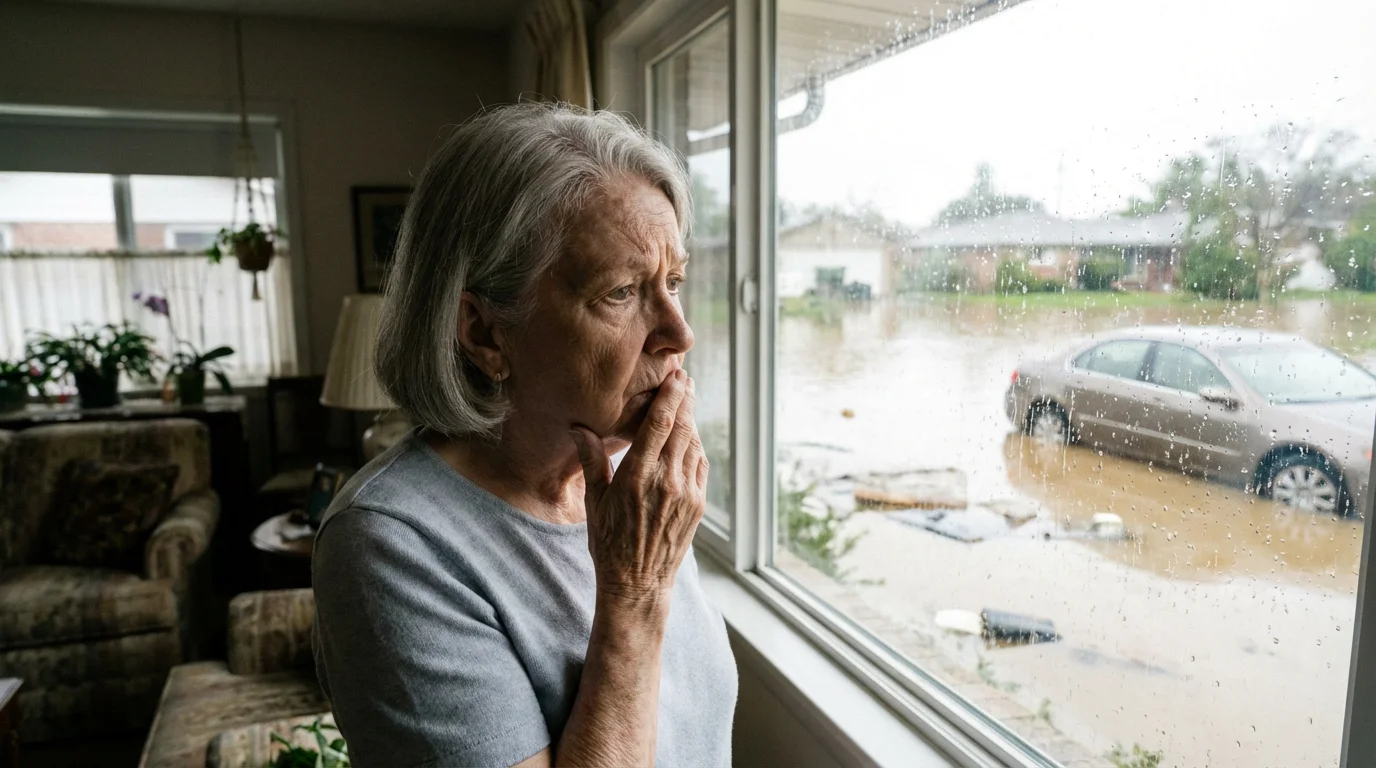
Mental health impacts also emerge as a serious consideration. Experiencing `extreme weather` events like hurricanes, floods, or wildfires can be traumatic. Displacement from your home, loss of possessions, and the stress of rebuilding or relocating can lead to anxiety, depression, and post-traumatic stress disorder, particularly for older adults who may have less resilience to major life disruptions. The long-term uncertainty associated with living in a vulnerable area can also contribute to chronic stress.
Access to healthcare services can be severely disrupted during and after `extreme weather` events. Hospitals may close, transportation routes become impassable, and pharmacies may be inaccessible. This becomes a critical concern if you rely on regular medical appointments, medications, or specialized care. You need to consider how a community’s healthcare infrastructure withstands and recovers from climate-related disruptions. Medicare.gov provides resources for finding care, but emergency situations can override typical access.
Certain chronic conditions, such as diabetes or kidney disease, require stable environments and consistent access to care. `Climate change` impacts can make managing these conditions more challenging. For instance, power outages during heatwaves can compromise refrigerated medications. When researching `how will climate change affect retirement`, you must prioritize locations that minimize these health-related risks, ensuring a safer and healthier retirement experience.
Identifying Climate Resilient Retirement Locations
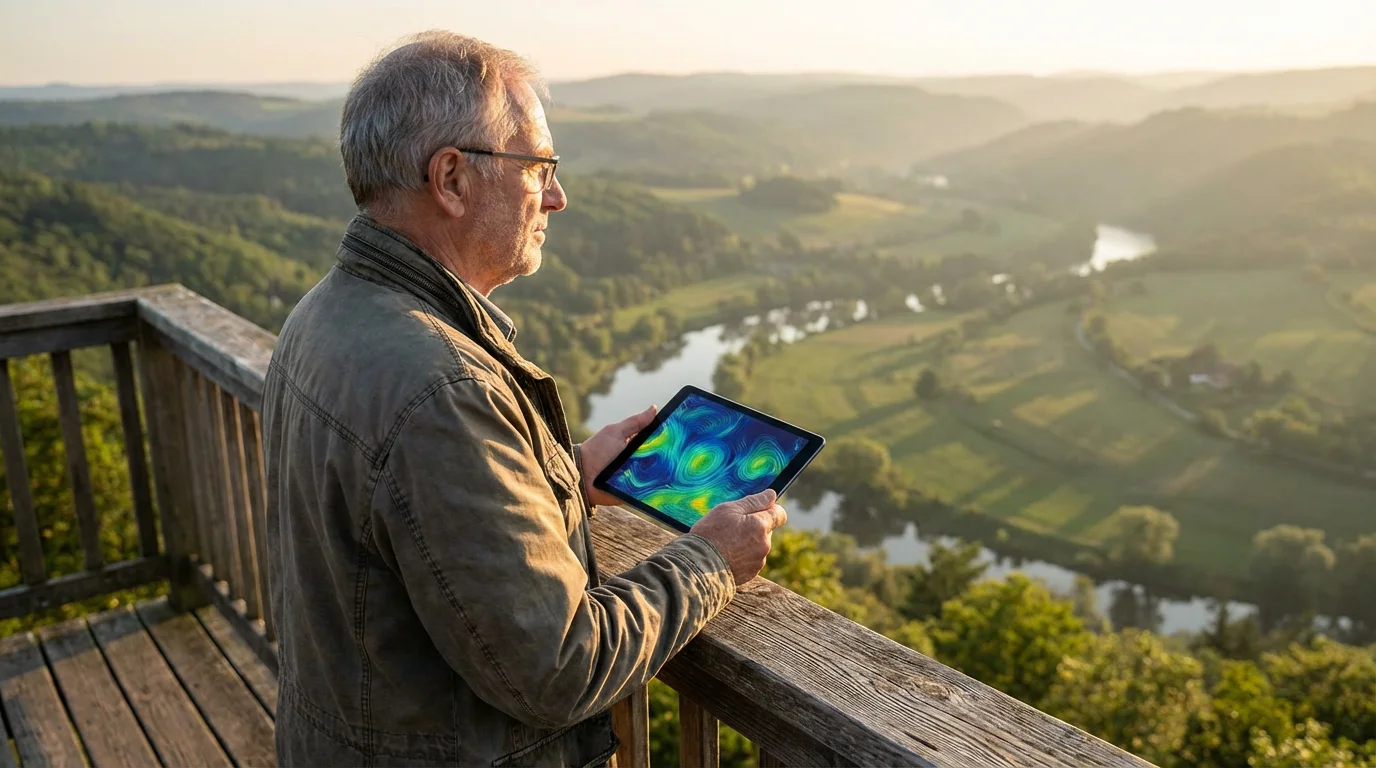
Choosing a `climate resilient retirement location` requires a forward-thinking approach, focusing on areas less susceptible to severe `climate change` impacts. While no place is entirely risk-free, certain regions and community characteristics offer greater stability and protection for your retirement years.
Performing a thorough comparison of Northern and Southern retirement climates can help you decide if you prefer manageable cold over the risks of extreme heat.
When evaluating potential locations, prioritize areas with lower projections for `rising sea levels` and minimal exposure to coastal storm surges. Inland communities, particularly those at higher elevations but still accessible to amenities, often present a safer long-term bet. Avoid floodplains and areas historically prone to riverine flooding, researching local flood maps from FEMA.
Consider regions with a more stable or predictable climate, avoiding zones known for increasing frequency or intensity of `extreme weather` events. For instance, some parts of the Upper Midwest or interior Northeast might offer greater protection from hurricanes and significant wildfires compared to coastal or arid Western regions. However, these areas may experience colder winters, which could be a factor for you. Research average temperatures, historical weather patterns, and future climate projections for any area you consider. The National Weather Service provides extensive historical data and forecasts.
Look for communities with robust infrastructure. This includes modern storm water management systems, reliable power grids, and well-maintained transportation networks that can withstand and recover from severe weather. A strong, responsive local government with a track record of effective emergency preparedness and community planning for climate challenges is also a key indicator of resilience. Your access to utilities and services during an event can make a significant difference in your safety and comfort.
Some characteristics of `climate resilient retirement locations` include:
- Lower elevation inland areas, away from major rivers or coastlines.
- Diverse regional economies not solely dependent on climate-vulnerable industries.
- Modern and well-maintained public utilities and infrastructure.
- Strong local emergency services and community preparedness plans.
- Access to multiple transportation routes for evacuation if necessary.
- Community investment in green infrastructure, such as permeable surfaces and urban tree canopies.
- Access to high-quality healthcare facilities that are resilient to disruptions.
Remember that what constitutes “resilient” also depends on your personal risk tolerance and health needs. A thorough investigation into local climate vulnerabilities and community responses helps you identify a location that truly supports your long-term well-being.

Practical Steps for Integrating Climate into Your Retirement Plan
Integrating `climate change` considerations into your retirement planning is a proactive measure that empowers you to make a wise, long-term decision. This involves diligent research, critical assessment, and careful financial planning.
- Research Local Climate Projections: Use reputable sources to understand the specific `climate change` impacts projected for any potential retirement destination. Look at NOAA, EPA, and state-specific climate reports for data on `rising sea levels`, `extreme weather` frequency, temperature increases, and precipitation changes. This helps you identify vulnerabilities before you commit.
- Assess Infrastructure and Emergency Services: Investigate the quality and resilience of a community’s infrastructure. Does it have robust storm drains? Is its power grid hardened against severe weather? How effective are local emergency services in disaster response and evacuation planning? AARP’s Livable Communities resources can offer insights into community preparedness.
- Evaluate Insurance Costs and Availability: Obtain quotes for homeowners, flood, and potentially wildfire insurance for properties in your desired areas. Rising premiums or difficulty securing coverage can be a significant red flag for future financial burdens. Speak with local insurance agents to understand specific risks and costs.
- Consider Healthcare Access During Disasters: Research how local healthcare providers and facilities typically fare during and after `extreme weather` events. Are there multiple hospitals? What are the evacuation routes to alternative care? This is especially crucial if you have ongoing medical needs.
- Visit During Different Seasons: If possible, visit potential locations during seasons most prone to `extreme weather` or challenging climate conditions (e.g., hurricane season in Florida, wildfire season in California, peak heat in Arizona). This gives you firsthand experience of the conditions.
- Talk to Locals: Engage with residents to understand their experiences with past `extreme weather` events, community preparedness, and satisfaction with local services. Their insights can be invaluable.
- Build a “Climate Contingency” into Your Budget: Even in `climate resilient retirement locations`, unexpected events can occur. Allocate a portion of your retirement savings as a contingency fund for unforeseen expenses related to climate impacts, such as temporary displacement or home repairs.
By following these steps, you gain a comprehensive understanding of the climate risks and resilience of a location. This informed approach ensures your retirement destination offers both comfort and long-term security.
“The best time to plant a tree was 20 years ago. The second best time is now.”

Balancing Priorities: Climate, Cost, and Lifestyle
Your retirement vision likely involves more than just avoiding `climate change` risks. You also weigh factors like cost of living, proximity to family, access to preferred amenities, and overall lifestyle. The challenge lies in finding a balance between these priorities and the need for a `climate resilient retirement location`.
Consider the trade-offs. A coastal community might offer a desirable lifestyle with ocean views and recreational opportunities, but it comes with heightened risks from `rising sea levels` and `extreme weather`. An inland, mountainous region might offer lower climate risk, but perhaps a higher cost of living or less diverse healthcare options. There is no single “best” place, as your individual priorities dictate the ideal compromise.
When evaluating lifestyle factors, think about your daily routines and preferences. Do you enjoy outdoor activities that might be limited by extreme heat or poor air quality? Do you rely on public transportation that could be disrupted by floods? Are family members located in areas also prone to `extreme weather`, influencing your decision to stay closer or move further away? The U.S. Census Bureau offers demographic data that can help you understand the populations and characteristics of different areas.
Cost of living remains a primary driver for many retirees. You can find `climate resilient retirement locations` that are also tax-friendly or offer a lower cost of living. For example, some Midwestern states, while experiencing heavier rainfall, might offer significantly lower housing costs and property taxes than a perceived “safer” coastal region. The Tax Foundation provides state-by-state tax guides that can inform these financial considerations. Your budget needs to account for not only housing and daily expenses but also potential increases in insurance or utility costs due to climate shifts.
- Pros of Coastal Retirement (with climate caveats):
- Access to beaches, water recreation, fresh seafood.
- Often vibrant tourist economies, diverse dining.
- Mild winters in many Southern coastal areas.
- Cons of Coastal Retirement (climate-related):
- High risk of `rising sea levels` and chronic flooding.
- Increased threat from hurricanes and tropical storms.
- Escalating insurance costs and potential property value depreciation.
- Pros of Mountain/Inland Retirement (climate-focused):
- Lower direct risk from `rising sea levels` and hurricanes.
- Often more stable climate patterns, though subject to regional extremes.
- Opportunities for hiking, skiing, and other outdoor activities.
- Cons of Mountain/Inland Retirement (potential climate/lifestyle):
- Risk of wildfires in dry Western regions.
- Potential for heavy snow in Northern mountain areas.
- Limited access to major healthcare facilities in very rural zones.
Ultimately, balancing your desire for a particular lifestyle with the practical realities of a changing climate involves personal reflection. Acknowledge that the “best” place depends entirely on your unique combination of priorities, risk tolerance, and financial situation.
The Role of Infrastructure and Community Preparedness
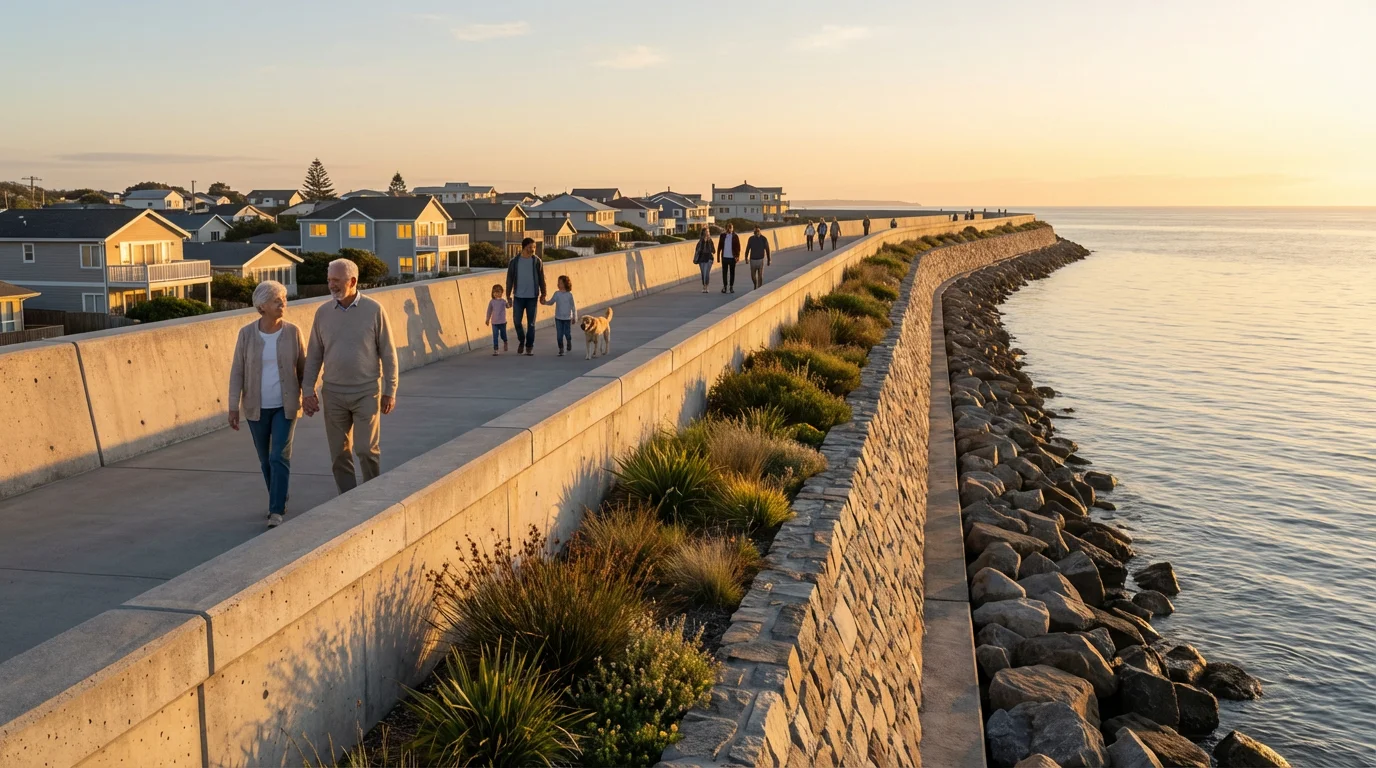
The resilience of a community’s infrastructure and its level of preparedness for `extreme weather` events directly impact your safety and quality of life in retirement. When planning `how will climate change affect retirement` for you, investigating these factors is as crucial as checking property taxes. Strong infrastructure and community readiness can make a significant difference during a crisis.
Robust infrastructure includes well-maintained roads, bridges, and public transportation systems that can withstand severe weather and facilitate evacuations if necessary. It also encompasses modern storm water management systems designed to prevent widespread inland flooding. Areas that have invested in undergrounding utility lines, for example, demonstrate a commitment to minimizing power outages during storms, which is vital for seniors reliant on electricity for medical equipment or cooling.
Community preparedness goes beyond infrastructure. It involves clear, actionable emergency plans from local governments, accessible warning systems, and established evacuation routes. Look for communities that regularly conduct disaster drills, have readily available shelters, and provide resources for vulnerable populations, including older adults. Programs like “Ready.gov” emphasize personal preparedness, but local government support and coordination are paramount.
Consider the availability and capacity of local emergency services, including fire, police, and medical personnel. During a major `extreme weather` event, these services can be stretched thin. A community with well-staffed and equipped first responders signals a higher level of safety. Additionally, access to reliable communication channels, such as local radio, TV, and emergency alert systems, becomes vital for receiving timely information.
Some communities are actively investing in “green infrastructure” solutions, such as permeable pavements, urban tree canopies, and restored wetlands. These natural approaches can help manage storm water, reduce urban heat island effects, and protect against coastal erosion, contributing to overall `climate resilient retirement locations`. Research whether a prospective community has adopted such forward-thinking environmental strategies.
A community’s ability to recover quickly after a disaster is also a key indicator of its resilience. This involves strong local leadership, community cohesion, and economic diversity that supports rebuilding efforts. Engaging with local residents or community leaders can provide insights into their experiences with past events and their plans for future challenges. Your long-term security in retirement relies heavily on the strength and foresight of the community you choose.
Frequently Asked Questions
What are the primary climate change risks for retirees?
The main risks include rising sea levels leading to coastal flooding, increased frequency and intensity of extreme weather events such as hurricanes, wildfires, and prolonged heatwaves, and disruptions to essential services like power and healthcare during these events.
How can I find data on climate risks for a specific location?
You can find reliable data from sources like the National Oceanic and Atmospheric Administration (NOAA), the Environmental Protection Agency (EPA), the National Weather Service (NWS) for historical weather data, and local government planning departments. Websites like the First Street Foundation also offer property-specific flood risk assessments.
Will my insurance premiums significantly increase due to climate change?
Yes, insurance premiums, especially for homeowners, flood, and wildfire coverage, are already increasing in many high-risk areas. These costs can become a substantial, unpredictable expense and should be factored into your retirement budget. Always obtain current quotes for specific properties.
What makes a retirement location “climate resilient”?
A climate resilient location typically has lower exposure to major climate risks, robust infrastructure capable of withstanding extreme weather, strong emergency preparedness plans, and a proactive local government that invests in long-term climate adaptation strategies. Inland areas at higher elevations often present fewer direct risks.
Should I avoid all coastal or warm-weather locations for retirement?
Not necessarily, but you must conduct thorough due diligence. If you prioritize a coastal or warm-weather lifestyle, seek locations with strong climate mitigation and adaptation strategies, higher elevations, or specific protections in place. Balance your desired lifestyle with a realistic assessment of long-term risks and associated costs.
How does climate change affect healthcare access for seniors?
Extreme weather events can disrupt healthcare services by damaging facilities, blocking transportation routes, and causing power outages. This can limit access to doctors, pharmacies, and critical medical care, which is a significant concern for seniors with ongoing health needs.
Disclaimer: This article is for informational purposes only. Cost of living, taxes, and local conditions change over time. We encourage readers to verify current information through official sources and visit potential retirement destinations before making relocation decisions.








Leave a Reply