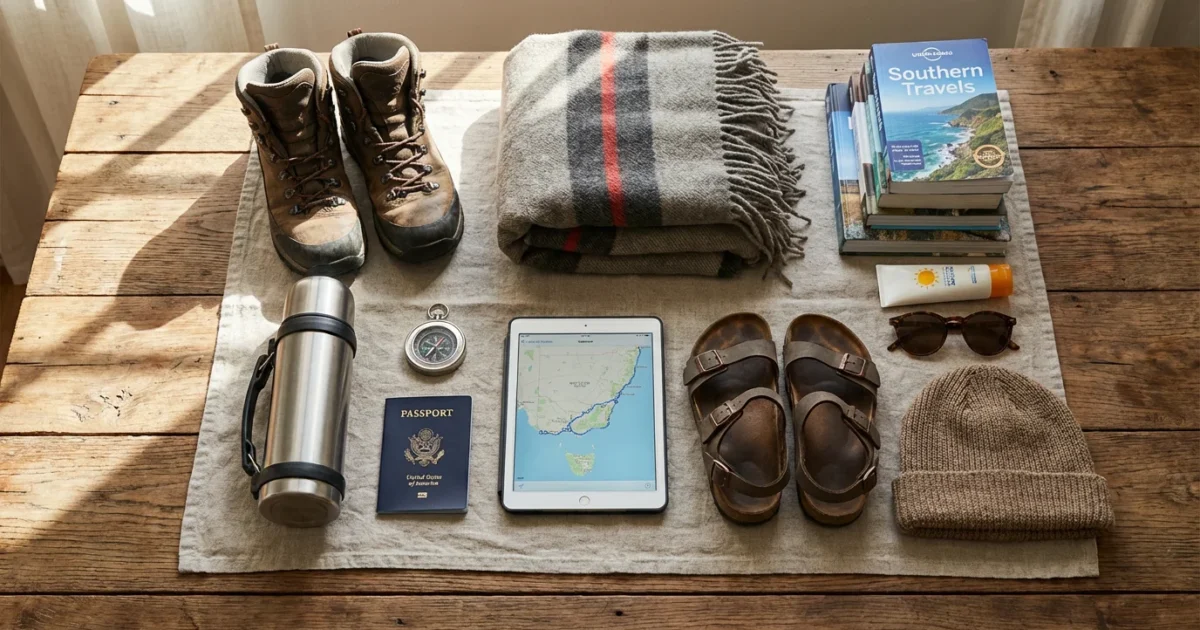
For many Americans, the idea of escaping harsh winters for sunny shores or warm deserts offers a compelling vision for retirement. This lifestyle, known as snowbirding, involves spending your winter months in warmer climates and returning to your primary residence for the rest of the year. You gain the best of both worlds, enjoying seasonal changes without enduring extreme weather.
This guide equips you with practical, actionable insights on how to become a snowbird retiree. We explore popular snowbirding destinations, discuss financial planning, outline logistical challenges, and provide steps to help you embrace this flexible retirement option. Prepare to make informed decisions about your seasonal relocation.
Table of Contents
- What is Snowbirding and Why Consider It?
- Benefits and Challenges of the Snowbird Lifestyle
- Top Snowbirding Destinations: Where to Find Warmer Climates
- Financial Planning for Snowbirds: Budgeting and Taxes
- Logistics of Seasonal Relocation: Home Management and Healthcare
- Legal and Practical Considerations for Snowbirds
- How to Become a Snowbird Retiree: A Step-by-Step Guide
- Making Your Seasonal Home a Community
- Frequently Asked Questions

What is Snowbirding and Why Consider It?
Snowbirding describes the practice of migrating seasonally from colder northern climates to warmer southern regions, typically during the winter months. Retirees often adopt this lifestyle to avoid snow, ice, and freezing temperatures. It allows them to enjoy a milder climate for several months each year.
While escaping the cold is a priority for many, others seek retirement destinations with moderate summers to ensure year-round comfort without extreme heat.
Understanding the specific differences when comparing northern and southern retirement climates can help you decide if the snowbird transition is right for you.
The appeal of snowbirding extends beyond simply escaping the cold. Many individuals seek an active outdoor lifestyle that cold weather prohibits. You can continue hobbies like golf, tennis, hiking, and swimming year-round. This sustained activity contributes significantly to physical and mental well-being.
Consider the potential health benefits. Warmer climates often alleviate conditions like arthritis and seasonal affective disorder (SAD). Exposure to more sunshine increases vitamin D levels, which supports bone health and mood. This seasonal migration offers a strategic way to prioritize your health and comfort.
Additionally, snowbirding provides opportunities for new experiences and social connections. You can explore different regions of the country, immerse yourself in diverse local cultures, and build friendships within your seasonal community. It offers a change of scenery and a refreshing break from routine.
Benefits and Challenges of the Snowbird Lifestyle
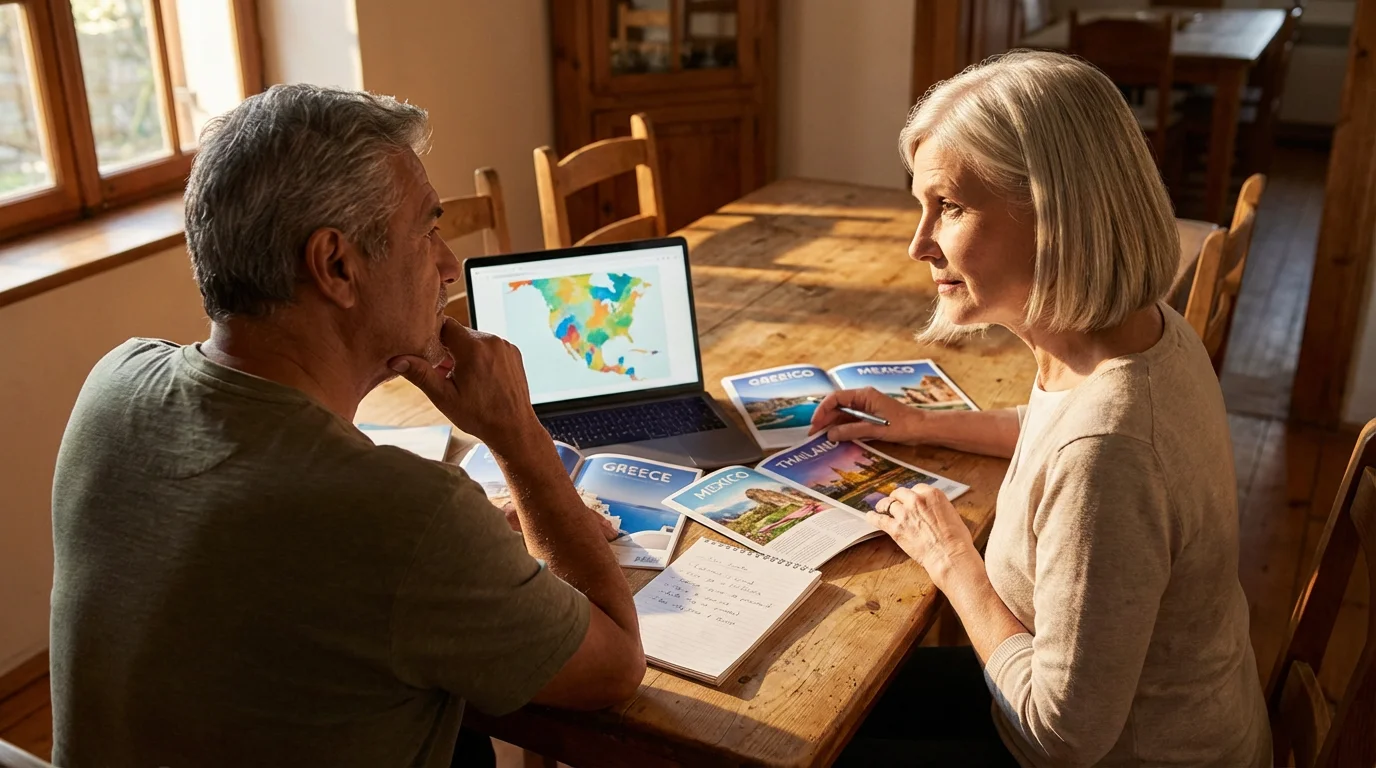
Embracing the snowbird lifestyle brings numerous advantages, but it also presents specific challenges you must address. Weighing these factors helps you determine if seasonal retirement aligns with your preferences and resources. Prepare for both the joys and the complexities.
To better manage the costs of two properties, some retirees find that downsizing their primary home is an essential first step.
Benefits of Snowbirding
- Improved Health and Well-being: Escape cold-weather ailments, increase physical activity, and enjoy more sunshine.
- Active Lifestyle: Pursue outdoor hobbies like golf, hiking, and swimming year-round in pleasant weather.
- Reduced Heating Costs: Lower utility bills for your primary residence during the winter months.
- Diverse Experiences: Explore new regions, cultures, and communities each year.
- Extended Social Opportunities: Build new friendships in your seasonal location while maintaining connections at home.
- Avoidance of Harsh Weather: Eliminate the risks and inconveniences of snow, ice, and extreme cold.
Challenges of Snowbirding
- Dual Housing Costs: You incur expenses for two residences, including mortgage/rent, utilities, and maintenance.
- Logistical Complexities: Managing two homes, packing, traveling, and setting up services requires careful planning.
- Healthcare Coordination: Finding doctors and ensuring insurance coverage across different states can be challenging.
- Homesickness or Isolation: You may miss family and friends from your primary residence or feel disconnected initially in a new place.
- Security Concerns: You must secure your primary home adequately while away for extended periods.
- Transportation Issues: Arranging vehicle transport or managing two cars adds to the logistics.
“Livable communities are safe and secure, have affordable and appropriate housing and transportation options, and offer supportive community features and services.”

Top Snowbirding Destinations: Where to Find Warmer Climates
Choosing your ideal snowbirding destination involves considering climate, cost of living, available amenities, and personal preferences. Many popular regions across the southern United States consistently attract retirees seeking warmer climates for their winter months. These areas offer reliable sunshine and a welcoming atmosphere.
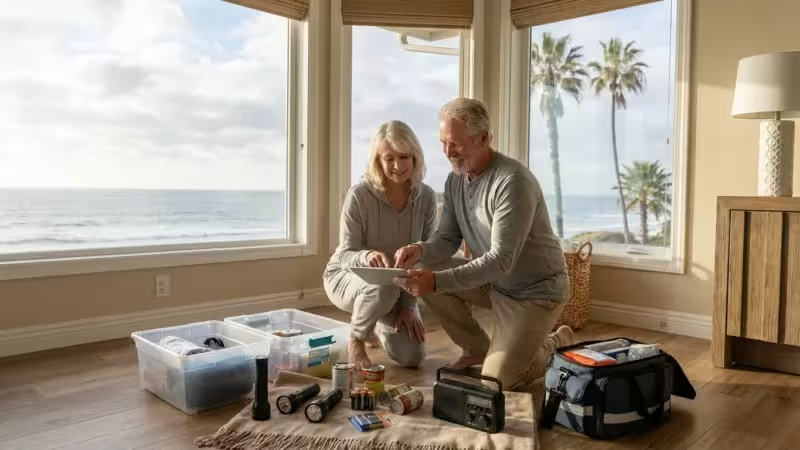
Whether you prefer the Gulf or the Pacific, retiring near the water brings unique considerations for seasonal maintenance and insurance.
Florida stands as a perennial favorite among snowbirds. Its diverse coastline, numerous 55+ communities, and absence of state income tax make it highly appealing. You can find vibrant communities from the Gulf Coast cities like Naples and Sarasota to the Atlantic shores of Palm Beach and Fort Lauderdale. The state provides abundant golf courses, beaches, and cultural activities.
Arizona also draws a significant snowbird population, particularly to its dry, sunny desert climate. Cities such as Phoenix, Tucson, and Yuma offer extensive outdoor recreation, including hiking, cycling, and golf. The Sonoran Desert landscape provides a unique backdrop for winter living. Arizona’s lower humidity appeals to many people.
Texas provides a more budget-friendly option for many snowbirds, especially in the Rio Grande Valley. This region offers a warm climate, a vibrant Hispanic culture, and access to Mexico. Coastal areas around Corpus Christi also attract those seeking Gulf breezes. You often find a lower cost of living compared to Florida or Arizona.
Southern California, while generally more expensive, provides an enviable climate and beautiful scenery. Palm Springs is famous for its mid-century modern architecture, golf resorts, and desert lifestyle. San Diego offers a mild coastal climate year-round, along with extensive cultural attractions and beaches. These areas appeal to those prioritizing climate and luxury.
Snowbird Destination Comparison
To help you compare popular snowbirding destinations, consider these key characteristics:
| State/Region | Typical Winter Temp (F) | Annual Sunny Days (Avg) | State Income Tax | Sales Tax Rate (Avg) |
|---|---|---|---|---|
| Florida | 60s-70s | 237 | None | 6.00% |
| Arizona | 50s-70s | 299 | 2.59% – 4.50% | 6.60% |
| Texas (S. Texas) | 50s-70s | 205 | None | 6.25% |
| Southern California | 50s-60s | 263 | 1.00% – 12.30% | 7.25% |
Data points are approximate and can vary by specific location within the state. State income tax ranges reflect progressive tax systems. Source: Tax Foundation, National Weather Service.
Financial Planning for Snowbirds: Budgeting and Taxes
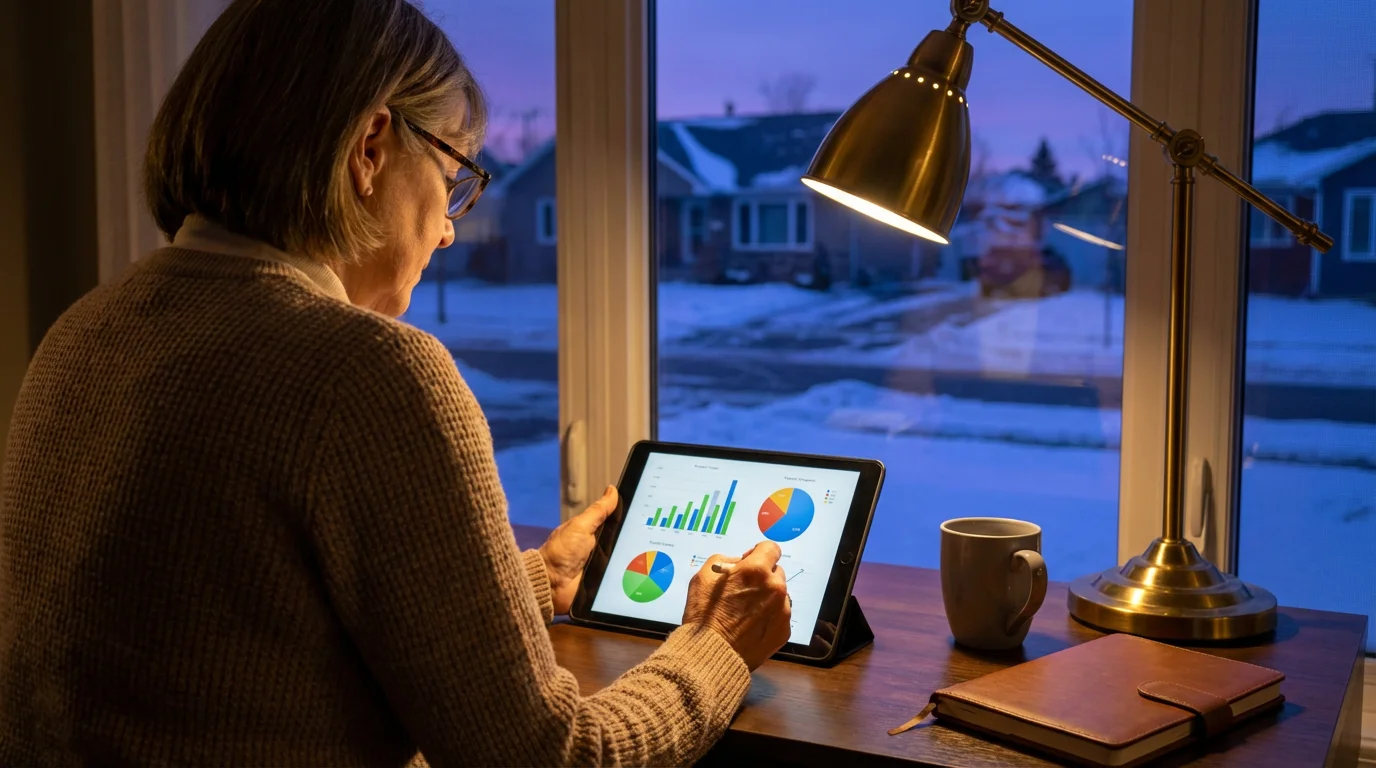
Effective financial planning forms the bedrock of a successful snowbird lifestyle. You manage expenses for two residences, necessitating a comprehensive budget. This includes costs for housing, utilities, travel, and entertainment in both locations. Clearly understanding your financial capacity prevents unexpected strains.
Consider the cost of living differences between your primary home and your snowbirding destination. Housing costs, whether rent or mortgage, often represent the largest expense. Factor in utilities for both properties, which can fluctuate seasonally. Travel expenses, including fuel or flights, also contribute significantly to your overall budget.
Taxes represent another critical area for snowbirds. State income tax policies vary widely. States like Florida and Texas impose no state income tax, making them attractive for retirees. However, other states, like Arizona and California, have income taxes. You must also consider property taxes in both locations, along with sales tax rates, which impact your daily spending.
Understanding domicile versus residency is crucial for tax purposes. Your domicile is your true, fixed, and permanent home, where you intend to return. Establishing domicile in a tax-friendly state can offer significant savings. Consult a tax professional to navigate state-specific residency requirements and ensure compliance. This prevents complications with state income taxes, inheritance taxes, and other financial obligations.
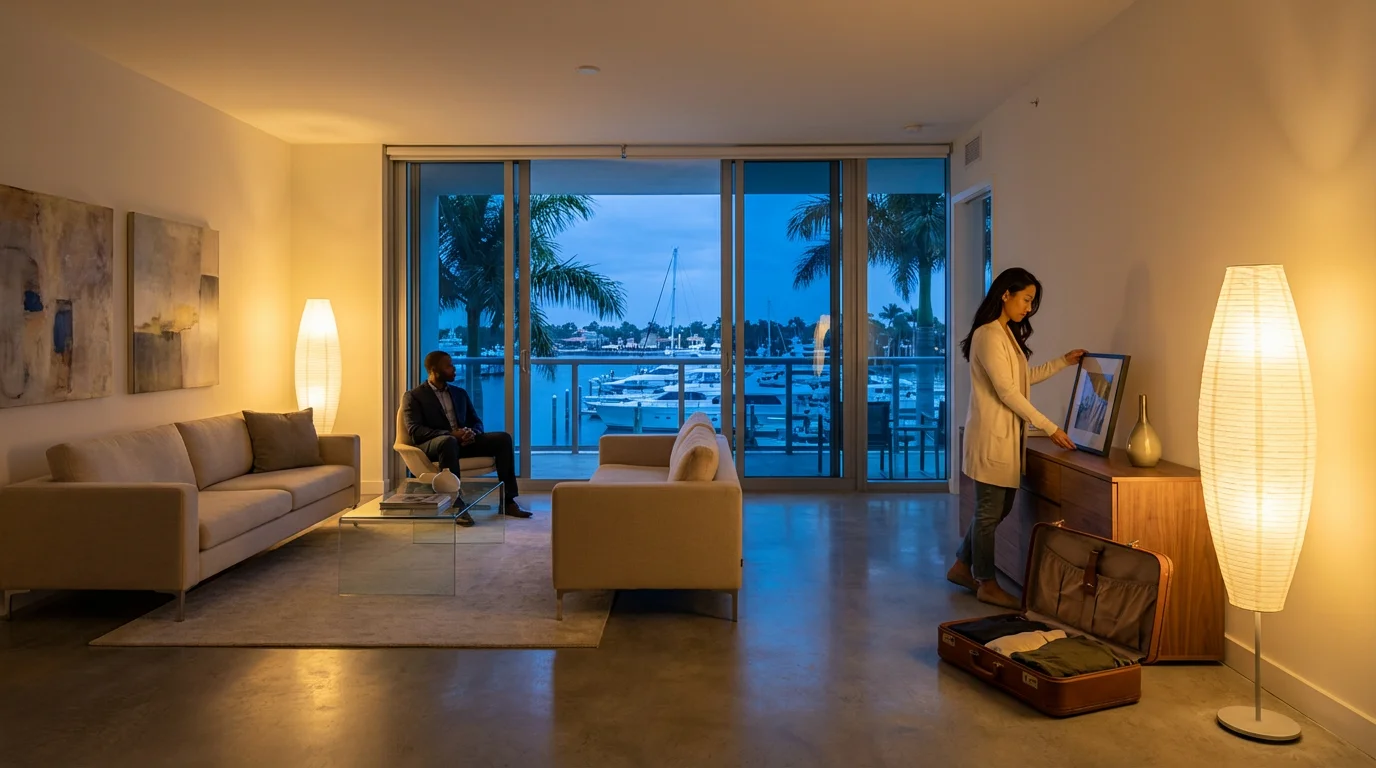
Logistics of Seasonal Relocation: Home Management and Healthcare
Managing two homes across different states requires meticulous planning and organization. You need a robust strategy for both your primary residence and your seasonal home. This ensures comfort and security throughout your snowbirding journey.
Preparing Your Primary Home for Your Absence
- Security: Install or activate a security system, inform trusted neighbors of your absence, and consider motion-sensor lighting.
- Mail: Arrange for mail forwarding through the U.S. Postal Service or use a reliable mail scanning and forwarding service. The USA.gov website offers details on mail services.
- Utilities: Adjust thermostats to an energy-saving setting, turn off your water main, and unplug unnecessary electronics. Consider a smart thermostat for remote control.
- Maintenance: Arrange for lawn care, snow removal (if applicable), and periodic checks by a house sitter or trusted friend.
- Vehicles: Either store your vehicle securely or arrange for a friend to start it periodically to maintain the battery.
Setting Up Your Secondary Home
When you arrive at your snowbirding destination, you establish your temporary home. This involves several practical steps for comfort and convenience.
- Utility Activation: Ensure electricity, water, and gas are active and billed appropriately.
- Internet and Cable: Set up reliable internet and cable services for communication and entertainment.
- Local Services: Identify local doctors, pharmacies, grocery stores, and essential service providers.
- Emergency Contacts: Keep a list of local emergency services and trusted contacts handy.
- Vehicle Registration: Understand any state-specific requirements for vehicle registration if you keep a car at your seasonal home.
Healthcare coordination demands particular attention. Before you become a snowbird retiree, research doctors and hospitals in your chosen warmer climates. Confirm your insurance coverage, especially if you have Medicare, works seamlessly across state lines. Medicare.gov provides essential information on coverage portability. Ensure you transfer prescriptions and have access to necessary medical records. Planning ahead prevents stress during medical emergencies.

Legal and Practical Considerations for Snowbirds
Navigating the legal and practical aspects of snowbirding is vital for avoiding complications. You must understand how your seasonal migration impacts your legal status, insurance, and administrative tasks. These considerations ensure a smooth and compliant lifestyle.
A key legal concept for snowbirds is domicile versus residency. Your domicile is your primary legal home, the place you intend to return to indefinitely. Residency often refers to where you physically spend time. Your domicile determines where you pay state income tax, register to vote, obtain a driver’s license, and handle estate planning. Many states have specific rules for establishing or maintaining domicile, often involving the amount of time spent there, where you register vehicles, and where you hold financial accounts.
Insurance coverage for both your primary and secondary residences requires careful review. Homeowner’s insurance policies typically have clauses regarding unoccupied properties. Inform your insurance provider that your primary home will be vacant for extended periods. This may necessitate special endorsements or a different type of policy to ensure continuous coverage. Similarly, review your auto insurance policies to ensure coverage extends to vehicles used in multiple states.
Other practical matters include updating your mailing address for banks, investment accounts, and government agencies. While mail forwarding helps, direct notification prevents important documents from being delayed. You might also consider establishing a local power of attorney for each state. This allows a trusted individual to handle financial or medical decisions if you cannot. This proactive step provides peace of mind.

How to Become a Snowbird Retiree: A Step-by-Step Guide
The journey to becoming a snowbird retiree involves careful planning and execution. Follow these steps to smoothly transition into your seasonal retirement lifestyle. Each phase builds upon the last, ensuring you cover all essential aspects.
- Research and Select Your Destinations: Begin by identifying potential warmer climates that align with your lifestyle, budget, and interests. Consider factors like climate, amenities, cost of living, and healthcare access. Read reviews and gather information on what are snowbirding destinations that suit your needs.
- Visit Potential Locations: Spend time in your top choices during the winter months. Rent a property for a few weeks or a month to experience the community firsthand. This trial period helps confirm if the location truly meets your expectations before making a long-term commitment.
- Develop a Comprehensive Financial Plan: Create a detailed budget that accounts for two sets of housing expenses, utilities, travel, insurance, and daily living costs. Consult a financial advisor to discuss tax implications, especially regarding state income tax and property taxes in both locations.
- Decide on Housing for Your Seasonal Home: Determine if you will rent or buy a second home. Renting offers flexibility and fewer maintenance responsibilities, while buying provides equity and a personalized space. Consider short-term rentals initially to test the waters.
- Plan for Home Management and Security: Create a checklist for preparing your primary home for your absence. This includes securing the property, arranging mail services, adjusting utilities, and hiring maintenance help if needed. Duplicate this process for your secondary home as you depart.
- Coordinate Your Healthcare: Research doctors, specialists, and hospitals in your snowbird location. Confirm your health insurance coverage, particularly Medicare, extends to your seasonal residence. Arrange for prescription transfers and gather copies of essential medical records.
- Address Legal and Administrative Details: Understand domicile and residency rules. Update your mailing addresses with financial institutions and government agencies. Consider a local power of attorney for each state.
- Inform Family and Friends: Communicate your plans to your loved ones. Discuss how you will maintain connections while away. This fosters understanding and allows them to plan visits.
- Embrace the Lifestyle: Once you complete the planning, relax and enjoy the benefits of escaping the winter months. Engage with your new community and make the most of your snowbird experience.

Making Your Seasonal Home a Community
Becoming a snowbird involves more than just relocating; it means integrating into a new community. Active engagement transforms a temporary residence into a welcoming home. You build social networks and create a fulfilling seasonal life.
Seek out opportunities to connect with others in your snowbirding destination. Many 55+ communities offer a wide array of clubs, classes, and social events tailored to retirees. You can join a golf league, participate in craft groups, attend lectures, or volunteer for local charities. These activities provide ready-made avenues for meeting new people who share similar interests.
Explore local attractions and events. Attend farmers’ markets, festivals, and concerts. Frequent local restaurants and shops. These actions help you feel more connected to the area and its unique culture. You discover hidden gems and become a part of the local fabric, rather than just a visitor.
While building new friendships is important, also maintain strong connections with your primary home community. Utilize technology like video calls and social media to stay in touch with family and friends. Plan visits back home or invite loved ones to your seasonal retreat. Balancing both communities enriches your overall retirement experience.
Frequently Asked Questions
What is the typical length of a snowbird stay?
Most snowbirds typically spend three to six months in their warmer climate residence, usually from late fall through early spring. This allows them to avoid the coldest winter months in their primary location. However, your specific stay depends on personal preference, health needs, and financial considerations.
Is it better to rent or buy a snowbird home?
The choice between renting and buying depends on your financial situation, desired flexibility, and long-term plans. Renting offers greater flexibility, fewer maintenance responsibilities, and the ability to try different snowbirding destinations. Buying provides equity, a personalized space, and potentially a future rental income source, but comes with property taxes, maintenance, and less flexibility.
How do I manage healthcare as a snowbird?
Managing healthcare as a snowbird requires proactive planning. Confirm your health insurance, especially Medicare, covers services in your seasonal location. Research local doctors, specialists, and hospitals before you arrive. Arrange for prescription transfers and keep copies of your essential medical records accessible. Many snowbirds establish relationships with primary care physicians in both locations.
What are the tax implications of snowbirding?
Tax implications for snowbirds primarily revolve around state income tax and property taxes. If you establish domicile in a state with no income tax, you can potentially save money. However, you must carefully follow state rules for establishing domicile. Consult a tax professional to understand how your specific situation affects state income, sales, and property taxes in both your primary and secondary locations.
Can I claim residency in two states?
No, you generally cannot claim full legal residency, or “domicile,” in two states simultaneously for tax and legal purposes. You establish one primary domicile that governs most of your legal and tax obligations. You can, however, be a resident for part of the year in another state, often impacting income tax if you earn income there. States have specific rules for determining domicile, usually based on factors like voter registration, driver’s license, and where you spend most of your time.
What is the best way to handle mail while snowbirding?
The best way to handle mail while snowbirding depends on your preferences. You can use the U.S. Postal Service’s temporary mail forwarding service to your seasonal address. Alternatively, consider a private mail service that receives your mail, scans it, and forwards physical mail upon request. Another option involves having a trusted friend or family member collect and sort your mail, forwarding only essential items.
Disclaimer: This article is for informational purposes only. Cost of living, taxes, and local conditions change over time. We encourage readers to verify current information through official sources and visit potential retirement destinations before making relocation decisions.





Leave a Reply