
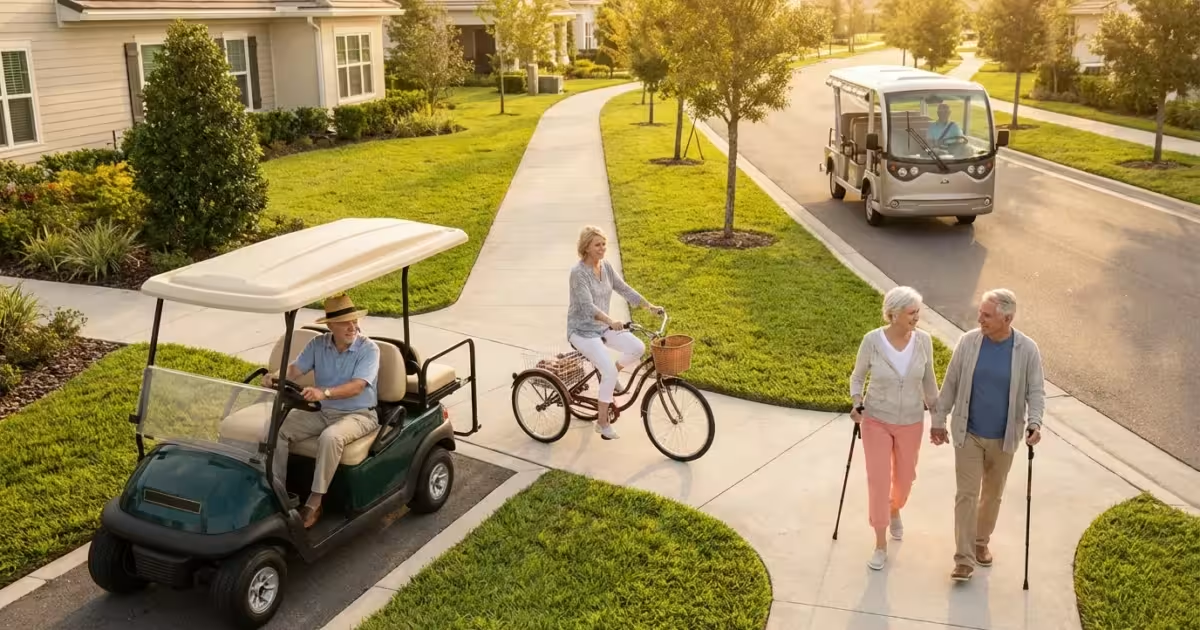
Relocating for retirement brings exciting new possibilities, but it also prompts important practical considerations. One crucial aspect impacting your independence and quality of life is transportation. Understanding the options available in your new community ensures you maintain access to essential services, social activities, and personal freedom as you settle into your golden years.
It is also essential to factor in how these choices affect your budget by reviewing the common transportation costs in retirement.
Your ability to get around directly influences your engagement with the community, your access to healthcare, and your overall well-being. This guide provides actionable insights into assessing and utilizing various transportation methods, helping you make informed decisions before and after your move.
Table of Contents
- Understanding Senior Mobility Needs
- Evaluating Transportation in a New Community Before You Move
- Navigating Public Transportation Systems
- Ride-Sharing and Taxi Services
- Senior-Specific Transportation Programs
- Innovative and Future Transportation Solutions
- Community Design and Walkability for Seniors
- Planning Your Personal Transportation Strategy
- Frequently Asked Questions
Understanding Senior Mobility Needs
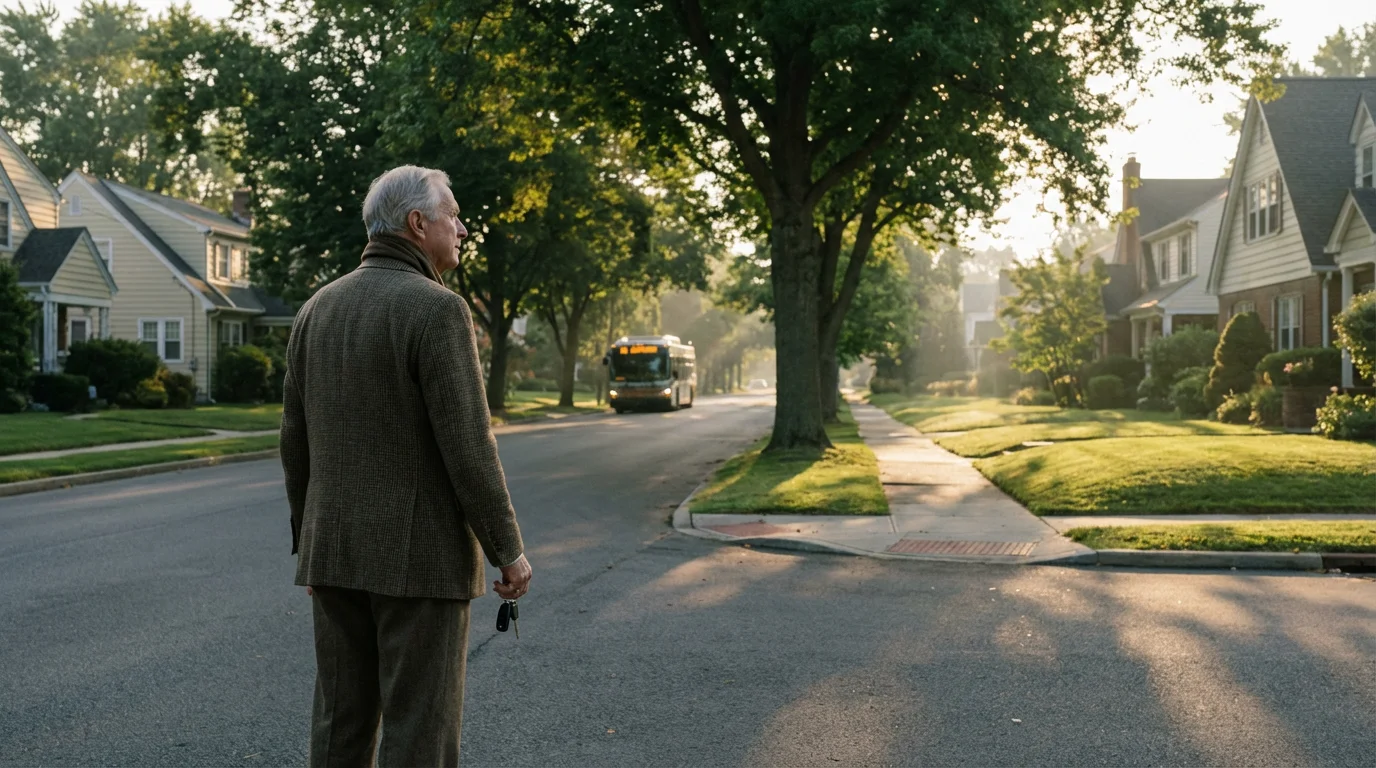
As you age, your transportation needs often evolve. While you may currently drive with ease, planning for future changes ensures sustained independence. Mobility can shift due to various factors, including vision changes, reduced reaction time, and physical limitations.
Managing the emotional stress of relocating is just as important as solving your physical transit needs during this transition.
Access to reliable transportation impacts more than convenience; it directly affects your access to healthcare, social connections, and daily necessities. A proactive approach to understanding and planning for your transportation requirements is paramount for a fulfilling retirement.
Maintaining independence often relies on a diverse set of transportation options. Relying solely on a personal vehicle can become challenging or impossible over time. A robust transportation network supports your ability to live life on your terms.

Evaluating Transportation in a New Community Before You Move
Thorough research of transportation infrastructure is a critical step in choosing your retirement destination. Do not wait until after you move to discover limitations. Conduct a comprehensive assessment of the available options and their accessibility.
Before you commit to a specific area, it is helpful to create a relocation budget that accounts for both moving fees and future commuting costs.
Many active adult communities are designed specifically with walkability and internal shuttle systems in mind.
Consider the specific needs you anticipate having, both now and in the future. Evaluate how well a community’s transportation network supports these needs. This pre-move investigation prevents unexpected challenges and helps you make a confident decision.
Key Questions to Research:
- Does the community offer public transportation, such as buses or light rail?
- Are there senior-specific transportation services like paratransit or volunteer driving programs?
- How prevalent and reliable are ride-sharing services like Uber and Lyft?
- What is the average cost of a taxi ride for common destinations?
- Are sidewalks well-maintained, continuous, and accessible for walking or mobility devices?
- How far are essential services, like grocery stores, pharmacies, and medical facilities, from prospective homes?
- Does the community offer senior discounts on transportation services?
Practical Steps for Pre-Move Assessment:
- Visit the Community: Spend time walking, observing public transit routes, and using available services.
- Test Public Transit: Ride the bus or light rail to see how convenient and user-friendly it is. Note the stops, schedules, and accessibility features.
- Try Ride-Sharing/Taxis: Order a ride-share or taxi to evaluate wait times, costs, and driver availability in different areas.
- Consult Local Senior Centers: These centers often provide invaluable information on local transportation programs and discounts.
- Check Online Resources: Explore the city’s official website, public transit authority sites, and non-profit organization pages for detailed information on services for seniors.
Navigating Public Transportation Systems
Public transit options, including buses, subways, and light rail, offer an economical and environmentally friendly way to travel. Many urban and suburban areas provide extensive networks, allowing you to access various destinations without driving.
In addition to local transit, choosing a quality moving company is vital to ensure your personal belongings arrive safely at your new destination.
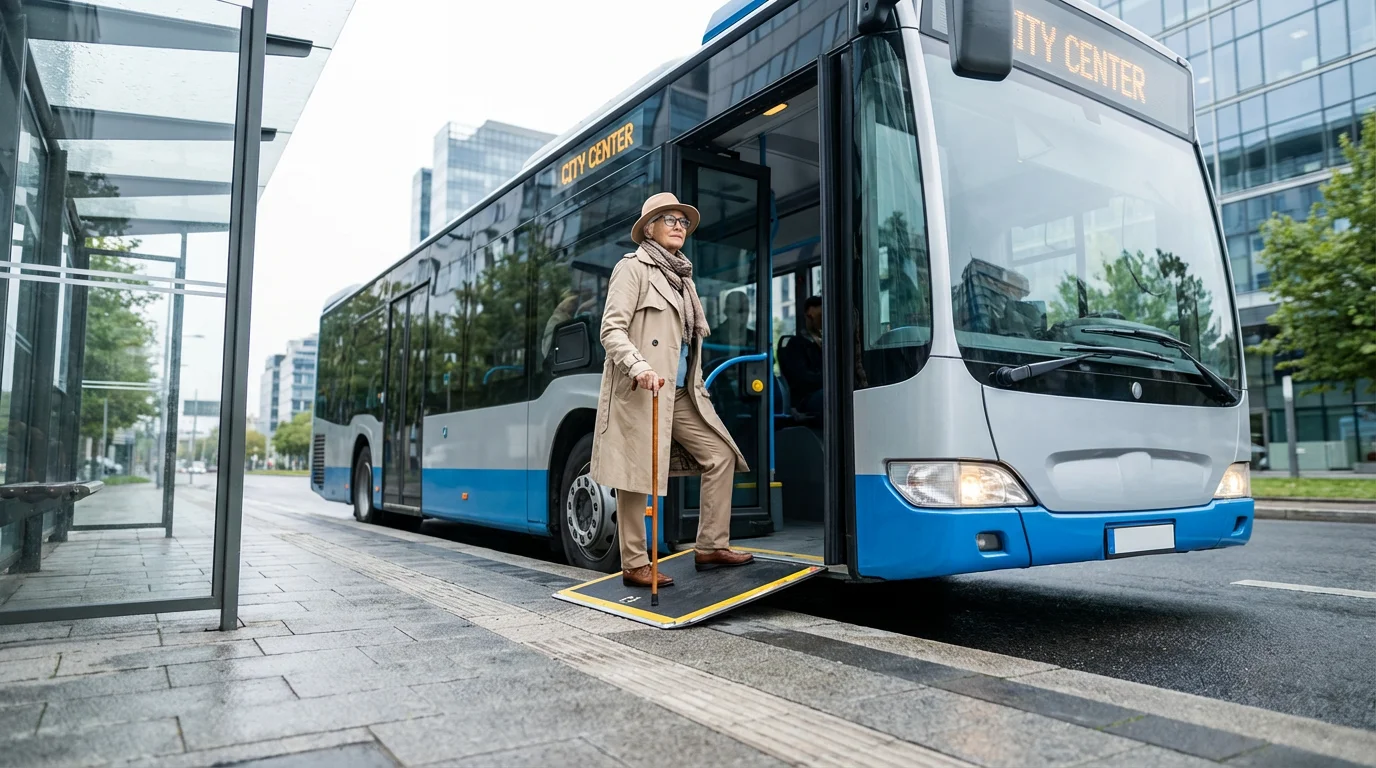
These systems often feature accessible vehicles, such as low-floor buses and ramps, to accommodate mobility devices. Understanding routes, schedules, and fare structures helps you integrate public transit into your daily routine effectively.
Pros of Public Transit:
- Cost-Effective: Fares are typically much lower than owning and maintaining a car or using ride-sharing services regularly. Many systems offer senior discounts, further reducing costs.
- Environmental Benefits: Reduces your carbon footprint compared to driving a personal vehicle.
- Reduced Stress: Eliminates the need to navigate traffic, find parking, or worry about vehicle maintenance.
- Accessibility: Modern public transit vehicles are generally equipped with ramps, lifts, and priority seating for seniors and individuals with disabilities.
- Social Connection: Offers opportunities to interact with others in your community.
Cons of Public Transit:
- Fixed Routes and Schedules: You must adhere to specific routes and timetables, which may not always align with your desired destinations or timing.
- Limited Coverage: Service may not extend to all areas, especially in less densely populated suburbs or rural locations.
- Weather Exposure: Waiting at stops can expose you to inclement weather conditions.
- Physical Effort: Requires walking to and from stops, which might be challenging for some individuals with limited mobility.
- Perceived Safety Concerns: Some individuals may feel less secure using public transit, especially at night or in unfamiliar areas.
How do I use public transportation in a new city? Practical Tips:
- Plan Your Route: Use online mapping tools or transit apps to plan your journey, identify transfers, and check real-time schedules.
- Understand Fares: Learn about fare payment methods. Many systems use reloadable smart cards, mobile apps, or exact change. Inquire about senior discounts.
- Identify Stops Clearly: Familiarize yourself with how stops are announced or displayed on the vehicle. Sit near the front if you need to speak with the driver.
- Prioritize Safety: Stay aware of your surroundings. If traveling at night, choose well-lit stops and consider bringing a companion.
- Utilize Accessibility Features: Do not hesitate to use ramps, lifts, and priority seating if you require them. Drivers are trained to assist.
- Carry Essentials: Bring a small bag with water, any necessary medications, and identification.
Ride-Sharing and Taxi Services
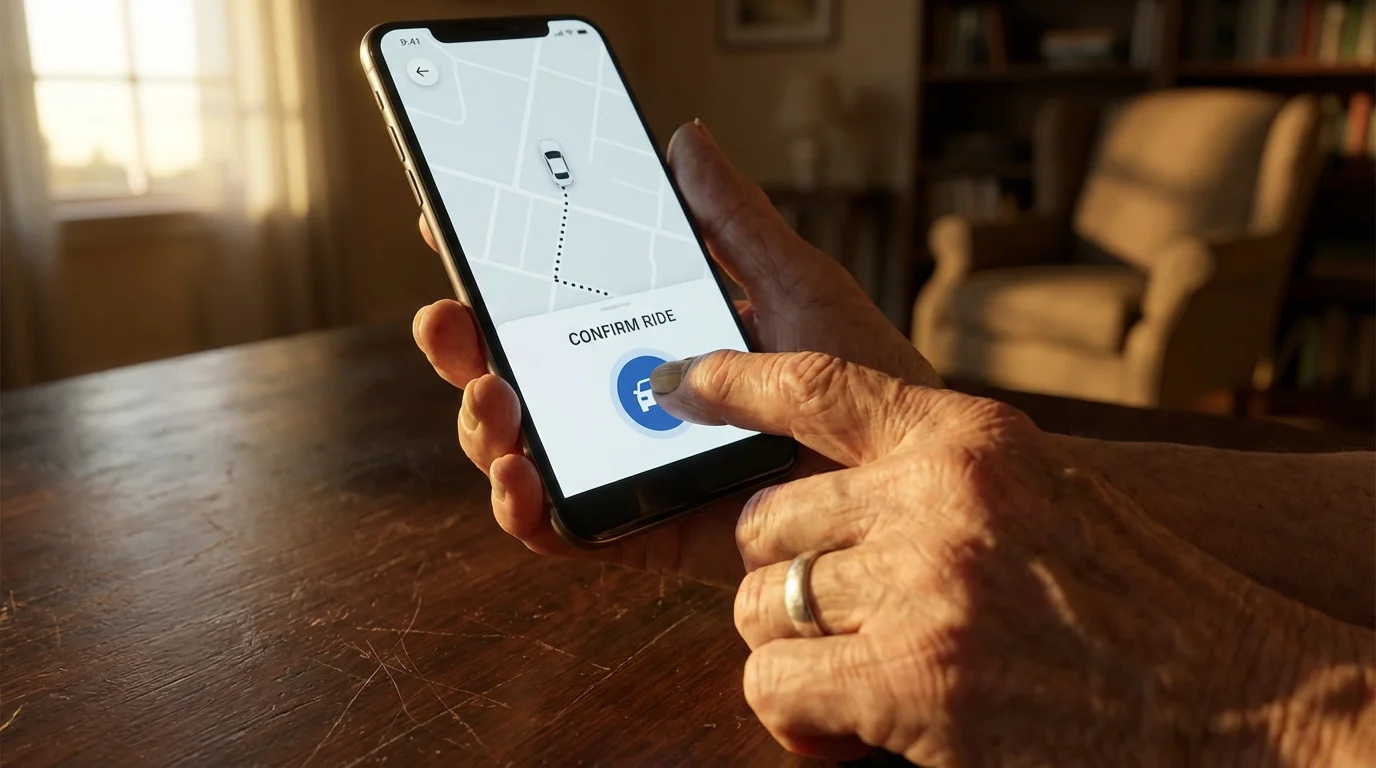
For on-demand, door-to-door convenience, ride-sharing services like Uber and Lyft, along with traditional taxis, offer flexible options. These services provide direct transportation when public transit routes are inconvenient or unavailable.
Beyond external transit, ensuring your mobility indoors is just as important by creating a comfortable and accessible retirement home.
You can summon a ride quickly using a smartphone app for ride-sharing or by calling a dispatch service for taxis. This flexibility makes them valuable for appointments, social events, or when carrying groceries.
Pros of Ride-Sharing and Taxis:
- On-Demand Convenience: Request a ride whenever you need one, often with short wait times.
- Door-to-Door Service: Get picked up and dropped off precisely where you need to go, minimizing walking.
- Flexibility: No fixed routes or schedules, allowing for spontaneous travel.
- Comfort: Enjoy a private, often comfortable, ride.
- Assistance: Drivers can often help with luggage or packages.
Cons of Ride-Sharing and Taxis:
- Cost: Generally more expensive than public transit, especially for frequent use. Prices can surge during peak hours or bad weather.
- Smartphone Dependency: Ride-sharing apps require a smartphone and familiarity with its usage.
- Availability: Service may be limited in rural areas or during very late/early hours.
- Safety Concerns: While generally safe, it is crucial to verify your driver and vehicle to ensure security.
- Potential for Fraud: Be cautious of scams; always book through official apps or trusted dispatchers.
Tips for Using Ride-Sharing Safely and Effectively:
- Verify Your Ride: Before entering, confirm the driver’s name, car model, and license plate match the details in your app.
- Share Trip Details: Use the in-app feature to share your trip status with a trusted contact.
- Check Reviews/Ratings: Look for highly-rated drivers if the app allows.
- Understand Pricing: Be aware of potential surge pricing during busy times. Some apps offer upfront pricing.
- Consider Accessibility: Some services offer options for accessible vehicles; specify your needs when booking.
- Keep Your Phone Charged: A dead phone can leave you stranded.
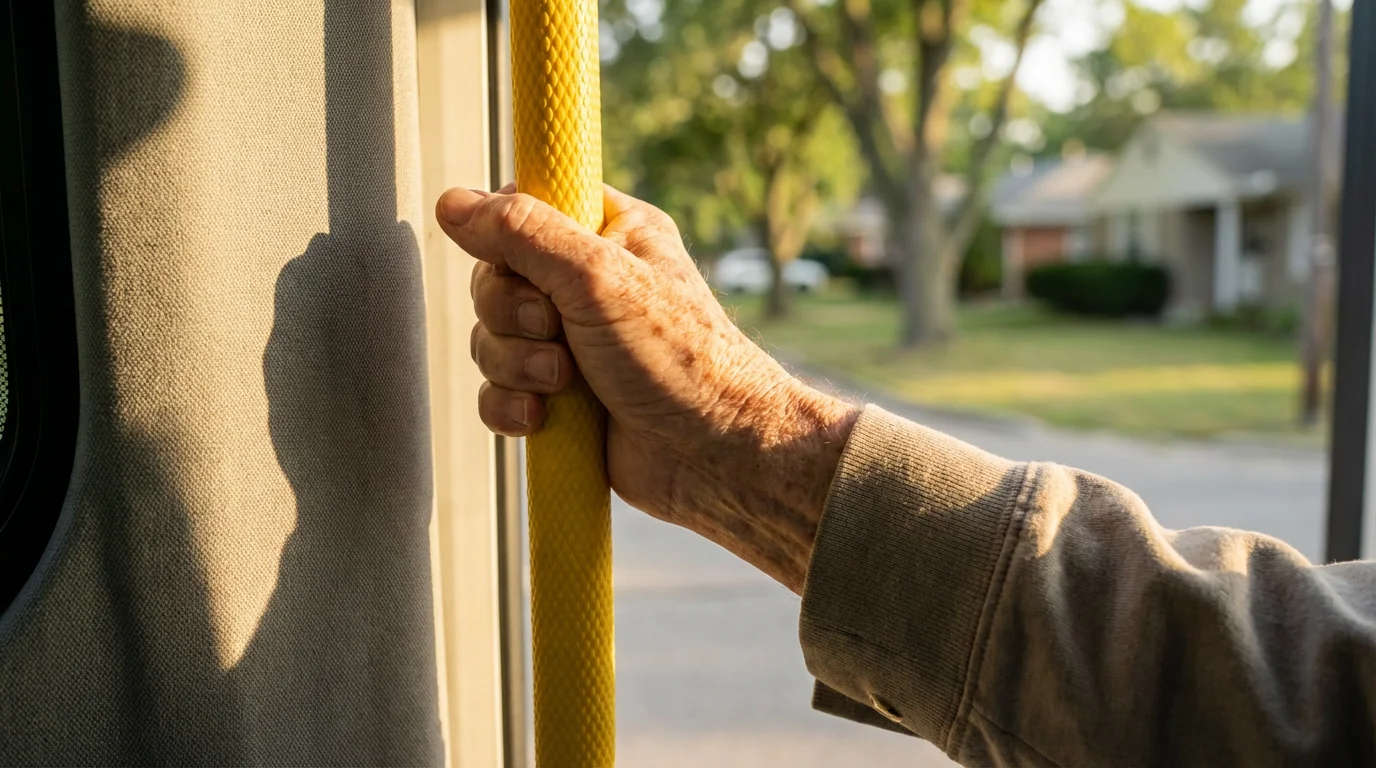
“Aging is not lost youth, but a new stage of opportunity and strength.”
Senior-Specific Transportation Programs
Many communities recognize the unique transportation challenges seniors face and offer dedicated programs. These services often bridge gaps where public transit or ride-sharing might fall short, providing tailored support.
Once you have settled in and established your transit routine, don’t forget to update your important documents to reflect your new home address.
These specialized programs aim to enhance independence by ensuring access to essential appointments, social events, and daily errands. They can offer more personalized assistance, often with trained drivers familiar with senior needs.
Common Types of Senior Transportation Programs:
- Paratransit Services: These are often “dial-a-ride” or door-to-door services for individuals with disabilities who cannot use regular fixed-route public transit. They require advance booking and eligibility screening.
- Volunteer Driver Programs: Many non-profit organizations and senior centers coordinate volunteer drivers who use their personal vehicles to transport seniors, often for free or a nominal fee. These are excellent for medical appointments or grocery shopping.
- Community Shuttles: Some cities, counties, or 55+ communities operate dedicated shuttle services for residents, running on fixed routes or on-demand within a specific area.
- Non-Emergency Medical Transportation (NEMT): Healthcare providers or insurance plans sometimes arrange transportation for medical appointments, particularly for those with chronic conditions or mobility issues.
- Senior Center Transportation: Local senior centers may provide vans or buses for members to attend center activities, outings, or nearby errands.
To find these services in your new community, consult local Area Agencies on Aging, senior centers, or use national resources. The Eldercare Locator, a public service of the U.S. Administration for Community Living, connects you to local services for seniors and their families.
Innovative and Future Transportation Solutions
The transportation landscape continuously evolves, bringing new options that could benefit seniors. Emerging technologies and innovative service models promise greater convenience and accessibility.
While some of these solutions are still in developmental stages, others are already making an impact in select areas. Staying informed about these advancements helps you anticipate future mobility choices.
Emerging Transportation Trends:
- Micro-transit: Demand-responsive shuttle services that operate within a smaller geographic zone, often using smaller vehicles. These bridge the gap between fixed-route public transit and ride-sharing.
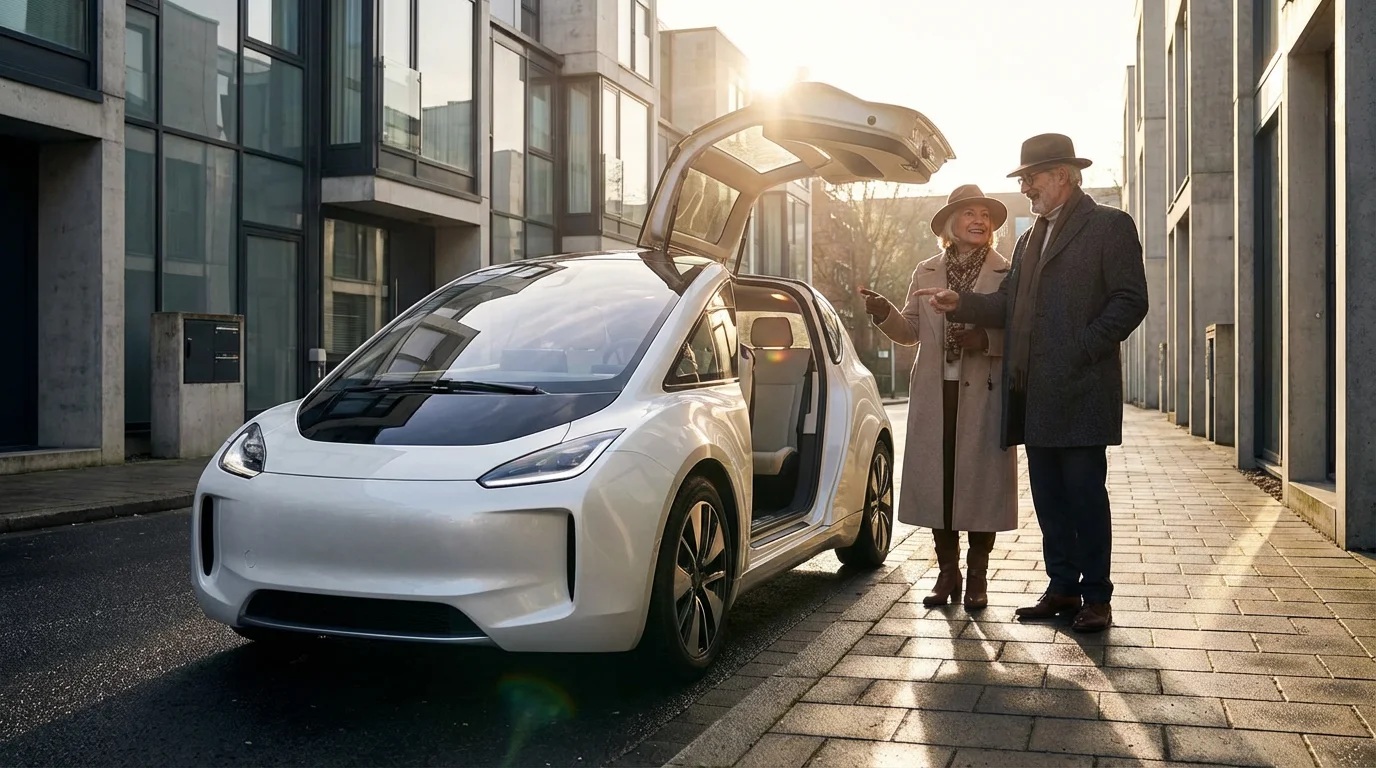
- Autonomous Vehicles (Self-Driving Cars): While not yet widely available for public use, autonomous vehicles hold potential for future senior transportation. They could offer door-to-door service without the need for a human driver.
- Electric Scooters and Bikes (with caution): Some seniors may find electric bikes a viable option for shorter distances in safe, pedestrian-friendly environments. Electric scooters, however, typically pose higher fall risks and are less suitable. Always prioritize safety and assess personal mobility.
- Integrated Mobility Platforms: Apps that combine various transportation options, allowing users to plan and pay for journeys involving public transit, ride-shares, and even bike-shares through a single interface.
Many communities are also exploring “Complete Streets” initiatives. These design principles aim to make streets safe and accessible for all users, including pedestrians, cyclists, and transit riders of all ages and abilities. This foresight benefits senior mobility significantly.

Community Design and Walkability for Seniors
The physical design of your chosen community plays a significant role in your transportation experience. A well-planned environment can minimize the need for motorized transport, promoting health and independence through walkability.
Livable communities prioritize infrastructure that supports active transportation. This includes safe, well-maintained sidewalks, accessible crosswalks, and proximity to essential services. Such design reduces reliance on personal vehicles and enhances social engagement.
Elements of a Senior-Friendly Community Design:
- Safe and Accessible Sidewalks: Smooth, wide sidewalks free from obstacles, with curb cuts at intersections, are crucial for walkers, wheelchair users, and those with mobility aids.
- Pedestrian-Friendly Crossings: Clearly marked crosswalks with adequate crossing times and pedestrian signals enhance safety.
- Mixed-Use Zoning: Communities with mixed-use zoning place residential areas close to commercial zones, meaning grocery stores, pharmacies, doctors’ offices, and restaurants are within walking or short transit distance.
- Public Green Spaces: Parks and accessible greenways encourage walking and outdoor activity, contributing to physical and mental well-being.
- Good Lighting: Well-lit streets and public areas improve safety and extend the hours seniors feel comfortable being out.
- Proximity to Public Transit: Homes located near bus stops or transit stations make it easier to access public transportation.
The AARP Livable Communities initiative champions environments that are supportive of all ages. They provide resources and insights into how communities can better integrate features that make daily life easier and more enjoyable for seniors, including effective transportation networks.
Before committing to a relocation, walk or drive around prospective neighborhoods. Notice the presence and condition of sidewalks, the ease of crossing streets, and the proximity of amenities. This firsthand observation provides invaluable insight into the practicality of daily life without a car.

Planning Your Personal Transportation Strategy
Developing a comprehensive transportation strategy ensures you remain mobile and independent throughout your retirement years. This plan should consider your current needs, anticipate future changes, and leverage the diverse options available.
Do not rely on a single mode of transport. A multi-faceted approach, combining personal driving (if applicable), public transit, ride-sharing, and senior-specific programs, offers the most robust solution. This flexibility provides peace of mind and adaptability.
Steps to Create Your Personalized Transportation Plan:
- Assess Your Current Driving Ability: Be honest about your comfort and safety behind the wheel. If you drive, consider regular driving assessments to monitor changes.
- Identify Your Most Frequent Destinations: List places you visit regularly: grocery stores, doctor’s offices, social clubs, friends’ homes. Map out the best way to reach each one using different transportation methods.
- Calculate Potential Costs: Compare the cost of car ownership (insurance, maintenance, fuel) versus relying on a combination of public transit, ride-sharing, and senior programs. Budget for your chosen methods.
- Build a Support Network: Discuss transportation needs with family, friends, or neighbors. Knowing who you can ask for occasional rides provides an important safety net.
- Practice Using New Methods: Before you need them for critical appointments, practice riding public transit or using ride-sharing apps. Familiarity reduces stress.
- Stay Informed: Keep abreast of new transportation services or changes in existing programs in your community.
- Have a Backup Plan: Always know what to do if your primary transportation method becomes unavailable or unsuitable.
Relocating for retirement offers an opportunity to redefine your lifestyle, and that includes how you get around. By carefully considering your transportation options and proactively planning, you empower yourself to live a vibrant, independent life in your new community.
Frequently Asked Questions
How do I find out about senior transportation options in a potential new community?
Research local government websites, senior centers, and non-profit organizations for specific programs. Visiting the community to observe its transit infrastructure and speaking with local seniors provides valuable firsthand insight. Online tools like the Eldercare Locator also offer resources for finding local services.
Are there financial assistance programs for senior transportation?
Many public transit systems offer reduced fares for seniors. Additionally, some communities have grant-funded or non-profit programs that provide free or subsidized rides. Check with your Area Agency on Aging or local senior services for details on eligibility and availability in your new community.
How can I safely use ride-sharing services like Uber or Lyft?
Always verify the driver’s name, car make, model, and license plate number against the information in your app before entering the vehicle. Share your trip details with a trusted friend or family member. Most services offer safety features within the app, including an emergency button.
What if I need specialized transportation for medical appointments?
Many healthcare providers or insurance plans offer non-emergency medical transportation (NEMT) services. Local senior centers, non-profit organizations, and paratransit services also provide dedicated transport for medical needs. Always inquire about these options when arranging appointments.
How does community design impact senior transportation options?
Well-designed communities prioritize walkability with safe sidewalks, crosswalks, and accessible public spaces. They often feature mixed-use zoning, placing essential services, like grocery stores and healthcare, within easy reach of residential areas. Proximity to public transit routes also significantly enhances independence and access for seniors. For more information, explore resources like AARP Livable Communities.
Where can I find general government resources for seniors?
The USA.gov website offers a comprehensive portal for federal government resources for seniors, covering topics from benefits and healthcare to consumer protection and transportation.
Disclaimer: This article is for informational purposes only. Cost of living, taxes, and local conditions change over time. We encourage readers to verify current information through official sources and visit potential retirement destinations before making relocation decisions.








Leave a Reply