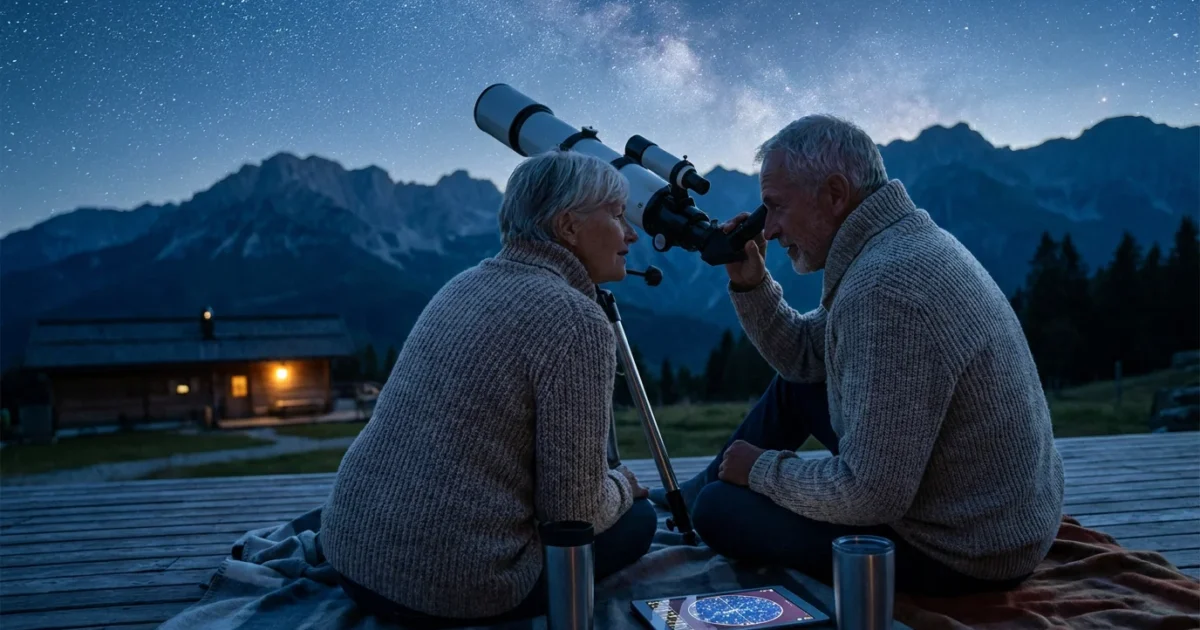
For many retirees, the dream involves sunshine, golf courses, or beachfront living. Yet, a growing number of individuals are turning their gaze upward, seeking retirement destinations where the night sky remains pristine. Imagine stepping outside your door each evening to witness the Milky Way stretching across the heavens, free from the glow of urban lights. This unique pursuit defines a dark sky retirement, offering unparalleled access to the wonders of the cosmos.
Many celestial seekers also identify as outdoor enthusiasts who want a location that provides daytime adventure alongside nighttime tranquility.
For many, stargazing is just one component of an active retirement lifestyle that prioritizes connection with the natural world.
Finding an ideal location for stargazing involves more than just beautiful scenery. You need consistent clear skies, minimal light pollution, and a community that supports astronomical pursuits. This guide explores the best places to retire if your passion is observing stars, planets, and galaxies, providing practical insights to help you make this celestial dream a reality.
Table of Contents
- The Allure of Dark Sky Retirement
- Key Factors for Stargazing Destinations
- Spotlight on Top Stargazing States
- Evaluating Specific Dark Sky Communities
- Cost of Living in Dark Sky Locales
- Healthcare Access and Community Resources
- Tax-Friendly States for Stargazing Retirees
- Relocation Planning Your Celestial Haven
- Pros and Cons of Stargazing Retirement
- Frequently Asked Questions

The Allure of Dark Sky Retirement
Retiring to a dark sky location means embracing a lifestyle deeply connected to nature and the universe. You gain more than just a clear view of the night sky, you also find tranquility and a unique sense of wonder. The International Dark-Sky Association, or IDA, actively designates communities and parks as International Dark Sky Places, recognizing their exceptional commitment to preserving natural night skies. These designations often indicate areas where you can truly experience unpolluted views.
Living under truly dark skies transforms your perception of the world. It reconnects you with ancient human experiences, offering a profound appreciation for the vastness beyond our planet. For many, this lifestyle reduces stress, promotes mindfulness, and provides a rewarding hobby that never ceases to offer new discoveries. It also often places you in areas with less congestion and more natural beauty during the day.
Key Factors for Stargazing Destinations
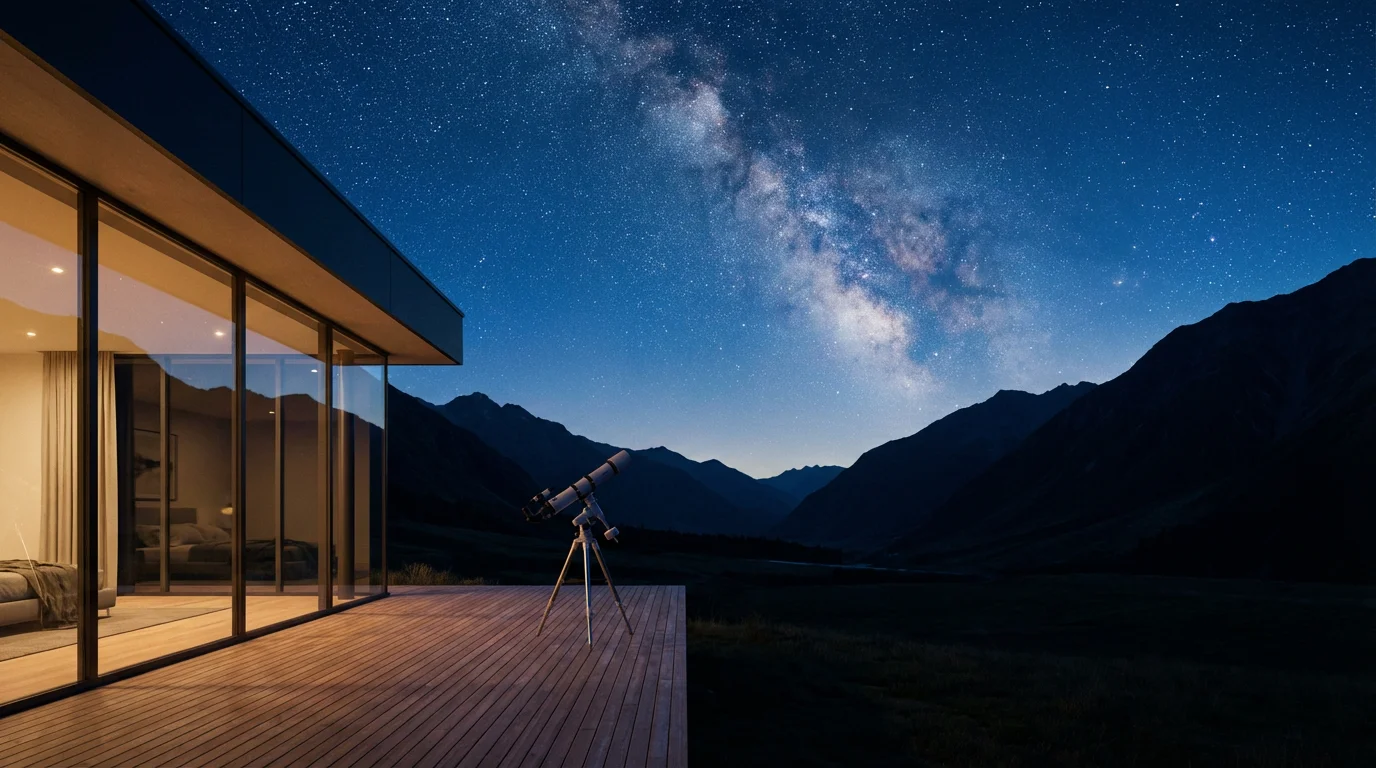
Selecting the perfect stargazing retirement spot requires careful evaluation of several critical elements. You need to prioritize locations that consistently offer clear, dark nights. Consider these essential factors during your research:
- Minimal Light Pollution: This is the most crucial factor. Look for areas far from major metropolitan centers. IDA Dark Sky designations serve as excellent indicators of minimal light pollution.
- High Number of Clear Nights: Arid climates, particularly in the southwestern United States, typically boast more cloud-free evenings compared to coastal or humid regions. The National Weather Service provides historical climate data for specific regions.
- Low Humidity: High humidity causes atmospheric haze, obscuring fainter celestial objects. Dry climates offer superior viewing conditions.
- Altitude: Higher elevations place you above a portion of the atmosphere, reducing atmospheric distortion and light scattering. However, consider the impact of altitude on your health.
- Accessibility to Amenities: While seeking remoteness for darkness, you still need access to healthcare, groceries, and other essential services. Balance your desire for dark skies with practical living needs.
- Community Support: Some areas have active astronomy clubs, observatories, or educational programs. These resources enhance your stargazing experience and foster community connections.
Understanding these factors helps you narrow down potential areas that truly meet your astronomical requirements while supporting your overall retirement lifestyle. Prioritize what matters most to your daily life and your passion for the stars.
Spotlight on Top Stargazing States
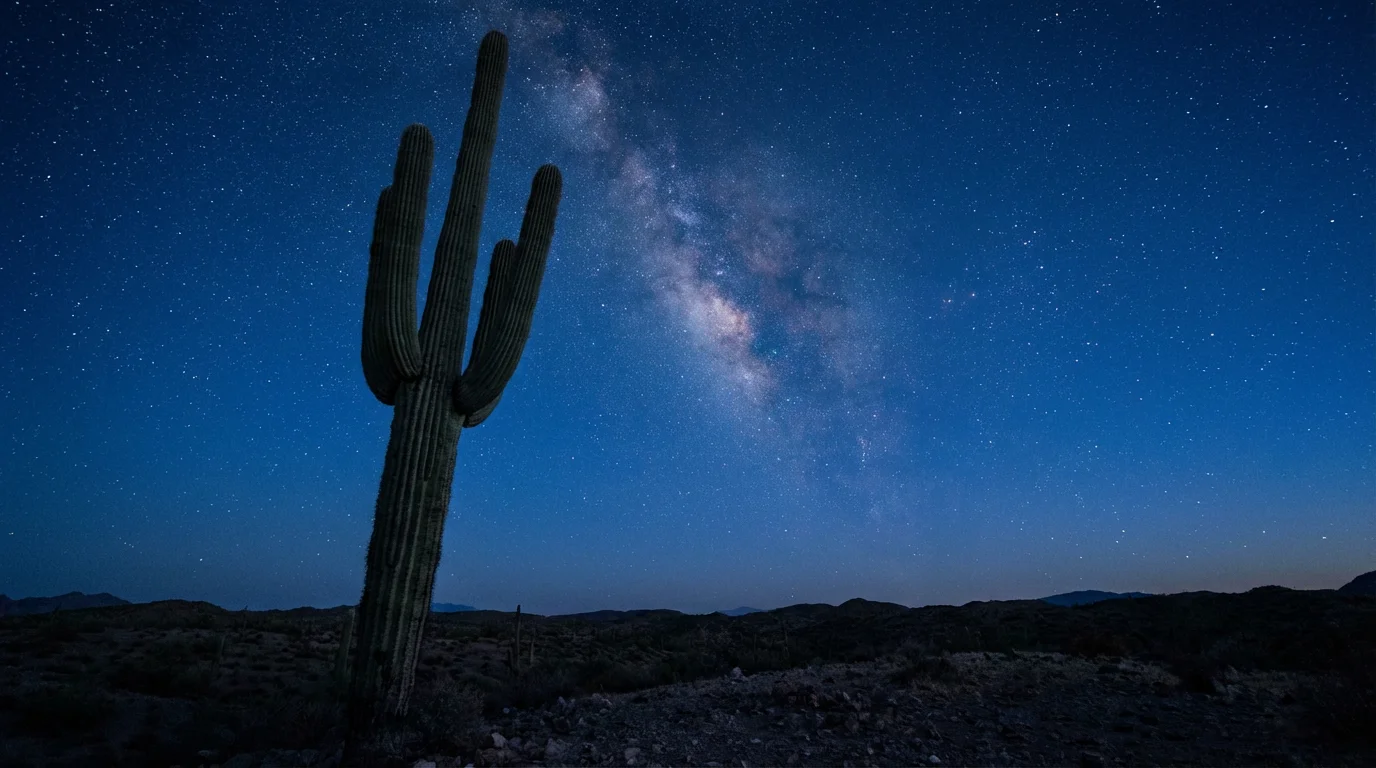
Certain states consistently rank high for their dark skies and favorable viewing conditions. These regions typically feature vast expanses of undeveloped land, dry climates, and often higher elevations. We examine a few top contenders, noting both their advantages and potential challenges for retirees.
Before committing to a move, it is helpful to review the pros and cons of retiring in the Desert Southwest to ensure the region fits your overall needs.
Arizona
Arizona stands as a prime destination for stargazers, boasting more IDA Dark Sky Places than any other state. Its arid climate ensures a high number of clear nights, especially at higher elevations. Locations like Flagstaff, the world’s first International Dark Sky City, and areas around Tucson, home to Kitt Peak Observatory, provide exceptional viewing.
- Pros:
- Abundant clear nights, particularly outside the monsoon season.
- Numerous IDA-designated Dark Sky Places.
- Established astronomy communities and observatories.
- Diverse landscapes from high deserts to mountains.
- Relatively strong infrastructure and 55+ communities in some areas.
- Cons:
- Summer heat in lower desert regions can be intense.
- Water conservation is a growing concern.
- Some prime dark sky areas are very remote, limiting service access.
- Population growth contributes to increasing light pollution near urban centers.
- Pros:
- Extremely low light pollution across much of the state.
- Lower cost of living compared to some other western states.
- Rich cultural history and natural beauty.
- High altitude contributes to clearer views.
- Cons:
- Many dark sky areas are very remote, impacting access to advanced healthcare.
- Limited modern amenities in smaller towns.
- Harsh winters at higher elevations.
- Pros:
- Multiple world-renowned Dark Sky Parks.
- Dry, high-altitude climate minimizes atmospheric interference.
- Exceptional natural beauty for daytime exploration.
- Growing interest in astro-tourism supports local amenities.
- Cons:
- Many dark sky locations are seasonal due to winter weather.
- Remoteness requires careful planning for services.
- Tourist crowds in national park areas can be significant.
- Pros:
- Incredibly dark skies in far West Texas.
- Unique desert ecology and landscape.
- No state income tax, making it potentially tax-friendly.
- Cons:
- Extreme summer heat makes outdoor activities challenging.
- Very remote; services are limited and far between.
- Water scarcity is a major concern in the region.
- Extensive Research: Begin by thoroughly researching potential locations. Use online tools, read community forums, and gather data on climate, light pollution levels, and local amenities.
- Visit and Experience: Plan extended visits to your top choices, ideally during different seasons. Spend time both during the day and, crucially, at night to experience the local environment and the night sky quality.
- Budget Creation: Develop a detailed budget that accounts for local cost of living, including housing, utilities, transportation, and healthcare. Factor in potential increases in travel time and costs for services.
- Healthcare Assessment: Contact local medical providers in your prospective area. Confirm they accept your insurance, understand their services, and evaluate travel times to hospitals or specialists. The Medicare.gov site offers tools for finding providers.
- Utility and Internet Setup: Investigate options for electricity, water, waste management, and internet. Rural areas may have different providers or limited options for high-speed internet.
- Connect with Communities: Reach out to local astronomy clubs, senior centers, or community groups. This helps you gauge the social landscape and find like-minded individuals.
- Financial and Legal Review: Consult with financial advisors and potentially a local real estate agent or attorney. Ensure your financial plan aligns with the tax laws and property regulations of your new state.
- Pros:
- Unparalleled Night Sky Views: Experience celestial phenomena that urban dwellers never see.
- Tranquility and Peace: Enjoy a quieter, less hurried lifestyle away from city noise and light.
- Connection to Nature: Live in areas often surrounded by natural beauty, fostering outdoor activities.
- Unique Hobby and Community: Pursue your passion for astronomy with potential access to clubs and events.
- Potentially Lower Cost of Living: Housing and property taxes can be more affordable in rural dark sky areas.
- Cons:
- Limited Access to Amenities: Fewer options for shopping, dining, and specialized services.
- Healthcare Challenges: Remote locations often have fewer medical facilities and specialists.
- Social Isolation Risk: Smaller communities might offer fewer social opportunities depending on your preferences.
- Remoteness and Travel: Longer drives for errands, appointments, and cultural events.
- Climate Extremes: Many dark sky areas feature desert heat or mountain cold, requiring adaptability.
“The best time to plant a tree was 20 years ago. The second best time is now.”
New Mexico
New Mexico offers vast, sparsely populated areas with incredibly dark skies. Chaco Culture National Historical Park, an International Dark Sky Park, exemplifies the state’s pristine nightscapes. The high desert environment contributes to excellent atmospheric conditions for observing.
Utah
Utah features several iconic national parks designated as International Dark Sky Parks, including Arches, Canyonlands, and Capitol Reef. The state’s unique red rock landscapes provide stunning foregrounds for astrophotography, complemented by typically dry, clear conditions.
Texas
While much of Texas experiences significant light pollution, the western reaches, particularly around Big Bend National Park, offer some of the darkest skies in the lower 48 states. This vast, rugged region provides a true wilderness experience for stargazers.
Evaluating Specific Dark Sky Communities
Beyond broad state regions, specific communities offer unique advantages for stargazing retirees. Consider these examples, understanding that your ideal choice depends on your personal balance of dark skies, amenities, and community feel.
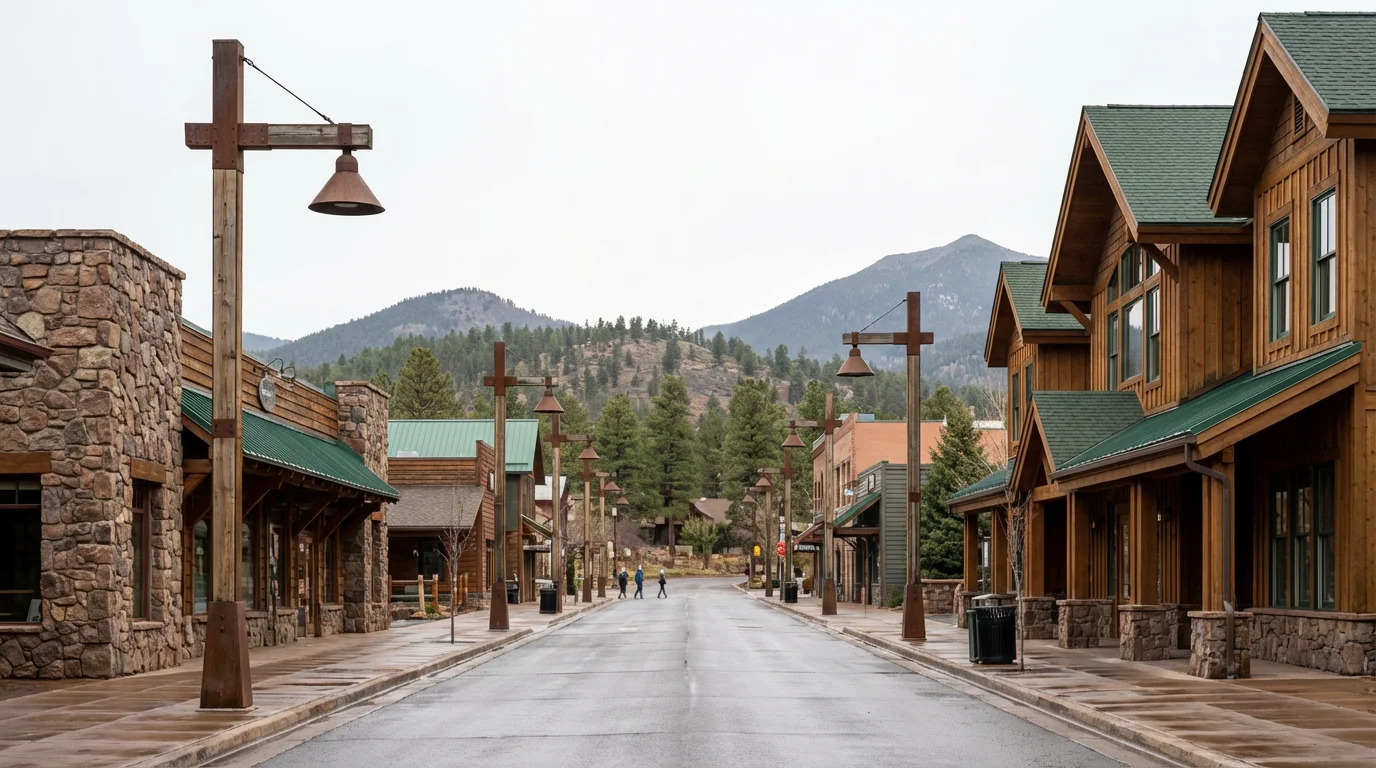
For example, Flagstaff, Arizona, is a fully functioning city and an International Dark Sky City. It provides a university, medical facilities, and cultural attractions, all while maintaining strict light pollution ordinances. You gain city conveniences alongside exceptional night sky access.
In contrast, communities like Borrego Springs, California, an International Dark Sky Community, offer a more rural, slower-paced lifestyle. Located near Anza-Borrego Desert State Park, it provides superb dark skies with fewer city amenities. This choice suits those prioritizing extreme darkness over urban conveniences. You must weigh the trade-offs between proximity to services and the purity of the night sky.
When you research communities, look for local astronomy clubs, public observatories, and designated dark sky parks or preserves nearby. These indicate an existing infrastructure and community interest in preserving the night sky, which benefits your retirement experience.

Cost of Living in Dark Sky Locales
Retiring to a dark sky destination often means moving to more rural or remote areas, which can significantly impact your cost of living. Generally, housing costs tend to be lower in these less populated regions compared to major metropolitan centers. However, other expenses might increase.
Consider the following aspects of cost of living:
| Expense Category | Typical for Dark Sky Areas | Considerations for You |
|---|---|---|
| Housing | Often lower, especially for land or larger homes. | Availability can be limited; new construction might be costly. |
| Utilities | Can be higher for electricity (less infrastructure, reliance on well/septic). | Internet access may be slower or more expensive via satellite. |
| Groceries | Potentially higher due to increased transportation costs. | Fewer choices in smaller towns; larger trips to bigger stores. |
| Transportation | Higher fuel costs due to longer distances for errands/appointments. | Reliable vehicle maintenance becomes critical. |
| Healthcare | Out-of-pocket costs potentially higher for specialized care. | Travel expenses for appointments can add up. |
| Entertainment | Less varied, often focused on outdoor activities and community events. | Might require travel to larger cities for cultural events. |
You might find a lower overall cost of living in some rural dark sky areas, but you must factor in increased travel expenses and potentially fewer competitive service providers. Research specific communities thoroughly, consulting resources like the Bureau of Labor Statistics for regional cost data. This helps you create a realistic retirement budget for your chosen location.
Healthcare Access and Community Resources
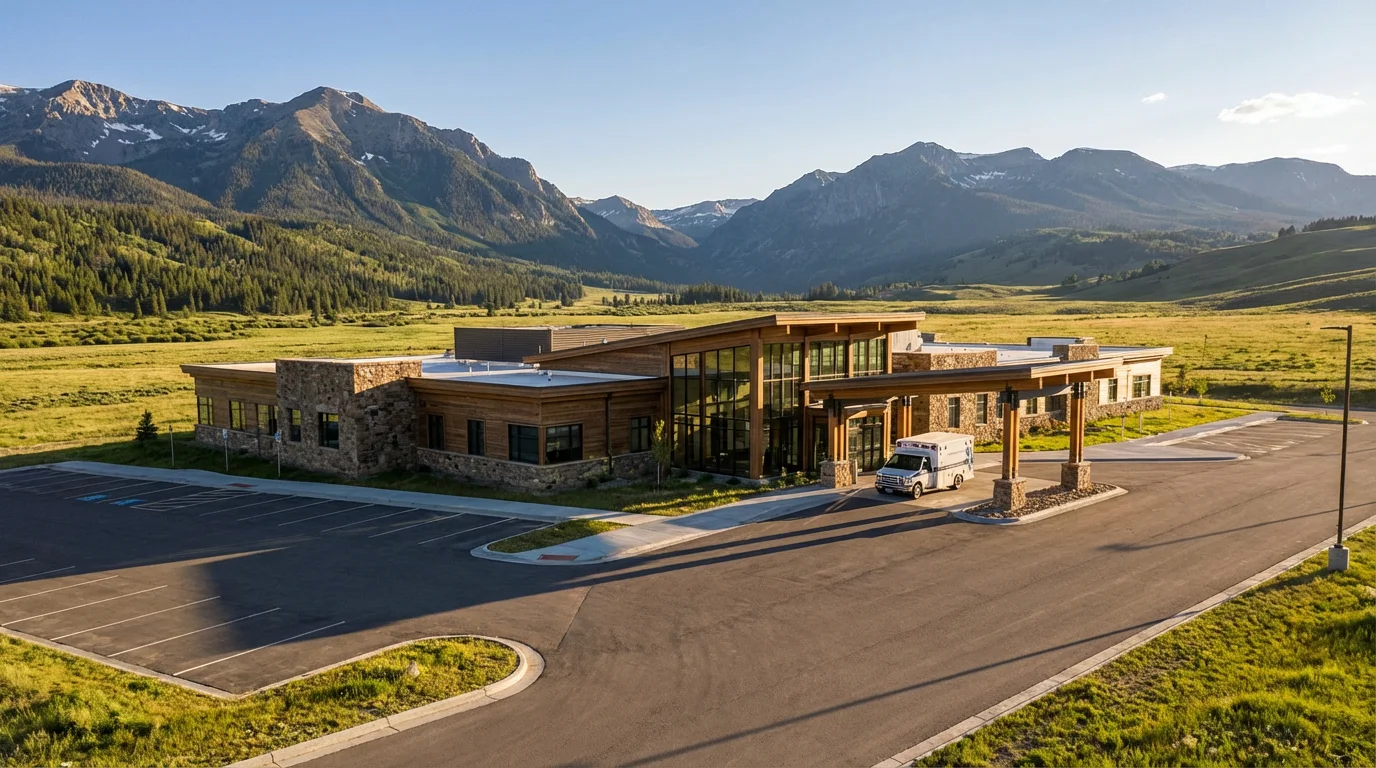
While the allure of dark skies is strong, practical considerations such as healthcare access are paramount for retirees. Many prime dark sky locations are rural, which can mean fewer hospitals, specialists, and immediate emergency services. You must proactively plan your healthcare strategy.
Before relocating, research local medical facilities, including hospitals, urgent care centers, and primary care physicians. Check their ratings and specialty services. Telehealth options are expanding, offering a viable solution for routine consultations and specialist follow-ups in remote areas. Ensure your chosen location has reliable internet access to support telehealth services.
Community resources extend beyond healthcare. Look for senior centers, volunteer opportunities, and social clubs. These resources help you integrate into your new environment and maintain an active social life. Even in smaller towns, you often find vibrant community activities centered around local interests. The Eldercare Locator can help you find services for seniors in specific areas.

Tax-Friendly States for Stargazing Retirees
Your retirement income and assets will face different tax treatments depending on the state you choose. Combining excellent stargazing with a favorable tax environment can significantly enhance your financial comfort. States vary widely in how they tax retirement income, property, and sales.
Selecting a destination with clear views of the Milky Way is even more rewarding when you consult a comprehensive guide to tax-friendly states to protect your retirement savings.
Some states, like Texas, Nevada, and Arizona, do not levy state income tax on any income, including retirement distributions. This can result in substantial savings for many retirees. However, these states often rely on other revenue streams, such as higher property taxes or sales taxes. You must consider the overall tax burden, not just one type of tax.
For example, while New Mexico has an income tax, it offers deductions for certain retirement income. Utah taxes retirement income, but it generally boasts lower property taxes than some coastal states. You should consult resources like the Tax Foundation to understand state tax policies comprehensively. This research ensures your chosen dark sky haven aligns with your financial planning goals.

Relocation Planning Your Celestial Haven
Making a major move to a dark sky destination requires careful planning and preparation. You should approach this decision methodically to ensure a smooth transition. Consider these actionable steps for your relocation:
Taking these steps helps you make an informed decision and minimizes surprises during your relocation. Your preparation ensures your dark sky retirement becomes a truly rewarding experience.
Pros and Cons of Stargazing Retirement
A dark sky retirement offers unique benefits, but it also comes with specific challenges. Weighing these aspects helps you determine if this lifestyle aligns with your overall retirement goals.
Your decision should reflect your priorities regarding convenience, community, and your deep desire to witness the cosmos. Understand that a fulfilling retirement balances passion with practical living needs.
Frequently Asked Questions
What is an International Dark Sky Place?
An International Dark Sky Place is a specific location recognized by the International Dark-Sky Association (IDA) for its exceptional quality of starry nights and its commitment to protecting the night sky environment through responsible lighting policies. These designations include Parks, Reserves, Sanctuaries, and Communities.
Are dark sky communities typically expensive?
Not necessarily. While some dark sky areas near popular national parks can be pricey, many dark sky communities are rural, offering lower housing costs compared to major cities. However, other expenses like utilities, internet, and transportation may be higher due to remoteness. You must evaluate the full cost of living for each specific location.
How do I check the light pollution level of a potential retirement spot?
You can use online light pollution maps, such as those provided by the IDA or other astronomy resources. These maps visually represent light pollution levels, allowing you to identify truly dark areas. Additionally, visiting the location at night gives you a firsthand understanding of the sky quality.
What are the primary weather considerations for stargazing?
The primary weather considerations are clear skies, low humidity, and minimal atmospheric turbulence. Dry climates, particularly in the desert southwest, tend to offer more clear nights and less humidity. High altitudes can also improve viewing by placing you above a portion of the atmosphere.
What if I need specialized medical care in a remote dark sky area?
Access to specialized medical care is a significant consideration for remote areas. You should research the nearest hospitals and specialists, considering travel times. Telehealth services offer a valuable option for routine consultations and follow-ups. Some retirees choose locations within a reasonable drive of a larger city for easier access to advanced medical facilities.
Disclaimer: This article is for informational purposes only. Cost of living, taxes, and local conditions change over time. We encourage readers to verify current information through official sources and visit potential retirement destinations before making relocation decisions.






Leave a Reply