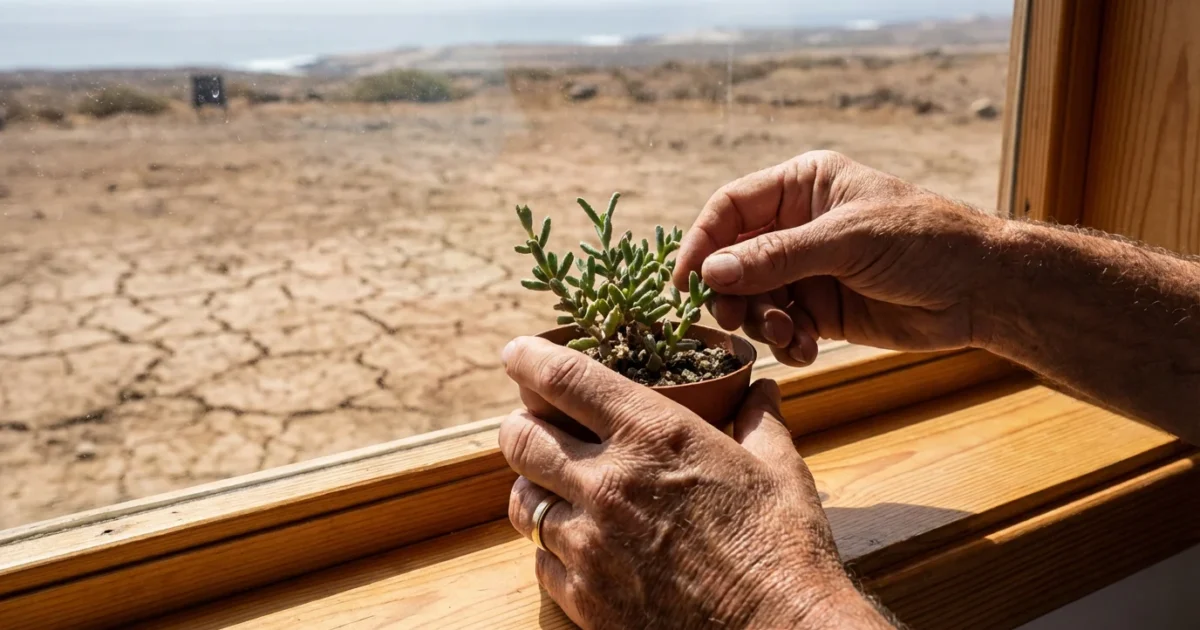
Choosing your ideal retirement location represents one of life’s most significant decisions. You envision comfort, security, and enjoyment in your golden years. Historically, factors such as cost of living, proximity to family, and access to healthcare have guided these choices. Today, a new, critical consideration enters the equation: climate change.
It is also essential to consider how environmental shifts influence your long-term financial strategy beyond just picking a physical location.
Global weather patterns are shifting, bringing more frequent and intense extreme weather events across the United States. These changes directly impact the livability, safety, and long-term costs of retirement destinations. Understanding these impacts helps you make an informed decision about where you will truly thrive in retirement. This article provides practical and actionable insights for assessing `climate change` risks in `retirement locations`, helping you identify a `climate resilient location` that aligns with your priorities.
Table of Contents
- Understanding Climate Change and Retirement
- Extreme Weather and Your Retirement Home
- Cost of Living Impacts from Climate Change
- Health Considerations in a Changing Climate
- Identifying Climate-Resilient Retirement Locations
- What Areas Are Affected Most: Key Considerations
- Planning Your Relocation for Climate Preparedness
- The Role of Community and Infrastructure
- Frequently Asked Questions

Understanding Climate Change and Retirement
Climate change refers to long-term shifts in temperatures and weather patterns. These shifts, largely driven by human activities, manifest in various ways across different regions. For retirees, these changes translate into real-world challenges affecting daily life and financial stability.
Beyond weather, those looking at the West Coast should also consider planning for retirement in earthquake zones as part of their safety assessment.
Consider the long-term perspective. Your retirement might span 20, 30, or even more years. The weather patterns of today may not reflect the conditions two decades from now. You need to factor in projections and historical data to select a location that remains stable and comfortable throughout your retirement.
According to the National Weather Service, many regions in the U.S. have already experienced shifts in average temperatures and precipitation. This trend suggests increased occurrences of intense rainfall, prolonged droughts, and elevated heat indices. These environmental shifts require careful consideration during your relocation planning.

Extreme Weather and Your Retirement Home
Extreme weather events pose direct threats to property and personal safety. You must evaluate the specific `extreme weather` risks associated with any potential `retirement locations`. These risks vary significantly by geographic area.
When risks are high, exploring retirement communities with indoor amenities can provide a safer way to stay active during severe weather events.
Specific Extreme Weather Threats:
- Heatwaves: Prolonged periods of excessively hot weather stress power grids and pose serious health risks, particularly for older adults.
- Wildfires: Dry conditions and high temperatures increase wildfire frequency and intensity, impacting air quality and threatening homes in many western states.
- Flooding: Heavy rainfall events and rising sea levels contribute to both riverine and coastal flooding, causing extensive property damage and displacement.
- Hurricanes and Tropical Storms: Coastal regions in the Southeast and Gulf Coast face increasing risks from stronger storms, bringing high winds, storm surges, and torrential rain.
- Severe Storms: Tornadoes and intense thunderstorms affect the Plains and Midwest, causing sudden and localized destruction.
For example, California experienced its largest wildfire in state history, the August Complex Fire, in 2020, burning over one million acres. Florida, a popular retirement destination, frequently faces hurricane threats, with Hurricane Ian in 2022 causing widespread devastation and billions in damages. These events underscore the need to assess your chosen home’s vulnerability and local emergency preparedness.

Cost of Living Impacts from Climate Change
Your retirement budget is a critical component of your financial security. Climate change directly influences several aspects of your cost of living. These financial implications extend beyond immediate damages and can affect your long-term economic stability.
Finding a balance between safety and affordability is key when searching for budget-friendly cities in the current economic landscape.
Financial Impacts to Consider:
- Insurance Premiums: Homeowner’s insurance, flood insurance, and even auto insurance premiums increase in high-risk areas. Florida homeowners, for instance, have seen significant rate hikes due to hurricane risks.
- Utility Costs: More frequent and intense heatwaves mean higher air conditioning usage, driving up electricity bills. Similarly, colder snaps can increase heating costs.
- Property Values: Homes in areas with high climate risk may see stagnant or declining property values over time, impacting your investment and future equity.
- Repair and Maintenance: You may incur more frequent and costly repairs due to weather-related wear and tear or minor storm damage, even if fully insured.
- Infrastructure Costs: Local taxes might rise to fund repairs and upgrades to roads, utilities, and public services damaged by extreme weather.
The average annual cost for flood insurance through the National Flood Insurance Program can vary widely, but rates in high-risk zones can easily reach thousands of dollars annually. When evaluating `what areas are affected most`, remember to factor these rising expenses into your retirement budget calculations.

Health Considerations in a Changing Climate
As you age, health concerns become a higher priority. Climate change introduces new or exacerbated health risks that demand your attention when selecting a retirement location. Your well-being depends on a stable and healthy environment.
Finding the best states for active retirement involves finding a balance between health risks and access to nature.
Climate-Related Health Risks for Retirees:
- Heat-Related Illnesses: Older adults are particularly susceptible to heat stroke and exhaustion. Regions experiencing more frequent and intense heatwaves pose significant risks.
- Respiratory Issues: Wildfires generate smoke that degrades air quality, exacerbating conditions like asthma, COPD, and other respiratory illnesses. Increased pollen counts in some areas also contribute to allergies.
- Vector-Borne Diseases: Warmer temperatures can expand the habitats of disease-carrying insects, such as mosquitoes and ticks, increasing risks of Lyme disease, West Nile virus, and other infections.
- Mental Health Impacts: Experiencing or anticipating extreme weather events can cause stress, anxiety, and depression, impacting your overall mental well-being.
- Healthcare Access: Disruptions from severe weather can hinder access to essential medical appointments, pharmacies, and emergency services.
Consider a region like Arizona, which offers sunshine but also increasingly faces extreme heat. The CDC reports that heat stress disproportionately affects older adults. When evaluating `how to choose climate resilient location`, ensure it offers not only a suitable climate but also robust healthcare infrastructure capable of responding to these challenges. Consult Medicare.gov for local healthcare provider information.
Identifying Climate-Resilient Retirement Locations
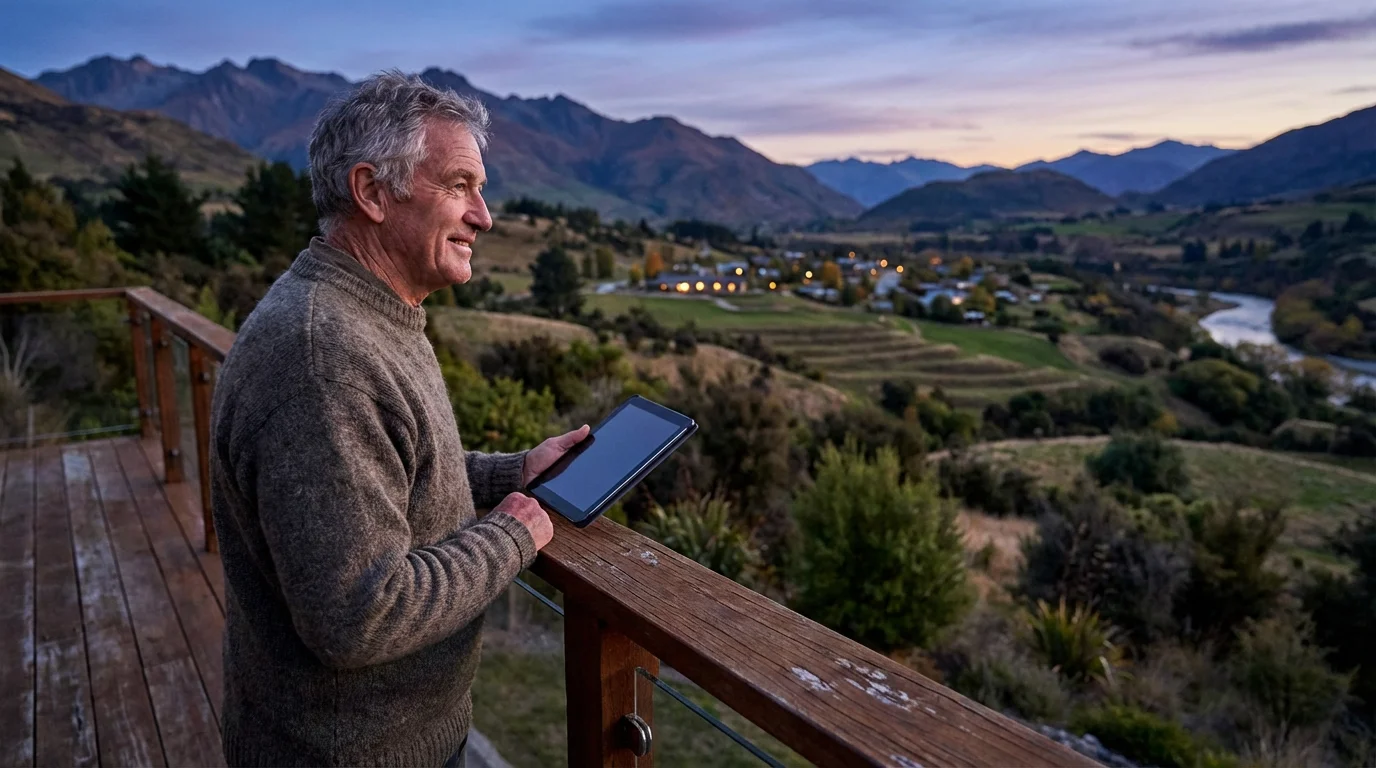
Selecting a `climate resilient location` means looking beyond current amenities and considering long-term environmental stability. You can actively research and prioritize areas demonstrating preparedness and lower vulnerability. This proactive approach helps secure your peace of mind.
Choosing a location that offers a four seasons retirement may provide a more varied and manageable climate than regions with extreme summer heat.
For those sensitive to high temperatures, researching retirement destinations with moderate summers can provide a blueprint for ensuring long-term physical comfort.
Key Factors for Climate Resilience:
- Historical Data: Research the frequency and intensity of past extreme weather events in potential locations. Consistent, severe events indicate higher ongoing risk.
- Infrastructure Robustness: Evaluate the quality of local infrastructure, including power grids, water systems, and transportation networks. Resilient infrastructure withstands disruptions better.
- Local Preparedness Plans: Check if local governments have comprehensive disaster preparedness and climate adaptation plans. A proactive community often invests in mitigation.
- Natural Protections: Some areas benefit from natural buffers, such as protective wetlands against storm surges or elevation that reduces flood risk.
- Water Security: Investigate water sources and long-term availability, especially in regions prone to drought. Diverse water sources enhance resilience.
For example, some interior states with higher elevations and diversified economies may face fewer direct threats from coastal storms or sea-level rise. Communities that have invested in modernizing their power grids and improving stormwater management also demonstrate higher resilience.
“The best way to predict the future is to create it.” — Peter Drucker. Take an active role in researching and choosing a location that reflects your future well-being.
What Areas Are Affected Most: Key Considerations
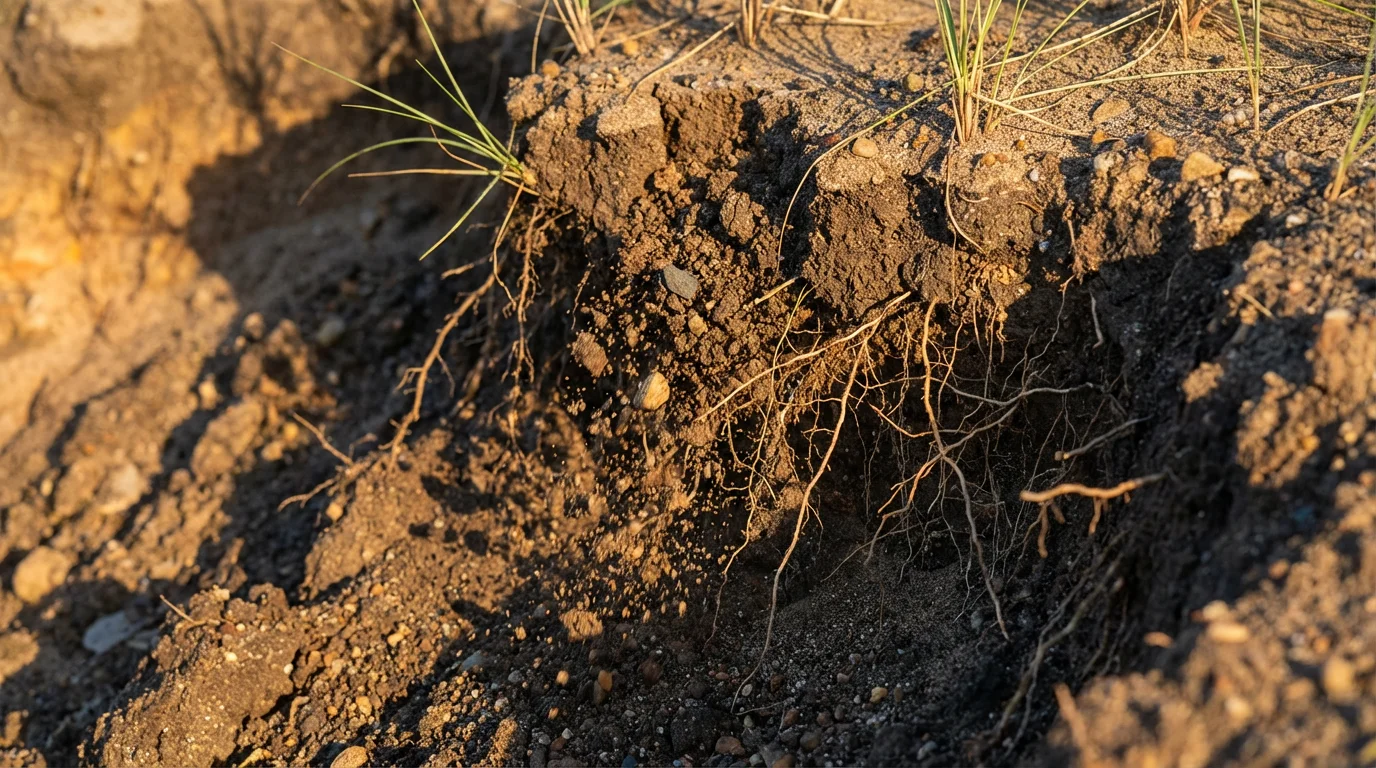
Understanding `what areas are affected most` helps you refine your search for `retirement locations`. While no region is entirely immune, some face significantly higher risks than others. This section provides a high-level overview of regional vulnerabilities.
Evaluating the differences between northern and southern retirement climates helps you decide which regional environmental risks you are most willing to manage.
Regional Climate Vulnerabilities:
| Region | Primary Climate Risks | Potential Impacts for Retirees |
|---|---|---|
| Southeast & Gulf Coast | Hurricanes, storm surges, sea-level rise, extreme heat, heavy rainfall | High insurance costs, power outages, coastal erosion, property damage, heat-related health issues |
| Southwest (e.g., Arizona, Nevada) | Drought, extreme heat, wildfires, water scarcity | Increased utility bills, water restrictions, poor air quality, health risks from heat and smoke |
| California & Pacific Northwest | Wildfires, drought, mudslides, heatwaves, some sea-level rise | Air quality concerns, property loss, increased insurance, potential water shortages |
| Midwest | Severe storms, inland flooding, extreme heat, changes in agriculture | Property damage from tornadoes/floods, power outages, potential supply chain disruptions |
| Northeast | Heavy rainfall, coastal flooding, heatwaves, winter storms | Increased flood risk, infrastructure strain, higher heating/cooling costs, occasional severe winter weather |
This table offers a snapshot. Within each region, specific locales will have varying degrees of risk. For instance, an elevated inland community in Florida faces different risks than a beachfront property. You must examine the microclimate and local geology of any specific town or city you consider.

Planning Your Relocation for Climate Preparedness
A well-executed relocation plan incorporates climate preparedness into every step. This strategic approach minimizes future surprises and ensures a smoother transition. You empower yourself by gathering information and making proactive choices.
Steps for Climate-Conscious Relocation:
- Deep Dive Research: Utilize resources like the National Weather Service (weather.gov) and local government climate reports. Investigate flood maps, wildfire risk zones, and historical weather data for specific addresses.
- Visit During Peak Season: If possible, visit potential locations during their most challenging weather season, whether it is hurricane season in Florida or wildfire season in California. This gives you a realistic impression.
- Assess Community Preparedness: Inquire about local emergency services, evacuation routes, and community support networks for seniors. AARP Livable Communities provides resources on community resilience.
- Review Insurance Options: Obtain quotes for homeowner’s and flood insurance for specific properties. Compare costs and coverage carefully, as these vary dramatically.
- Consider Home Design: Look for homes built to withstand local climate challenges, such as elevated foundations in flood zones or fire-resistant materials in wildfire-prone areas.
- Create an Emergency Plan: No matter where you move, develop a personal emergency plan. Include evacuation routes, contact lists, and a supply kit. USA.gov offers comprehensive guidance.
- Evaluate Healthcare Access: Confirm access to preferred doctors and hospitals, considering potential disruptions during severe weather events. The Eldercare Locator can help find local support services.
By following these steps, you enhance your preparedness and confidence in your chosen retirement destination. Your efforts today secure a more stable future.

The Role of Community and Infrastructure
Beyond individual property considerations, the strength of the local community and its public infrastructure significantly contributes to a location’s climate resilience. These collective assets protect and support you during and after climate events. You want to retire in a place that demonstrates foresight and solidarity.
A robust community plans for the future. Look for evidence of investment in resilient infrastructure, such as upgraded storm drains, underground power lines, or advanced early warning systems. These investments reduce vulnerability and speed recovery.
Consider the social fabric as well. A strong, engaged community often mobilizes effectively during crises, offering support and resources. Research local civic organizations and volunteer groups. This collective resilience makes a tangible difference in your safety and comfort.
When you research `retirement locations`, also investigate local government websites for climate action plans or hazard mitigation reports. These documents provide insight into how actively the community prepares for future challenges. AARP’s Livable Communities initiative highlights attributes of communities that support older adults, including safety and emergency preparedness, which are crucial in a changing climate.
Frequently Asked Questions
How does climate change specifically impact retirement locations?
Climate change impacts retirement locations through increased extreme weather events like hurricanes, wildfires, and heatwaves. It also affects long-term factors such as sea-level rise, water availability, and air quality. These changes influence insurance costs, property values, infrastructure stability, and healthcare access, directly affecting your quality of life in retirement.
What areas are considered most vulnerable to climate change for retirees?
Coastal areas face risks from sea-level rise and more intense hurricanes. Arid regions in the Southwest experience increased drought, extreme heat, and wildfires. Riverine floodplains, particularly in the Midwest and Southeast, face elevated risks of inland flooding. Identifying these vulnerabilities helps you select a more resilient location.
How can I assess a location’s climate resilience?
Assess a location’s climate resilience by researching its history of extreme weather events, local government preparedness plans, and the integrity of its infrastructure. Look for communities investing in green infrastructure, robust emergency services, and diversified water sources. Consult resources from the National Oceanic and Atmospheric Administration and local planning departments.
Will climate change affect my cost of living in retirement?
Yes, climate change can significantly impact your retirement cost of living. You may face higher homeowner’s insurance premiums due to increased risks of floods, wildfires, or storms. Utility costs could rise with more extreme temperatures requiring greater heating or cooling. Damage from weather events can also lead to unexpected repair expenses.
What health considerations should I make when choosing a climate resilient location?
When choosing a climate resilient location, consider potential health impacts. Extreme heat can exacerbate cardiovascular and respiratory conditions. Poor air quality from wildfires or pollution can trigger asthma and other lung issues. Ensure your chosen area has robust healthcare infrastructure capable of handling climate-related health challenges and provides easy access to specialists.
Considering the long-term impacts of climate change is an essential part of selecting your ideal retirement destination. By actively researching and prioritizing climate resilience, you secure a more stable, comfortable, and financially sound future. Your informed decisions today pave the way for a truly fulfilling retirement.
Disclaimer: This article is for informational purposes only. Cost of living, taxes, and local conditions change over time. We encourage readers to verify current information through official sources and visit potential retirement destinations before making relocation decisions.








Leave a Reply