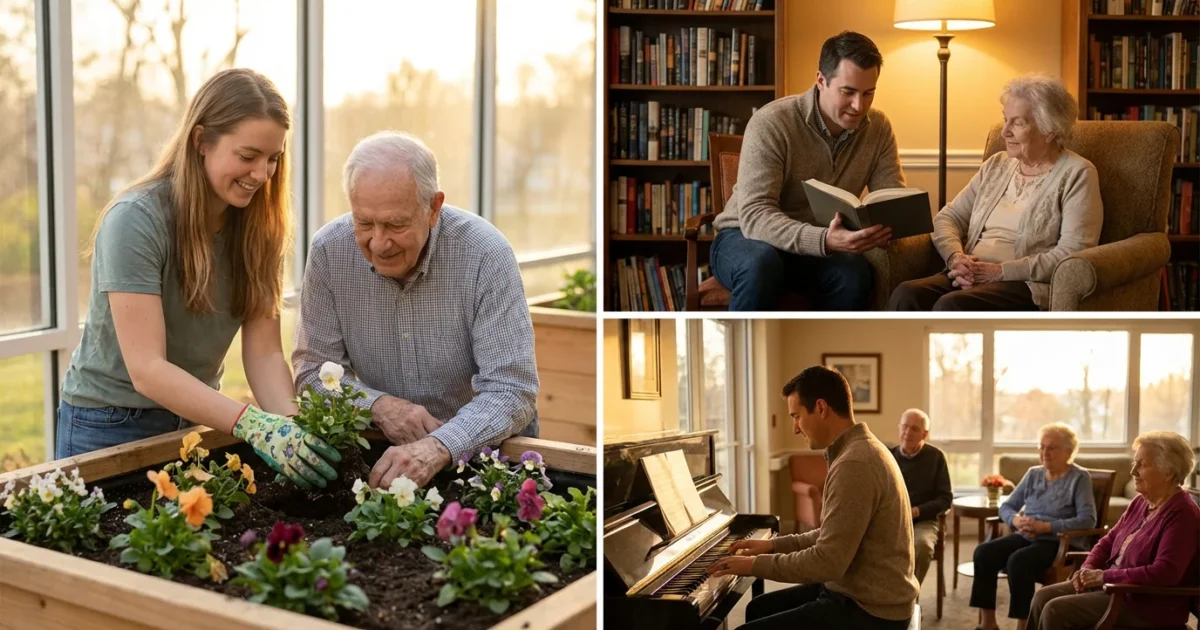
Retirement offers a unique opportunity for reinvention and purpose. While many look forward to relaxation, a significant number of retirees discover profound fulfillment through giving back. Engaging in volunteering provides a powerful way to stay active, connected, and contribute meaningfully to your new community. This guide explores the diverse world of volunteer opportunities available, particularly within and around retirement communities, helping you find your ideal role.
Before settling down to focus on philanthropy, many retirees find that learning how to downsize your home for retirement is a necessary first step to free up both physical space and personal time.
Discovering your ideal retirement location involves considering more than just climate and cost of living. It also means evaluating opportunities for meaningful engagement and connection. Volunteering enhances personal well-being and strengthens the fabric of your community, making your new home feel truly welcoming.
Table of Contents
- The Profound Benefits of Senior Involvement
- Discovering Your Volunteer Passion: What Suits You?
- How to Find Local Volunteer Work in Your Retirement Community
- Volunteering Within Retirement Communities: A Hub of Activity
- Formal Versus Informal Volunteering: Finding Your Fit
- Overcoming Barriers to Senior Involvement
- Making an Impact: The Ripple Effect of Your Efforts
- Frequently Asked Questions

The Profound Benefits of Senior Involvement
Engaging in volunteering offers a wealth of benefits for retirees. It transcends simply occupying time, actively enriching your physical, mental, and social well-being. Studies consistently show that individuals who volunteer experience improved health outcomes.
In addition, moving to one of the premier mild winter retirement destinations makes it much easier to participate in outdoor community service and activities year-round.
If you are planning a move, finding your ideal home in one of the best states for active retirement can expand your opportunities for both year-round physical activity and environmental volunteering.
For example, the Corporation for National and Community Service found that older volunteers report lower rates of depression and greater life satisfaction. This translates into tangible improvements in daily life. You gain a sense of purpose and structure, which often diminishes after leaving a long-term career.
Consider these key advantages of embracing senior involvement:
- Enhanced Physical Health: Active volunteering keeps you moving, whether it involves light physical tasks or simply walking to a meeting. This activity contributes to better cardiovascular health and mobility. Research indicates that regular physical activity reduces the risk of chronic diseases.
- Improved Mental Acuity: Volunteer roles often require problem-solving, learning new skills, and engaging in social interactions. These activities stimulate your brain, helping to maintain cognitive function and memory. You challenge yourself in new ways.
- Stronger Social Connections: Volunteering introduces you to new people who share your interests and values. You build a new support network, combating loneliness and fostering a sense of belonging. This is particularly valuable when relocating to a new retirement community.
- Reduced Stress and Depression: Contributing to a cause larger than yourself provides a deep sense of accomplishment and meaning. This positive reinforcement naturally lowers stress levels and can act as a buffer against depressive symptoms. Your efforts make a tangible difference.
- Extended Lifespan: Some studies suggest a correlation between volunteering and increased longevity. The combination of physical activity, mental engagement, and social support likely contributes to a longer, healthier life. You invest in your own future by helping others.
Discovering Your Volunteer Passion: What Suits You?
The first step in volunteering successfully involves identifying what truly motivates you and aligns with your skills. Consider your past professional experience, hobbies, and personal values. Your unique background offers valuable assets to various organizations.
Focusing your search on affordable senior living communities can also free up financial resources, allowing you to focus your energy on charitable causes.
While finding your passion is exciting, remember to pace yourself and pay attention to managing relocation stress during your transition.
Do you enjoy working with children, animals, or veterans? Do you prefer hands-on tasks, administrative duties, or leadership roles? Matching your interests with opportunities ensures a fulfilling and sustainable volunteer experience.
Explore these diverse categories to determine what volunteering suits retired individuals like you:
- Education and Mentorship: If you have a background in teaching or a desire to guide younger generations, consider tutoring students, mentoring young professionals, or helping adults learn new skills. Schools, libraries, and community centers often seek volunteer educators.
- Healthcare Support: Hospitals, nursing homes, and hospice organizations consistently need volunteers. Roles can include greeting visitors, comforting patients, assisting with activities, or providing companionship. These positions offer direct impact and human connection.
- Animal Welfare: If you love animals, shelters and rescue organizations welcome volunteers for tasks like walking dogs, cleaning enclosures, assisting with adoptions, or fundraising. You contribute directly to the well-being of vulnerable creatures.
- Environmental Conservation: Engage with nature by volunteering for park cleanups, trail maintenance, gardening projects, or environmental education programs. Local conservation groups and nature centers rely on volunteer support to protect natural spaces.
- Arts and Culture: Museums, theaters, historical societies, and art galleries often seek volunteers to greet patrons, assist with events, provide guided tours, or help with administrative tasks. You support the cultural vibrancy of your community.
- Community and Social Services: Many organizations address food insecurity, homelessness, or support for specific populations. Roles might involve serving meals at a soup kitchen, organizing food drives, delivering meals to seniors, or assisting at local food banks. This type of volunteering directly addresses critical community needs.
- Advocacy and Policy: If you are passionate about a particular social or political cause, you can volunteer with advocacy groups. This might involve research, outreach, lobbying efforts, or community organizing. Your voice helps shape policy.
- Technical and Administrative Support: Leverage your professional skills in areas like accounting, marketing, IT, or human resources. Many non-profits operate on limited budgets and greatly benefit from skilled volunteers who can offer pro bono services.

How to Find Local Volunteer Work in Your Retirement Community
Once you know what interests you, the next step involves identifying specific opportunities in your new area. Your retirement community itself may offer a network of options. Exploring local resources will connect you with organizations needing your unique talents.
To ensure you have the financial freedom to volunteer without worry, it helps to start by creating a retirement relocation budget early in your planning process.
If you are settling into a fresh environment, our comprehensive resource on finding volunteer opportunities in your new retirement community can help kickstart your search.
This process becomes simpler when you utilize established channels and local connections. Do not hesitate to reach out directly to organizations that align with your passions. Many non-profits eagerly seek dedicated senior involvement.
Here are actionable steps on how to find local volunteer work:
- Start with Your Retirement Community: Many 55+ communities have their own volunteer programs, resident-led committees, or partnerships with local charities. Inquire with community management or resident associations about internal opportunities.
- Utilize Online Volunteer Platforms: Websites like VolunteerMatch.org or Idealist.org allow you to search for opportunities by location, interest, and keywords. These platforms provide extensive listings from various non-profit organizations.
- Visit Local Senior Centers: Senior centers often serve as hubs for volunteer recruitment. They can connect you with local organizations, provide information about community needs, and sometimes host volunteer fairs. The Eldercare Locator, a public service of the U.S. Administration for Community Living, can help you find local senior services.
- Contact Specific Non-Profits Directly: If you have a particular cause in mind, like animal welfare or environmental protection, visit the websites of local organizations or call them. Many have dedicated volunteer coordinators.
- Check Local Libraries and Community Boards: Libraries often maintain lists of local non-profits and volunteer opportunities. Community bulletin boards, both physical and online, can also share relevant information.
- Attend Local Fairs and Events: Community festivals, farmers’ markets, or specific volunteer recruitment events often feature booths from various non-profits. This allows for direct interaction and information gathering.
- Network with Neighbors: Talk to people in your retirement community or neighborhood. They may already volunteer and can offer personal recommendations or introductions to organizations they support.

Volunteering Within Retirement Communities: A Hub of Activity
Many retirement communities function as vibrant ecosystems, offering numerous internal volunteer opportunities that enrich resident life. These roles allow you to contribute without even leaving your community. You can connect with fellow residents while making a tangible difference right where you live.
For those days when the weather is less than ideal, selecting communities with indoor amenities ensures you can still easily participate in indoor-based volunteer programs.
Many residents find that choosing established active adult communities makes it much easier to access structured on-site volunteer programs and stay socially connected.
These internal opportunities foster a strong sense of camaraderie and shared purpose. They also provide convenient ways for senior involvement, often eliminating transportation concerns. You become an integral part of your immediate environment.
Consider these examples of volunteering within retirement communities:
- Resident Council or Committee Membership: Join resident councils or specific committees (e.g., social activities, landscaping, welcome committee). You help shape community policies and improve the living experience for everyone. This offers a direct avenue for leadership.
- Mentoring New Residents: Help new residents acclimate to their new environment. You can offer tours, introduce them to groups, and share insights about community resources. This fosters a welcoming atmosphere.
- Organizing Social Events: Plan and coordinate social gatherings, game nights, book clubs, or discussion groups. Your efforts create opportunities for fun and fellowship within the community. These events enhance community spirit.
- Assisting with Community Library or Resource Centers: Manage a community library, organize books, or assist residents with computer access and tech support. You provide valuable resources and support learning.
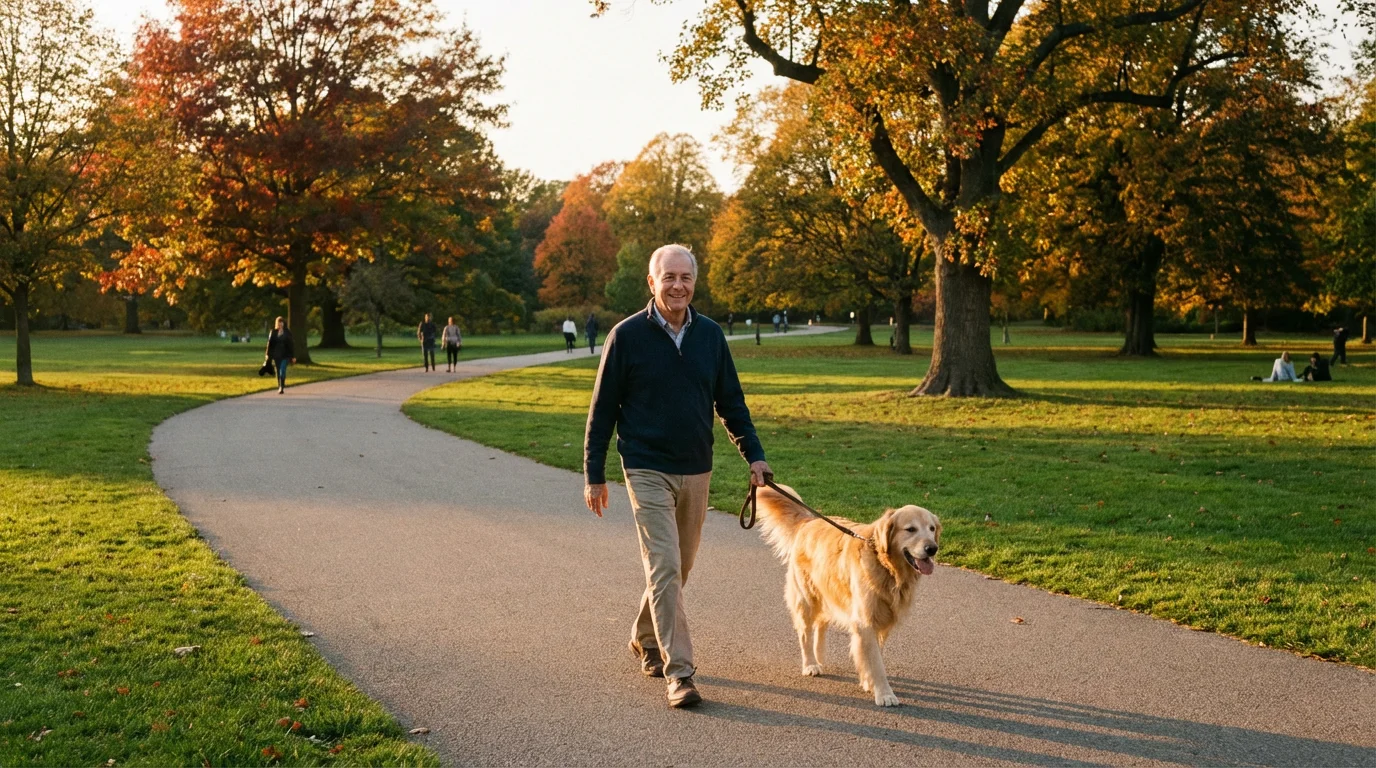
- Helping Neighbors: Offer informal assistance to fellow residents who may need help with small tasks, like walking a pet, watering plants during travel, or providing a ride to an appointment. This builds strong neighborly bonds.
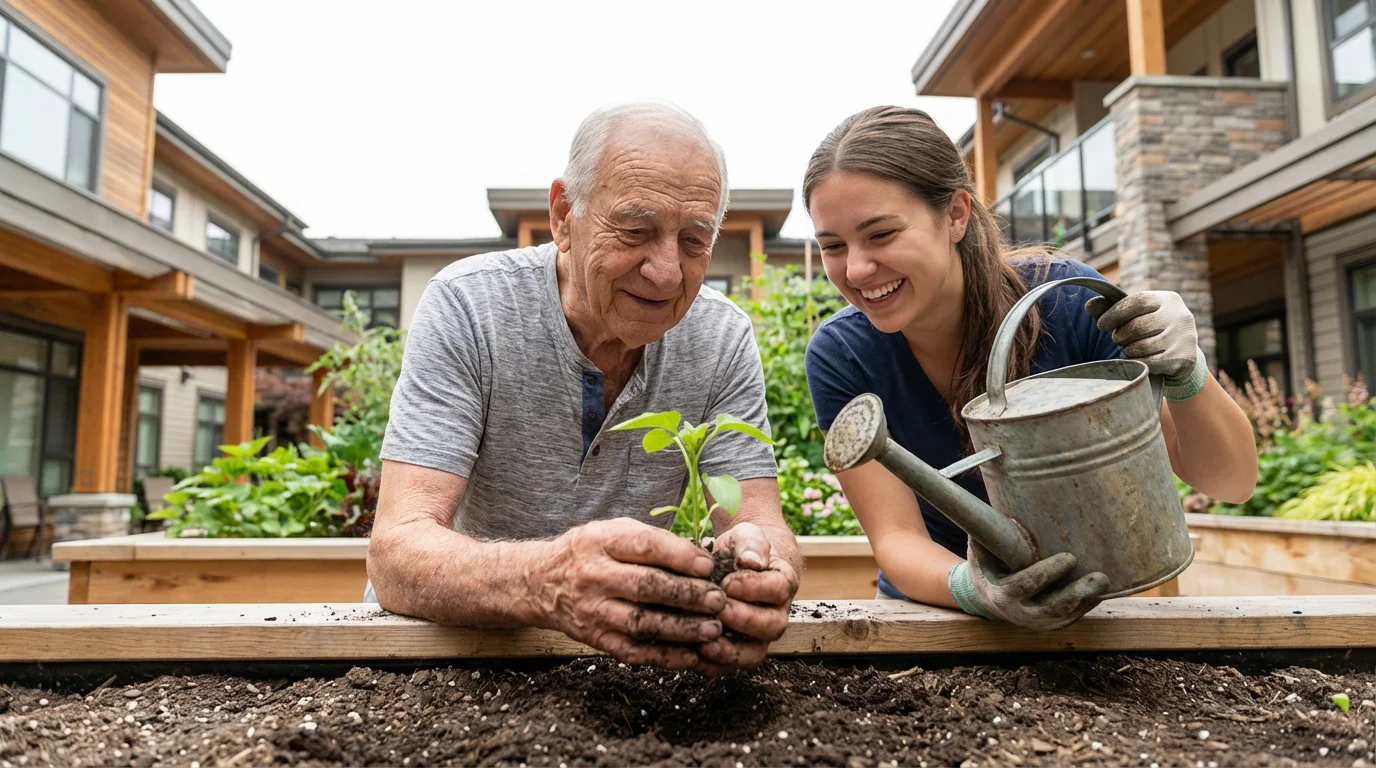
- Gardening or Landscaping Teams: Many communities have shared gardens or grounds that benefit from resident involvement. You can help maintain these spaces, adding beauty and promoting outdoor activity.
- Running On-Site Shops or Boutiques: Some larger communities operate small stores or gift shops. You can volunteer to staff these, handle inventory, or assist customers.

Formal Versus Informal Volunteering: Finding Your Fit
Volunteering does not always require a rigid schedule or a formal application process. You have the flexibility to choose between structured commitments and more spontaneous acts of kindness. Understanding the distinction helps you decide which approach best suits your lifestyle and preferences.
Both formal and informal volunteering offer valuable contributions. Your choice depends on your availability, desire for structure, and the type of impact you wish to make. Many retirees find a blend of both provides the most satisfying experience.
Here is a comparison to guide your decision:
| Aspect | Formal Volunteering | Informal Volunteering |
|---|---|---|
| Structure | Often involves applications, interviews, training, and background checks. Clear roles and responsibilities. | Less structured, often spontaneous. No formal application or ongoing commitment. |
| Commitment | Regular schedule (e.g., weekly, monthly) for a specified duration. Expectations for attendance and tasks. | Flexible, on-demand, or as needed. You decide when and how much to help. |
| Examples | Working shifts at a food bank, mentoring at a school, serving on a non-profit board, hospital volunteer. | Helping a neighbor with groceries, participating in a one-time community cleanup, offering a ride, sharing skills informally. |
| Benefits | Deeper integration into an organization, professional development, clear impact, often part of a team. | Immediate impact, flexibility, personal satisfaction from helping individuals directly, less pressure. |
| Considerations | Requires consistent availability, might involve travel, potential for more administrative overhead. | Impact may be harder to measure broadly, relies on individual initiative, fewer structured social opportunities. |
“The heart of a volunteer is not measured in size, but by the depth of the commitment to make a difference in the lives of others.” — Unknown

Overcoming Barriers to Senior Involvement
Even with the best intentions, retirees sometimes face challenges when pursuing volunteer opportunities. These barriers can range from practical concerns to uncertainty about where to start. Addressing these potential obstacles directly helps ensure a smoother and more rewarding experience.
You can proactively navigate common hurdles. Many organizations and communities offer resources and flexible options designed to accommodate diverse needs. Do not let perceived difficulties prevent you from engaging in valuable senior involvement.
Here are common barriers and practical solutions:
- Transportation:
- Barrier: Difficulty driving, limited public transport options, or lack of access to a car.
- Solution: Look for opportunities within your retirement community, carpool with other volunteers, use ride-sharing services, or seek organizations offering remote volunteer roles. Some senior centers provide transport services.
- Physical Limitations:
- Barrier: Health issues or decreased mobility restrict participation in physically demanding roles.
- Solution: Focus on roles that accommodate your physical abilities, such as administrative tasks, phone banking, mentoring, or virtual volunteering. Many organizations offer seated or low-impact roles.
- Time Constraints:
- Barrier: Other retirement commitments, travel plans, or a desire for a flexible schedule.
- Solution: Choose informal volunteering, one-time projects, or organizations that offer flexible scheduling. Communicate your availability clearly upfront to avoid overcommitment.
- Lack of Skills or Experience:
- Barrier: Feeling unqualified for specific roles or unsure how your past experience applies.
- Solution: Recognize that many volunteer roles require enthusiasm more than specialized skills. Many organizations provide training. Emphasize transferable skills like organization, communication, and life experience.
- Uncertainty About Where to Start:
- Barrier: Overwhelmed by options or unsure how to find suitable opportunities.
- Solution: Begin by researching online platforms like VolunteerMatch, contacting your local senior center, or discussing options with friends and neighbors already volunteering. Start small and build momentum.
Making an Impact: The Ripple Effect of Your Efforts
Your decision to volunteer creates a significant ripple effect, extending far beyond the immediate task at hand. You contribute directly to solving community challenges and improving lives. The value of senior involvement cannot be overstated, enriching both the recipient and the giver.
Each hour you dedicate translates into tangible support for organizations and individuals. For example, the Bureau of Labor Statistics reported that in 2022, 23.2% of people age 65 and over volunteered, contributing to a substantial portion of all volunteer hours in the U.S. This collective effort powers countless initiatives.
Consider the broad impact of your volunteering:
- Strengthening Community Services: Volunteers enable non-profits to expand their reach and offer critical services that might otherwise be unavailable. You fill gaps in essential support networks.
- Improving Lives Directly: Whether you tutor a child, comfort a patient, or deliver a meal, your actions directly improve the quality of life for others. These personal connections are incredibly powerful.
- Economic Contribution: The value of volunteer time is substantial. Independent Sector estimated the value of a volunteer hour at $31.80 in 2023. Your unpaid work translates into significant economic savings for non-profits, allowing them to allocate resources to direct programming.
- Inspiring Others: Your commitment to giving back sets an example for younger generations and encourages more people to get involved. You become a role model within your retirement community and beyond.
- Fostering Civic Engagement: Active volunteering strengthens civic participation and community cohesion. It ensures that diverse voices and experiences contribute to local solutions. You help build a more engaged citizenry.
Frequently Asked Questions
Can I volunteer if I have physical limitations?
Absolutely. Many organizations offer roles that accommodate various physical abilities. You can find opportunities for administrative tasks, virtual volunteering, phone outreach, or roles requiring minimal physical exertion. Always communicate your limitations upfront to find the best fit.
How much time do I need to commit to volunteering?
Volunteer commitments vary widely. You can find opportunities for as little as a few hours a month, one-time events, or more regular weekly shifts. Many organizations offer flexible scheduling to accommodate retirees’ varied lifestyles and travel plans. Informal volunteering also offers immense flexibility.
Do I need special skills to volunteer?
While some roles benefit from specific professional skills, many volunteer positions require only enthusiasm, reliability, and a willingness to help. Organizations often provide training for specific tasks. Your life experience, communication skills, and common sense are valuable assets to any organization.
Will volunteering help me meet new people in my retirement community?
Yes, volunteering is an excellent way to expand your social circle. You meet fellow volunteers, staff members, and community residents who share similar interests and a passion for giving back. This shared purpose often forms the basis for strong new friendships and a sense of belonging within your new community.
Are there virtual volunteering opportunities for retirees?
Indeed. Virtual volunteering has become increasingly common and offers flexibility, especially if you face transportation challenges or prefer to work from home. Opportunities include online mentoring, data entry, social media management, website development, transcription, or virtual tutoring. Explore platforms like VolunteerMatch for virtual roles.
Disclaimer: This article is for informational purposes only. Cost of living, taxes, and local conditions change over time. We encourage readers to verify current information through official sources and visit potential retirement destinations before making relocation decisions.







Leave a Reply