

Texas, the Lone Star State, attracts many individuals contemplating retirement with its unique blend of Southern charm, economic opportunities, and diverse landscapes. You might consider Texas for its warm climate, no state income tax, or its vibrant cities and quiet rural areas. This guide provides a comprehensive overview of retiring in Texas, helping you evaluate whether it aligns with your retirement goals and lifestyle.
If you are exploring multiple sunbelt states, you may also find that Arizona retirement offers a similarly appealing climate and tax structure.
Understanding the various facets of Texas living, from its cost of living to healthcare options, helps you make an informed decision. We explore the advantages and disadvantages, present key data, and highlight what makes Texas a compelling option for your golden years. You will gain practical insights into tax implications, regional climates, and popular retirement communities.
Table of Contents
- Texas Appeal for Retirees
- Understanding the Texas Cost of Living
- Tax Benefits for Texas Retirees
- Climate and Weather Across the Lone Star State
- Healthcare Access and Quality in Texas
- Best Cities and Regions for Texas Retirement
- Finding Your Ideal Texas Community
- Relocation Planning: Your Move to Texas
- Frequently Asked Questions

Texas Appeal for Retirees
Texas offers a compelling package for individuals seeking a dynamic and often affordable retirement. Its expansive geography provides everything from bustling urban centers to serene natural beauty. You find a strong economy and a welcoming culture across many parts of the state.
Many retirees gravitate to Texas for specific quality-of-life factors. The state’s diverse environment supports a wide array of activities, from cultural events to outdoor recreation. You will discover a varied culinary scene and a strong sense of community.
Why Retirees Choose Texas
- No State Income Tax: Texas retirees keep more of their retirement income, a significant financial advantage.
- Affordable Cost of Living: Many areas offer lower housing costs and general expenses compared to national averages.
- Diverse Lifestyles: You can choose between vibrant city life, charming small towns, or peaceful rural settings.
- Warm Climate: Enjoy mild winters across much of the state, ideal for year-round outdoor activities.
- Strong Economy: A robust job market and business environment contribute to local amenities and services.
- Friendly Culture: Texas is known for its hospitality and community-oriented atmosphere.
- Outdoor Activities: Access to lakes, national parks, golf courses, and coastal areas provides ample recreational opportunities.

Understanding the Texas Cost of Living
Assessing the cost of living is a crucial step when planning your retirement. Texas generally boasts a lower cost of living compared to the national average, making it an attractive option for budget-conscious retirees. However, this varies significantly by region and specific city. Major metropolitan areas naturally present higher expenses than smaller towns or rural locales.
Housing costs represent a primary factor in your overall budget. While places like Austin or Dallas have seen housing prices rise, many other Texas cities and towns maintain more affordable real estate markets. Transportation, groceries, and healthcare expenses also contribute to your monthly spending.
Cost of Living Comparison: Texas vs. US Average
The Bureau of Labor Statistics (BLS) provides data on consumer expenditures. While specific state-level indices can fluctuate, general trends show Texas as more affordable than the national average in several key categories.
| Category | Texas Cost Index (Approx. vs. US Average of 100) | National Average (Index: 100) |
|---|---|---|
| Overall Cost of Living | 91.5 | 100 |
| Housing | 84.7 | 100 |
| Utilities | 100.2 | 100 |
| Groceries | 93.5 | 100 |
| Transportation | 98.0 | 100 |
| Healthcare | 94.1 | 100 |
Source: Data varies by reporting agency and year, but these figures reflect general trends. For current data, consult sources such as the Council for Community and Economic Research (C2ER) or the Bureau of Labor Statistics.
Housing costs significantly impact your budget. For example, the median home price in Texas was approximately $330,000 in early 2024, compared to a national median closer to $390,000. Utility costs can sometimes be higher in Texas due to the demand for air conditioning during prolonged hot summers. You should budget accordingly for electricity use.
“The best time to plant a tree was 20 years ago. The second best time is now.”

Tax Benefits for Texas Retirees
Texas consistently ranks among the most tax-friendly states for retirees, primarily due to its lack of a state income tax. This single factor offers substantial savings for many individuals, particularly those with significant retirement income. Understanding the full tax landscape, including property and sales taxes, helps you accurately forecast your expenses.
Key Texas Tax Considerations
- No State Income Tax: Texas does not impose a personal income tax. This means your Social Security benefits, pension income, 401(k) and IRA distributions, and other retirement income are exempt from state-level taxation. This significantly reduces your overall tax burden.
- Property Taxes: Property taxes in Texas are higher than the national average. Rates vary by county, city, and school district. For example, some areas may have effective property tax rates around 1.8% to 2.5% of assessed value.
- Homestead Exemption: Texas offers a homestead exemption that reduces the taxable value of your primary residence. For individuals 65 and older or those with disabilities, additional exemptions apply, providing significant relief. You should apply for these exemptions once eligible.
- Sales Tax: The state sales tax rate is 6.25%, with local jurisdictions adding up to an additional 2%, making the combined sales tax rate up to 8.25% in many areas. This applies to most goods and services, excluding groceries and prescription drugs.
- Inheritance Tax: Texas does not have an inheritance tax or estate tax. This offers peace of mind regarding wealth transfer to your heirs.
Texas Tax Profile Comparison
This table illustrates how Texas compares to a few other states regarding key retirement tax categories. Data from sources like the Tax Foundation informs these comparisons. For precise figures, always consult the Tax Foundation or state government websites.
| Tax Category | Texas | Florida (for comparison) | California (for comparison) |
|---|---|---|---|
| State Income Tax | None | None | 1% – 12.3% |
| Social Security Tax | None | None | None |
| Pension/401k Tax | None | None | Taxed as regular income |
| Average Effective Property Tax Rate (approx.) | 1.69% | 0.86% | 0.75% |
| State Sales Tax Rate | 6.25% | 6.00% | 7.25% |
| Estate/Inheritance Tax | None | None | None |
You must factor property taxes into your budget, even with exemptions. Many homeowners find the lack of state income tax effectively offsets the higher property tax burden, especially for those with substantial retirement income.

Climate and Weather Across the Lone Star State
Texas’ immense size means its climate varies significantly from one region to another. Understanding these regional differences helps you choose a location that aligns with your climate preferences. You will find everything from arid deserts to humid subtropical zones.
Regional Climate Overview
- North Texas (Dallas, Fort Worth): Experiences hot summers, with average July highs in the low to mid-90s Fahrenheit. Winters are generally mild, but occasional cold fronts bring freezing temperatures and sometimes ice. Average annual rainfall is around 35-40 inches.
- Central Texas (Austin, San Antonio): Features a humid subtropical climate. Summers are long and hot, often seeing triple-digit temperatures. Winters are short and mild, with rare freezes. Rainfall is moderate, averaging 30-35 inches annually.
- Southeast Texas (Houston, Gulf Coast): Characterized by a very humid subtropical climate. Summers are extremely hot and humid, with average July highs in the low 90s. Winters are mild. This region is prone to heavy rainfall and the risk of hurricanes and tropical storms.
- West Texas (El Paso, Lubbock): Exhibits an arid to semi-arid desert climate. Summers are hot with low humidity. Winters are cool to cold, especially at night. This area receives significantly less rainfall, averaging 10-20 inches annually.
- South Texas (Rio Grande Valley): Enjoys a subtropical climate with mild, pleasant winters. Summers are very hot and humid. This region is popular with winter Texans seeking warmth. It also faces hurricane risks.
You should plan for significant air conditioning usage during the summer months across most of the state. Severe weather, including thunderstorms, tornadoes, and hail, occurs annually, especially in spring. Staying informed about local weather patterns through the National Weather Service is always prudent.
Average Monthly Temperature Ranges (Fahrenheit)
| City/Region | January Low/High | July Low/High |
|---|---|---|
| Dallas (North Texas) | 35°/55° | 76°/96° |
| Austin (Central Texas) | 40°/60° | 76°/97° |
| Houston (Southeast Texas) | 42°/63° | 77°/93° |
| El Paso (West Texas) | 30°/57° | 72°/96° |
| Brownsville (South Texas) | 53°/70° | 77°/92° |

Healthcare Access and Quality in Texas
Access to quality healthcare is a paramount concern for retirees. Texas offers a robust healthcare infrastructure, particularly in its major metropolitan areas. You will find world-renowned medical centers, comprehensive hospital systems, and a growing network of specialists. However, healthcare access can be more limited in some rural regions.
Key Healthcare Features
- Major Medical Hubs: Cities like Houston (Texas Medical Center), Dallas (UT Southwestern Medical Center), and San Antonio boast some of the largest and most advanced medical complexes in the world. These centers provide specialized care, cutting-edge research, and extensive facilities.
- Hospital Networks: Large hospital systems, such as Baylor Scott & White, HCA Houston Healthcare, and Ascension Seton, operate across the state. These networks ensure access to primary care, emergency services, and various specialties.
- Physician Availability: Physician-to-patient ratios generally remain favorable in urban areas. Rural areas sometimes face physician shortages, necessitating travel for specialized care.
- Medicare Advantage Plans: A variety of Medicare Advantage plans are available in Texas, offering options for managed care, prescription drug coverage, and additional benefits. You can compare plans through Medicare.gov.
- Nursing Homes and Assisted Living: Texas offers numerous assisted living facilities, memory care units, and skilled nursing homes. You can find options ranging from luxurious communities to more budget-friendly facilities, though costs vary widely by location and level of care.
You should research specific healthcare providers and facilities in your chosen retirement location. Consider proximity to hospitals, your preferred specialists, and whether facilities accept your insurance plans. Evaluating travel times for routine appointments and emergency care is also important.

Best Cities and Regions for Texas Retirement
Texas offers a wide array of retirement destinations, each with its own character and appeal. The “best” place ultimately depends on your individual priorities, whether you seek a vibrant city, a peaceful small town, or a specific climate. You should explore various options before making a decision.
Popular Texas Retirement Destinations
- San Antonio:
- Pros: Rich history, cultural attractions (Alamo, River Walk), vibrant arts scene, relatively affordable cost of living, excellent medical facilities.
- Cons: Hot and humid summers, traffic congestion in some areas.
- Lifestyle: Offers a blend of history, culture, and modern amenities. Ideal for those who enjoy exploration and a strong community feel.
- Austin:
- Pros: Lively music scene, abundant outdoor activities (parks, lakes), healthy lifestyle focus, strong job market for those seeking part-time work, generally liberal atmosphere.
- Cons: Higher cost of living, particularly housing, significant traffic congestion, rapid growth.
- Lifestyle: Best for active retirees who want a youthful, energetic environment and do not mind a higher price tag.
- Houston:
- Pros: World-class medical care (Texas Medical Center), diverse culinary scene, major cultural institutions (museums, theater), no zoning laws contributing to varied neighborhoods.
- Cons: Extremely hot and humid summers, urban sprawl, susceptibility to hurricanes.
- Lifestyle: Suited for those who desire big-city amenities, diverse communities, and top-tier healthcare.
- Dallas-Fort Worth Metroplex:
- Pros: Major transportation hub, numerous shopping and dining options, strong arts and entertainment scenes, diverse suburbs offering varied living experiences.
- Cons: Significant traffic, sprawling development, hot summers.
- Lifestyle: Offers diverse opportunities from urban living to quieter suburban life, appealing to those seeking extensive amenities and convenience.
- Texas Hill Country (e.g., Fredericksburg, Boerne):
- Pros: Scenic beauty, wineries, outdoor recreation (hiking, fishing), charming small towns, milder climate than deep South Texas.
- Cons: Can be less accessible to major medical centers, sometimes higher tourism-driven costs, limited big-city amenities.
- Lifestyle: Ideal for retirees seeking natural beauty, a slower pace, and a strong sense of community.
- Rio Grande Valley (e.g., McAllen, Harlingen):
- Pros: Very mild winters, extremely low cost of living, strong cultural ties to Mexico, popular “winter Texan” destination.
- Cons: Very hot and humid summers, hurricane risk, more limited amenities than major cities.
- Lifestyle: Attracts those prioritizing warm winters and extreme affordability.

Finding Your Ideal Texas Community
Once you have narrowed down a region or city, considering the type of community you want significantly impacts your retirement satisfaction. Texas offers a broad spectrum of living environments. You can choose from active adult communities, traditional neighborhoods, or rural settings.
Types of Retirement Communities and Neighborhoods
- 55+ Active Adult Communities:
- Description: Designed specifically for individuals aged 55 and older, offering homes with low maintenance and a wide array of amenities.
- Amenities often include: Clubhouses, fitness centers, swimming pools, golf courses, tennis courts, walking trails, and organized social activities.
- Pros: Strong social environment, built-in activities, often safer, sense of belonging with peers.
- Cons: Can have HOA fees, some restrictions on age or guests, may feel isolated from younger generations.
- Examples: Sun City Texas (Georgetown), Del Webb communities across Texas.
- Traditional Neighborhoods:
- Description: Standard residential areas with diverse age groups, offering a blend of families and retirees.
- Pros: Intergenerational living, often closer to city centers and amenities, no age restrictions.
- Cons: Less tailored to retiree specific needs, potentially more upkeep for homes, less structured social opportunities.
- Small Towns and Rural Areas:
- Description: Quieter, often more affordable options away from major metropolitan hustle.
- Pros: Lower cost of living, strong community bonds, access to nature, slower pace of life.
- Cons: Limited access to specialized healthcare, fewer dining and entertainment options, potentially longer travel for amenities.
Researching the local culture, amenities, and demographics of potential communities helps you find the perfect fit. Visiting these areas firsthand provides invaluable insight into daily life.
Relocation Planning: Your Move to Texas
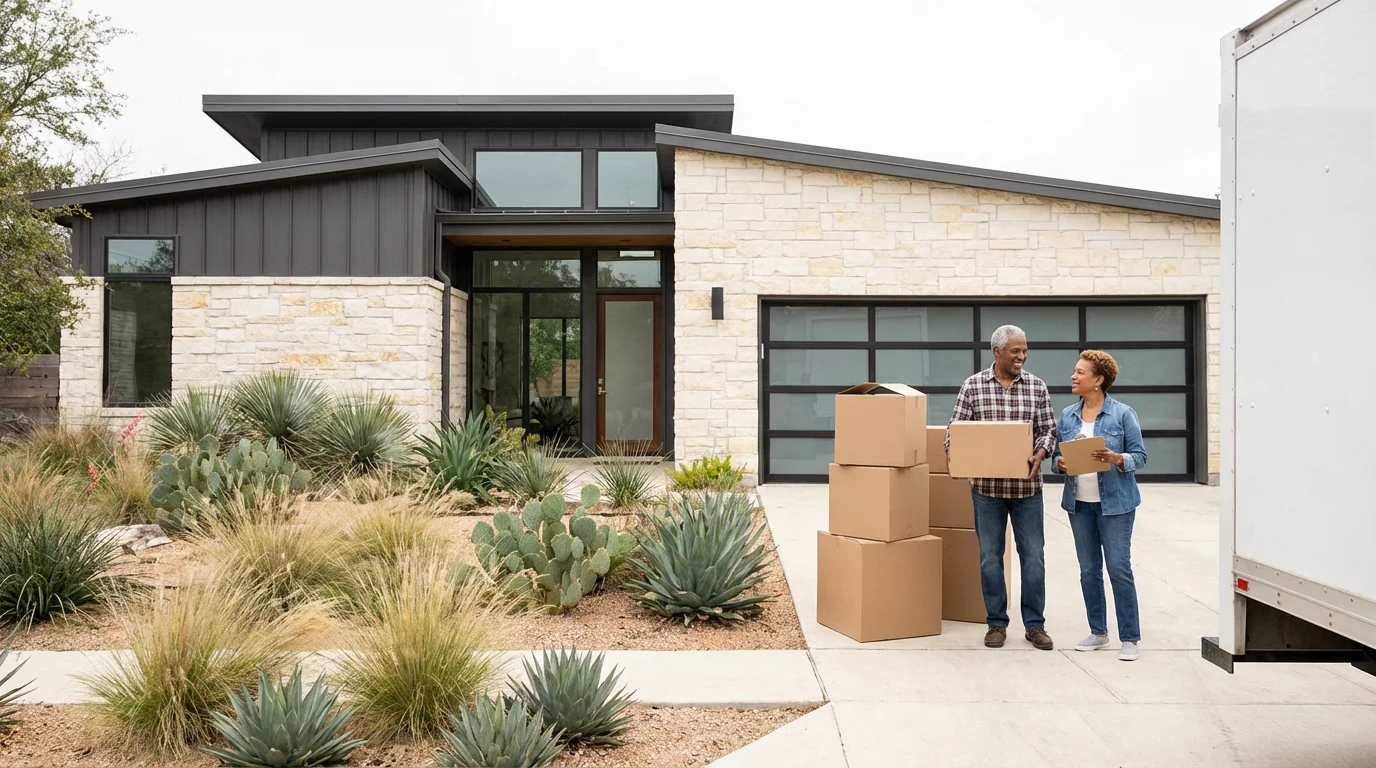
Relocating, especially for retirement, involves numerous practical steps. A well-organized plan minimizes stress and ensures a smooth transition to your new Texas home. You should begin planning well in advance of your desired move date.
Steps for a Successful Retirement Relocation
- Research and Visits: Thoroughly research potential Texas cities and communities. Plan multiple visits, ideally during different seasons, to get a true feel for the area. Consider renting for a period before buying.
- Financial Planning: Create a detailed budget for your move and ongoing living expenses. Factor in moving costs, new home purchase or rental expenses, and changes in utility bills or property taxes.
- Healthcare Transition: Research doctors, specialists, and hospitals in your new location. Confirm your insurance coverage, including Medicare or private plans, transitions smoothly. The Eldercare Locator can assist with local services.
- Downsizing and Decluttering: Begin decluttering your current home early. Decide what to sell, donate, or discard to ease the moving process. This also reduces moving costs.
- Hiring Movers: Obtain quotes from several reputable moving companies. Discuss services such as packing, unpacking, and storage options. Clearly understand their insurance policies.
- Address Changes and Records Transfer: Update your address with the USPS, banks, insurance providers, and government agencies like Social Security. Transfer medical and dental records to your new providers.
- Utility Setup: Arrange for utilities (electricity, water, gas, internet) to be connected in your new Texas home before your arrival.
- Vehicle Registration and Driver’s License: Register your vehicle and obtain a new Texas driver’s license within the required timeframe after establishing residency. Refer to the USA.gov website for state-specific requirements.
- Community Integration: Once settled, actively seek out social groups, clubs, or volunteer opportunities. This helps you build new connections and integrate into your new community.
Effective planning makes your move to Texas an exciting new chapter, rather than a logistical challenge.
Frequently Asked Questions
Is Texas a tax-friendly state for retirees?
Yes, Texas offers significant tax advantages for retirees. The state does not levy a personal income tax, which means your retirement income, including Social Security benefits, pensions, and 401(k) withdrawals, remains untaxed at the state level. While property taxes can be higher than the national average, Texas provides homestead exemptions that can help reduce this burden for homeowners. You should investigate specific property tax rates in your chosen county or city.
How does the cost of living in Texas compare to other states?
The cost of living in Texas is generally lower than the national average, though this varies significantly by specific location. Housing costs, for example, are typically more affordable in many Texas cities and towns compared to major coastal metros. Utility costs can be higher due to air conditioning needs in summer, while groceries and transportation often align with or fall below national averages. Large metropolitan areas like Austin and Dallas present higher costs than smaller towns or rural areas.
What are the best cities for retirees in Texas?
The ‘best’ city depends entirely on your preferences, but several Texas cities consistently attract retirees. San Antonio offers rich history, cultural attractions, and a relatively affordable cost of living. Austin provides a vibrant, active lifestyle with numerous outdoor activities, though it has higher housing costs. Houston boasts world-class medical facilities and diverse cultural offerings. Smaller cities like Fredericksburg in the Hill Country provide a quieter, scenic retirement experience. You should consider your priorities for amenities, climate, and community feel.
What is the climate like in Texas?
Texas features diverse climates due to its large size. Generally, the state experiences hot summers, particularly in the south and west, where temperatures frequently exceed 90 degrees Fahrenheit. Winters are typically mild across most of the state, though North Texas can see occasional cold fronts and ice. Coastal regions experience higher humidity and a risk of hurricanes, while West Texas is arid. Central Texas enjoys a more temperate, humid subtropical climate.
Are 55+ communities popular in Texas?
Yes, 55+ communities are very popular and widely available throughout Texas, especially in larger metropolitan areas and popular retirement destinations. These communities often feature amenities such as clubhouses, golf courses, fitness centers, swimming pools, and organized social activities. They cater specifically to active adults looking for a social and low-maintenance lifestyle. You will find a range of options from large, resort-style communities to smaller, more intimate developments.
Disclaimer: This article is for informational purposes only. Cost of living, taxes, and local conditions change over time. We encourage readers to verify current information through official sources and visit potential retirement destinations before making relocation decisions.









Leave a Reply