

Relocating to a new retirement home brings excitement, but also a significant checklist of tasks. Among the most critical steps is setting up utilities and essential services. A smooth transition into your new home depends heavily on ensuring you have electricity, water, internet, and other necessities ready from day one. You want your new space to feel like home immediately, not like a campsite.
If you are following a practical guide to downsizing, remember that smaller homes often come with lower utility consumption.
Managing these logistical details effectively is much easier when you are already creating a budget for your retirement relocation to track your expenses.
This comprehensive guide delivers practical, actionable insights to help you navigate the process of connecting all vital services. We provide a step-by-step approach, ensuring you address every detail, from researching providers to understanding billing. You can confidently prepare for your move and enjoy uninterrupted comfort in your new retirement destination.
Table of Contents
- Understanding Your New Home’s Utility Landscape
- Essential Utilities: Electricity, Water, and Gas
- Connecting Communication Services: Internet, Cable, and Phone
- Waste Management and Recycling Services
- Considering Additional Home Services
- Timing Your Utility Setup for a Smooth Transition
- Managing Costs and Understanding Billing
- Frequently Asked Questions

Understanding Your New Home’s Utility Landscape
Before you even pack your first box, you need to understand the utility providers serving your new address. Different regions and even specific municipalities often have unique setups. Your first step involves thorough research to identify who provides what services in your target location.
Your approach to these tasks can vary significantly depending on whether you are renting vs. buying in retirement, as landlords often cover certain utilities.
The type of home you move into also impacts your setup process. If you purchase a new construction, you may coordinate directly with builders for initial connections. Moving into an existing home often involves transferring services from the previous owner or establishing new accounts.
Your Initial Research Steps:
- Contact Your Real Estate Agent: Your agent often possesses local knowledge regarding utility providers. They can provide a list of companies for electricity, gas, water, and trash services specific to your new address.
- Check Local Government Websites: City or county government websites frequently list approved utility providers. You can find contact information for water, sewer, and often trash services here.
- Ask Current Residents or Neighbors: If possible, connect with people already living in your new community. They offer invaluable insights into local providers, service quality, and even specific plans.
- Review Previous Utility Bills: If buying an existing home, ask the seller for copies of recent utility bills. These documents clearly name the providers for various services.
Your research helps you identify whether your area has deregulated utilities, particularly for electricity and natural gas. In deregulated markets, you can choose from multiple providers, potentially impacting your monthly costs and service plans. Conversely, regulated markets assign a single provider for each service, simplifying your choice but limiting options.

Essential Utilities: Electricity, Water, and Gas
Electricity, water, and gas form the backbone of your home’s functionality. You must prioritize setting up these services to ensure immediate comfort upon arrival. Each utility requires a specific process, often involving account setup, deposits, and service activation.
Residents in active adult communities often share recommendations for the most reliable service technicians in the area.
While you are setting up your physical space, it is equally important to begin updating important documents after relocating in retirement to ensure your records are current.
Setting Up Electricity Service:
- Identify Your Provider: Determine the electric company serving your new address. In deregulated states, you might choose from several electric generation suppliers, but a single utility company manages transmission and distribution.
- Contact the Company: Call or visit the provider’s website. You will typically need your new address, desired activation date, and personal identification (e.g., Social Security number, driver’s license).
- Understand Deposits and Fees: Many utility companies require a security deposit, especially if you lack previous service history with them or have a lower credit score. You may also incur a connection fee. For example, some utility providers charge a one-time connection fee of $25-$50.
- Schedule Activation: Coordinate the activation date to align with your move-in. You want the power on before you arrive.
Connecting Water and Sewer Services:
- Locate Your Local Water Authority: Water and sewer services are typically managed by municipal or county agencies. Your real estate agent or local government website provides this information.
- Initiate Service: Contact the water authority to establish an account. Provide your address and desired start date. You usually cannot transfer existing water service; you must start a new account.
- Inquire About Deposits: Like electricity, a deposit may be necessary. For instance, some municipalities require a deposit ranging from $50 to $150.
- Confirm Billing Cycles: Understand whether billing occurs monthly or quarterly.
Establishing Natural Gas Service:
- Find Your Gas Provider: Research the natural gas company for your area. Like electricity, some states have deregulated gas markets allowing provider choice, while others have a single regulated entity.
- Contact the Provider: Provide your new address and activation date. Be prepared with personal identification.
- Address Deposits and Safety Checks: A deposit may apply. Importantly, many gas companies require an adult to be present at the property for a safety check before turning on the gas. This ensures all appliances connect properly and prevents leaks.
- Schedule Connection: Book your service connection well in advance, especially if an in-person safety check is required.
“The best time to plant a tree was 20 years ago. The second best time is now.” This wisdom applies to utility setup too. Start early.

Connecting Communication Services: Internet, Cable, and Phone
In today’s world, internet service is as essential as electricity for many retirees. You rely on it for communication, entertainment, online banking, and staying connected with family. Setting up your internet, cable television, and potentially a landline phone requires careful consideration of providers and plans.
Establishing reliable internet and phone service is a cornerstone of creating a comfortable and accessible retirement home that keeps you connected to what matters.
Choosing and Setting Up Internet Service:
- Research Available Providers: Check which internet service providers (ISPs) serve your new address. Options include fiber optic, cable, DSL, and satellite internet. Fiber optic offers the fastest speeds, with providers like Google Fiber or AT&T Fiber. Cable internet, from companies such as Xfinity or Spectrum, provides strong speeds widely.
- Compare Plans and Speeds: Consider your usage habits. Do you stream movies in 4K, video chat frequently, or just browse email? Typical download speeds range from 100 Mbps to 1000+ Mbps. For example, a 200 Mbps plan generally supports multiple devices streaming and browsing simultaneously.
- Evaluate Equipment Needs: Will you rent a modem/router from the ISP or purchase your own? Renting adds a monthly fee, typically $10-$15. Buying your own can save money long term, but ensure it is compatible with the provider’s network.
- Schedule Installation: Most ISPs require a professional installation, particularly for new connections. Book this appointment several weeks before your move-in date.
Setting Up Cable Television:
If you prefer traditional cable television over streaming services, you can often bundle it with your internet service from the same provider. This frequently results in cost savings.
- Provider Bundles: Inquire about internet and TV bundles. These packages can reduce your overall monthly bill compared to separate services.
- Channel Lineups: Review the available channel packages to ensure they meet your viewing preferences.
- Equipment: You will typically need a cable box for each TV, which often incurs a rental fee.
Landline Phone Service:
While many people rely solely on cell phones, some retirees prefer the reliability and voice quality of a landline. You have options for landline service:
- Traditional Copper Line: Provided by phone companies, these are becoming less common but offer service even during power outages.
- VoIP (Voice over Internet Protocol): Many internet providers offer VoIP phone service as part of their bundles. This uses your internet connection.
- Cost and Features: Compare costs, calling features, and the reliability of each option.
Waste Management and Recycling Services
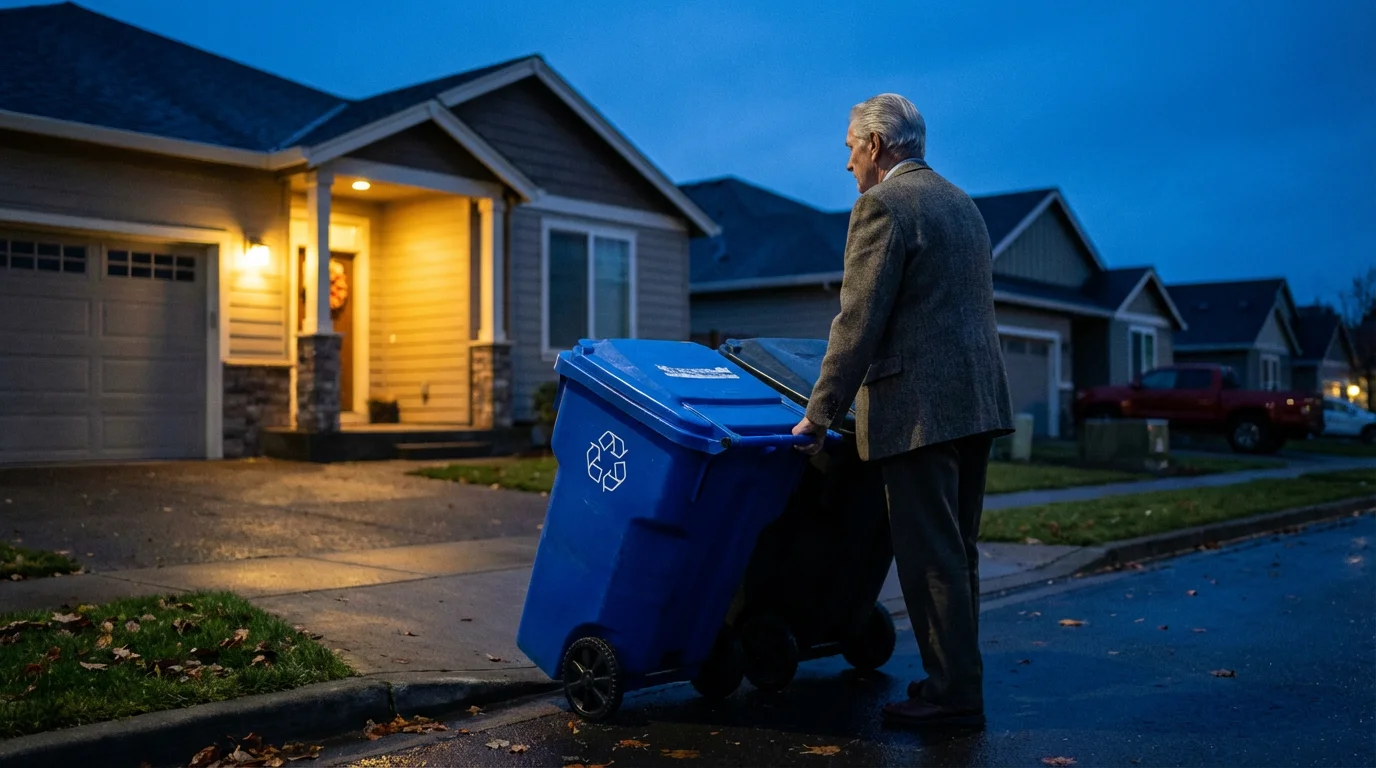
Waste removal is a fundamental service you often take for granted until you relocate. Local regulations and providers vary significantly. You must understand your new community’s specific waste management rules to avoid fines and maintain a clean environment.
For those moving with animals, many pet-friendly communities have specific disposal stations and rules for waste management.
Along with managing your household waste, don’t overlook the importance of managing healthcare transfers when relocating in retirement for a seamless medical transition.
Identifying Your Waste Service Provider:
- Municipal vs. Private Collection: Some cities manage waste collection directly, while others contract with private companies. Your local city or county government website is the best resource for this information. For example, a city might offer weekly trash pickup, while a rural county requires subscription to a private hauler.
- Billing: Waste collection fees may appear on your property tax bill, utility bill (water/sewer), or as a separate monthly invoice from a private company. Clarify this during your initial research.
Understanding Collection Schedules and Rules:
- Pickup Days: Confirm the specific days for trash and recycling collection. Many areas have separate days for each.
- Bin Requirements: Learn if you need to purchase specific bins or if the service provides them. Some communities mandate specific sizes or colors.
- Set-Out Times: Most municipalities have rules about when you can place bins at the curb (e.g., no earlier than 6 PM the day before collection).
- Bulk Item Pickup: If you need to dispose of large items like furniture or appliances, inquire about bulk pickup services. These often require advance scheduling and may involve an additional fee. For instance, many cities offer one free bulk pickup per quarter.
Recycling Guidelines:
Recycling programs differ significantly by location. You need to understand what materials your new community accepts.
- Single-Stream vs. Sorted: Some areas offer single-stream recycling, where you place all recyclables in one bin. Others require you to separate paper, plastic, glass, and metal.
- Accepted Materials: Pay close attention to accepted plastic numbers, glass colors, and whether items like plastic bags or styrofoam are recyclable through the curbside program. Contamination can lead to your recycling being rejected.

Considering Additional Home Services
Beyond the core utilities, several other services contribute to your comfort, security, and maintenance of your new retirement home. Planning for these ensures you have a complete support system in place.
Home Security Systems:
Many retirees prioritize security. You can choose from various systems.
- Monitored Systems: These connect to a central monitoring station that alerts authorities in an emergency. Companies like ADT or Vivint offer professional installation and monitoring.
- DIY Smart Home Systems: Options like Ring or SimpliSafe allow you to install equipment yourself and monitor it via an app, often with optional professional monitoring.
- Cost Considerations: Monthly monitoring fees range from $15-$60, depending on features and provider.
Mail Forwarding:
You must set up mail forwarding with the U.S. Postal Service (USPS) to ensure you receive important documents and correspondence. Visit USA.gov for detailed information on this process.
- Online Application: Apply for mail forwarding online or at your local post office.
- Start Date: Choose a start date for forwarding, ideally a few days before your official move.
- Duration: Mail forwarding typically lasts for 6 to 12 months, with options for extension.
Home Warranty Plans:
A home warranty covers the repair or replacement of major home systems and appliances that break down due to normal wear and tear. This provides peace of mind for unexpected expenses.
- Coverage: Plans typically cover HVAC, plumbing, electrical systems, and appliances like refrigerators, ovens, and washers/dryers.
- Cost: Annual premiums range from $300-$600, plus a service call fee (often $75-$125) per claim.
- Provider Research: Research reputable home warranty companies and compare their coverage details and exclusions.
Landscaping and Yard Maintenance:
If your new home includes a yard, consider your options for its upkeep.
- DIY: If you enjoy gardening and yard work, you can handle it yourself.
- Professional Services: Hire a landscaping company for regular maintenance, including mowing, trimming, and seasonal cleanups. This is a popular choice for many retirees who prefer to spend their time differently.
- HOA Rules: If you move into a community with a Homeowners Association (HOA), verify their landscaping requirements and restrictions.

Timing Your Utility Setup for a Smooth Transition
Effective timing is paramount for a stress-free relocation. You want your utilities active when you arrive, not a day later. Proactive planning helps you avoid service gaps and unnecessary complications.
When to Contact Providers:
- Start 2-4 Weeks Before Move: Initiate contact with all utility and service providers at least two to four weeks before your scheduled move-in date. This allows ample time for account setup, deposit processing, and scheduling installations.
- Confirm Activation Dates: Double-check your requested activation dates a week before your move. Ensure they coincide with your arrival.
- Transfer vs. New Accounts: For existing services you wish to keep, such as cell phone or bank accounts, notify them of your address change. For new services, create entirely new accounts.
- Disconnect Old Services: Schedule the disconnection of utilities at your old residence for the day *after* you move out. This prevents any overlap or service interruption during the final cleaning process.
Avoiding Service Gaps:
- Overlap Dates: If possible, schedule your new utilities to start a day or two before you move in. This ensures power and water are available for final cleaning or unpacking.
- Confirmation Numbers: Always obtain confirmation numbers for every service request. These prove invaluable if any issues arise.
- Prioritize Essentials: Ensure electricity, water, and internet are your top priorities. You can often delay cable or additional services for a few days if needed.
Setting Up Auto-Pay and Online Accounts:
Once your services are active, simplify future management.
- Online Portals: Register for online accounts with each utility provider. This allows you to monitor usage, view bills, and manage services from your computer or smartphone.
- Auto-Pay: Set up automatic payments to avoid late fees and streamline your monthly finances. You can link these directly to your bank account or credit card.

Managing Costs and Understanding Billing
Understanding and managing your utility costs is a crucial aspect of retirement budgeting. Relocation can change your monthly expenses significantly. You need to know what to expect and how to interpret your bills.
Budgeting for Utility Expenses:
- Research Average Costs: Before moving, inquire about average utility costs for your new home’s size and location. Your real estate agent or neighbors can offer insights. For instance, the average monthly utility bill in the U.S. is around $300-$400, but this varies significantly by region and home size.
- Account for Climate: Colder climates mean higher heating bills in winter, while warmer climates lead to increased cooling costs in summer. Factor these seasonal fluctuations into your budget. For example, a home in Arizona might see electricity bills jump from $150 in spring to $350 in summer due to air conditioning.
- Initial Setup Costs: Remember to budget for connection fees, security deposits, and potential equipment purchases (modems, routers, security cameras). These can total several hundred dollars.
Understanding Your Utility Statements:
- Breakdown of Charges: Each utility bill details various charges. Look for basic service fees, usage charges (per kilowatt-hour for electricity, per gallon for water), taxes, and any surcharges.
- Usage Graphs: Many bills include graphs showing your current and historical usage. Use these to monitor consumption patterns and identify potential areas for savings.
- Energy Efficiency Programs: Check if your utility providers offer energy efficiency programs, such as home energy audits or rebates for upgrading to energy-efficient appliances. These programs can reduce your long-term costs.
Tips for Reducing Utility Costs:
- Thermostat Management: Program your thermostat to adjust temperatures when you are away or asleep. Smart thermostats can learn your habits and optimize energy use.
- Seal Drafts: Inspect windows and doors for drafts and seal them with caulk or weatherstripping to prevent heat or air conditioning loss.
- LED Lighting: Replace incandescent bulbs with energy-efficient LED lighting. LEDs use significantly less electricity and last much longer.
- Appliance Efficiency: Use energy-efficient appliances. When replacing old appliances, look for the ENERGY STAR label.
- Water Conservation: Install low-flow showerheads and toilets. Fix leaks promptly.
Frequently Asked Questions
How far in advance should I set up utilities for my new home?
You should contact utility providers at least 2 to 4 weeks before your move-in date. This allows ample time for account setup, processing any deposits, and scheduling installations, preventing any service interruptions upon your arrival.
Do I need to be present for utility activation?
For most services like electricity and water, you do not need to be present. However, for natural gas service, many companies require an adult to be on-site for a safety inspection and to relight pilot lights. Internet and cable installations also typically require someone to be home.
Can I transfer my existing utility accounts to my new address?
You can often transfer services like electricity and natural gas if the same company serves your new address. However, for water and sewer, you typically must create a new account with the local municipal provider. Always confirm transfer policies directly with each service provider.
What if my new home has different utility providers than my old one?
This is a common scenario during relocation. You will need to research and contact new providers for each service at your new address. Your real estate agent, local government websites, or neighbors are excellent resources for identifying these companies.
Are security deposits always required for utilities?
Utility companies often require security deposits, especially if you are a new customer or if your credit history does not meet certain criteria. You can sometimes waive deposits if you have a good payment history with a previous utility company or by providing a letter of creditworthiness.
How do I disconnect utilities at my old residence?
Contact your current utility providers about 1-2 weeks before your move-out date. Schedule the disconnection for the day after you fully vacate the property. This ensures you have services during your final cleanup and packing. Obtain confirmation numbers for all disconnection requests.
Disclaimer: This article is for informational purposes only. Cost of living, taxes, and local conditions change over time. We encourage readers to verify current information through official sources and visit potential retirement destinations before making relocation decisions.









Leave a Reply