

Relocating for retirement represents a significant life change, often anticipated with excitement for new adventures and a fresh start. However, beneath the surface of new possibilities lies a complex emotional landscape. Moving in your later years introduces unique challenges, differing considerably from moves made earlier in life.
Whether you are moving across the country or retiring abroad, understanding the psychological impact of such a change is essential.
You face not only the logistical hurdles of packing and settling but also the profound psychological experience of leaving a familiar environment, established routines, and cherished social networks. Understanding and actively managing this inherent `relocation stress` is crucial for a successful and happy transition into your retirement years.
This article explores the `emotional challenges` associated with `retirement relocation`. We provide practical insights and effective `coping mechanisms` to help you navigate this transition smoothly, minimize anxiety, and embrace your new beginning with confidence.
Table of Contents
- Understanding Relocation Stress in Retirement
- Anticipating Emotional Challenges Before Your Move
- Practical Strategies for Minimizing Relocation Stress
- Coping Mechanisms for Emotional Well-being During and After the Move
- Building a New Social Network and Sense of Belonging
- Leveraging Technology to Stay Connected
- When to Seek Professional Support for Relocation Stress
- The Positive Aspects of Retirement Relocation
- Frequently Asked Questions
Understanding Relocation Stress in Retirement
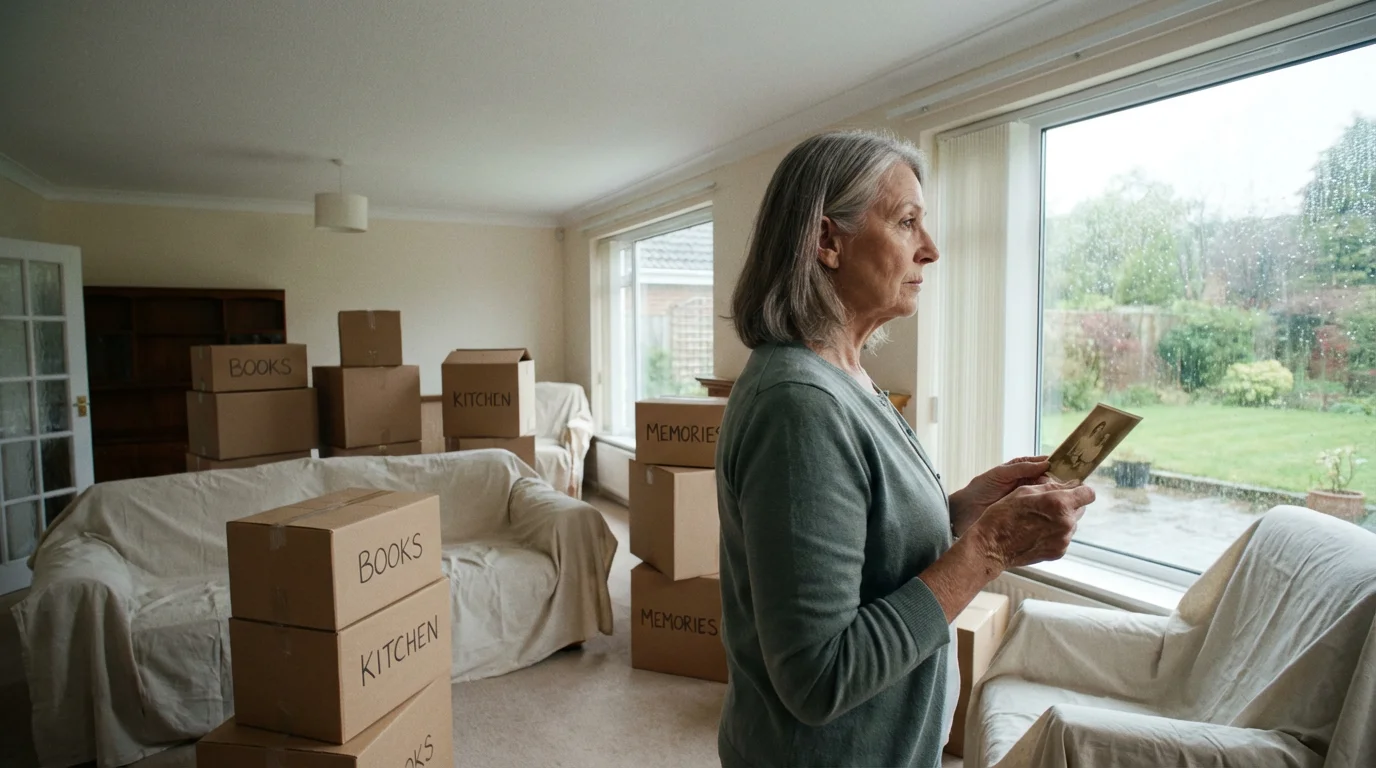
Retirement relocation often brings a distinct type of stress compared to previous moves. You leave behind not just a house, but decades of memories, community ties, and established comfort zones. This emotional detachment process can be profound, impacting your well-being.
Identifying tax-friendly states for retirees can also help reduce the long-term stress of managing your finances in a new location.
The average American moves about 12 times in their lifetime, but most moves occur before age 45, according to the U.S. Census Bureau. Moves in retirement happen less frequently, suggesting they carry more weight and finality for many individuals. This infrequency means you may have less recent experience with the moving process, which itself generates anxiety.
Consider the significant life changes that often coincide with retirement. You might also adjust to a new daily routine, changing income, or even health considerations. Layering a major move on top of these adjustments intensifies the potential for `relocation stress` and emotional strain.
Common `emotional challenges` associated with moving in retirement include:
- Loss of Identity: Your identity often ties to your home, neighborhood, and community roles. Moving can disrupt this sense of self.
- Grief and Sadness: You might grieve leaving friends, familiar places, and the life you built. This is a normal and valid response.
- Anxiety About the Unknown: Concerns about finding new doctors, navigating unfamiliar areas, or making new friends can trigger anxiety.
- Isolation and Loneliness: Initially, you might feel disconnected from your previous social circles and struggle to build new ones.
- Decision Fatigue: The sheer volume of decisions involved, from choosing a new home to packing every item, can feel overwhelming.
- Relationship Strain: The stress of moving can sometimes strain relationships with partners, children, or other family members involved in the process.

Anticipating Emotional Challenges Before Your Move
Proactive anticipation of potential emotional hurdles significantly reduces their impact. Identify what aspects of the move might cause you the most distress. This self-awareness allows you to develop targeted strategies.
For some, leaving a beloved garden feels devastating. Others worry most about finding new medical providers. Pinpointing your specific anxieties empowers you to address them directly, rather than letting diffuse worries accumulate. You gain control by recognizing the source of your concern.
Open communication with your partner, if you move with one, is paramount. Discuss your individual concerns and fears honestly. Understanding each other’s perspectives helps you support one another and tackle `retirement relocation` as a united front.
Consider factors beyond the physical move itself. Will your new location bring you closer to or further from family? How will the change in cost of living impact your daily budget and sense of security? These practical elements directly influence your emotional state.
“The best way to predict the future is to create it.”

Practical Strategies for Minimizing Relocation Stress
You can actively reduce `relocation stress` through thoughtful planning and systematic execution. Practical steps transform an overwhelming task into manageable segments, boosting your sense of control and reducing anxiety.
Using a retirement relocation calculator can help you estimate your new cost of living and reduce financial uncertainty.
If you are moving with animals, understanding the best practices for pet relocation can help reduce their anxiety as well as your own.
Start decluttering and downsizing early, perhaps months or even a year before your target move date. Decide what you truly need and love, and let go of the rest. This process reduces packing volume and forces you to confront possessions, easing emotional attachment gradually.
Consider hiring professional help for aspects you find most daunting. This might include a moving company for packing and transport, a senior move manager, or a professional organizer. Outsourcing heavy lifting or complex logistics frees your time and energy to focus on emotional adjustments.
Create a detailed moving timeline. Break the entire process into small, actionable steps with deadlines. Seeing a clear plan, from securing boxes to changing your address, helps you stay organized and prevents last-minute panic. The process becomes a series of achievable goals.
Here are practical steps to manage moving logistics:
- Research Your New Area: Explore healthcare providers, grocery stores, community centers, and recreational opportunities before you arrive.
- Visit Multiple Times: If possible, make several trips to your new town. Spend time there during different seasons to get a real feel for the environment.
- Downsize Ruthlessly: Less stuff means less to pack, move, and unpack. Donate, sell, or discard items you no longer need.
- Hire Reputable Movers: Get multiple quotes and check references. A reliable moving company reduces physical and mental strain.
- Pack an “Essentials” Box: Include critical items for the first few days in your new home, such as toiletries, medications, important documents, and a change of clothes.
- Update Your Address: Inform the post office, banks, utilities, and subscriptions well in advance. USA.gov provides a helpful guide for changing your address.
- Transfer Records: Ensure medical and financial records transfer smoothly to your new providers and institutions.

Coping Mechanisms for Emotional Well-being During and After the Move
Beyond practical planning, developing robust `coping mechanisms` helps you navigate the emotional waves of `retirement relocation`. Your mental resilience plays a critical role in how you adapt to new surroundings and build a fulfilling life.
Maintain routines as much as possible during the transition. Stick to your usual sleep schedule, meal times, and exercise habits. Familiar routines provide a sense of stability when other aspects of your life feel chaotic. This consistency grounds you amidst change.
Actively engage in self-care practices. This includes activities you enjoy, whether it is reading, gardening, taking walks, or pursuing hobbies. Dedicate time each day to something that brings you joy and relaxation. Prioritizing your well-being is not a luxury, it is a necessity during stressful periods.
Acknowledge and process your feelings of grief or sadness about leaving your old home. It is natural to feel a sense of loss. Allow yourself to experience these emotions without judgment. Talking about your feelings with a trusted friend, family member, or counselor can provide significant relief.
Effective `coping mechanisms help with moving` by fostering a sense of control and emotional balance:
- Mindfulness and Meditation: Short daily practices can reduce anxiety and improve focus.
- Regular Exercise: Physical activity releases endorphins, improving mood and reducing stress.
- Healthy Eating Habits: Fuel your body with nutritious food to support overall well-being.
- Adequate Sleep: Prioritize 7-9 hours of sleep per night to help your mind and body recover.
- Journaling: Writing down your thoughts and feelings can provide clarity and emotional release.
- Connect with Loved Ones: Schedule regular calls or video chats with friends and family from your old community.
- Explore Your New Area: Take short walks, visit local parks, or try a new restaurant to familiarize yourself with your surroundings.

Building a New Social Network and Sense of Belonging
One of the most significant `emotional challenges` in `retirement relocation` involves rebuilding your social connections. Your existing network may be extensive, built over decades, and recreating that takes effort and time. A strong social network contributes significantly to your happiness and health in retirement.
If you have pets, looking for pet-friendly communities is a great way to meet like-minded neighbors and build a social circle quickly.
You must actively seek opportunities to meet new people. Your new community likely offers various avenues for engagement, such as clubs, volunteer organizations, or adult education classes. Many 55+ communities also provide robust social calendars and shared amenities, making it easier to connect with neighbors.
Identify interests you want to pursue or continue. Joining a book club, a hiking group, a crafting circle, or taking a local art class immediately introduces you to individuals with shared passions. These common interests provide natural conversation starters and foundations for friendships.
Patience and persistence are key. Building deep connections takes time. Do not feel discouraged if you do not immediately find your “tribe.” Keep putting yourself out there, be open to new experiences, and remember that every friendly interaction contributes to your growing sense of belonging.
- Join Local Clubs or Groups: Look for organizations related to your hobbies, such as gardening clubs, bridge groups, or volunteer associations.
- Volunteer Your Time: Contributing to a local charity or cause introduces you to like-minded individuals and fosters a sense of purpose.
- Attend Community Events: Farmers markets, festivals, and public lectures are excellent places to meet people and learn about your new town.
- Enroll in Adult Education Classes: Learn a new skill or language at a local community college or senior center.
- Utilize Senior Centers: Many communities offer vibrant senior centers with diverse activities, from fitness classes to social gatherings.
- Engage with Neighbors: Simple gestures like saying hello, offering help, or attending neighborhood gatherings can build connections.

Leveraging Technology to Stay Connected
Technology offers powerful tools to mitigate the feelings of isolation and disconnection that can accompany `retirement relocation`. You can maintain vital relationships with loved ones who live far away, and also explore and integrate into your new community more effectively.
Video calls have become an indispensable way to stay in touch. Platforms like Zoom, FaceTime, or WhatsApp allow you to see and speak with distant family members and old friends, bridging geographical gaps. Regular scheduled calls can become a comforting routine, easing `emotional challenges` of separation.
Social media and online community forums also serve as valuable resources. You can join local Facebook groups for your new neighborhood or town, find hobby-specific groups, or connect with 55+ community residents. These platforms provide information about local events and opportunities to meet new people.
Use online resources to explore your new surroundings. Websites for local libraries, parks and recreation departments, and community calendars provide information on activities, events, and services. You can also research local businesses and services, helping you feel more at home quicker.

When to Seek Professional Support for Relocation Stress
While many individuals manage `relocation stress` with personal coping strategies, some find the emotional impact overwhelming. Recognizing when to seek professional help is a sign of strength, not weakness, and ensures you receive the support you need for your well-being.
If feelings of sadness, anxiety, or isolation persist for several weeks or months after your move, or if they interfere with your daily life, consider reaching out to a mental health professional. Prolonged stress can lead to more serious issues like depression or chronic anxiety.
Signs you might need professional help include significant changes in sleep patterns, appetite changes, persistent low mood, loss of interest in activities you once enjoyed, or difficulty functioning daily. Your primary care physician can often provide initial guidance and referrals to therapists or counselors.
Support groups, either in-person or online, offer a safe space to share experiences and receive encouragement from others facing similar challenges. Connecting with peers who understand the unique aspects of `retirement relocation` provides immense comfort and practical advice. The Eldercare Locator, a public service of the U.S. Administration for Community Living, offers resources for connecting with local support services.

The Positive Aspects of Retirement Relocation
Despite the potential for `relocation stress` and `emotional challenges`, moving in retirement also presents incredible opportunities. Focusing on these positive aspects helps reframe your perspective and fuels enthusiasm for your new chapter.
A new location offers the chance for a fresh start. You can shed old routines that no longer serve you and embrace new ones. This might involve exploring new hobbies, making new types of friends, or simply enjoying a different pace of life. It is an opportunity for reinvention.
Many retirees move to be closer to family, particularly grandchildren, or to pursue long-held dreams like living by the ocean or in the mountains. This enhances your quality of life and fulfills aspirations. The move becomes a deliberate choice to enrich your retirement years.
Furthermore, relocation can lead to reduced living costs, improved climate, or better access to healthcare, as researched by organizations like AARP for their livable communities initiatives. These practical benefits directly contribute to a more comfortable and less stressful retirement, balancing the initial emotional adjustment.
- New Adventures: Explore different natural landscapes, cultural attractions, and local traditions.
- Enhanced Lifestyle: Move to an area that better supports your desired activities, whether it is golfing, hiking, or arts and culture.
- Closer to Loved Ones: Reduce travel time to visit children, grandchildren, or other important family members.
- Financial Benefits: Lower property taxes, reduced cost of living, or more affordable housing can free up retirement funds.
- Better Climate: Escape harsh winters or humid summers for a more comfortable year-round environment.
- Community Engagement: Opportunities to volunteer, join clubs, and become an active member of a new community.
Frequently Asked Questions
What are the biggest emotional challenges during retirement relocation?
The biggest emotional challenges often include grief over leaving familiar surroundings, fear of the unknown, loss of established social networks, and feelings of isolation. Adjusting to a new identity without the old community ties also contributes to `relocation stress`.
How can I manage the stress of relocating effectively?
You can manage `relocation stress` effectively by planning thoroughly, downsizing gradually, maintaining daily routines, practicing self-care, and openly communicating with family. Actively seeking out new social connections and embracing your new environment also helps.
What coping mechanisms help with moving after retirement?
Effective `coping mechanisms help with moving` after retirement include mindfulness, regular exercise, maintaining a healthy diet, ensuring adequate sleep, journaling, and utilizing technology to stay connected with distant loved ones. Engaging in new hobbies and exploring your new area also aids adjustment.
Is it normal to feel sad or regretful after moving in retirement?
Yes, it is entirely normal to feel sad, regretful, or even experience moments of doubt after `retirement relocation`. These feelings represent a natural part of processing a major life change and grieving what you left behind. Acknowledge these emotions and allow yourself time to adjust.
How long does it typically take to adjust emotionally to a new retirement location?
The adjustment period varies greatly for each individual, but generally, it takes several months to a year, or even longer, to fully settle in emotionally. Be patient with yourself, focus on building new routines, and actively seek ways to integrate into your new community.
Where can I find support for emotional challenges during my move?
You can find support through family, friends, and local community groups. If feelings of distress persist, consider seeking guidance from a mental health professional or utilizing resources like the Eldercare Locator, which connects you to local services for older adults.
Disclaimer: This article is for informational purposes only. Cost of living, taxes, and local conditions change over time. We encourage readers to verify current information through official sources and visit potential retirement destinations before making relocation decisions.









Leave a Reply