

The American Southwest offers a unique blend of vibrant cultures, stunning landscapes, and a generally warm climate that attracts many looking for an ideal retirement location. Deciding where to settle down is a significant life decision, and this region provides diverse options, from bustling cities to serene desert towns. You will find sun-drenched days, rich history, and a distinct quality of life across these states.
This guide explores premier retirement destinations across the southwest, focusing on factors crucial for retirees. We cover cost of living, healthcare access, climate, tax friendliness, and community amenities. Our goal is to provide practical, actionable insights to help you identify the perfect desert living environment that aligns with your retirement dreams. Consider what truly matters for your lifestyle as you review these curated recommendations.
Table of Contents
- Understanding the Southwest Retirement Appeal
- Phoenix and Scottsdale, Arizona
- Tucson, Arizona
- Las Vegas and Henderson, Nevada
- Santa Fe, New Mexico
- Palm Springs, California
- El Paso, Texas
- Comparing Key Retirement Factors
- Planning Your Southwest Relocation
- Frequently Asked Questions
Understanding the Southwest Retirement Appeal
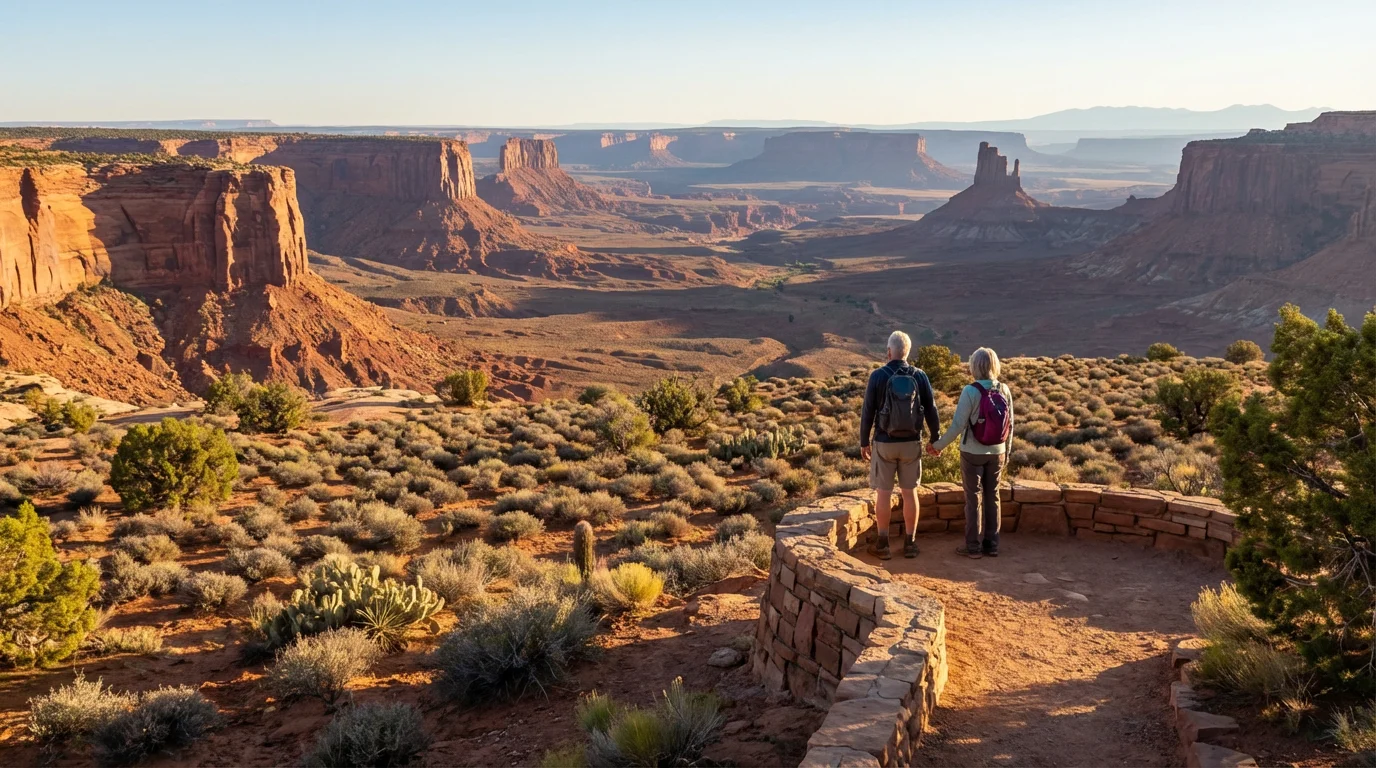
The southwest region captivates retirees with its unique characteristics. Many individuals seek warm weather, abundant sunshine, and a lower cost of living compared to coastal areas. This region delivers on these fronts, offering an attractive alternative for your golden years.
The vast expanses of desert living, combined with opportunities for outdoor activities, define much of the southwest experience. You will discover national parks, hiking trails, and golf courses that encourage an active lifestyle. Cultural richness, often influenced by Native American and Hispanic traditions, further enhances the appeal of many southwest retirement destinations.

Phoenix and Scottsdale, Arizona
Phoenix, the capital of Arizona, anchors a sprawling metropolitan area known as the Valley of the Sun. Scottsdale, an affluent suburb, often receives accolades for its resorts, golf courses, and vibrant downtown. Together, these cities offer extensive amenities for retirees.
The Phoenix metro area boasts a robust healthcare infrastructure, including nationally recognized hospitals and specialized medical centers. You will find numerous 55+ communities, offering a range of housing options and social activities. The region’s commitment to senior services makes it a prime choice for where are best desert retirements.
- Pros:
- Abundant sunshine, with over 300 sunny days annually.
- Excellent healthcare facilities and a high concentration of medical professionals.
- Diverse 55+ communities, from active adult resorts to more tranquil neighborhoods.
- No state income tax on Social Security benefits.
- Vast recreational opportunities, including hiking, golf, and professional sports.
- Major international airport providing easy access for family visits.
- Cons:
- Extremely hot summers, with temperatures frequently exceeding 100 degrees Fahrenheit.
- Higher cost of living compared to some other southwest cities, particularly in Scottsdale.
- Traffic congestion can be significant in peak hours and popular areas.
- Less distinct seasonal changes if you prefer a four-season climate.

Tucson, Arizona
Located in southern Arizona, Tucson provides a different desert living experience than its northern counterpart. Nestled in a valley surrounded by five mountain ranges, Tucson offers scenic beauty and a rich cultural heritage. It often appeals to those seeking a slightly slower pace of life.
Tucson’s climate is milder than Phoenix, especially during the summer, due to its higher elevation. The city prides itself on its strong arts scene, historic neighborhoods, and access to outdoor adventures. Healthcare options are comprehensive, including the Banner University Medical Center Tucson.
- Pros:
- More affordable cost of living compared to Phoenix or Scottsdale.
- Rich cultural heritage, including historic architecture and a vibrant culinary scene.
- Beautiful natural surroundings, with saguaro cacti forests and mountain views.
- Mild winters and slightly cooler summers than Phoenix.
- Good healthcare access, including a university medical center.
- Active cycling community and many hiking trails.
- Cons:
- Limited direct flight options compared to Phoenix.
- Summer monsoon season brings humidity and heavy rain, though often short-lived.
- Less urban infrastructure and fewer large-scale shopping centers than Phoenix.
- Public transportation can be less comprehensive.

Las Vegas and Henderson, Nevada
When considering southwest retirement destinations, the Las Vegas metropolitan area, including the rapidly growing city of Henderson, stands out. Beyond the Strip, these cities offer a surprisingly robust retirement environment. They provide excellent infrastructure, diverse housing, and numerous amenities tailored for seniors.
Nevada has no state income tax, making it a highly tax-friendly retirement state. The dry desert climate ensures plenty of sunshine throughout the year. Henderson, in particular, has become a popular choice for retirees due to its master-planned communities, numerous parks, and lower crime rates compared to some parts of Las Vegas.
- Pros:
- No state income tax, benefiting retirement income.
- Relatively low property taxes compared to other states.
- Extensive entertainment, dining, and shopping options.
- Excellent healthcare facilities, including specialized heart and cancer centers.
- Wide array of 55+ communities with active social calendars.
- International airport offers easy travel connections.
- Cons:
- Hot summers, often reaching extreme temperatures.
- Can experience significant tourist traffic and crowds.
- The water scarcity issue is a long-term concern for desert living.
- Gambling culture may not appeal to all retirees.

Santa Fe, New Mexico
For those seeking a unique cultural experience combined with stunning natural beauty, Santa Fe, New Mexico, offers an appealing option. Known as “The City Different,” Santa Fe sits at over 7,000 feet, providing a high-desert climate that is distinct from lower-elevation southwest cities. It is a hub for arts, culture, and outdoor recreation.
Santa Fe’s historic adobe architecture, vibrant art scene, and strong Native American and Hispanic influences create a rich environment. The city’s elevation means four distinct seasons, a rarity for many desert climates. New Mexico does not tax Social Security benefits, adding to its financial appeal for retirees.
- Pros:
- Rich artistic and cultural scene, with numerous galleries, museums, and festivals.
- Distinct four-season climate with milder summers due to high elevation.
- Stunning natural beauty, offering hiking, skiing, and other outdoor activities.
- No state income tax on Social Security benefits.
- Historic charm and a strong sense of community.
- Cons:
- Higher cost of living, particularly housing, compared to other New Mexico cities.
- Winter brings snow and cold temperatures.
- Healthcare options are good but less extensive than major metropolitan areas.
- The high altitude may require adjustment for some individuals.
Palm Springs, California
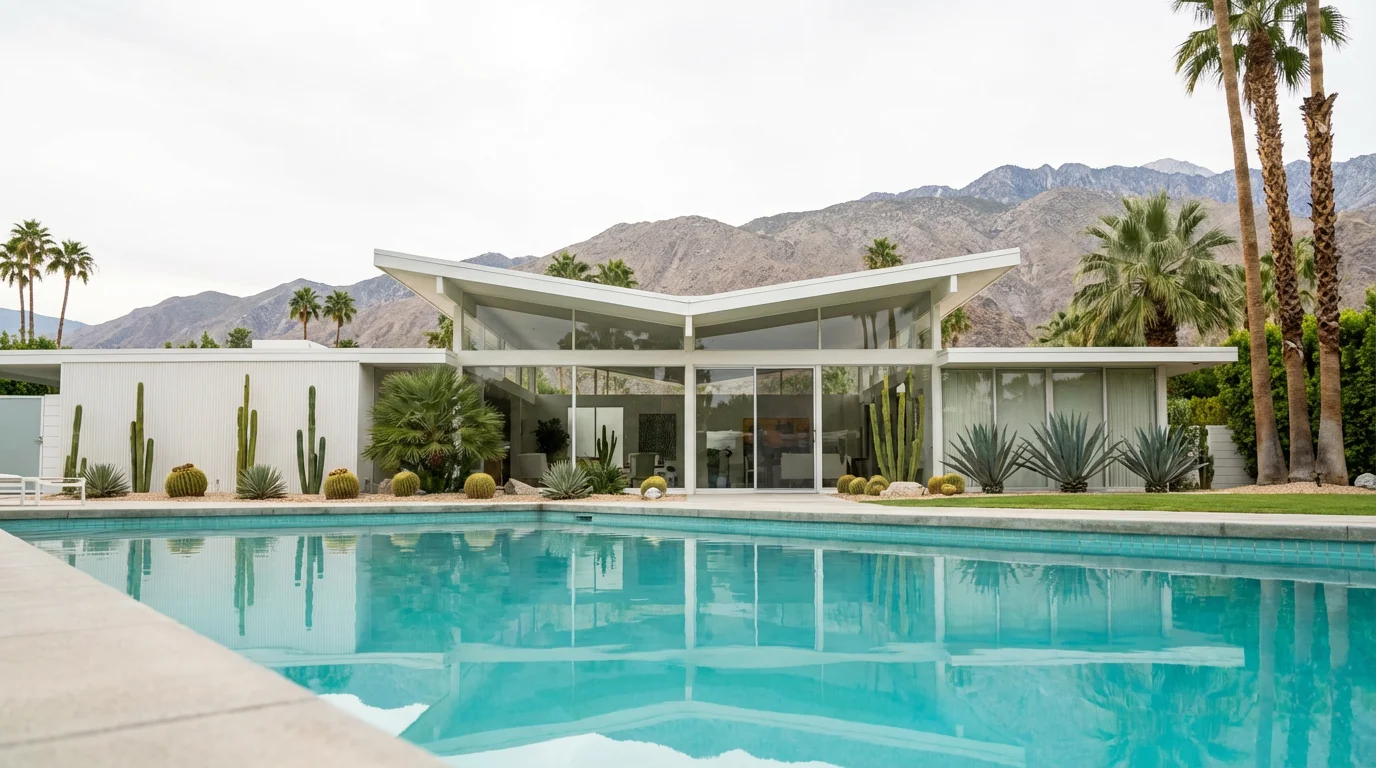
Palm Springs, nestled in the Coachella Valley of Southern California, is synonymous with desert living and mid-century modern architecture. This area has long been a popular choice for retirement, offering a relaxed lifestyle and abundant recreational opportunities. The climate here is characterized by hot, dry summers and mild, sunny winters.
The city and its surrounding communities, like Palm Desert and Indian Wells, offer a high quality of life. You will find world-class golf courses, tennis clubs, and spas. Healthcare facilities are readily available, including Eisenhower Health, a prominent regional medical center.
- Pros:
- Consistently sunny weather, ideal for outdoor enthusiasts.
- Known for excellent golf courses, resorts, and cultural events.
- A well-established retirement community with many senior-focused services.
- High concentration of specialized medical care.
- Proximity to Los Angeles for major metropolitan amenities and family visits.
- Cons:
- Extremely hot summers, often exceeding 110 degrees Fahrenheit.
- High cost of living, especially for housing, due to California’s overall expenses.
- Can feel isolated from larger cities without a car.
- Traffic can be heavy during peak tourist season.
“The joy of retirement comes in finding new paths, not just resting on old laurels.” — Unknown

El Paso, Texas
Located in far West Texas, El Paso offers a unique border city experience, deeply influenced by its Mexican heritage. Situated at the foot of the Franklin Mountains, El Paso boasts a dry, sunny climate and a significantly lower cost of living compared to many other southwest retirement destinations. It represents what southwest states best option means for affordability and cultural immersion.
Texas has no state income tax, which is a significant financial benefit for retirees. El Paso provides a relaxed atmosphere with a rich history, diverse cuisine, and a strong sense of community. Healthcare access is solid, with several major hospitals serving the region.
- Pros:
- Very affordable cost of living, particularly housing.
- No state income tax in Texas.
- Rich cultural blend of American and Mexican traditions.
- Dry, sunny climate with mild winters.
- Strong sense of community and family values.
- Access to outdoor activities in the Franklin Mountains State Park.
- Cons:
- Summers can be very hot, with high temperatures.
- Geographic isolation from other major Texas cities.
- Limited direct flight options compared to larger hubs.
- Fewer high-end amenities or cultural institutions than larger cities.

Comparing Key Retirement Factors
Evaluating potential retirement locations requires a detailed look at various factors. You must consider your financial situation, health needs, and lifestyle preferences. This table provides a snapshot comparison of some key elements for these southwest retirement destinations, helping you identify what southwest states best option offers the right balance for you.
| Factor | Phoenix/Scottsdale, AZ | Tucson, AZ | Las Vegas/Henderson, NV | Santa Fe, NM | Palm Springs, CA | El Paso, TX |
|---|---|---|---|---|---|---|
| Median Home Price (approx.) | $450,000 – $800,000+ | $350,000 – $450,000 | $400,000 – $600,000+ | $600,000 – $800,000+ | $650,000 – $900,000+ | $250,000 – $350,000 |
| Cost of Living Index (US Avg=100) | 107-125 | 98 | 110 | 120 | 130 | 81 |
| State Income Tax on SS Benefits | No | No | No | No | Yes | No |
| Average Summer High (°F) | 106 | 99 | 104 | 90 | 108 | 96 |
| Average Winter High (°F) | 68 | 66 | 57 | 46 | 70 | 59 |
| Healthcare Access | Excellent, major medical centers | Very Good, university hospital | Excellent, major medical centers | Good, regional hospital system | Very Good, regional medical center | Good, several major hospitals |
Note: Cost of living and home prices are estimates and vary significantly by specific neighborhood and market conditions. Consult current real estate listings and economic data for precise figures.
Planning Your Southwest Relocation
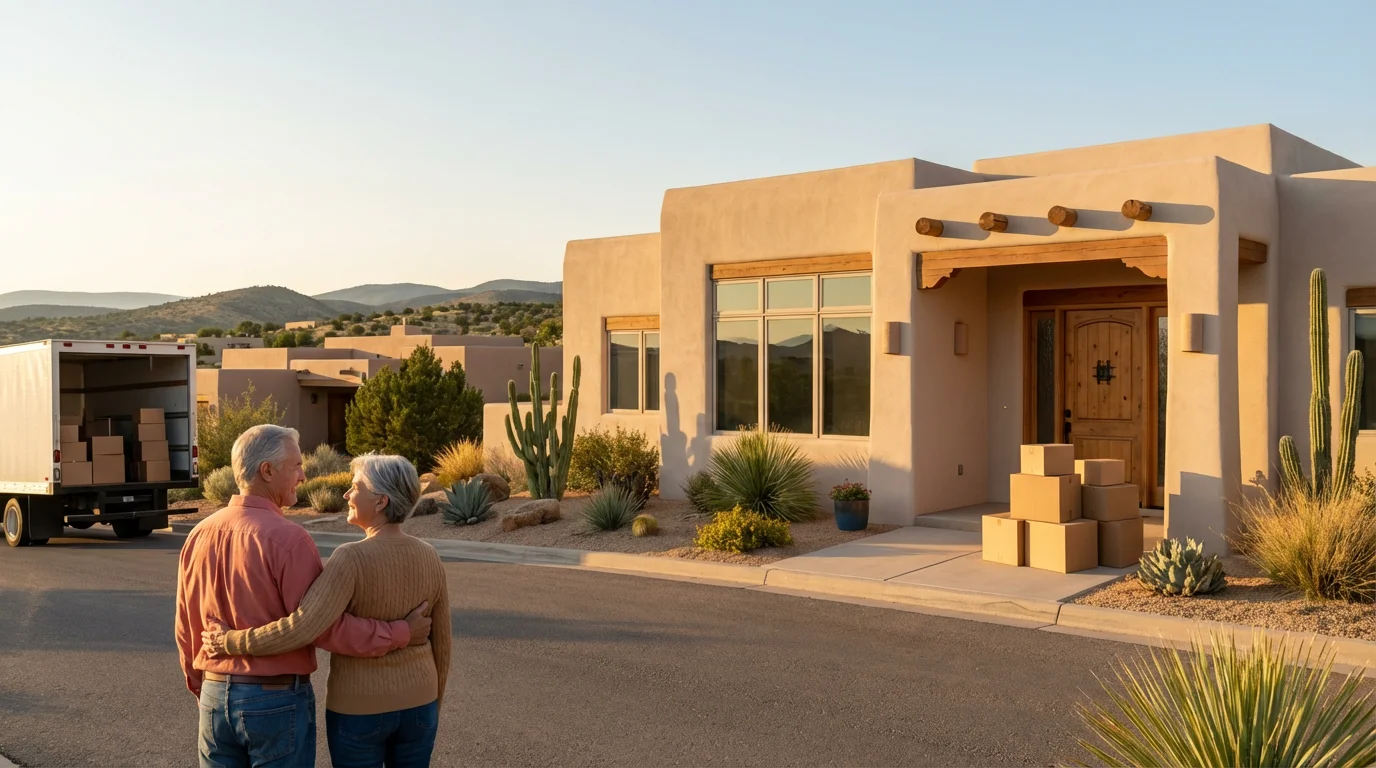
Relocating for retirement requires careful planning and execution. A smooth transition involves more than just selecting a new address. You will need to consider logistics, financial implications, and personal preferences. Follow these steps to ensure a well-organized move to your chosen southwest retirement destination.
- Assess Your Priorities: Define your non-negotiables. Do you need specific healthcare access, a certain climate, or proximity to an airport? Prioritizing these factors helps narrow your search. Your ideal retirement location should meet your most critical needs first.
- Research Thoroughly: Dig deeper into potential communities. Investigate local property taxes, crime rates, and the availability of 55+ communities or senior services. Resources like AARP Livable Communities and the U.S. Census Bureau offer valuable data.
- Visit Prospective Locations: Experience your top choices firsthand. Spend time in different neighborhoods, visit grocery stores, and explore local amenities. Consider visiting during various seasons to understand the climate year-round.
- Consult Financial Advisors: Understand the tax implications of relocating to a new state. Different states have varying policies on income, property, and sales taxes, which can significantly impact your retirement budget. The Tax Foundation provides excellent resources.
- Plan Your Move Logistics: Research reputable moving companies, create an inventory of your belongings, and set a realistic timeline. Decide what to keep, donate, or sell. This process can be overwhelming, so start early.
- Establish Healthcare: Before you move, research doctors, hospitals, and specialists in your new area. Understand how your insurance plan will work in the new state. Medicare.gov provides tools to find healthcare providers.
- Build a New Support Network: Actively seek out social groups, volunteer opportunities, or clubs in your new community. Building connections is vital for a fulfilling retirement. Engaging with your new surroundings helps you feel at home.
Frequently Asked Questions
What are the primary climate considerations for southwest retirement?
The southwest is largely characterized by hot, dry summers and mild winters. However, elevation plays a significant role. Higher-altitude areas like Santa Fe experience four distinct seasons with cooler summers and snow in winter, while lower-elevation cities like Phoenix and Palm Springs have extremely hot summers with temperatures often exceeding 100°F.
Which southwest states offer the best tax benefits for retirees?
Arizona, Nevada, and Texas are often considered tax-friendly for retirees. Nevada and Texas have no state income tax, which is beneficial for retirement income. Arizona does not tax Social Security benefits. New Mexico also does not tax Social Security benefits, though it has a state income tax on other forms of income.
Are 55+ communities widely available in the southwest?
Yes, the southwest is a prime region for 55+ communities and developments. States like Arizona (especially Phoenix and Tucson metro areas) and Nevada (Las Vegas and Henderson) have a high concentration of active adult communities. These often offer extensive amenities, social activities, and a strong sense of community tailored for retirees.
How does healthcare access compare across southwest retirement destinations?
Major metropolitan areas like Phoenix, Las Vegas, and Palm Springs generally offer excellent healthcare access with numerous hospitals, specialized medical centers, and a wide range of providers. Smaller cities like Tucson and Santa Fe also have good healthcare facilities, including university medical centers in some cases, though options might be less extensive than in the largest cities.
What outdoor activities can I expect in southwest retirement?
The southwest is a paradise for outdoor enthusiasts. You can enjoy hiking, biking, golf, tennis, and exploring national parks and monuments. Many areas offer opportunities for birdwatching, stargazing, and water sports on lakes and rivers. The sunny climate encourages an active outdoor lifestyle year-round in many locations.
Disclaimer: This article is for informational purposes only. Cost of living, taxes, and local conditions change over time. We encourage readers to verify current information through official sources and visit potential retirement destinations before making relocation decisions.








Leave a Reply