
Planning your retirement involves considering many factors, from cost of living to climate. For many, a vibrant cultural landscape remains a top priority, offering engagement, intellectual stimulation, and community connections. If you envision your retirement years filled with gallery strolls, captivating theater performances, live music, and diverse festivals, focusing on cities with thriving arts scenes is essential.
Moving to a cultural hub is a fantastic way to start embracing new hobbies and activities during your post-career years.
This article explores ten excellent retirement cities across the United States that provide rich arts and culture experiences alongside practical retiree amenities. We offer insights into what makes these locations stand out, helping you decide where to find your perfect art-friendly retirement.
Table of Contents
- How We Chose These Art-Friendly Cities for Retirement
- Asheville, North Carolina
- Sarasota, Florida
- Santa Fe, New Mexico
- Providence, Rhode Island
- Charleston, South Carolina
- Minneapolis, Minnesota
- Ann Arbor, Michigan
- Tucson, Arizona
- Kansas City, Missouri
- Chapel Hill, North Carolina
- Finding Your Artistic Niche Beyond This List
- Relocation Logistics for Art Enthusiasts
- Frequently Asked Questions

How We Chose These Art-Friendly Cities for Retirement
Identifying the best retirement cities with robust arts and culture requires more than just counting museums. Our selection criteria focused on cities that offer a comprehensive cultural experience for retirees, ensuring both artistic depth and practical livability. You need places where engagement is easy and amenities support a comfortable lifestyle.
We prioritized cities demonstrating a strong commitment to the arts, reflected in their infrastructure and community participation. This includes a mix of visual arts, performing arts, and educational opportunities. Accessibility to these cultural venues is also key for retirees.
Key Selection Factors:
- Diverse Arts Institutions: Access to museums, art galleries, theaters, symphony orchestras, opera companies, and live music venues.
- Community Engagement: Opportunities for participation, such as art classes, volunteer roles, and local festivals.
- Retiree-Friendly Environment: Good healthcare access, agreeable climate, and a significant senior population.
- Cost of Living: Reasonable housing costs and overall expenses, allowing for discretionary spending on cultural activities.
- Walkability and Transportation: Ease of accessing cultural venues, either by walking, public transit, or short drives.
- Educational Opportunities: Proximity to universities offering lifelong learning programs.
- Overall Quality of Life: Safety, natural beauty, and a welcoming atmosphere.

Asheville, North Carolina
Nestled in the Blue Ridge Mountains, Asheville offers a unique blend of natural beauty and a vibrant, independent arts scene. This city consistently ranks high among what are best retirement cities for those seeking creativity and community. Its artistic spirit is deeply woven into its identity.
Asheville boasts numerous galleries, particularly in the River Arts District, where working studios invite interaction with artists. The city hosts diverse music venues, from intimate jazz clubs to larger concert halls, and a thriving craft brewery scene often features live performances. Literary events, theater productions, and annual festivals further enrich the cultural calendar.
Asheville Snapshot:
- Arts & Culture Highlights: River Arts District, Thomas Wolfe Memorial, Folk Art Center, numerous independent galleries, diverse music scene.
- Cost of Living: The cost of living in Asheville is generally 3% above the national average, with housing costs being a primary factor.
- Climate: Four distinct seasons, with mild summers and winters, though occasional snowfall occurs.
- Healthcare: Excellent access to healthcare facilities, including Mission Hospital, a major regional medical center.
- Retirement Communities: Offers a mix of active adult communities and age-restricted developments.
Pros:
- Strong, independent arts and crafts scene.
- Beautiful mountain scenery and outdoor activities.
- Walkable downtown area with many cultural venues.
- Welcoming and inclusive community.
Cons:
- Housing costs can be higher than other Southern cities.
- Traffic can be challenging during peak tourist seasons.
- Winters, while mild, do bring colder temperatures.

Sarasota, Florida
Sarasota on Florida’s Gulf Coast shines as a cultural gem, particularly known for its performing arts and visual arts. Many consider it one of the most vibrant cities for retirement, blending beach life with high culture. The city’s history with the Ringling family established a strong foundation for artistic endeavors.
The John and Mable Ringling Museum of Art forms the centerpiece of Sarasota’s arts scene, encompassing a world-class art museum, circus museum, and historic mansion. Beyond this, you will find multiple theater companies, a renowned opera house, ballet companies, and numerous art galleries. Lifelong learning institutions also provide educational opportunities.
Sarasota Snapshot:
- Arts & Culture Highlights: The Ringling, Sarasota Opera, Asolo Repertory Theatre, Sarasota Ballet, numerous art galleries, annual film and art festivals.
- Cost of Living: The cost of living in Sarasota is approximately 5% above the national average, with housing as the main contributor.
- Climate: Subtropical, with hot, humid summers and mild, dry winters. You enjoy abundant sunshine.
- Healthcare: Excellent healthcare infrastructure, including Sarasota Memorial Hospital.
- Retirement Communities: Abundant 55+ communities and active adult developments catering to diverse budgets.
Pros:
- World-class arts and culture institutions.
- Beautiful beaches and coastal environment.
- No state income tax in Florida.
- Extensive options for active adult communities.
Cons:
- Summers are hot and humid, with hurricane season concerns.
- Traffic can be heavy during tourist season.
- Florida property taxes can be a factor despite no income tax.

Santa Fe, New Mexico
Santa Fe offers an unparalleled arts experience, steeped in rich Native American, Spanish, and Anglo cultures. This truly vibrant city attracts artists and art lovers from around the globe, making it a unique destination for those seeking how to find art-friendly retirement. Its adobe architecture and high desert landscape add to its artistic allure.
The city boasts hundreds of art galleries, especially along Canyon Road, showcasing diverse styles from traditional Southwestern to contemporary. It hosts world-renowned events such as the Santa Fe Opera, Santa Fe International Folk Art Market, and Indian Market. Museums like the Georgia O’Keeffe Museum further solidify its cultural standing.
Santa Fe Snapshot:
- Arts & Culture Highlights: Canyon Road galleries, Santa Fe Opera, Georgia O’Keeffe Museum, Palace of the Governors, numerous annual art markets and festivals.
- Cost of Living: The cost of living in Santa Fe is generally 8% above the national average, with housing being a significant expense.
- Climate: High desert climate with four distinct seasons, featuring sunny days, cool nights, and low humidity.
- Healthcare: Good access to healthcare, with Christus St. Vincent Regional Medical Center serving the area.
- Retirement Communities: Growing number of active adult and 55+ communities.
Pros:
- Extremely rich and unique cultural heritage.
- World-class art galleries and major cultural events.
- Stunning natural scenery and outdoor opportunities.
- High number of sunny days.
Cons:
- Higher elevation may be a consideration for some.
- Housing costs can be elevated due to desirability.
- Limited public transportation options.

Providence, Rhode Island
Providence, Rhode Island’s capital, combines historic charm with a youthful, artistic energy, largely due to the presence of the Rhode Island School of Design (RISD) and Brown University. For retirees seeking diverse arts and culture in a compact, walkable city, Providence presents an appealing option.
RISD Museum houses an impressive collection spanning ancient to contemporary art. The city offers a robust performing arts scene, including the Tony Award-winning Trinity Repertory Company, Providence Performing Arts Center, and several smaller theaters. You will also find numerous galleries, public art installations, and the popular WaterFire event, transforming the city’s rivers into a spectacle of light and music.
Providence Snapshot:
- Arts & Culture Highlights: RISD Museum, Trinity Repertory Company, Providence Performing Arts Center, WaterFire Providence, historical architecture.
- Cost of Living: The cost of living in Providence is approximately 22% above the national average, primarily driven by housing.
- Climate: Four distinct seasons, with warm summers, cold snowy winters, and beautiful fall foliage.
- Healthcare: Excellent access to top-tier medical facilities, including those affiliated with Brown University.
- Retirement Communities: A range of options from urban condos to suburban independent living.
Pros:
- Dense concentration of arts and educational institutions.
- Walkable downtown and historic neighborhoods.
- Close proximity to other major East Coast cities.
- Strong culinary scene.
Cons:
- High cost of living, especially housing.
- Winters can be long and cold with significant snowfall.
- Higher state income and property taxes compared to some states.
Charleston, South Carolina
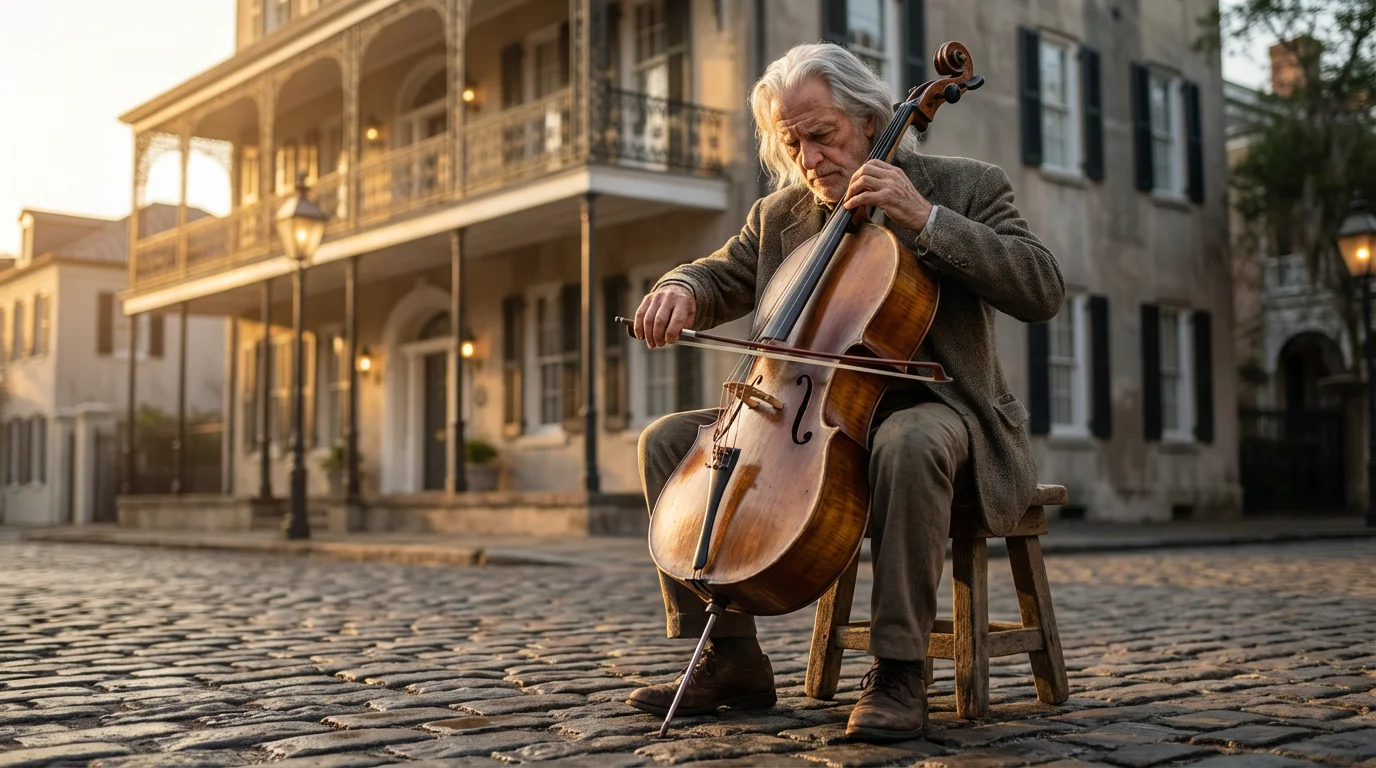
Charleston, a city steeped in history, offers a sophisticated arts scene that complements its charming cobblestone streets and antebellum architecture. It represents one of the vibrant cities where history and culture intertwine. Many retirees find its genteel atmosphere and artistic offerings highly appealing.
The Spoleto Festival USA, an internationally renowned performing arts festival, draws visitors annually, showcasing opera, dance, theater, and music. Beyond this major event, Charleston supports a strong local theater scene, numerous art galleries, and museums detailing its rich past. You can easily find live music, from jazz to bluegrass, in various venues.
Charleston Snapshot:
- Arts & Culture Highlights: Spoleto Festival USA, Gibbes Museum of Art, Charleston Gaillard Center, historic plantations, numerous art galleries.
- Cost of Living: The cost of living in Charleston is around 7% above the national average, with housing being a significant contributor.
- Climate: Subtropical climate with hot, humid summers and mild winters.
- Healthcare: Good access to healthcare facilities, including the Medical University of South Carolina (MUSC).
- Retirement Communities: A wide selection of 55+ communities both within the city and in surrounding areas.
Pros:
- Rich historical and architectural heritage.
- World-class performing arts festival.
- Beautiful coastal setting.
- Mild winters allow for year-round outdoor activity.
Cons:
- Summers are hot and humid, with hurricane season concerns.
- Tourist crowds can be substantial, especially downtown.
- Traffic congestion can be an issue.

Minneapolis, Minnesota
Minneapolis, often paired with its twin city, St. Paul, stands as a cultural powerhouse in the Midwest. This city provides an exceptional array of arts and culture options for retirees, from major museums to innovative theater. The city consistently rates high for overall livability and cultural richness.
The Walker Art Center and the Minneapolis Institute of Art anchor the visual arts scene, offering extensive collections. The Guthrie Theater is nationally recognized for its productions. You will find a thriving music scene, from the Minnesota Orchestra to diverse indie venues, and a strong tradition of live theater. Numerous lakes and parks also offer natural beauty.
Minneapolis Snapshot:
- Arts & Culture Highlights: Walker Art Center, Minneapolis Institute of Art (Mia), Guthrie Theater, First Avenue music venue, Orchestra Hall, numerous parks with public art.
- Cost of Living: The cost of living in Minneapolis is roughly 2% above the national average, with housing costs being moderate.
- Climate: Four distinct seasons, with warm summers, pleasant springs and falls, and cold, snowy winters.
- Healthcare: Home to world-class medical facilities, including the University of Minnesota Medical Center.
- Retirement Communities: Offers urban senior living, suburban 55+ communities, and continuum of care options.
Pros:
- Exceptional and diverse arts institutions.
- Strong economy and high quality of life.
- Abundant parks, lakes, and outdoor recreation.
- Comprehensive public transportation system.
Cons:
- Winters are very cold and long.
- Higher state income taxes compared to some states.
- Commuting can be challenging during rush hour.
Ann Arbor, Michigan
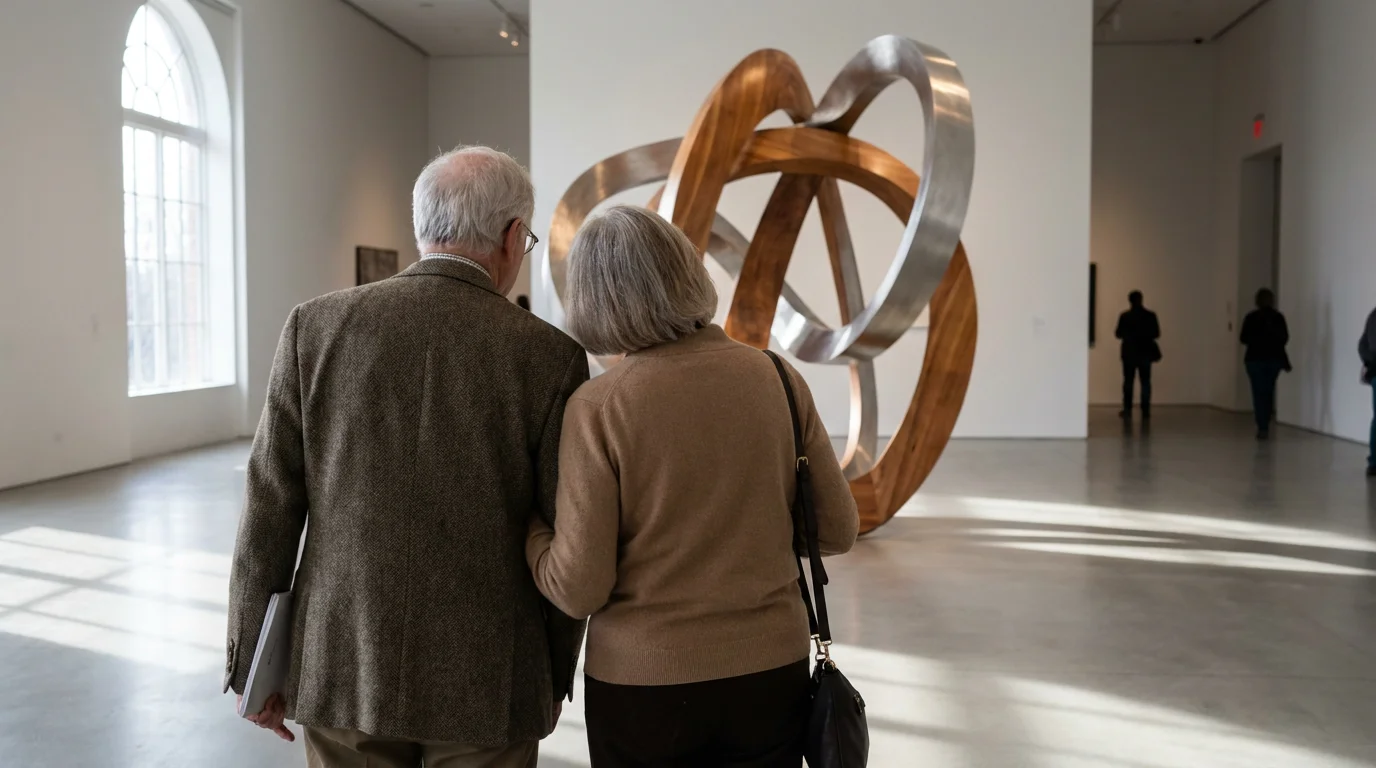
Ann Arbor, home to the University of Michigan, provides a dynamic, intellectual, and culturally rich environment perfect for retirees. Its university town atmosphere means constant access to world-class performances, lectures, and exhibitions. This is an ideal location for those seeking vibrant cities with a strong academic backbone.
The University of Michigan’s Museum of Art, performing arts series (University Musical Society), and countless departmental events offer a continuous stream of cultural engagement. The city also hosts its own vibrant local scene, including the Ann Arbor Art Fair, Michigan Theater, and numerous independent galleries and music venues. Continuing education opportunities abound.
Ann Arbor Snapshot:
- Arts & Culture Highlights: University of Michigan Museum of Art, University Musical Society, Ann Arbor Art Fair, Michigan Theater, numerous lecture series.
- Cost of Living: The cost of living in Ann Arbor is approximately 16% above the national average, largely due to housing costs.
- Climate: Four distinct seasons, with warm summers, beautiful autumns, and cold, snowy winters.
- Healthcare: Excellent access to top-tier medical care through the University of Michigan Health System.
- Retirement Communities: A mix of independent living, active adult communities, and assisted living facilities.
Pros:
- Incredible access to university-level arts and educational programs.
- Walkable downtown with diverse dining and shopping.
- Strong sense of community and intellectual vitality.
- Beautiful natural surroundings, including parks and the Huron River.
Cons:
- Higher cost of living, especially for housing.
- Winters can be severe with significant snow.
- Traffic and parking can be challenging during university events.
Tucson, Arizona
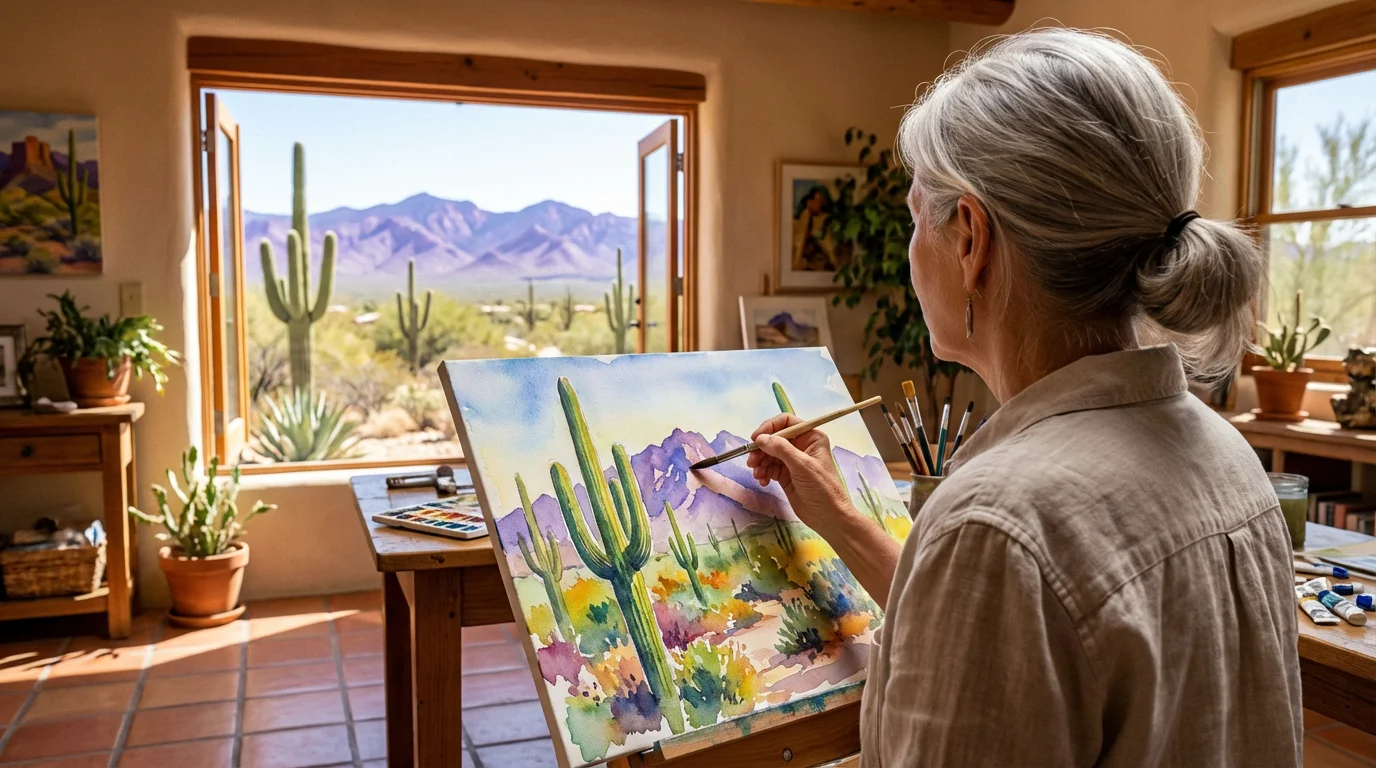
Tucson offers a unique Southwestern arts experience against the backdrop of stunning desert landscapes and saguaro cacti. This city represents one of the best retirement cities for those who appreciate both natural beauty and a distinctive cultural scene. The University of Arizona further enhances its artistic offerings.
The city’s cultural assets include the Tucson Museum of Art, the University of Arizona Museum of Art, and the DeGrazia Gallery in the Sun. You can enjoy a thriving performing arts scene, encompassing the Tucson Symphony Orchestra, Arizona Opera, and numerous theater companies. The annual Tucson Gem and Mineral Show and other festivals draw international attention.
Tucson Snapshot:
- Arts & Culture Highlights: Tucson Museum of Art, University of Arizona cultural programs, Arizona-Sonora Desert Museum, historic Fourth Avenue district, annual festivals.
- Cost of Living: The cost of living in Tucson is generally 3% below the national average, making it an affordable option.
- Climate: Desert climate with hot summers, mild winters, and abundant sunshine. Monsoon season brings summer rains.
- Healthcare: Good access to medical facilities, including Banner – University Medical Center Tucson.
- Retirement Communities: Many active adult communities and 55+ developments cater to various preferences.
Pros:
- Affordable cost of living compared to many other art cities.
- Unique Southwestern culture and vibrant arts scene.
- Abundant sunshine and mild winters.
- Opportunities for outdoor activities in the desert.
Cons:
- Summers are extremely hot.
- Air quality can be a concern at times.
- Limited public transportation options beyond core areas.
Kansas City, Missouri
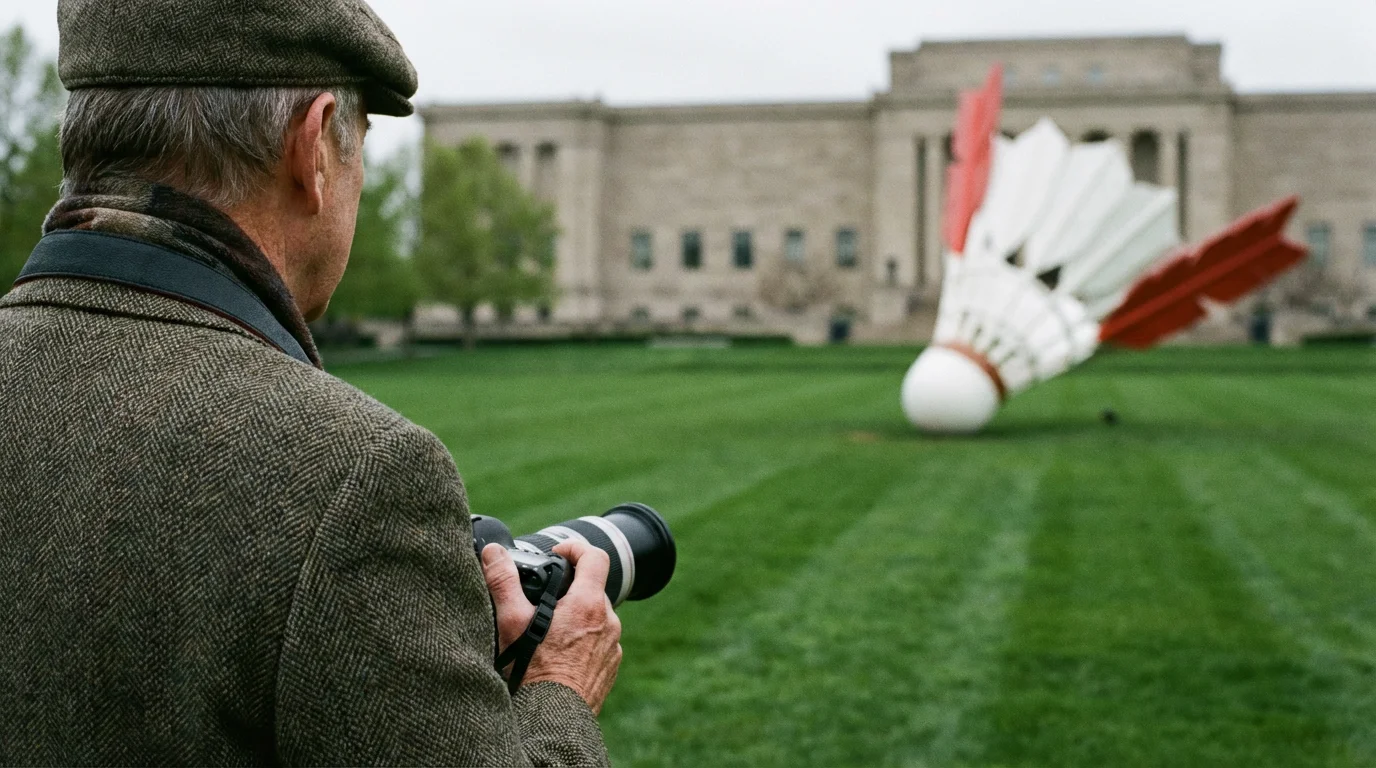
Kansas City, often called the “Paris of the Plains,” boasts a sophisticated arts scene, particularly renowned for its jazz heritage, vibrant visual arts, and world-class museums. This metropolitan area offers abundant cultural opportunities, solidifying its place among the best retirement cities for art enthusiasts.
The Nelson-Atkins Museum of Art stands as a jewel, offering free admission to its expansive collection. The Kauffman Center for the Performing Arts hosts the Kansas City Symphony, Lyric Opera, and Kansas City Ballet. The city’s historic 18th & Vine Jazz District preserves its musical legacy, with active clubs and museums. Numerous galleries and art districts, like the Crossroads Arts District, further enrich the scene.
Kansas City Snapshot:
- Arts & Culture Highlights: Nelson-Atkins Museum of Art, Kauffman Center for the Performing Arts, 18th & Vine Jazz District, Crossroads Arts District.
- Cost of Living: The cost of living in Kansas City is approximately 7% below the national average, making it very affordable.
- Climate: Four distinct seasons with warm, humid summers, pleasant springs and falls, and cold winters with moderate snowfall.
- Healthcare: Excellent access to major medical centers, including the University of Kansas Health System.
- Retirement Communities: A wide range of housing options from urban lofts to suburban 55+ communities.
Pros:
- Highly affordable cost of living for a major city.
- Exceptional and diverse arts and music scene, especially jazz.
- Friendly Midwestern atmosphere.
- Many parks, fountains, and beautiful boulevards.
Cons:
- Summers can be hot and humid.
- Winters are cold with snow and ice.
- Public transportation is not as extensive as in some larger cities.

Chapel Hill, North Carolina
Chapel Hill, another vibrant city in North Carolina’s Research Triangle, offers a more intimate university town experience than some larger metros. Its connection to the University of North Carolina at Chapel Hill ensures a steady influx of intellectual and artistic events. This is a prime example of how to find art-friendly retirement in a smaller, charming setting.
The Ackland Art Museum, part of UNC, presents a diverse collection. The university’s performing arts series, PlayMakers Repertory Company, and student productions provide ample theatrical and musical offerings. You will find local galleries, independent bookstores, and community-driven arts festivals. The town’s beautiful arboretum and gardens also offer cultural respite.
Chapel Hill Snapshot:
- Arts & Culture Highlights: Ackland Art Museum, PlayMakers Repertory Company, UNC performing arts, local festivals, botanical gardens.
- Cost of Living: The cost of living in Chapel Hill is roughly 15% above the national average, driven by housing.
- Climate: Mild four-season climate with warm summers, pleasant springs and falls, and generally mild winters with occasional light snow.
- Healthcare: Excellent access to world-class medical facilities through UNC Health.
- Retirement Communities: A good selection of active adult communities and independent living options.
Pros:
- Strong university influence providing continuous cultural enrichment.
- Charming, walkable downtown.
- Access to excellent healthcare.
- Part of the larger Research Triangle Park area with additional amenities.
Cons:
- Higher cost of living, particularly housing.
- Traffic can be heavy during university events.
- A smaller city may have fewer “blockbuster” arts events than major metros.
“The journey of a thousand miles begins with a single step. The journey to a perfect retirement begins with research.”

Finding Your Artistic Niche Beyond This List
While these ten cities offer exceptional arts scenes, the “perfect” place depends on your unique preferences. Your ideal retirement community might specialize in a particular art form, such as jazz, visual arts, or theater. Consider what truly excites you when exploring how to find art-friendly retirement destinations.
Practical Steps to Discover Your Ideal Arts Community:
- Define Your Priorities: List your must-have cultural experiences. Do you prefer opera, independent films, studio tours, or art classes?
- Research Local Offerings: Use city tourism websites, university cultural calendars, and local arts council sites to gauge the depth and breadth of arts programming.
- Consider Cost Implications: Factor in ticket prices, membership fees, and class costs for your chosen art forms. An affordable city allows more spending on culture.
- Assess Accessibility: Determine how easily you can reach venues. Is public transportation available, or will you rely on driving?
- Visit and Engage: Spend time in potential cities. Attend a performance, visit a gallery, and talk to locals about their cultural experiences.
- Look for Volunteer Opportunities: Many arts organizations rely on volunteers. This offers a great way to integrate into the local arts scene and community.
- Check for Lifelong Learning: Universities and community colleges often offer courses and lectures for seniors, enriching your artistic journey.

Relocation Logistics for Art Enthusiasts
Moving to a new city, especially for retirement, involves more than just packing boxes. For art lovers, special considerations arise. You want to ensure your valuable collections are protected and that you quickly connect with the new community’s cultural heartbeat.
Key Relocation Considerations:
- Art Collection Insurance: Review your homeowner’s insurance policy to ensure adequate coverage for fine art and collectibles during transit and in your new home.
- Specialized Movers: If you own valuable or fragile art pieces, consider hiring movers specializing in fine art transportation.
- Community Integration: Join local arts organizations, sign up for newsletters, and attend opening nights to meet like-minded individuals.
- Storage Solutions: If downsizing, research climate-controlled storage options for any art that will not fit into your new home.
- Budget for Cultural Engagement: Allocate funds in your retirement budget for museum memberships, concert tickets, classes, and other cultural pursuits.
- Healthcare Access: Verify the availability of quality healthcare providers in your new location. Medicare.gov provides valuable resources for comparing local options.
Frequently Asked Questions
Can I find affordable retirement communities in vibrant cities with strong arts scenes?
Yes, while some popular art cities can have higher costs of living, many offer a range of housing options, including affordable 55+ communities or independent living facilities. Look for cities like Kansas City or Tucson, which balance cultural richness with a lower cost of living.
What resources help me research healthcare access in potential retirement locations?
You can research healthcare access and quality using resources like Medicare.gov. This site allows you to compare hospitals, nursing homes, and doctors by location, helping you make informed decisions about your medical needs in a new city.
Are there opportunities for seniors to participate in the arts, not just observe?
Absolutely. Many art-friendly retirement cities offer workshops, classes, and volunteer opportunities at museums, theaters, and community art centers. Universities often provide lifelong learning programs, allowing you to explore new artistic skills or deepen existing ones.
How important is climate when considering an art-focused retirement city?
Climate can significantly impact your enjoyment of a city’s arts scene. If you dislike harsh winters, a warmer climate like Sarasota or Tucson might suit you better. Conversely, if you enjoy four distinct seasons, cities like Asheville or Ann Arbor offer different aesthetic appeal for artists and patrons.
Do I need to live directly in the city center to access a thriving arts scene?
Not necessarily. Many vibrant cities have cultural districts or university campuses that serve as hubs for arts activities, even if you live in a nearby suburb or active adult community. Good transportation options, whether public or private, are often more important than being in the exact city center.
Disclaimer: This article is for informational purposes only. Cost of living, taxes, and local conditions change over time. We encourage readers to verify current information through official sources and visit potential retirement destinations before making relocation decisions.







Leave a Reply