
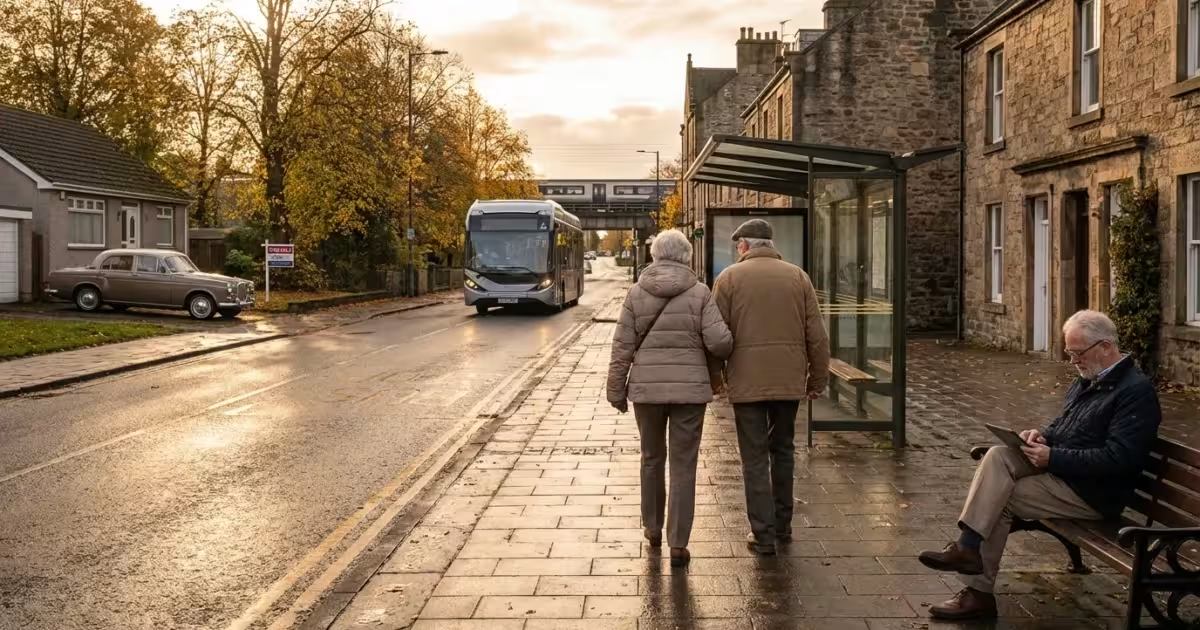
Planning your retirement involves considering numerous financial factors, and transportation costs represent a significant component of your overall budget. Your choice of retirement destination directly impacts how much you spend on getting around, influencing everything from daily errands to visiting family and friends. Understanding these expenses thoroughly helps you make informed decisions about where to settle and how to manage your finances in your golden years.
Before finalizing your plans, creating a budget for your retirement relocation is a vital step in ensuring your move and future travel costs remain sustainable.
Whether you envision a car-free urban lifestyle, prefer the convenience of your own vehicle, or plan to utilize a mix of options, evaluating your `retirement transport` needs is crucial. This comprehensive guide breaks down the various `transportation costs` you will encounter, explores different modes of travel, and offers practical insights to help you budget effectively for transportation in retirement.
Table of Contents
- Understanding Your Transportation Expenses in Retirement
- Car Ownership: The Primary Driver of Retirement Transport Costs
- Public Transit: Options and Savings for Retirees
- Location Matters: How Your Retirement Destination Impacts Costs
- Alternative Senior Transportation Solutions
- Budgeting for Transportation in Retirement
- Planning Your Move: Considering Transport Needs
- Frequently Asked Questions

Understanding Your Transportation Expenses in Retirement
Transportation consistently ranks among the largest expenditures for American households, often second only to housing. For retirees, these costs can shift dramatically depending on lifestyle changes, health, and chosen location. Ignoring transportation expenses when planning your retirement budget can lead to financial strain down the road.
Before settling on a location, it is helpful to verify your numbers using a retirement relocation calculator to see how your cost of living might change.
According to the U.S. Bureau of Labor Statistics (BLS) Consumer Expenditure Survey, households in the 65 and older age group spent an average of $6,975 on transportation in 2022. This figure represents approximately 13.5% of their total annual expenditures. This average includes vehicle purchases, gasoline, insurance, public transit fares, and other related expenses. Your individual spending may differ significantly based on your circumstances.
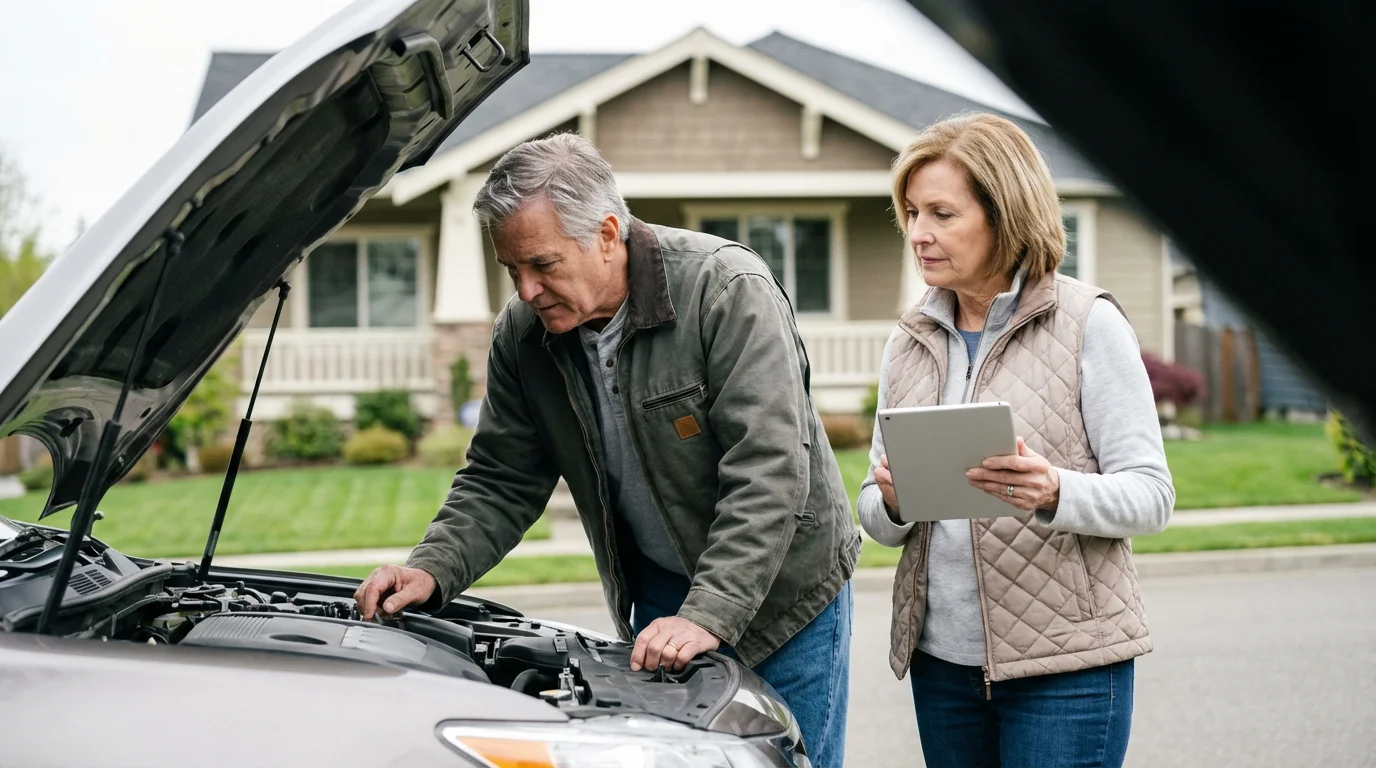
Car Ownership: The Primary Driver of Retirement Transport Costs
For many Americans, car ownership remains essential, especially in areas with limited `public transit`. Understanding the full scope of expenses associated with owning a vehicle helps you project your `transportation costs` accurately in retirement.
When evaluating your vehicle needs, remember that healthcare costs in retirement can also impact your budget, especially if frequent medical appointments increase your monthly mileage.
Initial Purchase or Lease Costs
If you plan to buy a new or used vehicle in retirement, factor in the purchase price and any associated financing costs. New vehicles depreciate rapidly, meaning a significant portion of their value disappears within the first few years. Leasing offers lower monthly payments but ties you into a contract and mileage limits.
Many retirees opt for reliable, fuel-efficient used cars to minimize upfront expenses and depreciation. Consider your future driving needs and potential health changes when selecting a vehicle. For example, a larger vehicle might offer easier entry and exit, but a smaller one could be more maneuverable in urban settings.
Operating Costs of Vehicle Ownership
The ongoing expenses of owning a car extend far beyond the initial purchase. These variable and fixed costs require careful budgeting:
- Fuel: Gas prices fluctuate based on global markets and regional taxes. Your driving habits, commute length, and vehicle’s fuel efficiency directly impact this expense. Living further from amenities means more frequent trips to the gas station.
- Insurance: Car insurance rates depend on your age, driving record, vehicle type, and location. Senior drivers may benefit from safe driving discounts but could also face higher premiums in some instances due to age-related risk factors. Researching average insurance costs for your target retirement location is a critical step.
- Maintenance and Repairs: Routine maintenance, such as oil changes, tire rotations, and brake inspections, keeps your car running smoothly. However, unexpected repairs, like transmission issues or battery replacements, can be costly. Budgeting an emergency fund for these eventualities is a smart financial strategy.
- Registration and Taxes: Most states require annual vehicle registration, and some levy personal property taxes on vehicles. These fees vary widely by state and vehicle value. For instance, states like Virginia have significant personal property taxes on cars, while others, like Florida, have much lower annual registration fees.
- Parking Fees: If you plan to live in a city or frequently visit urban centers, parking fees can add up. Monthly parking permits, hourly garage rates, and parking meter costs contribute to your overall `retirement transport` budget.
Pros and Cons of Car Ownership in Retirement
Car ownership provides distinct advantages and disadvantages for retirees:
- Pros:
- Unparalleled flexibility and independence for travel.
- Convenience for running errands, especially in suburban or rural areas.
- Ability to transport grandchildren, pets, or bulky items.
- Access to areas not served by `public transit`.
- Cons:
- Significant ongoing expenses (fuel, insurance, maintenance, parking).
- Stress of driving, especially in heavy traffic or adverse weather.
- Potential for accidents and associated costs.
- Environmental impact.
- Risk of losing driving ability due to age or health.

Public Transit: Options and Savings for Retirees
Embracing `public transit` offers a compelling alternative or supplement to car ownership, particularly in urban and densely populated areas. It can significantly reduce your `transportation costs` while offering other benefits.
Types of Public Transit
Public transportation options vary by location:
- Buses: The most common form of public transport, providing widespread coverage in many cities and towns.
- Subways/Metros: Efficient for navigating large metropolitan areas, often avoiding traffic congestion.
- Light Rail/Streetcars: Offer fixed routes, often connecting downtown areas with surrounding neighborhoods.
- Commuter Trains: Connect urban centers with distant suburbs, ideal for longer trips.
- Ferries: Essential for transportation in coastal or island communities.
Benefits of Public Transit for Retirees
Choosing public transportation can enhance your retirement lifestyle in several ways:
- Cost Savings: Public transit fares are generally much lower than the combined costs of car ownership. Many systems offer reduced fares or free passes for seniors, often starting at age 65. For example, residents 65 and older in Chicago can get a reduced fare Ventra Card.
- Reduced Stress: Avoid the frustrations of traffic, parking, and navigating unfamiliar roads. You can relax, read, or enjoy the scenery while someone else drives.
- Environmental Impact: Using public transport reduces your carbon footprint, contributing to cleaner air.
- Social Engagement: Public transit offers opportunities to interact with others in your community.
- Increased Safety: Reduces the risk of accidents associated with driving, especially at night or in challenging weather.
Drawbacks and Considerations for Public Transit
While beneficial, public transit also has limitations:
- Limited Coverage: Service may not reach all areas, especially in suburbs or rural settings.
- Schedules and Routes: Fixed schedules may not always align with your desired timing, and routes can involve transfers.
- Accessibility: While many systems are ADA compliant, navigating stations or getting on and off vehicles can be challenging for those with mobility issues.
- Crowding: Peak travel times can mean crowded vehicles.
- Weather Dependence: Waiting for a bus or train in inclement weather can be uncomfortable.
Comparing Public Transit Accessibility in Retirement Destinations
The availability and quality of public transit vary greatly across the United States. Consider the following examples:
| City/Region | Public Transit Availability | Typical Senior Discounts | Car Dependence (General) |
|---|---|---|---|
| New York City, NY | Extensive subway, bus, commuter rail | Reduced Fare MetroCard (50% off) | Low |
| Portland, OR | Comprehensive bus, MAX light rail, streetcar | Reduced Honored Citizen fare | Moderate-Low |
| Phoenix, AZ | Light rail in core, expanding bus network | Reduced rates for Valley Metro | High |
| Chicago, IL | Extensive ‘L’ train, bus, Metra commuter rail | Reduced Fare Ventra Card | Moderate |
| Tampa, FL | Bus service, limited streetcar in downtown | Reduced fares on HART | High |
This table illustrates that some cities offer robust public transportation networks, making a car-free or single-car household a viable option. In contrast, other areas still heavily rely on personal vehicles for daily activities.

Location Matters: How Your Retirement Destination Impacts Costs
The biggest determinant of your `transportation costs` in retirement is the place you choose to live. Different types of communities demand different modes of transport and associated expenses.
Your mobility is often tied to your home’s location, so balancing transit access with housing affordability for seniors is essential for a balanced budget.
Urban vs. Suburban vs. Rural Settings
- Urban Areas: Cities typically boast comprehensive public transportation systems, high walkability scores, and ride-sharing availability. This can significantly reduce or even eliminate the need for a personal car, saving you thousands annually on fuel, insurance, and maintenance. However, urban living often brings higher costs for parking, occasional tolls, and potentially higher car insurance rates if you do own a vehicle.
- Suburban Areas: Suburbs often present a mixed bag. Some older, denser suburbs may have decent bus service or commuter rail access to nearby cities. Newer, sprawling suburbs are usually designed around car travel, making car ownership nearly essential. Distances to amenities like grocery stores, doctors, and recreational facilities can be too far to walk or bike comfortably.
- Rural Areas: In rural settings, a personal vehicle is almost always a necessity. Public transportation is virtually non-existent, and distances between destinations are significant. While car insurance rates might be lower due to fewer traffic incidents, fuel costs can be higher due to longer travel distances and fewer gas stations. Maintenance can also be a challenge, with repair shops potentially further away.
“The best way to see a city is on foot, but the best way to live in a city is by finding its pulse through its transit.”
— Unknown
Walkability and Bikeability
Choosing a community with high walkability or bikeability scores directly reduces your reliance on a car. Sites like AARP’s Livable Communities often highlight neighborhoods designed for active seniors, with sidewalks, bike lanes, and nearby services. Living within walking distance of groceries, pharmacies, and parks means fewer car trips, less fuel consumption, and more opportunities for exercise.
Climate Considerations
The local climate also influences your transportation budget. Areas with harsh winters, heavy snowfall, or extreme heat can increase costs:
- Winter Weather: Requires snow tires, additional maintenance for cold starts, and potential expenses for car washes to remove road salt. Driving in snow and ice also increases accident risk, which can impact insurance premiums.
- Extreme Heat: Puts stress on vehicle systems, particularly air conditioning and tires, potentially leading to increased maintenance needs.
- Coastal Areas: Salt air can accelerate rust and corrosion on vehicles, necessitating more frequent maintenance or specific protective measures.

Alternative Senior Transportation Solutions
Beyond personal cars and traditional public transit, a range of `senior transportation options` exist to help retirees maintain mobility and independence. These alternatives can be particularly valuable for those who choose to reduce or eliminate car ownership.
When cars and standard buses aren’t enough, many communities provide specialized transportation options for seniors to help them maintain their independence.
Ride-Sharing Services
Companies like Uber and Lyft offer convenient, on-demand transportation through smartphone apps. They provide a viable option for occasional trips, medical appointments, or social outings, especially in areas with moderate public transit. The costs are typically higher than public transit but lower than taxi services, and surge pricing can occur during peak hours.
Community and Non-Profit Transportation Programs
Many communities and non-profit organizations offer specialized transportation services for seniors. These often include:
- Dial-a-Ride Services: Pre-booked, curb-to-curb transportation, typically at reduced fares.
- Volunteer Driving Networks: Volunteers use their own vehicles to provide rides to seniors, often for medical appointments or grocery shopping.
- Senior Center Shuttles: Many senior centers offer shuttle services for members to attend activities or run errands.
- Medical Transportation: Some health insurance plans or local agencies provide non-emergency medical transportation.
The Eldercare Locator, a public service of the U.S. Administration on Aging, connects you to services for older adults and their families, including local transportation options. You can find these resources by visiting their website at eldercare.acl.gov.
Specialized Transit for Individuals with Disabilities
The Americans with Disabilities Act (ADA) mandates paratransit services in areas where fixed-route public transit exists. These services provide complementary transportation for individuals with disabilities who cannot use the fixed-route system. While not exclusively for seniors, many older adults qualify, and it is a vital resource for maintaining mobility.
Biking and Walking as Primary Modes
For physically active retirees, walking and biking serve as excellent modes of transport. Communities designed with safe pedestrian and bike paths promote these options. Consider electric bikes for extending range and making hills easier. These modes offer significant health benefits while virtually eliminating `transportation costs`.

Budgeting for Transportation in Retirement
Effectively budgeting for transportation requires a clear understanding of your current expenses and how they might change in retirement. You should ask, “how much should I budget for transportation?”
Tracking Your Current Expenses
Before you can budget for retirement, assess your current `transportation costs`. Track everything: car payments, insurance, fuel, maintenance, tolls, parking, and public transit fares. Use a spreadsheet or budgeting app to capture a full year’s worth of data for an accurate baseline.
Estimating Future Transportation Needs
Consider how your lifestyle might change in retirement. Will you drive less for work but more for leisure? Do you anticipate moving to a city with better public transit? Will health issues eventually impact your ability to drive?
- Number of Vehicles: Many couples reduce from two cars to one, or even zero, in retirement, significantly cutting costs.
- Driving Habits: If you plan to travel extensively, your fuel and maintenance budget will be higher. If you prefer staying local, these costs will decrease.
- Health and Mobility: Plan for potential future changes. If driving becomes difficult, accessible public transit or specialized senior services become paramount.
- Social and Recreational Activities: Factor in travel to hobbies, social clubs, volunteer work, and family visits.
“The journey of a thousand miles begins with a single step, but the journey to a comfortable retirement begins with a solid budget.”
— Unknown
Creating a Realistic Transportation Budget
Once you have a clear picture of your anticipated needs, build a realistic budget. If you decide to keep a car, allocate funds for all associated costs. If you plan to rely on public transit, budget for passes or fares, along with occasional ride-shares. The BLS average of nearly $7,000 annually for seniors provides a general benchmark, but your personal budget might be lower or higher based on your choices.
You can also use online calculators that estimate `transportation costs` based on your zip code and driving habits. Remember to build in a contingency fund for unexpected car repairs or changes in public transit fares.

Planning Your Move: Considering Transport Needs
When you research potential retirement locations, transportation should be a top consideration. It impacts your independence, social life, and overall financial well-being.
It is also essential to start creating a budget for your retirement relocation to account for the one-time costs of moving vehicles and establishing new transit accounts.
Key Steps in Assessing Transportation in New Locations
As you plan your relocation, integrate transportation analysis into your decision-making process:
- Research Local Public Transit: Investigate the transit network in detail. Check routes, schedules, fares, and senior discounts for buses, trains, and other services. Websites of local transit authorities offer this information.
- Evaluate Walkability and Bikeability: Use online tools or visit prospective neighborhoods to assess pedestrian infrastructure, proximity to amenities, and safety for walking and biking. A high walk score means less reliance on a car.
- Consider Ride-Sharing and Senior Services: Determine the availability and cost of ride-sharing. Research local non-profits, senior centers, or government programs that offer transportation assistance to seniors. The Eldercare Locator is a valuable starting point.
- Assess Car Dependence: Honestly evaluate whether you can live comfortably with one car, no car, or if two cars are still necessary in a given location. Consider the cost implications of each scenario.
- “Test Drive” the Area: If possible, spend an extended period (a week or more) in your prospective location without using your car as much as you typically would. Try navigating using only public transit, walking, or ride-sharing. This provides invaluable real-world experience.
- Factor in Climate: Consider how weather conditions will impact your ability to walk, bike, or use public transit throughout the year.
- Proximity to Family and Healthcare: Think about how you will access these vital resources. If family lives far away, budget for air travel or longer road trips. Ensure critical healthcare providers are easily accessible via your chosen transport methods.
Making an informed decision about your retirement location requires a holistic view, with `retirement transport` playing a crucial role. Your chosen location should align with your financial goals, lifestyle preferences, and anticipated mobility needs, ensuring you can continue to move freely and independently for years to come.
Frequently Asked Questions
What is the average monthly transportation cost for retirees?
The U.S. Bureau of Labor Statistics reported that households aged 65 and older spent an average of $6,975 on transportation annually in 2022. This breaks down to approximately $581 per month. However, this average includes diverse situations, so your actual costs could be significantly lower or higher based on car ownership, location, and lifestyle.
How can I reduce my transportation costs in retirement?
You can reduce `transportation costs` by living in a walkable community with robust `public transit`, using senior discounts on fares, consolidating car ownership to one vehicle (or none), driving less, maintaining your car diligently, and utilizing alternative `senior transportation options` like ride-shares or community programs. Relocating to a transit-rich city is a major cost-saving strategy.
Are there special transportation services for seniors?
Yes, many communities offer specialized transportation services for seniors. These include dial-a-ride programs, volunteer driving networks, shuttle services from senior centers, and non-emergency medical transportation. The Eldercare Locator (eldercare.acl.gov) can help you find local resources and `what are senior transportation options` available in your area.
Does living in a city necessarily mean lower transportation costs?
Living in a city can lead to lower `transportation costs` if it has excellent `public transit` and is highly walkable, potentially allowing you to forgo car ownership. However, if you keep a car in a city, you might face higher parking fees, tolls, and potentially increased insurance rates compared to rural areas. The key is how you utilize the available options.
What factors should I consider when budgeting for car insurance in retirement?
When budgeting for car insurance in retirement, consider your age, driving record, the type of vehicle you own, and your chosen retirement location. Rates vary significantly by state and even zip code. Some insurers offer discounts for mature drivers or those who drive less, so inquire about all available savings.
How does climate impact my transportation budget?
Climate can influence your `retirement transport` budget through increased maintenance needs and driving challenges. Harsh winters may require snow tires, more frequent car washes to prevent rust, and potentially higher accident risks. Extreme heat can strain your car’s AC system and tires. These factors can lead to additional repair or maintenance expenses throughout the year.
Disclaimer: This article is for informational purposes only. Cost of living, taxes, and local conditions change over time. We encourage readers to verify current information through official sources and visit potential retirement destinations before making relocation decisions.









Leave a Reply