

Choosing where to retire is a significant decision, particularly when envisioning a serene coastal lifestyle. The East Coast of the United States offers an array of picturesque beach towns, each providing unique charm, climate, and community dynamics for retirees. You seek a place where your golden years unfold against a backdrop of ocean breezes and scenic views.
This article guides you through some of the best coastal towns on the East Coast, presenting practical insights into their offerings. We examine cost of living, healthcare access, tax friendliness, and lifestyle amenities. This comprehensive overview helps you make an informed choice for your ideal coastal retirement.
Table of Contents
- Understanding Coastal Retirement on the East Coast
- Key Factors When Choosing Your East Coast Beach Town
- Sarasota, Florida: Sunshine and Culture
- Hilton Head Island, South Carolina: Golf and Lowcountry Charm
- St. Augustine, Florida: Historic Beauty and Atlantic Breezes
- Lewes, Delaware: Quaint Charm and Tax Advantages
- Ocean City, Maryland: Boardwalk Fun and Beach Living
- Coastal Retirement Comparison Table
- Planning Your Coastal Relocation
- Frequently Asked Questions

Understanding Coastal Retirement on the East Coast
Retiring to the East Coast means embracing diverse climates, from the warm, humid summers of Florida to the distinct four seasons of New England. Each region brings its own character, influencing daily life and available activities. You must consider how these variations align with your preferences and health needs.
Before committing to a seaside move, it is essential to determine if retirement near water aligns with your daily needs and long-term expectations.
Coastal living often provides unique advantages, including access to fresh seafood, scenic views, and recreational opportunities. It also presents considerations like hurricane seasons in the Southeast or higher insurance costs in some areas. Balancing these factors ensures a realistic expectation for your new home.
“The journey of a thousand miles begins with a single step. For retirement, that step is often choosing the right place.”

Key Factors When Choosing Your East Coast Beach Town
Selecting the perfect East Coast retirement spot involves evaluating several crucial elements. Understanding these aspects helps you narrow down options that genuinely fit your lifestyle and financial plan. Your priorities will guide this important decision.
Consider the following as you research potential locations:
- Cost of Living: This includes housing, groceries, utilities, and transportation. Median home prices vary significantly, with Florida and parts of the Carolinas often offering more affordable options compared to areas of the Northeast.
- Tax Friendliness: States differ widely in how they tax retirement income, Social Security, and property. Some states, like Florida, have no state income tax, while others offer exemptions for retirement income. The Tax Foundation provides valuable resources for state tax comparisons.
- Healthcare Access: Proximity to quality medical facilities, specialists, and hospitals is paramount. Research local hospitals, doctor-to-patient ratios, and access to Medicare services. Medicare.gov offers tools to compare provider options.
- Climate and Weather: Do you prefer year-round warmth, or do you appreciate seasonal changes? East Coast climates range from subtropical in the south to humid continental in the north. Consider hurricane risk, average temperatures, and humidity levels.
- Amenities and Lifestyle: Evaluate the availability of activities you enjoy, such as golf courses, cultural centers, senior programs, dining, and shopping. Think about the community vibe, whether you prefer a bustling tourist town or a quiet, residential area.
- Proximity to Family and Friends: Relocation can impact your access to loved ones. Consider travel distances and transportation options if maintaining close family ties is a priority for you.
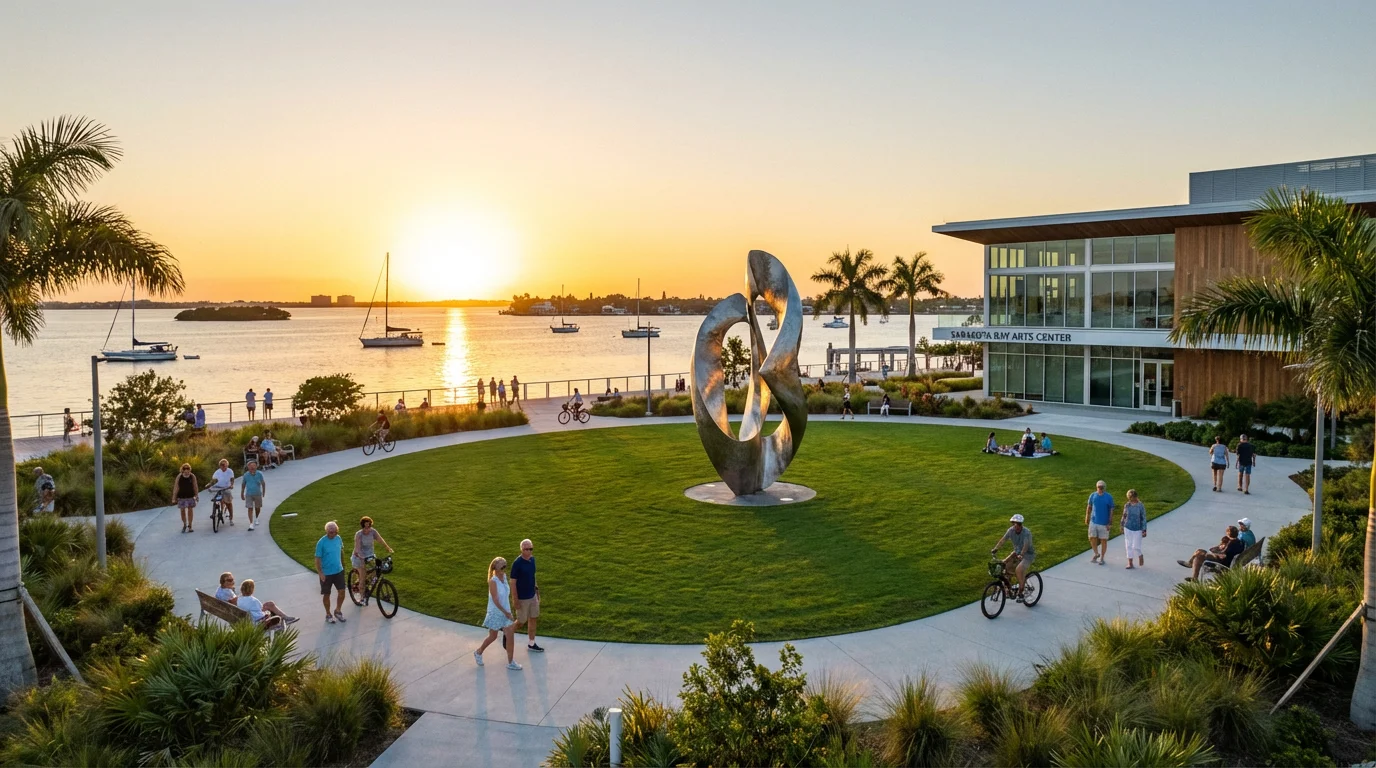
Sarasota, Florida: Sunshine and Culture
Sarasota, located on Florida’s Gulf Coast, attracts retirees with its vibrant arts scene, beautiful beaches, and warm climate. You find a blend of cultural sophistication and laid-back coastal living here. The city offers diverse housing options, from beachfront condos to quiet suburban homes.
The cost of living in Sarasota generally sits slightly above the national average, primarily driven by housing expenses. Median home prices typically range in the upper $400,000s, varying greatly by neighborhood and proximity to the water. Florida’s lack of state income tax makes it particularly appealing for retirees managing their budget.
Sarasota provides excellent healthcare facilities, including Sarasota Memorial Hospital, frequently ranked among the best in the state. The city also boasts numerous golf courses, performing arts venues, and botanical gardens. The average high temperature in winter months reaches the low 70s Fahrenheit, providing comfortable conditions year-round.
- Pros:
- No state income tax.
- Rich cultural scene and arts community.
- Beautiful beaches, including Siesta Key.
- Warm, sunny climate throughout the year.
- High-quality healthcare infrastructure.
- Cons:
- Higher cost of living compared to some other Florida cities.
- Potential for hurricanes during hurricane season, June through November.
- Can experience high humidity during summer months.
- Traffic congestion during peak tourist season.

Hilton Head Island, South Carolina: Golf and Lowcountry Charm
Hilton Head Island in South Carolina defines upscale coastal retirement with its world-class golf courses, pristine beaches, and distinctive Lowcountry charm. This island community offers a relaxed pace of life, surrounded by natural beauty. You access numerous recreational activities and a strong sense of community.
The cost of living on Hilton Head is higher than the South Carolina state average, reflecting its resort status and desirability. Median home prices typically fall in the mid-$500,000s, with luxury properties exceeding that significantly. South Carolina provides a partial exemption for retirement income, making it relatively tax-friendly.
The island offers excellent medical services through Hilton Head Hospital and specialized clinics. Its climate features mild winters, with average January highs in the low 60s Fahrenheit, and warm, humid summers. The area is renowned for its golf courses, tennis facilities, and extensive network of bike paths.
- Pros:
- Mild winters and beautiful spring/fall weather.
- Exceptional golf courses and outdoor recreation.
- Relatively tax-friendly for retirement income.
- Strong community focus and active adult options.
- Stunning natural beauty and well-maintained public spaces.
- Cons:
- Higher cost of living and housing prices.
- Tourist crowds, especially during peak season.
- Vulnerability to hurricanes and tropical storms.
- Summers can be very hot and humid.

St. Augustine, Florida: Historic Beauty and Atlantic Breezes
St. Augustine, America’s oldest continuously inhabited European-established settlement, offers a retirement experience rich in history, culture, and Atlantic coast beauty. This charming city combines cobblestone streets and historic sites with easy access to beautiful beaches. You enjoy a unique blend of old-world charm and modern amenities.
When moving to a popular coastal city, evaluating the choice of renting vs. buying in retirement can help you maintain financial flexibility.
The cost of living in St. Augustine remains more affordable than many other Florida coastal cities, though housing prices have seen steady increases. Median home prices generally range in the mid-$300,000s. Like the rest of Florida, you benefit from no state income tax, making your retirement income stretch further.
Healthcare facilities, including Flagler Hospital, serve the community well. The climate features warm, humid summers and mild winters, with average January highs in the upper 60s Fahrenheit. Residents enjoy historic tours, vibrant art galleries, and proximity to Anastasia State Park for outdoor adventures.
- Pros:
- Rich history and unique cultural atmosphere.
- No state income tax.
- Beautiful Atlantic beaches.
- More affordable than some other Florida coastal areas.
- Mild winters.
- Cons:
- Tourist heavy, especially in the historic district.
- Hot and humid summers.
- Risk of hurricanes during hurricane season.
- Traffic can be challenging in peak times.

Lewes, Delaware: Quaint Charm and Tax Advantages
Lewes, Delaware, provides a charming and tranquil coastal retirement option, known for its historic downtown, scenic waterways, and proximity to Cape Henlopen State Park. This small town offers a slower pace of life, ideal for those seeking peace and natural beauty. You benefit from significant tax advantages in Delaware.
Further north, Maine retirement offers another compelling vision of coastal beauty with its rugged shorelines and quaint harbor villages.
Delaware stands out as one of the most tax-friendly states for retirees. It has no sales tax, low property taxes, and does not tax Social Security benefits. It also allows a substantial exclusion for other retirement income, such as pensions. Housing costs in Lewes are higher than the state average, with median home prices typically in the mid-$600,000s, reflecting its desirability.
Beebe Healthcare, a well-regarded medical center, serves the Lewes community. The climate features four distinct seasons, with average summer highs in the low 80s Fahrenheit and winter highs in the low 40s. Residents enjoy boating, fishing, beach activities, and exploring the town’s historic architecture.
- Pros:
- Extremely tax-friendly for retirees: no sales tax, low property taxes, no Social Security tax.
- Charming, historic small-town atmosphere.
- Beautiful beaches and state parks.
- Four distinct seasons.
- Access to excellent healthcare.
- Cons:
- Higher housing costs.
- Winters can be cold with occasional snow.
- Less bustling than larger coastal cities.
- Limited direct public transportation.

Ocean City, Maryland: Boardwalk Fun and Beach Living
Ocean City, Maryland, offers a vibrant retirement experience, especially for those who appreciate lively boardwalks, beautiful beaches, and a wide array of entertainment. While known as a popular tourist destination, it also provides a robust community for year-round residents. You find ample opportunities for activity and social engagement.
The cost of living in Ocean City is generally higher than the Maryland state average, particularly for housing, given its prime beachfront location. Median home prices often range from the mid-$300,000s for condos to over $500,000 for single-family homes, depending on proximity to the ocean. Maryland taxes Social Security benefits partially, but offers a significant exemption for other retirement income.
Healthcare services are available through Atlantic General Hospital, located nearby in Berlin. The climate features warm summers with average highs in the low 80s Fahrenheit, and moderately cold winters with occasional snowfall. Beyond the beach, residents enjoy fishing, boating, and access to numerous restaurants and events.
- Pros:
- Lively boardwalk and entertainment options.
- Beautiful, expansive beaches.
- Strong tourism infrastructure provides many amenities.
- Numerous dining and shopping choices.
- Proximity to other East Coast cities.
- Cons:
- Significant tourist crowds during summer.
- Higher cost of living and property prices.
- Winters can be quiet with many businesses closing seasonally.
- Maryland taxes a portion of Social Security benefits.

Coastal Retirement Comparison Table
This table offers a snapshot of key considerations for the featured East Coast beach towns. You can use this data to quickly compare different locations based on your primary concerns.
| Town | Median Home Price (Approx.) | Tax Friendliness | Average January High Temp | Healthcare Access |
|---|---|---|---|---|
| Sarasota, FL | $475,000 | Very Tax-Friendly (No state income tax) | 70°F | Excellent |
| Hilton Head Island, SC | $550,000 | Tax-Friendly (Partial retirement income exemption) | 60°F | Good |
| St. Augustine, FL | $375,000 | Very Tax-Friendly (No state income tax) | 68°F | Good |
| Lewes, DE | $650,000 | Extremely Tax-Friendly (No sales tax, low property tax, retirement income exemptions) | 42°F | Excellent |
| Ocean City, MD | $450,000 | Moderately Tax-Friendly (Some retirement income exemptions) | 40°F | Good |
Note: Median home prices are approximate and subject to market fluctuations. Tax friendliness refers to state-level taxes on retirement income, Social Security, and property.

Planning Your Coastal Relocation
A successful retirement relocation requires careful planning and execution. You can simplify the process by breaking it down into manageable steps. This structured approach helps ensure a smooth transition to your new coastal home.
- Assess Your Needs and Priorities: Define your ideal lifestyle, budget, climate preferences, and healthcare requirements. Consider what amenities and community features matter most to you.
- Research Potential Locations Thoroughly: Utilize online resources, retirement guides, and official government sites. Look into crime rates, local services, and senior programs.
- Visit Prospective Towns: Spend time in your top choices, ideally during different seasons. Experience the local culture, explore neighborhoods, and visit healthcare facilities.
- Consult Financial and Tax Advisors: Understand the tax implications of relocating to a new state and how it impacts your retirement income. A financial advisor can help you budget for the move and new cost of living.
- Downsize and Declutter: Begin sorting through your belongings early. Selling, donating, or discarding items you no longer need simplifies the moving process and reduces costs.
- Secure Housing: Whether buying or renting, finalize your housing arrangements before your move date. Consider connecting with a local real estate agent who understands the retirement market.
- Plan Logistics: Arrange for movers, transfer utilities, update your address with the U.S. Postal Service, and manage your medical records. The USA.gov Moving Guide offers helpful resources.
Frequently Asked Questions
What is the most affordable East Coast beach town for retirement?
Affordability varies significantly, but generally, towns in Florida like St. Augustine or certain inland-adjacent communities in the Carolinas can offer a lower cost of living compared to parts of the Northeast. Housing prices are the biggest variable, so comparing specific neighborhoods is essential.
Which East Coast states are most tax-friendly for retirees?
Florida and Delaware consistently rank among the most tax-friendly states for retirees on the East Coast. Florida has no state income tax, while Delaware offers no sales tax, low property taxes, and significant exclusions for retirement income and Social Security benefits.
How important is healthcare access when choosing a coastal retirement location?
Healthcare access is critically important. You should research the quality and proximity of hospitals, specialists, and long-term care facilities. Check if your preferred healthcare providers are within a reasonable distance and if the area has a good network of doctors accepting new patients. AARP’s Livable Communities initiative offers insights into community support for seniors.
Do East Coast beach towns experience hurricane seasons?
Yes, many East Coast beach towns, particularly from Florida up through the Mid-Atlantic, are susceptible to hurricane activity from June 1 to November 30. You should research a town’s hurricane preparedness, evacuation routes, and insurance considerations. The National Weather Service provides hurricane safety information.
Are 55+ communities common in East Coast beach towns?
Yes, many East Coast beach towns and their surrounding areas feature a variety of 55+ communities and active adult developments. These communities often offer amenities like clubhouses, pools, and organized activities, catering specifically to the needs and interests of retirees. You can find options ranging from independent living to communities with more support services.
The East Coast offers a diverse array of coastal towns, each with its unique advantages for retirees. Your ideal destination depends entirely on your personal preferences, financial situation, and lifestyle aspirations. By carefully considering all factors, you can find a beautiful and fulfilling place to enjoy your retirement years by the sea.
Disclaimer: This article is for informational purposes only. Cost of living, taxes, and local conditions change over time. We encourage readers to verify current information through official sources and visit potential retirement destinations before making relocation decisions.









Leave a Reply