

Florida consistently ranks among the most popular states for retirement, attracting thousands of new residents each year. Known for its warm climate, diverse landscapes, and favorable tax policies, the Sunshine State offers a unique blend of lifestyle options for retirees. Understanding what Florida provides requires a look at its practical aspects, from daily costs to community living.
This comprehensive guide explores the key factors you need to consider when planning your Florida retirement. We provide actionable insights to help you determine if Florida aligns with your lifestyle and financial goals. You will find details on cost of living, tax implications, healthcare access, and popular destinations.
Table of Contents
- The Allure of the Sunshine State
- Understanding Florida’s Cost of Living
- Florida Taxes for Retirees
- Climate and Weather Considerations
- Healthcare Access and Quality
- Top Retirement Destinations in Florida
- Navigating 55+ Communities and Housing Options
- Relocation Planning: Your Next Steps
- Pros and Cons of Florida Retirement
- Frequently Asked Questions

The Allure of the Sunshine State
Florida’s appeal for retirees stems from a combination of factors that enhance quality of life. The state boasts an abundance of outdoor activities, cultural events, and social opportunities. Many retirees find a strong sense of community here, particularly in age-restricted developments.
Warm weather year-round allows for consistent engagement in golf, fishing, boating, and beach activities. The state’s extensive coastline offers diverse environments, from the Gulf Coast’s calm waters to the Atlantic’s vibrant shores. This consistent outdoor access contributes significantly to resident well-being.
“The best time to plant a tree was 20 years ago. The second best time is now.” — Chinese Proverb

Understanding Florida’s Cost of Living
The question, “How much does it cost to retire comfortably in Florida?” often drives initial research. While Florida can offer an affordable lifestyle compared to some Northeast or West Coast states, costs vary significantly by region. Major metropolitan areas like Miami or Fort Lauderdale typically have higher expenses than smaller towns or the Panhandle.
Housing represents the largest portion of your budget. The median home price in Florida was approximately $405,000 in early 2024, according to the Florida Realtors Association. This figure can fluctuate, with some areas far exceeding or falling below this average. Rent for a one-bedroom apartment in a city like Orlando might average around $1,800 per month, while a similar unit in a less populous area could be under $1,200.
The Bureau of Labor Statistics provides detailed consumer expenditure data, indicating typical costs for housing, transportation, food, and healthcare. You can use these national averages as a baseline for comparison. Your personal spending habits will ultimately define your specific cost of living in Florida.
Typical Monthly Expenses in Florida (Estimated)
| Expense Category | Low Estimate (Smaller Towns) | High Estimate (Major Cities) |
|---|---|---|
| Housing (Mortgage/Rent) | $1,200 | $2,500+ |
| Utilities | $150 | $250 |
| Groceries | $400 | $600 |
| Transportation | $100 | $250 |
| Healthcare (Out-of-Pocket) | $150 | $300 |
| Miscellaneous | $300 | $700+ |
| Total Monthly Estimate | $2,300 | $4,600+ |
These figures are estimates; your actual costs will depend on your chosen location, lifestyle, and individual needs. Factoring in property taxes, insurance, and potential HOA fees is crucial for an accurate budget.

Florida Taxes for Retirees
Florida is well-known for its tax-friendly environment, a significant draw for many retirees. The state has no individual income tax, meaning your Social Security benefits, pension income, and income from IRAs or 401(k)s remain untaxed at the state level. This policy directly increases your disposable income, making Florida retirement more appealing financially.
While Florida taxes do not include income tax, property taxes constitute a major revenue source for local governments. Property tax rates vary significantly by county and municipality. The average effective property tax rate in Florida is around 0.98% of a home’s assessed value, though it can range from below 0.7% to over 1.2% in different areas. Homestead exemptions can reduce your taxable value if the property is your primary residence.
Florida also imposes a state sales tax of 6%, with counties adding their own surtaxes, bringing the combined rate up to 7.5% in some areas. There are no inheritance or estate taxes at the state level. These tax structures can provide substantial savings for retirees compared to states with high income or estate taxes. You can explore detailed tax information on the Tax Foundation website.

Climate and Weather Considerations
The Sunshine State lives up to its name, offering abundant sunshine throughout the year. Most of Florida experiences a humid subtropical climate, characterized by warm, humid summers and mild, dry winters. South Florida, including areas like Miami and Naples, has a tropical climate.
Seasonal Weather Overview
- Winters (December-February): Mild and pleasant, with average temperatures ranging from 50s-70s Fahrenheit. Ideal for outdoor activities.
- Spring (March-May): Warm and relatively dry, with rising temperatures into the 70s and 80s. Blooming flowers and comfortable conditions prevail.
- Summers (June-August): Hot and very humid, with daily highs often in the 90s Fahrenheit. Frequent afternoon thunderstorms provide brief relief from the heat.
- Autumn (September-November): Warm temperatures continue, gradually decreasing into the 70s and 80s. Humidity levels begin to drop.
One critical consideration for Florida retirement is hurricane season, which runs from June 1 to November 30. While direct hits are infrequent in any single location, preparing for potential storms is essential. This involves securing your home, understanding evacuation routes, and having an emergency plan. You can monitor weather patterns through the National Weather Service.
Managing the summer heat and humidity is also important. Many retirees adapt by staying indoors during the hottest parts of the day, utilizing air conditioning, and enjoying pools or coastal breezes. Your comfort with warm weather and storm preparedness will significantly influence your experience.

Healthcare Access and Quality
Access to quality healthcare is a paramount concern for retirees, and Florida offers a robust system. The state boasts numerous hospitals, specialized medical centers, and a high concentration of physicians, particularly in major metropolitan areas and popular retirement communities. Cities like Gainesville, Orlando, Tampa, and Miami are home to nationally recognized medical facilities and research institutions.
Finding doctors and specialists is generally straightforward, especially in populated regions. You should verify that your preferred providers accept your Medicare or private insurance plans. Many hospitals and clinics cater specifically to the senior population, offering specialized services and programs.
Florida’s strong medical infrastructure includes various options for long-term care, assisted living facilities, and in-home care services. These resources are critical for future planning and ensuring comprehensive support as needs evolve. Comparing healthcare options is easy through the official Medicare.gov website.
Healthcare Access Considerations
- Hospital Systems: Major networks like AdventHealth, HCA Florida Healthcare, and UF Health have extensive reach across the state.
- Specialized Care: Access to cardiology, oncology, orthopedics, and other specialties is readily available in urban centers.
- Rural Access: While urban areas excel, some rural parts of Florida may have fewer immediate healthcare options, necessitating travel for specialized treatment.
- Medicare Advantage Plans: Many private insurance companies offer Medicare Advantage plans in Florida, often including additional benefits like dental or vision.
- Long-Term Care: A wide array of nursing homes, assisted living facilities, and memory care units are available, particularly in areas with large senior populations.
Top Retirement Destinations in Florida
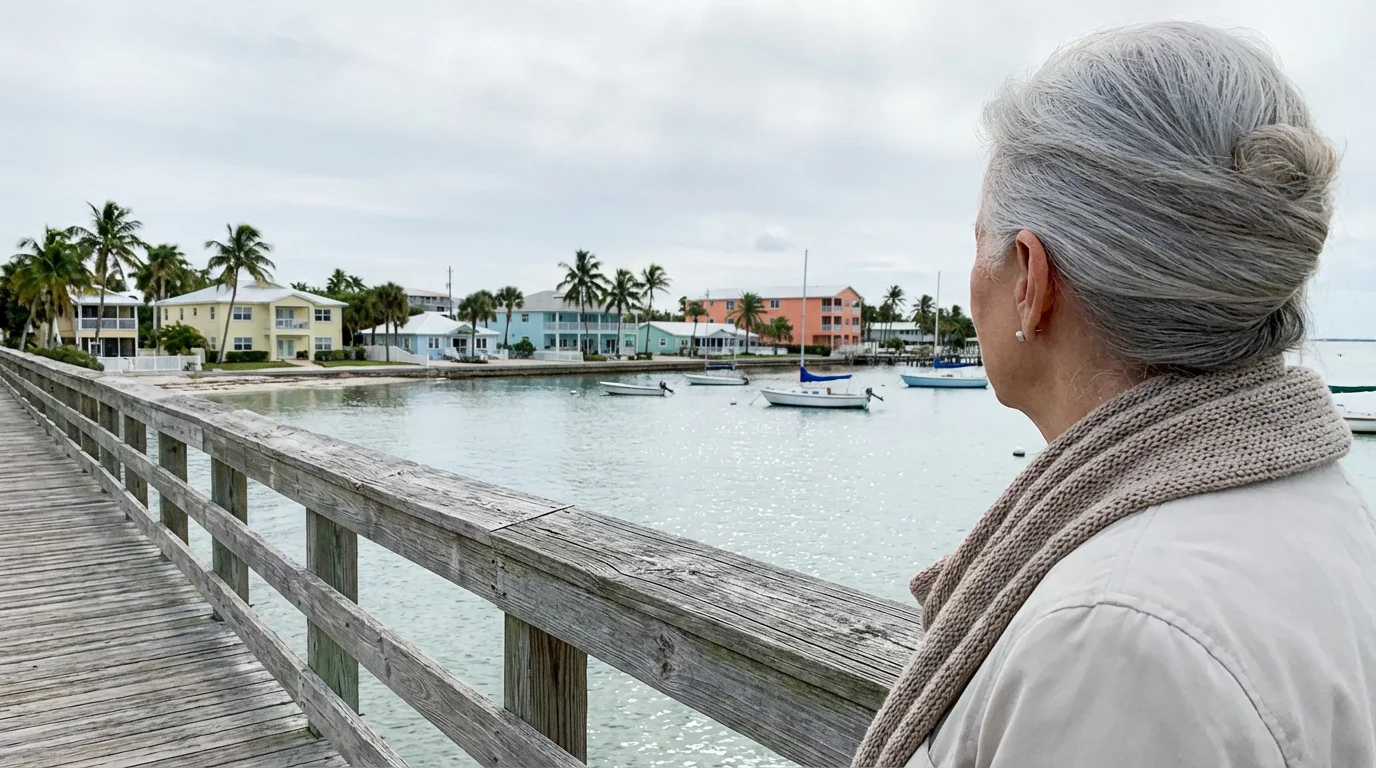
When considering Florida retirement, your preferences will guide your choice of location. Florida offers a wide spectrum of environments, from bustling cities to quiet coastal towns and vibrant 55+ communities. What are the best retirement communities in Florida? That depends on your ideal lifestyle.
Popular Regions and Cities:
- Southwest Florida (Naples, Fort Myers, Sarasota): Known for beautiful beaches, upscale living, and cultural attractions. Naples offers luxury and fine dining, while Sarasota is a hub for arts and culture. Fort Myers provides a more relaxed atmosphere with access to the Gulf.
- Southeast Florida (Miami, Fort Lauderdale, Palm Beach): Offers a fast-paced, cosmopolitan lifestyle with diverse cultural influences, vibrant nightlife, and high-end shopping. Ideal for those seeking urban amenities and international flair.
- Central Florida (Orlando, Lakeland, The Villages): Orlando is famous for theme parks and tourist attractions, but also has growing medical and tech industries. Lakeland offers a more suburban feel. The Villages is a massive, self-contained 55+ community providing extensive amenities and activities.
- Tampa Bay Area (Tampa, St. Petersburg, Clearwater): Combines urban excitement with beautiful beaches. St. Petersburg is known for its arts scene and waterfront. Tampa offers a dynamic job market and sports culture. Clearwater boasts some of the nation’s top beaches.
- Northeast Florida (Jacksonville, St. Augustine): Jacksonville is the largest city by land area in the contiguous U.S., offering urban amenities and a lower cost of living than South Florida. St. Augustine is rich in history and charm, with a more relaxed pace.
- Florida Panhandle (Pensacola, Destin, Panama City): Features white sand beaches and emerald waters, a more Southern feel, and generally a lower cost of living. Ideal for those seeking a quieter, coastal lifestyle.
Each region presents a distinct character, housing market, and community vibe. Researching specific areas and visiting them firsthand can provide invaluable perspective. Consider factors like proximity to family, recreational interests, and preferred climate within the state.

Navigating 55+ Communities and Housing Options
Florida leads the nation in the sheer number and variety of 55+ communities. These age-restricted developments cater specifically to retirees, offering amenities and social opportunities designed for active adults. Choosing the right community can significantly enhance your retirement experience.
Types of 55+ Communities:
- Active Adult Communities: Focus on recreation, social events, and amenities like golf courses, clubhouses, fitness centers, and swimming pools. Examples include The Villages, On Top of the World, and Sun City Center.
- Independent Living Communities: Offer private residences with supportive services such as meal preparation, housekeeping, transportation, and social programs. Residents maintain independence with convenience.
- Assisted Living Facilities (ALFs): Provide personal care support for residents who need help with daily activities like bathing, dressing, and medication management. They offer a balance of independence and assistance.
- Continuing Care Retirement Communities (CCRCs): Offer a full continuum of care, from independent living to assisted living and skilled nursing care, all on one campus. This provides security and peace of mind for future needs.
Beyond 55+ communities, Florida offers traditional housing options including single-family homes, condominiums, and townhouses. Coastal properties command premium prices, while homes inland or in less populated counties may be more affordable. Consider the impact of Homeowners Association (HOA) fees in planned communities, as these can add substantially to your monthly expenses but often cover maintenance and amenities.
The housing market in Florida remains competitive in many areas, reflecting its popularity. Working with a local real estate agent who specializes in retirement properties can help you navigate options effectively.

Relocation Planning: Your Next Steps
Relocating for retirement involves more than just picking a spot on a map. A well-organized plan ensures a smoother transition. Start early to manage the process effectively and reduce stress.
Practical Relocation Steps:
- Define Your Priorities: List your must-haves for climate, cost of living, amenities, healthcare, and proximity to family. This clarifies your search.
- Research Locations Thoroughly: Use online resources, read guides, and join forums to gather information. Focus on specific neighborhoods or communities that match your criteria.
- Visit Prospective Areas: Spend extended time in potential retirement spots during different seasons. This gives you a realistic feel for daily life and weather conditions.
- Budget Accurately: Create a detailed budget that accounts for housing, utilities, property taxes, insurance, food, transportation, healthcare, and leisure. Factor in moving costs.
- Sell or Rent Your Current Home: Decide whether to sell your existing home or keep it as a rental property. Consult with real estate professionals for market insights.
- Downsize and Declutter: Begin sorting through possessions early. Decide what to move, donate, sell, or discard. This streamlines packing and reduces moving expenses.
- Arrange for Movers: Get quotes from several reputable moving companies. Consider insurance for your belongings. For long-distance moves, book well in advance.
- Update Important Documents: Change your address for mail, banking, insurance, and government agencies. Update your driver’s license and vehicle registration.
- Find New Healthcare Providers: Research doctors, dentists, and specialists in your new area. Transfer medical records and prescriptions before you move.
- Build a New Support Network: Actively seek out social groups, clubs, and volunteer opportunities in your new community. This helps you integrate and build friendships.

Pros and Cons of Florida Retirement
Florida offers distinct advantages, but also presents some challenges. Understanding both sides helps you make an informed decision for your ideal Florida retirement.
Pros of Retiring in Florida:
- No State Income Tax: Significant financial benefit for retirees as pensions, Social Security, and IRA distributions are untaxed at the state level.
- Warm Climate: Abundant sunshine and mild winters allow for year-round outdoor activities and escape from colder climates.
- Diverse Lifestyle Options: Offers everything from bustling cities to quiet beach towns and vibrant 55+ communities.
- Abundant Recreational Activities: Extensive options for golf, fishing, boating, beaches, theme parks, and cultural events.
- Strong Healthcare Infrastructure: Numerous hospitals, specialized medical centers, and a high concentration of healthcare providers.
- Large Senior Population: Easy to find social groups and communities with shared interests and experiences.
Cons of Retiring in Florida:
- High Humidity and Heat: Summers can be intensely hot and humid, potentially uncomfortable for those not accustomed to it.
- Hurricane Risk: The state is susceptible to hurricanes and tropical storms, requiring preparedness and insurance considerations.
- Rising Housing Costs: Popular areas can have competitive and expensive housing markets, impacting affordability.
- Crowds and Tourism: Major attractions and popular areas can experience significant crowds, especially during peak season.
- Property Insurance Costs: Homeowners insurance can be expensive, particularly for coastal properties, due to hurricane risks.
- Traffic Congestion: Densely populated areas and tourist zones often experience heavy traffic.
Frequently Asked Questions
How much does it cost to retire comfortably in Florida?
The cost varies greatly by location and lifestyle. A comfortable retirement might range from $2,300 per month in a smaller town to $4,600+ in a major city, excluding one-time relocation expenses. Housing is the largest factor, with median home prices around $405,000 statewide. Your personal budget should account for local property taxes, insurance, and daily expenditures.
What are the best retirement communities in Florida?
The “best” community depends on your preferences. Popular options include The Villages for expansive amenities, Sun City Center for active adult living, and communities in Naples or Sarasota for upscale lifestyles. Research communities based on your desired activities, budget, and access to services.
Is Florida a tax-friendly state for retirees?
Yes, Florida is highly tax-friendly. The state has no individual income tax, meaning your Social Security benefits, pension income, and retirement account withdrawals are not taxed at the state level. However, you will pay property taxes, which vary by location, and a state sales tax of 6% plus local surtaxes.
What are the major climate considerations for Florida retirement?
Florida offers warm, sunny weather year-round, ideal for outdoor activities. However, summers are hot and humid with frequent afternoon thunderstorms. The state also experiences an annual hurricane season from June to November. Planning for heat management and storm preparedness is essential.
How accessible is healthcare in Florida for seniors?
Healthcare access is generally excellent, particularly in urban centers and popular retirement areas. Florida has numerous hospitals, specialized medical centers, and a high concentration of doctors. Many facilities cater to seniors, and various Medicare Advantage plans are available. Rural areas might have fewer immediate options.
Disclaimer: This article is for informational purposes only. Cost of living, taxes, and local conditions change over time. We encourage readers to verify current information through official sources and visit potential retirement destinations before making relocation decisions.









Leave a Reply