

Planning a retirement move marks a significant milestone, offering the promise of new beginnings, a fresh environment, and exciting opportunities. For many Americans aged 55 and over, this transition represents a chance to embrace a lifestyle long envisioned. However, with any major life change involving substantial assets, the risk of falling victim to financial deception increases. You must remain vigilant against potential retirement scams and moving fraud, ensuring your financial security throughout this exciting process.
This comprehensive guide delivers practical, actionable insights designed to equip you with the knowledge needed to identify, avoid, and respond to common financial threats during your relocation. We support these claims with concrete examples and provide clear steps you can take to protect your hard-earned savings. Protecting your money during a move is paramount, and understanding what scams should retirees watch out for helps you navigate your relocation with confidence and peace of mind.
Table of Contents
- The Lure of New Beginnings and Hidden Dangers
- Understanding Common Retirement Relocation Scams
- Identifying Red Flags: How to Spot a Scam
- Safeguarding Your Move: Choosing Reputable Services
- Protecting Your Personal and Financial Information
- Before You Move: Financial Preparation and Due Diligence
- What to Do If You Suspect a Scam
- Frequently Asked Questions

The Lure of New Beginnings and Hidden Dangers
Retirement often brings significant life changes, including the decision to relocate to a new community or state. This exciting prospect can involve selling a long-time home, purchasing a new one, and moving personal belongings. The process requires substantial financial transactions, making it an attractive target for individuals intent on committing retirement scams.
Criminals frequently target older adults, often perceiving them as having accumulated wealth and being less tech-savvy. They exploit the emotional and logistical complexities of moving, preying on vulnerabilities like unfamiliarity with a new area, the stress of selling a home, or the desire for a seamless transition. Staying informed about these risks empowers you to maintain your financial security.
“Knowledge is power, especially when it comes to protecting yourself from fraud. Scammers thrive on misinformation and urgency, so taking the time to educate yourself is your best defense.”

Understanding Common Retirement Relocation Scams
Scammers employ various tactics to defraud retirees during a move. Knowing the specific types of moving fraud helps you recognize threats before they impact your finances. Here are several prevalent retirement scams to watch out for:
- Moving Company Fraud: This scam often involves rogue movers providing a low-ball estimate, then holding your belongings hostage until you pay an inflated price. They may demand large upfront deposits, fail to provide proper documentation, or deliver your items damaged or incomplete. Some fraudulent companies vanish with your possessions entirely.
- Real Estate Scams: As you search for a new home, you might encounter fake rental listings or properties that do not exist. Scammers post attractive listings at below-market rates, pressure you for application fees or security deposits, and then disappear. Additionally, they might impersonate real estate agents or property owners to gain access to your financial details or make you sign fraudulent contracts.
- Investment Scams Related to Relocation: Some scammers offer “exclusive” investment opportunities in your new retirement community, promising high returns with little risk. These schemes might involve undeveloped land sales, speculative housing projects, or private placements. They often pressure you to invest quickly before you have time to conduct due diligence, leading to significant financial losses.
- Identity Theft During a Move: Changing addresses, setting up new utilities, and transferring financial accounts create opportunities for identity theft. Unsecured mail, discarded documents, or phishing attempts related to your move can expose your personal information. Criminals then use this data to open new accounts, make unauthorized purchases, or access existing funds.
- Utility Hookup Scams: Upon moving to a new area, you will need to establish utility services. Scammers may call or email, impersonating utility companies and demanding immediate payment for supposed overdue bills or connection fees. They threaten service disconnection if you do not comply, aiming to steal your money or banking information.
- Advance Fee Scams: This type of scam might appear as an offer for assistance with moving expenses or a grant for senior citizens, but it requires an upfront payment to “release” the funds. The promised financial aid never materializes after you pay the fee. This scheme frequently targets those looking for financial relief during the costly relocation process.
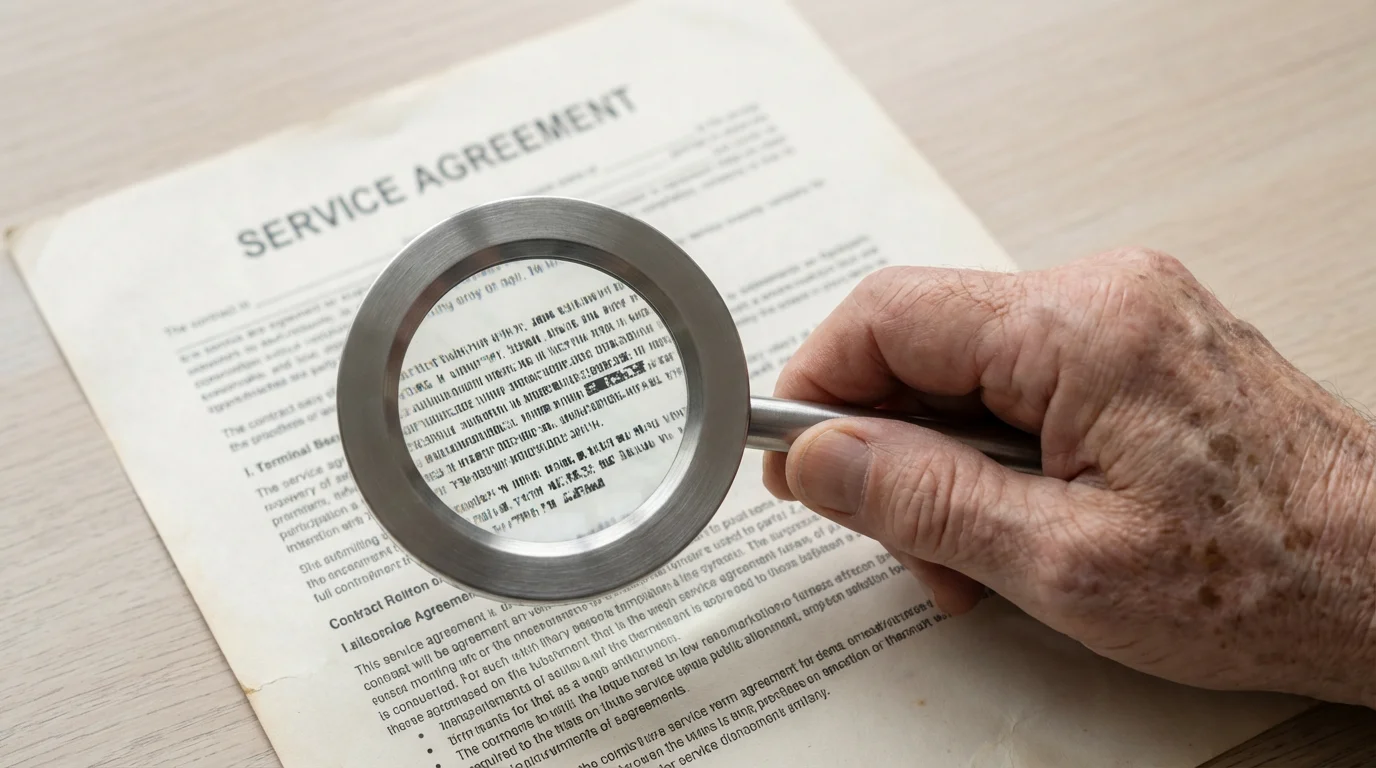
Identifying Red Flags: How to Spot a Scam
Vigilance is your strongest defense against retirement scams. Recognizing the warning signs can help you avoid potential fraud before it escalates. Pay close attention to these common red flags:
- Aggressive Sales Tactics or Pressure: Scammers often create a sense of urgency, pressuring you to make quick decisions. They might say an offer is only valid “today” or threaten immediate consequences if you delay. Reputable businesses allow ample time for you to review information and make informed choices.
- Demands for Upfront Payments or Unusual Payment Methods: Be wary if a company or individual demands a large upfront deposit, especially if they request payment in cash, wire transfers, gift cards, or cryptocurrency. These payment methods are difficult to trace and recover. Legitimate businesses typically accept credit cards or checks and require minimal upfront deposits for services.
- Too-Good-To-Be-True Offers: If an offer seems unbelievably good, it probably is. This applies to rental prices far below market value, investment opportunities promising guaranteed high returns, or moving quotes significantly lower than competitors. Always research comparable rates and opportunities.
- Lack of Professionalism or Documentation: A legitimate business provides clear contracts, written estimates, and proper licensing information. Be suspicious of vague agreements, handwritten documents, or a refusal to provide references or proof of insurance. A reputable moving company, for instance, should have a U.S. Department of Transportation (DOT) number.
- Unsolicited Contact: While some unsolicited contact is normal, be cautious of unexpected calls, emails, or visits offering services related to your move. Scammers often initiate contact with pre-filled information, trying to gain your trust and exploit your moving plans. Verify any unsolicited offers independently.
- Generic or Poorly Written Communications: Phishing emails or scam websites often contain grammatical errors, misspellings, or generic salutations instead of your name. These details signal a lack of professionalism and indicate a potential scam. Always scrutinize the sender’s email address or the website URL.

Safeguarding Your Move: Choosing Reputable Services
Your financial security depends on selecting trustworthy professionals for your retirement relocation. Diligently vetting every service provider is a critical step in preventing moving fraud and other retirement scams. Follow these steps to ensure you choose reliable partners:
- Research Moving Companies:
- Obtain at least three written estimates from different licensed and insured moving companies.
- Check their registration with the Federal Motor Carrier Safety Administration (FMCSA) if moving interstate, or with your state’s consumer affairs agency for intrastate moves. You can verify a mover’s DOT number on the FMCSA website.
- Read reviews on independent consumer protection sites. Pay attention to consistent complaints about hidden fees or damaged goods.
- Avoid movers who provide estimates over the phone without an in-home inspection.
- Select a Qualified Real Estate Agent:
- Work with a licensed real estate agent who specializes in retirement communities or the specific area you are moving to.
- Verify their license through your state’s real estate commission.
- Ask for references from previous clients and check online reviews.
- Do not share financial information until you have a signed agency agreement and verified their identity.
- Consult a Trusted Financial Advisor:
- If relocating involves significant asset transfers or new investments, consult a certified financial planner.
- Ensure your advisor is a fiduciary, meaning they are legally obligated to act in your best financial interest.
- Verify their credentials with the SEC (Securities and Exchange Commission) or FINRA (Financial Industry Regulatory Authority).
- Vet Local Service Providers:
- For services like home repairs, cleaning, or landscaping in your new location, ask for referrals from your real estate agent or new neighbors.
- Check online reviews and ensure contractors are licensed and insured before hiring them.
- Never pay for the full service upfront; agree on a payment schedule tied to completed work milestones.

Protecting Your Personal and Financial Information
A move involves sharing sensitive data, making you more vulnerable to identity theft and financial fraud. Implementing robust security measures helps protect your money during a move. Consider these essential practices:
- Secure Mail and Address Changes:
- File an official change of address with the U.S. Postal Service well in advance.
- Consider using a postal forwarding service or temporarily holding your mail until you are settled.
- Update your address with banks, investment firms, Medicare.gov, and other essential service providers directly. Avoid relying on third parties to manage these changes.
- Shred old financial documents, utility bills, and anything containing personal information before discarding them. Do not simply throw them in the trash.
- Online Security Best Practices:
- Use strong, unique passwords for all online accounts related to your move, including email, banking, and utility portals. Consider using a password manager.
- Enable two-factor authentication (2FA) wherever possible. This adds an extra layer of security, requiring a code from your phone in addition to your password.
- Be wary of phishing emails or texts pretending to be from moving companies, banks, or utility providers. Always verify the sender and never click on suspicious links. Type website addresses directly into your browser.
- When booking services online, ensure the website address begins with “https://” indicating a secure connection.
- Manage Financial Accounts Carefully:
- Notify your bank and credit card companies of your upcoming move and new address. This helps prevent fraud alerts when legitimate transactions occur in a new location.
- Limit the number of financial documents you physically transport during the move. Consider transferring funds electronically after verifying the recipient.
- Review your bank and credit card statements regularly for any unauthorized activity, both before and after your move. Report discrepancies immediately.
- Control Access to Your Information:
- Be selective about who has access to your new address, especially during the initial stages.
- If hiring help to pack, supervise their work or use a reputable, bonded company to minimize theft risk.
- Ensure your computer and mobile devices are password-protected and that their software is up to date with the latest security patches.

Before You Move: Financial Preparation and Due Diligence
Proactive financial planning and thorough due diligence significantly reduce your exposure to retirement scams. Taking these steps before you even pack a box creates a stronger defense against moving fraud.
- Create a Detailed Moving Budget:
- Account for all potential costs, including moving services, temporary housing, new furniture, utility setup fees, and potential repairs.
- Compare your moving quotes to identify any outliers that seem suspiciously low or high.
- Allocate an emergency fund for unexpected expenses, which helps avoid desperation that scammers might exploit.
- Verify Property Ownership and Legality:
- If purchasing a home, work with a reputable real estate attorney in the new state to review all contracts and ensure clear title.
- For rentals, never sign a lease or send money without physically seeing the property or having a trusted representative view it.
- Confirm the property owner’s identity through public records before transferring any funds.
- Secure New Banking Relationships:
- Research banks in your new location and consider opening a new account there before your move. This allows for a smoother transition for local transactions and utility payments.
- Transfer funds incrementally, especially large sums, rather than all at once.
- Understand New State Laws and Taxes:
- Research the tax laws of your new state, including income tax, property tax, and sales tax. Websites like the Tax Foundation provide valuable insights.
- Understand any specific regulations related to vehicle registration, professional licenses, or senior benefits in your new state.
- Consult Legal Counsel:
- For complex moves involving trusts, estates, or significant asset transfers, consult an attorney specializing in elder law or estate planning.
- They can help you update wills, powers of attorney, and other legal documents to comply with your new state’s laws.

What to Do If You Suspect a Scam
Despite your best efforts, you might still encounter a scam attempt or even fall victim to one. Knowing the immediate steps to take can minimize financial damage and help bring perpetrators to justice. Act quickly if you suspect moving fraud or any retirement scams.
- Stop All Contact: Immediately cease all communication with the suspected scammer. Do not respond to calls, emails, or texts. Block their numbers and email addresses.
- Gather Evidence: Collect all relevant information, including names, phone numbers, email addresses, website links, transaction details, and any correspondence. This evidence will be crucial for reporting the scam.
- Notify Your Bank and Credit Card Companies: If you provided bank account or credit card information, or if you sent money, contact your financial institutions immediately. Explain the situation and ask them to halt payments, freeze accounts, or reverse transactions if possible. You can also place fraud alerts on your credit reports.
- Report to the Authorities:
- Federal Trade Commission (FTC): Report all types of scams to the FTC at ReportFraud.ftc.gov. The FTC gathers these reports to investigate and stop fraudulent activities.
- FBI (for internet crimes): If the scam involved the internet, report it to the FBI’s Internet Crime Complaint Center (IC3) at IC3.gov.
- State Consumer Protection Agency: Contact your state’s attorney general’s office or consumer protection division. They can provide guidance specific to your state’s laws and resources.
- Better Business Bureau (BBB): File a complaint with the BBB, especially if the scam involves a business like a moving company.
- Local Law Enforcement: If you experienced theft, property damage, or feel physically threatened, contact your local police department.
- Protect Your Identity: If you suspect identity theft, place a fraud alert or freeze your credit reports with the three major credit bureaus: Experian, Equifax, and TransUnion. Visit IdentityTheft.gov for guidance on recovery steps.
- Inform Others: Share your experience with friends, family, and community groups to raise awareness and help prevent others from falling victim to similar schemes.
Frequently Asked Questions
What is the most common scam targeting seniors during a move?
Moving company fraud is particularly prevalent. Scammers often provide extremely low quotes, then demand significantly higher payments once your belongings are loaded onto the truck or are in transit. They may hold your possessions hostage until you pay the inflated fee, causing immense stress and financial burden during your retirement move.
How can I verify a moving company’s legitimacy?
Always check if interstate movers are registered with the Federal Motor Carrier Safety Administration (FMCSA) and have a valid U.S. DOT number. You can search their database online. For local moves, check your state’s consumer protection agency. Look for a physical address, read independent reviews, and ask for proof of insurance and licensing.
Should I pay a large deposit for moving services?
No. Reputable moving companies typically require minimal or no upfront deposits. If a company demands a large deposit, especially in cash, via wire transfer, or gift cards, consider it a major red flag. Most legitimate movers accept payment upon delivery, or a small percentage upfront to secure the booking.
What financial information should I avoid sharing during a move?
You should never share your full bank account numbers, social security number, or credit card PINs with anyone unless absolutely necessary and through a verified, secure channel. Be cautious about providing even partial financial details to unverified sources, as this information can be used for identity theft and other retirement scams.
What if I suspect I have given money to a scammer?
Contact your bank or credit card company immediately to report the fraudulent transaction. They may be able to stop or reverse the payment. Then, report the scam to the Federal Trade Commission (FTC) at ReportFraud.ftc.gov and, if it involved the internet, to the FBI’s Internet Crime Complaint Center (IC3.gov). The faster you act, the better your chances of recovery.
Disclaimer: This article is for informational purposes only. Cost of living, taxes, and local conditions change over time. We encourage readers to verify current information through official sources and visit potential retirement destinations before making relocation decisions.









Leave a Reply