

Selling your home as you approach retirement marks a significant life transition. This decision often involves relocating to a new, perhaps smaller, home in a different area or a community designed for active adults. Maximizing your home’s sale price directly impacts your financial comfort and flexibility in your retirement years. Smart home renovation projects offer an excellent way to increase your property’s market value, ensuring you receive the best possible return on investment (ROI). You want to invest your time and money wisely, focusing on improvements that genuinely attract buyers and translate into a higher sale price.
This guide provides practical, actionable insights into home renovation projects that deliver the best ROI, helping you prepare your home for a successful sale. We focus on strategic upgrades that appeal to a broad range of buyers without overspending.
Table of Contents
- Understanding Return on Investment in Home Sales
- Essential Updates with High Return
- Strategic Renovations for Maximum Appeal
- Maintenance and Minor Fixes: The Unsung Heroes
- Projects to Approach with Caution
- Planning Your Renovation Project
- Final Touches for a Seamless Sale
- Frequently Asked Questions

Understanding Return on Investment in Home Sales
Return on investment for home renovations refers to the percentage of your project cost that you recoup in your home’s sale price. You spend money on an upgrade, and a portion of that expenditure adds to your home’s market value. Different projects yield vastly different returns, making strategic choices crucial when preparing for retirement.
Your goal is to enhance your home’s appeal and functionality without over-improving for your neighborhood or personalizing to an extent that alienates potential buyers. For retirees, every dollar counts, so focusing on high-ROI projects means more equity to fund your next chapter. Consider renovations that address common buyer desires, enhance curb appeal, and improve the home’s overall condition.
Factors influencing ROI include your home’s current condition, the specific local real estate market, and the quality of the renovation work. A minor kitchen remodel in a competitive market might offer a higher ROI than the same project in a slow market. Always research local trends and consult with a real estate professional before committing to major renovations.

Essential Updates with High Return
Several renovation projects consistently rank high for their ability to deliver strong returns. These often involve updating key areas that buyers scrutinize most: kitchens and bathrooms. You do not need to undertake a complete overhaul; strategic, minor improvements often yield the best results.
Minor Kitchen Remodel
A minor kitchen remodel typically involves updating existing elements rather than tearing everything out. You can replace cabinet fronts, upgrade countertops, install a new sink and faucet, and replace older appliances with energy-efficient models. Fresh paint and updated lighting also contribute significantly to a brighter, more modern feel.
Consider painting existing cabinets, adding new hardware, and installing an inexpensive but attractive backsplash. Data consistently shows that minor kitchen remodels offer one of the highest ROIs, often recouping 70-80% or more of the project cost. Buyers value a clean, functional, and updated kitchen.
Minor Bathroom Remodel
Like kitchens, bathrooms are critical areas for buyers. A minor bathroom remodel involves updating fixtures, replacing an old vanity, re-grouting tiles, and applying a fresh coat of paint. You might also consider replacing the toilet or adding modern lighting. These changes create a cleaner, more appealing space.
Buyers often prioritize bathrooms that appear well-maintained and stylish. A minor renovation avoids the high costs of structural changes while significantly improving the room’s aesthetic. You can typically expect a return of 60-70% on your investment for these types of updates.
Curb Appeal Enhancements
Your home’s exterior makes the critical first impression. Projects that enhance curb appeal are often inexpensive yet highly effective. These include landscaping improvements, a fresh coat of exterior paint, and repairing pathways or driveways.
Focus on a neat, inviting entrance. Trim overgrown shrubs, plant colorful flowers, and ensure the lawn is well-maintained. A clean, welcoming exterior encourages potential buyers to step inside. These small efforts can dramatically influence buyer perception and often yield a strong return, sometimes exceeding 100% in perceived value.
Here is a table summarizing estimated ROI for common renovation projects. These figures represent averages and can vary based on location and specific project details.
| Renovation Project | Estimated Average ROI |
|---|---|
| Entry Door Replacement (Steel) | 60-75% |
| Garage Door Replacement | 70-85% |
| Minor Kitchen Remodel | 65-75% |
| Minor Bathroom Remodel | 60-70% |
| Deck Addition (Wood) | 50-65% |
| Curb Appeal (Landscaping, Exterior Paint) | 75-100%+ (in perceived value) |
| HVAC Replacement | 60-80% (often considered essential maintenance) |
| Attic Insulation | 80-100% (energy efficiency appeal) |
“The journey of a thousand miles begins with a single step. The journey of selling your home begins with a single upgrade.”

Strategic Renovations for Maximum Appeal
Beyond kitchens and bathrooms, certain other renovations offer solid returns by improving functionality or aesthetic appeal. These projects address common buyer concerns or add desirable features. You want to make your home feel secure, updated, and ready for its new owners.
Entry Door Replacement
Replacing your home’s entry door, especially with a steel or fiberglass model, significantly boosts curb appeal and perceived security. A new, well-maintained door immediately signals quality to prospective buyers. This relatively inexpensive upgrade often yields one of the highest ROIs due to its impact on first impressions.
A new entry door can offer a sense of modern efficiency and safety. Consider a contemporary design that complements your home’s architecture. This project consistently ranks high in cost vs. value reports, often recouping 60-75% of its cost.
Garage Door Replacement
Your garage door occupies a substantial portion of your home’s front facade. An old, dented, or noisy garage door detracts from your home’s overall appearance. Replacing it with an attractive, insulated model offers both aesthetic and practical benefits. It enhances curb appeal and provides better energy efficiency.
Buyers appreciate a functional and appealing garage door. This renovation typically delivers a strong ROI, often recovering 70-85% of the investment. It makes your home look newer and well-maintained from the street.
Deck Addition
Adding a wooden deck can greatly enhance your home’s outdoor living space, a highly desirable feature for many buyers. A deck provides an inviting area for entertaining, relaxation, and enjoying the outdoors. This addition can significantly increase your home’s overall appeal, especially in areas with mild climates.
While not always recouping 100% of its cost, a deck often adds significant perceived value and can differentiate your home in the market. You can expect an average ROI of 50-65% for a new wooden deck, making it a valuable investment if your home lacks outdoor entertaining space.
Maintenance and Minor Fixes: The Unsung Heroes
Often, the most impactful improvements are not grand renovations but rather diligent attention to maintenance and minor repairs. These “unsung heroes” prevent buyers from finding reasons to offer less. Addressing deferred maintenance and ensuring everything functions correctly builds buyer confidence and trust.
Addressing Deferred Maintenance
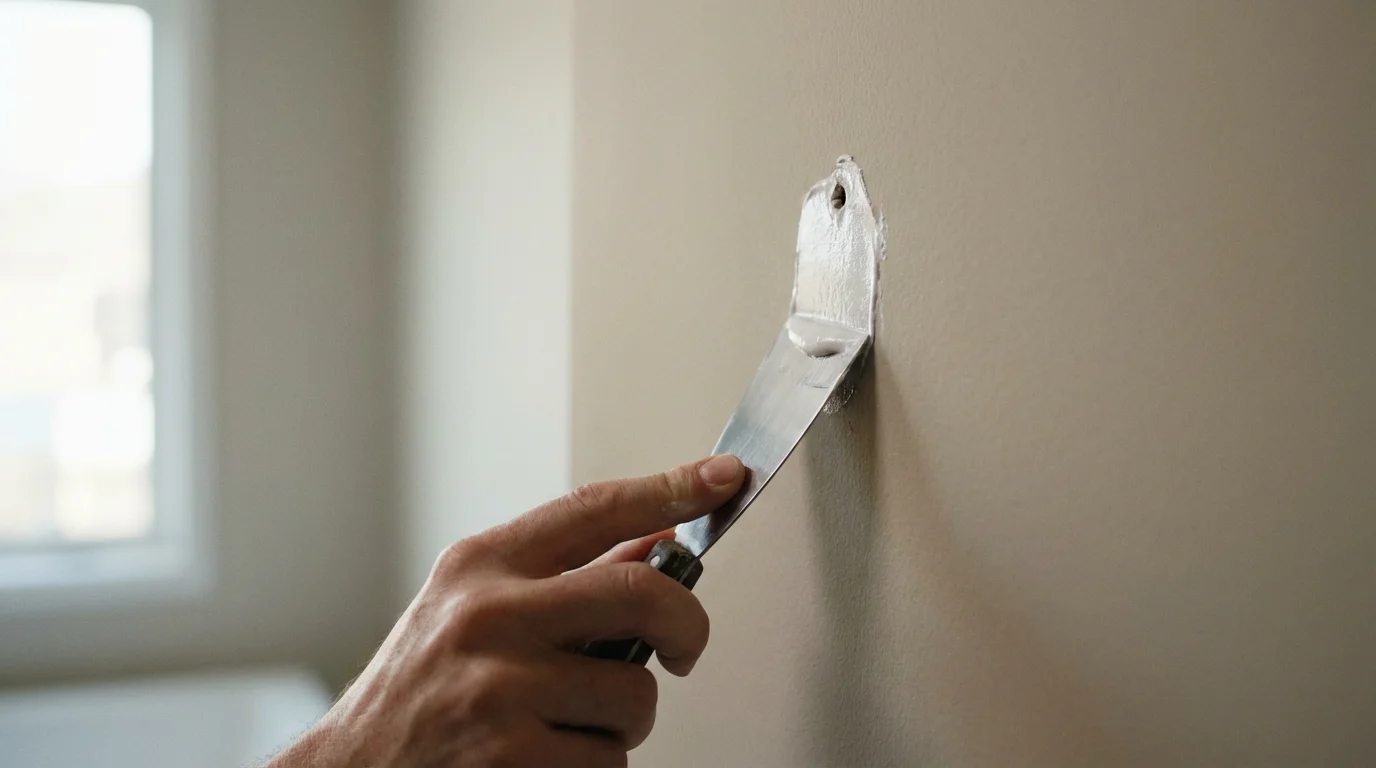
Buyers meticulously inspect homes. Leaky faucets, creaky floors, damaged drywall, and peeling paint immediately flag potential problems. Fix these issues proactively. Ensure all lights work, switches operate smoothly, and doors and windows open and close properly. A pre-inspection can help you identify these items.
Addressing these issues before listing your home prevents buyers from requesting price reductions or extensive repair credits. Spending a small amount on maintenance often saves you a larger amount during negotiations. Buyers want a home that feels move-in ready.
Fresh Paint (Interior and Exterior)
A fresh coat of neutral paint is one of the most cost-effective ways to update your home. Light, neutral colors make rooms feel larger, brighter, and more inviting. This allows potential buyers to easily envision their own furnishings and decor in the space.
For the exterior, new paint or a good power washing can dramatically improve curb appeal. This simple update can refresh your entire home’s appearance, making it seem newer and better cared for. Paint offers an excellent return on investment through increased buyer interest and perceived value.
Decluttering and Staging
While not a renovation, decluttering and staging are essential steps in preparing your home for sale. You want to present a clean, spacious, and inviting environment. Remove personal items, excess furniture, and anything that makes rooms feel cramped. Think minimal and elegant.
Staging involves arranging furniture and decor to highlight your home’s best features and create an aspirational lifestyle. Professional stagers can significantly enhance your home’s appeal, but you can achieve much yourself by focusing on cleanliness, order, and neutrality. A well-staged home photographs better and makes a stronger in-person impression. Learn more about preparing your home for sale and other homeowner resources at USA.gov.
Projects to Approach with Caution
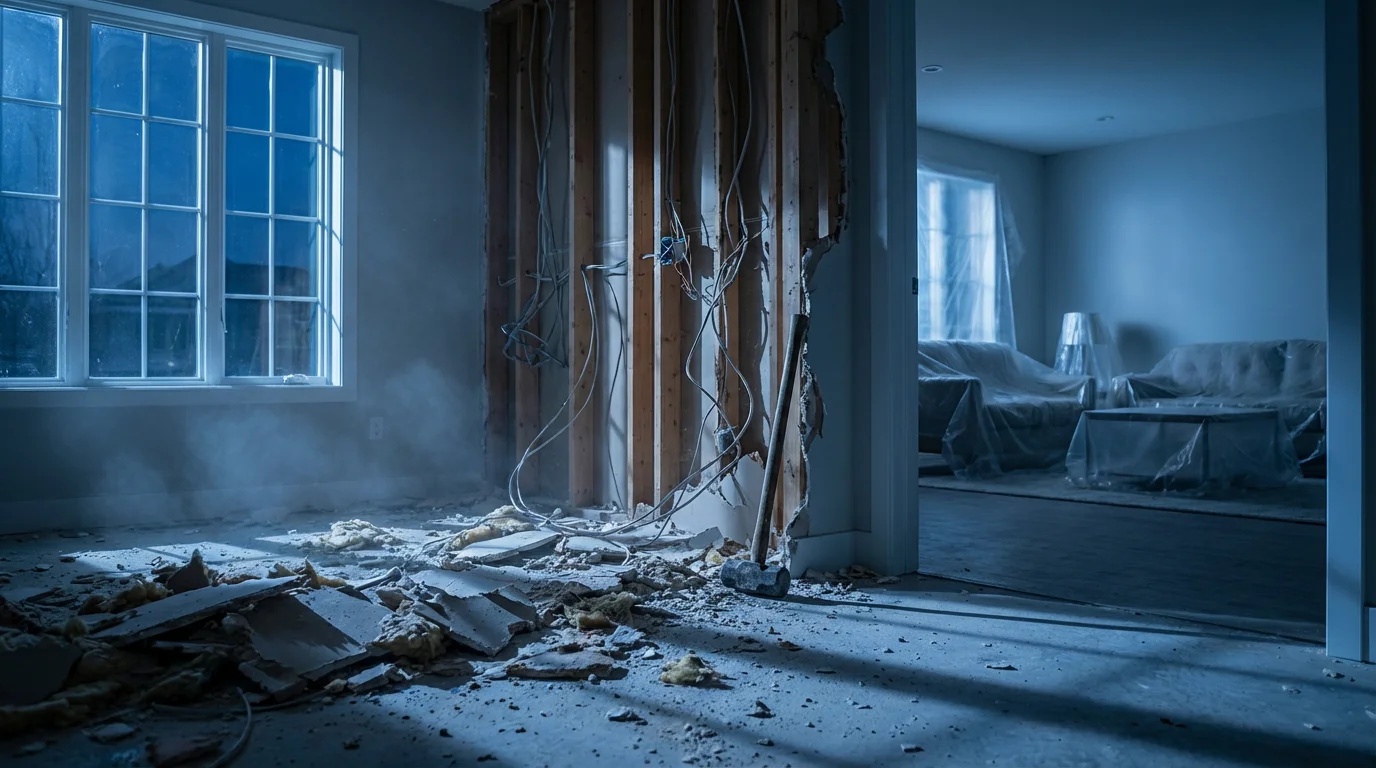
Not all renovations provide a good return, especially when selling your home for retirement. Some projects are highly personalized or cost prohibitive, making it difficult to recoup your investment. You should avoid these unless your home is severely outdated or specific market conditions dictate otherwise.
Major Kitchen and Bathroom Remodels
While minor remodels offer great ROI, a complete, high-end kitchen or bathroom overhaul often does not. These projects involve significant expenses for new layouts, custom cabinetry, and luxury finishes. Buyers may not appreciate the specific choices you make, and their own preferences might differ greatly.
Unless your existing kitchen or bathroom is truly dilapidated, a minor update usually suffices to attract buyers. Overspending on luxury renovations can lead to a lower percentage of cost recouped, leaving you with less profit for your retirement.
Swimming Pools
Adding a swimming pool is a significant investment with a notoriously low ROI for resale. While a pool might appeal to some buyers, it also deters others due to maintenance costs, safety concerns, and potential liability. The market for homes with pools is often narrower.
If your home already has a pool, ensure it is clean, well-maintained, and appears inviting. Do not add a new pool solely to increase your home’s sale price, as you will likely not recover the installation cost.
Highly Personalized Upgrades
Avoid renovations that cater specifically to your unique tastes, such as custom murals, eccentric paint colors, or highly specialized built-ins. What you love, a buyer might dislike. These personal touches can make it harder for buyers to envision themselves living in the space.
Stick to neutral, broadly appealing design choices for renovations aimed at resale. Buyers want a canvas they can personalize, not a finished artwork they must undo. Keep your upgrades universal and classic to attract the widest audience.
Planning Your Renovation Project
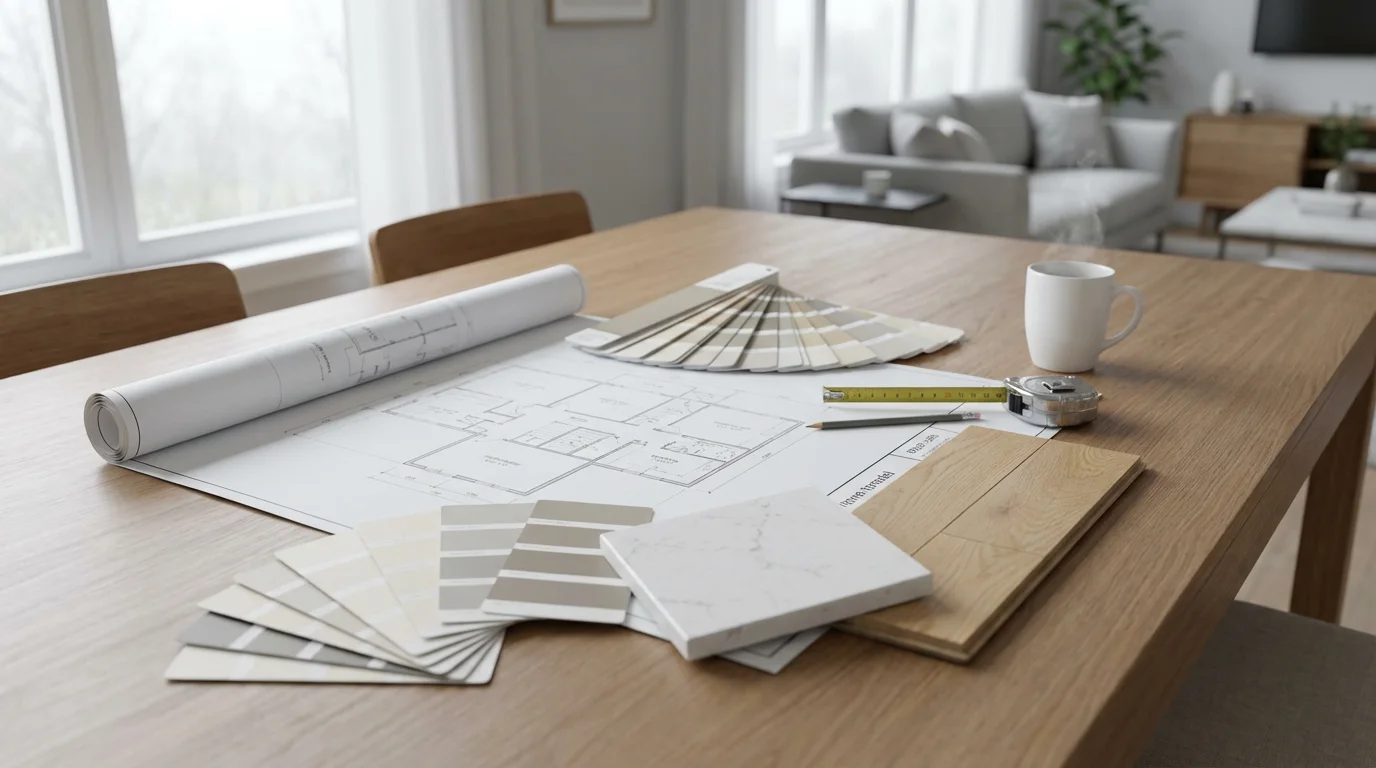
Effective planning ensures your renovation projects stay on budget and on schedule, maximizing their impact on your home’s saleability. You want to approach these projects systematically, minimizing stress and optimizing outcomes. A structured approach saves you time and money.
Here are key steps for planning your renovations:
- Define Your Budget: Determine how much you can realistically spend on renovations. Prioritize projects with the highest ROI potential within your budget. Allocate a contingency fund (10-15%) for unexpected issues.
- Prioritize Projects: Focus on essential repairs and high-ROI updates first. Create a list of projects in order of impact and necessity. For instance, fix a leaky roof before painting the living room.
- Obtain Multiple Quotes: For any work you hire out, get at least three quotes from reputable contractors. Compare not only prices but also timelines, materials, and contractor experience.
- Check References and Licenses: Verify contractors’ licenses, insurance, and references. Read reviews and look at examples of their past work. You want experienced professionals handling your home.
- Consider DIY vs. Professional: Honestly assess your skills and time availability. Some tasks, like painting or decluttering, lend themselves to DIY. More complex projects, like electrical or plumbing, require licensed professionals.
- Create a Timeline: Establish a realistic schedule for each project. Account for material delivery times, contractor availability, and potential delays. Work backward from your target listing date.
- Secure Necessary Permits: For structural changes, electrical work, or plumbing, you likely need permits from your local municipality. Failing to obtain permits can cause legal issues and complicate your home sale.
Managing your renovation process carefully helps ensure your home is ready for the market when you are ready to sell. This detailed planning can help you maximize your home’s value and ease your transition into retirement. You can find resources on financial planning for retirement, including leveraging home equity, through AARP.
Final Touches for a Seamless Sale
Once the major renovations and repairs are complete, focus on the final details that create a lasting positive impression. These touches ensure your home presents its absolute best to potential buyers. You want your home to feel pristine and welcoming, allowing buyers to see its full potential.
Professional Cleaning
A deep, professional cleaning makes a significant difference. Every surface should sparkle, from floors and baseboards to windows and appliances. Ensure bathrooms and kitchens are immaculate. A professionally cleaned home feels well-cared for and move-in ready. This investment helps buyers overlook minor imperfections and focus on the home’s positive attributes.
Landscaping Enhancements
Revisit your exterior after all other work is done. Ensure pathways are clear, the lawn is freshly mowed, and any dead plants are removed. Add fresh mulch to garden beds and consider a few potted plants by the front door for a welcoming touch. The goal is a tidy, inviting outdoor space that complements the refreshed interior.
Pre-Inspection Considerations
Before listing your home, consider a pre-listing home inspection. This proactive step identifies any hidden issues that could derail a sale later. You can address these problems on your terms, avoiding surprises during buyer negotiations. A clean inspection report provides buyers with confidence and a strong incentive to proceed with an offer. This transparency can streamline the selling process for you.
Frequently Asked Questions
What renovations provide the best ROI for selling my home?
Minor kitchen and bathroom remodels, along with exterior upgrades like replacing the entry door or garage door, consistently offer the best return on investment. You also see significant value from enhancing curb appeal and addressing deferred maintenance.
How can I improve my house for sale without spending a lot of money?
Focus on cost-effective improvements. These include a fresh coat of neutral paint, decluttering and depersonalizing, deep cleaning, improving landscaping, and making small repairs like fixing leaky faucets or loose doorknobs. These efforts create a positive impression without major expenditure.
Should I do a full kitchen remodel before selling?
Generally, a minor kitchen remodel offers a better ROI than a full, high-end overhaul. Most buyers appreciate updated features and appliances, but they may not pay a premium for custom designs or luxury finishes that do not align with their personal taste. A minor update typically recoups a higher percentage of its cost.
Are energy-efficient upgrades worth it for resale?
Yes, energy-efficient upgrades often appeal to buyers concerned about utility costs and environmental impact. Projects like adding attic insulation or replacing an old HVAC system can offer a strong ROI, often recouping 60-100% of their cost. They also contribute to a comfortable living environment.
How long before listing should I complete renovations?
Aim to complete all major renovations at least 1-2 months before you plan to list your home. This allows time for contractors to finish, for you to address any unforeseen issues, and for a thorough cleaning and staging process. You want everything finalized before photos and showings begin.
Is it better to DIY renovations or hire professionals?
The decision depends on your skills, time, and the complexity of the project. DIY is suitable for painting, light landscaping, and minor repairs. For projects involving plumbing, electrical, or structural changes, hiring licensed professionals is always recommended. Quality workmanship enhances value and avoids potential issues during inspection.
Disclaimer: This article is for informational purposes only. Cost of living, taxes, and local conditions change over time. We encourage readers to verify current information through official sources and visit potential retirement destinations before making relocation decisions.








Leave a Reply