

Retiring in rural America offers a compelling alternative to bustling city life or congested suburbs. You find peace, quiet, and often a significantly lower cost of living. For many Americans aged 55 and over, the appeal of a simpler lifestyle, surrounded by nature, makes rural retirement a dream worth pursuing. This guide helps you navigate the options available, identifying affordable towns and crucial factors for a successful move.
Exploring `rural retirement` means considering factors beyond just housing prices. You evaluate community character, access to amenities, and healthcare availability. We help you understand the opportunities and challenges, empowering you to make informed decisions about `how to retire in rural America`. This comprehensive article provides practical insights and highlights what makes certain areas ideal for an `affordable small town` lifestyle.
Table of Contents
- The Allure of Rural Retirement
- Understanding the Cost of Living in Small Towns
- Key Factors When Choosing Your Rural Haven
- Top Regions for Affordable Rural Retirement
- Spotlight on Affordable Small Towns
- Navigating Healthcare in Rural Areas
- Relocation Planning for Your Small Town Move
- Frequently Asked Questions

The Allure of Rural Retirement
Rural America beckons with promises of tranquility, open spaces, and a strong sense of community. Many retirees seek an escape from urban stressors, finding solace in slower paces and natural surroundings. This lifestyle often brings significant financial advantages, allowing your retirement savings to stretch further.
The decision to pursue `rural retirement` involves weighing numerous personal priorities. You gain much, but also consider what you might trade. Understanding these elements fully ensures you prepare for the realities of small town living.
Pros of Rural Retirement
- Lower Cost of Living: Housing, property taxes, and daily expenses often prove significantly lower than in metropolitan areas.
- Peace and Quiet: Reduced noise pollution and traffic create a serene environment.
- Strong Community Bonds: Small towns frequently foster tight-knit communities, leading to more personal connections and mutual support.
- Access to Nature: You enjoy immediate proximity to parks, forests, lakes, and outdoor recreational activities.
- Less Crime: Rural areas typically report lower crime rates compared to urban centers.
- Simpler Lifestyle: A slower pace of life reduces stress and encourages relaxation.
Cons of Rural Retirement
- Limited Healthcare Access: Specialized medical facilities and physicians may require travel to larger towns or cities.
- Fewer Amenities: Options for dining, shopping, and entertainment are often restricted.
- Internet and Cell Service: Connectivity can be slower or less reliable in very remote areas.
- Public Transportation: Most rural areas lack robust public transit, requiring reliance on personal vehicles.
- Job Opportunities: If you plan to work part-time, opportunities might be scarce.
- Distance from Family: Moving to a rural area could increase the distance from children and grandchildren.

Understanding the Cost of Living in Small Towns
The primary driver for many considering `rural retirement` is the potential for substantial cost savings. Housing represents the largest single expense for most households, and rural areas consistently offer more affordable options. For example, the median home price in many rural counties across the US falls significantly below the national average.
You will find that day-to-day expenses, including groceries, utilities, and transportation, also tend to be lower in an `affordable small town`. This allows your retirement income to provide a more comfortable lifestyle, or even accelerate your savings. Researching specific town data is essential for accurate budgeting.
The Bureau of Labor Statistics (BLS) Consumer Expenditure Survey provides insights into general spending patterns. While not specifically rural, it shows that housing, transportation, and food comprise the largest expenditure categories. Rural areas typically see lower costs in these three critical areas.
Typical Cost Comparison: Rural vs. Urban (Estimated Averages)
| Expense Category | Rural Area (Monthly) | Urban Area (Monthly) | Potential Savings |
|---|---|---|---|
| Median Housing Cost (Rent/Mortgage) | $800 – $1,500 | $1,500 – $3,000+ | $700 – $1,500+ |
| Utilities (Electricity, Heating, Water, Internet) | $250 – $400 | $350 – $600 | $100 – $200 |
| Groceries | $300 – $500 | $400 – $700 | $100 – $200 |
| Transportation (Gas, Insurance, Maintenance) | $150 – $300 | $200 – $400 | $50 – $100 |
| Healthcare (Out-of-pocket, not premiums) | $100 – $250 | $150 – $350 | $50 – $100 |
| Miscellaneous (Dining Out, Entertainment) | $100 – $300 | $300 – $800+ | $200 – $500+ |
| Total Estimated Monthly Savings | $1,200 – $2,600+ |
These figures represent broad estimates. Actual costs vary widely based on location, lifestyle, and individual consumption habits. Always research specific locations you consider. You often find states with overall lower living costs host many of the `affordable towns` you seek.

Key Factors When Choosing Your Rural Haven
Selecting the ideal `small town` for retirement requires a careful evaluation of several personal and practical factors. You need to align your priorities with what a location offers. Consider these critical aspects before making your choice, ensuring your `rural retirement` is both fulfilling and sustainable.
Healthcare Access
Proximity to quality medical care ranks as a top concern for many retirees. While rural areas may not have large hospitals, assess the availability of primary care physicians, emergency services, and specialists in nearby towns. Websites like Medicare.gov allow you to search for providers and compare hospital quality by location. You might prioritize towns within a reasonable driving distance of a larger medical center.
Tax Friendliness
State and local taxes significantly impact your retirement income. Some states offer favorable tax policies for retirees, exempting Social Security benefits, pension income, or providing property tax relief. The Tax Foundation provides comprehensive data on state tax burdens, helping you identify tax-friendly states. Look for areas with low property taxes, as these contribute substantially to an `affordable small town` lifestyle.
Climate and Weather
Your preferred climate greatly influences your daily comfort and activity level. Do you dream of mild winters, distinct four seasons, or year-round warmth? Research average temperatures, snowfall, and humidity levels for prospective locations. The National Weather Service provides detailed historical climate data. Consider how weather patterns might affect outdoor activities or travel.
Community and Amenities
Evaluate the social fabric and available amenities. Some retirees thrive in quieter environments, while others desire local events, clubs, or volunteer opportunities. Research local libraries, senior centers, community groups, and recreational facilities. Determine if the town’s atmosphere aligns with your social preferences.
Proximity to Family and Friends
For many, staying close to loved ones is paramount. Consider the drive time or flight accessibility from potential rural locations to where your family resides. Technology bridges distances, but direct visits remain important. You balance the desire for `rural retirement` with maintaining strong family connections.
“Livable communities are those that are safe and secure, have affordable and appropriate housing and transportation options, and offer supportive community features and services.”

Top Regions for Affordable Rural Retirement
Identifying `where are affordable small towns?` often starts by looking at broader regions known for a lower cost of living. While specific towns vary, certain parts of the country consistently offer more budget-friendly options compared to coastal or major metropolitan states. These regions often share characteristics like strong agricultural roots, a slower pace of development, and a more relaxed lifestyle.
The Midwest
States like Missouri, Ohio, Indiana, Iowa, and Kansas often feature numerous `affordable towns`. You find charming main streets, friendly communities, and access to fertile farmland. The Midwest offers four distinct seasons, often with cold winters and warm, humid summers. Housing costs here remain significantly below the national average.
The South
Many Southern states, particularly Arkansas, Mississippi, Alabama, Tennessee, and parts of Georgia and the Carolinas, present excellent opportunities for `rural retirement`. These areas boast milder winters, rich cultural heritage, and often very competitive living costs. Healthcare infrastructure varies, so thorough research remains vital. You discover hospitable communities and beautiful natural landscapes.
The Mountain West (Select Areas)
While some parts of the Mountain West, like Colorado and Montana, have seen rising costs, certain areas still offer affordability. Look at eastern Montana, Wyoming, or specific valleys in Idaho and New Mexico. You find stunning scenery and a rugged, independent spirit. However, these areas can be very remote, with harsher winters and more limited services.

Spotlight on Affordable Small Towns
When you consider `how to retire in rural America`, specific examples help illustrate the possibilities. Instead of focusing on single, ever-changing towns, we highlight characteristics common in `affordable small towns` within regions known for value. These examples represent the types of communities you might discover.
Small Towns in Missouri
Missouri offers a prime example of a state with many `affordable towns` for rural retirement. You find a diverse landscape, from rolling hills to vast farmlands. The state offers a low cost of living, with housing prices well below the national average. Missouri also provides a balanced tax environment for retirees, as it does not tax Social Security benefits.
Characteristics you might find in a Missouri small town:
- Housing: Expect median home prices often below $200,000, allowing significant savings.
- Community: Communities are typically welcoming, with local festivals and strong volunteer traditions.
- Amenities: Access to regional hospitals, local markets, and state parks for outdoor recreation.
- Climate: Four distinct seasons, with hot, humid summers and cold winters.
Rural Retreats in Arkansas
Arkansas, “The Natural State,” provides an abundance of natural beauty and affordable living, making it a strong contender for `rural retirement`. Its small towns often sit amidst mountains, forests, or near lakes and rivers. The cost of living consistently ranks among the lowest in the nation, particularly for housing. Arkansas offers diverse landscapes for outdoor enthusiasts.
Key features of an Arkansas small town for retirees:
- Cost of Living: One of the lowest in the US, especially for housing and groceries.
- Nature: Excellent opportunities for fishing, hiking, and boating in state parks and national forests.
- Healthcare: Access to primary care is generally good, with larger regional medical centers available in bigger towns.
- Taxes: Social Security benefits are not taxed, though other retirement income may be partially taxed.
Affordable Ohio Villages
Ohio offers a unique blend of Midwestern charm, historical significance, and surprising affordability in its rural areas. You discover many small towns with vibrant main streets, community events, and easy access to larger cities without the high urban costs. Ohio’s location in the Great Lakes region provides distinct seasonal changes and a diverse economic base.
Advantages of considering an Ohio small town:
- Housing Value: Many rural and exurban areas offer exceptional housing affordability.
- Accessibility: Good road networks connect smaller towns to larger metropolitan areas for amenities and specialized care.
- Culture: Rich local history, museums, and community-focused events.
- Climate: Experience all four seasons, with temperate summers and snowy winters.
You must conduct personalized research for any specific town. Visit, speak with locals, and verify all cost and amenity data. What makes an `affordable small town` perfect depends on your unique needs and desires.

Navigating Healthcare in Rural Areas
Healthcare access remains a critical consideration for those pursuing `rural retirement`. While major medical centers typically cluster in urban areas, many `affordable small towns` maintain essential healthcare services. Your approach to healthcare in a rural setting involves proactive planning and research.
Most rural communities feature local clinics, family doctors, and sometimes critical access hospitals. These facilities provide excellent primary care, urgent care, and basic emergency services. For specialized treatments, you may need to travel to a larger regional hospital or a university medical center. This is a trade-off many retirees accept for the benefits of small town living.
You can use resources like Eldercare Locator to find local services and support for seniors, including transportation assistance. Additionally, USA.gov offers broad information on healthcare resources. Always check the network of your specific Medicare or private insurance plan for coverage in potential new locations.
Strategies for Rural Healthcare Planning
- Identify Local Providers: Search for primary care physicians, dentists, and pharmacies within a comfortable driving distance.
- Assess Emergency Services: Understand the response times and capabilities of local EMS and the nearest emergency room.
- Map Specialist Access: Pinpoint the locations of any specialists you regularly see, or anticipate needing, such as cardiologists or oncologists.
- Consider Transportation: Plan for how you will get to appointments, especially if you anticipate needing transportation assistance in the future.
- Verify Insurance Coverage: Confirm your health insurance plan, whether Medicare or private, covers providers in your chosen rural area.
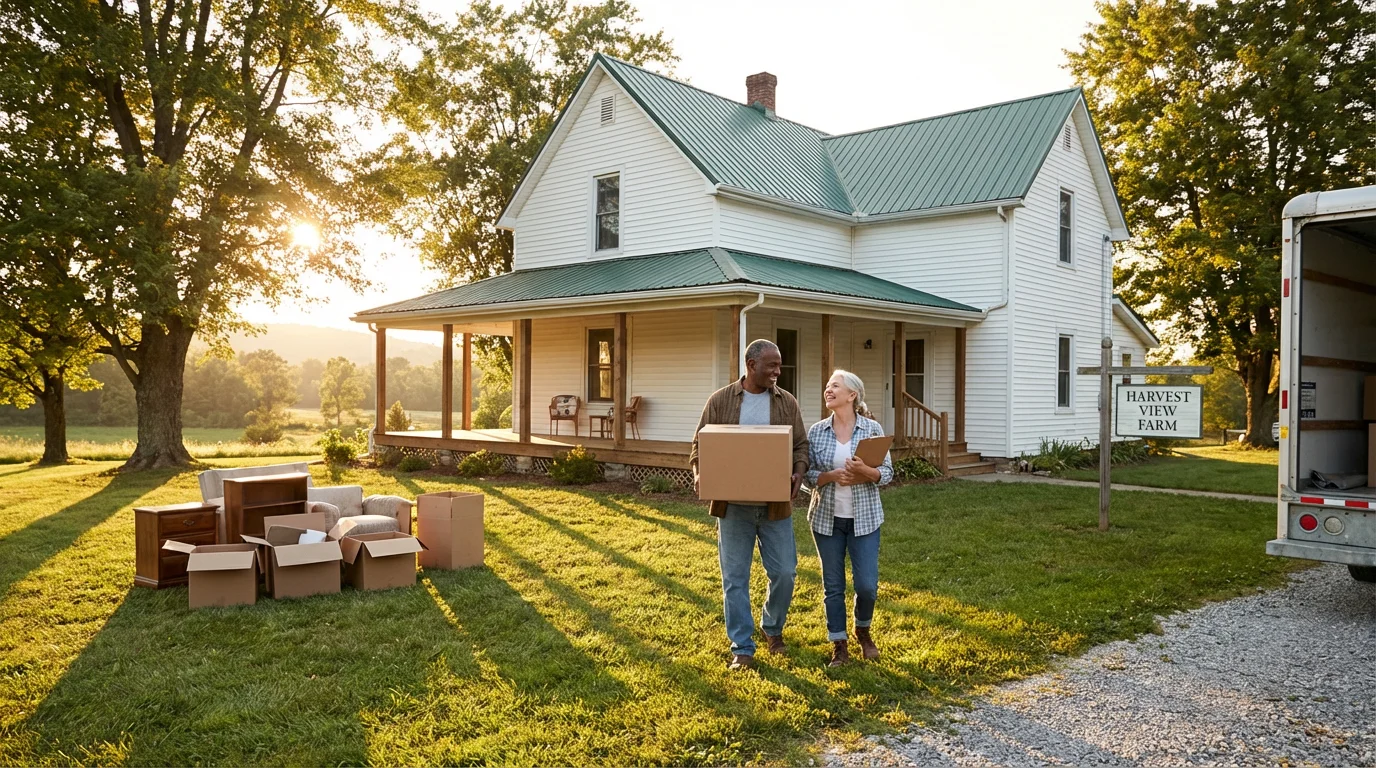
Relocation Planning for Your Small Town Move
Moving to a new `small town` requires careful planning and execution. A well-organized approach reduces stress and ensures a smooth transition to your `rural retirement`. You manage logistics, adapt to a new community, and make your new house a home.
Steps for a Successful Rural Relocation
- Define Your Priorities: Clearly list what you seek in an `affordable small town`, including climate, cost, amenities, and healthcare.
- Research Thoroughly: Utilize online resources, forums, and local government websites to gather comprehensive information about potential towns.
- Visit Prospective Locations: Spend time in your top choices, ideally during different seasons. Engage with locals, visit shops, and explore healthcare facilities.
- Assess Housing Options: Research local real estate markets, rental opportunities, and property values. Understand property taxes and insurance costs.
- Budget Meticulously: Create a detailed budget that accounts for all moving expenses, initial setup costs, and ongoing living expenses in your new location.
- Plan for Healthcare Transition: Arrange for medical record transfers and identify new primary care providers before your move.
- Handle Logistics: Secure movers, update your address with the postal service, transfer utilities, and update voter registration.
- Engage with the Community: Once settled, actively participate in local events, clubs, or volunteer opportunities to build your new social network.
You might find that `how to retire in rural America` becomes a rewarding journey when you approach it with both enthusiasm and a practical mindset. Each step brings you closer to your ideal `affordable small town` retirement.
Frequently Asked Questions
How does rural retirement impact my social life?
Rural areas often foster close-knit communities, leading to a strong sense of belonging. While options for large-scale entertainment may be fewer, you find opportunities in local clubs, volunteer groups, and community events. Many retirees discover a more intimate and supportive social circle in small towns.
What are the common challenges of retiring in rural America?
Challenges include potentially limited access to specialized medical care, fewer shopping and dining options, and sometimes slower internet speeds. Public transportation may also be less available, making personal vehicle reliance crucial. Researching these factors before moving helps you plan effectively.
Can I still access good healthcare in a small town?
Yes, many small towns have local clinics or critical access hospitals providing primary care and emergency services. For specialized treatments, you might travel to a larger nearby city. Medicare.gov allows you to search for providers and facilities by location, helping you assess local healthcare options. Consider proximity to major medical centers during your search.
Are there 55+ communities in rural areas?
While 55+ communities are more common in suburban and urban areas, some rural regions do offer them. These might appear as smaller, independent developments or age-restricted sections within larger, master-planned communities on the outskirts of smaller towns. You may also find active senior living options within the town itself, though not always specifically labeled 55+.
How do I find truly affordable small towns?
Begin by researching states with lower overall cost of living. Focus on areas outside major metropolitan centers. Utilize resources like the Bureau of Labor Statistics for consumer expenditure data and local real estate sites for housing costs. Visiting potential towns helps you assess actual expenses and community feel. Look for towns with strong local economies but without booming real estate markets.
Disclaimer: This article is for informational purposes only. Cost of living, taxes, and local conditions change over time. We encourage readers to verify current information through official sources and visit potential retirement destinations before making relocation decisions.









Leave a Reply