

As you plan for retirement, a clear understanding of your future expenses empowers you to make informed decisions about where to settle down. While housing, taxes, and healthcare often dominate the discussion, utility costs represent a significant ongoing expense that varies dramatically across the country. Overlooking these recurring bills can lead to unexpected budget strains.
To ensure your transition goes smoothly and remains within budget, start by choosing the right moving company early in the planning phase.
This comprehensive guide delivers practical, actionable insights into how utility costs differ from state to state. We provide a detailed look at the factors influencing these expenses and highlight regions where your retirement budget might stretch further. You gain the knowledge to confidently factor utility bills into your relocation plans.
Table of Contents
- Understanding What Utility Costs Encompass
- Why Utility Costs Matter Significantly for Retirees
- Key Factors Influencing Your Utility Bills
- State-by-State Utility Cost Overview
- Navigating High-Cost Utility States: What to Expect
- Discovering Lower-Cost Utility States: Finding Value
- Regional Breakdown of Utility Expenses
- Practical Strategies for Reducing Your Utility Bills
- Beyond the Bills: Holistic Retirement Planning
- Frequently Asked Questions
Understanding What Utility Costs Encompass
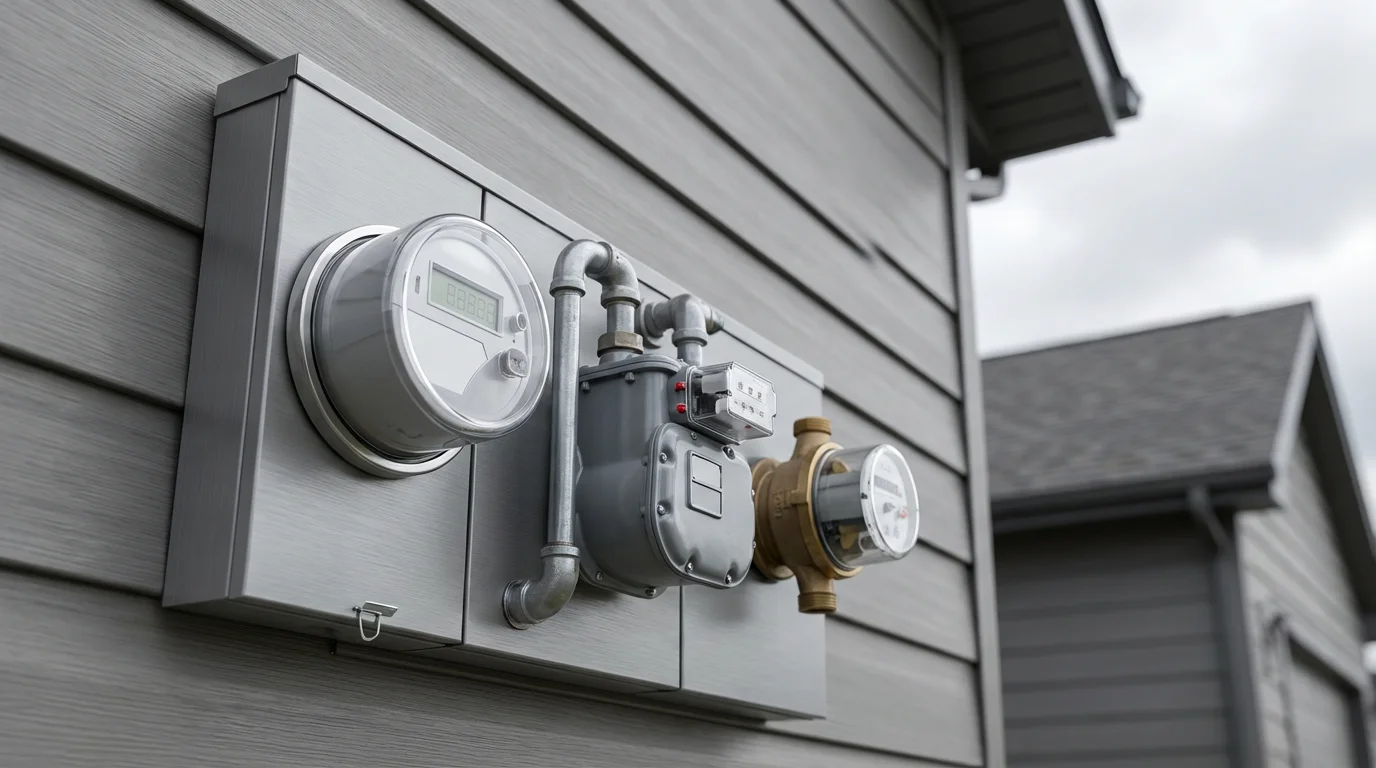
Utility costs for homeowners extend beyond just electricity. They cover a range of essential services necessary for comfortable living. When you evaluate potential retirement locations, consider all these components to form a complete financial picture.
Many retirees find that affordable senior living communities often bundle several essential services into the monthly rent, simplifying the budgeting process.
Typically, your monthly utility budget includes several distinct categories. Each one contributes to your overall cost of living and varies based on location and usage.
- Electricity: Powers lighting, appliances, and often heating or cooling systems. Rates fluctuate based on state regulations, energy sources, and transmission costs.
- Natural Gas/Propane/Heating Oil: Primarily used for heating homes, water, and cooking. Availability and price depend heavily on regional supply and infrastructure. Many rural areas lack natural gas access, increasing reliance on more expensive alternatives.
- Water and Sewer: Essential for household use and waste removal. Costs vary by municipality, local water sources, and infrastructure maintenance. Some areas include stormwater management fees.
- Trash and Recycling: Services for waste disposal. These can be municipal services, private subscriptions, or included in property taxes.
- Internet and Cable TV: While not traditionally “utilities,” these services are nearly indispensable for modern households. Providers and pricing vary widely by region, often bundled together.
- Landline Phone (Optional): Less common today, but still a consideration for some retirees, especially when bundled with other communication services.
Your lifestyle directly impacts consumption. For example, a large home with a pool in a hot climate requires more electricity for cooling than a modest apartment in a temperate zone. Similarly, cooking frequently with a gas range impacts natural gas bills.

Why Utility Costs Matter Significantly for Retirees
Utility costs represent a predictable, recurring expense that retirees need to budget for diligently. Unlike one-time relocation costs, these bills arrive every month, year after year. Understanding their impact allows you to avoid financial surprises during your retirement years.
In addition to recurring monthly costs, managing healthcare transfers is another crucial step when moving to a new state to ensure your medical needs are met.
Beyond monthly bills, creating a budget for your retirement relocation is vital to account for all moving-related expenses.
For many retirees living on fixed incomes, managing consistent expenses becomes paramount. Fluctuations in utility rates or unexpectedly high bills can strain a carefully planned budget. A higher percentage of your income often goes towards utilities in retirement compared to your working years, emphasizing the need for careful planning.
Consider your long-term financial health. A difference of $100 per month in utility bills translates to $1,200 annually. Over 20 years of retirement, this totals $24,000, representing a substantial sum that could otherwise fund travel, hobbies, or unexpected medical expenses. Planning for these costs helps preserve your savings.
Home is not where you are from, it is where you belong. Finding that place means considering all the practicalities.
Your health and comfort also link directly to utility costs. Maintaining a comfortable home temperature is crucial for well-being, especially for older adults. You do not want to compromise on heating or cooling due to budget constraints. Proactive research ensures you can afford these necessities in your chosen location.
Moreover, utility costs often reflect underlying economic factors in a state or region. Areas with high utility costs might also feature higher property taxes or other cost-of-living indicators. This makes a comprehensive comparison essential for a holistic retirement plan.

Key Factors Influencing Your Utility Bills
Several critical factors combine to determine your monthly utility expenses. Understanding these elements empowers you to anticipate costs and choose a retirement location that aligns with your financial comfort.
When evaluating climate factors, checking which states have the lowest humidity can help you estimate cooling costs more accurately.
Your geographic location and local climate play the most significant role. States experiencing extreme hot summers, like Arizona or Florida, incur substantial cooling costs. Conversely, states with frigid winters, such as North Dakota or Minnesota, face high heating expenses. Your home’s energy efficiency directly impacts how much energy you consume to maintain comfort.
- Climate and Weather: Hot summers drive up air conditioning use. Cold winters necessitate more heating. Both extremes elevate electricity or natural gas bills.
- Energy Sources: The primary energy source for a state influences electricity generation costs. States relying heavily on expensive fossil fuels may have higher rates than those utilizing cheaper hydroelectric power or renewables.
- State Regulations and Deregulation: Some states have deregulated electricity or natural gas markets, allowing consumers to choose their supplier. This can foster competition and potentially lower rates, but also requires careful comparison of providers.
- Infrastructure Age and Maintenance: Older utility infrastructure often requires more maintenance and upgrades, costs that utilities pass on to consumers. Newer, more efficient systems might lead to lower long-term costs.
- Population Density and Demand: Densely populated areas often have robust infrastructure but also higher demand, which can influence pricing. Rural areas might have higher costs per customer due to longer transmission lines or reliance on more expensive fuel sources.
- Taxes and Fees: State and local taxes or specific utility surcharges can add to your total bill. These vary significantly by jurisdiction.
The size and age of your home also contribute to your energy consumption. Larger homes naturally require more energy to heat and cool. Older homes, especially those without modern insulation or energy-efficient windows, leak more air and are less efficient than newer constructions. Your personal habits, such as thermostat settings and appliance usage, also directly affect your bills.

State-by-State Utility Cost Overview
Examining average utility costs across states reveals significant differences, often tied to climate, energy sources, and regulatory environments. While exact numbers fluctuate, consistent trends show which states tend to be more or less expensive for homeowners regarding utilities.
These variations are particularly evident in coastal retirement regions, where saltwater and ocean breezes influence both energy and maintenance needs.
When evaluating these figures, it is also helpful to compare grocery budgets by location to see how your total monthly spending might shift.
For example, states in the Northeast and California frequently report higher overall utility costs due to factors like reliance on natural gas for heating, older infrastructure, and higher population density influencing demand. Conversely, some Southern and Midwestern states often present more affordable utility bills, influenced by milder climates or access to cheaper energy sources.
Consider the average monthly expenses for key utilities. Electricity prices, reported by the U.S. Energy Information Administration, vary from less than 10 cents per kilowatt-hour (kWh) in states like Idaho or Washington to over 25 cents per kWh in Hawaii or parts of the Northeast. These differences translate directly into hundreds of dollars annually for the average homeowner.
Natural gas prices, measured in dollars per thousand cubic feet (Mcf), also see substantial state-by-state variations. States with local production or easy access to pipelines generally pay less. Water and sewer costs often depend on the local municipality’s infrastructure and water sources. Some arid regions, despite lower general costs, might have higher water expenses due to scarcity.
Internet and cable TV bundles, while varying by provider, also show regional pricing differences. Urban areas often have more competitive options. Rural areas might have fewer choices, potentially leading to higher costs or slower speeds. Always investigate specific providers and their rates for your target communities.
This table offers a snapshot of how core utility components vary. Remember these are averages; your specific bills depend on usage, home size, and local providers.
| State | Average Monthly Electricity Bill (Estimated) | Average Monthly Natural Gas Bill (Estimated) | Average Monthly Water/Sewer Bill (Estimated) | Average Monthly Internet Bill (Estimated) | Key Contributing Factors |
|---|---|---|---|---|---|
| Hawaii | $200+ | N/A (Limited gas) | $100+ | $75+ | High reliance on imported fuels, island isolation, high cost of living. |
| California | $150-$200 | $60-$100 | $80-$120 | $70-$90 | High demand, infrastructure upgrades, wildfire mitigation costs, diverse climate. |
| Florida | $130-$180 | $40-$70 | $70-$100 | $60-$80 | High AC demand, hurricane impacts on infrastructure, population growth. |
| Texas | $120-$170 | $50-$80 | $60-$90 | $55-$75 | Deregulation of electricity market (variable rates), hot summers, vast geography. |
| Idaho | $80-$110 | $40-$60 | $50-$70 | $50-$70 | Abundant hydropower, less extreme climate variation than other regions. |
| Ohio | $100-$140 | $60-$90 | $60-$90 | $55-$75 | Moderate climate, mixed energy sources, some deregulation. |
| Maine | $100-$150 | $70-$110 (or heating oil) | $60-$90 | $60-$80 | Cold winters drive heating costs, reliance on heating oil in some areas, grid upgrades. |
Always verify current rates with local providers and state public utility commissions as you research specific communities. The Bureau of Labor Statistics (BLS) provides historical data on consumer expenditures, including utilities, offering valuable context.

Navigating High-Cost Utility States: What to Expect
Some states consistently rank among the highest for utility expenses. Understanding why these costs are elevated helps you determine if a particular high-cost state fits your retirement budget and lifestyle preferences. These areas often present unique advantages that balance the higher utility burden.
States like Hawaii, California, and many in the Northeast (e.g., Massachusetts, Connecticut, New York) frequently appear on lists of high-utility-cost regions. Hawaii, an island state, faces high electricity prices due to its reliance on imported fossil fuels for power generation and the logistical challenges of island infrastructure. Average monthly electricity bills can easily exceed $200.
California experiences high utility costs due to a combination of factors. The state’s push towards renewable energy, extensive infrastructure upgrades, and efforts to harden the grid against wildfires contribute to higher electricity rates. Additionally, significant demand in populous areas and varying climates across the state lead to substantial heating and cooling needs. Natural gas and water prices also trend higher than the national average.
Northeastern states grapple with older infrastructure and significant heating demands during long, cold winters. Many residents rely on natural gas or heating oil, whose prices can fluctuate based on global markets. States such as Massachusetts and Connecticut see higher electricity rates stemming from transmission costs, regulatory structures, and the cost of maintaining aging grids. Water and sewer costs also tend to be higher in densely populated urban and suburban areas of the Northeast due to extensive infrastructure and maintenance requirements.
When considering these states, weigh the higher utility costs against other benefits. For instance:
- Hawaii: Offers a unique climate, natural beauty, and a relaxed pace of life.
- California: Provides diverse landscapes, cultural attractions, and excellent healthcare facilities.
- Northeastern States: Feature rich history, cultural amenities, strong community ties, and proximity to family for many.
Your decision involves balancing these advantages with the financial realities. Some retirees mitigate high utility costs by choosing smaller, more energy-efficient homes, adopting solar panels, or relocating to communities with specific utility-saving programs. Always investigate local incentives and energy efficiency standards.

Discovering Lower-Cost Utility States: Finding Value
For retirees prioritizing budget-friendly living, several states offer significantly lower utility costs. These regions often benefit from advantageous energy sources, milder climates, or less burdensome regulatory environments, allowing your retirement income to stretch further.
States in the Pacific Northwest, like Idaho and Washington, frequently boast some of the lowest electricity rates in the nation. This affordability stems from their extensive hydroelectric power generation. The relatively mild climates in many parts of these states also reduce extreme heating or cooling demands, contributing to lower overall energy bills. These states often present a compelling option for those seeking natural beauty alongside economic living.
Many Southern and Midwestern states also offer attractive utility savings. For example, Texas, despite its hot summers, benefits from a deregulated electricity market and abundant natural gas resources, which can lead to competitive rates for consumers who shop around. Similarly, states like Oklahoma, Arkansas, and Kansas often feature lower electricity and natural gas prices compared to the national average, supported by local energy production and moderate demand profiles.
Consider the benefits and considerations of these lower-cost utility states:
- Pacific Northwest (e.g., Idaho, Washington):
- Pros: Extremely low electricity costs, abundant natural beauty, mild summers.
- Cons: Can have wet, gray winters, potential for higher housing costs in desirable urban areas.
- Southern States (e.g., Texas, Oklahoma, Arkansas):
- Pros: Lower electricity and natural gas prices, generally warmer climates, affordable housing in many areas.
- Cons: Hot, humid summers drive up AC usage, potential for severe weather.
- Midwestern States (e.g., Kansas, Missouri, Iowa):
- Pros: Competitive electricity and natural gas rates, distinct four seasons, generally lower cost of living.
- Cons: Cold winters require heating, some areas might have less access to specialized healthcare.
While utility costs are lower, remember to assess other living expenses, such as property taxes, healthcare access, and social opportunities. A state with low utility bills but high property taxes might not offer the best overall financial advantage. Researching the comprehensive cost of living through resources like the Bureau of Labor Statistics helps you make a balanced choice.

Regional Breakdown of Utility Expenses
Analyzing utility costs by broader U.S. regions provides a clearer picture of general trends and helps narrow down your retirement search. Each region possesses distinct characteristics that influence energy prices and consumption patterns.
Northeast
The Northeast region, encompassing states like New York, Pennsylvania, Massachusetts, and Maine, generally faces higher utility costs. This largely stems from its cold winters, which demand significant heating. Many areas rely on natural gas or heating oil, whose prices can be volatile. Older infrastructure and dense populations also contribute to higher electricity transmission and distribution costs. You often find robust public transportation and cultural amenities here, but at a higher price point for utilities.
South
The Southern states, including Florida, Texas, Georgia, and North Carolina, present a mixed picture. While hot, humid summers lead to high air conditioning usage and thus higher electricity bills, many states benefit from lower natural gas prices due to local production. The mild winters reduce heating costs considerably. Overall, utility costs in the South are often more moderate than in the Northeast or California, making it an attractive option for budget-conscious retirees. However, be prepared for substantial summer electricity bills.
Midwest
The Midwest, stretching from Ohio to Nebraska, experiences distinct four seasons. This means significant heating costs in winter and noticeable cooling costs in summer. However, states like Ohio, Indiana, and Missouri often benefit from competitive electricity and natural gas prices, partly due to access to diverse energy sources and favorable regulatory environments. The region generally offers a lower cost of living across the board, including utilities, making it appealing for retirees seeking affordability without extreme climates.
West
The Western region offers the most diverse utility cost landscape. The Pacific Northwest (Washington, Oregon, Idaho) boasts some of the lowest electricity rates due to hydropower. In contrast, California faces some of the nation’s highest utility bills, as discussed earlier. Arid states like Arizona and Nevada incur high cooling costs, but often have competitive electricity rates from abundant solar power. Mountainous states like Colorado experience significant heating demands. Always research specific communities within the West due to these vast differences.
Your regional choice impacts your utility budget and your lifestyle. For example, a milder Southern climate might reduce heating costs but increase cooling, while a colder Midwestern climate reverses this. Evaluate your comfort preferences and how they align with regional weather patterns.

Practical Strategies for Reducing Your Utility Bills
Even after selecting a retirement location with favorable utility rates, you possess considerable power to manage and reduce your monthly expenses. Implementing energy-efficient practices and making smart home improvements directly translates into savings.
Start by making your home more energy efficient. This represents one of the most impactful long-term strategies. Many utility companies offer free home energy audits or rebates for efficiency upgrades.
- Improve Insulation and Seal Leaks: Ensure your attic, walls, and crawl spaces have adequate insulation. Seal gaps around windows, doors, and utility penetrations with caulk and weatherstripping. This prevents conditioned air from escaping, significantly reducing heating and cooling loads.
- Upgrade to Energy-Efficient Appliances: When replacing appliances, choose ENERGY STAR certified models. Modern refrigerators, dishwashers, and washing machines consume far less energy than older units.
- Install a Smart Thermostat: Programmable or smart thermostats learn your habits or allow you to schedule temperature adjustments. You can optimize heating and cooling when you are away or asleep, saving substantial energy.
- Switch to LED Lighting: Replace incandescent bulbs with LED alternatives. LEDs use up to 90% less energy and last much longer, reducing both electricity bills and replacement frequency.
- Maintain HVAC Systems: Regularly service your furnace and air conditioner. Clean or replace filters monthly. A well-maintained system operates more efficiently, saving energy and extending its lifespan.
- Consider Solar Panels: In sunny states with favorable incentives, installing solar panels can significantly offset or even eliminate electricity bills. Research local solar rebates and net metering policies.
- Optimize Water Usage: Install low-flow showerheads and toilets. Fix leaky faucets promptly. Water your lawn efficiently, preferably in the early morning or late evening.
Your daily habits also play a crucial role. Adjust your thermostat a few degrees cooler in winter and warmer in summer. Unplug electronics when not in use to combat “phantom load.” Wash clothes in cold water. These small changes accumulate into meaningful savings over time. Many states offer programs for seniors to help with energy efficiency upgrades; check with your state’s energy office or utility company for available resources.

Beyond the Bills: Holistic Retirement Planning
While utility costs are a significant factor, your retirement location decision extends far beyond just these expenses. A truly successful retirement involves a holistic assessment of various elements that contribute to your overall well-being and financial security. You consider how all these factors intertwine to create your ideal retirement lifestyle.
Consider the total cost of living, which includes housing, groceries, transportation, and healthcare. A state with low utility costs might have higher property taxes or expensive healthcare, negating some of the savings. Use resources like the U.S. Census Bureau and the Tax Foundation to compare overall cost burdens.
Healthcare access and quality remain paramount for retirees. Research the availability of primary care physicians, specialists, and hospitals in potential areas. Medicare.gov provides valuable information on local healthcare providers and plan options. Proximity to medical facilities and specialists can greatly influence your comfort and peace of mind.
“Livable communities are places where people of all ages can walk or bike to daily destinations, access public transit, and safely live in their homes as they age. This includes accessible healthcare and community support.” – AARP Livable Communities
Proximity to family and friends often weighs heavily in relocation decisions. While a state might offer financial benefits, being far from loved ones can impact your social and emotional well-being. Balance financial incentives with personal connections.
Your desired lifestyle also shapes your choice. Do you prefer a vibrant city, a quiet rural setting, or a coastal community? Consider the availability of hobbies, cultural activities, volunteer opportunities, and social groups. The “best” place to retire aligns with your personal interests and how you envision spending your days.
Finally, always plan a visit to prospective locations before making a final decision. Spend time there during different seasons to experience the climate and local conditions firsthand. Talk to residents, explore neighborhoods, and visit local utility companies to gather current rate information. This firsthand experience proves invaluable for such a major life transition.
Frequently Asked Questions
How do climate zones impact utility costs for retirees?
Climate zones significantly affect your utility bills, particularly for heating and cooling. States with extreme hot summers, like Florida or Arizona, see higher electricity use for air conditioning. Conversely, northern states with harsh winters, such as Minnesota or Maine, face increased heating costs, often from natural gas or electricity. Your home’s energy efficiency and insulation play a crucial role in mitigating these expenses regardless of the climate.
What are the primary components of utility costs homeowners should budget for?
As a homeowner, you typically budget for several core utility components. These include electricity, natural gas or heating oil, water and sewer services, and trash collection. Additionally, many households consider internet, cable TV, and landline phone services as essential utilities for daily living. Understanding these categories helps you anticipate your monthly expenses.
Are there tax breaks for retirees related to utility expenses?
While direct federal tax breaks for utility expenses are uncommon, some states and local municipalities offer programs or rebates to assist seniors or low-income households with energy costs. These often involve energy efficiency upgrades or direct payment assistance. Research programs available through your state’s energy office or local utility providers. You may find valuable support through initiatives like the Low Income Home Energy Assistance Program (LIHEAP), which serves qualifying households.
How does population density affect average utility bills?
Population density often correlates with utility costs in various ways. In densely populated urban areas, infrastructure is typically extensive and well-maintained, potentially leading to lower per-household costs for services like water and sewer due to shared expenses. However, higher demand can also drive up electricity prices. Rural areas might have higher per-customer costs for infrastructure maintenance or lack access to natural gas, forcing reliance on more expensive alternatives like propane or heating oil. These factors create a complex relationship between where you live and what you pay.
What steps can I take to reduce my home’s utility consumption?
You can implement several practical steps to reduce your utility consumption. Start by improving your home’s insulation and sealing air leaks around windows and doors. Upgrade to energy-efficient appliances and LED lighting. Utilize smart thermostats to optimize heating and cooling schedules. Regularly maintain your HVAC system, and consider investing in renewable energy sources like solar panels where feasible. These actions lower your bills and contribute to a more sustainable lifestyle.
Does my choice of utility provider impact my monthly costs?
In many states, especially for electricity and natural gas, you have choices regarding your utility provider, particularly in deregulated markets. You might choose between a standard offer from the default utility and competitive rates from alternative suppliers. Researching and comparing rates from different providers can lead to significant savings. Always review the terms, fees, and contract lengths before switching. Your local Public Utility Commission often provides resources to compare options.
Disclaimer: This article is for informational purposes only. Cost of living, taxes, and local conditions change over time. We encourage readers to verify current information through official sources and visit potential retirement destinations before making relocation decisions.









Leave a Reply