
Choosing a retirement location involves many considerations, from cost of living to proximity to family. For many, however, the climate plays an equally significant role, especially when considering mental well-being. Seasonal Affective Disorder, commonly known as SAD, affects millions, and its impact can be particularly pronounced during retirement when lifestyle changes and reduced social interactions may occur.
Understanding how climate, specifically sunlight exposure, influences your mood and energy levels can profoundly shape your ideal retirement spot. This guide explores the connection between SAD and your retirement location, providing data-backed insights and actionable advice to help you find a climate that supports your mental health.
Table of Contents
- Understanding SAD in Retirement
- The Impact of Sunlight on Mental Well-Being
- Which States Offer the Most Sunlight Hours?
- Balancing Sunlight with Other Retirement Factors
- Top Sunny States for Retirement Consideration
- Strategies for Combatting SAD During Retirement
- Making Your Relocation Decision
- Frequently Asked Questions

Understanding SAD in Retirement
Seasonal Affective Disorder is a type of depression that recurs with specific seasons, most often starting in the late fall or early winter and ending in spring. The exact cause remains unknown, but reduced sunlight exposure during shorter days is a primary theory. This reduction can disrupt your body’s internal clock, lower serotonin levels, and affect melatonin production, all contributing to depressive symptoms.
For retirees, the implications of SAD are significant. You might have more free time, but less structure. This can amplify feelings of lethargy, sadness, or lack of motivation. Approximately 5% of adults in the U.S. experience SAD annually, with symptoms ranging from mild “winter blues” to severe depression requiring clinical intervention. You must consider how a change in environment might affect your susceptibility.
“Home is not where you are from, it is where you belong.” — Unknown

The Impact of Sunlight on Mental Well-Being
Sunlight is crucial for regulating mood and energy. Exposure to bright light, especially natural sunlight, helps your body produce vitamin D, essential for bone health and potentially linked to mood regulation. It also influences neurotransmitters like serotonin, often called the “feel-good” hormone. Reduced sunlight can lead to lower serotonin levels, contributing to depressive symptoms.
Moreover, sunlight helps maintain your circadian rhythm, the body’s natural sleep-wake cycle. When daylight hours shorten, this rhythm can get out of sync, leading to sleep disturbances, fatigue, and difficulty concentrating. Maximizing your daily exposure to natural light becomes a proactive strategy for maintaining mental resilience in retirement.
- Key Benefits of Adequate Sunlight Exposure:
- Boosts Vitamin D synthesis, supporting bone health and mood.
- Regulates serotonin levels, which helps improve mood and well-being.
- Helps maintain a healthy circadian rhythm, aiding sleep and wake cycles.
- Enhances energy and alertness, reducing feelings of lethargy.
- May reduce symptoms of depression and Seasonal Affective Disorder.

Which States Offer the Most Sunlight Hours?
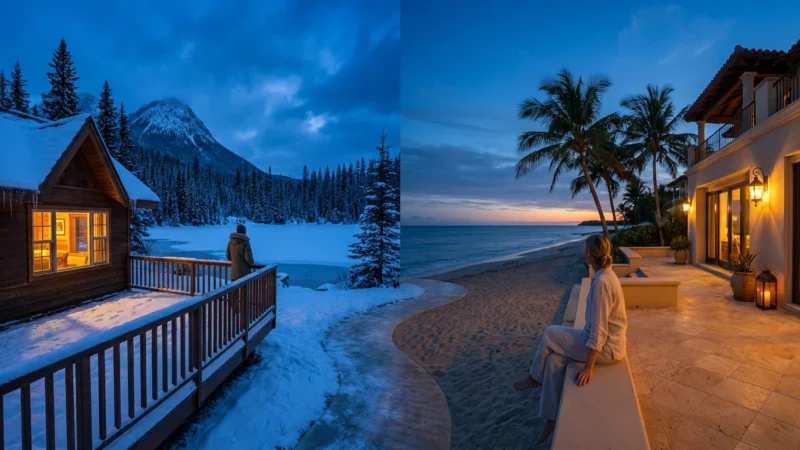
When seeking to combat Seasonal Affective Disorder through climate, states with abundant sunlight hours and clear days are prime candidates. The southwestern United States consistently ranks high for sunshine. These regions typically feature arid or semi-arid climates, resulting in fewer cloudy days compared to the Pacific Northwest or the Great Lakes region.
Analyzing average annual sunshine hours provides a data-driven approach to identifying sunny retirement spots. Factors like latitude, proximity to large bodies of water, and prevailing weather patterns influence a state’s sunlight profile. The National Weather Service offers comprehensive data on cloud cover and solar radiation, which can guide your research.
| State | Average Sunny Days Annually | Typical Climate |
|---|---|---|
| Arizona | 296 | Desert, Arid |
| Nevada | 291 | Desert, Arid |
| New Mexico | 278 | Desert, Semi-arid |
| California | 276 | Mediterranean, Desert, Alpine (varies by region) |
| Hawaii | 277 | Tropical |
| Colorado | 249 | Alpine, Semi-arid |
| Florida | 237 | Subtropical |
| Texas | 205 | Diverse, Semi-arid to Subtropical |
| Washington | 164 | Temperate, Oceanic (coastal), Arid (east) |
| New York | 165 | Humid Continental |
Data derived from various meteorological sources, including the National Weather Service, indicates a clear trend: southwestern states generally lead in sunshine. However, “sunny days” can be subjective and vary by specific city within a state. Always research local climate patterns for your preferred city to ensure accuracy.

Balancing Sunlight with Other Retirement Factors
While ample sunlight exposure helps combat Seasonal Affective Disorder, a climate-focused decision should integrate with your broader retirement priorities. Relocation involves evaluating cost of living, healthcare access, proximity to family, and recreational opportunities. A sunny state may not be the ideal fit if it compromises other crucial aspects of your retirement plan.
For example, while Arizona boasts significant sunshine, its desert climate brings extremely hot summers, which might limit outdoor activities for some. Florida offers sunshine but also humidity and hurricane risks. You must weigh these environmental factors against your personal preferences and health needs. A holistic approach ensures your new home supports your physical, mental, and financial well-being.
- Key Factors to Balance with Climate:
- Cost of Living: Housing, groceries, transportation, and utilities vary significantly by state and region. Use resources like the Bureau of Labor Statistics to compare costs effectively.
- Healthcare Access and Quality: Research hospital ratings, doctor-to-patient ratios, and specialized care availability through Medicare.gov and local health departments.
- Tax Friendliness: State income tax, property tax, and sales tax policies can impact your retirement income. Consult the Tax Foundation for comprehensive state tax guides.
- Proximity to Family and Friends: Evaluate travel times, airports, and personal visitation preferences. Maintaining social connections is vital for mental health and combating isolation.
- Recreational Opportunities: Consider your hobbies, outdoor activities, and cultural interests. Does the location offer what you need to stay engaged and active?
- Community Type: Do you prefer a bustling city, a quiet small town, a 55+ community, or a rural setting? The community environment significantly impacts your daily life.

Top Sunny States for Retirement Consideration
Several states consistently offer high levels of sunlight, presenting excellent options for those seeking to mitigate Seasonal Affective Disorder. Remember that within each state, climate can vary significantly, especially between coastal and inland regions, or between higher and lower elevations. Consider your specific needs when researching these options.
Arizona
Arizona tops many lists for sunshine, particularly cities like Yuma and Phoenix. With over 300 sunny days annually in some areas, it is a prime choice for combating SAD. The dry heat, while intense in summer, often makes the temperatures feel less oppressive than humid climates. Many 55+ communities thrive here, offering active lifestyles and ample opportunities for outdoor recreation during cooler months.
- Pros: Exceptional sunshine, low humidity, numerous active adult communities, diverse landscapes for outdoor activities like hiking and golf.
- Cons: Extremely hot summers that can limit daytime outdoor activity, significant air conditioning costs, water scarcity concerns, can be very dry.
Florida
Known as the “Sunshine State,” Florida offers abundant sunshine, especially in its southern regions. Its subtropical climate means mild winters, making year-round outdoor activity possible. Florida is also very tax-friendly, with no state income tax, which is attractive for retirees. The extensive coastline and many waterways provide numerous recreational options.
- Pros: Plentiful sunshine, mild winters, no state income tax, extensive coastline, numerous retirement communities, abundant water activities.
- Cons: High humidity, significant hurricane risk during hurricane season, can be crowded during peak tourist season, summer heat and thunderstorms are common.
Nevada
Nevada shares Arizona’s arid climate, boasting many sunny days, particularly around cities like Las Vegas and Reno. The dry air and open spaces appeal to those seeking warmth and expansive desert scenery. Its tax structure is also favorable for retirees, with no state income tax, making it financially attractive. Recreational activities often involve outdoor exploration and resort amenities.
- Pros: High number of sunny days, dry climate, no state income tax, abundant outdoor recreation in surrounding areas, often lower cost of living than California.
- Cons: Extreme summer heat, limited natural water features in some areas, dependence on casino tourism in urban centers, remote areas can lack services.
California
California offers diverse climates, but many regions, especially Southern California, provide ample sunshine year-round. Coastal areas like San Diego enjoy a mild, Mediterranean climate with abundant clear days, though with “May Gray” and “June Gloom” mornings. Inland areas, like Palm Springs, are significantly hotter and sunnier. The state offers unparalleled cultural amenities and natural beauty.
- Pros: Significant sunshine in many regions, diverse geography from beaches to mountains, world-class cultural amenities, excellent healthcare infrastructure.
- Cons: Very high cost of living in many desirable areas, high state income tax, seismic activity is a concern, dense population and traffic in many urban centers.
New Mexico
The “Land of Enchantment” lives up to its name with a high number of sunny days and a unique cultural blend. Its high desert climate means dry air and distinct four seasons, but with plenty of solar exposure. It offers a more affordable alternative to states like California and a more temperate summer than Arizona, with cooler evenings due to elevation.
- Pros: Abundant sunshine, four distinct seasons but with much sun, generally lower cost of living than some sunny states, rich cultural heritage and art scene.
- Cons: High desert means cold winters at higher elevations, somewhat limited major healthcare hubs outside of larger cities, some areas are quite remote.

Strategies for Combatting SAD During Retirement
Relocating to a sunnier climate is a powerful strategy for mitigating Seasonal Affective Disorder, but other lifestyle adjustments further enhance your mental well-being. Even in sunny locales, cloudy stretches can occur, or personal health issues might limit outdoor activity. Proactive measures help ensure a mentally vibrant retirement, regardless of your chosen climate.
- Prioritize Outdoor Time: Spend at least 30 minutes outdoors daily, especially in the morning. Even on partly cloudy days, natural light exposure is beneficial for mood and circadian rhythm.
- Consider Light Therapy: If direct sunlight exposure is limited due to weather or health, a light therapy lamp (10,000 lux) can simulate natural light. Consult your doctor before starting any new therapy to ensure it is appropriate for you.
- Maintain a Social Network: Combat isolation by joining clubs, volunteering, or regularly connecting with family and friends. AARP Livable Communities provides resources for finding engaging activities and fostering social connections.
- Stay Physically Active: Regular exercise boosts mood and energy levels, releasing endorphins that act as natural mood lifters. Many retirement communities offer fitness centers, pools, and organized activities to support this.
- Eat a Balanced Diet: Focus on nutrient-rich foods, including those high in Omega-3 fatty acids and Vitamin D. A healthy diet supports overall brain function and mood regulation.
- Monitor Your Mood: Be aware of SAD symptoms and seek professional help if you experience prolonged sadness, lethargy, or loss of interest in activities you once enjoyed. Early intervention can make a significant difference.
- Plan Winter Getaways: If you choose a location with less winter sun, consider short trips to sunnier destinations during the darkest months. This can provide a crucial boost of light and warmth when needed.
These strategies empower you to take an active role in managing your mental health. Your retirement years should be a time of joy and fulfillment, and choosing a supportive environment, combined with proactive self-care, is a key step in achieving that.

Making Your Relocation Decision
Selecting the ideal retirement location is a deeply personal journey. While understanding the impact of sunlight on Seasonal Affective Disorder provides a critical lens, you must integrate this with your unique lifestyle, financial situation, and family needs. Begin by creating a comprehensive list of your priorities, ranking them from most to least important to guide your search.
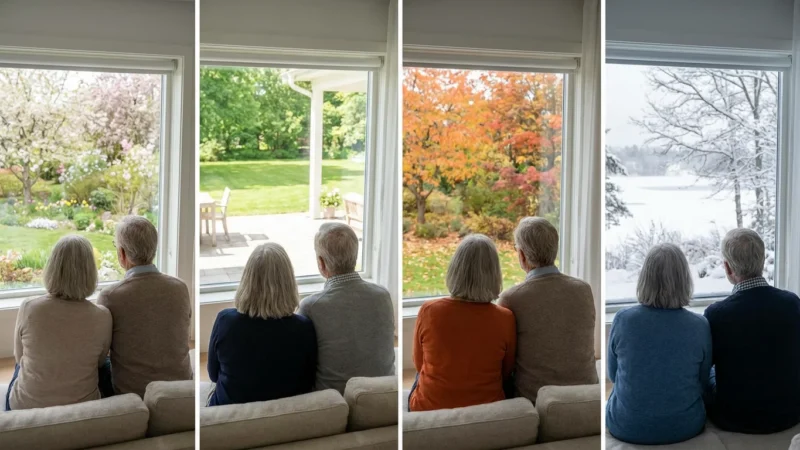
Thorough research is non-negotiable. Utilize resources like the U.S. Census Bureau for demographic data, the Tax Foundation for financial insights, and Medicare.gov for healthcare comparisons. Whenever possible, plan extended visits to your top prospective locations during different seasons. This firsthand experience reveals the true character of a place, its climate, and its community. An informed decision ensures your retirement destination truly becomes your haven.
Frequently Asked Questions
What is Seasonal Affective Disorder (SAD)?
Seasonal Affective Disorder is a type of depression linked to seasonal changes, most commonly occurring during the fall and winter months. It causes symptoms such as sadness, low energy, increased appetite, and excessive sleeping. Reduced exposure to natural light often triggers it.
How does sunlight exposure help with SAD?
Sunlight exposure helps regulate the body’s circadian rhythm, which governs sleep and wakefulness, and boosts serotonin levels, a neurotransmitter linked to mood. It also aids in vitamin D production, which can influence mood and overall well-being. Increased natural light can alleviate depressive symptoms associated with SAD.
Are there tax benefits to moving to a sunny state for retirement?
Yes, some sunny states are also tax-friendly for retirees. Florida and Nevada, for instance, have no state income tax, which can be a significant financial advantage. Always consult the Tax Foundation or a financial advisor to understand the full tax implications of any relocation, considering property taxes, sales taxes, and estate taxes.
What are the hottest states, and are they good for SAD?
States like Arizona, Nevada, and parts of California and Texas experience very high summer temperatures. While they offer abundant sunshine, the extreme heat can limit outdoor activity during peak summer months. This might necessitate indoor activities, which could counteract some benefits of living in a sunny climate if you are not careful to get early morning or late afternoon sun.
Should I visit a potential retirement location during different seasons?
Visiting a potential retirement location during different seasons is highly recommended. This allows you to experience the full range of weather conditions, understand seasonal population changes, and observe how the climate truly feels. Experiencing a winter in a sunny state or a summer in a humid state helps you make a more informed decision about your comfort and ability to engage in activities.
How important is healthcare access when considering a climate-driven move?
Healthcare access is critically important, especially for retirees. A sunny climate benefits mental well-being, but proximity to quality hospitals, specialists, and primary care physicians is essential. Always research local healthcare facilities and doctor availability through resources like Medicare.gov before making a final decision, ensuring your physical health needs are met as well as your mental health needs.
Disclaimer: This article is for informational purposes only. Cost of living, taxes, and local conditions change over time. We encourage readers to verify current information through official sources and visit potential retirement destinations before making relocation decisions.







Leave a Reply