
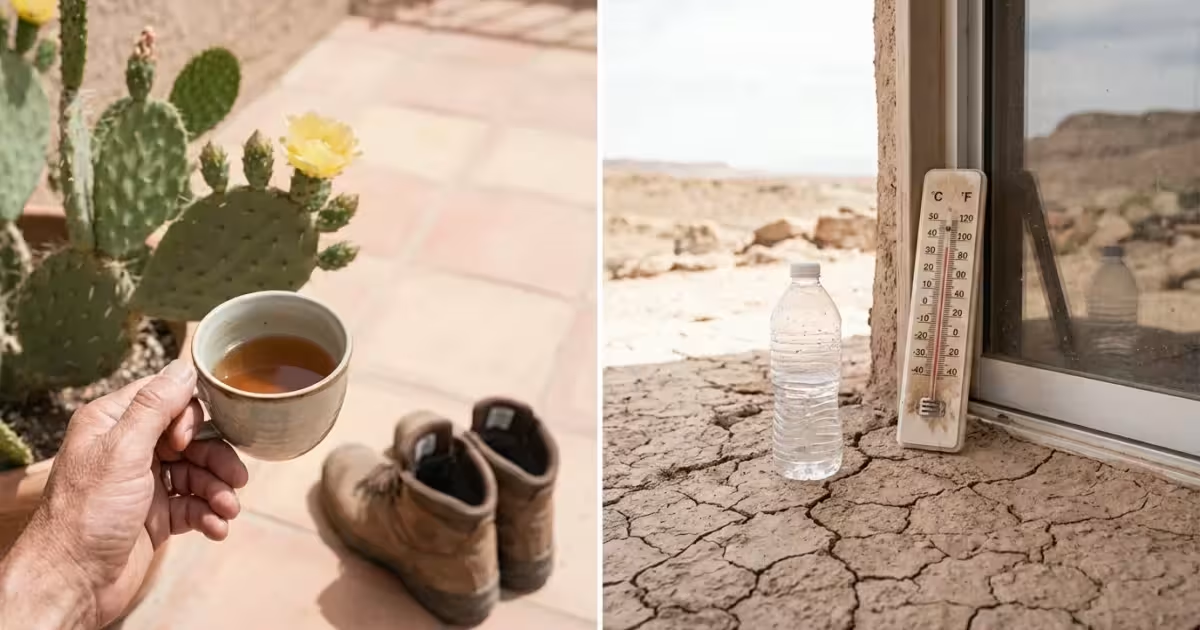
The Desert Southwest offers a unique appeal for many Americans considering retirement. Its vast landscapes, year-round sunshine, and distinct culture draw thousands of new residents annually. However, deciding if this arid region is your ideal retirement haven requires careful consideration of its advantages and disadvantages.
This guide provides practical, actionable insights into what you can expect when choosing to retire in the Desert Southwest. We explore everything from climate and cost of living to healthcare and lifestyle, helping you make an informed decision about your future home. Understanding both the allure and the challenges empowers your relocation planning.
- The Allure of the Desert Southwest
- Understanding the Desert Climate
- Cost of Living in Desert Retirement States
- Healthcare Access and Quality
- Tax-Friendly Retirement: Desert Southwest States Compared
- Lifestyle and Activities: Embrace the Desert
- Navigating the Challenges of Desert Living
- Is Retiring in Arizona Right for You? And Other Desert Options
- Relocation Planning and Practical Steps
- Frequently Asked Questions
The Allure of the Desert Southwest
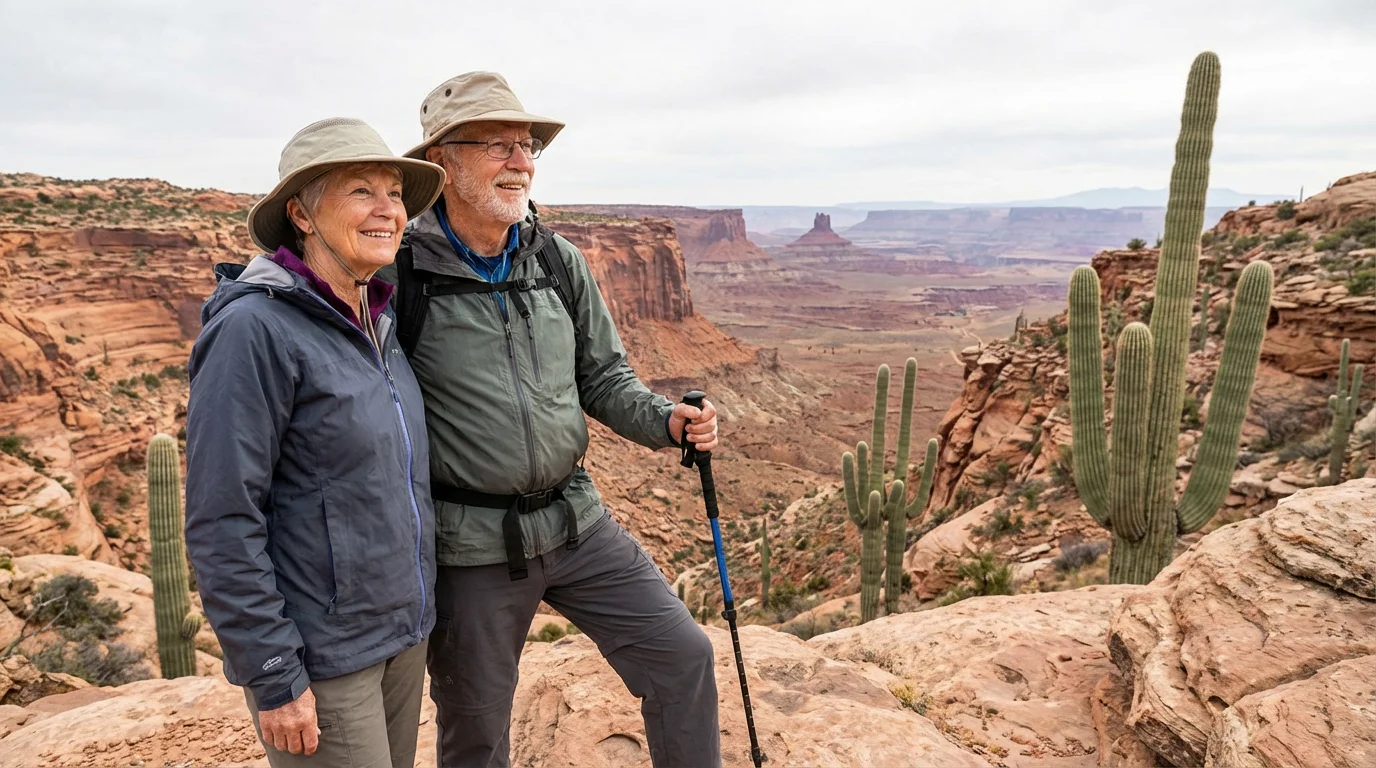
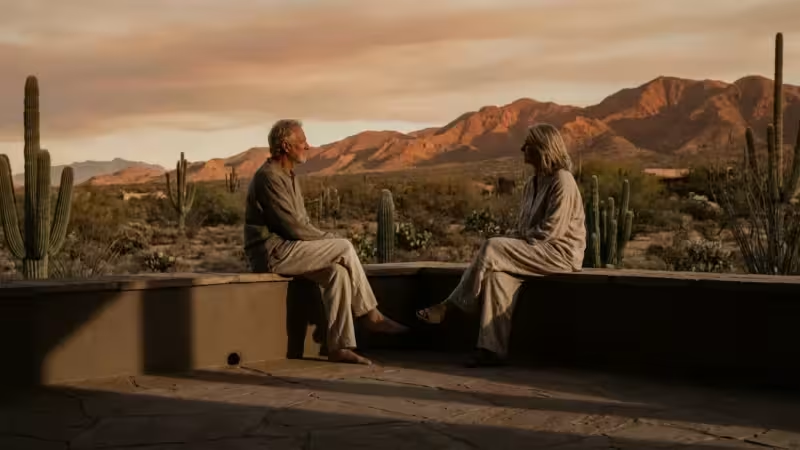
The Desert Southwest region captivates retirees with its distinct character and open spaces. This area primarily encompasses Arizona, Nevada, significant portions of New Mexico, southern Utah, and the desert regions of California. Retirees often seek its natural beauty, unique cultural heritage, and promise of an active outdoor lifestyle.
Many people flock to this region for the consistently `sunny days` and low humidity. This `desert climate` provides a stark contrast to humid coastal areas or cold northern states, appealing to those who desire warmer weather year-round. You find communities designed with retirees in mind, fostering an environment for social engagement and recreation.
Understanding the Desert Climate
The Desert Southwest is renowned for its intense sunshine and, in many areas, low humidity. This `dry heat` is a significant draw for individuals with conditions like arthritis, as many report feeling more comfortable here. You will experience an abundance of `sunny days` throughout the year, making outdoor activities frequently accessible.
However, the summer months bring extreme temperatures, often exceeding 100°F from June through September. These conditions require you to adjust your daily routines, prioritizing indoor activities during peak heat hours. The region also experiences a monsoon season, typically from July to September, bringing sudden heavy rains, dust storms, and flash floods.
The milder winters offer comfortable daytime temperatures, making them ideal for exploring the region’s natural wonders. Elevations vary significantly across the Desert Southwest, influencing local climates. For example, Flagstaff, Arizona, experiences all four seasons, including snow, while Phoenix remains hot and dry.
| City | State | Avg. Sunny Days/Year | Avg. July High (°F) | Avg. Jan Low (°F) | Avg. Annual Rainfall (inches) |
|---|---|---|---|---|---|
| Phoenix | AZ | 299 | 106 | 45 | 8 |
| Tucson | AZ | 286 | 100 | 42 | 12 |
| Las Vegas | NV | 292 | 104 | 38 | 4 |
| Palm Springs | CA | 300 | 108 | 46 | 5 |
| St. George | UT | 255 | 102 | 31 | 10 |

Cost of Living in Desert Retirement States
Understanding the cost of living is crucial when planning your retirement. The Desert Southwest presents a varied economic landscape, with some areas offering more affordability than others. Major metropolitan areas and popular resort towns typically feature higher costs, particularly for housing. For instance, according to the Bureau of Labor Statistics, the cost of living index in Phoenix, Arizona, stood at 103.5 in the first quarter of 2024, slightly above the national average of 100.
Nevada, outside of the Las Vegas and Reno areas, can offer more budget-friendly options. New Mexico often provides a lower cost of living overall, especially in smaller cities like Las Cruces or Rio Rancho. California’s desert regions, like Palm Springs, generally come with a premium price tag for real estate and services. Southern Utah, particularly the St. George area, offers a relatively moderate cost of living compared to larger cities, balanced with stunning natural surroundings.
Your housing choice significantly impacts your budget. Consider whether you prefer a single-family home, a condominium, or a dwelling within a 55+ community. These communities often include HOA fees covering amenities and sometimes certain utilities or exterior maintenance. Researching local property taxes and sales tax rates in specific towns provides a clearer picture of your ongoing expenses.
| City | State | Overall Index | Housing Index | Groceries Index | Healthcare Index |
|---|---|---|---|---|---|
| Phoenix | AZ | 103.5 | 108.7 | 100.2 | 98.5 |
| Tucson | AZ | 98.5 | 92.1 | 97.8 | 95.2 |
| Las Vegas | NV | 107.0 | 115.3 | 101.5 | 99.0 |
| Albuquerque | NM | 93.7 | 84.5 | 96.0 | 91.0 |
| St. George | UT | 101.2 | 104.5 | 99.0 | 98.0 |
Source: Council for Community and Economic Research (C2ER) Cost of Living Index, Q1 2024 (approximated for illustration).

Healthcare Access and Quality
Access to quality healthcare is a top priority for many retirees, and the Desert Southwest offers robust options in its urban centers. Major metropolitan areas like Phoenix, Tucson, Las Vegas, and Albuquerque boast numerous hospitals, specialized medical facilities, and extensive networks of physicians. You will find major healthcare systems, including academic medical centers, providing advanced care.
Rural areas within the Desert Southwest may have more limited healthcare resources. While smaller towns often feature clinics and general practitioners, access to specialists or large hospitals typically requires travel to larger cities. Use resources like Medicare.gov to compare hospital quality and physician ratings in specific locations you consider. This ensures your healthcare needs align with available services.
For specialized care, such as cancer treatment or cardiac care, metropolitan hubs are generally well-equipped. Many large 55+ communities also have partnerships with local healthcare providers or offer on-site medical services, which can be a significant convenience. Always verify that your preferred doctors and specialists are within your chosen health insurance network when relocating.
Tax-Friendly Retirement: Desert Southwest States Compared
Tax considerations significantly impact your retirement budget. The Desert Southwest includes states with varying tax policies that can either benefit or detract from your financial planning. You should analyze state income tax, sales tax, property tax, and how each state treats retirement income.
Nevada stands out as highly tax-friendly for retirees. It has no state income tax, inheritance tax, or estate tax. This means your Social Security benefits, pensions, and 401(k) withdrawals remain untaxed at the state level. New Mexico offers a mixed bag, taxing Social Security benefits up to certain income thresholds, but providing deductions for other retirement income.
Arizona offers a favorable tax environment, exempting Social Security benefits from state income tax. It also provides deductions for some pension and annuity income. Utah taxes Social Security benefits but offers a credit for low to moderate-income seniors. California, while offering a wealth of amenities, has higher income tax rates that apply to most retirement income, though Social Security remains exempt. For detailed, current information, you can consult the Tax Foundation.
| State | Income Tax | Social Security Tax | Pension/401(k) Tax | Sales Tax | Property Tax (Avg. effective rate) |
|---|---|---|---|---|---|
| Arizona | Flat (2.5%) | Exempt | Partially exempt/deductions | 5.6% state + local | 0.62% |
| Nevada | None | Exempt | Exempt | 6.85% state + local | 0.54% |
| New Mexico | Graduated (1.7% – 5.9%) | Taxed (deductions available) | Taxed (deductions available) | 5.125% state + local | 0.62% |
| Utah | Flat (4.85%) | Taxed (credit available) | Taxed | 6.10% state + local | 0.58% |
| California | Graduated (1% – 13.3%) | Exempt | Taxed | 7.25% state + local | 0.71% |
Source: Tax Foundation, 2024 Data (general rates, may vary by local jurisdiction).
Lifestyle and Activities: Embrace the Desert
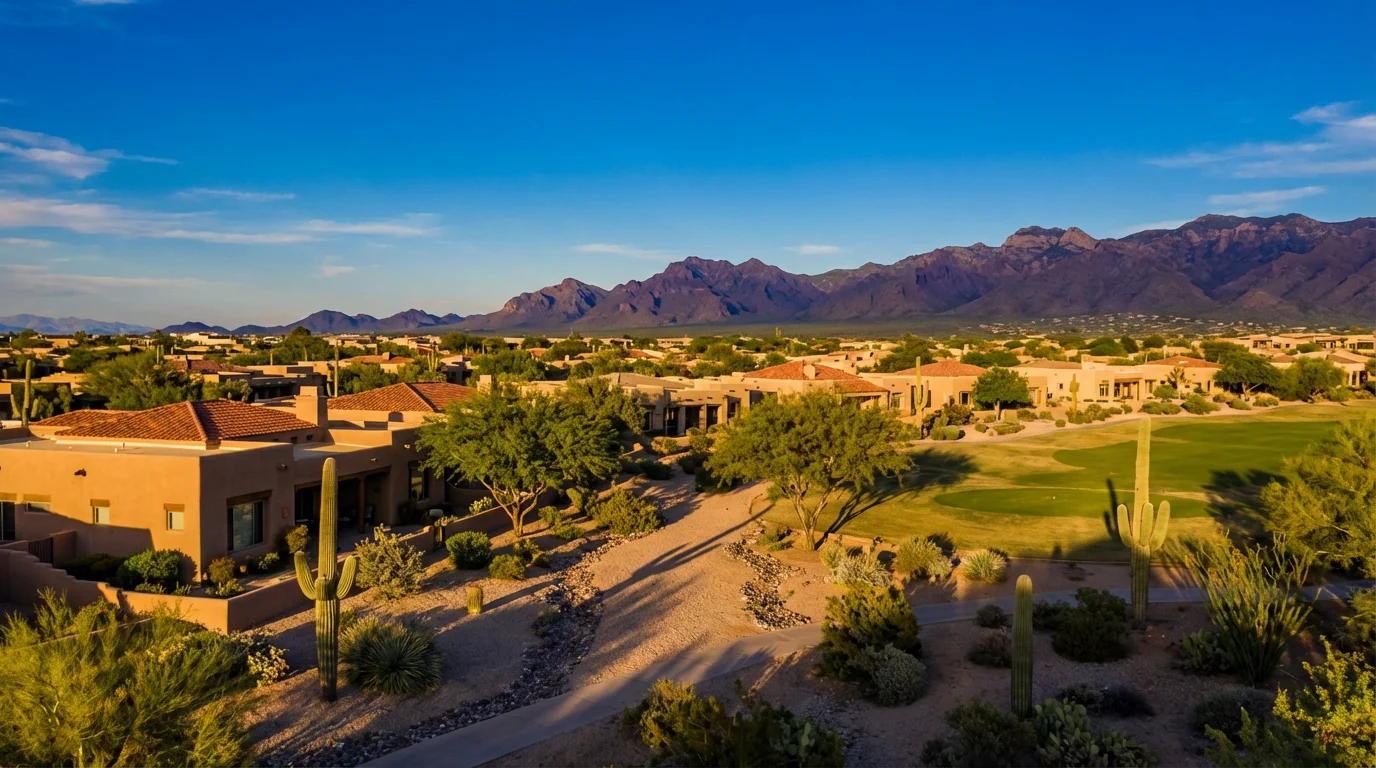
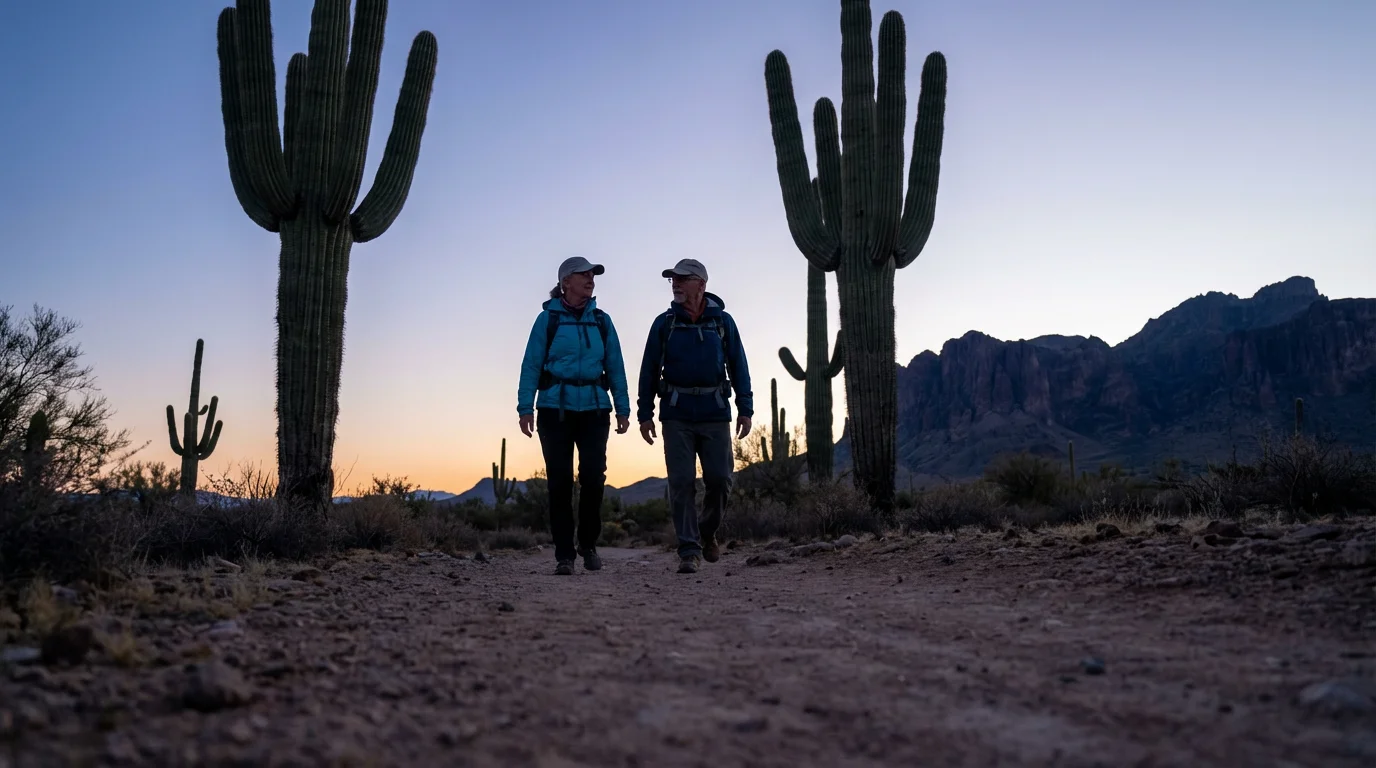
The Desert Southwest provides a dynamic lifestyle, especially for those who enjoy outdoor activities and a vibrant community spirit. The abundant `sunny days` allow for year-round engagement in various pursuits. You will find opportunities to hike scenic trails, play golf on world-class courses, and explore national parks and monuments.
Many `55+ communities` in the region offer extensive amenities and social calendars. These often include:
- Golf courses and tennis courts
- Swimming pools and fitness centers
- Clubhouses with organized activities
- Hobby groups, classes, and social events
- Walking and biking trails
Beyond planned communities, the Desert Southwest provides a rich cultural tapestry. You can explore Native American art and history, enjoy vibrant arts scenes in cities like Santa Fe and Scottsdale, and discover diverse culinary experiences. Opportunities for volunteering, lifelong learning, and engaging with local culture are plentiful. You can immerse yourself in the natural beauty through stargazing, bird watching, and photography, truly embracing the unique environment.
“Home is not where you are from, it is where you belong.” — Unknown
Navigating the Challenges of Desert Living
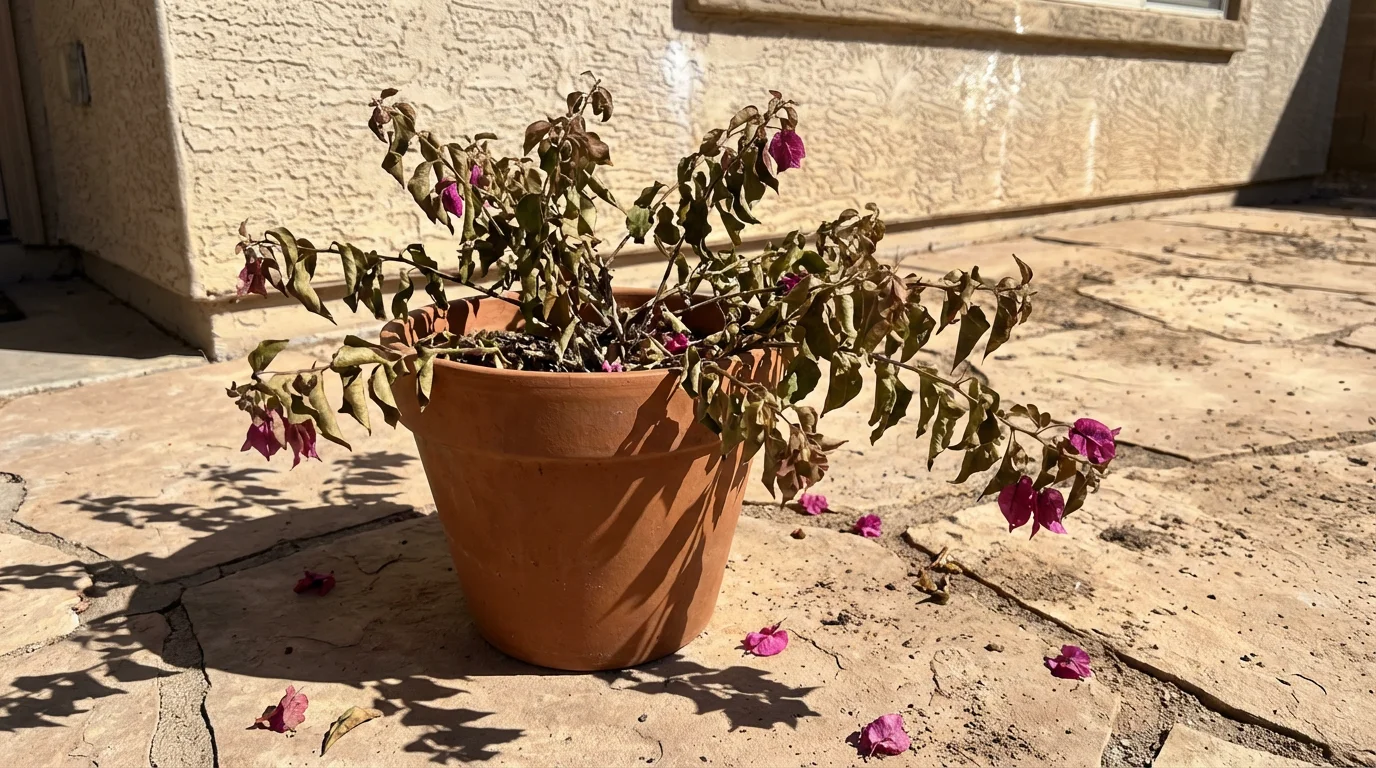
While the Desert Southwest offers many advantages, it also presents unique challenges you must consider. The intense summer heat is a primary concern. You will spend more time indoors or limit outdoor activities to early mornings and evenings during these months. Higher utility bills for air conditioning are also a reality.
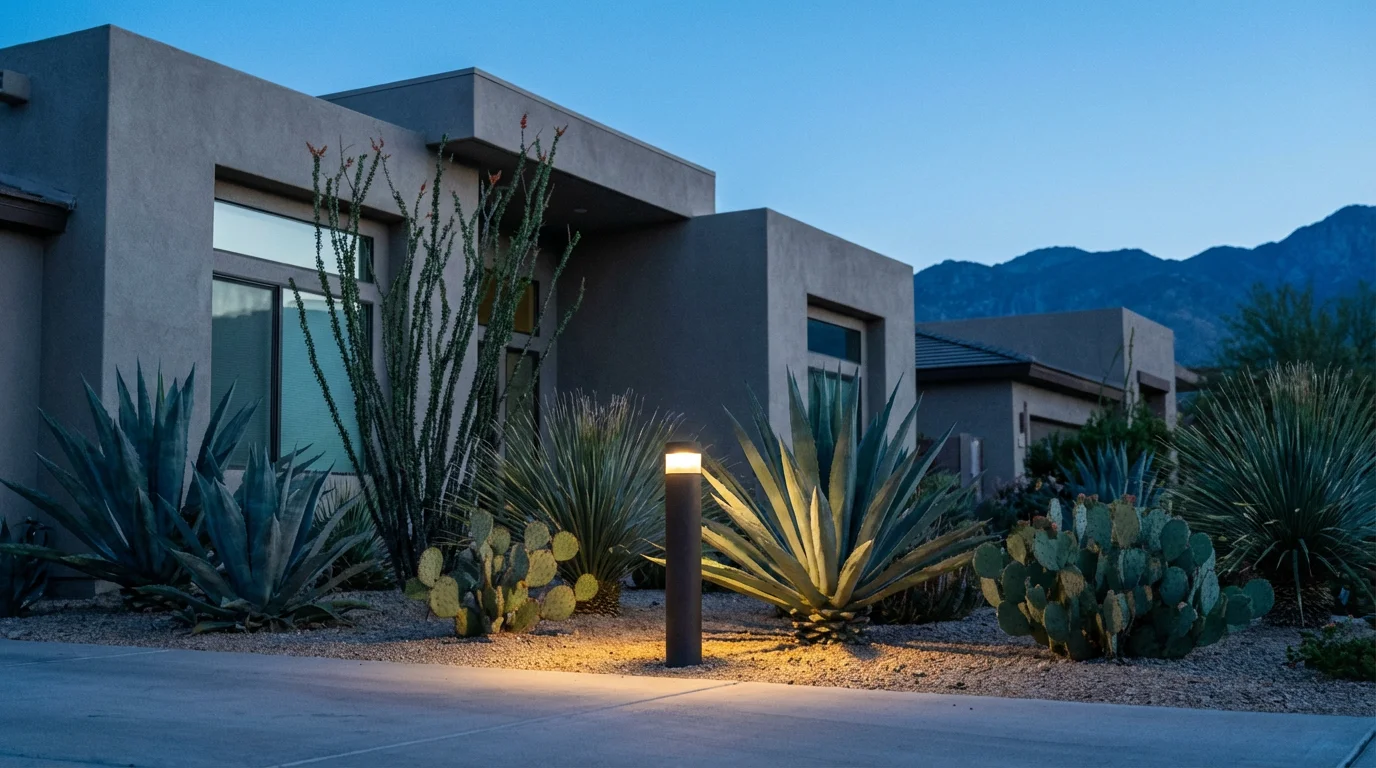
Water conservation is an ongoing issue in this arid region. You will encounter drought restrictions and a strong emphasis on xeriscaping, using native, low-water plants in landscaping. Understanding and adhering to local water usage guidelines is an essential aspect of living here.
The desert environment hosts various wildlife, including scorpions, rattlesnakes, and javelinas. While encounters are infrequent in urban areas, awareness and caution are necessary, especially if you live near undeveloped land. Your family may also live significant distances away, requiring more travel for visits.
Is Retiring in Arizona Right for You? And Other Desert Options
Many prospective retirees specifically ask, “`is retiring in Arizona right for me?`” Arizona is a popular choice due to its warm `desert climate`, active `55+ communities`, and relatively favorable tax policies. Cities like Phoenix and Tucson offer extensive amenities, healthcare, and a strong sense of community. However, summer temperatures are extremely high, and housing costs in some areas have risen significantly.
Beyond Arizona, you have several excellent options within the Desert Southwest:
- Nevada: Southern Nevada, particularly the Las Vegas Valley, offers a `dry heat`, abundant `sunny days`, no state income tax, and a wide array of entertainment and dining. Outside of Las Vegas, cities like Henderson and Boulder City provide a quieter pace. However, the transient nature of Las Vegas might not appeal to everyone, and water scarcity is a significant concern.
- New Mexico: Known as the Land of Enchantment, New Mexico provides a rich cultural experience, unique cuisine, and a lower cost of living in many areas. Albuquerque and Santa Fe offer arts, history, and a more temperate high-desert climate, often with cooler summers. The state’s tax structure for retirement income is less favorable than Arizona or Nevada.
- Southern Utah: St. George and surrounding areas offer stunning red rock scenery, a strong sense of community, and a slightly milder `desert climate` than Arizona or Nevada. It is an excellent choice for outdoor enthusiasts. Housing costs are rising, and the culture may be more conservative than other desert states.
- California Desert (e.g., Palm Springs): This area boasts world-class resorts, cultural attractions, and a vibrant social scene, especially within its LGBTQ+ communities. The climate is quintessential `dry heat` with abundant `sunny days`. However, the cost of living and state taxes are considerably higher than in other desert states.
Your personal preferences for climate, cost, culture, and amenities will guide which of these options best suits your retirement vision.
Relocation Planning and Practical Steps
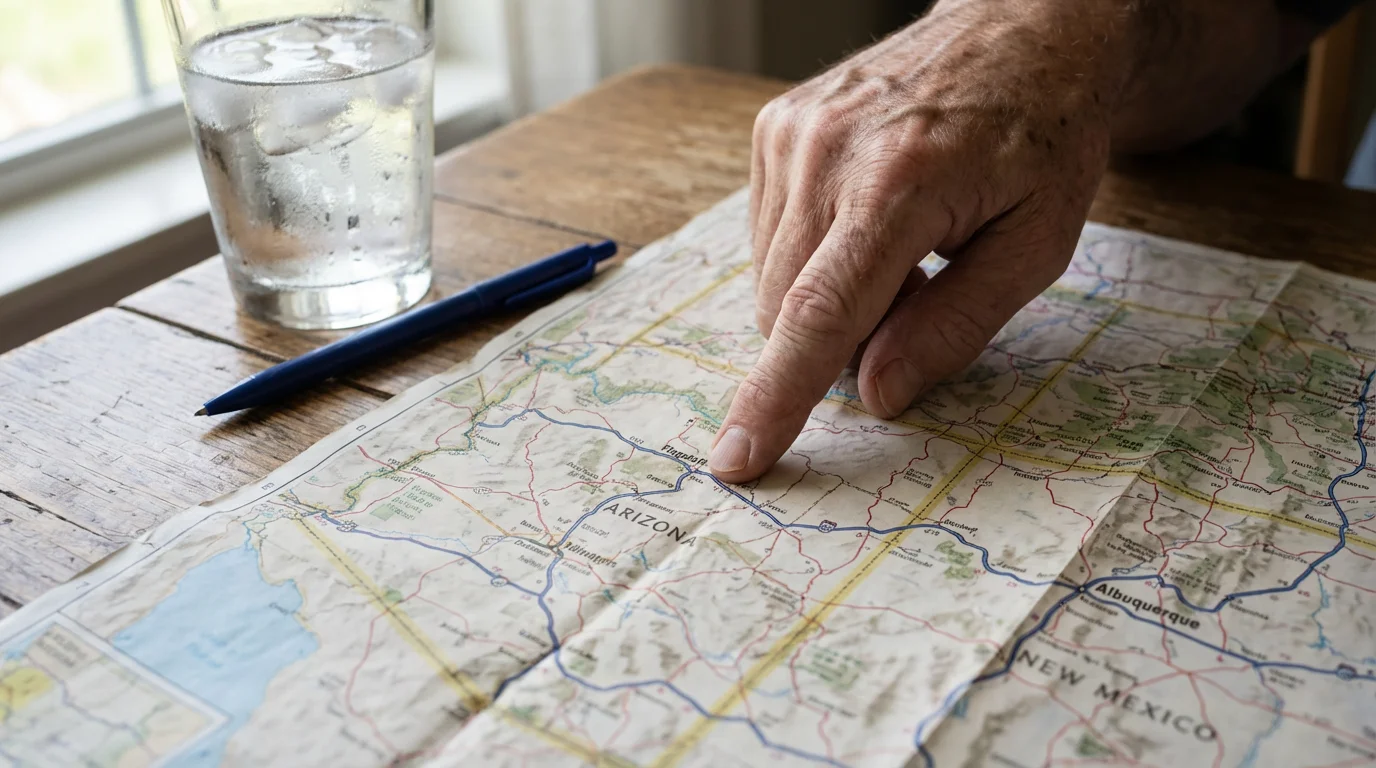
Relocating for retirement involves several key steps to ensure a smooth transition. Approaching this process systematically helps alleviate stress and ensures you cover all essential aspects. Successful relocation requires thorough research and careful execution.
Here are practical steps to guide your move:
- Extensive Research: Begin by researching potential cities and states, focusing on your priorities like cost of living, climate, healthcare, and activities. Utilize reliable sources like the U.S. Census Bureau for demographic data and AARP for livable communities information.
- Visit Potential Locations: Plan extended visits to your top choices. Experience different seasons, explore neighborhoods, and engage with locals. This firsthand experience reveals much more than online research alone.
- Financial Planning and Budgeting: Create a detailed budget for your new location, factoring in housing, utilities, taxes, insurance, and daily expenses. Consider consulting a financial advisor to understand the tax implications of your retirement income in your chosen state.
- Downsize and Declutter: Start downsizing your belongings well in advance of your move. Donate, sell, or discard items you no longer need. This reduces moving costs and simplifies settling into your new home.
- Secure Housing: Decide whether you will buy or rent. If buying, work with a local real estate agent who understands the market. Explore 55+ communities if that lifestyle appeals to you.
- Healthcare and Insurance Transfer: Research doctors and specialists in your new area and ensure your health insurance, including Medicare, will be active and accepted. Transfer prescriptions and medical records. Eldercare Locator can help you find local resources.
- Update Important Documents: Change your address with the U.S. Postal Service, update your driver’s license and vehicle registration, and notify banks, investment firms, and government agencies of your new residency.
Frequently Asked Questions
What are the biggest challenges of retiring in the Desert Southwest?
The primary challenge is the extreme summer heat, which can make outdoor activities difficult during peak daylight hours. Other challenges include water conservation, potential encounters with desert wildlife, and adjusting to a new environment that might be far from existing family and friends.
Is the dry heat truly more bearable than humid heat?
Many individuals find dry heat more tolerable than humid heat, as sweat evaporates more quickly, providing a cooling effect. However, high temperatures still require precautions, such as staying hydrated and limiting sun exposure during the hottest parts of the day. Your personal preference and health conditions determine your comfort level.
Do desert states have good healthcare for retirees?
Major metropolitan areas within desert states, such as Phoenix, Tucson, Las Vegas, and Albuquerque, offer excellent healthcare infrastructure with numerous hospitals, specialized centers, and medical professionals. Rural areas may have more limited options, necessitating travel for specialized care. Always research specific facilities using resources like Medicare.gov.
What are the best desert retirement states for tax friendliness?
Nevada is considered the most tax-friendly desert state for retirees, as it has no state income tax, making all retirement income exempt. Arizona also offers a favorable environment, exempting Social Security benefits and providing deductions for other retirement income. New Mexico and Utah have state income taxes that apply to some retirement income, while California has higher income tax rates. Refer to the Tax Foundation for detailed state-specific information.
Are 55+ communities common in the Desert Southwest?
Yes, `55+ communities` are very common and popular throughout the Desert Southwest, especially in Arizona and Nevada. These communities cater specifically to retirees, offering a wide range of amenities, social activities, and often a maintenance-free lifestyle. They provide excellent opportunities for social engagement and recreation tailored to an active adult lifestyle.
Disclaimer: This article is for informational purposes only. Cost of living, taxes, and local conditions change over time. We encourage readers to verify current information through official sources and visit potential retirement destinations before making relocation decisions.






Leave a Reply