

The vision of retiring by the water captures the imagination for many. Picture waking to the sound of waves, enjoying peaceful sunsets over a lake, or spending afternoons fishing from your own dock. This idyllic dream often includes a relaxed pace, abundant outdoor activities, and stunning natural beauty. However, turning this dream into a reality requires careful consideration of many practical factors beyond the picturesque view.
Retirement near water offers unique benefits but also presents distinct challenges. This guide explores the comprehensive landscape of waterfront retirement, providing actionable insights into costs, climate, healthcare, and lifestyle implications. You need objective information to weigh the pros and cons and determine if a life by the water aligns with your retirement goals and financial plan.
Table of Contents
- The Allure of Waterfront Living
- Pros of Retiring Near Water
- Cons and Challenges of Waterfront Retirement
- Financial Considerations: Beyond the View
- Climate and Environmental Factors
- Healthcare Access and Infrastructure
- Finding Your Ideal Waterfront Location: Key Regions to Consider
- Practical Steps for Relocation
- Frequently Asked Questions

The Allure of Waterfront Living
Many individuals contemplating retirement envision a serene escape, and waterfront living frequently tops the list. The tranquil presence of water, whether it is an ocean, lake, or river, often symbolizes peace, recreation, and a break from the ordinary. This romanticized view fuels aspirations for a lifestyle characterized by natural beauty and a relaxed pace.
You might be drawn to the calming effects of water, the mesmerizing views, or the opportunities for outdoor pursuits. The perceived benefits extend to mental well-being, offering a sense of detachment from daily stressors and a closer connection to nature. These powerful emotional drivers make waterfront properties highly desirable for retirees seeking a specific quality of life.
However, the emotional appeal can sometimes overshadow the practical realities of owning and maintaining property near water. It is essential to move beyond the initial enchantment and critically evaluate what such a lifestyle truly entails. Understanding the full picture helps you make a choice that supports your long-term happiness and financial stability.
For many, the dream of waterfront living also includes a sense of community. Marinas, beach towns, and lakeside villages often foster a unique social environment centered around water activities and shared appreciation for the natural surroundings. This communal aspect can be a significant draw for retirees looking to connect with like-minded individuals.

Pros of Retiring Near Water
Retiring near water offers a distinct set of advantages that appeal to many seeking a fulfilling post-career lifestyle. These benefits often center around improved well-being, enhanced recreational opportunities, and a unique aesthetic appeal that can enrich daily life.
Lifestyle and Recreation
One of the primary draws is the unparalleled access to water-based activities. If you enjoy boating, fishing, swimming, kayaking, or paddleboarding, a waterfront retirement places these hobbies right at your doorstep. This convenience encourages a more active and engaging lifestyle, which can be highly beneficial for maintaining physical health.
- Direct Water Access: Enjoy immediate access for swimming, fishing, or launching a boat, fostering regular engagement in water sports.
- Outdoor Activity Promotion: The scenic environment naturally encourages walks, jogs, and wildlife viewing along the shore.
Health and Wellness
Living by water is frequently associated with reduced stress and improved mental clarity. The calming sounds and visual aesthetics of water can create a therapeutic environment. Research suggests that exposure to “blue spaces” like oceans and lakes can lower psychological distress and improve mood.
- Stress Reduction: The natural sounds and sights of water promote relaxation and calm.
- Improved Air Quality: Coastal and lakeside areas often feature cleaner, fresher air.
- Increased Physical Activity: Proximity to water activities encourages an active daily routine, supporting better physical health.
- Mental Well-being: Studies link “blue spaces” to reduced anxiety and enhanced mood, contributing to overall mental health.
Community and Social Life
Many waterfront locations foster vibrant and active communities centered around shared interests. Marinas, lake associations, and coastal towns often host events, clubs, and social gatherings. You can easily find opportunities to connect with neighbors who share your passion for the water, building strong social bonds.
- Active Communities: Many waterfront areas feature lively social calendars and clubs.
- Shared Interests: Connect with neighbors who enjoy boating, fishing, and other water activities.
- Unique Events: Participate in local regattas, seafood festivals, or lakeside gatherings, enhancing social engagement.
Aesthetic and Property Value
The sheer beauty of a water view provides a constant source of enjoyment and enhances daily living. Beyond personal enjoyment, waterfront properties often hold their value well, sometimes appreciating faster than inland properties. This can represent a solid investment, though it comes with higher initial costs.
- Stunning Views: Enjoy picturesque sunrises, sunsets, and natural landscapes directly from your home.
- Enhanced Quality of Life: The inherent beauty of the surroundings contributes significantly to daily contentment.
- Potential for Appreciation: Waterfront properties often maintain or increase value due to scarcity and consistent demand.
“Home is not where you are from, it is where you belong.” — Unknown
Cons and Challenges of Waterfront Retirement
While the allure of waterfront living is undeniable, you must also consider the significant challenges and potential downsides. These factors can impact your budget, safety, and daily living experience. A balanced perspective ensures you are fully prepared for the realities of such a move.
Cost of Living
Waterfront properties typically come with a higher price tag compared to comparable inland homes. This premium extends beyond the purchase price to property taxes, insurance, and ongoing maintenance. According to the U.S. Census Bureau, median home values in coastal counties frequently exceed national averages, reflecting this demand. For example, in many popular coastal retirement areas, median home prices can be 20-50% higher than statewide averages.
- Higher Property Values: Expect significantly increased costs for purchasing a waterfront home.
- Elevated Property Taxes: Higher property assessments lead to greater annual tax obligations.
- Increased Insurance Premiums: Flood, wind, and specialized waterfront insurance policies are often mandatory and expensive.
Environmental Risks
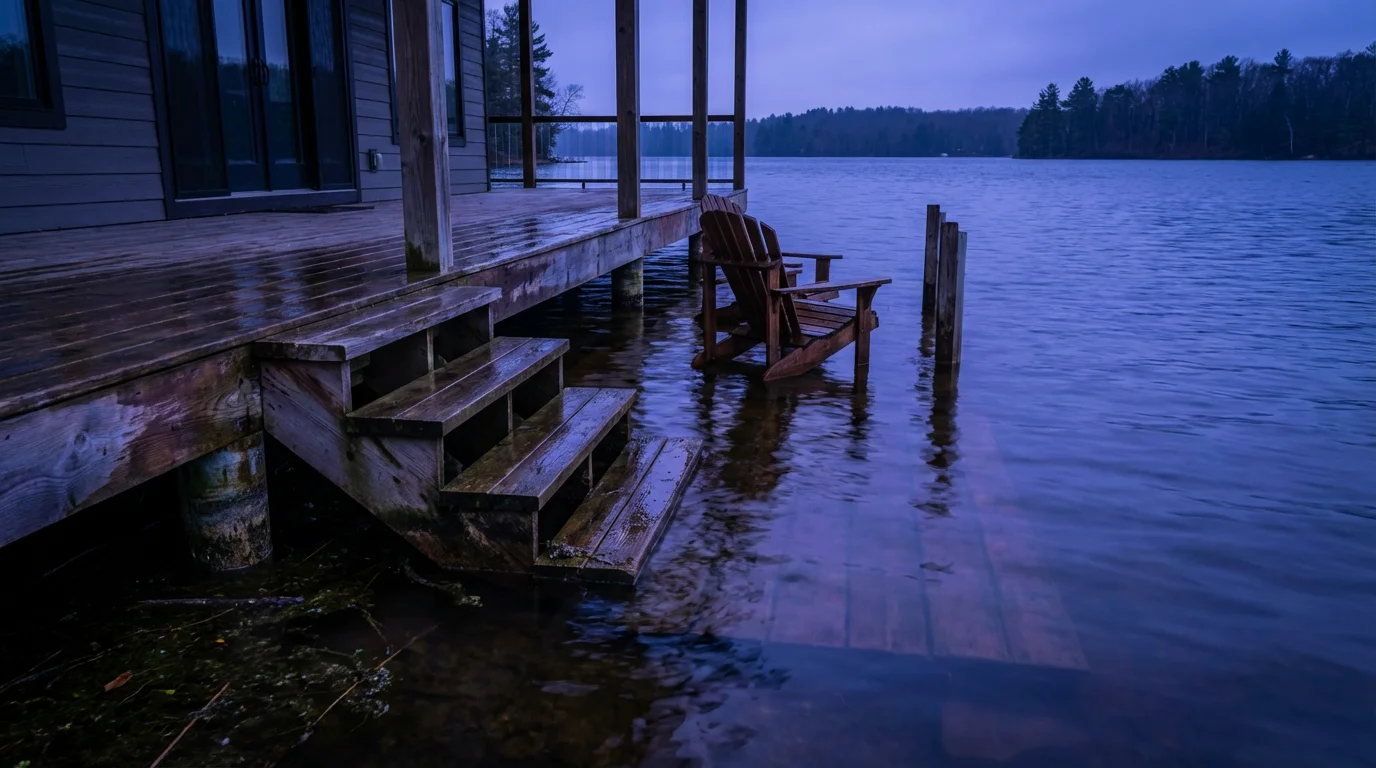
Proximity to water, especially oceans and large lakes, exposes properties to increased environmental risks. Hurricanes, tropical storms, and severe winter weather can cause substantial damage. Rising sea levels and coastal erosion also pose long-term threats that impact property stability and insurance viability. The National Weather Service provides data indicating that coastal areas face higher incidences of severe weather events compared to inland regions.
- Natural Disasters: Increased risk of hurricanes, tropical storms, flooding, and erosion.
- Storm Damage: Greater potential for property damage from high winds and water surges.
- Rising Sea Levels: This presents a long-term threat to coastal properties and infrastructure.
- Insurance Challenges: Difficulty securing affordable coverage in high-risk zones, impacting your financial planning.
Maintenance and Upkeep
Waterfront properties demand specialized and often costly maintenance. Docks, bulkheads, and seawalls require regular inspection and repair to withstand constant water exposure. Saltwater environments accelerate corrosion on outdoor fixtures, vehicles, and even home exteriors, necessitating more frequent painting and repairs. Protecting your investment means committing to this ongoing upkeep and budgeting for these specific expenses.
- Specialized Structures: Docks, bulkheads, and piers require consistent maintenance and repair, often involving significant expense.
- Corrosion: Salt air and humidity accelerate rust and deterioration on structures and vehicles, demanding more frequent upkeep.
- Mold and Mildew: Higher humidity levels can increase issues with mold and mildew inside homes, requiring proactive mitigation.
Accessibility and Infrastructure
Some of the most appealing waterfront locations are in more remote or less developed areas. This can mean longer travel times to essential services such as major hospitals, specialty medical clinics, and even large grocery stores. Limited public transportation options can also be a factor, making personal vehicle reliance critical. Emergency response times might also be longer in isolated communities.
- Remote Locations: Many desirable waterfront spots are isolated from urban centers, impacting convenience.
- Limited Healthcare Access: Longer distances to hospitals, specialists, and emergency services are common.
- Infrastructure Challenges: Potential for slower internet, limited public transport, and fewer service providers.
Pests and Wildlife
Living by water often means sharing your environment with a wider array of wildlife and insects. Mosquitoes, flies, and other bugs can be more prevalent, especially in warmer climates or near marshy areas. Increased presence of animals like raccoons, rodents, and even snakes or alligators (depending on the region) can also occur. Effective pest control becomes a constant necessity for comfort and safety.
- Increased Insect Population: Mosquitoes, gnats, and other bugs thrive near water sources, requiring pest management.
- Wildlife Encounters: Expect more frequent interactions with animals, some of which may be unwelcome or dangerous.
- Pest Control Needs: Requires more vigilant and consistent pest management strategies to maintain your living environment.

Financial Considerations: Beyond the View
Understanding the true financial commitment of waterfront retirement extends far beyond the initial purchase price. You must budget for a range of expenses that are often significantly higher than those for inland properties. Detailed financial planning helps prevent unforeseen burdens and ensures your retirement savings support your chosen lifestyle.
Property Costs
Waterfront properties command a premium due to their scarcity and desirability. Median home prices in popular coastal retirement towns often exceed national averages by a substantial margin. For instance, a desirable waterfront home in Naples, Florida, could easily be double the price of a similar-sized inland home just a few miles away. This premium directly impacts your initial investment and ongoing property taxes.
- Higher Purchase Prices: Expect to pay significantly more for a property with direct water access or views.
- Increased Property Taxes: Property tax assessments correlate with property value, leading to higher annual bills.
Insurance Expenses
Insurance costs are a critical, often underestimated, financial burden for waterfront homes. Standard homeowners’ insurance does not typically cover flood damage, necessitating a separate flood insurance policy. Depending on your location, you may also require windstorm insurance, especially in hurricane-prone regions. These specialized policies can add thousands of dollars annually to your housing expenses.
For example, a home in a high-risk flood zone could incur annual flood insurance premiums ranging from $1,000 to over $5,000. Windstorm insurance in coastal Florida might add another $2,000 to $6,000 per year. Compare this to an inland home where these risks are minimal or non-existent, illustrating the significant cost difference.
- Flood Insurance: Often mandatory and expensive, especially in designated flood zones.
- Windstorm Insurance: Crucial for coastal areas prone to hurricanes and severe weather.
- Higher Homeowners’ Premiums: Proximity to water often increases general homeowners’ insurance rates.
- Higher Deductibles: Expect elevated deductibles for wind and flood damage, requiring more out-of-pocket expenses if a claim occurs.
Maintenance and Upkeep Expenses
The specialized nature of waterfront properties leads to higher maintenance costs. Docks, seawalls, and boat lifts require regular inspection, repair, and occasional replacement, which can cost tens of thousands of dollars over time. The constant exposure to salt, humidity, and sun also accelerates wear and tear on exterior surfaces, demanding more frequent painting, cleaning, and repairs. A typical dock repair might range from $500 to $5,000, while a seawall replacement could be $100 to $1,000 per linear foot.
- Dock and Seawall Maintenance: Requires significant investment for upkeep, repairs, and eventual replacement.
- Corrosion Control: Regular treatment and replacement of metal fixtures due to rust and saltwater exposure.
- Exterior Repairs: More frequent painting and siding repairs are needed due to environmental wear.
- Pest Control: Ongoing costs for managing insects and wildlife common in waterfront areas are necessary.
Comparative Cost Table: Waterfront vs. Inland Retirement
To illustrate the potential financial differences, consider this hypothetical comparison for a medium-sized home in a popular retirement state like Florida.
| Expense Category | Inland Property (e.g., Orlando Suburb) | Waterfront Property (e.g., Gulf Coast) |
|---|---|---|
| Median Home Price | $350,000 | $700,000 |
| Annual Property Taxes | $4,000 – $6,000 | $8,000 – $12,000 |
| Annual Homeowners Insurance | $2,000 – $3,500 | $4,000 – $8,000 (includes wind) |
| Annual Flood Insurance | Optional, ~$500 | Mandatory, $1,500 – $5,000+ |
| Annual Exterior Maintenance (est.) | $1,000 – $2,500 | $2,500 – $7,000+ (includes dock/seawall upkeep) |
| Estimated Total Annual Housing Costs (excluding mortgage) | $7,500 – $12,500 | $16,000 – $32,000+ |
This table highlights that while enjoying a waterfront view, you assume significantly higher annual costs. These figures vary greatly by specific location, property type, and insurance provider, emphasizing the need for personalized research and budgeting.

Climate and Environmental Factors
The climate and specific environmental conditions of a waterfront location profoundly impact your daily life and property. Understanding these elements is crucial for a successful retirement by the water. You must evaluate both the pleasant aspects and the potential hazards.
Weather Patterns
Coastal and lakeside regions experience distinct weather patterns. While warm coastal breezes are attractive, these areas are often more susceptible to severe weather events. Hurricane season in the Atlantic and Gulf coasts, for example, runs from June 1 to November 30. During this period, areas can experience high winds, heavy rainfall, and storm surges. Similarly, Great Lakes regions can face intense winter storms and lake-effect snow.
- Severe Storms: Increased risk of hurricanes, tropical storms, nor’easters, or blizzards depending on the region.
- High Winds: Coastal and open water areas frequently experience stronger and more damaging winds.
- Temperature Extremes: Water bodies can moderate temperatures, but also contribute to humidity or intense cold.
Erosion and Flooding
Many waterfront areas face ongoing challenges from erosion and flooding. Coastal erosion can gradually diminish your property’s land area, while river and lakefronts can be subject to seasonal flooding. These natural processes pose threats to property foundations and infrastructure. FEMA flood maps identify areas at various levels of flood risk, and checking these maps is a non-negotiable step when considering a waterfront property.
- Coastal Erosion: Gradual loss of land due to wave action, currents, and storms.
- Riverine and Lake Flooding: Risk of inundation from heavy rainfall or dam releases, impacting inland waterfronts.
- Storm Surge: Ocean-front properties are highly vulnerable to large water inundations during hurricanes and severe storms.
- Flood Zone Designations: Properties in designated flood zones face stricter building codes and mandatory flood insurance.
Water Quality and Ecosystems
The quality of the water directly impacts recreational activities and overall environmental health. Issues like red tide blooms on Florida coasts, harmful algal blooms in freshwater lakes, or industrial runoff can make water unsafe for swimming, fishing, or even unpleasant to be near. You should investigate local water quality reports and be aware of any recurring environmental concerns in your chosen area.
- Algal Blooms: Can make water toxic, unpleasant, and restrict recreational use.
- Pollution Risks: Runoff from agriculture, industry, or urban areas can impact water quality.
- Impact on Recreation: Poor water quality can severely limit swimming, fishing, and boating.
Healthcare Access and Infrastructure
Healthcare access becomes an increasingly vital consideration as you plan for retirement. While some desirable waterfront locations boast excellent medical facilities, others might be more remote, impacting your access to necessary care. You must prioritize understanding the local healthcare landscape to ensure your health needs are met.
Proximity to Medical Facilities
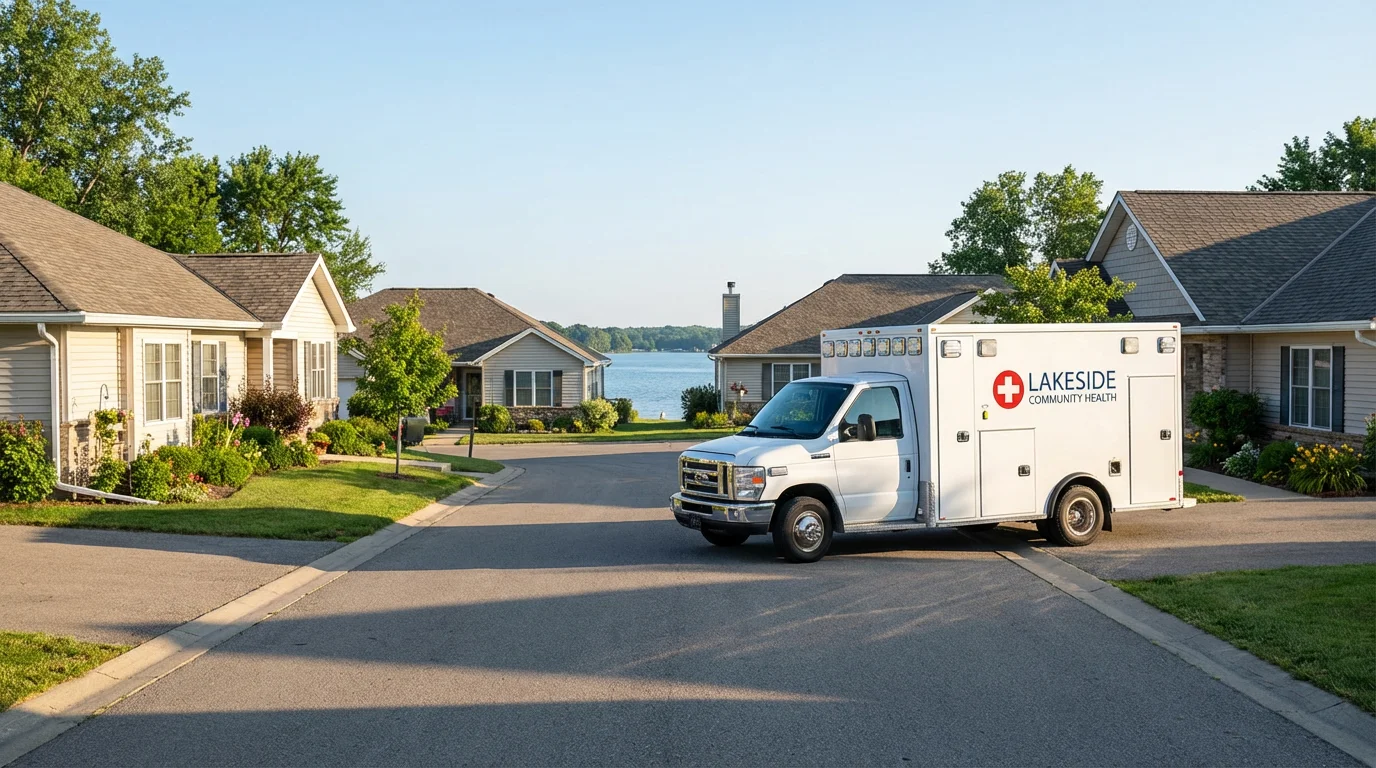
Assess the distance to major hospitals, emergency rooms, and specialty clinics. In many remote coastal or lakefront towns, these facilities may be hours away. This can be a critical factor, especially if you have chronic health conditions or anticipate needing frequent medical attention. Consider the travel time during peak traffic or severe weather conditions.
- Emergency Services: Evaluate response times for ambulances and fire services in potential areas.
- Hospital Access: Research the nearest accredited hospitals and their specialties to ensure comprehensive care.
- Specialist Care: Ensure access to cardiologists, oncologists, or other specialists you may need.
Specialized Senior Care
Beyond immediate medical needs, consider the availability of long-term care options. Assisted living facilities, memory care units, and home healthcare services are important for future planning. Rural waterfront areas often have fewer options for specialized senior care, and those that exist might have long waitlists or be very expensive. The Eldercare Locator, a public service of the U.S. Administration on Aging, can help you find local services.
- Assisted Living: Research the quality and availability of local assisted living facilities.
- Memory Care: Essential for those needing specialized support for cognitive impairment.
- Home Healthcare: Assess local agencies for in-home care services, ensuring availability and quality.
Infrastructure and Services
Reliable infrastructure supports your daily life and access to care. This includes consistent internet service for telehealth appointments, dependable utilities, and well-maintained roads. Some remote waterfront communities might experience power outages more frequently or have limited options for high-speed internet, which impacts both convenience and safety. You can visit the Medicare.gov website for information on healthcare plans and providers in different regions.
- Transportation Networks: Evaluate road conditions, traffic patterns, and public transport options.
- Utility Reliability: Consider the stability of power, water, and waste management services.
- Internet and Cell Service: Ensure strong connectivity for communication and telemedicine.

Finding Your Ideal Waterfront Location: Key Regions to Consider
The perfect waterfront retirement spot varies dramatically based on your priorities, budget, and desired lifestyle. No single location suits everyone. Exploring different types of waterfronts and regions helps you narrow down possibilities. You can find waterfront living on oceans, large lakes, or expansive rivers, each offering a unique experience.
Coastal Retirement Options
Coastal areas present the iconic dream of ocean views and sandy beaches, with direct access to saltwater activities. However, these areas also carry the highest risks for hurricanes, erosion, and generally come with elevated costs. You must balance the allure with these practical considerations.
- Florida Gulf Coast: This region is known for warm weather, calm waters, and numerous 55+ communities. Cities like Sarasota, Naples, and Fort Myers offer abundant amenities but come with high costs and a significant hurricane risk during storm season.
- Carolina Coasts (North Carolina, South Carolina): These coasts provide a milder climate than Florida, along with historic charm and a good balance of amenities. Areas like Myrtle Beach or Hilton Head Island attract many retirees but still face annual hurricane season challenges.
- Pacific Northwest (e.g., Puget Sound, Washington): This region offers rugged beauty, a temperate climate, and unique island living opportunities. Expect cooler temperatures and more rain, with desirable areas around Seattle or on the islands typically having higher costs.
Lakefront Retirement Options
Lakes offer a different kind of tranquility, often with calmer waters and fewer environmental hazards directly related to ocean storms. Lake communities can also be more affordable than coastal areas and provide a full four-season experience in many northern states, offering diverse recreational activities throughout the year.
- Great Lakes Region (e.g., Michigan, Wisconsin): These states feature vast freshwater resources, beautiful scenery, and four distinct seasons. While winters can be cold with significant snowfall, summers are vibrant with boating, fishing, and diverse outdoor recreation. Property costs vary widely, with some areas offering excellent value.
- Ozarks Region (e.g., Lake of the Ozarks, Missouri): Known for its affordability, extensive lake systems, and a more laid-back pace, the Ozarks offer abundant fishing and boating opportunities. However, you might find fewer high-end amenities and more limited healthcare options compared to major urban centers.
- Tennessee Lakes (e.g., Tellico Lake, Norris Lake): This area offers a warm climate, beautiful mountain scenery, and Tennessee’s tax-friendly status. These lakes provide excellent boating and fishing, often with a lower cost of living than coastal regions, though they can be subject to occasional flooding from heavy rains.
Riverfront Retirement Options
Riverfront living provides a serene and often more affordable alternative to oceans or large lakes. Rivers connect communities, offer unique boating experiences, and can be found further inland, which typically reduces risks associated with major coastal storm surges. This option often provides a quieter, more intimate connection to water.
- Mississippi River Towns: These towns offer historic charm and a slower pace, particularly in smaller communities along the river’s extensive stretch. You might find more affordable properties here, but also varying levels of amenities and potential for seasonal flooding depending on the specific location and river stage.
- Columbia River Gorge (Washington/Oregon): This region combines stunning natural beauty, abundant outdoor activities, and access to city amenities in nearby Portland or Vancouver. The climate is temperate, but desirable properties can be expensive, and access to some remote areas might be challenging.
- St. Johns River (Florida): This offers a freshwater alternative to Florida’s coasts, boasting abundant wildlife and less direct hurricane impact compared to oceanfront properties. Homes here can be more affordable than coastal equivalents, but you still experience Florida’s hot, humid summers.
Remember, the ideal choice balances your budget, desired climate, activity preferences, and critical needs like healthcare access. Always visit prospective locations at different times of the year to experience the full range of conditions. For broader insights into livable communities for seniors, you can explore resources from AARP Livable Communities.

Practical Steps for Relocation
Relocating for retirement, especially to a waterfront property, involves numerous logistical and financial considerations. A structured approach ensures a smoother transition and helps mitigate potential challenges. You need a clear plan covering research, financial preparation, and community integration.
Thorough Research and Visits
Before committing to a move, conduct extensive research. This includes not only online searches but also multiple visits to potential locations. Visit during different seasons to experience the full range of weather conditions, tourist crowds, and local activities. Talk to residents, real estate agents specializing in waterfront properties, and local insurance brokers.
- Multiple Visits: Spend time in your chosen location during both peak and off-peak seasons to understand daily life.
- Local Expert Consultations: Speak with real estate agents, insurance brokers, and financial advisors familiar with waterfront specifics.
- Community Engagement: Join local groups or forums to gain insights from current residents.
- Review Local Data: Examine crime rates, and infrastructure reports relevant to your lifestyle.
Comprehensive Financial Planning
Your financial plan must account for all the unique costs associated with waterfront living. Obtain detailed quotes for flood, wind, and homeowners’ insurance for specific properties you consider. Factor in higher property taxes, potential maintenance for marine structures, and any association fees for waterfront communities. Consult with a financial advisor experienced in retirement relocation.
- Detailed Insurance Quotes: Secure firm quotes for all necessary property insurance types before purchasing.
- Budget for Maintenance: Allocate funds for ongoing upkeep of docks, seawalls, and exterior salt-air corrosion.
- Property Tax Assessment: Understand the exact tax implications of your chosen property.
- Emergency Fund: Build a robust emergency fund for unexpected repairs or disaster recovery.
Healthcare and Support Systems Planning
Ensure that your new location can adequately support your current and future healthcare needs. This involves researching doctors, specialists, hospitals, and long-term care facilities. If you rely on family for support, consider their proximity and willingness to travel. Establishing a local support network before or shortly after your move provides peace of mind.
- Doctor and Specialist Research: Identify and vet new primary care physicians and specialists.
- Hospital Affiliation: Confirm the nearest hospital’s ratings and services match your needs.
- Care Options: Explore local assisted living, memory care, and home healthcare providers.
- Social Support Network: Plan how to build new friendships and community connections.
Logistics and Legalities
Address the practical aspects of moving, including selling your current home, packing, and hiring movers. Understand any local regulations regarding waterfront property ownership, such as environmental permits for dock repairs or zoning restrictions. Consider consulting a local attorney for property-specific legal advice. For general relocation guidance, you can refer to USA.gov’s resources on moving.
- Moving Company Selection: Obtain multiple quotes and check references for relocation services.
- Property Sale and Purchase: Coordinate closing dates carefully to minimize transition time.
- Legal Review: Engage a local attorney for property title searches and understanding local ordinances.
- Permits and Regulations: Research any specific permits needed for waterfront structures or renovations.
Frequently Asked Questions
Is waterfront retirement more expensive than inland retirement?
Yes, waterfront retirement is generally more expensive. You face higher property purchase prices, elevated property taxes, and significantly increased insurance costs for flood and wind damage. Additionally, ongoing maintenance for docks, seawalls, and salt-air corrosion adds to the annual expenses. These factors collectively make waterfront living a premium choice.
What are the biggest risks of living near water in retirement?
The biggest risks include exposure to natural disasters such as hurricanes, tropical storms, and severe flooding, leading to property damage and potential loss. Other significant concerns involve coastal erosion, higher maintenance demands due to environmental factors, and potentially limited access to essential services like healthcare in more remote waterfront communities. You must weigh these risks against the lifestyle benefits.
How do I find out about flood risks for a specific property?
You can determine flood risks by checking official FEMA flood maps using the property address. These maps indicate if a property is in a designated flood zone and the associated risk level. Your insurance agent can also help you understand the flood zone designation and provide flood insurance quotes based on this information. Always verify this before purchasing.
Are waterfront properties good investments for retirement?
Waterfront properties can be good investments due to their scarcity and high demand, often appreciating faster than comparable inland homes. However, their investment value also carries higher risks, including potential damage from natural disasters, rising insurance costs, and long-term environmental concerns like rising sea levels. The “goodness” of the investment depends on your risk tolerance and comprehensive financial planning.
How does healthcare access differ in waterfront retirement communities?
Healthcare access varies significantly based on the waterfront community’s location. Urban or suburban waterfront areas often provide excellent access to hospitals and specialists. In contrast, remote coastal or lakeside towns may have limited medical facilities and longer response times for emergency services. You should thoroughly research the local healthcare infrastructure to ensure it meets your needs, especially for specialized senior care. You can use the Eldercare Locator for resources.
What unique maintenance issues should I expect with a waterfront home?
Unique maintenance issues for waterfront homes include regular inspection and repair of docks, seawalls, and pilings due to constant water exposure. You will also contend with accelerated corrosion of metal fixtures from salt air, increased humidity leading to mold concerns, and specialized landscaping needs for erosion control. These require ongoing attention and can be costly.
Disclaimer: This article is for informational purposes only. Cost of living, taxes, and local conditions change over time. We encourage readers to verify current information through official sources and visit potential retirement destinations before making relocation decisions.







Leave a Reply