Considering a mountain retreat for your retirement years offers a compelling vision of serene landscapes, crisp air, and an active outdoor lifestyle. The allure of picturesque views and a slower pace can be powerful. However, before you pack your bags and head for higher ground, understanding the unique health implications of mountain living, particularly related to elevation, becomes essential. Your long-term well-being deserves careful consideration as you weigh this significant life decision.
This article provides practical, actionable insights into how altitude, climate, and lifestyle in mountainous regions can impact your health. We explore both the potential benefits and challenges, helping you determine if mountain retirement aligns with your health profile and personal preferences. Informed decisions lead to a fulfilling retirement, wherever you choose to settle.
Table of Contents
- Understanding Altitude and Its Physiological Effects
- Potential Health Benefits of Mountain Living
- Navigating the Challenges: Health Risks and Considerations
- Healthcare Access and Specialized Care in Mountain Regions
- Climate, Air Quality, and Lifestyle in the Mountains
- Choosing Your Mountain Retreat: Factors to Weigh
- Practical Steps for Relocating to the Mountains
- Frequently Asked Questions
Understanding Altitude and Its Physiological Effects
Living at higher elevations means adapting to lower atmospheric pressure and, consequently, reduced oxygen availability. This reduction, often called hypoxia, directly affects your body’s physiological functions. Most mountain retirement destinations in the United States typically range from 2,000 to 8,000 feet above sea level, a range where noticeable physiological changes can occur. For instance, at 5,000 feet, the effective oxygen concentration is approximately 17% compared to 21% at sea level.
Your body has remarkable adaptive capabilities, but this acclimatization takes time and varies significantly among individuals. Initial responses can include increased heart rate and breathing, particularly when engaging in physical activity. Over weeks or months, your body produces more red blood cells to enhance oxygen transport, a process that can be strenuous on your cardiovascular system initially.
Understanding these fundamental changes helps you anticipate how mountain living might impact your daily energy levels and overall health. Consult your physician before making a move, especially if you have pre-existing health conditions. Their guidance provides a personalized assessment of potential risks and benefits.
Potential Health Benefits of Mountain Living
While the challenges of altitude exist, research suggests several health benefits associated with mountain living, particularly for those without severe pre-existing conditions. Many studies link moderate altitude exposure to positive cardiovascular adaptations. Your heart and lungs may become more efficient at utilizing oxygen over time, potentially enhancing overall cardiovascular fitness. This adaptation can contribute to improved endurance and energy.
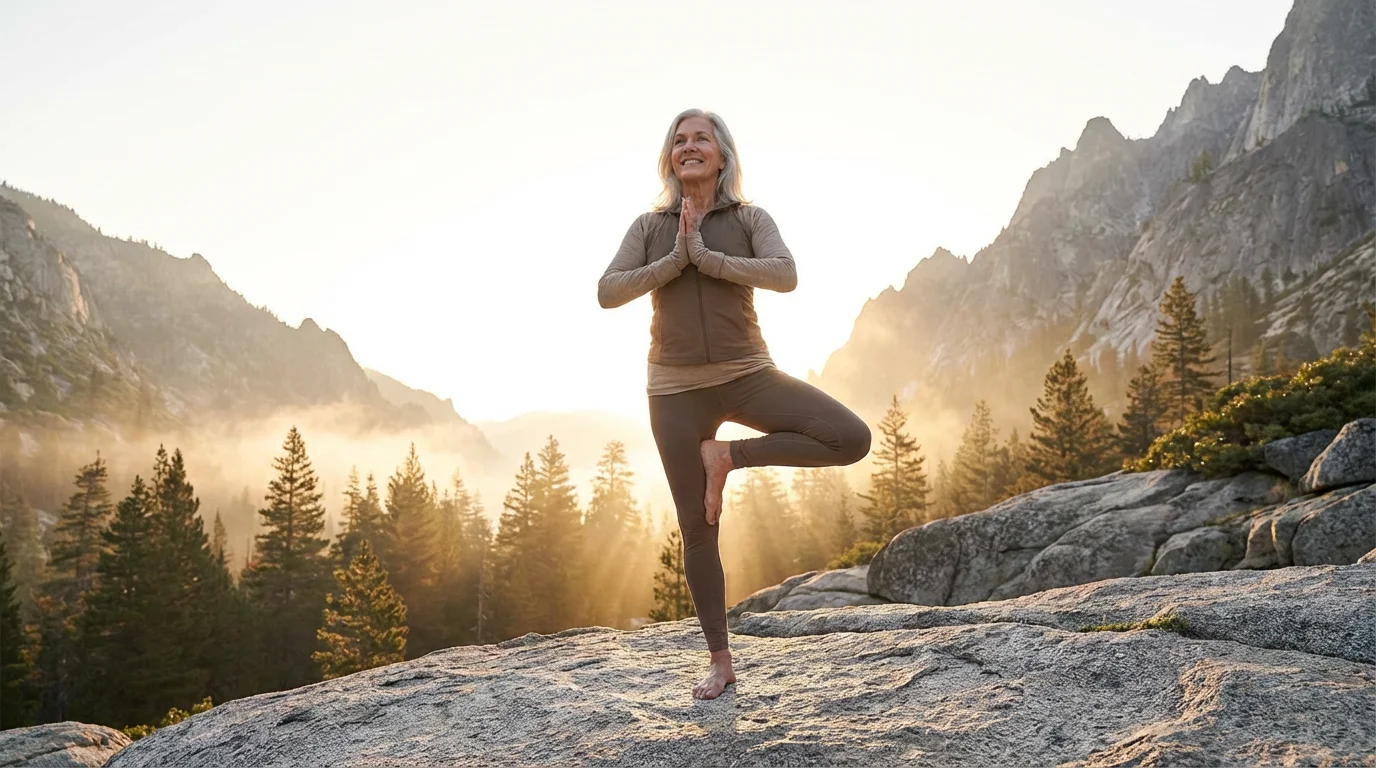
Mountain environments often encourage a more active lifestyle, which offers significant health advantages for retirees. Access to hiking trails, skiing, and other outdoor activities can increase physical activity levels, combating sedentary habits. Regular exercise at any age supports heart health, maintains muscle mass, and improves mental well-being. For some, the opportunity to engage with nature provides stress reduction and a sense of tranquility, contributing to mental and emotional health. Many residents report lower levels of perceived stress and improved mood, directly benefiting from the serene surroundings.
Furthermore, some research indicates a correlation between moderate altitude living and a lower risk of certain chronic diseases. For example, populations residing at moderate elevations sometimes exhibit lower rates of obesity and diabetes. The increased metabolic rate required to function with less oxygen may play a role in these observed trends. You also often find better air quality in mountain regions, especially away from major urban centers, which benefits respiratory health. This can be a significant factor for individuals concerned about pollution in congested city environments. AARP’s Livable Communities initiative often highlights how access to natural spaces improves residents’ quality of life.
Consider these potential advantages as you weigh your options:
- Improved cardiovascular efficiency and endurance.
- Increased physical activity from outdoor recreation opportunities.
- Enhanced mental well-being through nature exposure and reduced stress.
- Potentially lower risk of certain chronic diseases like obesity and diabetes.
- Better air quality in less populated mountain areas.

Navigating the Challenges: Health Risks and Considerations
While mountain living offers numerous attractions, it also presents specific health challenges, particularly for seniors. Your body’s ability to adapt to lower oxygen levels can diminish with age, making acclimatization potentially more difficult and prolonged. Existing health conditions can also be exacerbated by altitude.
Key health concerns include:
- Cardiovascular Issues: Individuals with pre-existing heart conditions, such as coronary artery disease, high blood pressure, or congestive heart failure, may experience increased strain on their cardiovascular system. The heart must work harder to pump blood, potentially worsening symptoms. Consult your cardiologist before moving to a high-altitude area.
- Respiratory Conditions: Chronic Obstructive Pulmonary Disease (COPD), asthma, or other lung diseases can become more severe at higher elevations due to reduced oxygen. Breathing may become more labored, and supplemental oxygen might be required for some individuals.
- Anemia: If you suffer from anemia, your body already struggles with oxygen transport. Higher altitudes can intensify these issues, leading to increased fatigue and shortness of breath.
- Dehydration: The drier air at higher altitudes, combined with increased respiration, can lead to faster dehydration. Maintaining adequate fluid intake becomes crucial for overall health and preventing related complications.
- Sun Exposure: With less atmosphere to filter UV rays, sun exposure intensifies at higher elevations. This increases the risk of sunburn, skin damage, and certain skin cancers. You must prioritize sun protection with hats, sunscreen, and protective clothing.
- Sleep Disturbances: Some individuals experience sleep difficulties, including periodic breathing patterns, at higher altitudes. This can disrupt sleep quality and contribute to fatigue.
- Medication Adjustments: Altitude can affect how your body processes certain medications. Work closely with your doctor to review your prescriptions and make any necessary adjustments.
The transition period, typically the first few weeks or months, demands extra vigilance. Listen to your body and avoid overexertion. Ensure you have access to medical professionals who understand altitude physiology. Thorough preparation and medical consultation mitigate many of these potential risks. You must prioritize your health and well-being above all else. Medicare.gov provides valuable resources for understanding healthcare coverage in different regions.
“The journey of a thousand miles begins with a single step.”
Healthcare Access and Specialized Care in Mountain Regions
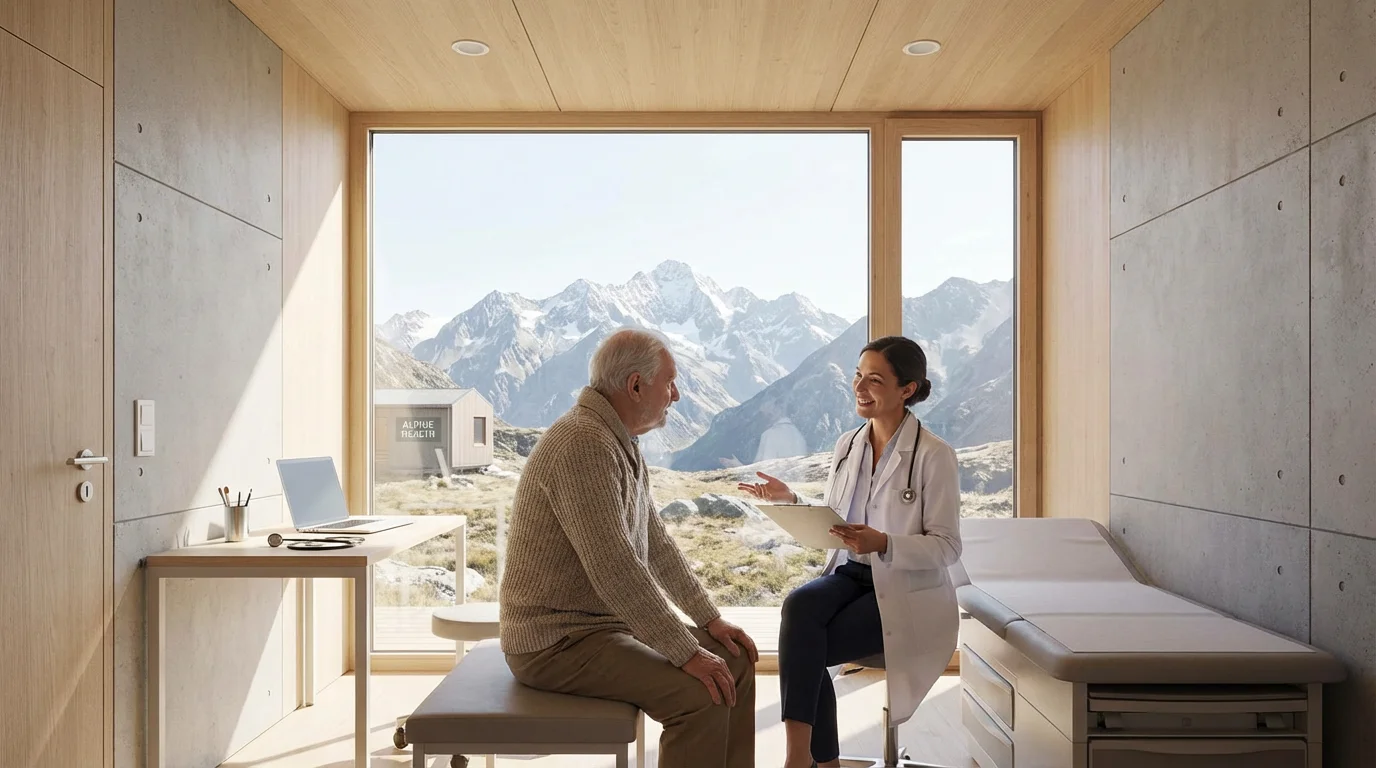
Access to quality healthcare is a paramount concern for retirees, and it varies significantly in mountain regions. While major cities nestled near mountains may offer comprehensive medical facilities, more remote mountain towns often have limited services. You might find a small clinic with basic services, but specialists, advanced diagnostic equipment, or emergency care requiring hospitalization could be hours away. This geographical isolation can become a critical factor during health crises.
Consider the availability of specific medical professionals you might need, such as cardiologists, pulmonologists, or geriatric specialists. Research the nearest hospitals, their accreditation, and the range of services they provide. Some mountain communities have excellent critical access hospitals, designed to provide essential care in rural areas, but they may lack specialized departments found in larger urban medical centers. Understanding the scope of local healthcare capabilities helps you plan for both routine and emergent medical needs.
Factors to research regarding healthcare in potential mountain retirement locations:
- Proximity to major medical centers and teaching hospitals.
- Availability of primary care physicians and specialists relevant to your health.
- Quality and accreditation of local hospitals and emergency services.
- Access to home health services, physical therapy, and rehabilitation facilities.
- Transportation options for medical appointments, especially in winter conditions.
Telemedicine has expanded significantly, offering some solutions for remote consultations with specialists. However, it cannot replace in-person examinations or emergency interventions. It is vital to assess the healthcare infrastructure of any potential mountain retirement spot thoroughly. This proactive approach ensures you maintain peace of mind regarding your medical support system. The Eldercare Locator can help you find local services and resources for seniors, including health-related support.
Climate, Air Quality, and Lifestyle in the Mountains
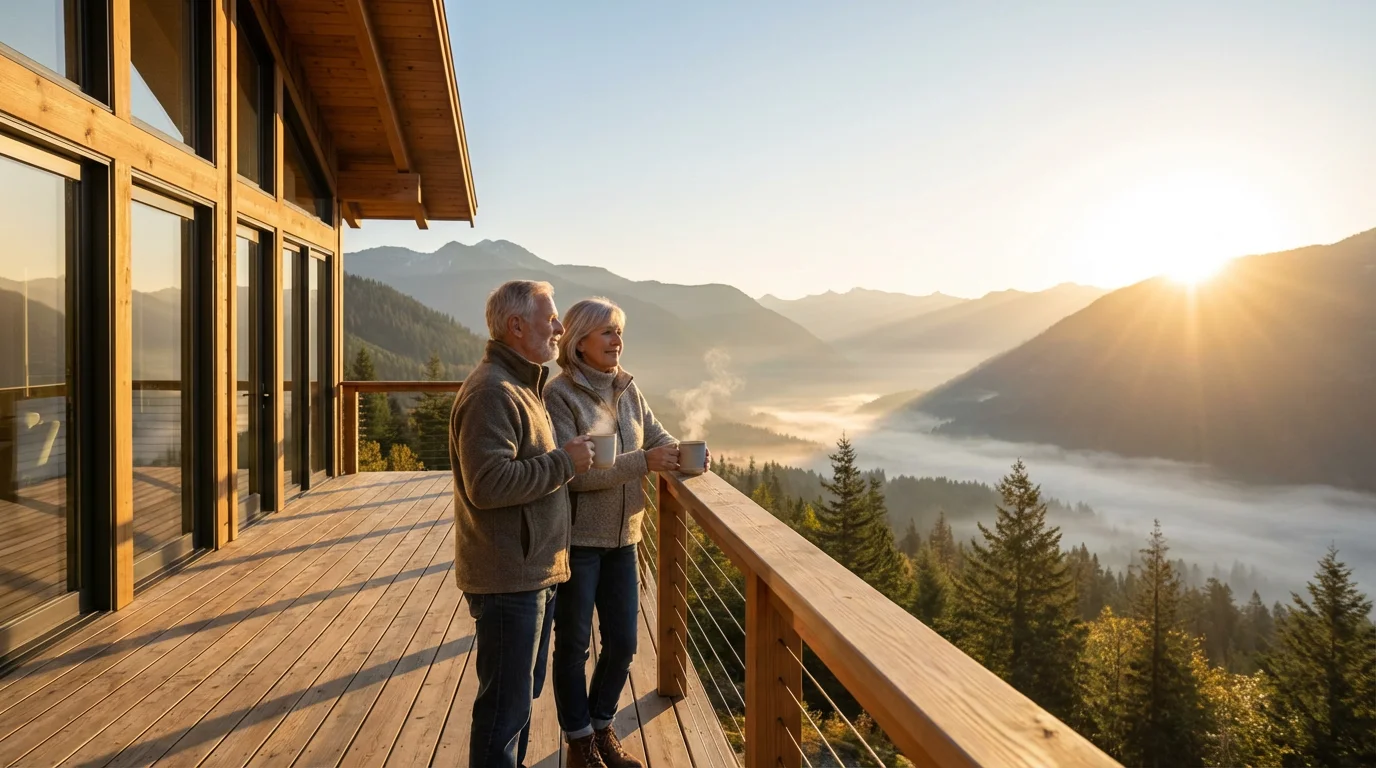
Mountain climates present unique environmental characteristics that directly influence your daily life and health. Temperatures often fluctuate more dramatically than in flatter regions, with significant differences between day and night, even in summer. Winters can be harsh, bringing heavy snowfall, icy conditions, and prolonged periods of cold. These weather patterns impact outdoor activities, travel, and even access to essential services. Understanding these seasonal shifts helps you prepare your home and lifestyle accordingly.
Air quality in mountain regions typically benefits from elevation, especially away from industrial zones or major urban centers. The crisp, clean air can be a significant advantage for those with respiratory sensitivities. However, specific localized issues can arise. For instance, some mountain valleys experience temperature inversions, trapping pollutants closer to the ground, especially during winter. Wildfires, an increasing concern in many Western mountain ranges, can also severely degrade air quality for extended periods, posing risks for respiratory health. Monitor local air quality reports if you consider a fire-prone region.
A mountain lifestyle often emphasizes outdoor engagement, offering opportunities for hiking, skiing, fishing, and gardening. This active approach can contribute positively to physical and mental health. However, it also requires adapting to terrain, weather, and seasonal changes. Social aspects also play a role; some mountain communities are close-knit but can be less diverse than urban areas. You should consider if the pace and community feel align with your preferences for social engagement and activities. Retirement in the mountains can mean a strong sense of community and connection to nature, but it also necessitates readiness for its distinct environmental realities.
| Altitude Range (Feet) | Oxygen Level Relative to Sea Level | Common Health Considerations for Seniors | Lifestyle Impact |
|---|---|---|---|
| Sea Level – 2,000 | ~95-100% | Minimal direct altitude impact, general health considerations apply. | Varied, depends on proximity to urban/rural settings. |
| 2,000 – 5,000 | ~85-95% | Mild acclimatization possible, increased fluid intake recommended. Manage existing heart/lung conditions. | Outdoor activities encouraged, but pace yourself initially. |
| 5,000 – 8,000 | ~75-85% | More noticeable acclimatization needed. Close monitoring for heart, lung, and anemia patients. Increased UV exposure risk. | Significant outdoor recreation, but requires greater physical adaptation. Prepare for weather changes. |
| 8,000+ | Below 75% | Generally not recommended for retirement without extensive medical consultation due to significant physiological stress. | Highly specialized; requires robust physical health and medical oversight. |
Choosing Your Mountain Retreat: Factors to Weigh
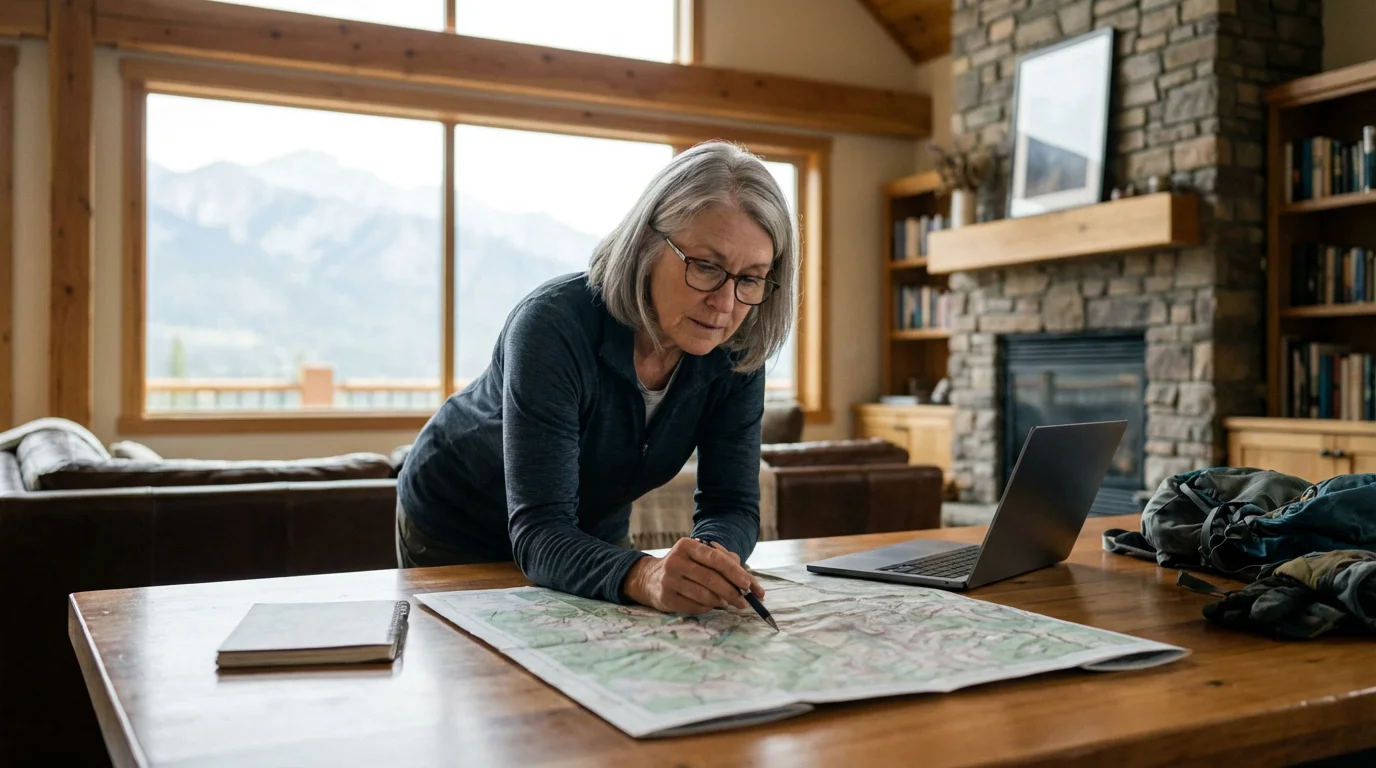
Selecting the right mountain retirement location involves more than just scenic beauty; it requires a holistic evaluation of factors impacting your health, lifestyle, and financial well-being. Your specific health profile, including any pre-existing conditions, should be a primary driver in this decision. Consulting your doctor about your suitability for higher altitudes remains a critical first step. They can advise on potential risks and suggest preventive measures.
Consider the practicalities of daily life. Does the community offer amenities important to you, such as grocery stores, pharmacies, and cultural activities? Research the cost of living, including housing, utilities, and taxes. While some mountain towns can be affordable, popular resort areas often come with a higher price tag. The U.S. Census Bureau offers demographic and economic data that can help you research specific areas.
Family proximity is another significant consideration for many retirees. While you might love a remote mountain cabin, assess how easily family members can visit and how quickly you can reach them if needed. This balance between your desired lifestyle and practical family connections is often crucial. Consider the following factors:
- Personal Health Assessment: Consult medical professionals regarding altitude tolerance and management of chronic conditions.
- Access to Healthcare: Evaluate the availability of hospitals, specialists, and emergency services.
- Climate Resilience: Assess the severity of winters and summers, and how well you can adapt.
- Cost of Living: Research housing, property taxes, and daily expenses for your budget.
- Community and Amenities: Look for cultural opportunities, social clubs, and essential services like groceries and pharmacies.
- Proximity to Family and Friends: Consider travel time and ease of access for loved ones.
- Transportation Options: Evaluate public transportation, road conditions, and airport access.
- Social Engagement: Determine if the community offers opportunities for connection and belonging.
Ultimately, the “best” mountain retirement spot is one that aligns with your individual needs, health status, and desires. Take your time, visit potential locations during different seasons, and engage with local residents to gain a true sense of what mountain living entails. Your comfort and well-being should guide your decision.

Practical Steps for Relocating to the Mountains
A well-planned relocation minimizes stress and ensures a smooth transition to your new mountain home. Start by creating a detailed budget that accounts for moving expenses, potential home renovations, and an emergency fund. Understand the financial implications of selling your current home and purchasing a new one, including property taxes and insurance which can vary significantly by location. The Tax Foundation offers resources for understanding state and local tax burdens.
Before moving, thoroughly research potential communities. This involves more than just online searches; plan scouting trips to experience the area firsthand, ideally during different seasons. Engage with locals, visit community centers, and check out local healthcare facilities. This immersive research helps you verify if the community truly fits your lifestyle and needs.
Regarding your health, schedule a comprehensive medical check-up before your move. Discuss your plans with your doctor and get recommendations for new healthcare providers in your target area. Ensure all your prescriptions are updated, and you have enough medication for the transition period. Planning helps ensure continuity of care.
USA.gov provides a general checklist for moving that can be adapted to your specific needs.
Here is a structured approach to your mountain relocation:
- Comprehensive Health Check-up: Consult your physician about the health implications of moving to a higher altitude. Obtain referrals for new doctors.
- Financial Planning: Develop a detailed budget for moving, housing, and ongoing living expenses. Research local tax structures.
- Community Research and Visits: Spend time in potential locations during different seasons. Connect with local residents and community groups.
- Secure Housing: Finalize your housing arrangements, whether buying, building, or renting. Consider accessibility and energy efficiency for mountain conditions.
- Logistics of the Move: Plan for movers, packing, and temporary accommodations. Ensure utilities are set up before you arrive.
- Transfer Medical Records and Prescriptions: Arrange for all medical records to be transferred and secure new pharmacy services.
- Vehicle Preparation: Ensure your vehicle is suitable for mountain driving, especially in winter (e.g., all-wheel drive, appropriate tires).
- Social Integration: Actively seek out social opportunities, clubs, and volunteer work to build a new support network.
A thoughtful and organized relocation plan alleviates much of the stress associated with such a significant life change. It positions you to fully embrace the benefits of your new mountain retirement, ensuring your well-being remains a top priority.
Frequently Asked Questions
Is mountain retirement good for you if you have heart conditions?
Retiring in the mountains with a heart condition requires careful medical evaluation. The lower oxygen levels at higher altitudes can strain your cardiovascular system. Always consult your cardiologist before considering a move to an elevated region; they can assess your specific condition and advise on potential risks and necessary precautions.
How does altitude affect air quality in mountain areas?
Generally, mountain areas offer better air quality due to fewer industrial sources and increased air circulation. However, localized inversions in valleys can trap pollutants, and wildfires in certain regions can significantly reduce air quality for extended periods. Research specific local air quality trends for your chosen location.
What are the common health benefits of mountain living?
Many individuals experience improved cardiovascular efficiency, increased physical activity from outdoor recreation, enhanced mental well-being, and potentially lower risks for certain chronic diseases like obesity. The clean air and active lifestyle contribute positively to overall health for suitable candidates.
How long does it take to acclimatize to mountain altitude?
Acclimatization varies by individual, but your body typically adjusts to moderate altitudes over several weeks to a few months. Initial symptoms like increased heart rate or shortness of breath usually subside as your body produces more red blood cells and adapts to lower oxygen levels. Seniors may require a longer adjustment period.
What healthcare access should I expect in mountain communities?
Healthcare access in mountain communities varies widely. Larger towns near mountains may offer comprehensive facilities, but more remote areas often have limited services, with specialists or advanced care hours away. Thoroughly research local hospitals, clinics, and specialist availability, considering emergency care proximity.
Are there specific dietary changes recommended for mountain living?
At higher altitudes, maintaining good hydration is crucial due to drier air and increased respiration. Some sources suggest a diet rich in iron to support red blood cell production, and antioxidants to combat increased oxidative stress. Consult a nutritionist or your doctor for personalized dietary advice tailored to your health and the altitude.
Disclaimer: This article is for informational purposes only. Cost of living, taxes, and local conditions change over time. We encourage readers to verify current information through official sources and visit potential retirement destinations before making relocation decisions.





Leave a Reply