
Considering a retirement destination involves many factors, from cost of living to climate and healthcare access. For some desirable locations, you also need to evaluate the risk of natural disasters, specifically earthquakes. Living in areas with seismic activity does not necessarily mean you must avoid them; instead, it calls for a proactive approach to safety and preparedness. Many vibrant communities, rich in culture and amenities, lie within earthquake zones. Your priority becomes understanding the risks and implementing robust safety measures to protect yourself and your home.
This article provides practical, actionable insights for those considering retirement in earthquake-prone regions. We will cover everything from understanding geological risks to preparing your home and developing a personal safety plan. Your peace of mind in retirement depends on making informed decisions and taking essential precautions.
Table of Contents
- Understanding Seismic Activity and Earthquake Zones
- Assessing Your Risk: Key Considerations Before You Move
- Choosing a Location: Mitigating Risk Proactively
- Preparing Your Home for Seismic Events
- Developing a Personal and Family Earthquake Preparedness Plan
- Healthcare and Medical Needs in Earthquake Zones
- Financial and Insurance Planning for Earthquake Preparedness
- Community Resilience and Support Networks
- Frequently Asked Questions
Understanding Seismic Activity and Earthquake Zones
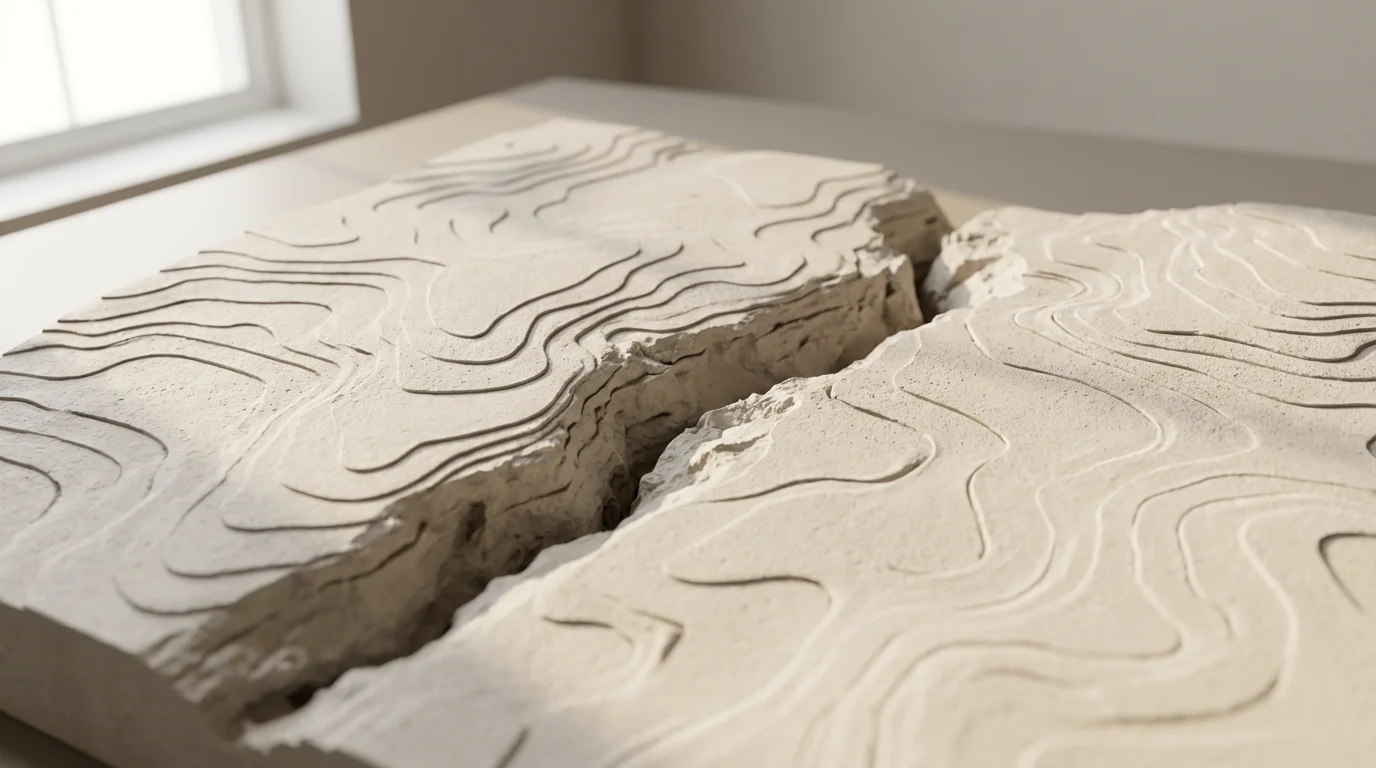
Earthquake zones are regions where tectonic plates meet or where significant fault lines exist, leading to more frequent seismic activity. The United States contains several such zones, making it crucial to understand the geological landscape of any potential retirement destination. Knowing the specific risks helps you prepare effectively.
Major earthquake zones in the U.S. include the Pacific Coast, encompassing California, Oregon, and Washington, known for the San Andreas Fault and Cascadia Subduction Zone. Other notable areas are the New Madrid Seismic Zone in the central U.S., affecting states like Missouri, Arkansas, and Tennessee, and active regions in Alaska and Hawaii. Each zone presents unique geological characteristics and potential earthquake magnitudes.
Data from the U.S. Geological Survey indicates that California experiences thousands of earthquakes annually, though most are minor and undetectable. However, the risk of a significant event, like a magnitude 7.0 or higher, remains a factor for residents. Understanding the historical seismic activity of a specific area you consider helps inform your preparedness strategy.

Assessing Your Risk: Key Considerations Before You Move
Before relocating to an earthquake zone, you must thoroughly assess the specific risks involved. This evaluation goes beyond general knowledge of the region. You need to investigate the geology of individual neighborhoods and the structural integrity of potential homes.
Begin by researching local geological surveys and fault maps available from state geological agencies. These resources pinpoint active fault lines and areas prone to liquefaction, a phenomenon where saturated soil loses strength during an earthquake. Also, examine local building codes; newer codes often include stringent seismic safety requirements, providing a higher level of protection than older standards. For example, California introduced the Alquist-Priolo Earthquake Fault Zoning Act in 1972 to prevent construction on active faults.
Property type significantly impacts earthquake resilience. Single-story homes with wood frames generally perform better than unreinforced masonry structures. If you consider an older home, inquire about retrofitting history. Understanding the seismic rating of a building can influence your decision and provide clarity on potential renovation needs. You also need to consider your personal health. If you have mobility issues or a medical condition, the ability to evacuate or shelter in place safely becomes a greater concern.
Choosing a Location: Mitigating Risk Proactively
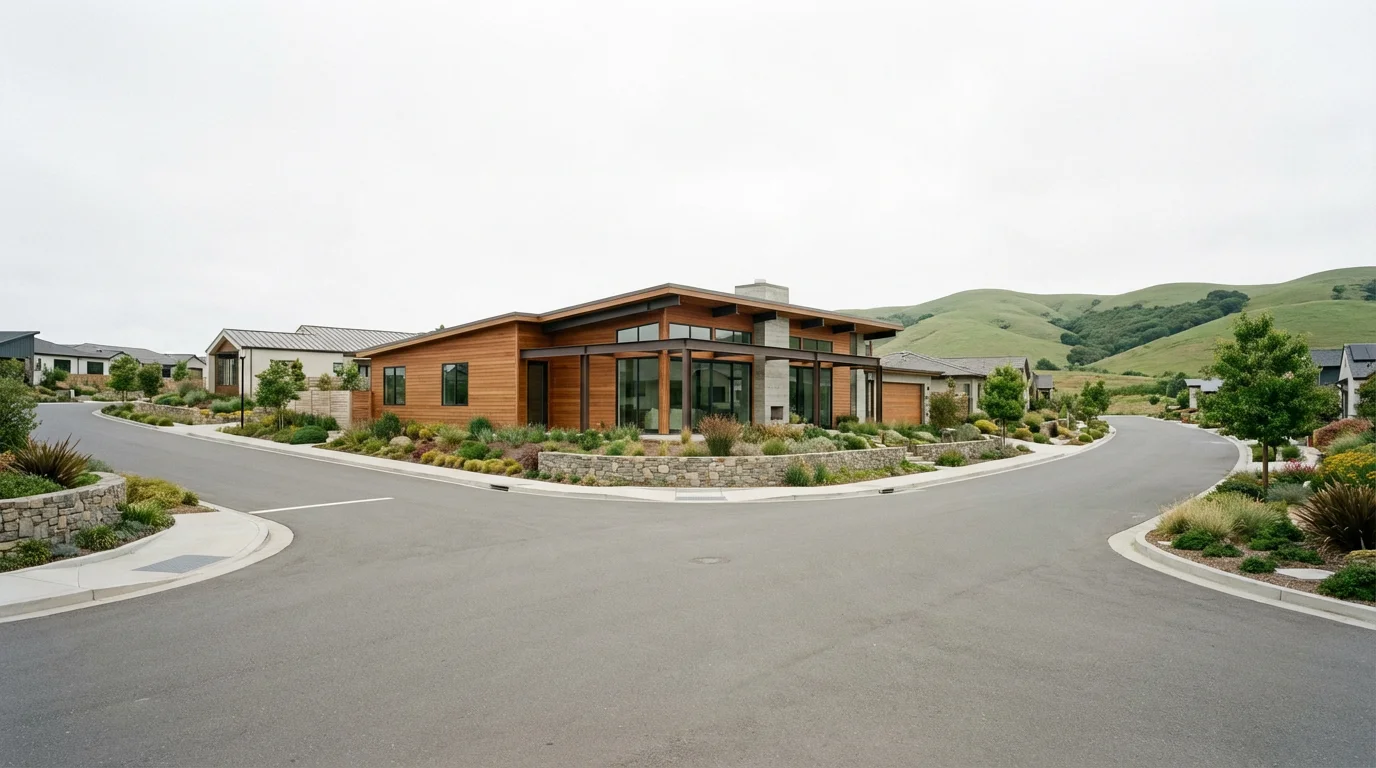
Your choice of location within an earthquake zone can dramatically impact your safety and peace of mind. Proactive research allows you to select areas that align with your risk tolerance and preparedness goals. You can find communities that balance desirable amenities with enhanced safety measures.
When evaluating specific locales, look for areas with a history of good emergency management and community-wide preparedness initiatives. Some communities actively engage residents in drills and provide public education on earthquake safety. Consider the proximity to emergency services, including hospitals and fire stations. A quick response time is critical following a significant seismic event.
Focus on homes constructed after modern seismic building codes were implemented. These structures often incorporate features designed to withstand ground shaking, such as reinforced foundations and flexible connections. If you prefer an older home, budget for potential retrofitting. For instance, bolting a house to its foundation or adding shear walls can significantly improve its resilience. Always consult with a structural engineer experienced in seismic design for properties in these areas.
Here are crucial factors to consider when selecting your retirement location in an earthquake zone:
- Local Building Codes: Prioritize areas with modern, rigorously enforced seismic building codes.
- Geological Stability: Opt for locations away from known active fault lines and areas prone to liquefaction or landslides.
- Emergency Services Access: Ensure quick access to hospitals, fire departments, and police.
- Community Preparedness: Research local emergency plans and community engagement in drills and education.
- Property Age and Type: Newer, wood-frame homes generally offer better seismic performance. Older homes may require retrofitting.

Preparing Your Home for Seismic Events
Once you choose a retirement home in an earthquake zone, preparing the structure and its contents is your next vital step. Home preparedness involves both structural enhancements and securing everyday items. These actions reduce injury risk and minimize property damage during an earthquake.
Structural retrofitting often represents the most significant investment. This can include bolting the house to its foundation, reinforcing cripple walls in older homes, or adding shear walls for stability. These measures prevent your home from sliding off its foundation or collapsing during strong shaking. Consult a licensed contractor experienced in seismic retrofitting to assess your property’s specific needs and provide recommendations. Costs can range from a few thousand dollars for simple bolting to tens of thousands for comprehensive upgrades, depending on the home’s age and construction.
Indoors, securing heavy items prevents them from falling and causing injury or blocking exits. Anchor tall furniture, such as bookshelves and china cabinets, to wall studs using straps or L-brackets. Fasten water heaters to wall studs, as a fallen heater can cause gas leaks or water damage. Use non-skid pads under small appliances and electronics. Store heavy items on lower shelves. Installing childproof latches on cabinet doors keeps contents from spilling out.
Familiarize yourself with how to shut off utilities. Know the location of your main water shut-off valve to prevent flooding from broken pipes. Learn how to turn off your gas meter, but only do so if you smell gas or suspect a leak. A gas leak poses a severe fire hazard. If you shut off the gas, you will need a professional to turn it back on and relight pilot lights. Clearly label shut-off valves and keep the necessary tools, such as a wrench, nearby.
| Modification Area | Actionable Steps | Estimated Cost (General) |
|---|---|---|
| Foundation | Bolt house to foundation, reinforce cripple walls. | $3,000 – $15,000+ |
| Tall Furniture | Anchor bookshelves, cabinets to wall studs with straps. | $20 – $100 (DIY) |
| Water Heater | Strap water heater to wall studs. | $50 – $200 (DIY/Professional) |
| Heavy Objects | Store heavy items on lower shelves; use non-skid pads. | Minimal |
| Cabinet Contents | Install childproof latches on cabinet doors. | $20 – $50 |
| Utilities | Identify water and gas shut-off valves; keep wrench handy. | Minimal |

Developing a Personal and Family Earthquake Preparedness Plan
A personal preparedness plan is paramount for your safety and well-being during and after an earthquake. This plan should include what to do during the shaking, how to communicate, and what supplies you need. Practice your plan regularly to ensure everyone knows their role.
Your emergency kit, often called a “go bag” or “72-hour kit,” should contain essential supplies for at least three days. Store this kit in an easily accessible location, such as a closet near an exit or in your car. Include non-perishable food, water, a first-aid kit, medications, flashlights, and a whistle. Remember to account for any specific needs you or your family members may have, such as extra prescription medications, eyeglasses, or supplies for pets.
Establish a communication plan. Identify an out-of-state contact person whom all family members can call or text after an earthquake. Local phone lines may be overwhelmed, but long-distance communication often remains possible. Agree on an emergency meeting place outside your home in case of evacuation, and a secondary meeting place outside your neighborhood. Practice the “Drop, Cover, and Hold On” technique. This involves dropping to the ground, taking cover under sturdy furniture, and holding on until the shaking stops. This simple action significantly reduces injury risk.
Your emergency kit should include the following:
- Water (one gallon per person per day for at least three days)
- Non-perishable food (at least a three-day supply)
- First-aid kit (bandages, antiseptic wipes, pain relievers, any personal medications)
- Flashlight and extra batteries
- Battery-powered or hand-crank radio
- Whistle (to signal for help)
- Dust mask (to help filter contaminated air)
- Wrench or pliers (to turn off utilities)
- Manual can opener
- Local maps
- Cell phone with chargers and a backup battery
- Personal hygiene items
- Cash in small denominations
- Copies of important documents (IDs, insurance policies)

Healthcare and Medical Needs in Earthquake Zones
Retirement often means managing ongoing healthcare needs, which become a critical consideration in earthquake zones. Planning for potential disruptions to medical services and access to essential medications safeguards your health during an emergency. You must ensure continuity of care, even in challenging circumstances.
Maintain an emergency supply of all prescription medications, ideally a two-week to one-month supply. Keep a written list of your medications, dosages, and prescribing doctors in your emergency kit. Also, include contact information for your doctors and pharmacy. This documentation proves invaluable if you need to seek medical care from an unfamiliar provider after an event.
Investigate the disaster preparedness plans of local hospitals and healthcare facilities. You can find information about hospital readiness through state public health departments or local emergency management agencies. Understand how they manage patient care during emergencies and where they might divert patients if their facility is compromised. For seniors, consider the availability of special services. The Eldercare Locator, a public service of the U.S. Administration for Community Living, offers resources and services for older adults and their families, which can be helpful for finding local support after an event.
“Preparedness is the ultimate peace of mind. It allows you to face the unknown with confidence, knowing you have done everything in your power to protect yourself and your loved ones.”

Financial and Insurance Planning for Earthquake Preparedness
Earthquakes can cause significant financial setbacks, making robust financial and insurance planning indispensable. Your standard homeowner’s insurance policy typically does not cover earthquake damage. You must proactively assess your coverage needs and secure appropriate protection.
Earthquake insurance is a separate policy you purchase in addition to your homeowner’s insurance. It covers damage to your home and belongings caused by seismic activity. However, these policies often come with high deductibles, typically 10% to 20% of the dwelling coverage. For example, if your home is insured for $300,000, your deductible could be $30,000 to $60,000. Carefully weigh the premium costs against the deductible and your financial capacity to cover a significant portion of potential damage out-of-pocket. Compare quotes from multiple providers to find the best balance for your situation.
Beyond insurance, establish an emergency fund specifically for disaster recovery. This fund can cover immediate expenses not covered by insurance, such as temporary housing, food, and necessary repairs during the deductible phase. Aim for at least three to six months of living expenses. Also, keep copies of important financial documents, such as bank statements, investment accounts, and insurance policies, in a waterproof, fireproof container, and a digital backup in a secure cloud service. This ensures access to vital information even if physical records are destroyed.
For more information on tax implications of natural disasters and other financial considerations, you can refer to resources from the USA.gov website, which provides information on various government services and topics.

Community Resilience and Support Networks
Individual preparedness forms the foundation, but a strong community network enhances safety and recovery after an earthquake. Engaging with your local community builds resilience and creates a support system that benefits everyone. You become part of a collective effort to withstand and recover from seismic events.
Familiarize yourself with your local emergency management agency. These agencies coordinate disaster response and provide valuable resources and information. Many communities offer programs like the Community Emergency Response Team, or CERT, training. CERT programs educate residents about disaster preparedness and give them basic disaster response skills, such as fire safety, light search and rescue, and disaster medical operations. Participating in such programs empowers you to assist your family and neighbors effectively.
Building relationships with your neighbors is also critical. Establish a neighborhood contact list, sharing emergency contact information and any special needs, such as medical conditions or mobility challenges. You can coordinate mutual aid plans, where neighbors check on each other following an event. A strong neighborhood bond ensures that no one gets overlooked in the chaotic aftermath of a major earthquake. AARP Livable Communities provides resources that promote strong, supportive communities, which can be invaluable for retirees. You can explore their insights on community engagement here.
Frequently Asked Questions
What is the “Drop, Cover, and Hold On” technique?
The “Drop, Cover, and Hold On” technique is the recommended safety action during an earthquake. You drop to the ground, take cover under a sturdy table or desk, and hold on until the shaking stops. This protects you from falling objects and provides a stable position.
Do I really need earthquake insurance?
Your standard homeowner’s insurance policy typically does not cover earthquake damage. While earthquake insurance often has high deductibles and premiums, you must weigh the cost against the potential for catastrophic financial loss if your home is damaged or destroyed by an earthquake. Consider your risk exposure and financial capacity.
How often should I update my earthquake emergency kit?
You should review and update your earthquake emergency kit at least once a year. Check expiration dates on food, water, and medications, and replace them as needed. Refresh batteries in flashlights and radios. Ensure your family’s contact information and any essential documents remain current.
Are certain types of homes safer in an earthquake zone?
Yes, certain construction types offer better seismic resistance. Newer homes built to modern codes with reinforced foundations and wood-frame construction generally perform better. Older homes, especially those with unreinforced masonry, may require retrofitting to enhance their safety during an earthquake. Consult a structural engineer for specific advice on your property.
How can I find out if my potential retirement home is on a fault line?
You can research local geological survey maps, often available from state geological agencies or county planning departments. These maps identify active fault zones and areas prone to liquefaction. You can also consult with a local real estate agent or a geotechnical engineer familiar with the specific area for detailed property assessments.
Disclaimer: This article is for informational purposes only. Cost of living, taxes, and local conditions change over time. We encourage readers to verify current information through official sources and visit potential retirement destinations before making relocation decisions.








Leave a Reply