

For many Americans, pets are cherished family members. The thought of relocating for retirement often brings excitement, but it also raises a significant question: will my beloved companion be welcome? This article guides you through the process of finding the perfect pet-friendly community for your golden years, ensuring your furry, feathered, or scaled friend joins you on this new adventure. You will discover practical strategies for navigating pet policies, understanding costs, and selecting a location that accommodates both your needs and your pet’s well-being.
Your retirement relocation decision involves careful consideration of many factors, and for pet owners, animal companions rank high on that list. Securing a comfortable and happy home for you and your pet requires specific research and planning. We empower you with the knowledge to make informed choices, ensuring a smooth transition for everyone involved.
Table of Contents
- Why Pets Matter in Retirement: The Health Benefits
- Understanding Pet Policies in Senior Housing and Communities
- How Do I Find Pet-Friendly Communities: Resources and Strategies
- What Are Pet Deposit Requirements and Ongoing Costs?
- Choosing a Location: Beyond Pet-Friendliness
- Preparing Your Pet for Relocation: A Smooth Transition
- Navigating Specific Pet Challenges: Breed and Size Restrictions
- Frequently Asked Questions

Why Pets Matter in Retirement: The Health Benefits
Pets offer immense benefits to retirees, extending beyond companionship. Research consistently shows that owning a pet positively impacts physical and mental health. This makes finding pet-friendly senior housing even more crucial for your well-being.
One significant advantage of pet ownership involves increased physical activity. Walking a dog encourages daily strolls, contributing to better cardiovascular health and mobility. A study published in the Journal of Physical Activity & Health indicated that dog owners walk an average of 22 minutes more per day than non-dog owners. Even caring for a cat or bird involves movement and routine, keeping you engaged.
Pets also provide substantial mental and emotional support. They reduce feelings of loneliness and depression, offering unconditional love and a sense of purpose. Interacting with animals lowers stress levels and blood pressure, creating a calming effect. The routines associated with pet care establish structure in daily life, which many retirees find beneficial.

Understanding Pet Policies in Senior Housing and Communities
Navigating pet policies forms a critical step when searching for senior housing. These policies vary widely among communities, ranging from highly welcoming to strictly prohibitive. You must understand the specific rules before committing to a new residence.
Many senior living communities, including 55+ developments and assisted living facilities, now recognize the importance of pets. They market themselves as `pet-friendly` to attract residents who consider their animals integral to their lives. However, “pet-friendly” can mean different things to different communities. Some allow all types of pets, while others restrict species, size, or number.
When reviewing potential communities, always ask for their written pet policy. Do not rely on verbal assurances, as these can change or be misunderstood. A comprehensive policy details everything you need to know about bringing your companion. Ensure you thoroughly understand all clauses.
Here are common aspects covered in pet policies:
- Species Restrictions: Some communities only permit common household pets like cats and dogs. Others might allow birds, fish, or even small caged animals. Exotic pets are almost universally prohibited.
- Size and Weight Limits: Many communities impose weight limits for dogs, often between 20-50 pounds. This aims to manage potential noise, space, and liability concerns.
- Breed Restrictions: Certain dog breeds frequently appear on “banned” lists due to perceived aggression or insurance liability issues. Common restricted breeds include Pit Bulls, Rottweilers, German Shepherds, and Doberman Pinschers.
- Number of Pets: Most communities limit the number of pets per household, typically one or two. This prevents overcrowding and potential nuisance issues.
- Leash Rules: Expect strict rules regarding leashes in common areas and designated pet zones. This ensures safety for all residents and their animals.
- Waste Management: All pet-friendly communities require residents to clean up after their pets immediately. Designated pet waste stations are often provided.
- Vaccination and Licensing: Communities commonly require proof of current vaccinations, such as rabies, and local pet licensing.
- Pet Interviews: Some communities conduct “pet interviews” to assess an animal’s temperament and behavior before approval.
Understanding these nuances prevents future complications. Transparency from the community and diligent questioning from your side pave the way for a smooth move.
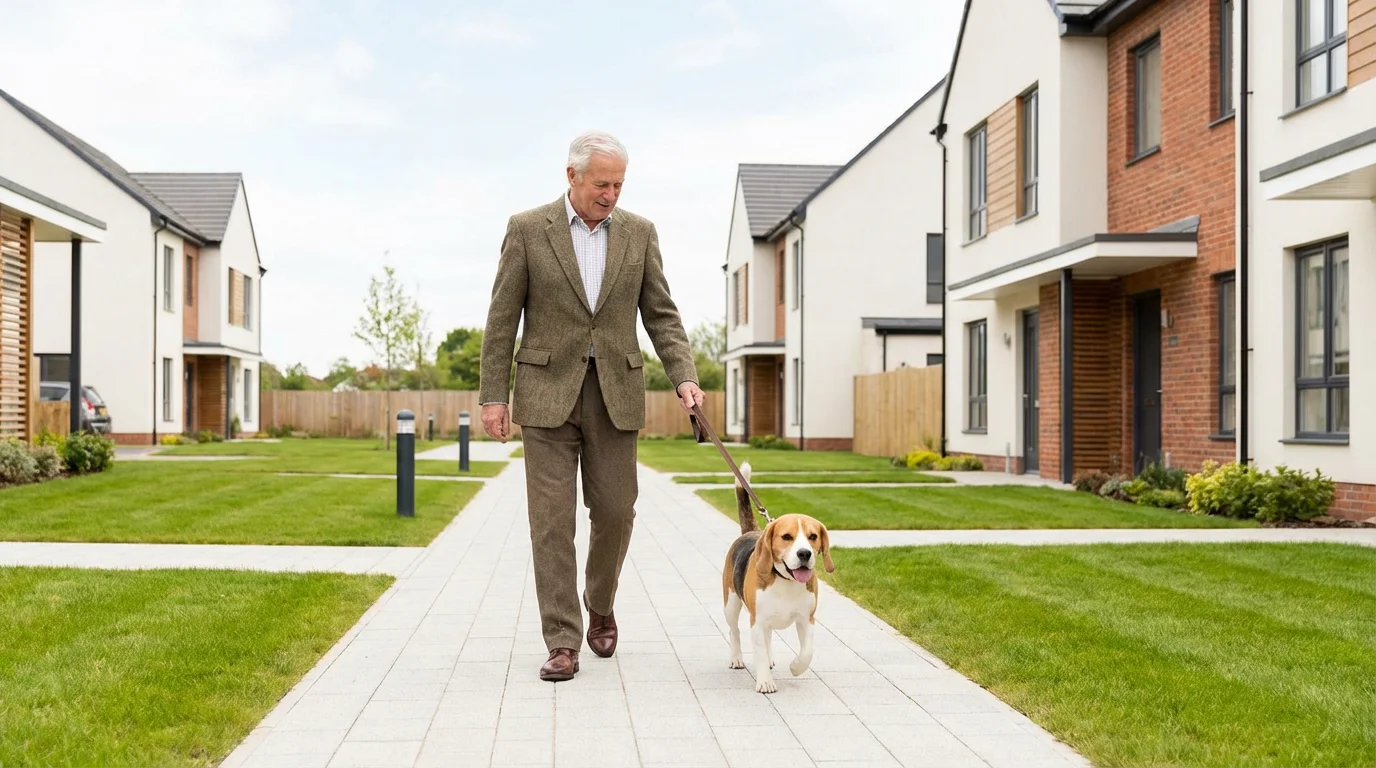
How Do I Find Pet-Friendly Communities: Resources and Strategies
Finding the right `pet-friendly` community requires a systematic approach. You have several effective resources and strategies at your disposal to streamline your search. Combining online research with direct communication yields the best results.
Start your search online. Many senior housing directories and websites now include filters for `pet-friendly` communities. Websites like AARP Livable Communities offer resources for finding age-friendly housing, and while not specific to pets, they can lead you to communities where you can then inquire about pet policies. Be specific in your search terms, using phrases like “senior living communities allowing large dogs” or “retirement homes with cat policies.”
Direct contact with communities remains invaluable. When you narrow down your choices, call or email each community directly. Ask detailed questions about their pet policies, including any restrictions on size, breed, or number. Request a copy of their full pet policy in writing. This proactive step helps you avoid misunderstandings and ensures all your `pet deposit requirements` are clear from the outset.
Consider these additional strategies:
- Specialized Pet Directories: Some online platforms specifically list pet-friendly apartments and senior housing. These aggregators often provide detailed policy information, photos of pet amenities, and reviews from other pet owners.
- Local Animal Shelters and Rescues: Staff at local shelters often possess knowledge about pet-friendly housing options in their area. They frequently work with individuals relocating and understand the challenges.
- Veterinarians: Your current veterinarian, or a vet in your target retirement area, might have insights into local communities known for welcoming pets. They often hear feedback from their clients.
- Geriatric Care Managers: These professionals specialize in helping seniors navigate housing and care options. Many are aware of pet-friendly facilities and can assist with the search.
- Visit in Person: Whenever possible, visit prospective communities with your pet. Observe designated pet areas, meet other pet owners, and ask about the general pet culture. This firsthand experience provides invaluable insight into daily life.
Engaging with existing residents who own pets also offers practical insights. They can share their experiences with the pet policies, available amenities, and the community’s overall attitude towards animals. Their perspectives provide a real-world view beyond the printed policy.

What Are Pet Deposit Requirements and Ongoing Costs?
Beyond the upfront relocation expenses, `what are pet deposit requirements` and recurring fees often represent significant financial considerations for pet owners in retirement communities. These costs vary significantly and directly impact your budget. You must factor them into your overall financial planning for retirement.
Many communities require a one-time `pet deposit`. This deposit serves as a security measure, covering potential damages your pet might cause. Typical pet deposit amounts range from $200 to $500, but they can be higher, especially for larger animals or in more upscale communities. Some deposits are fully refundable if no damages occur, while others are partially or entirely non-refundable. Clarify this detail before you sign any agreement.
In addition to a deposit, many communities charge monthly `pet rent` or a non-refundable `pet fee`. Pet rent usually ranges from $25 to $75 per month per pet. A non-refundable pet fee is a one-time charge, often between $100 and $300, that does not get returned to you at the end of your tenancy. Some communities combine these, requiring both a deposit and a monthly fee.
Here is a comparison of typical pet-related costs in senior housing:
| Cost Type | Typical Range (One-time) | Typical Range (Monthly) | Description |
|---|---|---|---|
| Pet Deposit | $200 – $500 | N/A | Refundable or non-refundable fee for potential damages. |
| Pet Fee | $100 – $300 | N/A | Non-refundable one-time charge for having a pet. |
| Pet Rent | N/A | $25 – $75 per pet | Recurring monthly charge for pet ownership. |
| DNA Registration | $50 – $100 | N/A | Some communities require dog DNA registration for waste management. |
| Liability Insurance | Varies | Varies | Additional renter’s insurance for specific breeds or larger pets. |
Beyond these community-specific charges, remember ongoing costs for your pet. These include food, veterinary care, grooming, toys, and potentially pet-sitting services. For example, the American Veterinary Medical Association estimates average annual routine vet care for dogs can range from $200 to $400, and for cats, $100 to $200, not including emergency care. Budgeting for these expenses ensures your pet’s continued health and happiness in your new home.

Choosing a Location: Beyond Pet-Friendliness
While finding `pet-friendly` housing is paramount, your overall retirement location choice involves many other critical factors. You must balance your pet’s needs with your personal preferences and practical requirements. Considering the broader environment ensures a happy and fulfilling retirement for both you and your companion.
Consider the local climate. If you own a dog requiring frequent walks, extremely hot or cold climates can pose challenges. For instance, retirees in Arizona enjoy sunshine, but summer temperatures often exceed 100°F, limiting outdoor activity for pets during much of the day. Conversely, northern states like Minnesota experience harsh winters, making daily dog walks difficult without proper gear and planning. Look for areas with a comfortable climate that suits your pet’s breed and your outdoor activity levels.
Access to quality veterinary care also matters. Research the availability of animal hospitals, emergency clinics, and specialized veterinary services in your potential new area. Proximity to reliable care provides peace of mind, especially as pets age and may require more frequent medical attention. Websites like the American Veterinary Medical Association can help you locate accredited practices.
Think about pet amenities in the broader community. Does the city or town offer dog parks, walking trails, or pet-friendly public spaces? Are local businesses, like restaurants and shops, generally welcoming to well-behaved pets? A vibrant pet-friendly local culture enhances your experience and provides more opportunities for you and your companion to socialize and exercise.
Other factors influencing your ideal location include:
- Cost of Living: Evaluate the overall cost of living, including housing, utilities, groceries, and transportation. Data from the Bureau of Labor Statistics shows regional variations.
- Tax Friendliness: Research state income tax, property tax, and sales tax implications for retirees. The Tax Foundation provides comprehensive state-by-state comparisons.
- Healthcare Access: Investigate the quality and availability of healthcare facilities and specialists. Websites like Medicare.gov allow you to compare plans and providers.
- Proximity to Family and Friends: Maintaining social connections is vital. Consider how close you will be to loved ones, or if the new location offers opportunities to build new social networks.
- Cultural and Recreational Opportunities: Ensure the area aligns with your interests, offering activities, hobbies, and social groups that enrich your retirement.
The “best” place to retire is highly personal. You must weigh the pros and cons of each location, considering how each aspect aligns with your lifestyle, budget, and, of course, your pet’s needs.
“The best investment you can make is in yourself. The next best is in a home that brings you joy, and for many, that joy includes a wagging tail or a purring friend.”

Preparing Your Pet for Relocation: A Smooth Transition
Relocating can be stressful for pets, just as it is for humans. Proper preparation minimizes anxiety and ensures a smoother transition for your animal companion. You can implement several strategies before, during, and after the move to help your pet adjust to their new environment.
Begin by acclimating your pet to travel. If you plan a long drive, take shorter car trips beforehand. Use a comfortable, secure carrier for cats and small dogs, allowing them to get used to it well in advance. For air travel, consult airline regulations and your veterinarian early, as rules vary by airline and pet size. The Humane Society offers valuable tips for safe pet travel.
During the moving process, maintain your pet’s routine as much as possible. Feed them at the usual times and ensure they have access to their favorite toys and bedding. On moving day, keep pets in a quiet, secure room away from the commotion to reduce stress. Ensure they wear identification tags with your current contact information, and consider microchipping if they are not already.
Upon arrival at your new `senior housing`, create a designated safe space for your pet. Set up their food and water bowls, bed, and litter box or pee pads in a quiet corner. Allow them to explore their new home gradually, under supervision. Avoid overwhelming them with too many new sights and smells at once.
Here are key steps for helping your pet adjust:
- Maintain Routine: Stick to established feeding, walking, and playtime schedules.
- Familiar Comforts: Use their existing bed, blankets, and toys to provide familiar scents.
- Supervised Exploration: Allow your pet to explore the new home room by room, ensuring their safety.
- Patience: Understand that adjustment takes time. Some pets adapt quickly, others need weeks or months.
- Positive Reinforcement: Reward calm behavior with praise and treats.
- Update Identification: Immediately update your pet’s tags and microchip information with your new address and phone number.
- Find a New Vet: Research and establish care with a new veterinarian in your community soon after arrival.
- Explore New Area: Gradually introduce your pet to new walking routes, parks, and pet-friendly areas in the community.
Your presence and calm demeanor significantly impact your pet’s ability to settle in. Spending extra quality time with them during this period reinforces their sense of security.

Navigating Specific Pet Challenges: Breed and Size Restrictions
Even in `pet-friendly` communities, specific challenges arise concerning breed and size restrictions. These policies often derive from insurance requirements, perceived safety concerns, or community preferences. Understanding and navigating these restrictions effectively saves you time and potential disappointment during your search for the ideal `senior housing`.
Many communities implement blanket bans on certain dog breeds, often labeled as “aggressive” breeds by insurance companies. These lists commonly include Pit Bulls, Rottweilers, Doberman Pinschers, German Shepherds, and sometimes mixes resembling these breeds. If you own one of these breeds, your search becomes more focused. You will need to specifically target communities that explicitly state they have no breed restrictions, or those with very liberal policies.
Weight limits also pose a common hurdle for owners of larger dogs. Limits typically range from 20 to 50 pounds. If your dog exceeds these limits, you must prioritize communities advertising “no weight restrictions” or those with higher thresholds. Some communities may make exceptions for service animals, but this typically does not apply to emotional support animals without specific legal protections in housing.
If your pet falls under a restricted category, consider these approaches:
- Seek Out Private Landlords: Individual landlords sometimes offer more flexibility than large corporate communities. Their decisions are often on a case-by-case basis.
- Obtain a “Good Citizen” Certificate: For dogs, achieving an AKC Canine Good Citizen certification demonstrates excellent training and temperament. While not a guarantee, it can sometimes sway a community’s decision.
- Provide a Pet Resume: Create a document detailing your pet’s vet records, training certificates, references from previous landlords or vets, and photos. This showcases your pet’s good behavior and your responsible ownership.
- Consider a Smaller Pet: If you are open to a new companion, a smaller dog or cat generally encounters fewer restrictions. This is a significant decision and not for everyone.
- Medical Documentation: If your animal is a legitimate service animal, ensure you have proper documentation. Federal laws offer protections against breed or size restrictions for service animals.
Do not become discouraged if you encounter initial rejections. Persistence and thorough research into communities known for their truly inclusive pet policies will eventually lead you to a welcoming home. Many communities understand the deep bond between seniors and their pets and strive to accommodate various animal companions.
Frequently Asked Questions
Are all 55+ communities pet-friendly?
No, not all 55+ communities are pet-friendly. While a growing number recognize the benefits of pets for seniors, many still have strict policies, including bans on certain species, breeds, or size limits. You must always verify specific pet policies with each community you consider.
What does “pet-friendly” actually mean in retirement communities?
“Pet-friendly” generally means a community allows pets, but the specific terms vary. It can range from allowing only small cats or dogs with strict rules to welcoming multiple larger pets with dedicated amenities. Always request and review the community’s detailed written pet policy.
What are common pet deposit requirements for senior housing?
Common pet deposit requirements include a one-time refundable or non-refundable pet deposit ranging from $200 to $500. Additionally, many communities charge monthly pet rent, typically $25 to $75 per pet, or a one-time non-refundable pet fee of $100 to $300. You should clarify these costs upfront.
How do I find pet-friendly senior housing if I have a large dog or a restricted breed?
Finding senior housing for large dogs or restricted breeds requires targeted research. Look for communities that explicitly state “no breed restrictions” or higher weight limits. Consider private landlords, obtain a Canine Good Citizen certificate for your dog, or create a comprehensive pet resume. Direct communication with community management is essential.
Do service animals have different rules in retirement communities?
Yes, service animals have different legal protections under federal law, specifically the Fair Housing Act. Retirement communities generally cannot impose breed, size, or species restrictions, nor can they charge pet deposits or pet rent for legitimate service animals. Emotional support animals may have similar protections, but specific documentation is often required.
What documentation do I need to provide for my pet?
Most communities require proof of current vaccinations, especially rabies, and local pet licensing. Some may ask for veterinary records, a letter from your vet confirming your pet’s health and temperament, or a photo of your pet. Be prepared to provide up-to-date documentation.
Disclaimer: This article is for informational purposes only. Cost of living, taxes, and local conditions change over time. We encourage readers to verify current information through official sources and visit potential retirement destinations before making relocation decisions.









Leave a Reply