
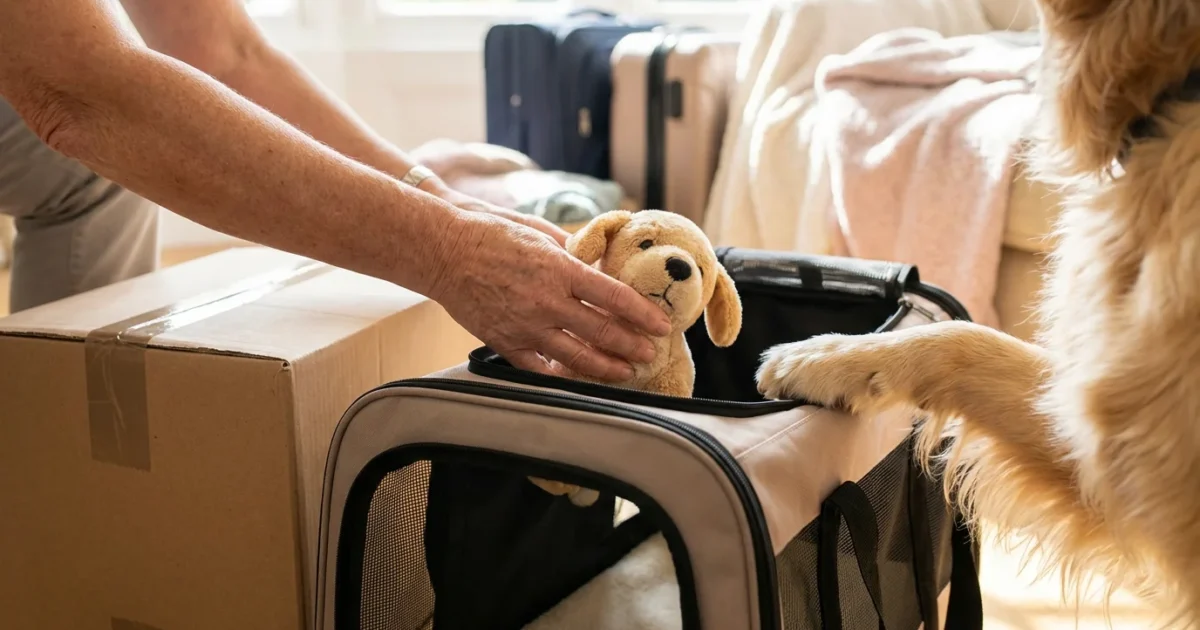
Retirement often brings exciting opportunities for a fresh start, frequently involving a move to a new location. For many, this journey includes beloved pets who are cherished family members. Moving with pets, or pet relocation, requires careful planning and execution to ensure their safety, comfort, and well-being throughout the process.
You want to minimize stress for your furry, feathered, or scaled companions during this significant transition. This comprehensive guide offers practical, actionable insights to help you navigate the complexities of moving pets across the country, ensuring a smooth transition for everyone involved. Discover how to safely move your pet across the country by understanding veterinary requirements, travel options, and post-move adjustments.
Table of Contents
- Planning Your Pet’s Relocation Journey
- Veterinary Health: A Critical First Step
- Choosing Your Mode of Transport: Car, Air, or Train
- Preparing for Travel Day
- Moving Special Companions: Birds, Reptiles, and Exotics
- Settling Your Pet into Your New Retirement Home
- Understanding Costs and Regulations
- Frequently Asked Questions

Planning Your Pet’s Relocation Journey
Effective planning forms the bedrock of a successful pet relocation. Start early, ideally several months before your move date, to accommodate veterinary appointments, travel arrangements, and any necessary training. A detailed timeline helps you manage tasks efficiently and avoid last-minute rushing.
Consider the specific needs of your pet, including their species, breed, age, and temperament. A young, adaptable puppy might adjust differently than an elderly, anxious cat. Tailor your plan to mitigate their individual stressors.
Here is a basic timeline to guide your pet’s relocation planning:
- Research pet-friendly housing in your new location.
- Begin desensitizing your pet to their travel carrier or vehicle.
- Schedule an initial vet visit to discuss travel suitability.
- If flying, research airline pet policies and restrictions.
- Start updating microchip information if your contact details will change.
- Obtain all necessary vaccination records and health certificates.
- Confirm travel reservations for your pet, if applicable.
- Purchase any required travel crates, ensuring they meet IATA standards for air travel.
- Practice longer crate times or car rides to build endurance.
- Pack a “go bag” for your pet with essential items.
- Confirm all veterinary documentation is complete and current.
- Begin gradually acclimating your pet to their moving schedule, if it differs significantly.
- Administer any prescribed calming medications, if recommended by your vet.
- Ensure all ID tags are updated with your new contact information.
- Limit food intake 4-6 hours before travel to prevent motion sickness.
Veterinary Health: A Critical First Step
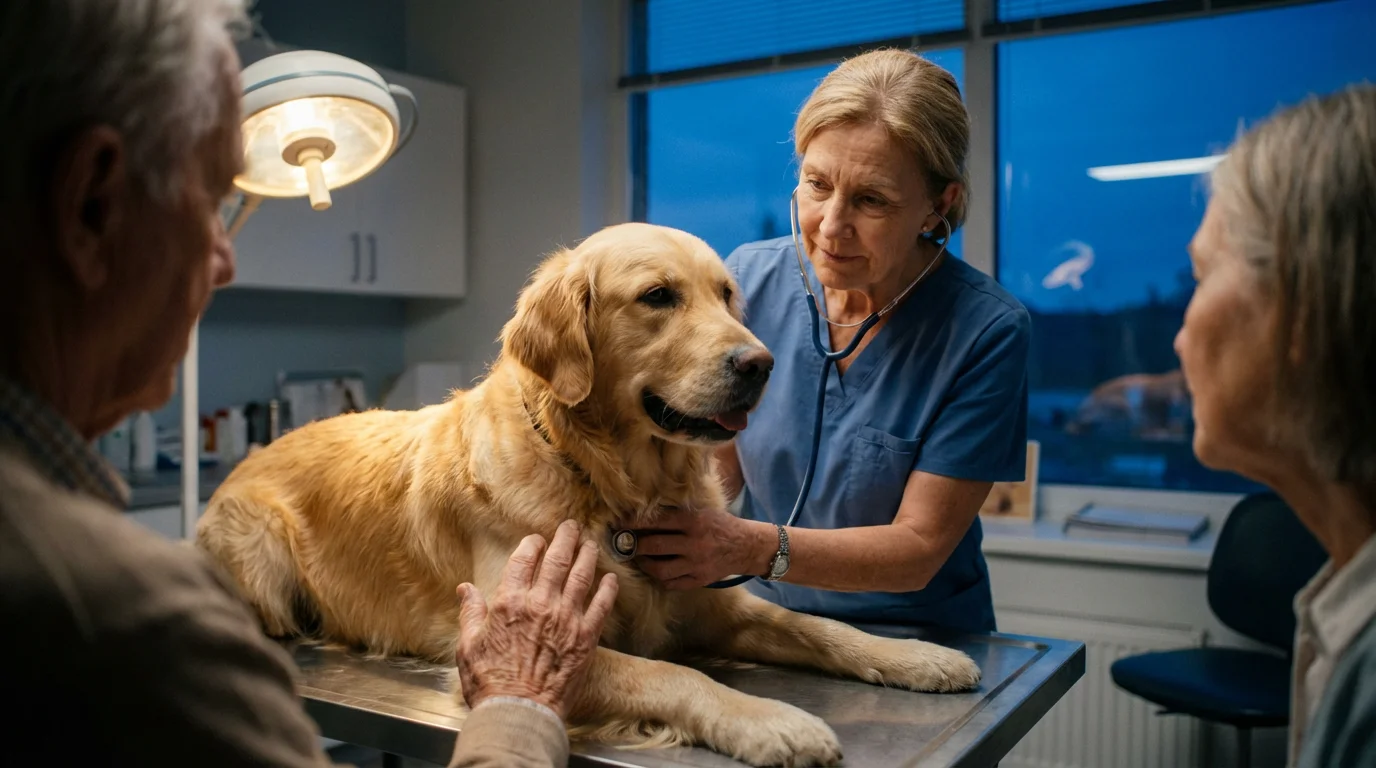
Your veterinarian serves as your most important resource for safe pet relocation. Schedule a comprehensive check-up well in advance of your move. Discuss your travel plans, including your destination and mode of transport, to ensure your pet is healthy enough for the journey.
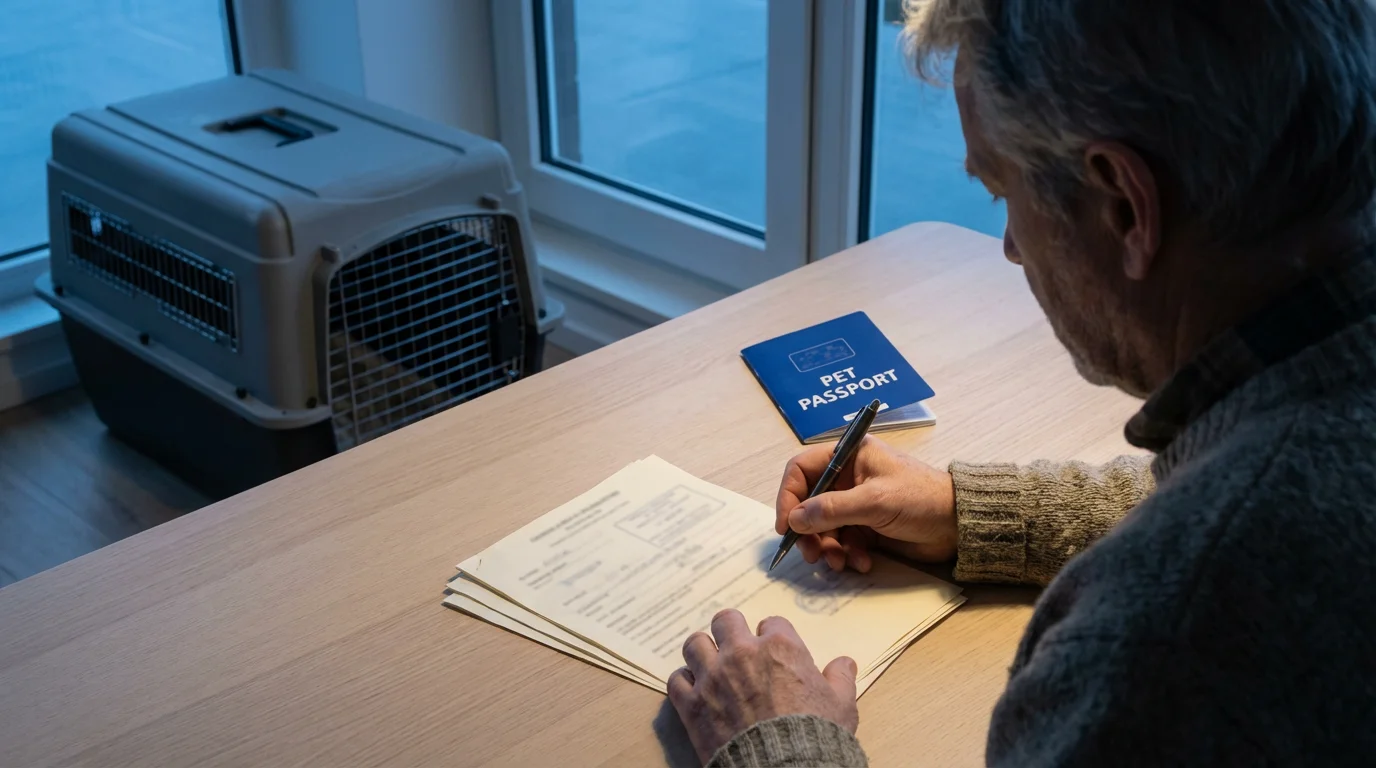
Many states and airlines require a health certificate issued by a licensed veterinarian within a specific timeframe, often 10 days, before travel. This certificate verifies your pet’s good health and current vaccinations. Ensure all vaccinations, particularly rabies, are up to date.
Consider these key veterinary considerations:
- Health Certificate: Required for interstate travel by air and sometimes by ground. Your vet provides this after an examination, certifying your pet is fit to travel.
- Vaccinations: Ensure all core vaccinations are current. Rabies vaccination is mandatory nationwide for dogs and often cats.
- Microchipping: Essential for identification if your pet becomes separated from you. Update your contact information with the microchip registry.
- Parasite Control: Confirm your pet is current on flea, tick, and heartworm prevention, as different regions have varying parasite risks.
- Medication Review: Discuss any existing medications and obtain sufficient refills for the journey and initial weeks in your new home.
- Sedation Debate: Most veterinarians and airlines advise against sedating pets for travel, especially air travel. Sedation can interfere with a pet’s ability to regulate body temperature and balance, posing significant health risks at altitude. Discuss alternatives with your vet if your pet experiences severe anxiety.

Choosing Your Mode of Transport: Car, Air, or Train
Selecting the right transport method depends on your pet, distance, budget, and personal preferences. Each option presents unique challenges and benefits for moving pets.
Car Travel
Driving offers the most control and flexibility for pet owners. You set the pace, control the environment, and can make frequent stops for potty breaks and exercise. This option often proves less stressful for many pets, especially those prone to anxiety in unfamiliar environments.
Ensure your pet is safely secured in the vehicle. A crash-tested crate or a harness restraint system significantly enhances safety for both your pet and human occupants. Never allow your pet to roam freely in the car, as this poses a distraction risk and offers no protection in an accident.
Tips for car travel:
- Use a secure, well-ventilated crate or pet seatbelt.
- Make frequent stops every 2-3 hours for potty breaks, water, and short walks.
- Never leave your pet unattended in a parked car, especially in extreme temperatures.
- Bring familiar items like blankets and toys to provide comfort.
- Pack plenty of water and a travel bowl. Avoid overfeeding before or during the journey.
Air Travel
Air travel can be the quickest option for long distances, but it comes with strict regulations and potential risks. Airlines have specific requirements for pet carriers, breeds allowed, temperature restrictions, and health documentation. These rules vary significantly by airline and even by aircraft type.
Most airlines transport pets either as carry-on (small pets fitting under the seat) or as cargo. Carry-on pets stay with you, offering direct supervision. Cargo travel exposes pets to loud noises, temperature fluctuations, and separation, making it the most stressful option for many animals.
Key considerations for air travel:
- Airline Research: Contact your chosen airline directly to understand their specific pet policies, fees, and restrictions.
- Crate Requirements: Your pet’s crate must meet IATA standards for size, ventilation, and construction. Label it clearly with your contact information.
- Temperature Embargoes: Airlines impose temperature restrictions, often refusing to fly pets if ground temperatures are too hot or cold at departure, layover, or arrival airports.
- Breed Restrictions: Many airlines restrict brachycephalic (snub-nosed) breeds, such as Bulldogs and Persians, due to respiratory risks during flight.
- Booking Early: Space for pets is limited. Book flights well in advance, especially during peak travel seasons.
- Non-Stop Flights: Choose direct flights whenever possible to minimize stress and reduce the risk of missed connections or delays for your pet.
Train Travel
Amtrak generally allows small dogs and cats on most routes up to seven hours long, provided they fit in a carrier under your seat. There are limitations on pet weight and the number of pets per train. This can be a viable option for shorter distances or if you prefer not to fly.
Always verify Amtrak’s current pet policy before booking, as regulations and available routes can change. Ensure your pet is comfortable in their carrier for the entire duration of the trip.

Preparing for Travel Day
The day of travel requires meticulous preparation to keep stress levels low for both you and your pet. A well-packed “go bag” ensures you have all essentials readily accessible. Maintain a calm demeanor, as your pet often mirrors your emotions.
Your pet’s travel bag should include:
- Food and water bowls (collapsible ones are convenient).
- Enough of their regular food for several days.
- Bottled water, especially if traveling to an area with different water quality.
- Leash, collar, and updated ID tags.
- Waste bags for dogs, a small litter box and litter for cats.
- Favorite toys and a familiar blanket or bed for comfort.
- Any necessary medications, clearly labeled.
- Copies of veterinary records, health certificates, and vaccination history.
- A photo of your pet, in case they get lost.
On travel day, stick to your pet’s routine as much as possible. Feed a light meal several hours before departure to reduce the risk of motion sickness. Provide ample opportunities for exercise and potty breaks before confining them for travel.
“Moving can be a fresh start, but it’s also a significant undertaking. Planning every detail, including your pets, ensures a smoother transition for all.”
Moving Special Companions: Birds, Reptiles, and Exotics
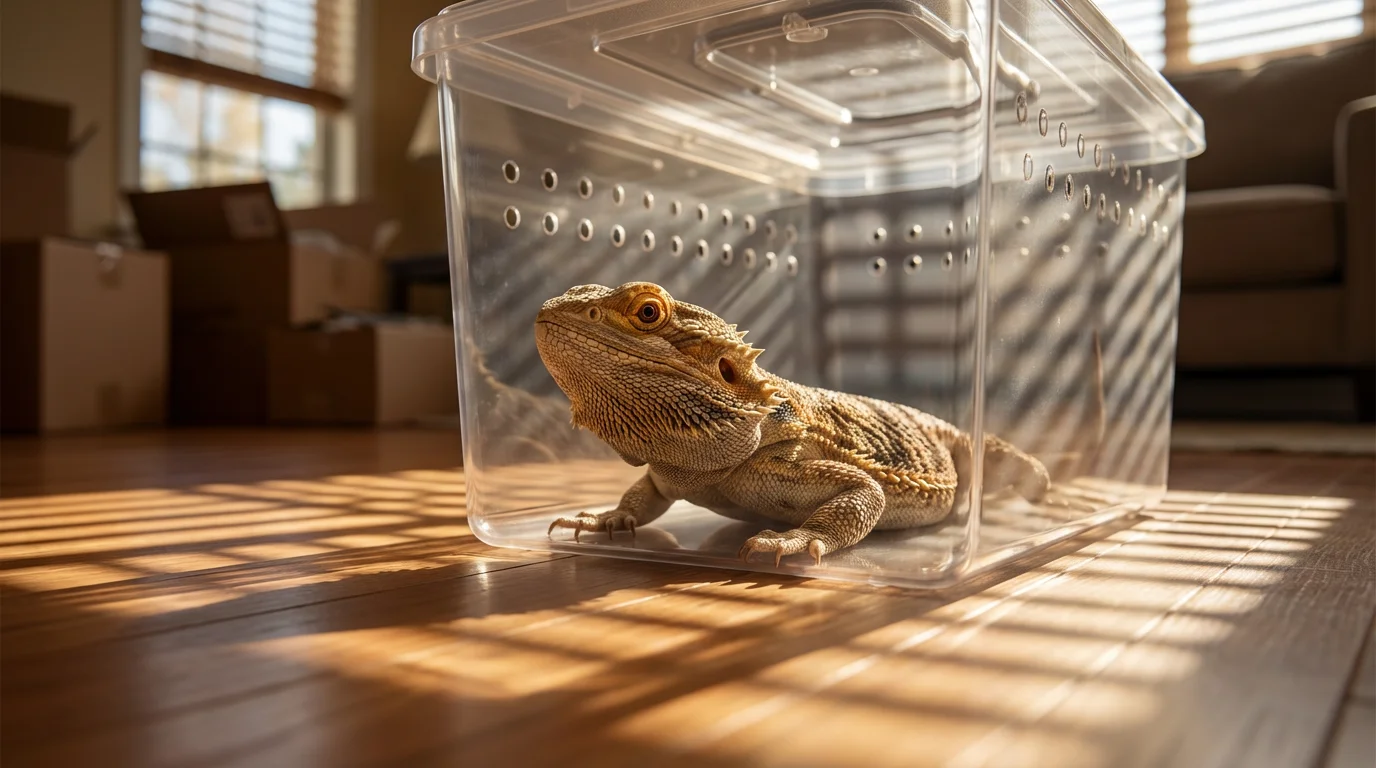
Moving with non-traditional pets like birds, reptiles, or exotic animals presents unique challenges beyond those for dogs and cats. These animals often have specific environmental requirements for temperature, humidity, and caging, which you must maintain during transit.
State and federal regulations for exotic animals vary widely. Some species require permits for transport across state lines, while others are outright prohibited in certain areas. Always check the specific laws of both your origin and destination states. The U.S. Fish and Wildlife Service also regulates the interstate movement of some protected species.
Consider these points for special companions:
- Specialized Carriers: Ensure carriers are appropriate for the species, providing proper ventilation, security, and space.
- Temperature Control: Maintain species-specific temperature ranges. Heat packs or cooling packs might be necessary.
- Food and Water: Provide appropriate food and hydration, considering the duration of travel.
- Permits and Regulations: Thoroughly research state and local laws for your specific animal. Contact the state wildlife department or animal control in both locations.
- Veterinary Consultation: Consult with a veterinarian specializing in exotic animals well in advance. They can advise on health certificates and specific travel care.

Settling Your Pet into Your New Retirement Home
Arrival at your new home marks a significant milestone, but the adjustment period for your pet begins here. Create a designated safe space for them in your new residence immediately upon arrival. This quiet, comfortable area should contain their bed, food, water, and toys.
Give your pet time to explore their new surroundings at their own pace. Keep them leashed during initial outdoor explorations of a new yard or neighborhood to prevent them from becoming disoriented or running away. Supervise introductions to new environments.
Tips for helping your pet adjust:
- Establish Routine: Re-establish feeding schedules, potty breaks, and playtime routines quickly to provide stability.
- Familiar Scents: Place familiar bedding and toys in their safe space. Your scent, or a pheromone diffuser, can also provide comfort.
- Controlled Exploration: Allow pets to explore one room at a time, gradually expanding their access as they become comfortable.
- New Vet: Find a new local veterinarian and schedule an introductory visit. This ensures continuity of care and establishes an emergency contact.
- Updated ID: Confirm your pet’s microchip information reflects your new address and phone number. Ensure their collar tags are also updated.
- Patience and Positive Reinforcement: Your pet may exhibit temporary behavioral changes due to stress. Be patient, offer reassurance, and reward calm behavior.
Understanding Costs and Regulations
Pet relocation involves various costs that you should factor into your moving budget. These expenses can range from veterinary fees and travel crates to professional animal transport services, if you choose that route. Understanding the potential financial outlay helps you prepare adequately.
Typical costs for pet relocation:
- Veterinary Fees: Health certificates, vaccinations, microchipping, and any pre-travel check-ups.
- Travel Crates/Carriers: IATA-compliant crates for air travel can be substantial investments.
- Airline Pet Fees: Vary widely depending on the airline, pet size, and whether they travel as carry-on or cargo.
- Ground Transportation: Fuel costs if driving, or fees for pet-friendly taxis/shuttles.
- Professional Pet Relocation Services: These services manage all aspects of the move but come at a premium cost.
- New Supplies: New litter boxes, food bowls, or specialized equipment for your new home.
- Lost Pet Prevention: Microchip registration fees, updated ID tags.
Beyond costs, be aware of specific regulations. Some HOAs or rental communities have breed or weight restrictions. Local animal control offices enforce licensing requirements, which often include proof of rabies vaccination. Certain areas might also have leash laws or restrictions on specific types of pets. Always check local ordinances in your new retirement destination.
Frequently Asked Questions
What is the safest way to move a dog long-distance?
Driving with your dog, secured in a crash-tested crate or with a safety harness, often provides the safest and least stressful experience for long-distance moves. You control the environment, make frequent stops, and avoid the risks associated with cargo air travel. For extremely long distances where driving is not feasible, consider a reputable professional pet transport service that offers climate-controlled, supervised ground travel.
Do I need a health certificate to move my pet across state lines?
Yes, many states require a health certificate for pets crossing state lines, especially for air travel. A licensed veterinarian issues this certificate after examining your pet, verifying their health, and confirming up-to-date vaccinations. Always check the specific requirements of your destination state well in advance of your move date.
Can I give my pet sedatives for travel?
Most veterinarians and airlines strongly advise against sedating pets for travel, particularly for air travel. Sedatives can interfere with a pet’s ability to regulate body temperature and blood pressure, potentially causing serious health complications, especially at altitude. Discuss alternative calming strategies, such as pheromone sprays or supplements, with your veterinarian if your pet experiences significant travel anxiety.
How can I make my cat comfortable during a move?
To make your cat comfortable during a move, gradually acclimate them to their carrier in the weeks leading up to travel by leaving it open with treats and toys inside. During travel, ensure the carrier is secure and covered to create a den-like feel. Once at your new home, immediately set up a quiet “safe room” with their food, water, litter box, and familiar bedding. Allow them to explore at their own pace and provide plenty of reassurance.
When should I find a new vet in my retirement location?
You should identify potential new veterinary clinics in your retirement location before you even move. Research practices online, read reviews, and consider factors like services offered, emergency care availability, and distance from your new home. Schedule an initial check-up for your pet shortly after settling in to establish care and ensure they adapt well to the new environment.
Disclaimer: This article is for informational purposes only. Cost of living, taxes, and local conditions change over time. We encourage readers to verify current information through official sources and visit potential retirement destinations before making relocation decisions.









Leave a Reply