
Pennsylvania offers a compelling blend of rich history, diverse landscapes, and vibrant communities, making it an attractive destination for retirees. From bustling urban centers with world-class healthcare to serene small towns nestled in rolling hills, the Keystone State provides a wide array of options tailored to various retirement lifestyles. You will find a strong sense of community and a deep connection to American heritage here.
This guide provides practical insights into what you can expect when considering Pennsylvania for your retirement years. We explore the cost of living, tax implications, climate, healthcare access, and diverse communities across the state. Understanding these factors helps you make an informed decision about your future home.
Table of Contents
- Cost of Living in the Keystone State
- Tax Landscape for Pennsylvania Retirement
- Climate and Seasons: What to Expect
- Healthcare Access Across Pennsylvania
- Exploring Pennsylvania’s Diverse Retirement Locations
- 55+ Communities and Housing Options
- Relocation Planning: Your Next Steps
- Pros and Cons of Retiring in Pennsylvania
- Frequently Asked Questions

Cost of Living in the Keystone State
Understanding the cost of living is crucial when planning your Pennsylvania retirement. Overall, Pennsylvania’s cost of living generally hovers slightly below the national average, making it an economically appealing option for many retirees. Housing costs, a significant component of any budget, vary widely across the state. Urban areas typically present higher housing prices than rural or smaller town settings.
For example, the median home price in Pennsylvania was approximately $275,000 in early 2024, compared to the national median of around $390,000. This difference offers significant savings for retirees relocating from more expensive states. Transportation, utilities, and groceries generally align with national averages or are slightly lower in many regions. Your specific expenses depend heavily on your chosen location and lifestyle.
| Category | Pennsylvania Index | Insight for Retirees | |||
|---|---|---|---|---|---|
| Overall | 96.5 | Generally more affordable than the national average. | |||
| Housing | 90.1 | Significant savings possible, especially outside major metros. | |||
| Groceries | 98.5 | Slightly below average, manageable for most budgets. | |||
| Utilities | 101.2 | Slightly above average, but dependent on usage and home efficiency. | |||
| Transportation | 97.0 | Close to national average, varies with personal vehicle use. | Healthcare | 99.3 | Costs are competitive, reflecting robust medical infrastructure. |
Source: Council for Community and Economic Research (Data approximations for illustrative purposes).
While healthcare costs are close to the national average, Pennsylvania offers a wide network of high-quality medical facilities. This ensures you have access to excellent care without exceptionally high premiums compared to some other states. Remember to budget for property taxes, which can vary significantly by county and municipality, impacting your overall housing expenses.

Tax Landscape for Pennsylvania Retirement
The tax landscape plays a significant role in your retirement financial planning, and Pennsylvania offers several favorable aspects for retirees. Understanding how the Keystone State handles taxes on retirement income can lead to substantial savings. This makes Pennsylvania a tax-friendly state for many seniors.
Income Tax
Pennsylvania has a flat personal income tax rate of 3.07%, one of the lowest in the nation. However, the most significant advantage for retirees is the broad exemption for most types of retirement income. This means your Social Security benefits, private and public pension income, and income from IRAs and 401(k) plans are generally exempt from state income tax if you are 59.5 years or older. This policy protects a major portion of your retirement savings.
Property Tax
Property taxes in Pennsylvania are levied at the local level by counties, municipalities, and school districts. This results in significant variation across the state. While some areas have relatively high property tax rates, others are quite moderate. For example, suburban areas around major cities often have higher rates due to extensive school funding. You should research the specific property tax rates for any area you consider.
Sales Tax
Pennsylvania has a statewide sales tax rate of 6%, which applies to most goods and services. Importantly, essential items such as most food, clothing, prescription and non-prescription medicines, and residential heating fuels are exempt from sales tax. This exemption helps reduce the burden on daily expenses for retirees.
Inheritance Tax
Pennsylvania is one of the few states that imposes an inheritance tax. The rate varies depending on the relationship of the heir to the deceased. Spouses are exempt, while children and grandchildren pay 4.5%, siblings pay 12%, and all other heirs pay 15%. This is a consideration for estate planning.
| Tax Type | PA Policy | Retiree Impact |
|---|---|---|
| State Income Tax | Flat 3.07% | Most retirement income (Social Security, pensions, 401k/IRA withdrawals for those 59.5+) is exempt. |
| Property Tax | Locally assessed | Varies significantly by county; can be high in some areas, but homestead exemptions may apply. |
| Sales Tax | 6% (statewide) | Exempts most food, clothing, and medicines. |
| Inheritance Tax | Applies to non-spousal heirs | Spouses are exempt; rates for direct descendants are 4.5%. |
Pennsylvania offers property tax relief programs for eligible seniors, including a homestead exemption. This program reduces the taxable value of your primary residence, lowering your annual property tax bill. You apply for these programs through your county’s tax assessment office. These initiatives demonstrate the state’s commitment to supporting its senior population financially.
Climate and Seasons: What to Expect
Pennsylvania experiences a humid continental climate, characterized by four distinct seasons. This offers a varied experience throughout the year, from warm summers to snowy winters. Your preference for seasonal changes significantly influences your satisfaction with the state’s climate.
Summers are typically warm and humid, with average temperatures in July ranging from the high 70s to low 80s Fahrenheit. You can expect occasional heat waves, particularly in the southeastern regions. This season is ideal for outdoor activities, including hiking, fishing, and enjoying the state’s many parks and lakes.
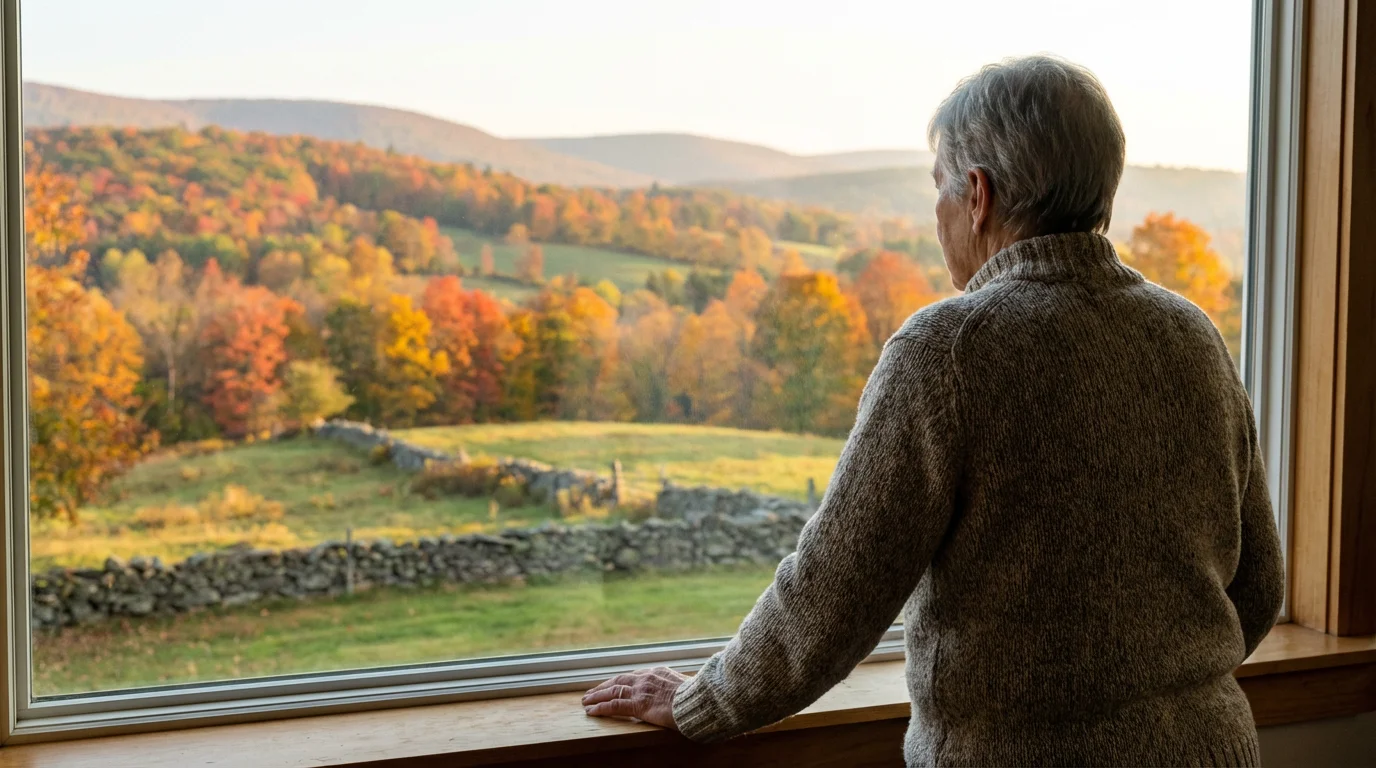
Autumn brings stunning foliage, with vibrant reds, oranges, and yellows painting the landscapes. Temperatures are mild and comfortable, typically in the 50s and 60s, creating perfect conditions for scenic drives and apple picking. Many people consider fall the most beautiful season in Pennsylvania.
Winters are cold, with average January temperatures in the 20s and 30s Fahrenheit. Snowfall varies across the state; mountainous regions like the Poconos receive significantly more snow, making them popular for winter sports. Cities like Philadelphia see less snow but can still experience several significant winter storms. Spring is mild and refreshing, with temperatures gradually warming from the 40s to 60s, bringing new growth and blooming flowers.
If you enjoy diverse weather patterns and seasonal changes, Pennsylvania’s climate will likely appeal to you. If you prefer year-round warmth, the winters might present a challenge, necessitating proper heating and warm attire. However, the beauty of each season offers unique recreational opportunities.

Healthcare Access Across Pennsylvania
Access to quality healthcare is a paramount concern for retirees, and Pennsylvania excels in this area. The state boasts a robust healthcare infrastructure, featuring numerous nationally ranked hospitals, specialized medical centers, and a wide network of primary care physicians. You will find comprehensive care options in both urban and many rural settings.
Major metropolitan areas like Philadelphia and Pittsburgh are home to some of the country’s leading medical institutions. Philadelphia, for example, hosts institutions such as the Hospital of the University of Pennsylvania and Thomas Jefferson University Hospital. Pittsburgh features the University of Pittsburgh Medical Center (UPMC) and Allegheny Health Network, both offering extensive services. These systems provide advanced treatments, research, and specialized care across various disciplines.
Even outside these major cities, you will discover excellent regional hospitals and healthcare systems. Communities in central Pennsylvania, such as Harrisburg and Lancaster, also offer strong medical facilities. Many smaller towns maintain local clinics and access points, often affiliated with larger networks, ensuring that quality care remains within reach. According to Medicare.gov, Pennsylvania offers a broad selection of Medicare Advantage plans and prescription drug plans, providing retirees with diverse choices for their coverage. You can compare plans based on your specific health needs and budget.
Finding a doctor and accessing specialists is generally straightforward due to the extensive provider networks. Many hospitals are actively involved in community health initiatives, providing resources and educational programs for seniors. This strong emphasis on health and wellness ensures that your medical needs receive excellent attention throughout your retirement years.

Exploring Pennsylvania’s Diverse Retirement Locations
Pennsylvania offers a truly diverse range of settings, from bustling urban centers to tranquil rural landscapes, ensuring you can find a community that aligns with your desired lifestyle. Your choice depends on whether you prefer city amenities, small-town charm, or natural tranquility.
Urban Centers: Philadelphia and Pittsburgh
Philadelphia, the state’s largest city, provides a vibrant retirement experience steeped in history and culture. You can enjoy world-class museums, theaters, and a diverse culinary scene. The city offers excellent healthcare facilities and easy access to public transportation. Retirees looking for an active, engaging urban environment with historical significance often find Philadelphia appealing. Many 55+ communities exist in the surrounding suburbs.
Pittsburgh, located in western Pennsylvania, has undergone a remarkable revitalization. It now features a strong technology sector, beautiful riverfront parks, and a thriving arts and culture scene. The city’s cost of living is often more affordable than other major East Coast cities. It combines urban amenities with a friendly, accessible atmosphere, and its hilly terrain offers unique views and neighborhood character. Both cities provide university-level educational opportunities for lifelong learners.
Charming Small Towns and Suburban Havens
Pennsylvania excels in its array of picturesque small towns, which often offer a slower pace of life with strong community bonds. Many retirees seek the tranquility and lower cost of living found in these areas. You will find well-preserved historic districts, local shops, and community events that foster a sense of belonging.
* Lancaster: Known for its rich Pennsylvania Dutch heritage, Lancaster offers a blend of historic charm and modern conveniences. You will find a vibrant arts scene, farmer’s markets, and proximity to scenic farmlands. Its downtown is walkable, and healthcare access is good.
* West Chester: A historic borough near Philadelphia, West Chester provides an attractive suburban setting with a lively downtown. It features unique shops, restaurants, and cultural events. This area provides an excellent option for those seeking the amenities of “small towns” with easy access to a major city.
* Gettysburg: Rich in Civil War history, Gettysburg offers a unique retirement experience for history enthusiasts. The town is smaller, but its historical significance draws visitors and residents alike. It has a welcoming community and access to national parks.
* What are the best retirement communities near Philadelphia? The suburbs surrounding Philadelphia offer numerous active adult communities. Areas like Bucks County, Montgomery County, Chester County, and Delaware County host a wide selection of 55+ developments. These communities often feature amenities such as clubhouses, fitness centers, and social activities, providing a robust social life. Popular areas include Newtown, Doylestown, Exton, and Media, each offering varying levels of amenities and proximity to urban centers.
Coastal, Mountain, and Rural Options
While Pennsylvania is not on the ocean, it offers beautiful lake regions and stunning mountain ranges. The Pocono Mountains in northeastern Pennsylvania are popular for their natural beauty, outdoor recreation, and resort-style living. You can enjoy hiking, fishing, skiing, and golfing in this area. It provides a peaceful retreat for those who love nature.
Rural Pennsylvania offers genuine tranquility and a deep connection to the land. If you envision a retirement surrounded by vast open spaces, forests, or farmlands, the central and northern parts of the state might appeal to you. You will find lower property costs and a quiet lifestyle, though access to certain amenities might require longer drives.
“The best time to plant a tree was 20 years ago. The second best time is now.”
55+ Communities and Housing Options
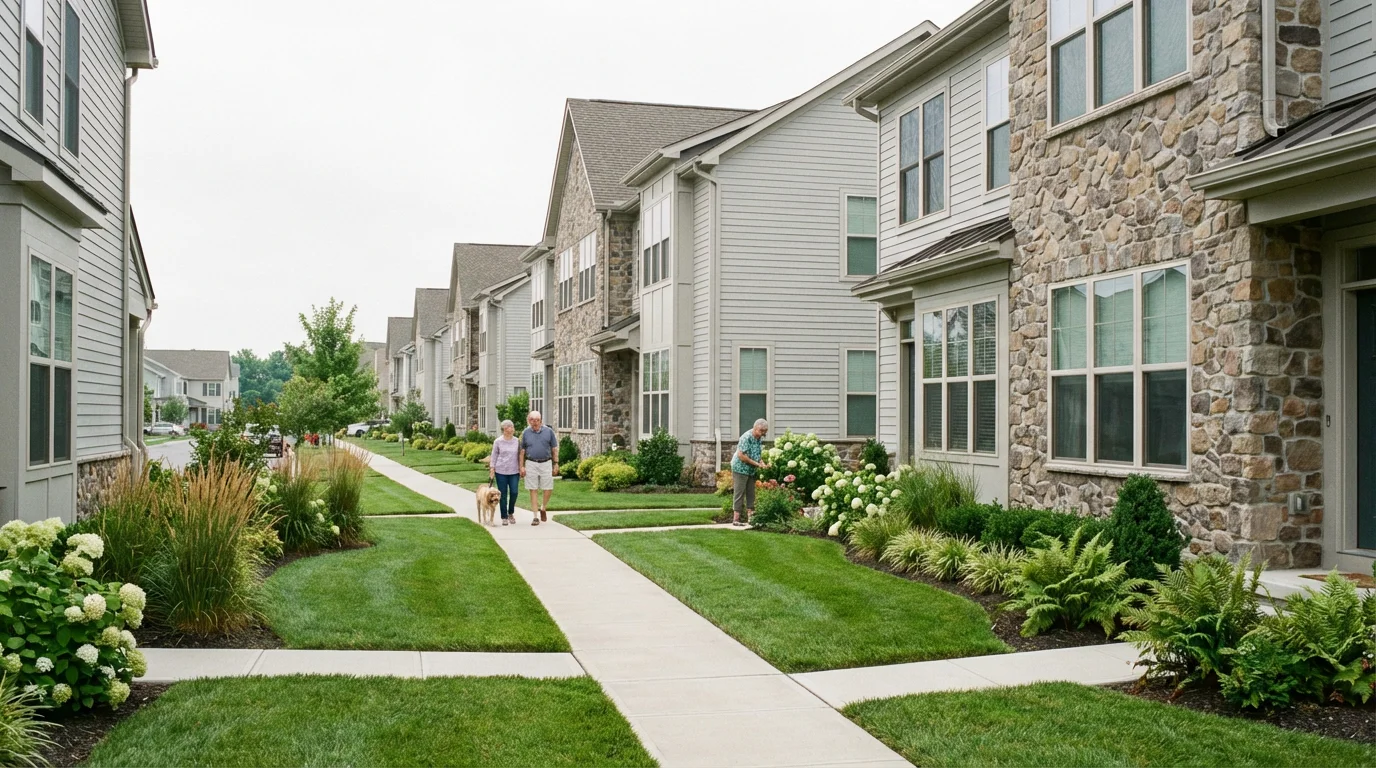
Pennsylvania provides an extensive selection of 55+ communities, catering to various preferences and budgets. These communities are specifically designed for active adults, offering a lifestyle focused on social engagement, recreation, and convenience. You will find a strong sense of community and numerous opportunities to participate in organized activities.
Types of 55+ Communities
* Active Adult Communities: These are the most common type, offering independent living in single-family homes, townhouses, or condominiums. They often feature extensive amenities like clubhouses, fitness centers, swimming pools, golf courses, and walking trails. Social committees organize events, trips, and classes, fostering a vibrant atmosphere.
* Continuing Care Retirement Communities (CCRCs): CCRCs provide a continuum of care, from independent living to assisted living and skilled nursing care, all on one campus. This model offers peace of mind, knowing that your changing healthcare needs can be met without another relocation. You typically pay an entrance fee and ongoing monthly fees.
* Age-Restricted Apartments: Many areas offer apartment complexes exclusively for residents aged 55 or older. These often include shared common areas, some amenities, and maintenance-free living. They are a good option if you prefer renting and a less structured community environment.
Housing Options Beyond 55+
Beyond age-restricted communities, Pennsylvania offers diverse housing options. You can find historic homes in charming small towns, modern suburban developments, or rural properties with acreage. Many retirees choose to downsize into smaller, more manageable homes or condominiums in traditional neighborhoods, benefiting from established infrastructure and local services. Your choice depends on your preference for community type, home style, and maintenance responsibilities. Property taxes and homeowners association fees vary significantly by location and community type, so you should factor these into your budget.

Relocation Planning: Your Next Steps
Relocating for retirement involves several key steps to ensure a smooth transition. Thoughtful planning helps minimize stress and allows you to embrace your new life in Pennsylvania with confidence. You should approach this process systematically, addressing each component thoroughly.
- Research and Visit: Thoroughly research potential areas, considering factors like cost of living, healthcare, climate, and community feel. Visit your top choices during different seasons to experience them firsthand. Talk to local residents to gain authentic insights into daily life.
- Assess Your Finances: Create a detailed retirement budget that accounts for all potential expenses in Pennsylvania, including housing (mortgage/rent, property taxes, insurance), utilities, groceries, transportation, and leisure activities. Factor in how Pennsylvania’s tax structure impacts your income.
- Healthcare Planning: Research local healthcare providers, hospitals, and Medicare Advantage plans available in your chosen region. Confirm your preferred doctors or specialists are accepting new patients or if you need to find new ones.
- Downsizing and Decluttering: Begin the process of decluttering and downsizing your current home early. Decide what you will keep, sell, donate, or discard. This lightens the load for your move and simplifies setting up your new residence.
- Choose a Mover or DIY: Obtain quotes from reputable moving companies or plan your DIY move. Factor in packing services, insurance, and timing. If moving long-distance, book well in advance.
- Transfer Services and Update Records: Arrange for utility transfers (electricity, gas, water, internet) to your new Pennsylvania address. Update your mailing address with banks, investment firms, government agencies (Social Security, Medicare), and subscription services.
- Connect with Your New Community: Once settled, actively seek opportunities to connect. Join local clubs, volunteer organizations, or social groups. Explore community centers and senior programs to build your new social network.
Taking these steps ensures a well-organized and successful move. Remember, a major relocation is a significant life event, and careful preparation makes all the difference.

Pros and Cons of Retiring in Pennsylvania
Making a decision about your retirement location involves weighing the advantages and disadvantages. Pennsylvania offers many benefits, but it also presents certain challenges. Considering both sides helps you determine if the Keystone State is the right fit for your retirement.
Pros of Retiring in Pennsylvania
- Tax-Friendly for Retirement Income: Pennsylvania largely exempts Social Security, pensions, 401(k), and IRA distributions from state income tax for seniors, significantly preserving your retirement savings.
- Lower Cost of Living: The overall cost of living, particularly housing, is often below the national average, making your retirement dollars stretch further.
- Four Distinct Seasons: You experience the beauty of all four seasons, from vibrant autumn foliage to snowy winters and blooming springs. This offers diverse recreational opportunities year-round.
- Excellent Healthcare: The state boasts a strong healthcare system with numerous top-ranked hospitals and specialized medical centers, ensuring access to quality care.
- Rich History and Culture: Enjoy a wealth of historical sites, museums, arts venues, and cultural events across the state, especially in cities like Philadelphia and Pittsburgh.
- Diverse Landscapes: Choose from bustling cities, charming small towns, rolling farmlands, and scenic mountain regions, catering to various lifestyle preferences.
- Proximity to Major East Coast Cities: Pennsylvania’s location provides easy access to New York City, Washington D.C., and other major metropolitan areas for day trips or family visits.
Cons of Retiring in Pennsylvania
- Property Taxes Can Be High: While state income taxes are favorable, local property taxes can be substantial, varying widely by county and school district.
- Winters Can Be Cold and Snowy: If you dislike cold weather or heavy snow, Pennsylvania winters might be a significant adjustment, especially in northern and mountainous regions.
- Humidity in Summer: Summers can be quite humid, particularly in the southeastern parts of the state, which some individuals find uncomfortable.
- Traffic in Major Cities: Urban areas and their surrounding suburbs can experience significant traffic congestion, impacting commute times and daily travel.
- Inheritance Tax: Pennsylvania is one of the few states with an inheritance tax, a consideration for estate planning.
Ultimately, your ideal retirement location depends on your personal preferences, financial situation, and priorities. Pennsylvania offers a rich, diverse, and often affordable option for many retirees.
Frequently Asked Questions
How does Pennsylvania handle taxes on retirement income?
Pennsylvania is considered a tax-friendly state for retirement income. Most forms of retirement income, including Social Security benefits, public and private pension income, and distributions from IRAs and 401(k) plans, are exempt from state income tax for residents aged 59.5 and older. This significantly benefits retirees by allowing them to retain more of their savings.
What are the best retirement communities near Philadelphia?
The best retirement communities near Philadelphia often depend on your specific needs and desires. Popular areas include Bucks, Montgomery, Chester, and Delaware Counties, which host numerous 55+ active adult communities. These communities typically offer amenities such as clubhouses, fitness centers, social activities, and maintenance-free living. Specific towns with strong reputations for retirement communities include Newtown, Doylestown, Exton, and Media, each offering varying access to urban amenities and natural settings.
Is Pennsylvania an affordable place to retire?
Yes, Pennsylvania can be an affordable place to retire for many individuals. The overall cost of living is generally below the national average, with housing costs often significantly lower than in many other East Coast states. While property taxes can vary and be high in some areas, the state’s favorable income tax policies for retirees help offset other expenses, making it an economically viable option.
What is the climate like for Pennsylvania retirement?
Pennsylvania experiences four distinct seasons. Summers are warm and humid, with average July temperatures in the high 70s to low 80s Fahrenheit. Winters are cold, with average January temperatures in the 20s and 30s Fahrenheit, and snowfall varies across regions. Spring and autumn are mild and pleasant, with vibrant fall foliage. The climate offers diverse recreational opportunities throughout the year.
What kind of healthcare access can I expect in Pennsylvania?
Pennsylvania offers excellent healthcare access with a robust network of hospitals and medical centers. Major cities like Philadelphia and Pittsburgh are home to nationally ranked institutions, providing advanced and specialized care. Even smaller towns and rural areas have access to quality regional hospitals and clinics, often affiliated with larger systems. The state provides diverse Medicare Advantage and prescription drug plans, ensuring comprehensive coverage options for retirees.
Does Pennsylvania offer a good balance of small towns and city life for retirees?
Absolutely. Pennsylvania excels in offering a harmonious balance between bustling city life and serene small-town charm. You can choose vibrant urban centers like Philadelphia or Pittsburgh for cultural experiences and amenities, or opt for picturesque “small towns” like Lancaster or West Chester for a quieter pace with local character. Rural areas provide natural tranquility. This variety ensures you can find a setting that perfectly matches your desired retirement lifestyle.
Disclaimer: This article is for informational purposes only. Cost of living, taxes, and local conditions change over time. We encourage readers to verify current information through official sources and visit potential retirement destinations before making relocation decisions.









Leave a Reply