

Oregon offers a captivating retirement destination for those drawn to the Pacific Northwest’s unique blend of natural beauty, vibrant cities, and a distinct cultural identity. You can find everything from rugged coastlines and dense forests to high desert landscapes and sophisticated urban centers within its borders. Understanding what makes Oregon a desirable place to settle down, along with its specific challenges, helps you make an informed decision for your golden years.
This guide explores key aspects of Oregon retirement, providing practical insights into its climate, cost of living, tax environment, healthcare infrastructure, and the diverse lifestyles available. We aim to equip you with the knowledge to determine if this Pacific Northwest paradise aligns with your retirement aspirations.
Table of Contents
- Why Consider Oregon for Retirement?
- The Oregon Climate: Diverse and Dynamic
- Cost of Living in Oregon for Retirees
- Taxes and Your Oregon Retirement Income
- Healthcare Access and Quality in Oregon
- Outdoor Recreation and Lifestyle
- Top Retirement Destinations in Oregon
- Pros and Cons of Oregon Retirement for Seniors
- Navigating Your Relocation to Oregon
- Frequently Asked Questions

Why Consider Oregon for Retirement?
Oregon consistently ranks high for livability due to its stunning natural landscapes and commitment to environmental sustainability. Retirees find a strong sense of community whether they prefer bustling city life or tranquil rural settings. The state offers a unique blend of outdoor adventure, cultural experiences, and a progressive mindset.
Your retirement years in Oregon can involve exploring national parks, enjoying farm-to-table cuisine, or participating in a wide array of artistic events. The state’s diverse geography means a variety of lifestyles are possible, catering to different preferences and budgets. This adaptability contributes significantly to its appeal as a retirement destination.

The Oregon Climate: Diverse and Dynamic
Oregon’s climate varies dramatically across its distinct geographical regions. The popular western side, west of the Cascade Mountains, features a temperate marine climate with wet, mild winters and warm, dry summers. The eastern side, known as the high desert, experiences more extreme temperatures, with colder winters and hotter, drier summers.
Coastal areas receive significant rainfall, especially in winter, but offer milder temperatures year-round. Inland valleys, like the Willamette Valley, have warmer summers and less rainfall than the coast. Your preferred climate will largely determine which part of Oregon suits your retirement plans.
Climate Comparison by Region
| Region | Winter Average Temperature | Summer Average Temperature | Annual Rainfall (inches) | Key Characteristics |
|---|---|---|---|---|
| Oregon Coast (e.g., Astoria) | 40-50°F (4-10°C) | 55-65°F (13-18°C) | 70-80 | Mild, wet, cloudy, breezy |
| Willamette Valley (e.g., Portland, Salem) | 35-45°F (2-7°C) | 70-80°F (21-27°C) | 35-50 | Mild, wet winters; warm, dry summers |
| Cascade Mountains (e.g., Government Camp) | 20-30°F (-7 – -1°C) | 60-70°F (16-21°C) | 60-100+ (snow) | Cold, snowy winters; cool summers |
| High Desert (e.g., Bend, Redmond) | 20-30°F (-7 – -1°C) | 80-90°F (27-32°C) | 10-15 | Cold, dry winters; hot, dry summers |
Data from the National Weather Service confirms these regional variations. For example, Portland receives around 36 inches of rain annually, while coastal towns like Tillamook can see over 80 inches. Bend, in the high desert, receives only about 11 inches, often as snow in winter. This diversity means you can choose an environment that best fits your comfort level.

Cost of Living in Oregon for Retirees
The cost of living in Oregon generally exceeds the national average, primarily driven by housing expenses in major metropolitan areas. While some rural areas offer more affordable options, your overall budget will need careful consideration. Data from the Bureau of Labor Statistics indicates that housing costs significantly impact the overall expense index. You will find that groceries, utilities, and transportation costs are also slightly higher than the national median.
Median home prices in Portland, for instance, often hover well above the national average, impacting the entire Willamette Valley. Conversely, smaller towns in Southern or Eastern Oregon present more accessible housing markets. Careful research into specific locations helps you pinpoint areas that align with your financial retirement plan.
Typical Monthly Expenses for a Retired Couple in Oregon (Estimated)
| Category | Portland Area (High) | Salem Area (Moderate) | Rural Oregon (Lower) |
|---|---|---|---|
| Housing (Mortgage/Rent) | $2,000 – $3,500+ | $1,500 – $2,500 | $1,000 – $1,800 |
| Utilities (Electric, Gas, Water, Internet) | $250 – $400 | $200 – $350 | $180 – $300 |
| Groceries | $600 – $800 | $550 – $750 | $500 – $700 |
| Transportation (Gas, Insurance, Maintenance) | $200 – $400 | $180 – $350 | $150 – $300 |
| Healthcare (Out-of-pocket, Supplemental) | $400 – $700 | $400 – $700 | $400 – $700 |
| Miscellaneous (Personal Care, Entertainment) | $300 – $600 | $250 – $500 | $200 – $450 |
| Total Monthly Estimate | $3,750 – $6,400+ | $3,080 – $5,150 | $2,430 – $4,250 |
These figures are estimates and vary greatly based on lifestyle and specific location. Your personal budget will require tailoring these numbers to your individual circumstances. Researching specific neighborhoods and their amenities offers the most accurate picture for your retirement planning.

Taxes and Your Oregon Retirement Income
Understanding Oregon’s tax landscape is crucial for your retirement planning. The state has no sales tax, which means you avoid an additional percentage on most purchases. This absence of sales tax can offer a modest savings compared to states that levy high sales taxes.
Oregon does levy a progressive state income tax on all retirement income, including Social Security benefits, private pensions, and withdrawals from 401(k)s and IRAs. Income tax rates range from 4.75% to 9.9%, depending on your income bracket. This taxation of Social Security benefits sets Oregon apart from many other states that exempt these payments.
How do Oregon’s property taxes affect retirement planning? Property taxes in Oregon are relatively moderate compared to the national average. They are assessed at the local level by counties and vary significantly based on location and the assessed value of your home. While the statewide average effective property tax rate is around 0.88%, this can be higher or lower depending on your specific county and local levies. For instance, Multnomah County, which includes Portland, often has higher property tax bills than more rural counties. Homestead exemptions or deferral programs are available for qualifying seniors, helping manage your property tax burden. You should consult the Oregon Department of Revenue for current programs and eligibility requirements.
Oregon Tax Considerations for Retirees
| Tax Type | Oregon Policy | Impact on Retirees |
|---|---|---|
| Sales Tax | None | No sales tax on purchases, potentially saving money on goods and services. |
| Income Tax | Progressive rates (4.75% – 9.9%) on all income, including Social Security benefits, pensions, and 401(k)/IRA withdrawals. | All retirement income is subject to state income tax. This requires careful planning for Social Security and other retirement fund distributions. |
| Property Tax | Moderately low effective rate (avg. 0.88%), varies by county and local levies. | Your property tax bill will depend on your home’s value and location. Programs like the Senior and Disabled Citizen Property Tax Deferral may offer relief. |
| Estate/Inheritance Tax | Oregon has an estate tax for estates valued over $1 million. | If your estate exceeds $1 million, it will be subject to state estate tax, impacting inheritance planning. |
The Tax Foundation offers detailed insights into state tax policies, confirming Oregon’s approach to various income streams. Understanding these taxes helps you budget effectively and plan your financial future in Oregon. You should consider consulting a tax professional familiar with Oregon’s laws to optimize your financial strategy.
Healthcare Access and Quality in Oregon
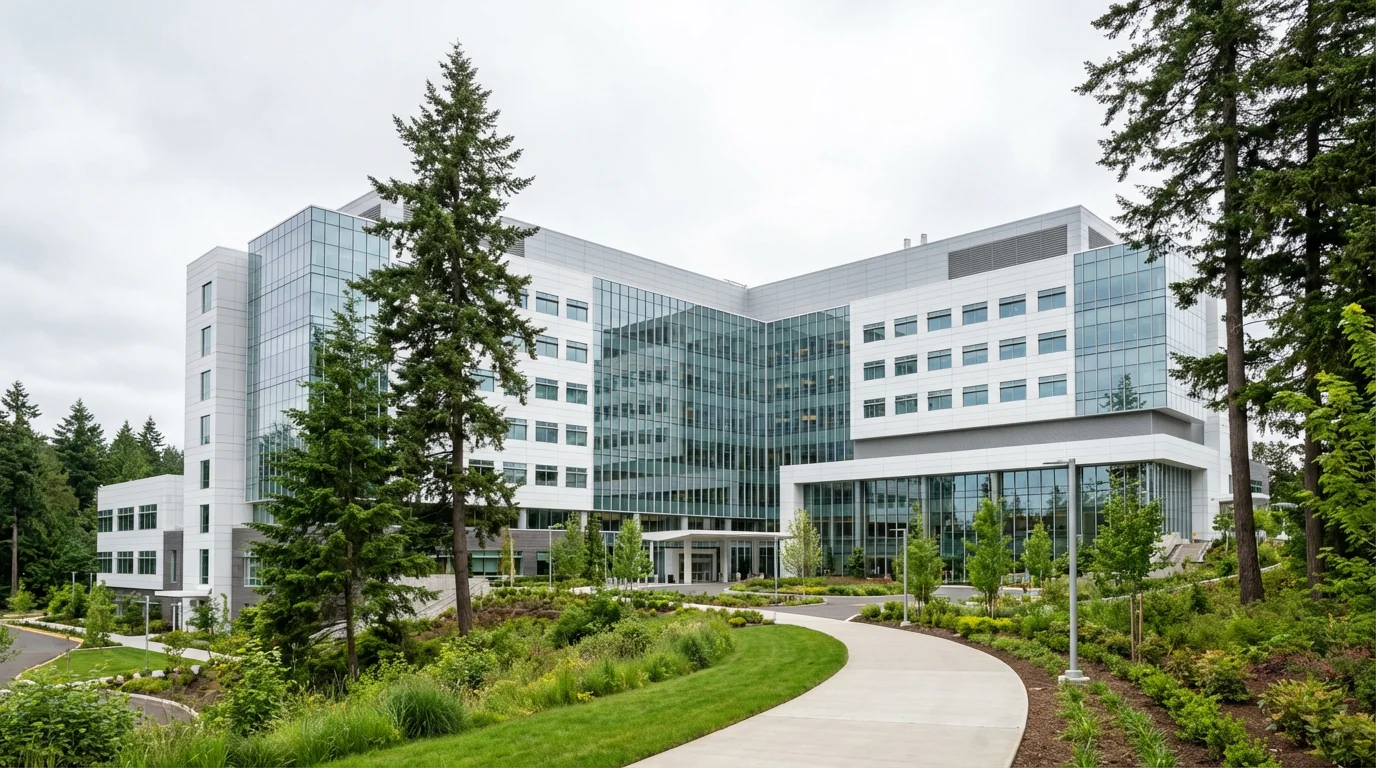
Oregon provides a robust healthcare system with a strong emphasis on access and quality, particularly in its major population centers. You will find excellent hospitals and specialized medical facilities in cities like Portland, Eugene, and Salem. These urban areas boast university-affiliated medical centers, such as Oregon Health & Science University (OHSU) in Portland, which is a leading research and teaching hospital.
Rural areas might have fewer immediate options for specialized care, but they typically have community hospitals and clinics. Residents often travel to larger cities for more complex medical needs. Medicare.gov provides tools to compare local healthcare providers and plans, assisting you in finding coverage that meets your needs. Oregon actively promotes preventative care and has a strong network of primary care physicians.

Outdoor Recreation and Lifestyle
Oregon is a true haven for outdoor enthusiasts, offering an unparalleled variety of natural landscapes for `outdoor recreation`. The state’s commitment to preserving its natural beauty ensures abundant opportunities for an active retirement. You can spend your days exploring diverse environments from the Pacific coastline to the High Desert.
Popular Outdoor Activities in Oregon
- Hiking and Backpacking: Explore thousands of miles of trails, including parts of the Pacific Crest Trail, waterfall hikes in the Columbia River Gorge, and scenic paths along the coast.
- Cycling: Enjoy dedicated bike paths in cities and scenic routes through wine country or along the Oregon Coast.
- Fishing and Boating: Access numerous rivers, lakes, and the ocean for salmon fishing, crabbing, kayaking, and paddleboarding.
- Skiing and Snowboarding: Hit the slopes at resorts like Mount Hood Meadows, Timberline Lodge, or Mount Bachelor during winter months.
- Golfing: Play on stunning courses throughout the state, from coastal links to high desert fairways.
- Wildlife Viewing: Observe diverse wildlife in national forests, state parks, and wildlife refuges.
- Gardening: Benefit from Oregon’s fertile soil and mild climate, making it ideal for gardening enthusiasts.
Whether you prefer a strenuous hike or a leisurely stroll on the beach, Oregon offers endless possibilities to stay active and connected with nature. The accessibility of these activities contributes significantly to the state’s healthy and active lifestyle.

Top Retirement Destinations in Oregon
Choosing a retirement location in Oregon involves weighing your priorities for climate, lifestyle, and community. Each region offers a distinct experience, from bustling cities to serene coastal towns and vibrant high desert communities. Consider these popular options for your `Oregon retirement`.
Portland: Urban Vibrancy
- Pros: Excellent healthcare, diverse culinary scene, abundant cultural attractions, strong public transportation, numerous parks and green spaces.
- Cons: High cost of living, significant traffic congestion, a noticeable homeless population, gray and rainy winters.
Portland offers retirees a dynamic urban environment with access to world-class amenities. You will find extensive healthcare options, including OHSU, and a vibrant arts scene with theaters, museums, and live music. The city’s strong focus on local food and craft beverages provides endless culinary exploration. While the cost of living and housing prices are higher, the accessibility to services and diverse entertainment options make it appealing for those seeking an active city retirement.
Bend: High Desert Appeal
- Pros: Abundant sunshine, extensive outdoor recreation opportunities (skiing, hiking, biking), craft brewery scene, lively downtown, strong community feel.
- Cons: High cost of living for a smaller city, increasing tourism and crowds, limited public transportation, cold winters with snow.
Bend, situated in Central Oregon’s high desert, appeals to active retirees who appreciate sunshine and year-round `outdoor recreation`. Its proximity to the Cascade Mountains means easy access to skiing in winter and hiking, biking, and water sports in summer. The city has grown significantly, bringing with it a vibrant dining and social scene, though housing costs reflect its popularity. It offers a more relaxed pace than Portland while still providing plenty of amenities.
Ashland: Cultural Hub
- Pros: Renowned Shakespeare Festival and arts scene, beautiful Southern Oregon setting, mild climate, strong sense of community, close to outdoor activities.
- Cons: Smaller town with fewer specialized services, can be hot and dry in summer, relatively isolated from major metropolitan areas.
Ashland provides a unique cultural retirement experience, primarily known for the Oregon Shakespeare Festival. This small city in Southern Oregon attracts arts lovers and offers a charming, walkable downtown area. Its climate is generally milder than other parts of the state, with warmer summers and less rain than the Willamette Valley. You will find a strong community presence and access to outdoor activities in the nearby Rogue Valley. The cost of living is more moderate compared to Portland or Bend, making it an attractive option for culture-focused retirees.
Oregon Coast: Scenic Tranquility
- Pros: Stunning ocean views, relaxed pace of life, abundant fresh seafood, opportunities for beachcombing and storm watching, mild year-round temperatures.
- Cons: Frequent rain and cloudy days, limited access to major healthcare facilities, smaller communities with fewer amenities, potential for isolation.
Retiring to an Oregon coastal town, such as Florence, Newport, or Cannon Beach, offers a serene and picturesque lifestyle. You can enjoy dramatic ocean vistas, explore charming small towns, and embrace a slower pace. The climate is mild, though characterized by significant rainfall and cloud cover, especially in winter. While amenities are generally good for daily needs, access to specialized healthcare might require travel inland. This region appeals to those seeking peace, natural beauty, and a strong connection to the sea.

Pros and Cons of Oregon Retirement for Seniors
What are the pros and cons of living in Oregon for seniors? Weighing these factors helps you make an informed decision for your retirement years. Oregon offers distinct advantages but also presents certain challenges.
Pros of Oregon Retirement
- Natural Beauty and Outdoor Recreation: You gain access to unparalleled natural landscapes, including mountains, coastlines, forests, and high deserts, supporting an active lifestyle.
- Environmental Focus: Oregon is a leader in environmental sustainability, promoting clean energy and conservation.
- Cultural Vibrancy: Major cities offer a rich arts, culinary, and craft beverage scene.
- No Sales Tax: You avoid an additional tax on most goods and services, which can provide savings on everyday purchases.
- Progressive Values: Many retirees appreciate the state’s forward-thinking policies and diverse communities.
- Healthcare Access: Metropolitan areas provide excellent healthcare facilities and specialist access, including top-tier medical centers.
Cons of Oregon Retirement
- High Cost of Living: Housing costs, particularly in popular areas like Portland and Bend, significantly exceed the national average.
- Income Tax on Retirement Benefits: All retirement income, including Social Security, pensions, and 401(k)/IRA withdrawals, is subject to state income tax.
- Weather Patterns: Western Oregon experiences long, gray, rainy winters, which some find challenging.
- Traffic and Crowds: Growing populations in urban centers can lead to traffic congestion and increased crowds at popular attractions.
- Limited Rural Healthcare: Access to specialized medical care can be limited in more remote or rural areas.
- Homelessness and Urban Issues: Major cities face challenges with homelessness and related urban issues.
Your ideal retirement location balances these pros and cons with your personal preferences and financial situation. Oregon is a state of contrasts, and its appeal truly depends on what you seek in your post-career life.

Navigating Your Relocation to Oregon
Relocating for retirement involves significant planning and preparation. An organized approach helps ensure a smooth transition to your new home in Oregon. You will need to consider logistics, financial implications, and personal adjustments.
“The decision to move in retirement is more than choosing a new house, it’s choosing a new lifestyle and community that supports your well-being.”
This wisdom highlights that your relocation is a comprehensive life change, not merely a change of address. Focus on integrating into your chosen community and ensuring your new environment supports your retirement goals. Take proactive steps to explore potential communities, engage with local resources, and set up your new life effectively.
Key Steps for Relocating to Oregon
- Research Your Ideal Location: Thoroughly investigate specific Oregon cities or towns that match your lifestyle, climate preferences, and budget. Consider visiting during different seasons.
- Assess Your Finances: Create a detailed budget that accounts for Oregon’s cost of living, property taxes, and income tax on retirement benefits. Consult a financial advisor.
- Plan for Healthcare: Research local hospitals, clinics, and specialists. Ensure your Medicare or other health insurance plan will be accepted and identify new primary care physicians. You can use the Eldercare Locator to find local services.
- Downsize and Organize: Begin decluttering and organizing your belongings early. Decide what you will move, sell, donate, or discard.
- Choose a Moving Company: Obtain quotes from reputable moving companies or plan for a DIY move. Book services well in advance, especially during peak moving seasons.
- Update Your Address and Documents: Notify the USPS, banks, investment firms, and government agencies of your new address. Obtain a new Oregon driver’s license within 30 days of establishing residency.
- Build a Local Network: Get involved in community activities, clubs, or volunteer opportunities to meet new people and establish a support system.
- Explore Your New Community: Take time to discover local amenities, parks, cultural attractions, and dining options. Familiarize yourself with local services and resources.
A successful relocation hinges on preparation and flexibility. By addressing these steps systematically, you can navigate your move to Oregon with confidence and ease. The transition to your new retirement life will feel more manageable and enjoyable.
Frequently Asked Questions
Does Oregon tax Social Security benefits?
Yes, Oregon is one of the few states that taxes Social Security benefits. Your Social Security income is subject to the state’s progressive income tax rates, which range from 4.75% to 9.9%.
What is the average cost of living in Oregon for retirees?
The cost of living in Oregon is generally higher than the national average, primarily due to housing costs, particularly in urban areas like Portland and Bend. Overall expenses, including groceries and utilities, also tend to be above the national median, though rural areas offer more affordability.
Are property taxes high in Oregon?
Oregon’s property taxes are moderate compared to the national average, with an effective rate around 0.88%. However, rates vary significantly by county and local levies. Programs are available for qualifying seniors, such as property tax deferrals, to help manage these costs.
What is the climate like for Oregon retirement?
Oregon’s climate is diverse. Western Oregon, including the Willamette Valley and coast, experiences mild, wet winters and warm, dry summers. Eastern Oregon, the high desert, has colder, snowy winters and hotter, drier summers. You can choose a climate that best suits your preferences.
Is healthcare access good in Oregon for seniors?
Healthcare access and quality are excellent in Oregon’s major metropolitan areas, with renowned hospitals and specialized medical centers. Rural areas have community hospitals, but you may need to travel to larger cities for highly specialized care.
Does Oregon have a sales tax?
No, Oregon does not have a state sales tax. This means you do not pay extra on most purchases, which can result in savings compared to states with sales taxes.
Disclaimer: This article is for informational purposes only. Cost of living, taxes, and local conditions change over time. We encourage readers to verify current information through official sources and visit potential retirement destinations before making relocation decisions.









Leave a Reply