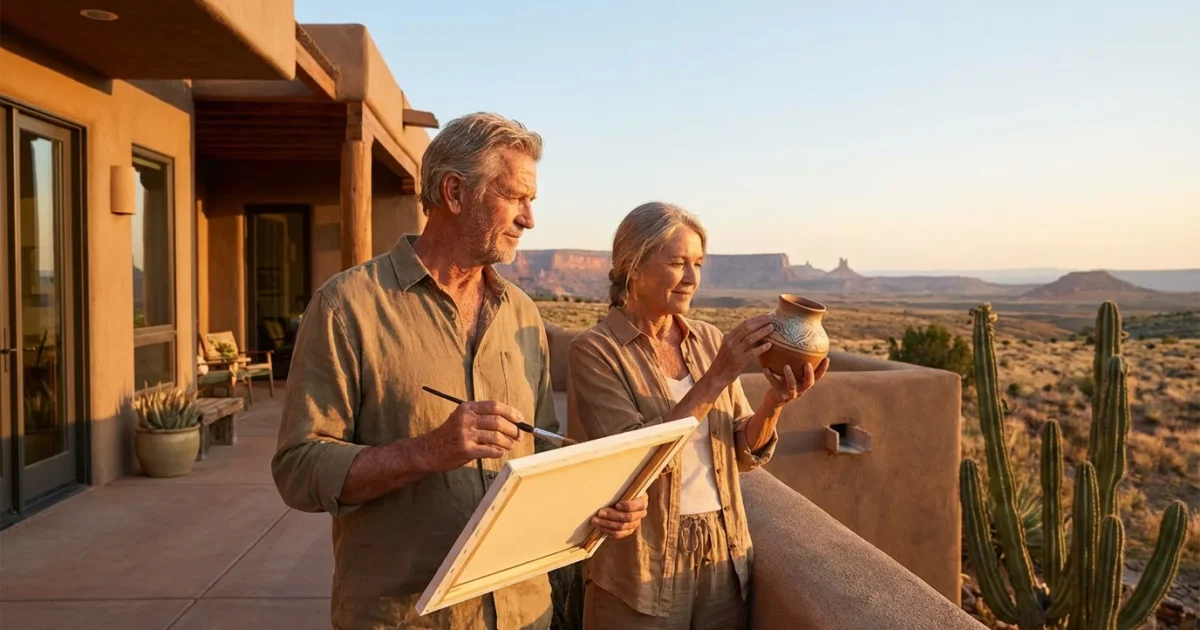
New Mexico, often called the Land of Enchantment, offers retirees a unique blend of vibrant arts, rich cultural heritage, and stunning desert landscapes. This southwestern gem attracts those seeking a lifestyle far removed from the ordinary, with its distinctive architecture, culinary delights, and an abundance of outdoor activities.
As you explore your retirement options, consider how New Mexico’s high desert climate, diverse communities, and tax structure align with your priorities. This guide provides practical insights to help you determine if New Mexico is the ideal retirement haven for your next chapter.
Table of Contents
- Why Consider New Mexico for Retirement?
- Cost of Living in New Mexico: Is it Affordable?
- New Mexico’s Tax Climate for Retirees
- Healthcare Access and Quality Across the State
- Exploring New Mexico’s Retirement Cities and Towns
- Arts, Culture, and Recreation: Living the Southwest Dream
- Climate and Weather Patterns: Desert Sunshine and Mountain Seasons
- Navigating a Relocation to New Mexico
- Frequently Asked Questions

Why Consider New Mexico for Retirement?
New Mexico presents a compelling choice for retirees seeking an active and culturally rich lifestyle. The state’s unique character stems from its Native American, Hispanic, and Anglo influences, creating a tapestry of traditions, art, and cuisine found nowhere else. You find ample opportunities for engagement, whether through gallery strolls, cultural festivals, or exploring ancient ruins.
The vast open spaces and diverse topography offer a playground for outdoor enthusiasts. From hiking in the Sangre de Cristo Mountains to exploring the White Sands National Park, the natural beauty is a constant draw. However, evaluating both the advantages and potential drawbacks ensures you make a fully informed decision.
Pros of Retiring in New Mexico
- Rich Cultural Scene: World-renowned art communities, especially in Santa Fe and Taos, with numerous galleries, museums, and annual festivals.
- Unique Landscape: Striking desert vistas, mountains, and unique geological formations provide abundant natural beauty and outdoor activities.
- Affordable Housing: Many areas offer housing costs below the national average, making your retirement savings stretch further.
- Mild Climate (in many areas): Expect abundant sunshine, with four distinct seasons in northern regions and warmer winters in the south.
- Lower Population Density: Enjoy a sense of spaciousness and less traffic congestion compared to more urbanized states.
Cons of Retiring in New Mexico
- Healthcare Access Disparities: While major cities have good facilities, rural areas often face limited access to specialists and hospitals.
- Economic Challenges: The state’s overall economic health can impact public services and job opportunities for those seeking part-time work.
- High Sales Tax: New Mexico has a combined state and local sales tax that can add up on everyday purchases.
- Distance from Major Hubs: Depending on your location, travel to larger metropolitan areas outside the state may involve significant driving distances.
- Water Scarcity: As a desert state, water conservation is a critical consideration, impacting landscaping and lifestyle choices.
Cost of Living in New Mexico: Is it Affordable?
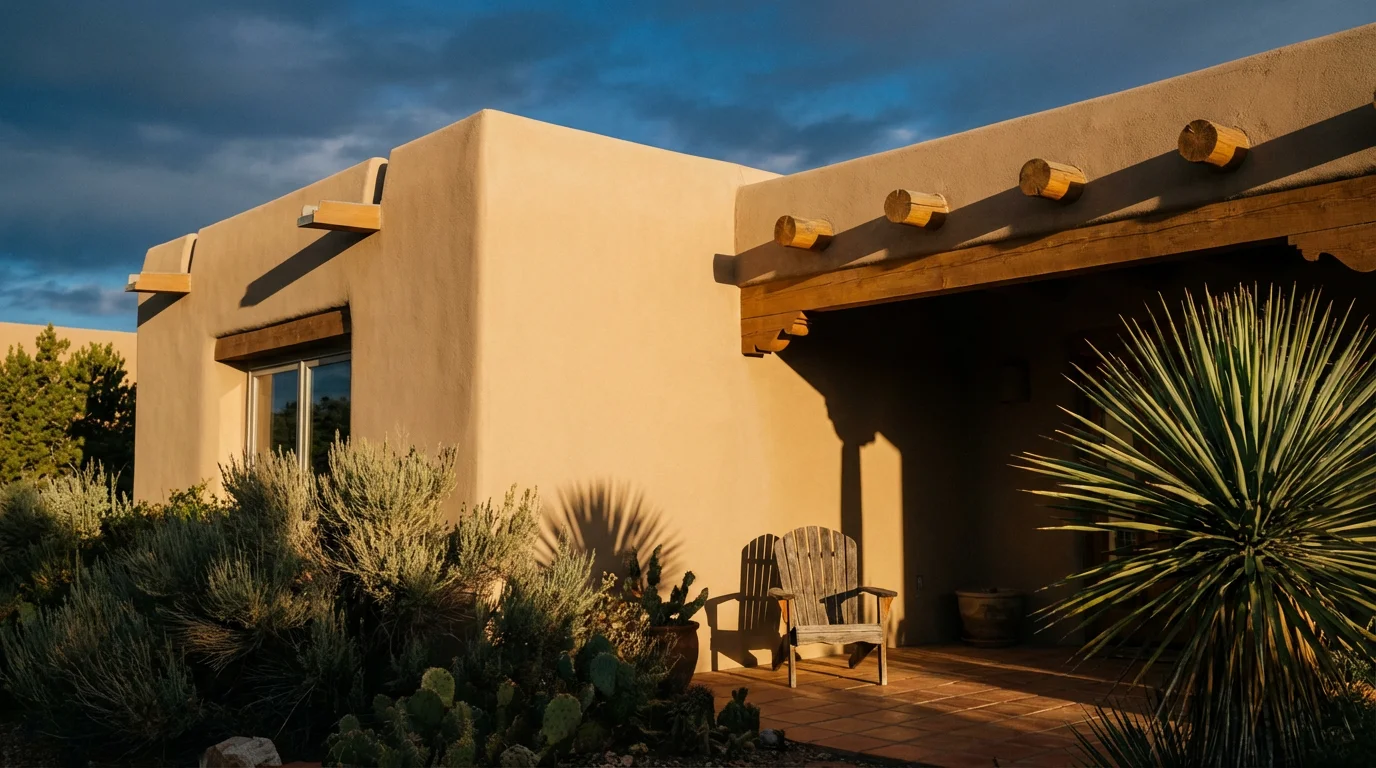
Understanding the cost of living is crucial for your retirement planning. New Mexico generally offers a more affordable lifestyle compared to the national average, particularly in housing. However, costs vary significantly between metropolitan areas like Santa Fe and smaller towns.
The overall cost of living index in New Mexico stands at approximately 93.6, meaning it is about 6.4% less expensive than the national average of 100. This affordability often attracts retirees looking to maximize their budget. Housing plays a significant role in this lower index, though utilities and transportation can sometimes be higher.
| Category | New Mexico Average | U.S. Average | Notes |
|---|---|---|---|
| Overall | 93.6 | 100 | Generally more affordable than national average. |
| Housing | 84.7 | 100 | Significant savings possible, especially outside major cities. |
| Utilities | 100.8 | 100 | Slightly higher due to climate control needs. |
| Groceries | 98.1 | 100 | Close to the national average. |
| Transportation | 104.5 | 100 | Higher due to longer distances and reliance on personal vehicles. |
| Healthcare | 95.5 | 100 | Slightly below average, but quality and access vary. |
(Data points are illustrative based on general trends and do not represent official government statistics unless explicitly linked.)
For example, while the median home price in Albuquerque might be around $330,000, in Santa Fe, it can exceed $500,000. Smaller towns often present even more budget-friendly options. Your monthly expenses will depend on your lifestyle, housing choice, and consumption habits.
New Mexico’s Tax Climate for Retirees
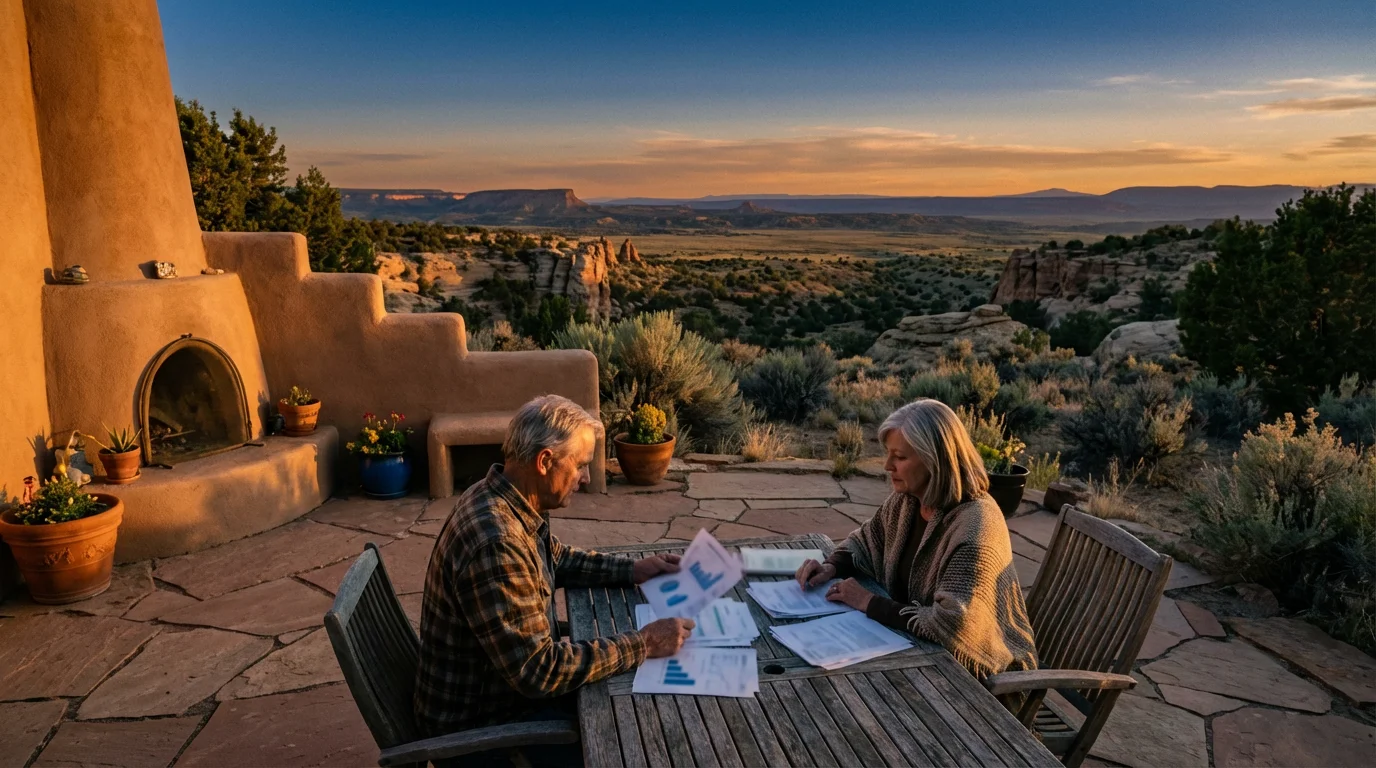
New Mexico offers a mixed bag regarding taxes for retirees. Understanding the state’s tax structure helps you forecast your financial future. The state has income tax, property tax, and sales tax, each with specific implications for those living on a fixed income.
Income Tax
New Mexico imposes a progressive income tax with rates ranging from 1.7% to 5.9%. Importantly, the state taxes most retirement income, including Social Security benefits and withdrawals from retirement accounts like 401(k)s and IRAs. However, the state offers significant deductions for Social Security income, particularly for low and middle-income retirees. For example, joint filers with adjusted gross income below $100,000 can deduct all Social Security benefits. Those between $100,000 and $150,000 receive a partial deduction. Check the Tax Foundation for the latest state tax regulations.
Property Tax
Property taxes in New Mexico are relatively low compared to many other states. The effective property tax rate averages around 0.65% of a home’s assessed value. For a home valued at $300,000, your annual property tax bill might be approximately $1,950. The state assesses residential property at one-third of its market value, and local mill levies then apply. Seniors may qualify for a property tax freeze if they meet specific age and income criteria.
Sales Tax
New Mexico does not have a state sales tax, but it levies a Gross Receipts Tax (GRT), which businesses generally pass on to consumers. The statewide GRT rate is 5.125%, but local additions can push combined rates much higher, sometimes exceeding 8.8% in certain municipalities. Groceries and prescription drugs are typically exempt from the GRT, which benefits retirees. Consider how this tax impacts your everyday purchases and overall budget.
Healthcare Access and Quality Across the State
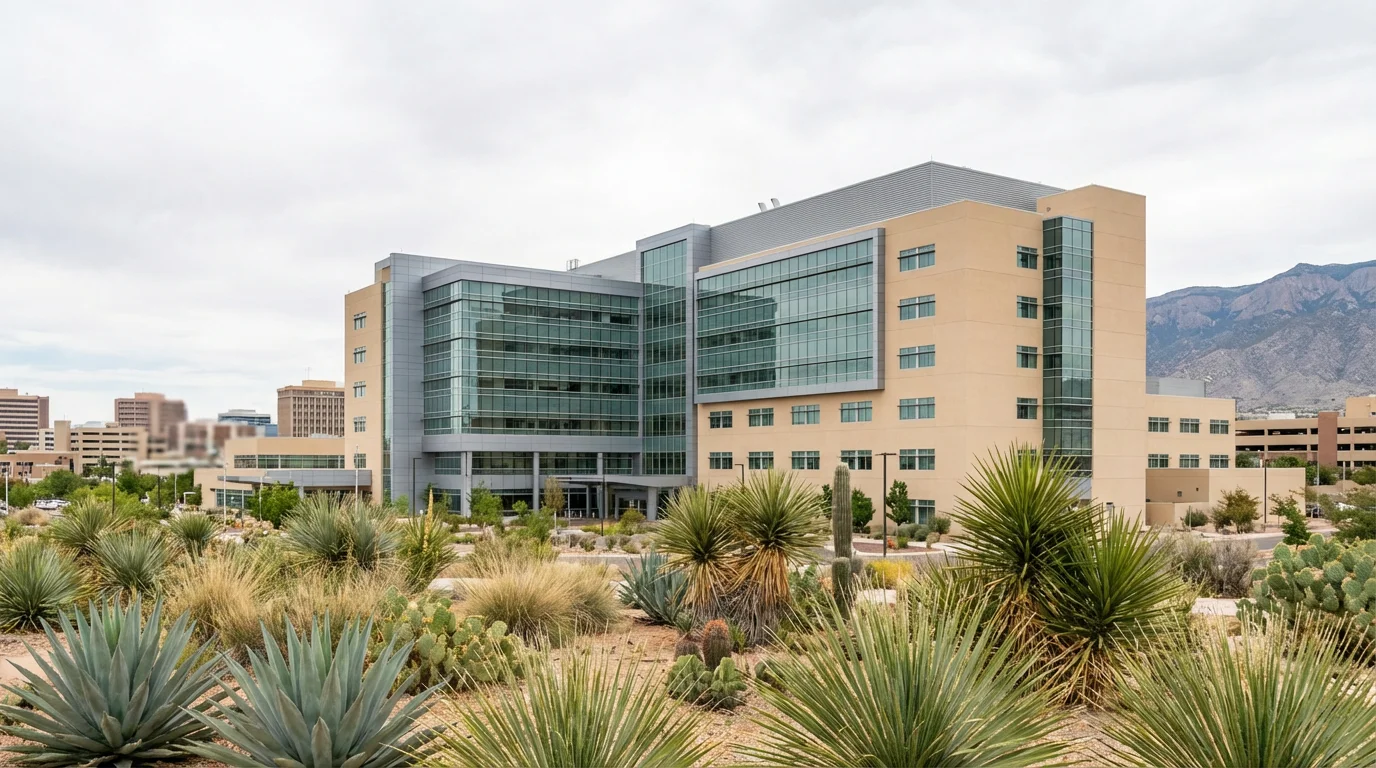
Access to quality healthcare is a paramount concern for retirees. New Mexico offers a varying landscape regarding healthcare services. Major metropolitan areas like Albuquerque and Santa Fe provide comprehensive medical facilities, while rural areas often have limited options.
The University of New Mexico Hospital in Albuquerque serves as a Level I trauma center and a major teaching hospital, offering a broad range of specialized services. Other significant hospitals include Presbyterian Hospital in Albuquerque and Christus St. Vincent Regional Medical Center in Santa Fe. These institutions generally receive positive ratings for patient care.
For those considering rural New Mexico, investigate local clinics and emergency services thoroughly. Telehealth services are expanding, which helps bridge some gaps in remote areas. Use resources like Medicare.gov to research specific provider networks and quality ratings in potential retirement locations. Eldercare Locator, at eldercare.acl.gov, provides resources for local elder care services.
How does New Mexico’s healthcare system compare to other states?
New Mexico often ranks in the lower half of states for overall healthcare quality and access, according to various national health rankings. Challenges include a shortage of primary care physicians, particularly in rural areas, and lower-than-average health outcomes in some categories. However, this is an overall state average, the quality within major cities often mirrors that of urban centers nationwide. You will find excellent hospitals and specialists in Albuquerque and Santa Fe. Your individual experience depends heavily on your specific location and healthcare needs.
“Home is not where you are from, it is where you belong.”
Exploring New Mexico’s Retirement Cities and Towns
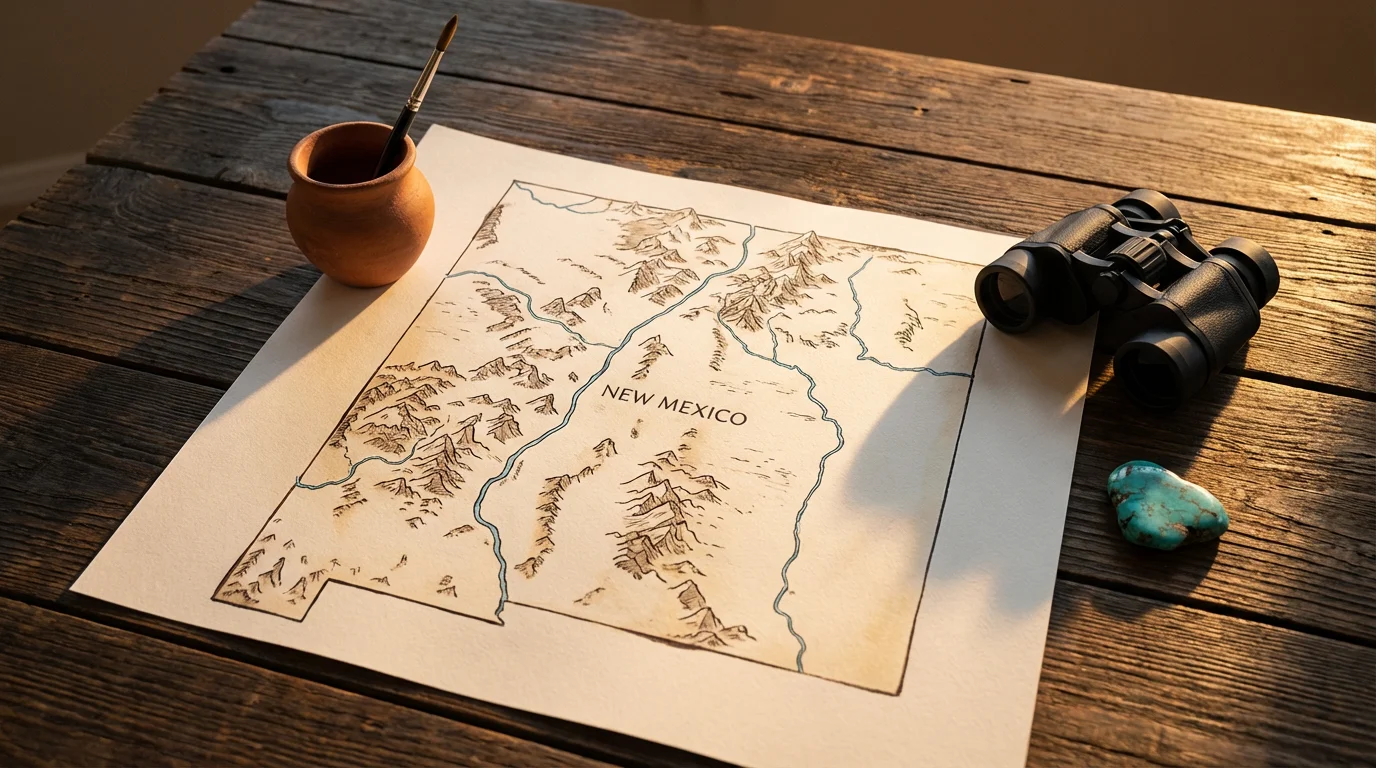
Choosing your ideal retirement spot within New Mexico depends on your lifestyle preferences. The state offers diverse environments, from bustling cities to serene artist communities and quiet desert towns. Each location provides a unique blend of amenities, culture, and climate.
Albuquerque: The Heart of New Mexico
Albuquerque, the state’s largest city, offers a vibrant urban experience with a lower cost of living than many comparable cities. It boasts a thriving cultural scene, numerous restaurants, and extensive healthcare facilities including UNM Hospital. You can enjoy the annual International Balloon Fiesta, explore Old Town, or hike in the Sandia Mountains. The city presents a balance between urban conveniences and access to nature.
- Pros: Comprehensive healthcare, diverse dining, robust cultural events, international airport, educational opportunities with the University of New Mexico.
- Cons: Larger city feel, some areas experience higher crime rates, traffic congestion during peak hours.
Santa Fe: The Art Capital
Santa Fe, the nation’s oldest capital city, is world-renowned for its art galleries, museums, and Pueblo-style architecture. This city is a magnet for artists and cultural enthusiasts. It offers an elevated culinary scene, numerous festivals, and a distinct charm. Housing costs in Santa Fe are significantly higher than in other parts of the state, reflecting its desirability.
- Pros: Unparalleled arts and culture, stunning historical sites, excellent dining, cooler mountain climate.
- Cons: High cost of living, especially for housing, can feel tourist-centric, limited major retail options compared to larger cities.
Las Cruces: Southern Charm and Space
Located in southern New Mexico, Las Cruces offers a warmer climate and a more relaxed pace of life. It provides a strong sense of community, with New Mexico State University contributing to cultural and educational opportunities. The city is known for its agricultural heritage, particularly Hatch green chiles, and its proximity to the Organ Mountains-Desert Peaks National Monument.
- Pros: Warmer winters, lower cost of living than Albuquerque or Santa Fe, friendly community, proximity to El Paso for additional amenities.
- Cons: Can experience very hot summers, fewer high-end cultural attractions compared to Santa Fe.
Taos: Mountain Arts Retreat
Nestled in the Sangre de Cristo Mountains, Taos is another renowned art colony, smaller and more rugged than Santa Fe. It attracts those seeking a bohemian atmosphere, outdoor adventure, and breathtaking natural beauty. The Taos Pueblo, a UNESCO World Heritage Site, adds to its cultural significance. The community is tight-knit, offering a strong sense of belonging for many retirees.
- Pros: Unique artistic community, stunning mountain scenery, excellent skiing and outdoor recreation, quiet and spiritual atmosphere.
- Cons: Higher cost of living for a smaller town, limited healthcare facilities, more remote location, can experience heavy snow in winter.
What are the best retirement cities in New Mexico for art lovers?
For art lovers, Santa Fe undeniably takes the top spot. Its Canyon Road is famous worldwide for its concentration of art galleries, and the city hosts numerous art markets, museums, and performing arts venues. Taos also stands out as an art-centric community, particularly appealing to those who appreciate a more rustic and intimate artistic environment. Both cities offer endless opportunities to engage with visual arts, indigenous crafts, and cultural performances.

Arts, Culture, and Recreation: Living the Southwest Dream
New Mexico truly excels in offering a rich tapestry of arts, culture, and outdoor recreation, embodying the spirit of southwest living. This aspect often becomes a primary draw for retirees choosing the Land of Enchantment.
Arts and Culture
The state is a vibrant hub for creativity. Santa Fe boasts over 250 art galleries, and major institutions like the Georgia O’Keeffe Museum and the Museum of International Folk Art attract visitors globally. The annual Santa Fe Indian Market showcases exquisite Native American art. Albuquerque features numerous public art installations, a thriving performing arts scene, and the National Hispanic Cultural Center. Even smaller towns like Taos and Silver City cultivate strong artistic communities, offering workshops, galleries, and local events. You find diverse expressions of art, from traditional Pueblo pottery to contemporary installations.
Recreation and Outdoors
New Mexico’s diverse landscapes provide year-round opportunities for outdoor enthusiasts. You can hike and bike extensively in national forests like the Carson and Santa Fe National Forests. Ski resorts, including Taos Ski Valley and Ski Santa Fe, offer excellent winter sports. Golf courses dot the state, providing scenic views. Fishing and boating are popular on lakes and rivers such as Elephant Butte Lake and the Rio Grande. The dry, sunny climate makes it comfortable to pursue these activities for most of the year. Explore national monuments like Petroglyph National Monument for a blend of history and nature.
Climate and Weather Patterns: Desert Sunshine and Mountain Seasons
New Mexico’s climate varies significantly across the state due to its diverse topography, which includes high deserts, mountains, and plains. Generally, you can expect abundant sunshine, often exceeding 300 sunny days per year. This constant sun contributes to the state’s pleasant ambiance for much of the year.
Regional Climate Differences
- Northern New Mexico (e.g., Santa Fe, Taos): Experiences four distinct seasons with warm summers, cool autumns, cold winters with snow, and mild springs. Elevations here are higher, leading to cooler temperatures overall.
- Central New Mexico (e.g., Albuquerque): Characterized by hot, dry summers where temperatures can reach into the 90s°F, mild winters with occasional light snow, and pleasant spring and fall seasons.
- Southern New Mexico (e.g., Las Cruces): Features hotter, often prolonged summers with temperatures frequently over 100°F, very mild winters with little to no snow, and generally warmer temperatures year-round.
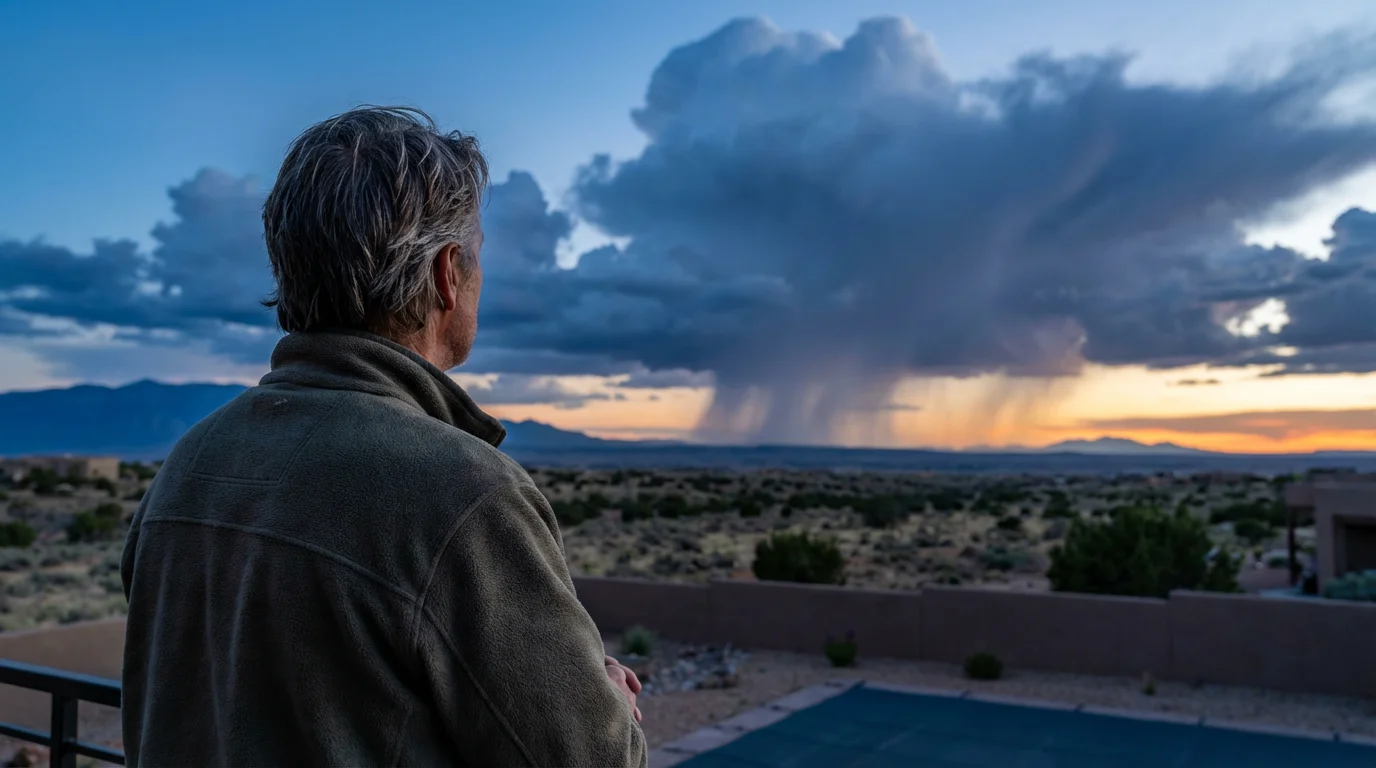
Average annual rainfall is low, typically ranging from 8 to 20 inches depending on the region. Monsoon season, usually from July to September, brings afternoon thunderstorms, which provide welcome relief from summer heat. Consider your preference for warmth, snow, or a balance of seasons when selecting your ideal location within New Mexico.
Navigating a Relocation to New Mexico
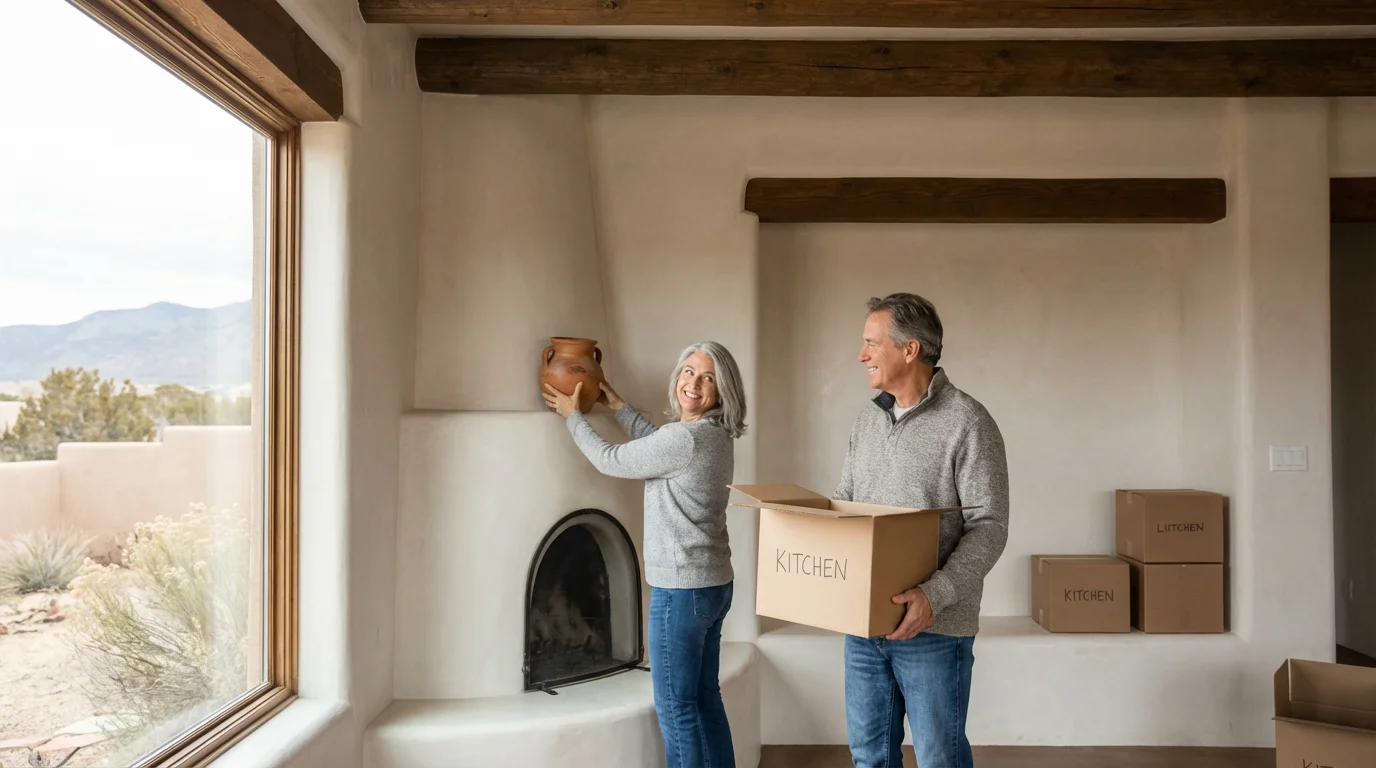
Relocating for retirement involves numerous practical steps. A structured approach ensures a smoother transition to your new New Mexico home. From financial considerations to settling into a new community, careful planning helps mitigate potential challenges.
Consider visiting your top prospective cities during different seasons to experience the climate and community firsthand. Engage with locals, explore neighborhoods, and investigate local services. This direct exposure provides invaluable insight beyond online research.
Key Relocation Steps
- Assess Your Budget: Review your retirement income, savings, and New Mexico’s cost of living and tax implications. Ensure your financial plan accommodates potential new expenses.
- Research Housing Options: Explore different types of housing, from single-family homes to 55+ communities. Consider renting for a year initially to fully experience an area before purchasing.
- Investigate Healthcare Providers: Identify doctors, specialists, and hospitals in your chosen area. Verify if your current insurance plans are accepted by local providers.
- Plan Your Move Logistics: Secure movers, update your address with the U.S. Postal Service, and arrange for utilities in your new home.
- Transfer Essential Services: Update your driver’s license and vehicle registration. Find new banking, pharmacy, and postal services.
- Connect with Your New Community: Seek out local clubs, volunteer opportunities, and social groups. Utilize community centers and senior programs to build a new network.
- Understand Local Regulations: Familiarize yourself with local ordinances, property taxes, and any specific community rules, especially in planned developments.
Frequently Asked Questions
Is New Mexico a tax-friendly state for retirees?
New Mexico has a mixed tax environment for retirees. While property taxes are relatively low and there are significant deductions for Social Security income, the state does tax most other forms of retirement income like pensions and 401(k) withdrawals. Additionally, its Gross Receipts Tax (sales tax) can be higher than in many other states. You should consult a tax professional for personalized advice on your specific financial situation.
What are the biggest draws for retirees to New Mexico?
Retirees are often drawn to New Mexico for its unique blend of factors. These include a rich arts and culture scene, stunning desert and mountain landscapes, abundant sunshine, and generally a lower cost of living compared to the national average. The sense of history, vibrant communities, and numerous outdoor recreational opportunities also contribute to its appeal.
Does New Mexico have good medical facilities?
Major cities in New Mexico, such as Albuquerque and Santa Fe, offer high-quality medical facilities, including large hospitals and specialist centers. The University of New Mexico Hospital in Albuquerque is a major medical hub. However, healthcare access and the availability of specialists can be more limited in rural areas. It is important to research specific facilities in your chosen retirement location.
Are there many 55+ communities in New Mexico?
Yes, New Mexico has a growing number of 55+ communities, particularly in and around larger cities like Albuquerque, Rio Rancho, and Las Cruces. These communities often offer amenities such as clubhouses, fitness centers, and organized social activities. They provide a lifestyle tailored to active adults and can be a great way to connect with peers. Research individual communities to find one that matches your preferences.
Disclaimer: This article is for informational purposes only. Cost of living, taxes, and local conditions change over time. We encourage readers to verify current information through official sources and visit potential retirement destinations before making relocation decisions.






Leave a Reply