

For many Americans, retirement brings the promise of shedding winter coats and shoveling snow for good. The dream of year-round sunshine and comfortable temperatures fuels a significant number of relocation decisions for those entering their golden years. If you are one of the millions who actively seeks a retreat from the cold, choosing a retirement destination with mild winters becomes a top priority.
Retiring to a location with gentle weather can transform your daily life. It allows for more outdoor activities, reduces the risk of slips and falls on ice, and eliminates the seasonal depression many experience during long, dark winters. This guide explores the best states for retirement without snow, offering practical insights and data to help you make an informed decision about where to find your ideal temperate climate.
Table of Contents
- The Appeal of Mild Winters in Retirement
- Understanding Mild Winters: What to Look For
- Top States for Temperate Climate Retirement
- Florida: The Sunshine State
- Arizona: Desert Warmth and Dry Air
- California: Coastal Bliss
- The Carolinas and Georgia: Southern Charm
- Texas: Size and Southern Warmth
- Cost of Living and Taxes in Mild Winter States
- Healthcare Access and Quality
- Relocation Planning for a Warmer Future
- Frequently Asked Questions
“The best time to plant a tree was 20 years ago. The second best time is now.”

The Appeal of Mild Winters in Retirement
You work your entire life envisioning a retirement filled with comfort and enjoyment. For many, this vision includes escaping the harsh realities of winter. Long gone are the days of bundling up, scraping ice off car windows, and navigating snowy sidewalks. A retirement destination with mild winters promises a different experience, allowing you to stay active and engaged outdoors year-round.
The benefits extend beyond comfort. Avoiding extreme cold can significantly improve your quality of life. You face fewer risks of seasonal affective disorder, less strain on your cardiovascular system from cold exposure, and fewer slips and falls on icy surfaces. Moreover, the freedom to pursue outdoor hobbies like golf, gardening, or walking provides a consistent boost to physical and mental well-being.

Understanding Mild Winters: What to Look For
Defining “mild winter” involves more than just avoiding snow. It encompasses several climatic factors. You should consider average daily temperatures, the frequency of freezing nights, humidity levels, and overall sunshine hours. A truly temperate climate minimizes drastic temperature swings and provides ample opportunities for outdoor enjoyment.
Researching historical weather patterns offers crucial insights. While some regions boast warm averages, they might still experience occasional cold snaps. Your goal is to find a location where such events are rare and short-lived. A comfortable average winter temperature typically ranges from the low 50s to high 60s Fahrenheit, with minimal precipitation in the form of snow or ice.
Factors to evaluate for a mild winter include:
- Average daily high temperatures above 50°F (10°C).
- Infrequent freezing temperatures or hard freezes.
- Minimal to no snowfall accumulation.
- Higher number of sunny days.
- Lower humidity in some regions, providing a more comfortable dry heat.

Top States for Temperate Climate Retirement
Several states consistently rank high for their gentle weather and appeal to those seeking mild winters. These regions generally offer warmer temperatures, reduced snowfall, and a lifestyle centered around outdoor activities. Your personal preferences for humidity, sunshine, and access to amenities will guide your ultimate choice.
When considering what states have the mildest winters, certain areas stand out due to their geographical location and climatic patterns. The southern tier of the United States, along with coastal regions, typically avoids the heavy snow and extreme cold found in northern states. You will find excellent options across the Sun Belt, each with distinct advantages and disadvantages.

Florida: The Sunshine State
Florida remains a perennial favorite for retirees seeking mild winters and abundant sunshine. The state’s long coastline and southern latitude provide consistently warm temperatures throughout the year. You will find average winter highs in the 60s and 70s Fahrenheit across much of the state, with minimal frost or snow, making it one of the best states for retirement without snow.
Florida offers diverse environments, from the vibrant urban centers of Miami and Orlando to the relaxed beaches of the Gulf Coast. Healthcare access is robust in major metropolitan areas, and the state’s popularity among retirees means a vast network of 55+ communities. Florida imposes no state income tax, which can be a significant financial benefit for many retirees, though property taxes can be a factor. The humid subtropical climate might not appeal to everyone, particularly during the hot summer months, but its mild winters are undeniable.
Key features of Florida retirement:
- No state income tax.
- Average winter temperatures from 60s to 70s°F.
- Extensive 55+ communities and active lifestyle options.
- Access to beaches, golf courses, and various outdoor activities.
- Potential for high humidity and hurricane season concerns.

Arizona: Desert Warmth and Dry Air
Arizona, especially its southern regions like Phoenix and Tucson, offers a unique mild winter experience characterized by dry heat and abundant sunshine. The desert climate ensures very low humidity, which many find more comfortable than the humid warmth of other southern states. Winter highs often reach the 60s and 70s, with very little rainfall and virtually no snow in the lower elevations.
This state provides a stark contrast to the frigid northern winters. You can enjoy outdoor activities such as hiking, golf, and exploring national parks year-round. Phoenix and Tucson boast excellent healthcare facilities and a wide array of cultural attractions. The cost of living in Arizona’s major cities can be higher than the national average, especially for housing, but it offers a dry, sunny escape from winter cold. You should consider the intense summer heat, which can exceed 100°F for extended periods.
Arizona retirement highlights:
- Dry, sunny climate with low humidity in winter.
- Average winter temperatures in the 60s and 70s°F.
- Excellent for outdoor activities like hiking and golf.
- Good healthcare infrastructure in major cities.
- Hot summers are a significant consideration.

California: Coastal Bliss
California presents a vast range of climates, but its southern and central coastal regions deliver some of the most enviable mild winters in the country. Cities like San Diego, Los Angeles, and Santa Barbara consistently experience gentle weather, with average winter temperatures in the 50s and 60s Fahrenheit. Snow is virtually nonexistent along the coast, and the Pacific Ocean moderates temperatures, preventing extreme highs or lows.
You gain access to stunning beaches, diverse cultural scenes, and world-class dining. Healthcare options are abundant and generally high quality. However, the cost of living in California, particularly for housing, ranks among the highest in the nation. This high cost often becomes the most significant factor for retirees considering the state, even with its appealing temperate climate. Evaluate your budget carefully before settling on a California retirement.
Considerations for California:
- Consistently mild winter temperatures, typically 50s-60s°F.
- Beautiful coastal environments and diverse cultural activities.
- High-quality healthcare access.
- Significantly higher cost of living, especially housing.
- State income tax applies to retirement income.
The Carolinas and Georgia: Southern Charm
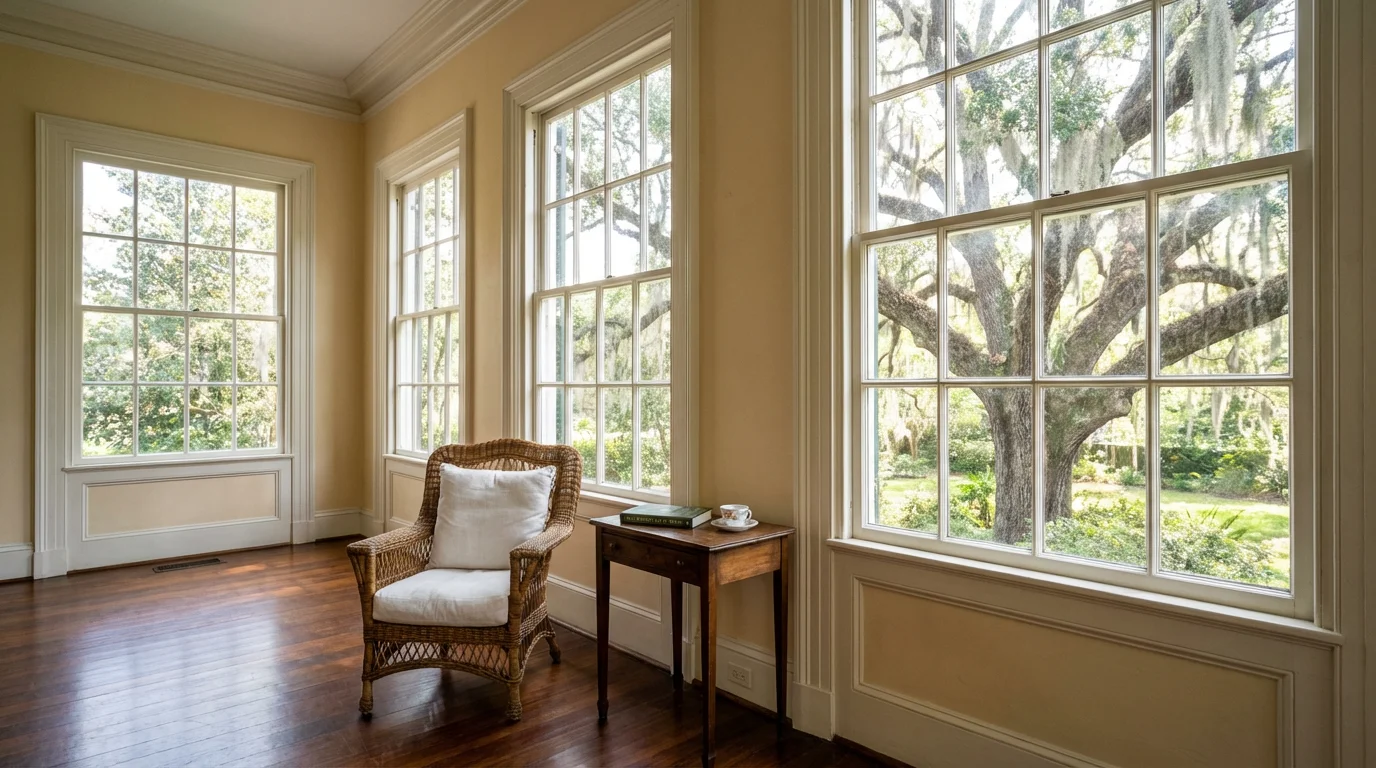
The coastal and southern regions of North Carolina, South Carolina, and Georgia offer a more traditional Southern experience with milder winters than their northern counterparts. Cities like Charleston, SC; Savannah, GA; and Wilmington, NC, boast charming historic districts and a slower pace of life. Average winter temperatures in these areas hover in the 40s and 50s, with occasional dips below freezing and rare, light snowfall. You will find that these locations generally offer a lower cost of living compared to Florida or California.
These states provide a balance of four distinct seasons, but with much less severe winters. You still experience cooler temperatures, but heavy snow is uncommon. Many retirees appreciate the natural beauty, including barrier islands and marshlands, and the rich history of the region. Healthcare access varies by specific location, with larger cities offering more comprehensive services. South Carolina is particularly tax-friendly for retirees, with exemptions for retirement income.
Advantages of the Carolinas and Georgia:
- Milder winters than northern states, with average temperatures in 40s-50s°F.
- Lower cost of living compared to Florida, Arizona, or California.
- Rich history, charming cities, and natural beauty.
- Some areas offer tax-friendly policies for retirees.
- Experience all four seasons, but with gentle weather.

Texas: Size and Southern Warmth
Texas, with its vast size, offers diverse climates. The southern parts of the state, particularly along the Gulf Coast and in the Rio Grande Valley, provide exceptionally mild winters. Cities like San Antonio, Houston, and Corpus Christi rarely see snow, and average winter temperatures generally stay in the 50s and 60s Fahrenheit. The state’s lack of a personal income tax also makes it financially attractive to retirees.
You can find a wide range of communities, from bustling metropolises to charming small towns. Healthcare infrastructure is robust in major urban centers. While humidity can be high along the coast, especially during summer, the winter months offer a comfortable escape from the cold. The cost of living in many Texas cities remains below the national average, making your retirement savings stretch further.
Texas retirement benefits:
- No state income tax.
- Mild winters in southern regions, 50s-60s°F.
- Diverse communities and strong economic growth.
- Generally lower cost of living than coastal states.
- High summer humidity in coastal areas.

Cost of Living and Taxes in Mild Winter States
Your financial well-being directly influences your retirement comfort, making cost of living and tax implications critical factors. These vary significantly among mild winter destinations. While a state might offer beautiful weather, high housing costs or taxes could strain your budget.
Consider the complete picture: housing, groceries, transportation, healthcare, and utilities. Some states with no income tax might have higher property taxes or sales taxes to compensate. You must research the specific city or county you are considering, as costs can differ widely within a single state. The Tax Foundation provides comprehensive resources on state tax policies, helping you understand your potential tax burden. This allows you to plan effectively for your retirement income.
| State | State Income Tax | Median Home Value (approx.) | Tax Friendliness for Retirees |
|---|---|---|---|
| Florida | No | $375,000 | Very Tax Friendly |
| Arizona | Yes (Flat Rate) | $425,000 | Moderately Tax Friendly |
| California | Yes (Progressive) | $750,000 | Not Tax Friendly |
| South Carolina | Yes (Progressive) | $310,000 | Very Tax Friendly |
| Georgia | Yes (Progressive) | $340,000 | Moderately Tax Friendly |
| Texas | No | $340,000 | Very Tax Friendly |
Note: Median home values are approximate and subject to change. Tax friendliness is a general assessment; individual situations vary. Consult official sources like the Tax Foundation for the most current data.

Healthcare Access and Quality
As you age, access to quality healthcare becomes increasingly vital. Before relocating, you must investigate the healthcare infrastructure of any potential retirement destination. This includes the number and quality of hospitals, specialty clinics, and primary care physicians. Check hospital ratings and physician availability to ensure your needs will be met.
States popular with retirees, such as Florida and Arizona, often have well-developed healthcare systems designed to serve an older population. You can find numerous medical facilities, specialists, and support services. Websites like Medicare.gov offer tools to compare hospitals and find providers in specific areas. Ensure your preferred medical facilities are easily accessible and that the local healthcare network can accommodate your specific health requirements. The availability of in-home care services and eldercare resources, like those found via the Eldercare Locator, also merits consideration.

Relocation Planning for a Warmer Future
Moving to a new state for retirement involves careful planning. A well-executed relocation minimizes stress and ensures a smooth transition. You should start by thoroughly researching potential locations, considering factors beyond just the climate, such as community fit, proximity to family, and cultural opportunities. Visiting your top choices multiple times during different seasons provides invaluable perspective.
Once you select a destination, create a detailed moving checklist. This includes selling your current home, packing, hiring movers, and updating your address and important documents. Engage with local services, like banks and healthcare providers, before your move. Connecting with local groups or 55+ communities can help you integrate into your new environment. Remember that flexibility and patience are key to a successful transition.
Steps for a successful retirement relocation:
- Research and visit potential locations extensively, ideally during winter.
- Assess your budget, considering cost of living, taxes, and healthcare.
- Downsize possessions and declutter your current home.
- Hire reputable movers and arrange transportation for your belongings.
- Update your address with the postal service, banks, and other institutions.
- Transfer medical records and establish new healthcare providers.
- Obtain new driver’s licenses and register vehicles in your new state.
- Connect with local community groups, clubs, or 55+ communities.
Frequently Asked Questions
What are the primary factors to consider when seeking a mild winter retirement location?
When seeking a mild winter retirement location, consider several factors: average winter temperatures and snowfall, humidity levels, cost of living, state and local taxes, healthcare access and quality, availability of activities and amenities, and proximity to family or major airports. Each of these elements significantly impacts your overall quality of life during retirement.
How does climate variability affect a “mild winter” designation?
Climate variability means that even traditionally mild regions can experience occasional cold snaps or unusual weather events. While a location might boast a temperate climate, you should research historical weather data for extremes, not just averages. A truly mild winter destination minimizes the frequency and intensity of freezing temperatures and snowfall, even during colder periods.
Are 55+ communities a good option for mild winter destinations?
Many mild winter destinations, particularly in states like Florida, Arizona, and California, feature numerous 55+ communities. These communities often provide amenities such as clubhouses, fitness centers, pools, and organized social activities. They offer a built-in social network and often handle external home maintenance, making them an attractive option for those seeking convenience and an active lifestyle without the hassle of winter chores.
What are the tax implications of relocating to a state with mild winters?
Tax implications vary significantly by state. Some states, like Florida, Texas, and Nevada, have no state income tax, which can be a major benefit for retirees. Others may offer exemptions for retirement income, such as pensions or Social Security benefits. Conversely, some states might have higher property or sales taxes. You must research the full tax burden, including income, property, sales, and inheritance taxes, for any potential retirement destination.
How important is healthcare access in choosing a retirement location?
Healthcare access is critically important for retirees. You should investigate the availability of hospitals, specialized medical facilities, and primary care physicians in any prospective location. Consider factors such as hospital quality ratings, doctor-to-patient ratios, and proximity to major medical centers. Access to good healthcare ensures peace of mind and necessary support as you age.
Disclaimer: This article is for informational purposes only. Cost of living, taxes, and local conditions change over time. We encourage readers to verify current information through official sources and visit potential retirement destinations before making relocation decisions.








Leave a Reply