
Michigan, often called “The Great Lakes State,” offers a compelling blend of natural beauty, distinct four-season weather, and an appealing cost of living for retirees. As you plan your retirement, understanding Michigan’s unique benefits and considerations helps you make an informed decision. This guide explores why many seniors choose Michigan for their golden years, from its financial advantages to its vibrant communities and access to quality healthcare.
You find a diverse landscape here, ranging from the bustling energy of Detroit and Grand Rapids to the serene shores of the Upper Peninsula. Michigan presents various lifestyles, whether you seek urban amenities, small-town charm, or an active outdoor retirement. Its affordability stands out as a primary draw, allowing your retirement savings to stretch further.
Table of Contents
- Why Consider Michigan for Retirement?
- Cost of Living in the Great Lakes State
- Michigan’s Tax Environment for Retirees
- Climate and Weather Across the Peninsulas
- Healthcare Access and Quality
- Top Retirement Cities and Regions
- Senior Housing and 55+ Communities
- Recreation and Lifestyle Opportunities
- Relocation Planning Tips
- Frequently Asked Questions

Why Consider Michigan for Retirement?
Michigan retirement presents a unique proposition for those seeking a balance of natural beauty, community spirit, and financial practicality. The state’s proximity to the Great Lakes defines much of its character, offering extensive freshwater coastlines and recreational opportunities. You find a distinct blend of vibrant cities and tranquil natural areas.
Michigan’s economy has diversified, providing a stable environment. The state consistently ranks as a desirable place for retirees, largely due to its affordability. Understanding both the advantages and disadvantages helps you determine if Michigan aligns with your retirement goals.
Pros of Retiring in Michigan
- Affordable Living Costs: Housing, in particular, often falls below the national average, making your retirement savings stretch further.
- Access to Nature: The Great Lakes and thousands of inland lakes, along with state parks and forests, provide unparalleled outdoor recreation.
- Four Distinct Seasons: Enjoy warm summers, vibrant autumns, snowy winters, and refreshing springs.
- Diverse Communities: From major metropolitan areas to charming small towns and coastal communities, you find a place that fits your desired lifestyle.
- Quality Healthcare: Major cities offer nationally recognized medical centers and extensive healthcare networks.
- Rich Cultural Scene: Museums, theaters, music venues, and festivals thrive in many urban centers and college towns.
Cons of Retiring in Michigan
- Harsh Winters: The colder, snowy winters can be challenging for some, requiring appropriate preparation and a tolerance for cold weather.
- Property Taxes: While overall housing costs are lower, property tax rates can be relatively high in some areas.
- Limited Public Transportation: Outside of major cities, relying on a personal vehicle is often necessary.
- Income Tax on Retirement Income: While Social Security is exempt, other forms of retirement income may be taxed, depending on age and income levels.

Cost of Living in the Great Lakes State
One of Michigan’s most attractive features for retirees is its generally affordable living. The overall cost of living in Michigan typically hovers below the national average, allowing you to manage your budget effectively. Data from the Bureau of Labor Statistics indicates that housing expenses, a significant portion of any budget, are considerably lower in Michigan compared to the national median.
You will find variations across the state, with major metropolitan areas like Ann Arbor or wealthy coastal towns having higher costs. However, even within these areas, costs remain competitive. Groceries, utilities, and transportation also generally align with or fall below national averages. This “affordable living” aspect empowers your retirement dollars to last longer.
| Expense Category | Michigan Average | National Average |
|---|---|---|
| Housing (Mortgage/Rent) | $900 – $1,500 | $1,200 – $2,000 |
| Utilities (Electricity, Heating, Water) | $200 – $350 | $150 – $300 |
| Groceries | $350 – $500 | $400 – $600 |
| Transportation (Gas, Insurance) | $150 – $250 | $100 – $200 |
| Healthcare (Out-of-pocket) | $100 – $250 | $150 – $300 |
| Miscellaneous | $300 – $500 | $400 – $600 |
| Total Estimated Monthly Cost | $2,000 – $3,350 | $2,400 – $4,100 |
Note: These figures are estimates and vary greatly based on location, lifestyle, and individual choices. Housing costs especially vary, with smaller towns and rural areas often presenting significantly lower prices than urban centers or popular resort destinations.

Michigan’s Tax Environment for Retirees
Understanding the tax landscape is crucial for effective retirement planning. Michigan presents a mixed tax picture for retirees, with some distinct advantages and a few areas requiring careful consideration. The state generally aims to offer some relief to older residents, but it is not entirely tax-free on retirement income.
Income Tax
Michigan imposes a flat income tax rate. Importantly, the state exempts Social Security benefits from income tax. This exemption provides a significant benefit for many retirees. For other forms of retirement income, such as pensions, 401(k) distributions, and IRA withdrawals, the rules are more nuanced. Michigan offers certain exemptions for these types of income, based on your age and the year you were born. Retirees born before 1946 generally receive more generous exemptions than those born later. You can find detailed information on these exemptions by consulting the Tax Foundation or the Michigan Department of Treasury.
Property Tax
Property taxes in Michigan can be a significant expense, and they vary widely by county and municipality. While the state’s median home values are lower than the national average, the effective property tax rates can appear relatively high in some areas. Michigan does offer a homestead property tax credit, which can reduce your property tax burden if you meet specific income requirements. This credit provides valuable relief for many lower and middle-income retirees.
Sales Tax
Michigan has a 6% sales tax rate, applied to most goods and some services. Groceries and prescription medications are exempt from sales tax, which helps keep essential living costs down for retirees. There are no local sales taxes, meaning the rate remains consistent across the state.
Estate and Inheritance Tax
Michigan does not have an estate tax or an inheritance tax. This is a considerable advantage for retirees planning their legacies, as your heirs will not face state-level taxes on inherited assets from your estate.
You should assess your specific financial situation and consult a tax professional. They can help you navigate Michigan’s tax laws and optimize your retirement income strategy.

Climate and Weather Across the Peninsulas
Michigan’s climate is defined by its location in the Great Lakes region, resulting in distinct four-season weather patterns. Your experience of the climate will vary depending on whether you choose the Upper Peninsula (UP) or the Lower Peninsula, and your proximity to the Great Lakes. Understanding these variations helps you select a location that suits your preferred lifestyle and activities.
Seasonal Overview
- Spring: Generally mild and wet, with temperatures gradually rising from April to June. You witness the thawing of winter and the reawakening of nature.
- Summer: Warm and often humid, particularly in the Lower Peninsula. Average temperatures range from 70-85°F (21-29°C), with occasional heat waves. The Great Lakes help moderate temperatures, offering cooler breezes along the coasts.
- Autumn: Known for stunning fall foliage, especially in northern Michigan and the Upper Peninsula. Temperatures are crisp and pleasant, ideal for outdoor activities before the onset of winter.
- Winter: Cold and snowy, a hallmark of Michigan’s climate. Average temperatures are typically below freezing, ranging from 15-35°F (-9-2°C). Lake effect snow is common, particularly on the western side of the Lower Peninsula and throughout the UP.
Regional Variations
The Upper Peninsula generally experiences longer, colder winters and more significant snowfall than the Lower Peninsula. Areas bordering Lake Superior, like Marquette, receive considerable amounts of snow. The western side of the Lower Peninsula, including cities like Grand Rapids and Holland, also sees substantial lake-effect snow. The southeastern part of the Lower Peninsula, including Detroit and Ann Arbor, experiences milder winters with less intense snowfall compared to other regions. For specific local climate data, you can consult the National Weather Service.
| City | Average July High (°F) | Average January Low (°F) | Average Annual Snowfall (Inches) | Sunny Days Per Year |
|---|---|---|---|---|
| Detroit | 82 | 19 | 42 | 180 |
| Grand Rapids | 80 | 17 | 76 | 160 |
| Traverse City | 79 | 12 | 100 | 165 |
| Marquette | 74 | 8 | 150 | 158 |
Note: These are averages and actual conditions can vary significantly year-to-year. “Sunny days” are an approximation of days with at least partial sunshine.

Healthcare Access and Quality
Access to quality healthcare is a paramount concern for many retirees, and Michigan offers a robust network of medical facilities. The state is home to several highly-ranked hospital systems, particularly in its major metropolitan areas. You find comprehensive care options, from primary care physicians to specialized treatment centers.
The question of “What are the best cities for retirees in Michigan with access to healthcare?” brings several strong contenders to mind. Ann Arbor, for instance, is renowned for the University of Michigan Medical Center, a leading academic medical institution providing cutting-edge research and patient care. Grand Rapids hosts major healthcare providers like Spectrum Health and Trinity Health, consistently recognized for their quality and innovation.
Other significant healthcare hubs include Detroit, with Henry Ford Health System and Ascension Michigan, and areas surrounding Lansing, which offer numerous hospital and clinic options. Even popular retirement destinations like Traverse City, in northern Michigan, provide extensive medical services, including Munson Healthcare, a large regional network.
For those in more rural areas, regional hospitals and clinics form essential components of the healthcare landscape. The overall quality of care in Michigan compares favorably to national standards. You can research specific hospital quality ratings and compare Medicare plans through Medicare.gov, ensuring you make informed decisions about your medical coverage and providers in your chosen location.
Top Retirement Cities and Regions
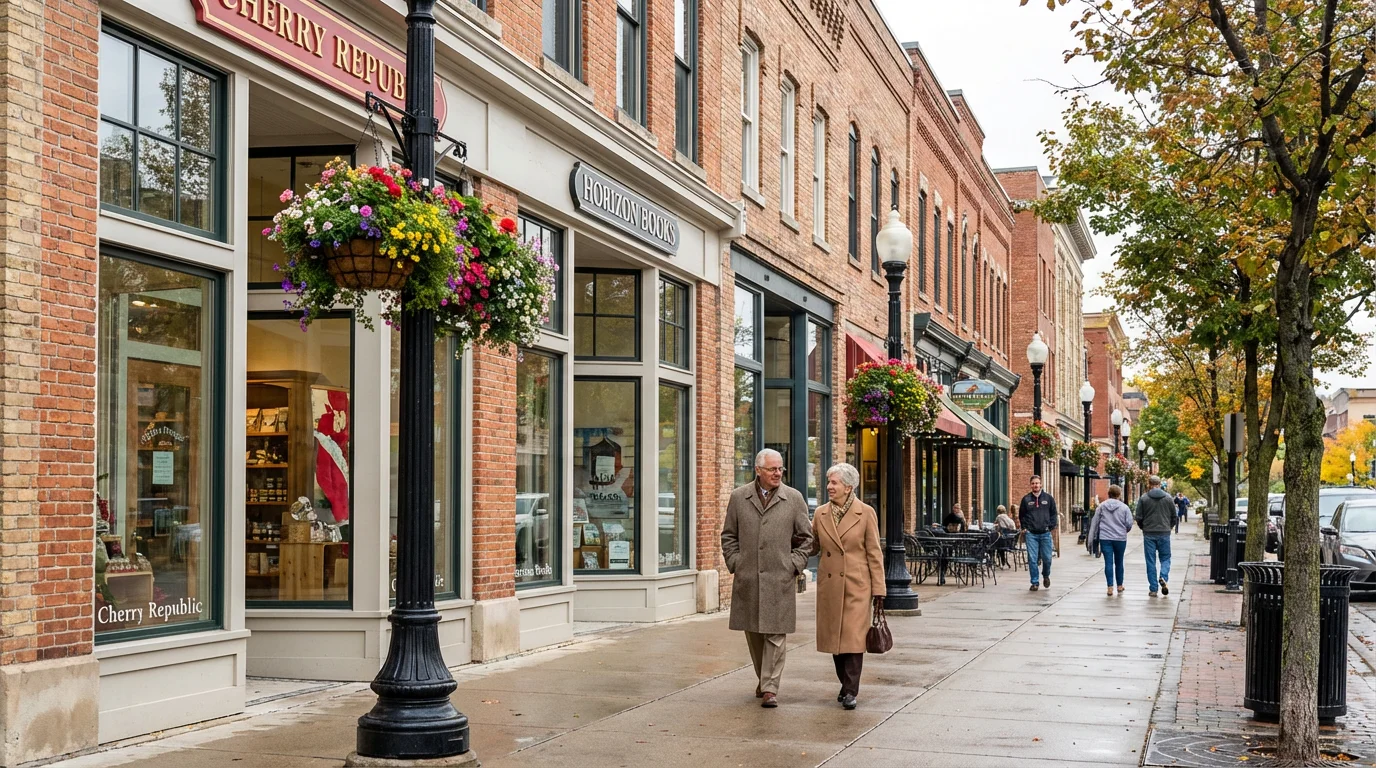
Michigan offers a diverse array of cities and regions, each providing a distinct retirement experience. Your ideal location depends on your preferences for lifestyle, climate, and community size. Exploring these options helps you pinpoint where you might best settle for your Michigan retirement.
Ann Arbor
As a vibrant college town, Ann Arbor offers a rich cultural scene, excellent dining, and top-tier healthcare facilities through the University of Michigan. You find beautiful parks, a lively downtown, and a well-educated population. The cost of living, especially housing, is higher here than in many other Michigan cities, but the amenities justify the expense for many.
Grand Rapids
Michigan’s second-largest city, Grand Rapids, provides a dynamic urban environment with a growing arts scene, numerous breweries, and extensive park systems. It boasts strong healthcare networks and a more affordable cost of living compared to Ann Arbor. Grand Rapids offers a balanced mix of city life and easy access to Lake Michigan’s beaches, only a short drive away.
Traverse City
Nestled on Grand Traverse Bay, Traverse City is a popular destination for those seeking a picturesque coastal retirement. It offers beautiful scenery, vineyards, cherry orchards, and year-round outdoor recreation, including boating, skiing, and hiking. While housing can be more expensive due to its popularity, you gain a high quality of life with a strong sense of community and access to regional healthcare.
Holland / Grand Haven / St. Joseph (West Michigan Lakeshore)
This stretch of Lake Michigan coastline attracts retirees with its stunning beaches, charming downtowns, and recreational opportunities. Holland is known for its Dutch heritage and vibrant tulip festival. Grand Haven offers a lively boardwalk and lighthouse, while St. Joseph provides a resort-town feel. These areas offer a blend of small-town atmosphere with access to larger city amenities in Grand Rapids. You can certainly find senior housing options in Michigan near the water in these communities.
Marquette (Upper Peninsula)
For those who embrace cold winters and a strong connection to nature, Marquette in the Upper Peninsula is an ideal choice. It sits on Lake Superior, offering unparalleled access to outdoor adventures like hiking, skiing, and snowmobiling. The cost of living is generally lower, and you find a tight-knit community with a slower pace of life. Marquette provides essential services and a regional hospital.
Smaller Towns and Rural Areas
Beyond the major hubs, Michigan features countless smaller towns and rural communities that offer tranquility and even greater affordability. Areas like Charlevoix, Petoskey, or towns along the many inland lakes provide a serene retirement. You trade some urban amenities for peace, privacy, and direct access to nature. These options are perfect if your primary goal is a quiet, natural setting with a very low cost of living.

Senior Housing and 55+ Communities
Michigan provides a broad spectrum of senior housing options to suit various needs, lifestyles, and budgets. As you consider your retirement move, exploring these choices ensures you find the perfect fit. The market includes everything from independent living to assisted living, and specifically designed 55+ communities.
Independent Living
Many Michigan cities and towns offer independent living communities, designed for active adults who desire a maintenance-free lifestyle. These typically include apartments or cottages with amenities such as community dining, fitness centers, social activities, and transportation services. You maintain your independence while benefiting from a supportive community environment.
55+ Communities
Michigan has a growing number of 55+ communities, especially in popular retirement areas like the western lakeshore, northern Michigan, and suburban regions around Detroit and Grand Rapids. These communities often feature homes or condos designed for senior living, with amenities like golf courses, clubhouses, pools, and organized social events. They provide an excellent way to connect with peers and enjoy a vibrant, active retirement.
“Livable communities are those that are safe and secure, have affordable housing and transportation options, and offer accessible social and health services.” — AARP Livable Communities
Assisted Living and Memory Care
For retirees requiring additional support with daily activities, Michigan offers numerous assisted living facilities. These provide personalized care plans, meal services, medication management, and assistance with personal care. Many facilities also include dedicated memory care units for individuals living with Alzheimer’s disease or other dementias. You find varying levels of care and specialized programs across the state.
Finding Options Near Water
If your dream is to find “senior housing options in Michigan near the water,” you are in luck. The Great Lakes shoreline, along with Michigan’s thousands of inland lakes, offers ample opportunities. Areas like Traverse City, Holland, Grand Haven, St. Joseph, and Charlevoix feature communities with water views or easy access to beaches, marinas, and waterfront parks. When searching, specify “waterfront,” “lake access,” or “coastal communities” in your criteria. Resources such as the Eldercare Locator and local real estate agents specializing in retirement properties can help you identify suitable options in these desirable locations.
You should visit potential communities, ask about services included, and understand the fee structures. Many facilities offer tours and trial stays to help you make the best decision for your needs.
Recreation and Lifestyle Opportunities
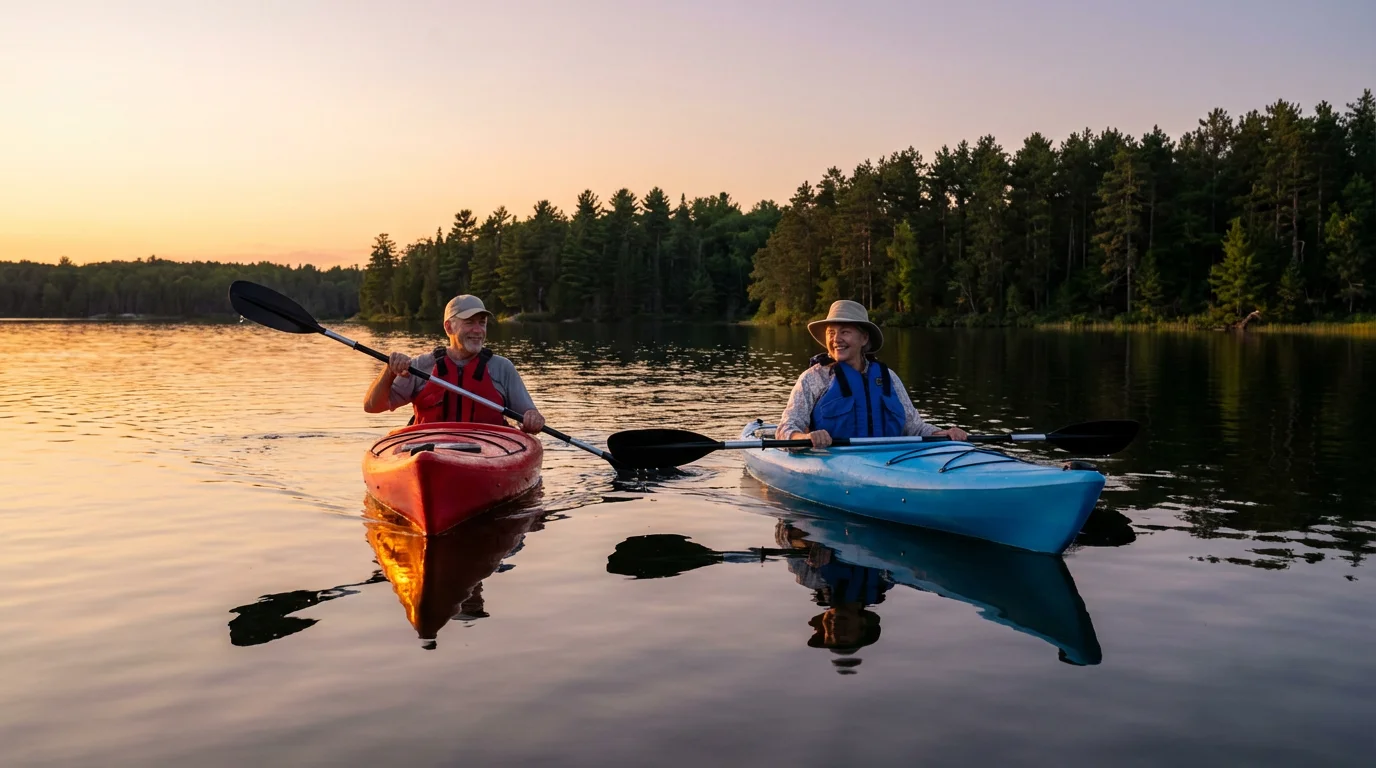
Michigan’s diverse landscape and vibrant communities ensure a rich array of recreational and lifestyle opportunities for retirees. Whether you seek outdoor adventure, cultural enrichment, or quiet contemplation, you find activities that cater to your interests year-round. The state’s natural beauty forms the backdrop for much of its leisure pursuits.
Outdoor Recreation
- Water Activities: With the Great Lakes and over 11,000 inland lakes, you have endless opportunities for boating, fishing, kayaking, paddleboarding, and swimming. Many communities offer public beaches and boat launches.
- Hiking and Biking: Michigan boasts an extensive network of trails, including parts of the North Country Trail, offering scenic routes through forests, along rivers, and near the lakeshores.
- Golf: The state features hundreds of golf courses, ranging from championship designs to local municipal links, catering to all skill levels.
- Winter Sports: Embrace the snow with cross-country skiing, snowshoeing, ice fishing, and downhill skiing at various resorts, particularly in northern Michigan and the Upper Peninsula.
- Wildlife Viewing: State parks and natural areas provide excellent opportunities for birdwatching and observing local wildlife, including deer, elk, and various bird species.
Arts, Culture, and Learning
- Museums and Galleries: Major cities like Detroit, Grand Rapids, and Ann Arbor host world-class museums, including art institutes, historical museums, and science centers. Smaller towns also have local historical societies and art galleries.
- Performing Arts: Enjoy live theater, orchestral performances, and concerts in venues across the state. Detroit’s Fox Theatre and Orchestra Hall are iconic.
- Festivals and Events: Michigan’s calendar is full of festivals, celebrating everything from cherries in Traverse City to folk music, craft beer, and ethnic heritage.
- Lifelong Learning: Many colleges and universities offer continuing education programs for seniors, allowing you to pursue new interests or expand existing knowledge.
Community Engagement
- Volunteering: Numerous organizations, from hospitals to environmental groups and community centers, welcome senior volunteers. This offers a rewarding way to contribute to your new community.
- Senior Centers: Most communities have senior centers offering social activities, fitness classes, educational workshops, and support services. They provide a vital hub for connection.
Michigan’s lifestyle encourages an active and engaged retirement, allowing you to pursue passions and discover new ones amidst stunning natural surroundings.
Relocation Planning Tips
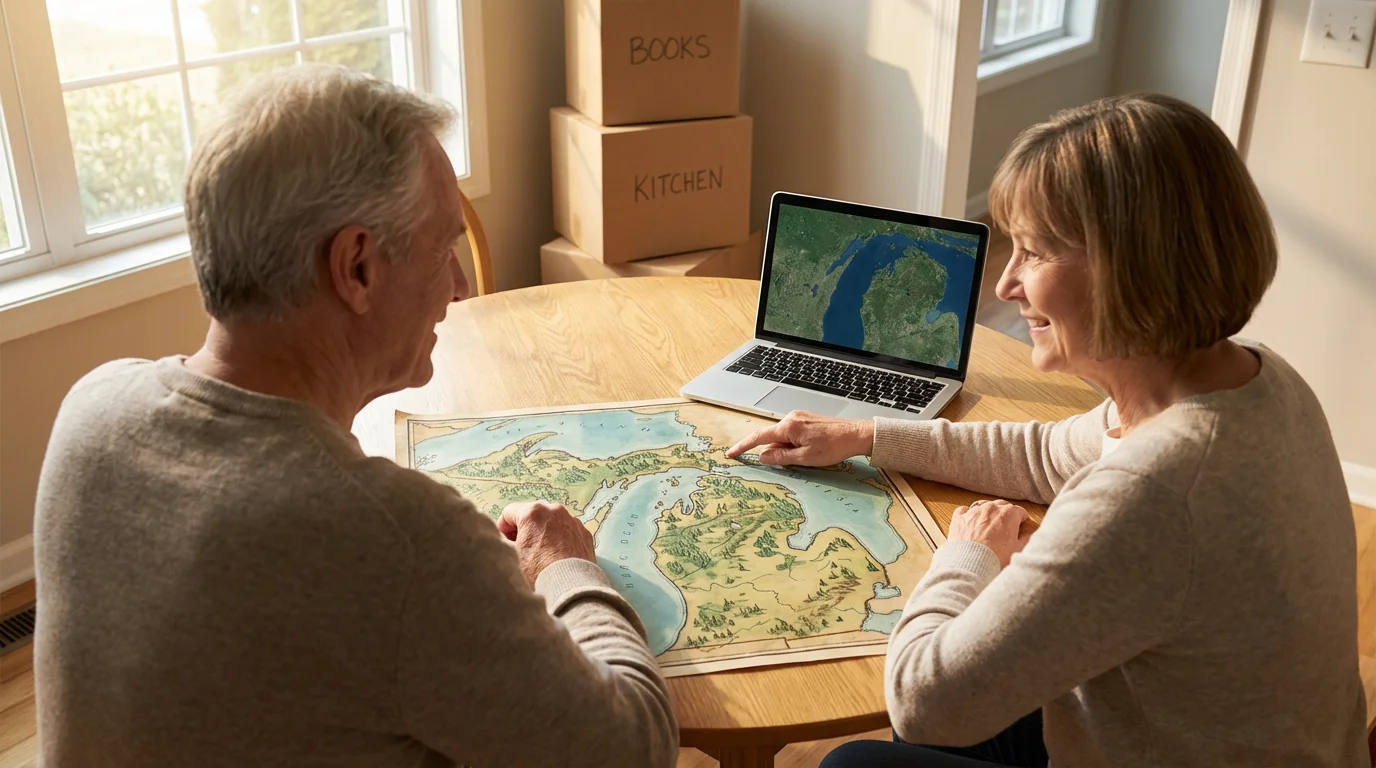
Moving to a new state for retirement involves careful planning and execution. A structured approach helps ensure a smooth transition to your new Michigan home. Use these actionable steps to guide your relocation process.
- Research Thoroughly: Investigate specific cities and neighborhoods within Michigan that align with your lifestyle, budget, and healthcare needs. Consider visiting potential areas during different seasons to experience the climate firsthand.
- Assess Your Finances: Create a detailed retirement budget that accounts for Michigan’s cost of living, property taxes, and potential healthcare expenses. Consult a financial advisor to understand the tax implications of relocating.
- Downsize and Declutter: Begin the process of decluttering your current home well in advance. Decide what items you will keep, donate, sell, or discard. This makes packing and moving significantly easier and less costly.
- Hire Reputable Movers: Obtain quotes from multiple licensed and insured moving companies. Read reviews and verify their credentials. If moving yourself, plan your rental truck and logistics carefully.
- Transfer Essential Services: Arrange for the transfer or setup of utilities, internet, and phone services at your new Michigan address. Update your mailing address with the USPS.
- Update Important Documents: Change your driver’s license and vehicle registration to Michigan. Update your voter registration, insurance policies, and banking information.
- Locate New Healthcare Providers: Identify new doctors, specialists, and pharmacies in your chosen Michigan community. Transfer your medical records well before your move.
- Build a New Support Network: Actively seek out social groups, clubs, and volunteer opportunities in your new community. Attend local events and introduce yourself to neighbors to foster new connections.
Relocation can feel overwhelming, but by breaking it down into manageable steps, you empower yourself to make a confident and successful move to Michigan. Embrace the process and look forward to your new chapter in the Great Lakes State.
Frequently Asked Questions
Is Michigan a tax-friendly state for retirees?
Michigan offers a mixed tax environment for retirees. The state exempts Social Security benefits from income tax. While it taxes most pension and retirement account distributions, certain exemptions exist based on age and income thresholds. Michigan also has a relatively high sales tax and property taxes can vary significantly by locality. It is advisable to consult a tax professional for personalized advice.
What are the best cities for retirees in Michigan with access to healthcare?
Many Michigan cities offer excellent healthcare access. Ann Arbor, home to the University of Michigan Medical Center, and Grand Rapids, with Spectrum Health and Trinity Health facilities, consistently rank high for medical care. Other strong options include Detroit, which hosts multiple major hospital systems, and areas like Traverse City, which provides comprehensive care within a popular retirement region. Proximity to these larger medical hubs ensures access to specialized services and top-tier hospitals.
How can I find senior housing options in Michigan near the water?
Finding senior housing near the water in Michigan involves researching communities in coastal towns and cities along the Great Lakes or inland lakes. Look into areas like Traverse City, Holland, Grand Haven, St. Joseph, and northern Michigan towns. Many 55+ communities or independent living facilities are specifically designed to offer water views or easy access to beaches and marinas. Online directories, local real estate agents specializing in retirement properties, and resources like the Eldercare Locator can help you identify suitable options.
What is the cost of living like for retirees in Michigan?
Michigan generally boasts a cost of living below the national average, making it an attractive option for retirees seeking affordability. Housing costs, in particular, are often significantly lower than in many other states, especially outside of major metropolitan areas like Ann Arbor or specific resort towns. While utility costs can be higher due to colder winters, groceries and transportation expenses typically remain competitive, contributing to an overall budget-friendly retirement experience.
What are the recreational opportunities for seniors in Michigan?
Michigan offers abundant recreational opportunities for seniors throughout the year. The state’s extensive coastline and numerous inland lakes provide chances for boating, fishing, kayaking, and beach activities. Extensive park systems and trails support hiking, biking, and birdwatching. In winter, cross-country skiing, snowshoeing, and ice fishing are popular. Michigan also features a vibrant arts and culture scene, with museums, theaters, and festivals in many cities, alongside numerous golf courses and volunteer opportunities.
Disclaimer: This article is for informational purposes only. Cost of living, taxes, and local conditions change over time. We encourage readers to verify current information through official sources and visit potential retirement destinations before making relocation decisions.








Leave a Reply