
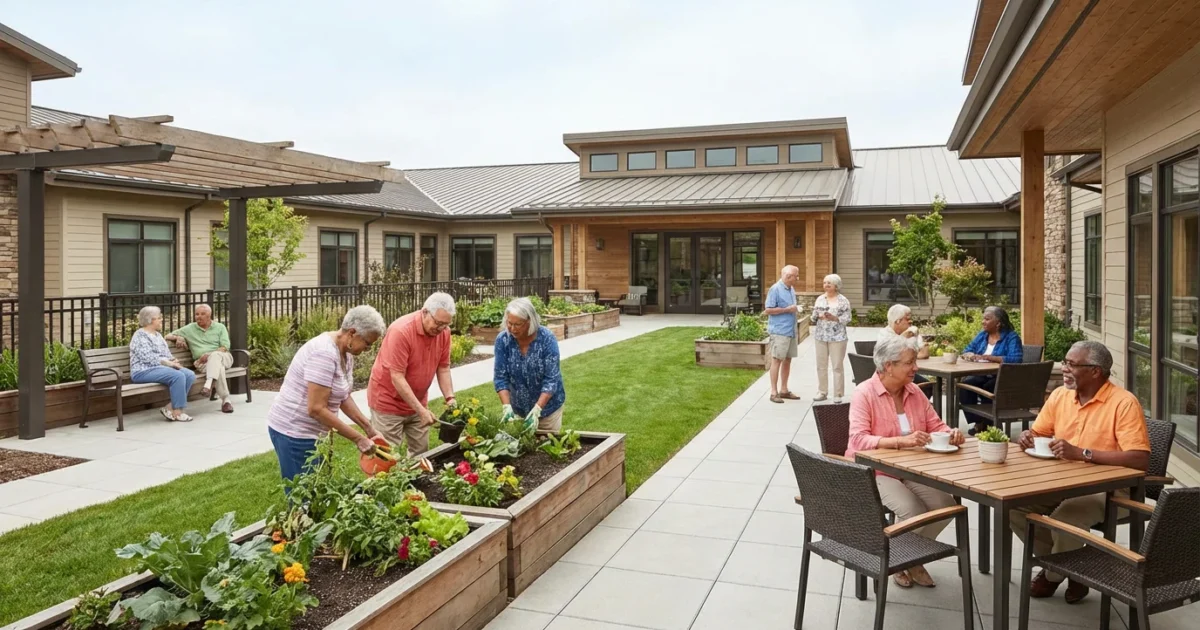
Moving to a new retirement community represents an exciting chapter, offering fresh starts and new opportunities. You might anticipate exploring new hobbies, enjoying tailored amenities, and embracing a relaxed pace of life. A vital aspect of this transition involves building a robust social network, which significantly impacts your overall well-being and happiness.
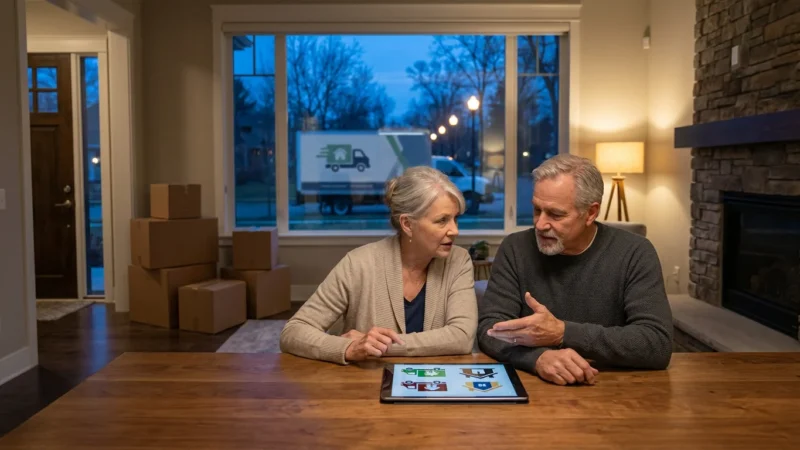
Before settling in, many seniors find that downsizing to a smaller home helps simplify the transition into communal living.
Successfully integrating into a new community hinges on cultivating meaningful connections. Forming new friendships can feel daunting at any age, especially when leaving behind a familiar social circle. This guide offers practical, actionable strategies to help you navigate this process, ensuring your retirement years are filled with enriching relationships and engaging social experiences.
Table of Contents
- The Importance of Social Connection in Retirement
- Understanding Your New Retirement Community’s Social Landscape
- Proactive Strategies for Meeting New People
- Beyond the Community: Expanding Your Social Circle Locally
- Leveraging Digital Tools and Resources for Connection
- Overcoming Common Hurdles to Friendship in Retirement
- Nurturing New Friendships: From Acquaintance to Companion
- Practical Tips for Maintaining a Vibrant Social Life
- Frequently Asked Questions

The Importance of Social Connection in Retirement
Social interaction plays a critical role in maintaining both physical and mental health throughout retirement. Engaging with others helps combat feelings of loneliness and isolation, which can have detrimental effects on well-being. Research consistently demonstrates a strong link between active social lives and increased longevity.
Studies indicate that older adults with strong social ties experience lower rates of depression and cognitive decline. Social engagement stimulates your mind, encourages physical activity, and provides emotional support. Fostering a vibrant social life ensures your retirement years are not just peaceful, but also profoundly enriching.

Understanding Your New Retirement Community’s Social Landscape
Each retirement community possesses its own unique social rhythm and opportunities. Familiarize yourself with the community’s offerings before or immediately after your move. Understanding these aspects helps you pinpoint the best avenues for making friends and building your social life.
Many communities explicitly design their environments to foster connection. They provide varied social programming and communal spaces. Recognizing these resources allows you to strategically engage with your new neighbors from the start.
Consider these factors when assessing your community’s social potential:
- Types of Communities: Active adult communities often prioritize a high level of social engagement, featuring extensive club lists and events. Independent living communities may offer a mix of structured activities and resident-led groups.
- Community Amenities: Look for central gathering places like clubhouses, fitness centers, libraries, common dining areas, or craft rooms. These spaces naturally encourage interaction.
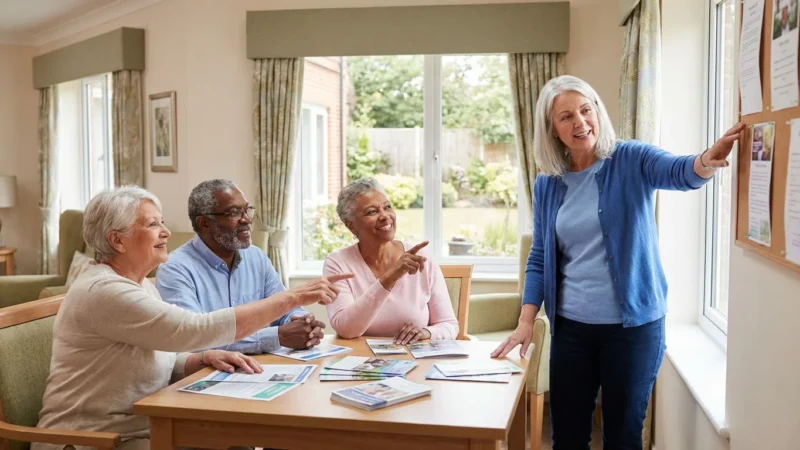
- Planned Activities: Review the community’s event calendar. Does it include diverse options such as book clubs, card games, fitness classes, movie nights, or group outings? A varied calendar indicates an active social scene.
- Resident-Led Groups: Many communities empower residents to start their own clubs or interest groups. This shows a proactive and engaged resident population, ripe for new friendships.

Proactive Strategies for Meeting New People
Making friends in a new environment requires intentional effort. You must step outside your comfort zone and actively seek opportunities to interact. Remember, many others in your community are also looking to connect, creating a shared experience you can both build on.
The key involves consistent participation and an open mindset. Don’t expect instant deep friendships; relationships build over time and shared experiences. Start by simply showing up and engaging with a friendly attitude.
Here are some effective ways to meet people within your retirement community:
- Join Clubs and Groups: Most retirement communities offer a wide array of clubs, catering to diverse interests. Whether you enjoy gardening, bridge, golf, reading, or crafts, a group likely exists for you. Joining provides a built-in common interest and recurring opportunities for interaction.
- Attend Social Events: Participate in community-wide events like potlucks, holiday parties, happy hours, or educational seminars. These events serve as excellent icebreakers in a relaxed setting.
- Use Shared Amenities: Frequent the community gym, swimming pool, library, or common areas. Striking up conversations with people you regularly see in these spaces can lead to informal friendships.
- Volunteer Within the Community: Offer your time to assist with community events, welcoming committees, or neighborhood initiatives. Volunteering allows you to work alongside others with a shared purpose, fostering camaraderie.
- Dine Socially: If your community has a dining hall, choose to sit at communal tables rather than alone. This simple act opens the door for conversation with fellow residents.
- Take a Class: Many communities offer classes ranging from art and music to technology and fitness. Learning something new alongside others creates natural discussion points and bonds.
Beyond the Community: Expanding Your Social Circle Locally
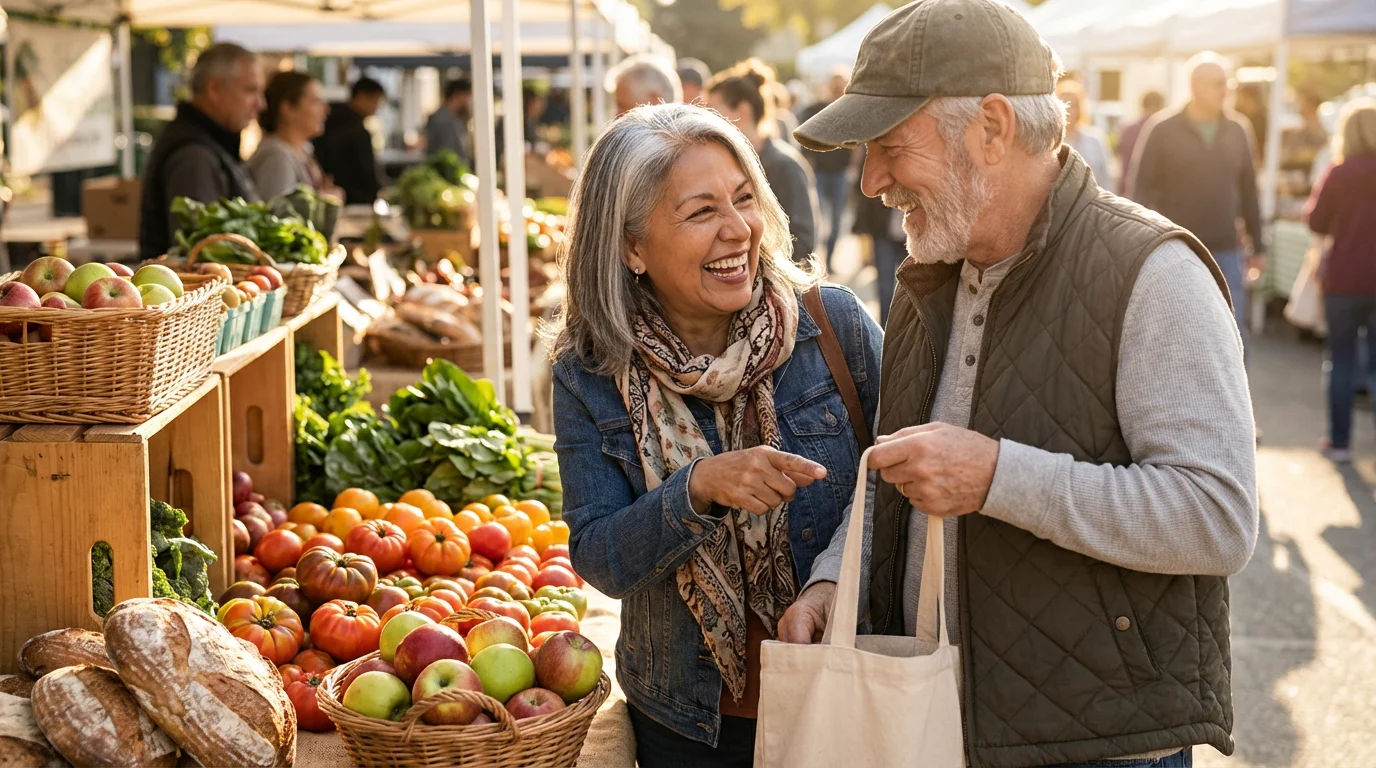
While your retirement community provides a strong foundation for friendships, you should not limit your social endeavors to its borders. Exploring the wider local area significantly expands your opportunities to connect with people who share your interests and values. Integrating into the broader local community enriches your retirement experience.
Your geographic location also plays a role, as the best states for an active retirement often feature local parks and groups that make socializing easy.
Many towns and cities offer specific programs and venues designed for seniors. These external resources can complement your community activities and introduce you to a more diverse range of individuals. Engaging with local organizations also helps you feel more rooted in your new geographic location.
Consider these avenues for local connection:
- Senior Centers: Local senior centers often provide a robust schedule of activities, including exercise classes, workshops, day trips, and social gatherings. These centers are excellent hubs for meeting active older adults from outside your immediate community. You can find local resources through services like the Eldercare Locator.
- Faith-Based Organizations: If you practice a religion, joining a local church, synagogue, mosque, or temple can immediately connect you with a supportive community. These organizations typically offer various social groups, volunteer opportunities, and fellowship events.
- Continuing Education: Enroll in classes at a local college, university, or community education program. Many institutions offer special rates or free courses for seniors. This allows you to pursue intellectual interests while meeting like-minded individuals.
- Local Interest Groups: Investigate local clubs or organizations related to your hobbies. This could include photography clubs, hiking groups, birdwatching societies, or volunteer organizations. Websites like Meetup.com can also help you find local groups.
- Volunteer in the Wider Community: Contribute your time to local charities, hospitals, libraries, or schools. Volunteering connects you with people of all ages who share a commitment to community service.
- Part-Time Work: If you desire, taking on a part-time job can provide structure, a sense of purpose, and a new social circle. Retail, libraries, or administrative roles often welcome experienced individuals.

Leveraging Digital Tools and Resources for Connection
In today’s interconnected world, digital platforms offer valuable tools for enhancing your social life. These resources can help you connect with new people, maintain existing friendships, and find groups aligned with your interests. While online interactions should not entirely replace in-person connections, they can significantly support your social endeavors.
Many retirement communities also utilize digital platforms to keep residents informed and connected. Familiarize yourself with these tools to maximize your opportunities for engagement. They serve as convenient bridges to real-world social interaction.
Explore these digital resources:
- Community Online Portals: Many retirement communities feature resident portals or private social media groups. These platforms allow you to view event calendars, sign up for activities, and communicate directly with neighbors.
- Social Media Groups: Join local Facebook groups or online forums dedicated to your new town or specific hobbies. These can be great places to discover events, ask questions, and identify potential connections.
- Video Calls: Use platforms like Zoom, FaceTime, or Google Meet to stay connected with family and old friends who live far away. Maintaining these relationships provides a vital sense of continuity and support.
- Online Interest Forums: Participate in online communities related to your niche hobbies. While these are primarily virtual, they can sometimes lead to local meetups or new friendships with people who share very specific passions.
Overcoming Common Hurdles to Friendship in Retirement
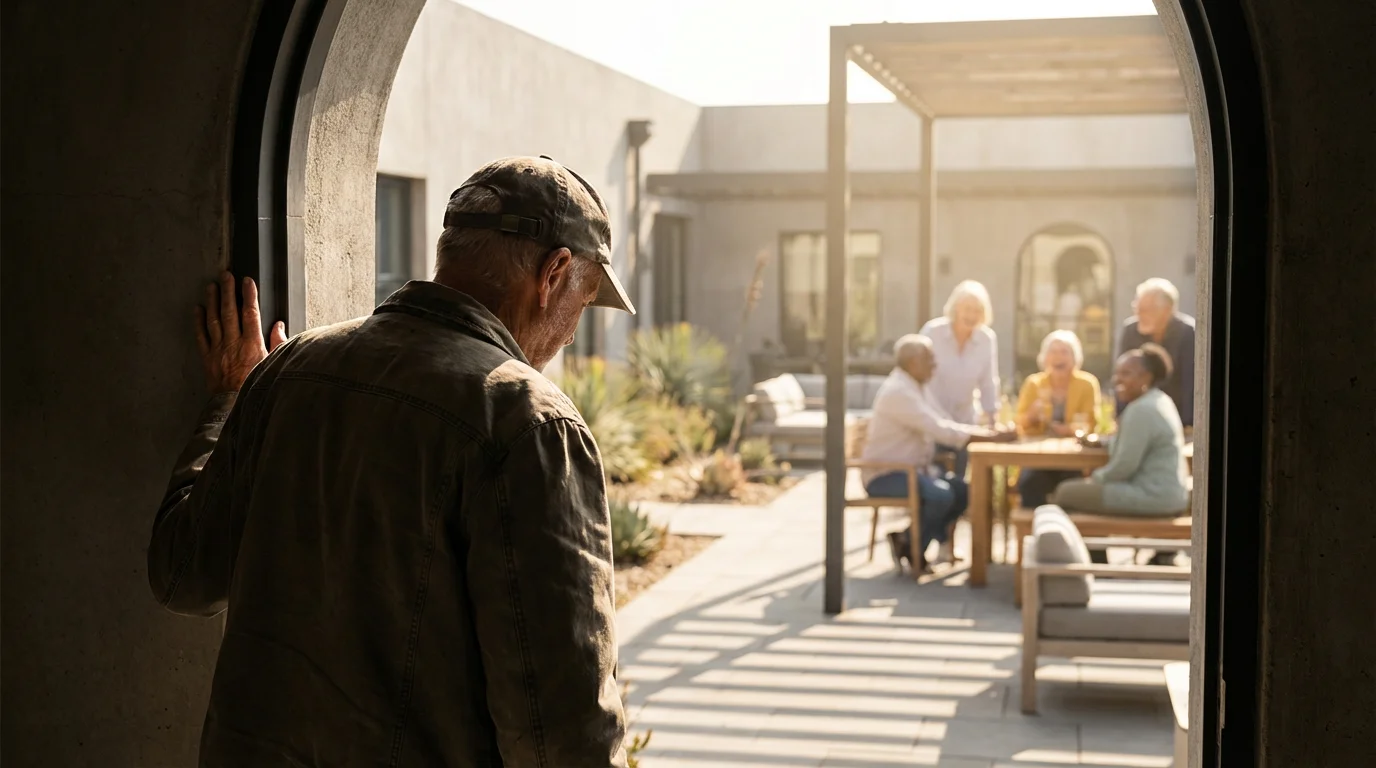
Embarking on new friendships in retirement can present unique challenges. You might experience shyness, fear of rejection, or the feeling that everyone else already has established friend groups. Recognizing these common hurdles allows you to approach them with a more prepared and resilient mindset.
Patience and persistence are your greatest allies during this process. Remember that forming genuine connections takes time and mutual effort. Do not become discouraged by initial setbacks or by interactions that do not immediately blossom into deep friendships.
Address these common challenges directly:
- Shyness or Introversion: If you lean towards introversion, start with smaller group activities or one-on-one interactions. Focus on listening and asking open-ended questions. Gradual exposure builds confidence.
- Fear of Rejection: Understand that not every interaction will lead to a friendship, and that is perfectly normal. Rejection is rarely personal. Keep trying, and focus on the positive connections you do make.
- Differences in Background: People come from diverse backgrounds. Embrace these differences as opportunities to learn and broaden your perspective. Shared current interests can bridge past differences.
- Established Cliques: Some long-standing communities may have existing social groups. Be persistent and friendly. New residents often join, and groups are dynamic, always open to new members.
- Time Commitment: Forming friendships takes time. Dedicate regular blocks of time to social activities and follow-ups. Consistent effort yields results.
- Initial Awkwardness: Expect some initial awkwardness when meeting new people. This is natural. Focus on finding common ground and shared humor.
“The best way to find yourself is to lose yourself in the service of others.” — Mahatma Gandhi

Nurturing New Friendships: From Acquaintance to Companion
Meeting new people is just the first step. The true art lies in nurturing those initial connections into lasting friendships. This process requires continued effort, genuine interest, and a willingness to invest your time and energy. Think of it as cultivating a garden, where consistent care yields beautiful results.
Deeper friendships often develop through shared experiences, vulnerability, and mutual support. Be an active participant in building these bonds. Your commitment to connection will pave the way for rich, rewarding relationships.
Follow these steps to deepen your new friendships:
- Initiate Follow-Up Activities: If you enjoy a conversation with someone, suggest a follow-up. This could be a casual coffee, a walk, or attending another community event together. “Would you like to grab a coffee sometime next week?” is a simple, effective invitation.
- Be a Good Listener: Show genuine interest in what others say. Ask follow-up questions and remember details about their lives, hobbies, and families. This demonstrates care and respect.
- Share About Yourself: While listening is crucial, also be willing to share appropriate personal stories and experiences. Reciprocity fosters trust and helps others get to know the real you.
- Offer Support: True friends support each other through life’s ups and downs. Offer a listening ear, a helping hand, or a kind word when someone faces a challenge.
- Find Shared Activities: Continue to seek out activities you both enjoy. Regular engagement in a shared hobby or interest strengthens the bond and creates a history of shared positive experiences.
- Celebrate Milestones: Acknowledge birthdays, anniversaries, or other personal achievements of your new friends. Small gestures of recognition go a long way in building rapport.

Practical Tips for Maintaining a Vibrant Social Life
Building friendships is an ongoing process that extends beyond initial meetings. A truly vibrant social life requires consistent attention and a strategic approach to balancing various commitments. As you settle into your new community, implement habits that support sustained social engagement.
Your social calendar should reflect your desired level of interaction. Some weeks you might be very busy, while others allow for more spontaneous encounters. The goal is to create a rhythm that feels fulfilling and sustainable for you.
Keep your social life thriving with these practical tips:
- Schedule Regular Social Activities: Treat social engagements like important appointments. Block out time in your calendar for clubs, events, or coffee dates. This ensures social interaction remains a priority.
- Stay Open to New Experiences: Don’t limit yourself to familiar activities. Try a new class, attend a different type of event, or visit a new local spot with friends. Novelty keeps social interactions fresh and exciting.
- Prioritize Quality Over Quantity: You do not need dozens of close friends. Focus on cultivating a few deep, meaningful relationships that bring you joy and support.
- Maintain Connections with Old Friends and Family: While building new friendships, do not neglect your existing relationships. Regular calls, video chats, or visits with long-time friends and family provide continuity and comfort.
- Be Adaptable: Plans can change, and sometimes you might need to adjust. A flexible attitude helps you navigate social dynamics with ease and reduce stress.
- Know When to Say No: While being open is important, also recognize your limits. Over-scheduling yourself can lead to burnout. Balance social time with personal time and rest.
Frequently Asked Questions
Is it hard to make friends in retirement communities?
Making friends in retirement communities can present challenges, but it is often easier than in general society because many residents are also new or actively seeking connections. Communities often provide structured activities and common spaces specifically designed to facilitate social interaction. Your proactive engagement is key to success.
What are the best ways to make friends in retirement?
The best ways to make friends in retirement involve active participation in community clubs and events, volunteering, using shared amenities, and joining local interest groups outside the community. Initiate conversations, show genuine interest in others, and follow up with invitations for coffee or other casual activities. Consistency and an open attitude are crucial for building your social life.
How long does it take to make friends in a new retirement community?
The time it takes to make friends varies greatly for each individual. Some people form initial connections quickly, while deeper friendships typically take several months to a year, or even longer, to develop. Patience and consistent effort are essential. Focus on building genuine rapport rather than rushing the process.
What if I am shy, will I still make friends?
Yes, you can absolutely make friends even if you are shy. Start with smaller group activities, such as a book club or a quiet craft group, where one-on-one conversations are more manageable. Focus on listening actively and asking questions. Gradually, as you feel more comfortable, you can expand your social interactions. Many shy individuals find their niche and make wonderful connections.
Should I prioritize quantity or quality of friendships?
You should prioritize the quality of your friendships. While it is good to have a broad network of acquaintances, cultivating a few deep, meaningful relationships generally brings more satisfaction and emotional support. Focus your energy on those connections that truly resonate with you and where mutual respect and understanding thrive.
How can I stay connected with old friends after moving?
Maintaining connections with old friends is vital. Utilize video calls, phone calls, emails, and social media to stay in touch regularly. Schedule occasional visits, either for them to visit you or for you to travel back to your old location. Shared memories and history strengthen these bonds, providing a valuable anchor as you build new relationships in your retirement community.
Disclaimer: This article is for informational purposes only. Cost of living, taxes, and local conditions change over time. We encourage readers to verify current information through official sources and visit potential retirement destinations before making relocation decisions.






Leave a Reply