

Considering a retirement destination that offers natural beauty, a relaxed lifestyle, and abundant outdoor activities? Idaho presents a compelling option for many Americans seeking a different pace of life. Often called the “Gem State,” Idaho offers a unique blend of majestic mountains, pristine rivers, and a sense of community that appeals to active seniors.
This article explores what makes Idaho an attractive choice for retirement, covering essential aspects from cost of living and healthcare to climate and recreational opportunities. You will gain practical insights into the benefits and challenges of settling in Idaho, helping you determine if its mountainous landscapes and slower rhythm align with your retirement vision.
Table of Contents
- The Appeal of Idaho for Retirement
- Cost of Living in Idaho
- Taxation for Retirees in Idaho
- Idaho’s Diverse Climate and Weather
- Healthcare Access and Quality
- Active Senior Lifestyles and Recreation
- Popular Retirement Destinations in Idaho
- Navigating Relocation to Idaho
- Pros and Cons of Retiring in Idaho
- Frequently Asked Questions
The Appeal of Idaho for Retirement
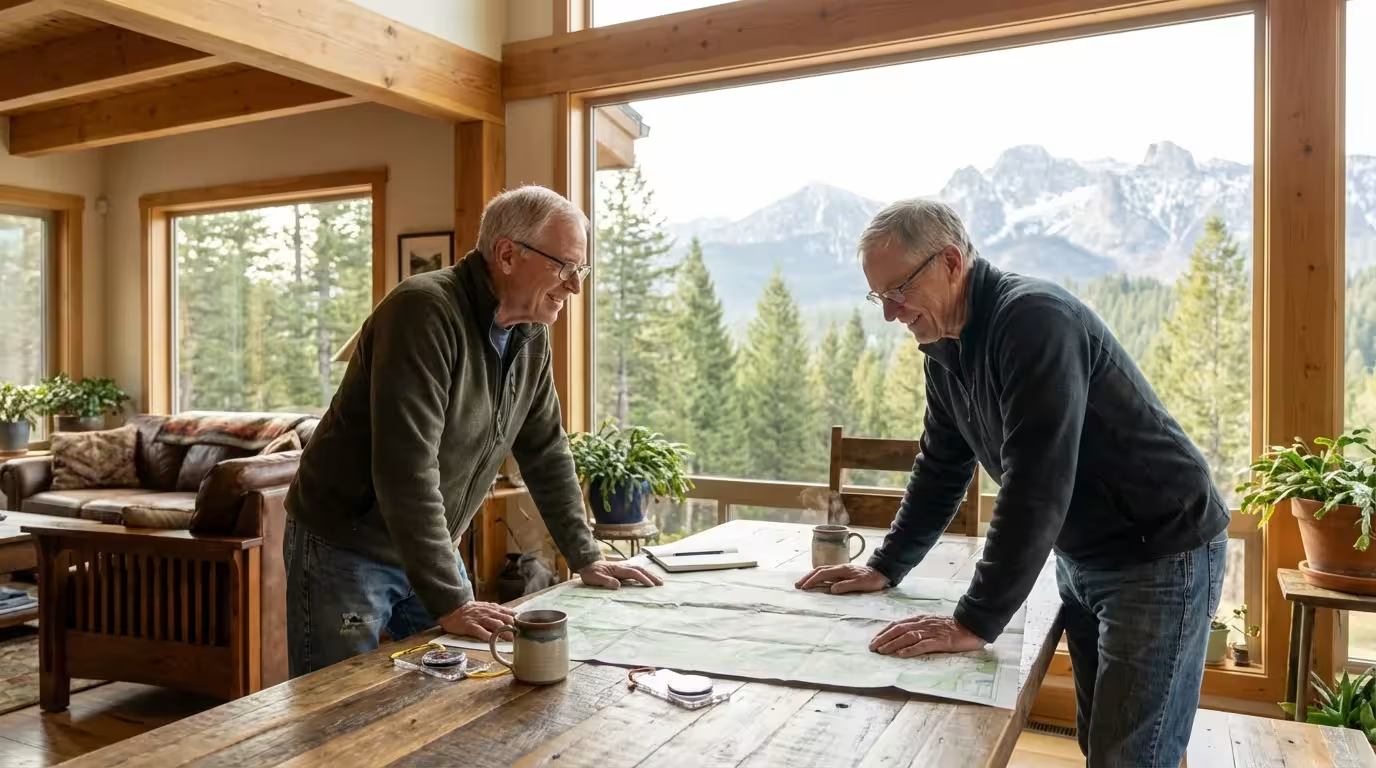
Idaho’s charm lies in its vast wilderness and comparatively low population density, offering a serene environment for those looking to escape urban sprawl. The state provides a genuine Rocky Mountains experience, with over 80 mountain ranges and thousands of miles of rivers. This natural setting supports a highly active senior lifestyle, focusing on outdoor pursuits and community engagement.
Many retirees are drawn to Idaho for its slower pace of life, which contrasts sharply with more bustling states. You find friendly communities, a strong sense of local pride, and access to unspoiled nature. This combination creates an environment where you can truly relax and enjoy your golden years.
The state’s appeal for Idaho retirement extends beyond its scenic beauty. It consistently ranks high for overall quality of life by various national surveys, reflecting resident satisfaction with safety, community, and recreational access. For active seniors, Idaho delivers numerous opportunities to stay engaged and healthy.

Cost of Living in Idaho
Understanding the cost of living is crucial for your retirement planning. Idaho’s overall cost of living generally falls below the national average, making it an attractive option compared to coastal states or major metropolitan areas in the West. Housing represents the largest factor in this calculation, varying significantly by location.
Many seniors moving to the Gem State find that downsizing your home for retirement allows them to settle into these smaller communities with greater financial freedom.
While larger cities like Boise have seen housing costs rise, many smaller towns maintain more affordable property values. Groceries, utilities, and transportation costs in Idaho typically align with or slightly exceed national averages, but housing savings often offset these differences. Your budget can stretch further here, particularly if you seek properties outside the most popular resort towns.
Here is a comparative overview of Idaho’s cost of living relative to the national average, using a baseline of 100 for the U.S. average:
| Category | Idaho Index (Approx.) | U.S. Average (Index) |
|---|---|---|
| Overall | 98.5 | 100 |
| Housing | 99.0 | 100 |
| Groceries | 101.5 | 100 |
| Utilities | 95.0 | 100 |
| Transportation | 97.0 | 100 |
| Healthcare | 96.0 | 100 |
These figures demonstrate that Idaho offers a competitive cost of living profile, especially regarding housing and utilities. For those asking, “How can I find affordable retirement properties in Idaho?”, focus your search on smaller communities or less urbanized areas outside the immediate Boise metropolitan region. Exploring towns like Caldwell, Nampa, or even parts of Eastern Idaho can reveal more budget-friendly housing options.
Taxation for Retirees in Idaho
Idaho offers a mixed tax environment for retirees, with some favorable aspects and others that require careful consideration. The state has a progressive income tax system, with rates ranging from 1.125% to 5.8%. However, a significant benefit for retirees is the partial exemption of retirement income.
Social Security benefits are not taxed by the state of Idaho. Additionally, you can deduct a portion of your federal taxable pensions and annuities. This deduction helps reduce your overall income tax burden, making Idaho more tax-friendly for those with pension income than some other states. Consult a tax professional for specific advice tailored to your financial situation.
Property taxes in Idaho are generally moderate. The statewide median property tax payment is below the national average, though rates vary significantly by county and municipality. Homeowners may also qualify for a homestead exemption, which reduces the taxable value of their primary residence. Sales tax in Idaho is 6%, applied to most goods and services.

Idaho’s Diverse Climate and Weather
Idaho’s climate is as diverse as its geography, ranging from high desert in the south to alpine conditions in the mountains and a more temperate, marine-influenced climate in the panhandle. Generally, you can expect four distinct seasons throughout most of the state, offering varied experiences year-round.
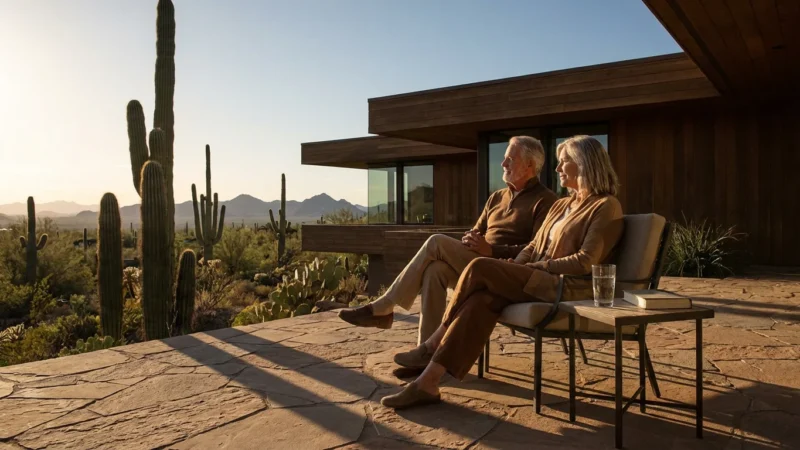
For those specifically focused on avoiding extreme heat, Idaho’s high-altitude regions offer a refreshing alternative to the sweltering summers found in the southern desert states.
Summers are typically warm and dry, with daytime temperatures often reaching the 80s and 90s Fahrenheit, particularly in the southern regions. The arid climate means lower humidity, making even warmer temperatures feel more comfortable. This season is perfect for enjoying Idaho’s lakes, rivers, and hiking trails.
Winters bring cold temperatures and significant snowfall, especially in the central and northern mountains. Southern Idaho experiences colder but generally less extreme winters. If you enjoy winter sports like skiing, snowboarding, or snowshoeing, Idaho offers world-class opportunities. However, those sensitive to cold might prefer a milder climate or need to prepare for prolonged winter conditions.
Spring and fall offer pleasant, mild weather, ideal for exploring the state’s natural beauty with fewer crowds. Fall foliage in the mountains provides a spectacular display of colors. Understanding regional climate differences helps you choose a location that best suits your preferences.

Healthcare Access and Quality
Access to quality healthcare is a paramount concern for retirees. Idaho has a well-developed healthcare infrastructure, primarily concentrated in its larger cities. Boise, the state capital, hosts major medical centers and specialized facilities, offering comprehensive services and a strong network of physicians.
For those residing in more rural or low population areas, healthcare access might require travel to larger towns. However, smaller communities often have local clinics and hospitals providing essential care. The state continues to expand its healthcare services, including telehealth options, to better serve its dispersed population.
Medicare.gov provides detailed information on healthcare providers and plans available in Idaho. When considering specific locations, research the proximity to hospitals, specialty clinics, and primary care physicians. You can also utilize resources like the Eldercare Locator to find local services and support for seniors, ensuring your medical needs are met.
“The purpose of life is to live it, to taste experience to the utmost, to reach out eagerly and without fear for newer and richer experience.” — Eleanor Roosevelt

Active Senior Lifestyles and Recreation
For active seniors, Idaho is a paradise. The state’s natural landscape encourages a vibrant, outdoor-centric lifestyle year-round. You find endless opportunities for recreation, from leisurely strolls to challenging adventures. This emphasis on activity contributes significantly to overall well-being and a fulfilling retirement.
What are the best activities for active seniors in Idaho? The list is extensive and caters to diverse interests:
- Hiking and Walking: Explore countless trails in national forests, state parks, and wilderness areas. Popular spots include Bogus Basin near Boise, the trails around Coeur d’Alene Lake, and the Sawtooth National Recreation Area.
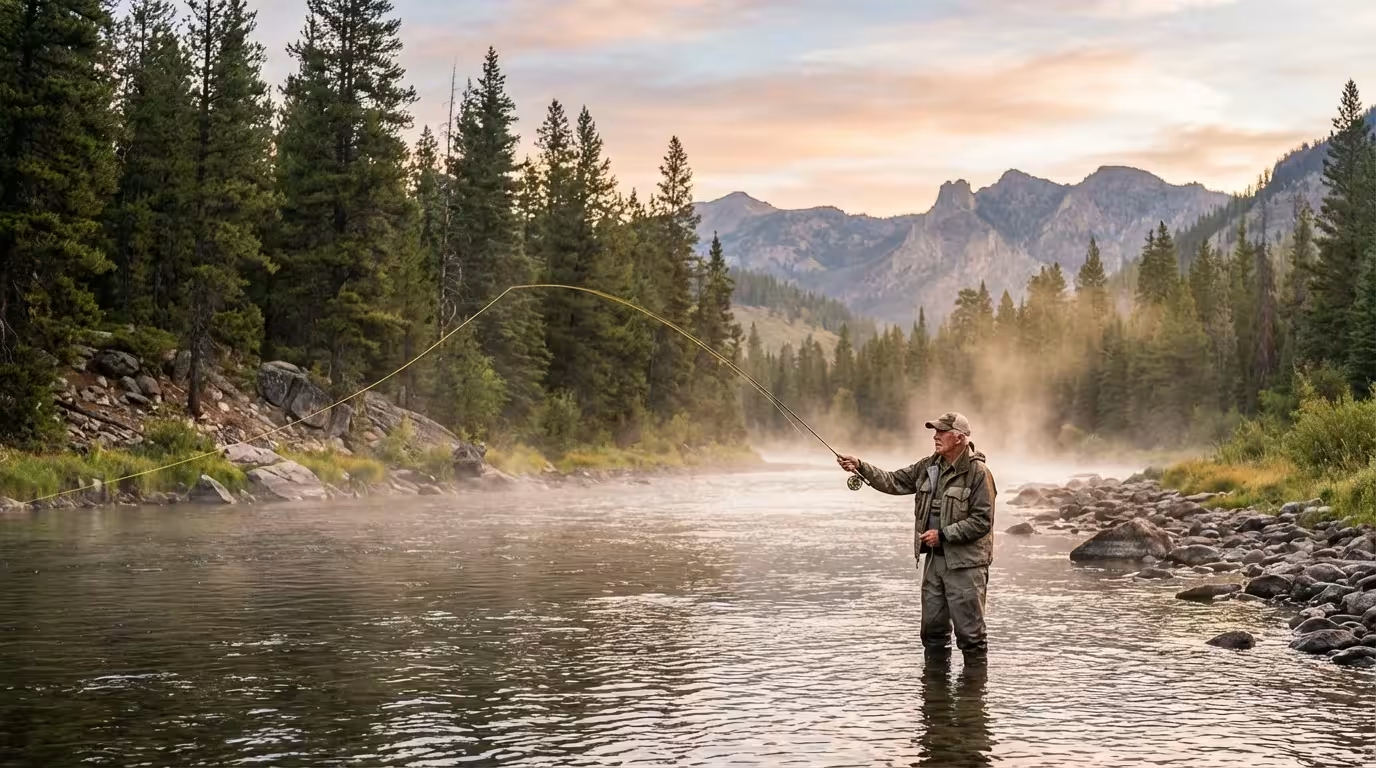
- Fishing and Boating: Idaho’s rivers and lakes are world-renowned for trout fishing. Lakes like Coeur d’Alene, Payette, and Pend Oreille offer excellent boating, kayaking, and paddleboarding.
- Skiing and Snowboarding: Enjoy winter sports at resorts like Sun Valley, Bogus Basin, Brundage Mountain, and Schweitzer Mountain. Many resorts offer senior discounts and beginner-friendly slopes.
- Golfing: Idaho features numerous scenic golf courses, often with mountain or river views. Popular courses are found near Boise, Coeur d’Alene, and McCall.
- Cycling: Paved bike paths and mountain biking trails crisscross the state. The scenic Trail of the Coeur d’Alenes is a favorite for leisurely rides.
- Community Engagement: Many towns offer senior centers, volunteer opportunities, and local clubs for hobbies like gardening, book reading, or arts and crafts.
Whether you prefer peaceful contemplation in nature or exhilarating outdoor sports, Idaho provides the backdrop for a truly active and engaging retirement.

Popular Retirement Destinations in Idaho
Idaho offers a variety of towns and cities, each with its unique character. Your ideal retirement spot depends on your preferences for size, amenities, climate, and community feel. Exploring these options helps you pinpoint the perfect fit.
- Boise: The state capital and largest city, Boise offers urban amenities with a small-town feel. You find a vibrant downtown, cultural attractions, diverse dining, and immediate access to the Boise River Greenbelt and foothills. It provides excellent healthcare and airport access. However, the cost of living, particularly housing, is higher than in other parts of the state.
- Coeur d’Alene: Located in the scenic Idaho Panhandle, Coeur d’Alene is a resort city known for its stunning lake, surrounded by mountains. It attracts those seeking a picturesque setting, outdoor recreation, and a lively downtown. Property values can be high due to its popularity, and winters are often snowy.
- McCall: Situated on the shore of Payette Lake, McCall is a smaller mountain town popular for its four-season recreation. You enjoy skiing in winter and boating, hiking, and fishing in summer. It offers a tight-knit community feel, but amenities are fewer, and the cost of living for lakefront properties can be high.
- Sun Valley / Ketchum: Famous for its world-class ski resort, Sun Valley offers a luxurious mountain lifestyle. You find high-end amenities, fine dining, and cultural events. This area comes with a significantly higher cost of living and housing prices, catering to a specific retiree demographic.
- Lewiston: In the western part of the state, Lewiston sits at the confluence of the Snake and Clearwater Rivers. It offers a milder climate, longer growing seasons, and access to water recreation. The cost of living is generally more affordable than in Boise or Coeur d’Alene, but it is more isolated from major metropolitan centers.

Navigating Relocation to Idaho
Relocating for retirement involves several practical steps, ensuring a smooth transition to your new home in Idaho. Planning ahead helps alleviate stress and allows you to focus on enjoying your new environment. Consider these essential actions:
- Research Housing Options Thoroughly: Investigate different neighborhoods and communities. Consider visiting potential areas at various times of the year to experience the climate and community atmosphere firsthand. Look into 55+ communities if that aligns with your preferences.
- Budget Wisely: Create a detailed budget that accounts for moving expenses, new utility setups, property taxes, and any adjustments to your cost of living. Use current data from sources like the Bureau of Labor Statistics for cost comparisons.
- Address Healthcare Needs: Locate primary care physicians, specialists, and hospitals in your target area. Ensure your insurance coverage, including Medicare, is compatible with Idaho providers.
- Plan Your Move Logistically: Decide whether to hire professional movers or manage the move yourself. Declutter before you pack to simplify the process. Update your address with the U.S. Postal Service and inform relevant financial institutions.
- Connect with Local Resources: Once settled, explore local senior centers, community groups, and volunteer opportunities. This helps you integrate into your new community and build a social network. Websites like AARP Livable Communities offer resources for connecting with local services.
A well-thought-out relocation plan enables you to embrace your new life in the Gem State with confidence.

Pros and Cons of Retiring in Idaho
Every retirement destination offers a unique set of advantages and disadvantages. Idaho is no exception. Weighing these pros and cons helps you make an informed decision that aligns with your personal priorities for Idaho retirement.
Pros of Retiring in Idaho:
- Abundant Outdoor Recreation: Immediate access to hiking, fishing, skiing, boating, and national parks, ideal for active seniors.
- Lower Cost of Living: Generally more affordable than many Western states, particularly for housing outside of prime urban or resort areas.
- Natural Beauty: Stunning mountain ranges, pristine rivers, and vast wilderness areas offer breathtaking scenery.
- Slower Pace of Life: A relaxed atmosphere and friendly communities, appealing to those seeking tranquility.
- Four Distinct Seasons: Experience the beauty of spring blooms, warm summers, vibrant fall foliage, and snowy winters.
- Tax Advantages: No state tax on Social Security benefits and a partial deduction for other retirement income.
Cons of Retiring in Idaho:
- Harsh Winters: Significant snowfall and cold temperatures can be challenging for some, especially in mountain regions.
- Limited Public Transportation: Outside of major cities, public transit options are sparse, necessitating personal vehicle ownership.
- Healthcare Access in Rural Areas: While major cities have excellent facilities, specialized care may require travel from remote areas.
- Less Diversity: Compared to more urbanized states, Idaho has a less diverse population, which may be a consideration for some.
- Growing Popularity: As more people discover Idaho, some areas are experiencing increased traffic and rising housing costs.
Frequently Asked Questions
What are the best activities for active seniors in Idaho?
Idaho offers a wealth of activities for active seniors. You can enjoy hiking and walking on numerous trails, fishing and boating on its many rivers and lakes, and skiing or snowboarding at world-class resorts in winter. Golfing, cycling, birdwatching, and engaging in community volunteer work are also popular. Many local senior centers provide organized social and fitness programs.
How can I find affordable retirement properties in Idaho?
To find affordable retirement properties in Idaho, consider focusing your search on communities outside of major metropolitan areas like Boise or popular resort towns like Sun Valley and Coeur d’Alene. Towns in the Treasure Valley’s outskirts, Eastern Idaho, or the Clearwater region often present more budget-friendly housing options. Working with local real estate agents familiar with the area can provide valuable insight into the market.
Is Idaho a tax-friendly state for retirees?
Idaho offers a moderately tax-friendly environment for retirees. The state does not tax Social Security benefits. You can also deduct a portion of your federal taxable pensions and annuities, which helps reduce your overall income tax liability. Property taxes are generally moderate, and a homestead exemption can further reduce your taxable home value. Sales tax is a flat 6%.
What is the climate like in Idaho for retirees?
Idaho experiences a diverse climate with four distinct seasons. Summers are typically warm and dry, with comfortable humidity levels, ideal for outdoor activities. Winters are cold and bring significant snowfall, especially in the mountains, appealing to winter sports enthusiasts. Spring and fall offer mild temperatures and beautiful scenery, perfect for exploring. Climate varies by region, so consider your preferred seasonal experiences.
What are the healthcare options for retirees in Idaho?
Major cities in Idaho, such as Boise, provide comprehensive healthcare services with large hospitals and specialty clinics. In more rural areas, you will find local clinics and smaller hospitals providing essential care. Telehealth services are expanding, improving access for those in remote locations. It is wise to research local healthcare facilities and provider networks in your specific retirement area.
Disclaimer: This article is for informational purposes only. Cost of living, taxes, and local conditions change over time. We encourage readers to verify current information through official sources and visit potential retirement destinations before making relocation decisions.






Leave a Reply