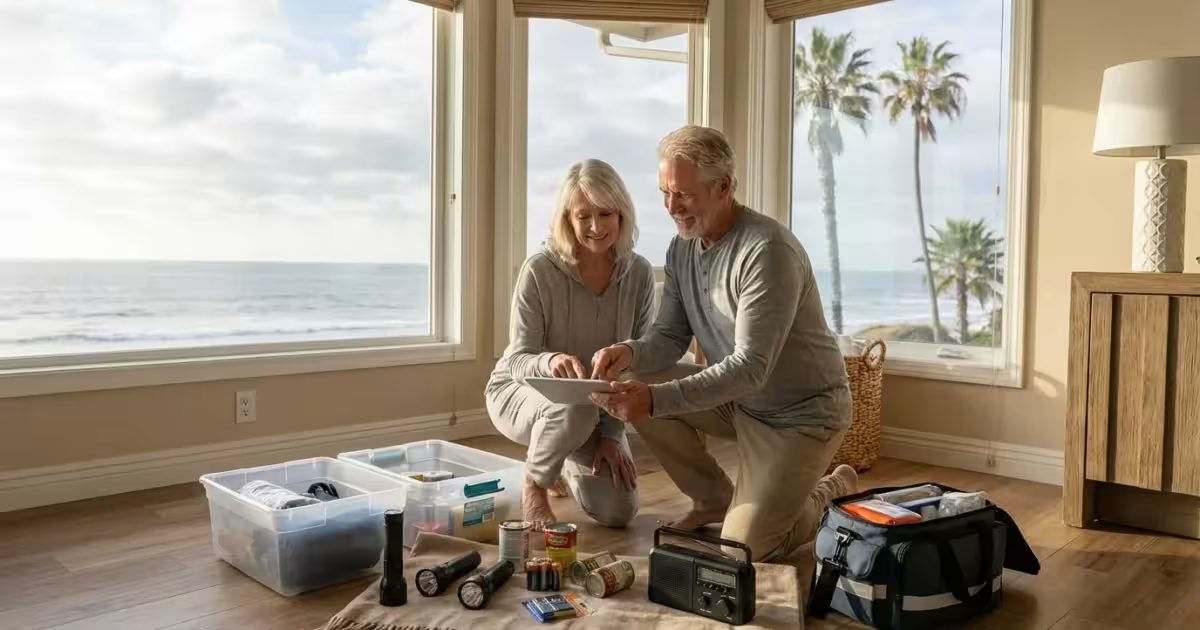
Retiring to a coastal community offers many desirable benefits: beautiful ocean views, access to beaches, and often a relaxed lifestyle. However, these appealing locations also present specific challenges, particularly the potential for hurricanes. Understanding and preparing for hurricane season is crucial for your safety and peace of mind when living in or considering a hurricane prone retirement area.
Successful coastal living also requires creating a budget for your retirement relocation that includes a buffer for emergency supplies and specialized insurance.
This comprehensive guide helps you develop a robust emergency planning strategy for your coastal retirement. You will learn practical steps to ensure coastal safety, protect your home, and safeguard your well-being throughout hurricane season and beyond. Proactive preparation empowers you to face potential storms with confidence.
Table of Contents
- Understanding Coastal Risks and Hurricane Season
- Assessing Your Coastal Retirement Location
- Developing Your Personal Emergency Plan
- Building a Comprehensive Disaster Preparedness Kit
- Securing Your Home Before a Storm
- Evacuation Planning and Routes
- Post-Hurricane Recovery and Resources
- Insurance Considerations for Coastal Living
- Community Resources and Support Networks
- Making Informed Decisions About Coastal Retirement
- Frequently Asked Questions

Understanding Coastal Risks and Hurricane Season
Coastal regions are magnets for retirees seeking warmer climates and vibrant communities. However, these areas also fall within the Atlantic and Gulf hurricane belts, experiencing heightened risk during hurricane season. This period officially runs from June 1 to November 30 each year, though storms can occur outside these dates.
In addition to storm risks, many coastal retirees also prioritize avoiding extreme heat during the peak of summer.
Living in a hurricane prone retirement area means you must understand the types of threats hurricanes pose. These include not only powerful winds but also storm surge, heavy rainfall, and tornadoes. Each element can cause significant damage and pose serious risks to life and property.
For instance, storm surge accounts for approximately half of all hurricane-related fatalities, pushing walls of water far inland. The National Hurricane Center provides detailed storm surge maps, helping residents understand their specific vulnerability. Familiarize yourself with the terminology: a “hurricane watch” means conditions are possible within 48 hours, while a “hurricane warning” means conditions are expected within 36 hours. You need to know the difference and respond accordingly.
Assessing Your Coastal Retirement Location
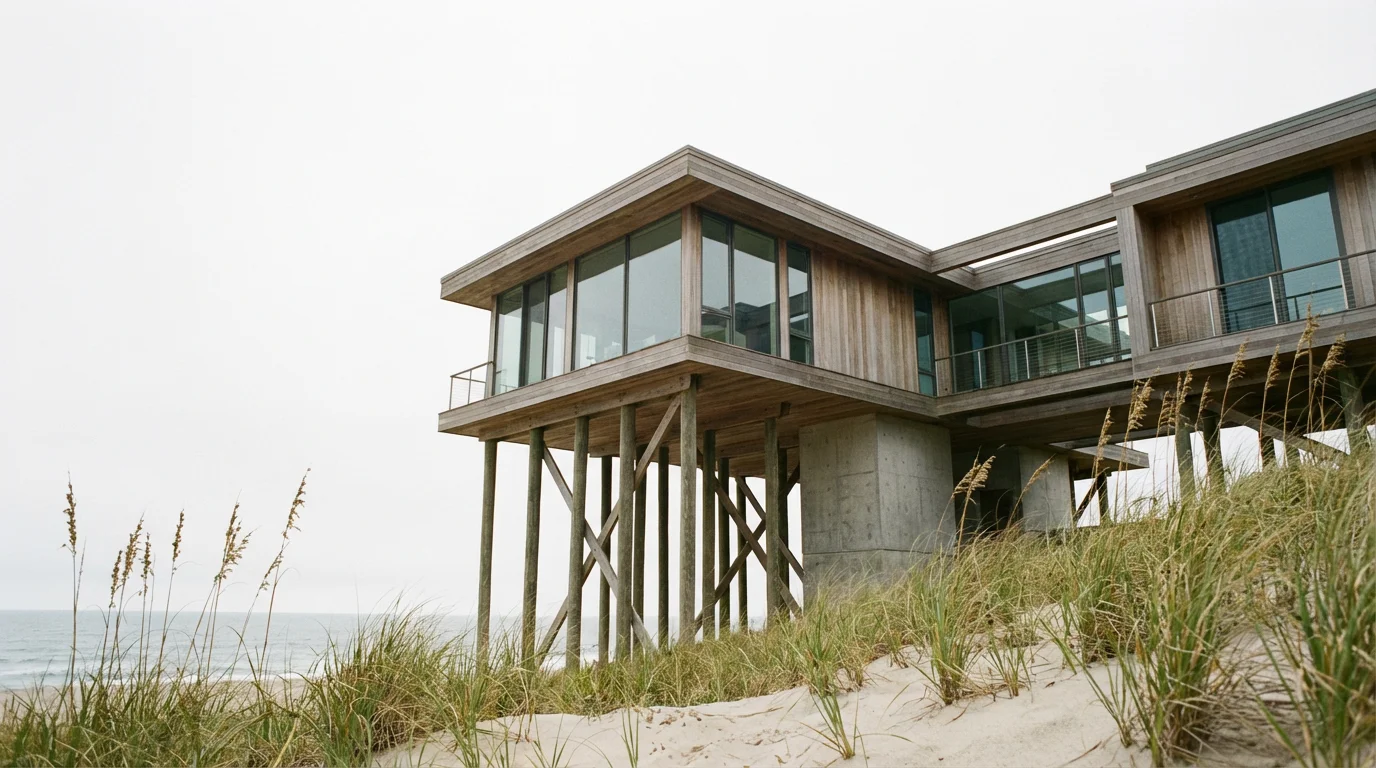
Before settling in a coastal area, or if you already reside there, thoroughly assess its specific hurricane risks. Geographic features, elevation, and proximity to water bodies significantly influence vulnerability. A low-lying barrier island faces different risks than a town several miles inland.
When planning your transition, choosing the right moving company is vital to ensure your belongings arrive safely before storm season begins.
Research your chosen or current location’s history with hurricanes. Local government websites and the National Weather Service offer valuable data on past storm impacts, including flooding maps and evacuation zones. This information directly informs your emergency planning.
When you evaluate a coastal community, consider these crucial factors:
- Elevation and Flood Risk: Understand your property’s elevation above sea level and its flood zone classification.
- Evacuation Zones: Identify if your home falls within a mandatory evacuation zone.
- Building Codes: Research local building codes; newer homes often adhere to stricter hurricane-resistant standards.
- Infrastructure Resilience: Assess the area’s power grid, road systems, and emergency services capabilities.
- Proximity to Emergency Services: Consider how quickly first responders can reach your home after a storm.
Understanding these aspects helps you make informed decisions about your safety and preparedness in hurricane prone retirement areas.
Developing Your Personal Emergency Plan
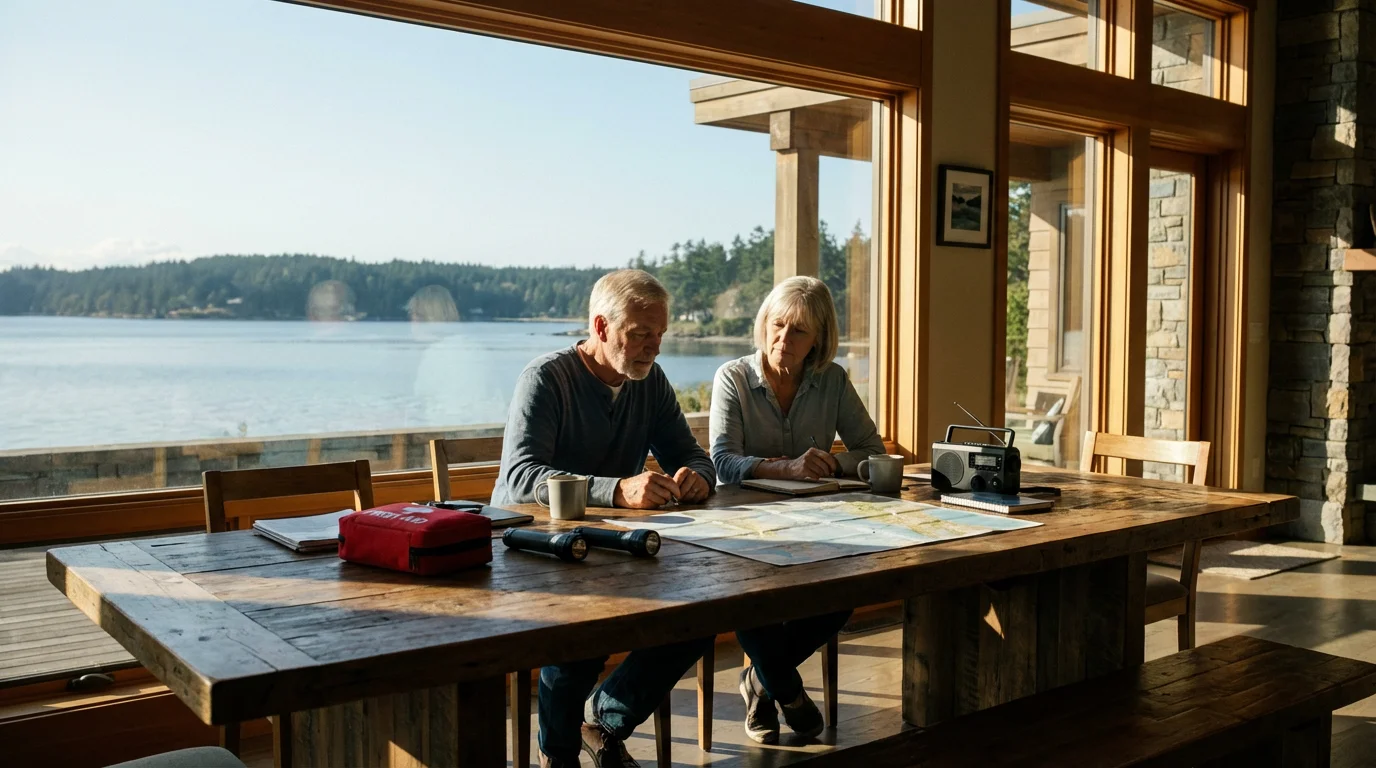
A well-thought-out emergency plan provides a clear roadmap for action before, during, and after a hurricane. Do not wait until a storm threatens; develop this plan well in advance and review it annually, ideally before hurricane season begins.
If you are new to the area, managing healthcare transfers correctly ensures that you have access to critical prescriptions before a storm threat emerges.
Your plan should address several key components. First, identify a safe meeting place for family members if you become separated. This could be a local community center, a relative’s home further inland, or an out-of-state contact.
Second, establish a communication plan. Cell phone service can become unreliable during and after a storm. Designate an out-of-state contact person whom all family members can call to check in. Keep a list of important phone numbers, including emergency services, doctors, insurance agents, and utility companies, stored both digitally and on paper.
Third, gather and secure vital documents. These include:
- Passports and birth certificates
- Social Security cards
- Insurance policies (home, auto, health, flood)
- Medical records and prescription lists
- Financial account information
- Deeds, leases, and property titles
- Wills and other legal documents
Store these documents in a waterproof, fireproof portable container that you can easily take with you during an evacuation. You should also maintain digital copies on a secure cloud service or encrypted flash drive.
Finally, discuss your plan with all household members. Ensure everyone understands their roles and responsibilities. Practice your plan periodically, especially if you have recently moved or if family circumstances change.
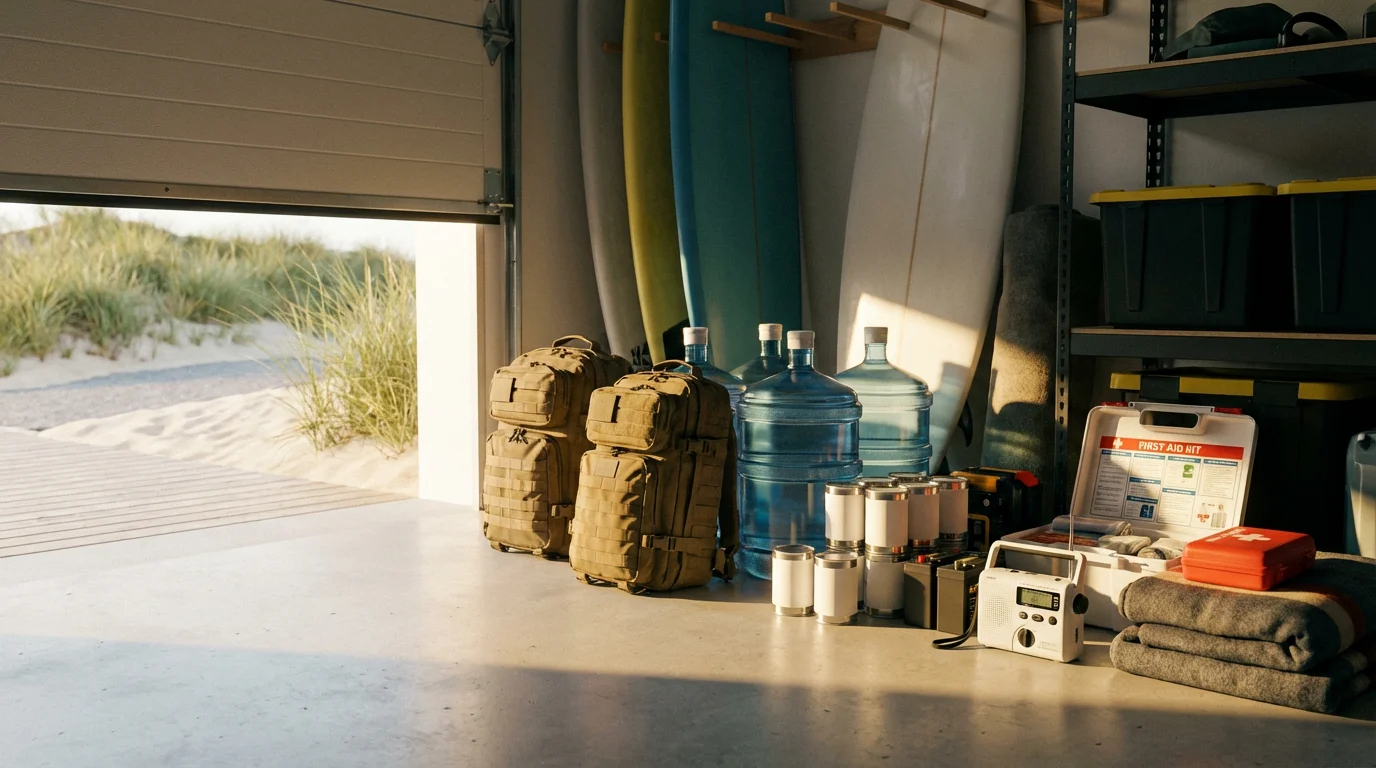
Building a Comprehensive Disaster Preparedness Kit
A disaster preparedness kit, often called a “go-bag” or “bug-out bag,” serves as your lifeline if you need to shelter in place or evacuate quickly. Prepare this kit well before hurricane season and store it in an easily accessible location.
Maintaining a rotating stock of non-perishables is an important part of managing your food costs in retirement while staying prepared for unexpected supply chain disruptions.
While major storms require a go-bag, many seniors also explore retirement communities with indoor amenities to stay active during routine bad weather days.
Your kit should contain enough supplies to last for at least 72 hours, though a week’s worth of supplies is even better, particularly for coastal safety in remote areas. Consider the specific needs of everyone in your household, including pets, older adults, and individuals with disabilities.
Essential items for your emergency kit include:
- Water: One gallon per person per day for drinking and sanitation.
- Food: A three-day supply of non-perishable food items that require no cooking or refrigeration.
- Medications: At least a seven-day supply of all prescription and over-the-counter medications. Include medical alert tags or bracelets if applicable.
- First Aid Kit: Bandages, antiseptic wipes, pain relievers, gauze, medical tape, and any personal medical supplies.
- Flashlight and Batteries: Multiple flashlights with extra batteries.
- Weather Radio: A battery-powered or hand-crank NOAA weather radio. The National Weather Service provides critical updates during severe weather.
- Power Bank: A fully charged portable charger for cell phones and other devices.
- Whistle: To signal for help.
- Dust Mask: To help filter contaminated air.
- Sanitation and Hygiene Items: Wet wipes, hand sanitizer, garbage bags, plastic ties.
- Manual Can Opener: For canned food.
- Wrench or Pliers: To turn off utilities.
- Important Documents: Copies of insurance policies, identification, bank records, stored in a waterproof bag.
- Cash: ATMs may not work, and credit card systems might be down.
- Local Maps: Paper maps in case GPS is unavailable.
- Blankets or Sleeping Bags: For warmth.
- Pet Supplies: Food, water, medications, leash, carrier for at least a week.
Regularly check expiration dates for food and medications, and rotate items as needed. Ensure batteries remain fresh. This proactive approach significantly enhances your ability to manage a crisis effectively.
“An ounce of prevention is worth a pound of cure, especially when preparing for hurricane season.”
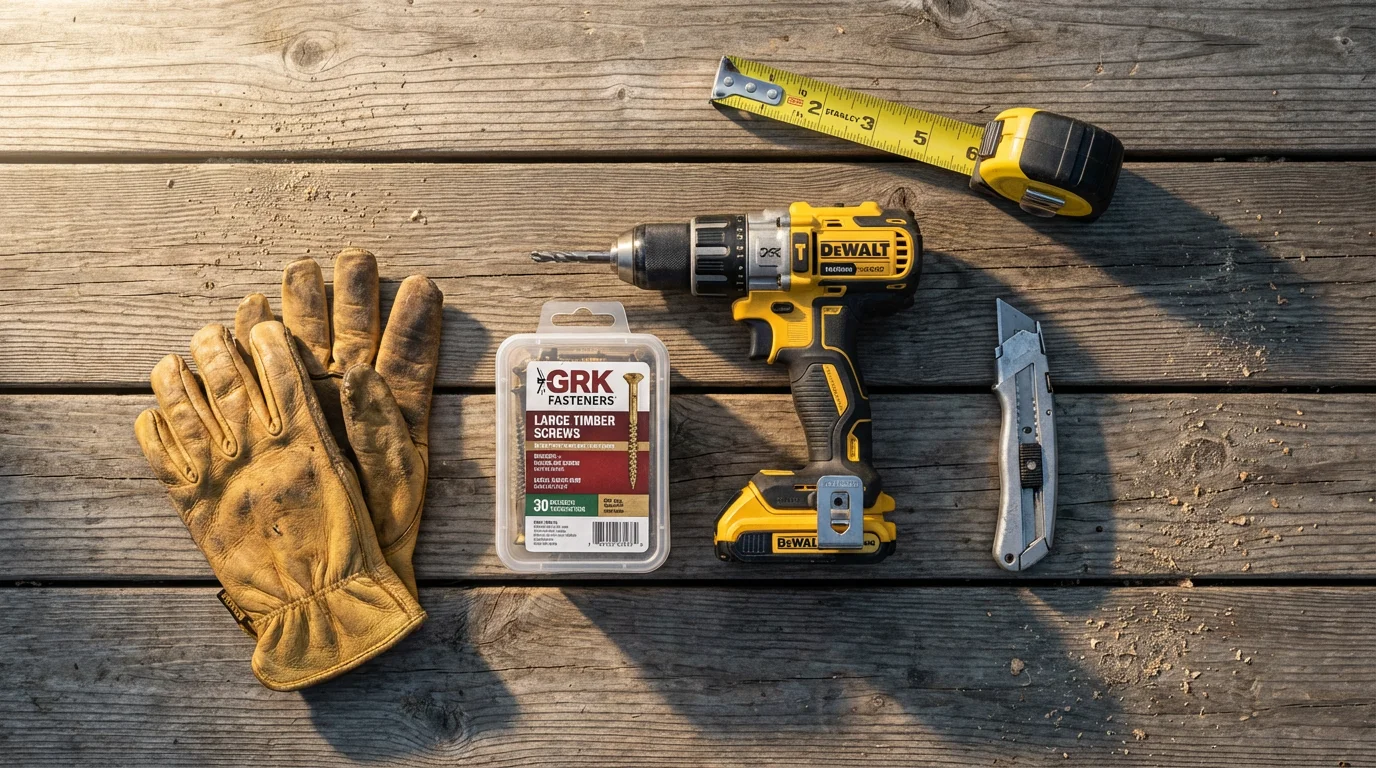
Securing Your Home Before a Storm
Protecting your home is a vital part of how to prepare for hurricane retirement. Even if you plan to evacuate, securing your property minimizes potential damage and speeds up recovery. Start these preparations well in advance of an approaching storm.
Furthermore, downsizing your home for retirement can make physical storm preparation much easier by reducing the number of windows and outdoor structures that need protection.
Beyond storm safety, creating a comfortable and accessible retirement home should be a priority for long-term aging in place.
Prioritize tasks based on the projected storm intensity and your available time. For stronger storms, you might need to hire professionals for some tasks, such as installing hurricane shutters.
Key steps to secure your home include:
- Install Hurricane Shutters or Plywood: Protect windows and glass doors from high winds and flying debris.
- Clear Your Yard: Bring in or secure all outdoor furniture, grills, garbage cans, toys, and anything else that could become a projectile.
- Trim Trees and Shrubs: Remove dead or weak branches that could fall and damage your home or power lines.
- Clean Gutters and Downspouts: Ensure they are clear of debris to allow proper water drainage and prevent roof damage or flooding.
- Charge Electronics: Fully charge cell phones, laptops, and power banks.
- Fill Your Car’s Gas Tank: Gas stations may close or run out of fuel.
- Turn Off Propane Tanks: Close valves on outdoor propane tanks to prevent leaks or explosions.
- Secure Doors: Reinforce garage doors if possible, as they are often a vulnerable point. Lock all exterior doors and windows.
If you live in a manufactured home, understand its specific vulnerability to high winds. Often, manufactured homes require evacuation during even minor hurricane threats. Familiarize yourself with anchoring systems and local recommendations for securing these types of residences.
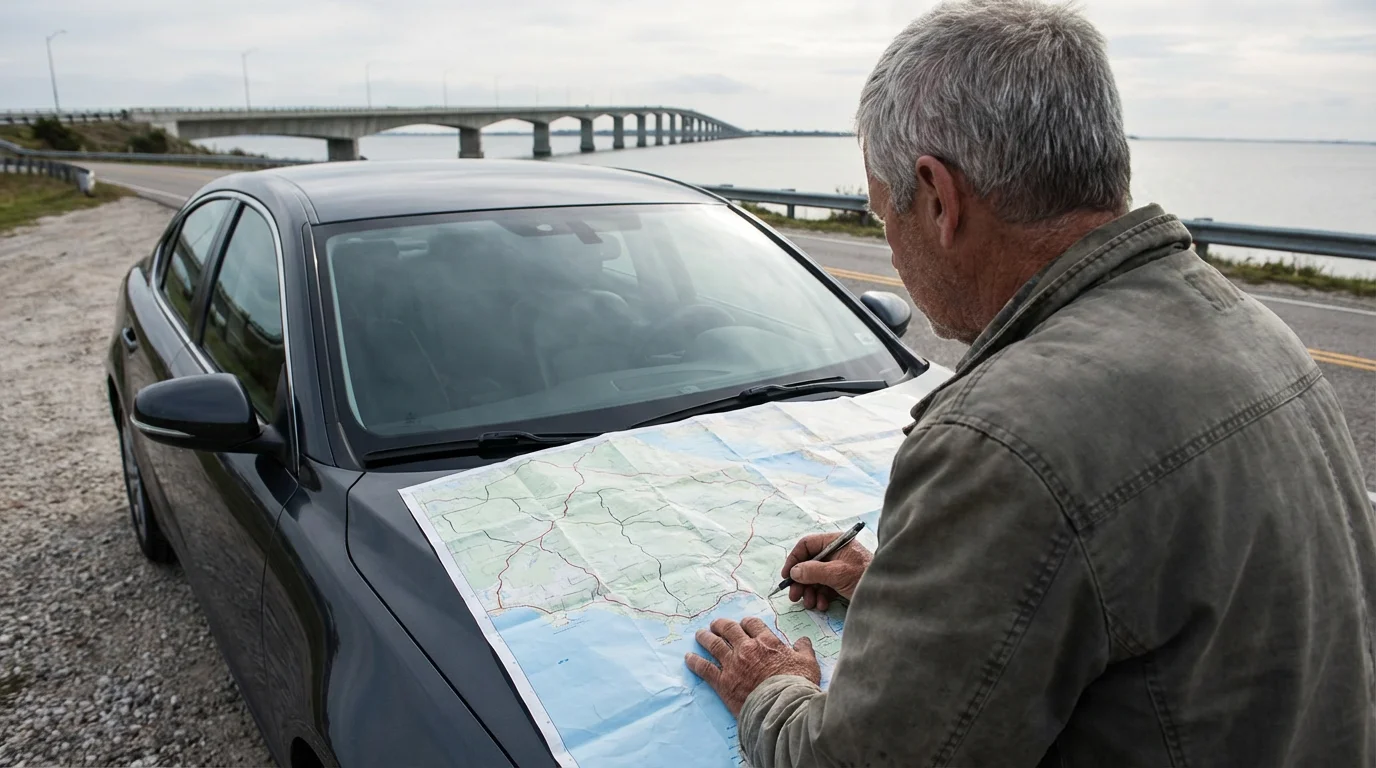
Evacuation Planning and Routes
Evacuation remains one of the most critical aspects of coastal safety. Do not hesitate to evacuate if local authorities issue an order. Mandatory evacuation orders are issued for your safety, not merely as a suggestion. Understanding your evacuation zone and route is paramount.
Before hurricane season, identify primary and alternate evacuation routes. Traffic can become extremely heavy during an evacuation, so having multiple options is wise. Your local emergency management agency provides maps and information on designated routes. You can often find these resources on USA.gov or your county’s official website.
When planning your evacuation, consider:
- Designated Shelter Locations: Know where official emergency shelters are located. Consider whether a shelter meets your specific needs, particularly if you have medical conditions or pets.
- Pet Evacuation: Many public shelters do not allow pets. Research pet-friendly hotels or make arrangements with friends or family outside the evacuation zone.
- Fuel and Supplies: Ensure your vehicle has a full tank of gas. Bring your emergency kit, important documents, medications, and cash.
- Early Departure: Leave early if an evacuation order appears likely. Waiting until the last minute can put you in dangerous traffic or severe weather.
- Communication with Family/Friends: Inform your designated out-of-state contact about your evacuation plans and destination.
- Power Outages: Be prepared for widespread power outages during and after a storm, which can affect traffic signals and communication.
Remember, your life holds greater value than any material possessions. Always prioritize personal safety during an evacuation. You can rebuild a home, but you cannot replace a life.

Post-Hurricane Recovery and Resources
The period following a hurricane presents its own set of challenges, from assessing damage to navigating insurance claims and potential utility outages. Patience and a systematic approach will serve you well during recovery.
Upon returning to your home, if you evacuated, exercise extreme caution. Downed power lines, gas leaks, and structural damage pose significant risks. Do not enter a damaged building without first ensuring its safety. Inspect for visible hazards, and if you smell gas, leave immediately and call emergency services.
Here are crucial steps for post-hurricane recovery:
- Safety First: Prioritize personal safety. Avoid standing water, which might contain live electrical wires or contaminates.
- Document Damage: Take extensive photos and videos of all damage before you begin any cleanup. This documentation is vital for insurance claims.
- Contact Your Insurance Company: Notify your insurer as soon as possible to start the claims process. Provide them with your policy number and the documentation you gathered.
- Beware of Scams: Be cautious of unscrupulous contractors or individuals offering quick repairs. Verify credentials and references before hiring anyone.
- Food and Water Safety: Discard any food that came into contact with floodwater or sat unrefrigerated for too long. Boil tap water or use bottled water until authorities declare your water supply safe.
- Stay Informed: Monitor local news and official advisories for information on power restoration, road closures, and available resources.
- Seek Assistance: Utilize local, state, and federal disaster relief programs if needed. Organizations like FEMA, the Red Cross, and your local Eldercare Locator can offer assistance to older adults.
The recovery process can be lengthy and emotionally taxing. Lean on your support network and do not hesitate to ask for help from neighbors, friends, or community organizations.

Insurance Considerations for Coastal Living
Adequate insurance coverage is a fundamental part of how to prepare for hurricane retirement, especially in hurricane prone retirement areas. Standard homeowners insurance policies typically do not cover flood damage, requiring a separate flood insurance policy. This is a common oversight that can lead to significant financial hardship.
Review your homeowners insurance policy annually with your agent. Understand your deductibles, particularly the hurricane deductible, which can be a percentage of your home’s insured value, not a flat dollar amount. This percentage can range from 2% to 10% or even higher in high-risk zones, meaning you pay a substantial amount out of pocket before your coverage kicks in.
Key insurance policies to consider for coastal safety include:
- Homeowners Insurance: Covers wind damage to your home and personal property, but typically excludes flood.
- Flood Insurance: Essential for coastal residents. The National Flood Insurance Program (NFIP), managed by FEMA, provides most flood insurance policies.
- Windstorm Insurance: In some high-risk states, wind damage might be excluded from standard homeowners policies, requiring a separate windstorm policy.
- Extended Living Expense (ELE) Coverage: Covers temporary living expenses if a covered peril makes your home uninhabitable.
Do not wait until a storm approaches to buy or adjust policies. Flood insurance, for example, often has a 30-day waiting period before it takes effect. Ensure your coverage reflects the current replacement value of your home and possessions. A comprehensive insurance strategy protects your investments and offers financial security during recovery.
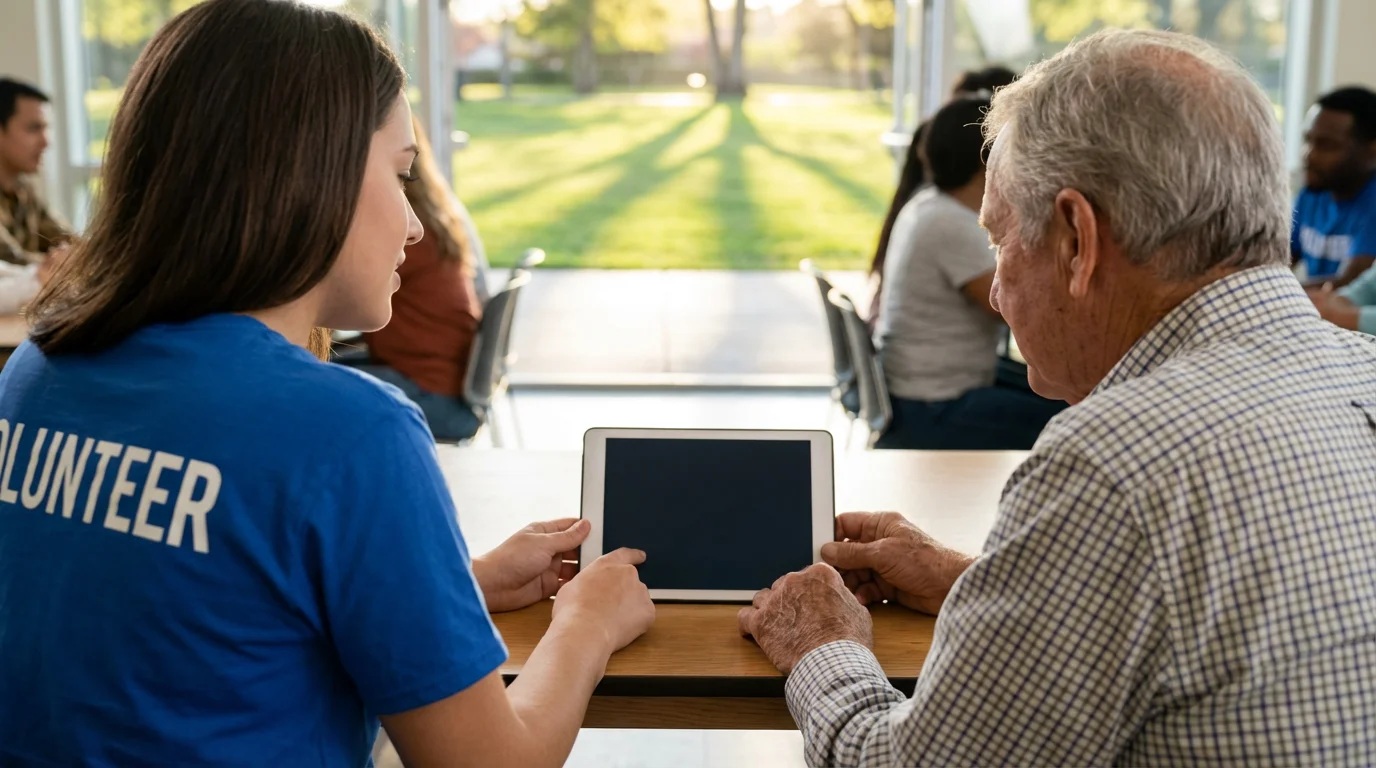
Community Resources and Support Networks
Living in a coastal community means you are part of a broader support network. Engaging with local resources strengthens your individual hurricane preparedness and contributes to overall coastal safety. Many communities offer specific programs for older adults.
Familiarize yourself with your local emergency management agency. They provide specific guidance, evacuation zone information, and updates during a storm. Many cities and counties offer reverse 911 systems or emergency alert sign-ups that deliver critical information directly to your phone or email.
Explore resources designed for seniors:
- Eldercare Locator: This public service connects you to services for older adults and their families, including disaster preparedness and recovery assistance. You can find information at eldercare.acl.gov.
- Local Senior Centers: Often serve as communication hubs or distribution points for resources before and after storms.
- AARP: Provides resources and tips for disaster preparedness specifically tailored for older adults on their website, aarp.org.
- Neighbor Networks: Establish connections with neighbors, especially those nearby, to create an informal support system. Agree to check on each other if a storm hits.
- Voluntary Organizations: Groups like the American Red Cross and local faith-based organizations provide shelter, food, and emotional support during and after disasters.
Being an active participant in your community’s preparedness efforts benefits everyone. You contribute to the collective resilience of your hurricane prone retirement area.
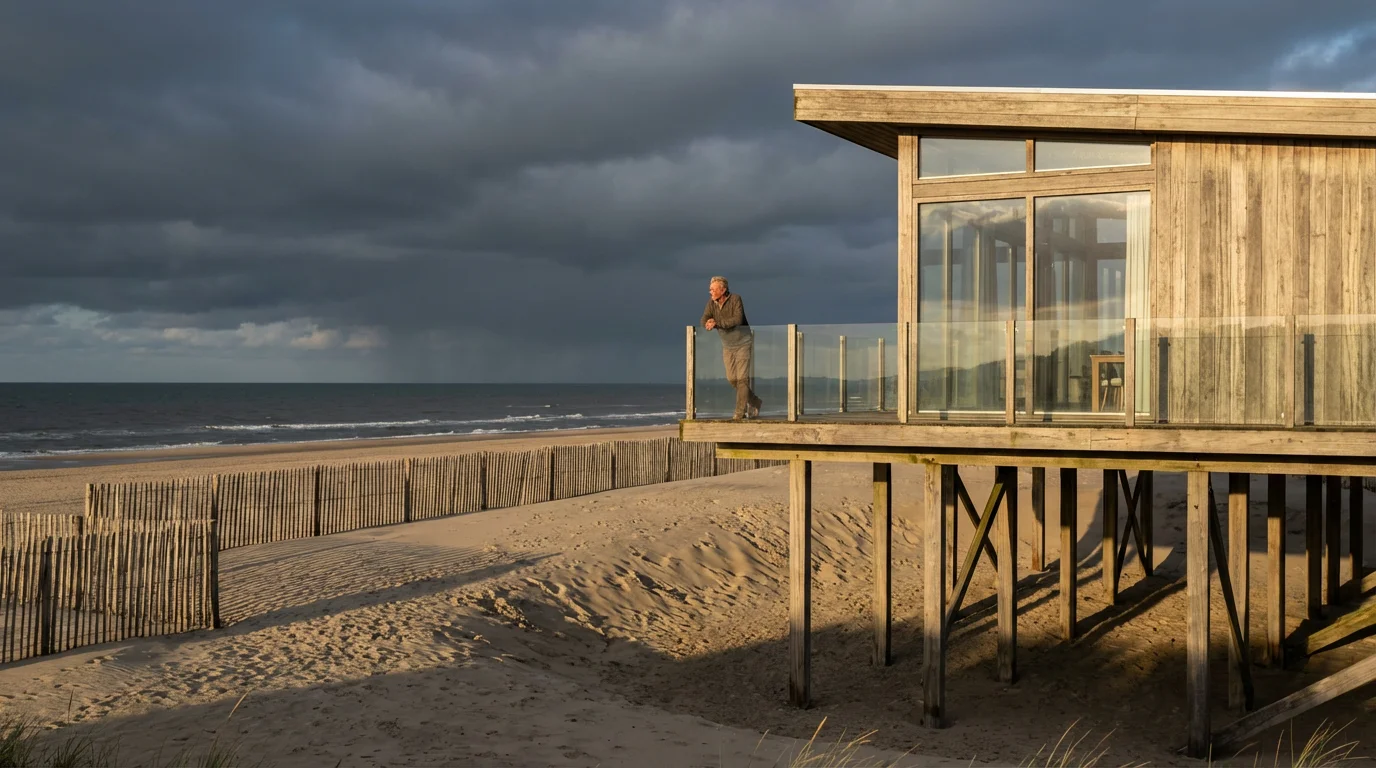
Making Informed Decisions About Coastal Retirement
Choosing where to retire is a deeply personal decision, and coastal areas offer undeniable allure. However, for those considering `how to prepare for hurricane retirement`, a realistic understanding of hurricane risks is paramount. It is not about avoiding coastal living entirely, but about making an informed choice and taking proactive measures.
Consider the long-term implications of hurricane activity. This includes potential property damage, rising insurance costs, and the stress associated with yearly hurricane season preparations. Some retirees find the peace of mind offered by an inland location outweighs the benefits of living directly on the coast.
If you commit to a coastal retirement, you commit to vigilant `emergency planning` and constant `coastal safety` efforts. This involves more than just buying insurance; it requires an active, ongoing engagement with preparedness strategies. Your ability to adapt and respond effectively to severe weather defines your success in these beautiful, yet sometimes challenging, environments.
Frequently Asked Questions
When does hurricane season officially begin and end?
Hurricane season for the Atlantic Basin, which includes the Atlantic Ocean, Caribbean Sea, and Gulf of Mexico, officially runs from June 1st to November 30th each year. Prepare well in advance of the season’s start.
What is the difference between a hurricane watch and a hurricane warning?
A hurricane watch means hurricane conditions, including sustained winds of 74 mph or higher, are possible in your area within 48 hours. A hurricane warning means these conditions are expected in your area within 36 hours. A warning signals that you must complete all preparations and evacuate if advised by authorities.
Does my standard homeowners insurance cover flood damage from a hurricane?
No, standard homeowners insurance policies typically do not cover flood damage. You need a separate flood insurance policy, often obtained through the National Flood Insurance Program (NFIP), to protect your home and belongings against flood-related losses. Obtain this coverage well before hurricane season.
How often should I update my emergency preparedness kit?
You should review and update your emergency preparedness kit at least once a year, preferably before hurricane season begins. Check expiration dates on food, water, and medications. Replace batteries, and ensure all documents remain current. Adjust contents based on any changes to your household needs.
Where can I find my local evacuation zone information?
You can find your local evacuation zone information on your county or city’s official emergency management website. The National Weather Service and state emergency management agencies often provide links or direct access to these maps. Knowing your zone is a critical part of your emergency planning.
What should I do if I cannot evacuate due to a disability or medical condition?
If you cannot evacuate, immediately register with your local special needs shelter or county emergency management office. They can provide specific assistance, transportation, or shelter for individuals with disabilities or medical conditions. Do this well before any storm threatens. The Eldercare Locator also offers valuable resources for older adults.
Disclaimer: This article is for informational purposes only. Cost of living, taxes, and local conditions change over time. We encourage readers to verify current information through official sources and visit potential retirement destinations before making relocation decisions.








Leave a Reply