

Considering a retirement move often involves evaluating various factors, from cost of living and healthcare to proximity to family and desired amenities. For many, climate plays a significant role, particularly when it comes to comfort and health. Humidity levels, specifically, can profoundly impact your daily well-being, especially if you experience respiratory conditions or simply prefer a dry, crisp environment.
While dry air is a priority for many, others may prefer a coastal retirement lifestyle despite the higher humidity levels found near the ocean.
You might find yourself wondering, “what is the best state for low humidity?” This article explores the benefits of a dry climate for retirees, identifies states consistently offering low humidity, and provides practical insights to help you decide if a drier environment suits your retirement lifestyle. We delve into specific locations, considering factors beyond just the weather, helping you make an informed decision for your golden years.
Table of Contents
- Understanding Humidity’s Impact on Your Retirement
- Respiratory Health and Dry Climates
- Beyond Respiratory Health: Other Considerations
- Top States for Low Humidity Retirement
- Comparing Low Humidity Retirement Destinations
- Relocation Planning for a Dry Climate
- Making Your Decision: Beyond Humidity
- Frequently Asked Questions

Understanding Humidity’s Impact on Your Retirement
Humidity refers to the amount of water vapor in the air. High humidity makes the air feel heavy and muggy, often exacerbating the perception of heat. Low humidity, conversely, creates a lighter, drier feel, often making even high temperatures feel more tolerable.
For retirees, comfort is paramount. High humidity can contribute to increased sweating, a sticky feeling, and general discomfort. It also creates an environment conducive to mold and mildew growth, which can pose health challenges for sensitive individuals.
You might find a significant difference in how your body handles temperature when humidity levels change. A 90-degree day in Arizona with 15% humidity often feels less oppressive than an 80-degree day in Florida with 90% humidity. This distinction can greatly influence your outdoor activity levels and overall enjoyment of your surroundings.
Respiratory Health and Dry Climates
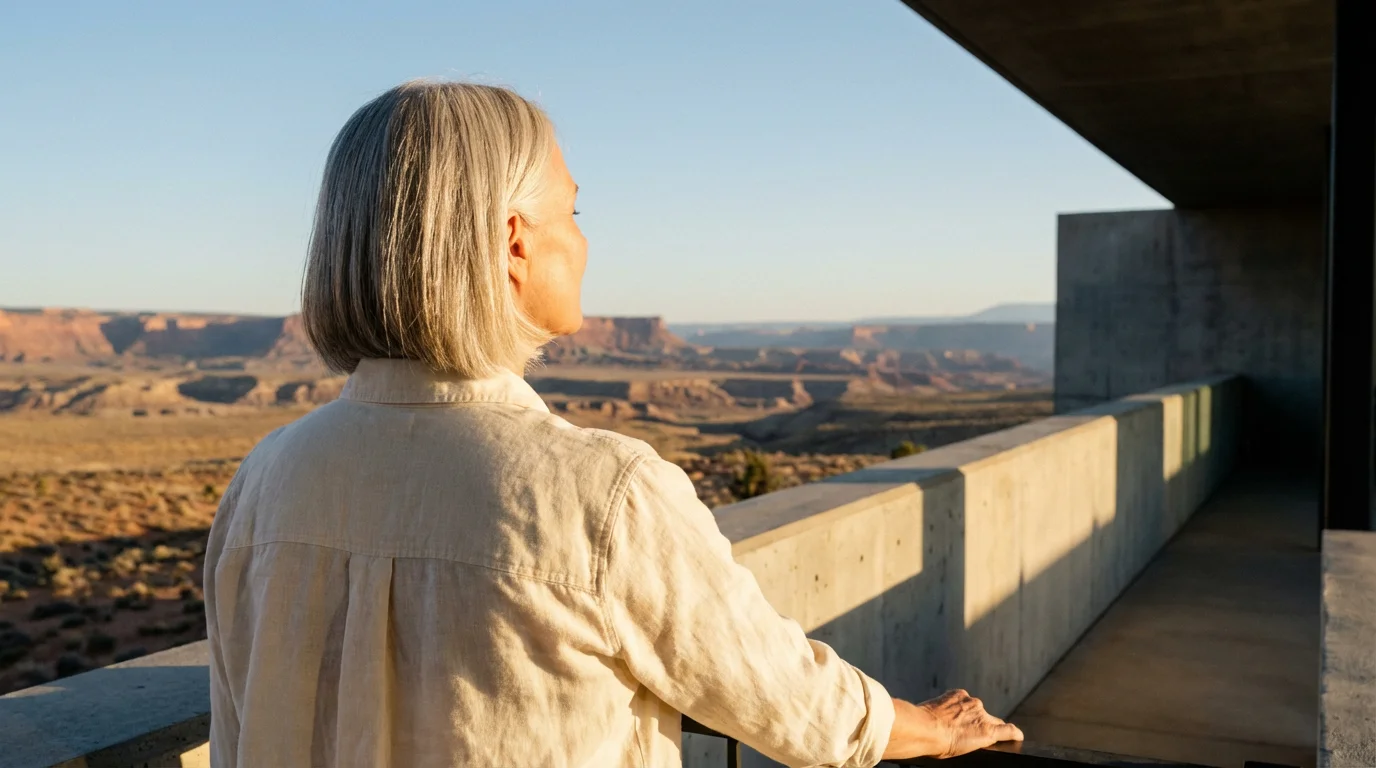
Many individuals seek a dry climate specifically for its potential health benefits, particularly for respiratory conditions. A low humidity environment can significantly improve symptoms for those with asthma, allergies, and chronic obstructive pulmonary disease (COPD). Lower moisture in the air often translates to fewer airborne irritants.
Dry climates naturally inhibit the growth of common allergens. Mold spores thrive in damp conditions, as do dust mites. By reducing ambient moisture, you effectively reduce the habitats for these triggers, potentially leading to fewer allergy flare-ups and easier breathing. This can translate to a better quality of life and reduced reliance on allergy medications or inhalers.
The absence of oppressive moisture can also make breathing feel less labored for individuals with COPD. While a dry climate does not cure these conditions, it can offer a more comfortable and less irritating environment, allowing for more consistent outdoor activity and improved lung function. Always consult your doctor about how a climate change might impact your specific health needs.

Beyond Respiratory Health: Other Considerations
While a dry climate offers many advantages, it also presents unique challenges. You might experience drier skin, lips, and nasal passages. Maintaining adequate hydration becomes even more crucial in these environments. Using humidifiers indoors and moisturizing regularly can help counteract these effects.
Before committing to a move, creating a budget for your relocation can help you manage the costs associated with moving to a drier climate.
Another common characteristic of very dry air is increased static electricity. This can be a minor annoyance, leading to shocks and frizzy hair. Many homes in dry regions utilize whole-house humidifiers, particularly during colder months, to combat both static and personal dryness.
Understanding these aspects helps you prepare for life in a dry climate. The benefits of a comfortable, low humidity environment often outweigh these manageable challenges for those who prioritize such a climate. Your personal comfort and health preferences guide the best decision for you.
Top States for Low Humidity Retirement
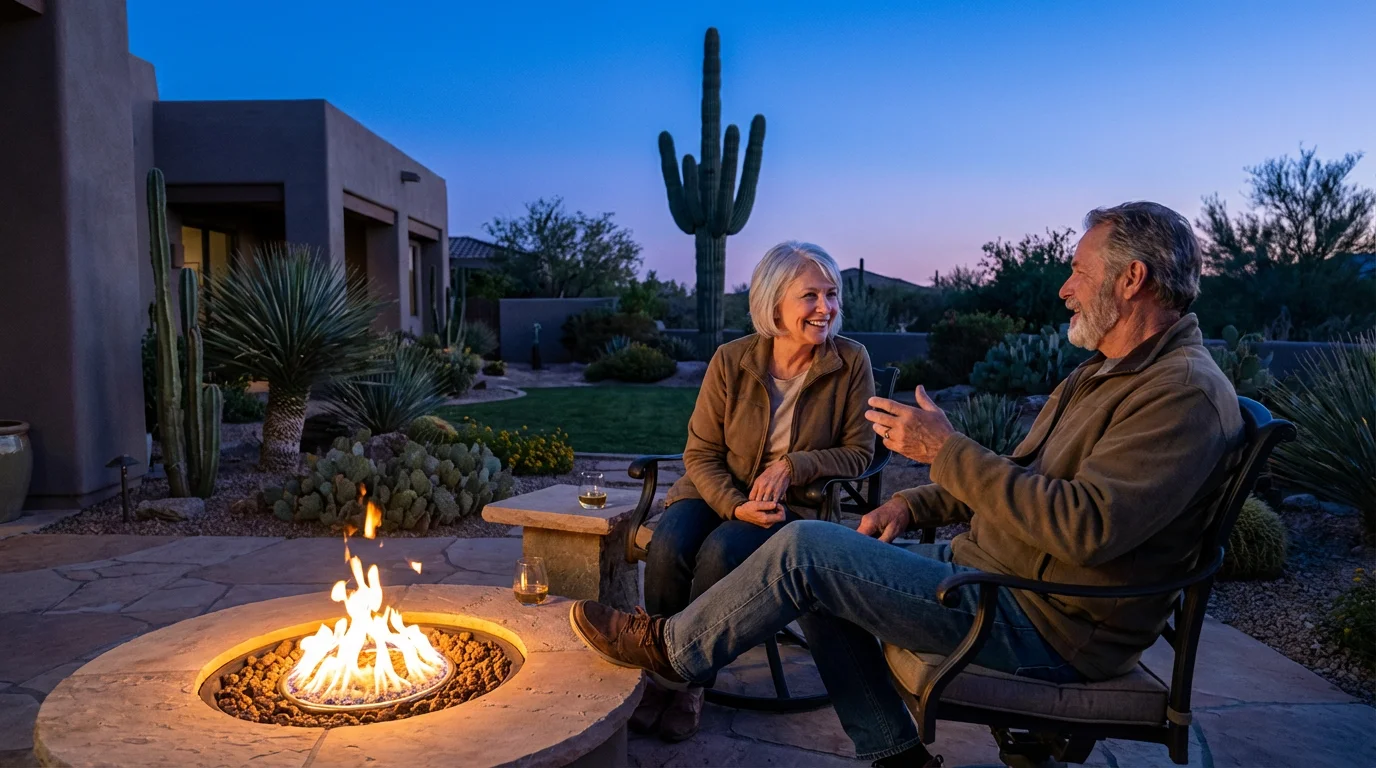
When you seek the best retirement location with low humidity, several states consistently emerge as top contenders. These regions generally feature arid or semi-arid climates, offering the dry air many retirees desire. However, each state brings its own unique character, cost of living, and amenities.
When moving across state lines for a better climate, managing healthcare transfers is a critical step to ensure your medical needs are met without interruption.
Arizona
Arizona stands out as a prime destination for a dry climate. Cities like Phoenix and Tucson experience extremely low humidity, especially during the hot summer months, often dropping below 20%. The state boasts over 300 days of sunshine annually, appealing to those seeking abundant light and warmth.
- Pros: Consistent sunshine, very low humidity, numerous golf courses and outdoor activities, active 55+ communities, favorable tax policies for retirement income.
- Cons: Extreme summer heat (June-September) can be intense, water scarcity concerns, rapid urbanization in metropolitan areas, higher cost of living in popular cities like Scottsdale.
- Cost of Living: The cost of living in Arizona’s major cities, such as Phoenix, tends to be slightly higher than the national average, particularly for housing. However, smaller towns can offer more affordable options. The Bureau of Labor Statistics provides current consumer expenditure data you can review.
- Healthcare: Arizona has a robust healthcare system, particularly in its major metropolitan areas. You will find numerous hospitals and specialized care facilities, ensuring good access to medical services.
Nevada
Nevada offers vast stretches of desert with correspondingly low humidity, especially in the southern part of the state. Las Vegas and Reno are popular retirement hubs, providing diverse amenities and entertainment. The state’s lack of an income tax is a significant draw for many retirees.
- Pros: No state income tax, low humidity, abundant entertainment and recreational options, easy access to national parks and outdoor adventures.
- Cons: Extreme summer heat in southern Nevada, water conservation concerns, urban areas can be very busy, reliance on gaming and tourism for economic base.
- Cost of Living: While housing costs in cities like Las Vegas can be moderate, the lack of state income tax helps balance the overall cost of living for many. Property taxes are also generally low.
- Healthcare: Major cities in Nevada offer comprehensive healthcare services. Rural areas may have more limited access, which is an important consideration depending on your chosen location.
New Mexico
Known as the “Land of Enchantment,” New Mexico provides a high desert climate with generally low humidity, particularly in cities like Albuquerque and Santa Fe. The state offers a rich cultural heritage, unique landscapes, and a more relaxed pace of life compared to its western neighbors.
- Pros: Low humidity, vibrant arts and culture scene, unique Southwestern charm, generally more affordable housing than Arizona or Colorado, diverse landscapes from mountains to deserts.
- Cons: Altitude can be a factor for some, healthcare access can vary significantly outside of major cities, limited public transportation in many areas.
- Cost of Living: New Mexico generally offers a more affordable cost of living compared to the national average, especially for housing. However, property taxes vary by county.
- Healthcare: You will find good healthcare facilities in Albuquerque and Santa Fe, but access becomes more limited in rural parts of the state. Researching specific locations is key.
Colorado
The eastern plains and higher elevations of Colorado, including cities like Denver and Colorado Springs, experience significantly lower humidity than many other parts of the country. While it has four distinct seasons, the air often remains dry, even during winter snows. This state appeals to active retirees who enjoy mountain living and outdoor activities.
- Pros: Dry air year-round, stunning mountain scenery, active lifestyle opportunities (hiking, skiing), distinct four seasons, thriving cultural scene in urban areas.
- Cons: Higher altitude can affect some individuals, colder winters with significant snowfall, higher cost of living in popular Front Range cities, traffic congestion.
- Cost of Living: Colorado’s Front Range cities, like Denver and Boulder, generally have a higher cost of living than the national average, driven by housing costs. However, smaller towns can offer more value.
- Healthcare: Colorado boasts excellent healthcare systems, particularly in its major population centers. Access to specialized medical care is generally very good.
“Home is not where you are from, it is where you belong.” — Unknown

Comparing Low Humidity Retirement Destinations
To help you visualize how these states compare, this table provides a snapshot of key factors beyond just humidity. Remember that specific costs and conditions can vary widely within each state, often depending on whether you choose a major city, a suburban area, or a small town.
In addition to housing prices, it is helpful to compare state-by-state utility costs to see how cooling costs in dry climates might impact your retirement budget.
Beyond accessibility, understanding healthcare costs in retirement is a vital part of choosing the right state for your budget.
| State/Region | Avg. Annual Relative Humidity (Approx.) | Median Home Price (Relative to US Avg.) | State Income Tax on Retirement Income | Healthcare Access (General) |
|---|---|---|---|---|
| Arizona (Phoenix/Tucson) | 20-40% | Slightly Higher | Partially Taxable | Good |
| Nevada (Las Vegas/Reno) | 25-45% | Moderate | No State Income Tax | Good in Major Cities |
| New Mexico (Albuquerque/Santa Fe) | 30-50% | Lower | Partially Taxable | Varies by Location |
| Colorado (Denver/Colorado Springs) | 35-55% | Higher | Partially Taxable | Excellent |
Data regarding state tax policies can be further explored on resources like the Tax Foundation. For specific healthcare ratings and Medicare providers, you can consult Medicare.gov.

Relocation Planning for a Dry Climate
Making a major move to a new climate requires careful planning. You can ensure a smoother transition by following several practical steps, especially when moving to a dry environment. Thinking ahead helps you adapt quickly and comfortably to your new surroundings.
Once you have selected your ideal destination, choosing the right moving company will ensure your belongings arrive safely in your new environment.
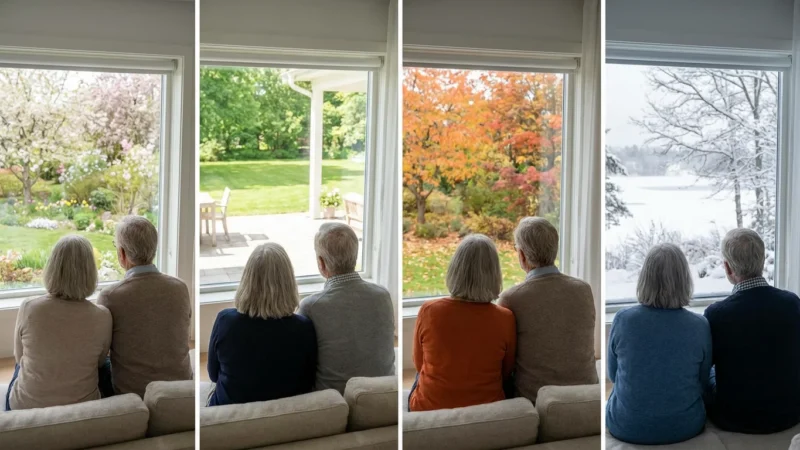
- Visit During Different Seasons: Experience your prospective location during various times of the year, including peak summer and winter. This gives you a realistic understanding of the climate’s full range.
- Consult Healthcare Providers: Discuss the potential impacts of a drier climate on your specific health conditions with your doctors. They offer personalized advice and can suggest preventative measures.
- Focus on Hydration: Plan to increase your water intake. Invest in reusable water bottles and make drinking water a consistent habit. This helps prevent dehydration, which can be more prevalent in dry air.
- Moisturize Regularly: Purchase quality skin moisturizers, lip balms, and nasal saline sprays. Incorporate these into your daily routine to combat dryness of skin and mucous membranes.
- Consider Home Humidity: Look for homes equipped with humidifiers or plan to install them, especially if you find the indoor air too dry. This maintains comfortable indoor humidity levels year-round.
- Research Local Amenities and Activities: Ensure the area offers the social activities, hobbies, and community engagement you desire. Climate is one factor, but a fulfilling lifestyle is equally important.

Making Your Decision: Beyond Humidity
While low humidity offers significant advantages for many retirees, it represents only one piece of the relocation puzzle. Your ideal retirement destination combines a climate you enjoy with a community that meets your lifestyle and financial needs. You should weigh all factors carefully to ensure a truly satisfying retirement.
- Cost of Living: Evaluate housing, utilities, groceries, and transportation costs. A lower cost of living can stretch your retirement savings further.
- Healthcare Access and Quality: Ensure the area provides adequate medical facilities, specialists, and access to your preferred healthcare providers. This becomes increasingly important with age.
- Tax Environment: Understand state and local taxes on retirement income, property, and sales. Some states offer more tax-friendly environments for retirees than others.
- Proximity to Family and Friends: Consider how far you want to be from loved ones. Family support and connection often prove invaluable during retirement.
- Social Opportunities and Activities: Research local clubs, volunteer opportunities, recreational facilities, and cultural attractions. An active social life contributes significantly to well-being.
- Transportation Options: Assess public transportation availability, walkability, and ease of driving. Your ability to get around independently impacts your quality of life.
Remember, the “best” place to retire is a deeply personal choice. You define your priorities, and by doing so, you can discover the perfect place to thrive in your retirement years. The AARP Livable Communities resource offers great insights into various community attributes that contribute to quality of life.
Frequently Asked Questions
What are the health benefits of a dry climate for retirees?
A dry climate often reduces allergens like mold and dust mites, benefiting individuals with asthma, allergies, and COPD. Less humidity can make breathing feel easier and generally increase comfort, especially during warmer months. It also discourages the growth of mildew and other moisture-loving pathogens.
Does a dry climate negatively affect skin or hydration?
Yes, a dry climate can lead to drier skin, lips, and nasal passages. You will need to prioritize hydration by drinking more water and using moisturizers regularly. Indoor humidifiers can also help maintain comfortable moisture levels within your home, counteracting these effects.
Are low humidity states generally more expensive for retirement?
The cost of living in low humidity states varies significantly. Popular metropolitan areas like Phoenix or Denver can be more expensive, especially for housing. However, states like New Mexico offer more affordable options. You must research specific cities and towns to find costs that align with your budget.
How can I find specific humidity data for a city I am considering?
You can find specific humidity data through various online weather services and meteorological websites. The National Weather Service website provides historical climate data for many locations across the United States. Local tourism boards and city climate reports also offer valuable insights.
What should I consider beyond humidity when choosing a retirement location?
Beyond humidity, evaluate the overall cost of living, including housing and taxes, access to quality healthcare, proximity to family, and the availability of social and recreational activities. Your personal preferences for community size, cultural opportunities, and outdoor recreation are also vital factors in your decision-making process.
Disclaimer: This article is for informational purposes only. Cost of living, taxes, and local conditions change over time. We encourage readers to verify current information through official sources and visit potential retirement destinations before making relocation decisions.






Leave a Reply