
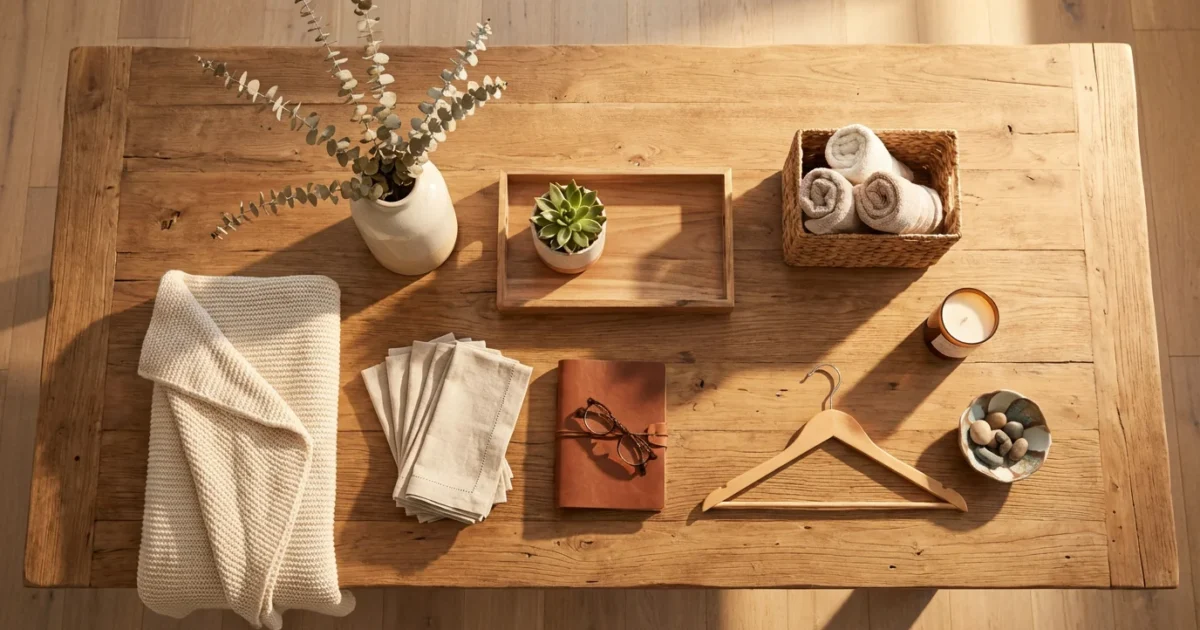
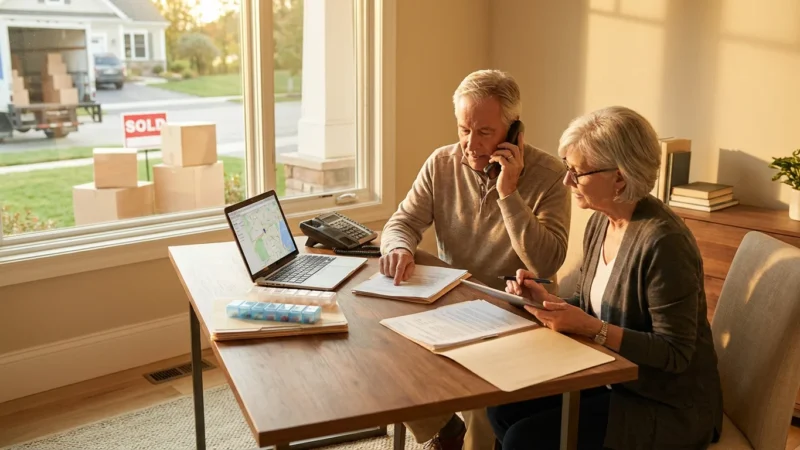
Selling your home is a significant life event, especially as you consider retirement and potential relocation. For many seniors, the family home holds decades of memories and possessions, making the process feel overwhelming. However, preparing your home effectively, or “home staging,” helps attract buyers, potentially speeding up your sale and maximizing your return on investment.
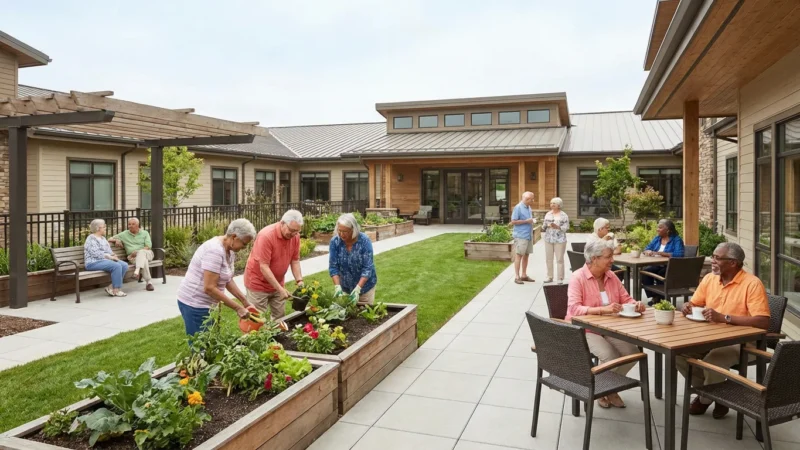
For many, the proceeds from a successful sale are used to move into affordable senior living communities that offer better value for their retirement budget.
As you begin this process, it is also helpful to prepare for the emotional weight of dealing with family concerns that often arise when leaving a long-term family residence.
Effective home staging simplifies your selling journey and helps prospective buyers envision themselves living in your space. This guide provides practical, actionable steps tailored for seniors to help your house sell faster and with less stress. Focus on creating an inviting, accessible, and clean environment that appeals to a wide range of potential buyers.
Table of Contents
- Understanding the Senior Selling Landscape
- Step 1: Decluttering and Depersonalizing Your Home
- Step 2: Deep Cleaning and Minor Repairs
- Step 3: Optimizing Layout and Enhancing Flow
- Step 4: Boosting Curb Appeal
- Step 5: Brightening and Illuminating Your Space
- Step 6: Highlighting Safety and Accessibility Features
- Professional Photography and Marketing
- Frequently Asked Questions
Understanding the Senior Selling Landscape
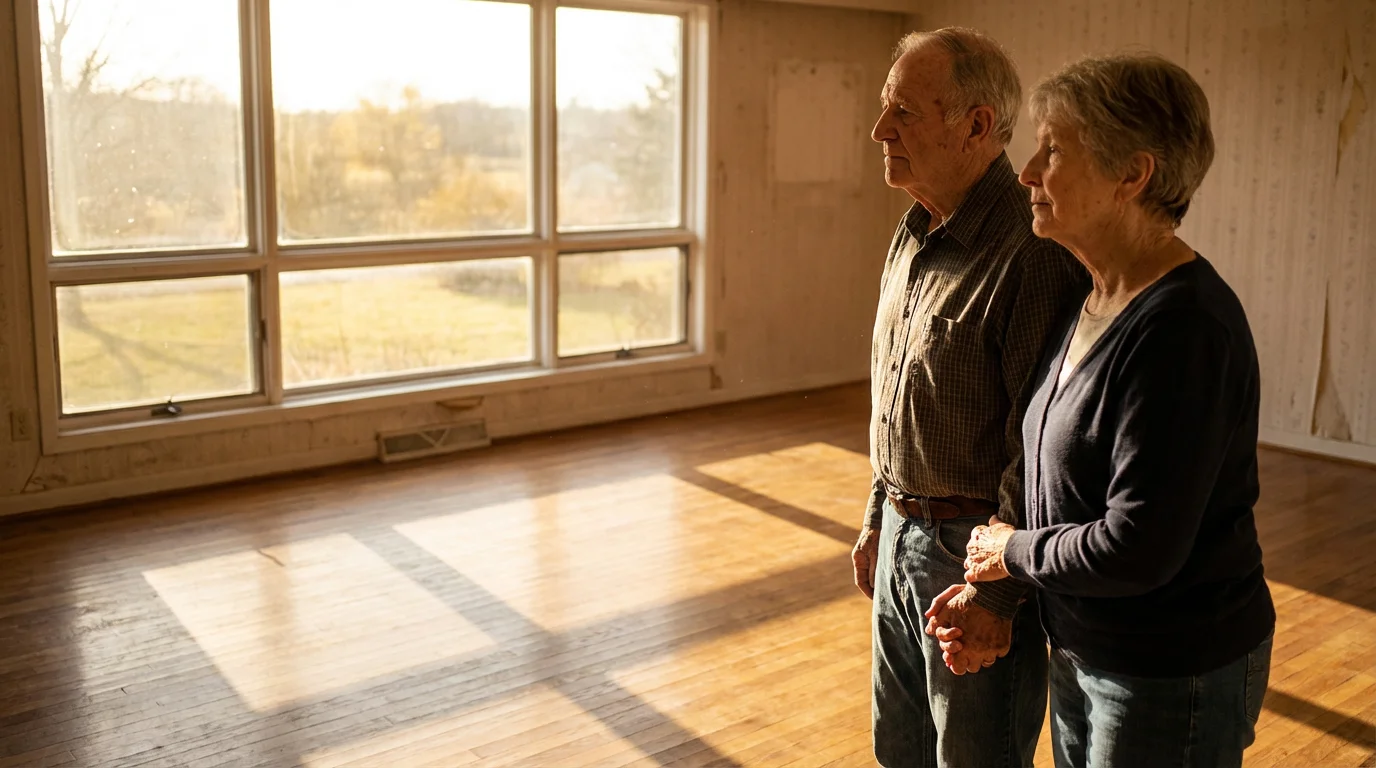
Selling your home involves more than just a transaction. For seniors, it often marks a transition to a new chapter, which can be both exciting and emotionally challenging. Recognizing these unique circumstances helps you approach home staging with a clearer strategy.
Understanding the appeal of active adult communities can also help you identify which features potential senior buyers are looking for in your property.
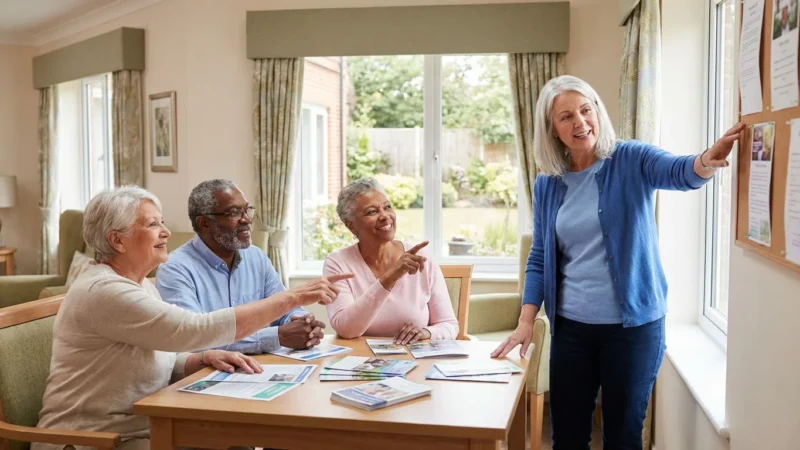
While you prepare your current house for sale, you may also be researching how to choose a retirement community that aligns with your next phase of life.
The primary goal of home staging is to make your property appealing to the broadest possible buyer demographic. While many buyers are young families, a growing segment consists of other seniors seeking accessible, low-maintenance homes. Your staging efforts should reflect universal appeal while subtly highlighting features that attract this demographic.
An effectively staged home can command a higher price and sell more quickly. Data from the National Association of Realtors (NAR) indicates that 71% of sellers’ agents believe staging a home increased its value by up to 10%. Furthermore, 82% of buyers’ agents reported that staging helped buyers visualize the property as their future home.

Step 1: Decluttering and Depersonalizing Your Home
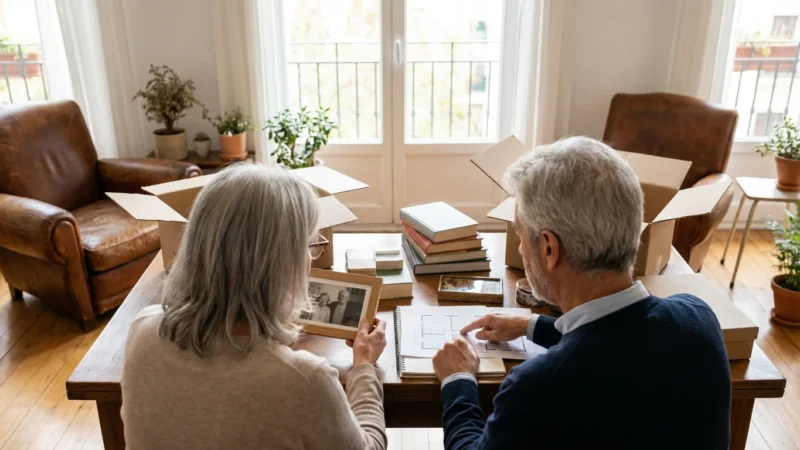
Decluttering stands as the most critical step in home staging. Over years, you accumulate cherished items, but these can make a home appear smaller and prevent buyers from seeing its full potential. A clear, spacious environment allows potential buyers to imagine their own lives unfolding in your home.
Learning how to downsize your home for retirement effectively will help you manage the volume of belongings you need to sort through before the first showing.
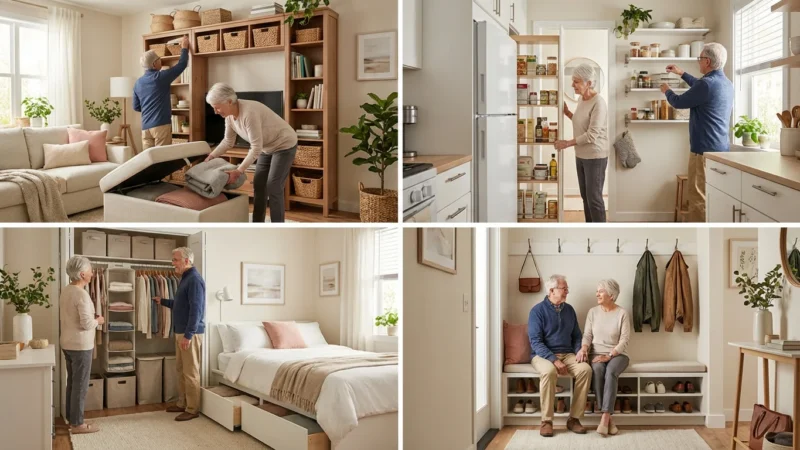
Think about how your remaining items will fit into your next residence by exploring smart storage solutions for retirees transitioning to smaller spaces.
For those moving from a large family home, following a practical guide to downsizing can help you decide what to keep and what to let go.
Begin by systematically going through each room. Sort items into categories: keep, donate, sell, or discard. Consider renting a storage unit for items you wish to keep but do not need for staging. This process also provides an excellent head start on packing for your move.
Depersonalizing means removing family photos, unique decor, and personal collections. These items, while meaningful to you, can distract buyers. You want buyers to focus on the home’s features, not on your personal style or memories.
- What to remove or store:
- Family photographs and personal memorabilia.
- Excess furniture that makes rooms feel cramped.
- Religious or political items.
- Large collections (e.g., figurines, books, extensive artwork).
- Excessive kitchen counter appliances.
This process of clearing out also addresses safety concerns, creating clearer pathways throughout the home. Many seniors find assistance from family, friends, or professional organizers invaluable during this stage. AARP provides resources and guides for seniors preparing to move, which often includes extensive decluttering. Explore AARP’s moving tips for seniors to help streamline this process.
Step 2: Deep Cleaning and Minor Repairs
Once decluttered, your home needs a thorough cleaning and any necessary minor repairs. Buyers often perceive a well-maintained home as one that has been cared for, suggesting fewer hidden problems. This attention to detail creates a positive impression.
Remember to factor these maintenance and staging costs into your finances when creating a budget for your retirement relocation.
Maximizing your sale price through these small improvements is a vital component of maintaining housing affordability for seniors when purchasing your next home.
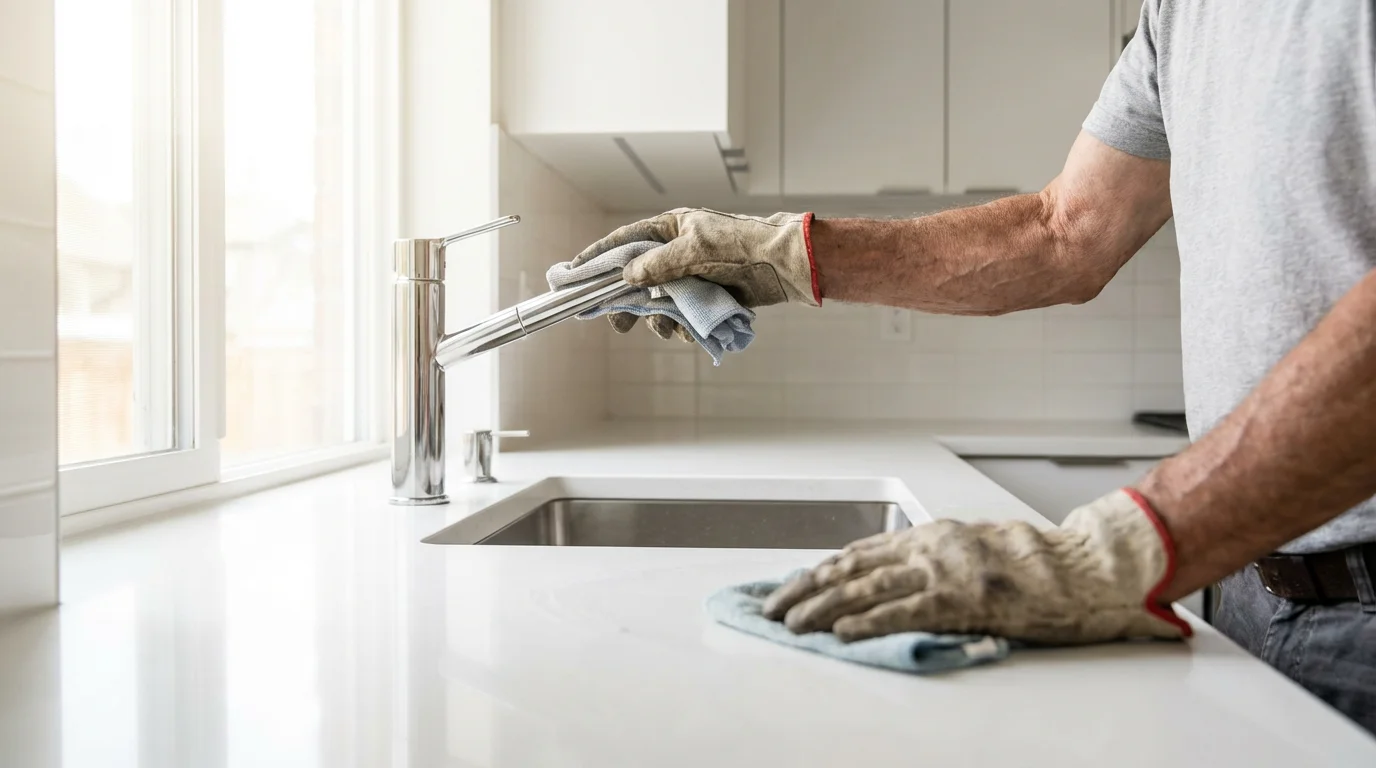
A deep clean should address every nook and cranny. This includes scrubbing bathrooms, cleaning kitchen appliances, washing windows, and ensuring all floors are spotless. Consider hiring professional cleaners if the task feels too daunting, ensuring a pristine finish.
Focus on small, cost-effective repairs that yield significant visual impact. These “honey-do” list items often go unnoticed by residents but stand out to potential buyers. Addressing these issues shows buyers the home is move-in ready.
- Common minor repairs to prioritize:
- Patching holes in walls and fresh paint in neutral colors.
- Fixing leaky faucets or running toilets.
- Replacing cracked tiles or broken light fixtures.
- Tightening loose doorknobs and cabinet handles.
- Replacing outdated switch plates and outlet covers.
- Ensuring all lightbulbs work and match in color temperature.
Small investments in repairs demonstrate your home’s quality and proactively address potential buyer concerns. A fresh coat of neutral paint, for instance, offers one of the highest returns on investment in real estate, often costing little but making a substantial visual difference.

Step 3: Optimizing Layout and Enhancing Flow
The way furniture is arranged significantly impacts how spacious and functional a room appears. Your goal is to create an intuitive flow through your home, making it easy for potential buyers to navigate and visualize their own furniture in the space. Rearrange furniture to highlight the room’s purpose and size.
Pull furniture slightly away from walls to create a more inviting and open feel. Ensure clear pathways between rooms, avoiding any obstacles that might impede movement. This is particularly important for seniors who may prioritize easy navigation.
Define the purpose of each room clearly. If you have a spare room that serves multiple functions, stage it as a dedicated bedroom or an office. This helps buyers understand how they can use the space. For instance, convert a cluttered storage room into a small, functional guest room or hobby space.
“Home is not where you are from, it is where you belong.”
Consider the accessibility of your home’s layout. While major renovations are not part of staging, ensure existing features like wide doorways or a first-floor master bedroom are showcased. Make sure entryways are clear and inviting, setting a positive tone immediately.
Step 4: Boosting Curb Appeal
The exterior of your home provides the first impression, known as curb appeal. Buyers often decide within seconds of seeing a property whether they wish to view the interior. A well-maintained exterior signals that you care for your home and encourages buyers to explore further.
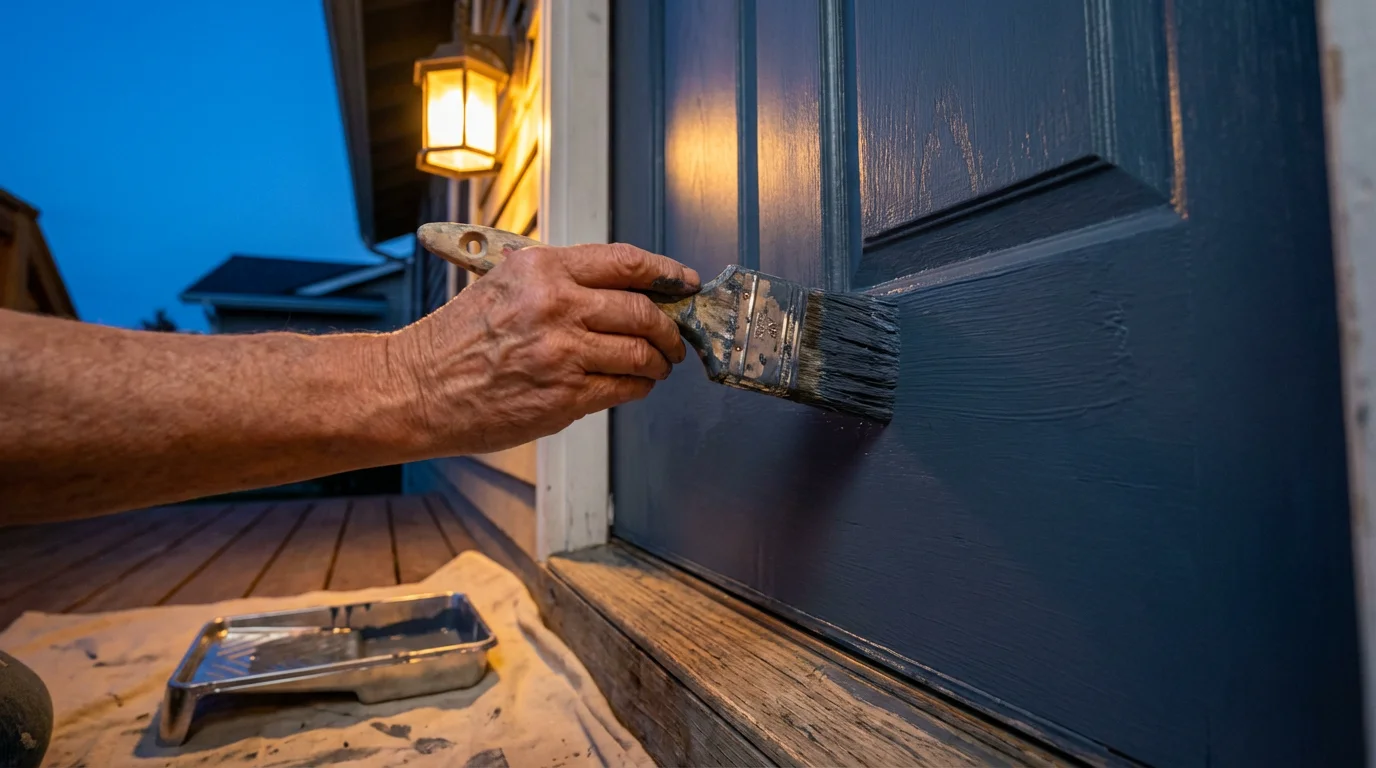
Start with simple, high-impact improvements. Power wash the exterior, clean gutters, and wash windows. Ensure the front door is clean and inviting; consider a fresh coat of paint in a welcoming color. These actions make a significant difference.
Landscaping plays a crucial role. Trim overgrown bushes, mow the lawn, and weed flowerbeds. Adding colorful, low-maintenance potted plants or flowers near the entrance creates an immediate welcoming touch. You do not need extensive gardening, just neatness.
- Key exterior improvements for strong curb appeal:
- Mowing, edging, and watering the lawn.
- Trimming shrubs and trees away from the house.
- Planting fresh flowers or adding potted plants.
- Cleaning or repainting the front door.
- Ensuring house numbers are clearly visible and attractive.
- Washing all exterior windows and screens.
- Sweeping walkways and patios, removing debris.
Make sure exterior lighting functions correctly. If buyers drive by in the evening, well-lit pathways and an illuminated entrance create a safe and inviting impression. Addressing these exterior details sets a positive tone for the entire showing.
Step 5: Brightening and Illuminating Your Space
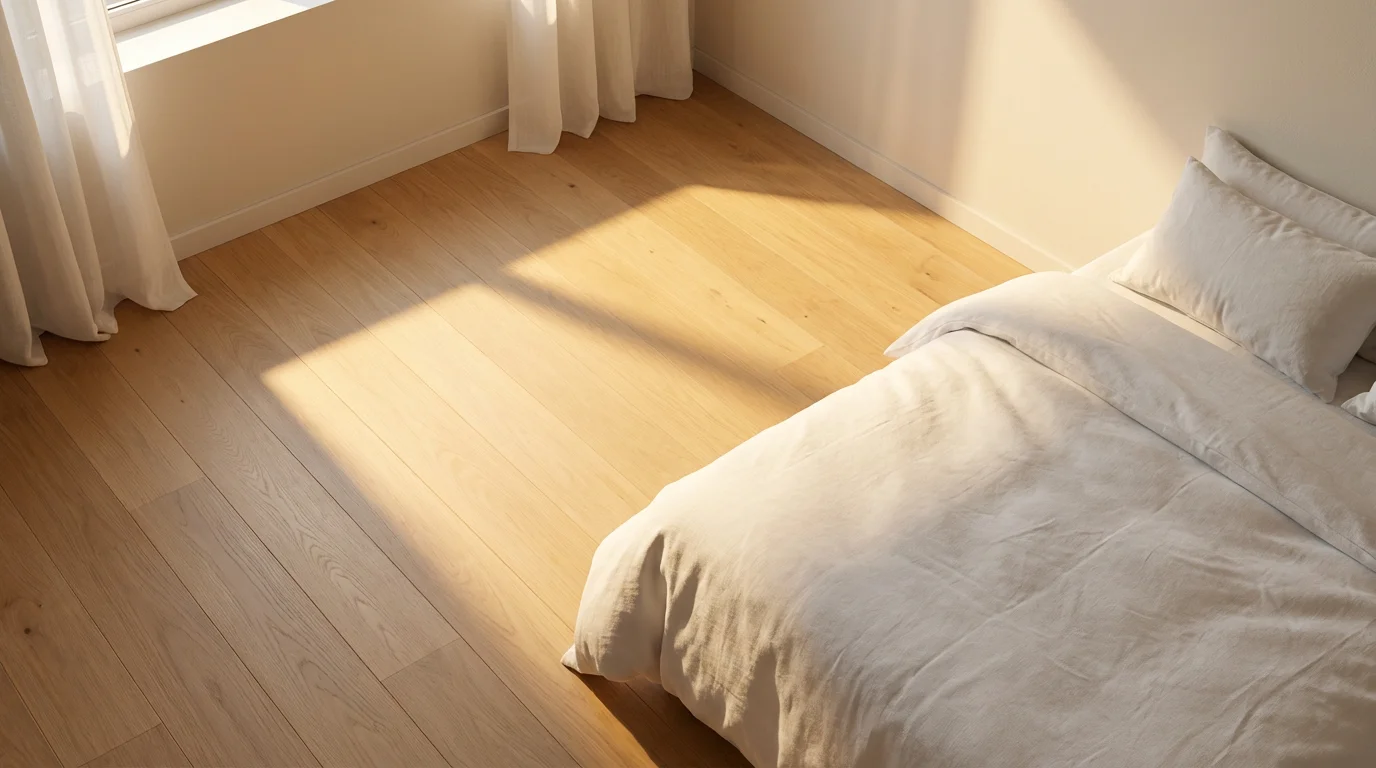
Light significantly influences mood and perception of space. A brightly lit home feels larger, more inviting, and more cheerful. Maximize both natural and artificial light sources throughout your home to create an appealing ambiance.
Open all curtains, blinds, and shades before showings to let in as much natural light as possible. Ensure windows are clean so light can stream through unobstructed. This simple act instantly transforms a room, making it feel more open.
Supplement natural light with effective artificial lighting. Turn on all lights in every room, including lamps, overhead fixtures, and accent lighting. Use appropriate wattage bulbs that provide bright, consistent illumination. Replace any mismatched or dim bulbs.
Consider adding mirrors strategically to reflect light and create an illusion of greater space. This is especially effective in smaller rooms or hallways that tend to feel darker. Your goal is to make every corner of your home feel vibrant and welcoming.
Step 6: Highlighting Safety and Accessibility Features
While home staging often focuses on aesthetics, for seniors selling their home, highlighting existing safety and accessibility features can be a significant selling point. Many buyers, especially other seniors, prioritize these aspects in a new home. You do not need to install new features, but ensure existing ones are visible and functional.
If you are personally exploring 55+ communities for your next home, you will notice that these accessibility features are highly valued by buyers in that demographic.
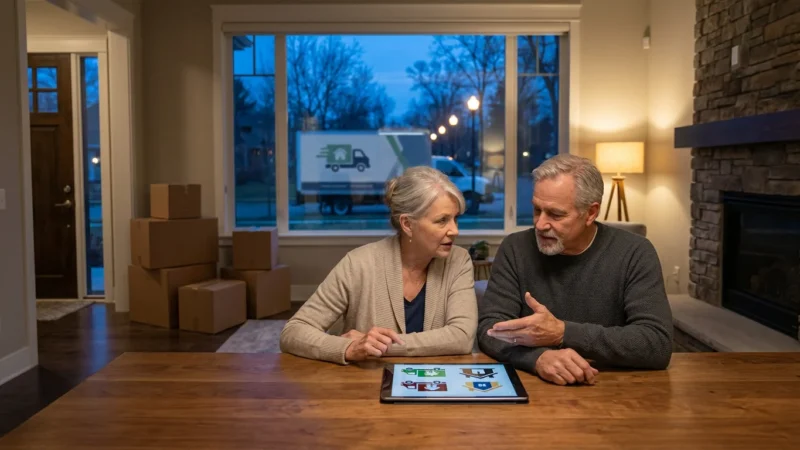
Once your home is staged and sold, the final piece of the puzzle is choosing the right moving company to ensure your belongings arrive safely at your new destination.
Review your home for any potential tripping hazards and address them. This includes securing loose rugs, ensuring clear pathways, and repairing uneven flooring. Make sure staircases have sturdy handrails and are well-lit.
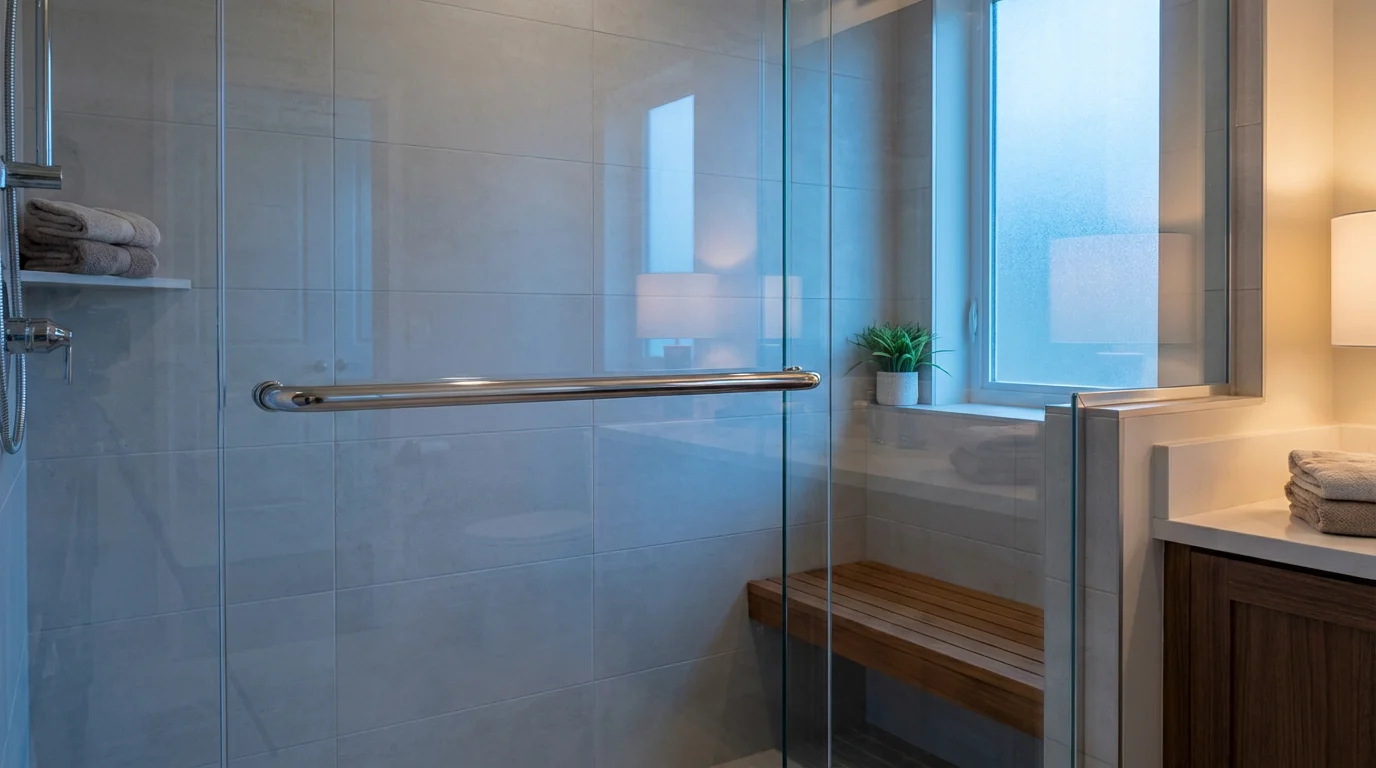
If your home already possesses features like grab bars in bathrooms, wider doorways, a walk-in shower, or a first-floor master suite, ensure these are clean and highlighted. These features resonate strongly with buyers planning for long-term living. For resources on aging in place and home modifications, the Eldercare Locator offers valuable information. Visit Eldercare Locator for more details on support services.
- Existing accessibility features to emphasize:
- Grab bars in bathrooms or near toilets.
- Lever-style door handles.
- Well-lit and easily navigable hallways.
- Walk-in shower or low-threshold tub.
- First-floor bedroom and full bathroom.
- Ramps or a low-step entry (if applicable).
- Non-slip mats in appropriate areas.
These considerations create a sense of security and ease for potential buyers, making your home more attractive. It demonstrates thoughtfulness and an understanding of diverse buyer needs.

Professional Photography and Marketing
After all your home staging efforts, professional photography becomes crucial. Most buyers begin their home search online, making high-quality photos the first and most important impression. Great photos draw buyers in and encourage them to schedule a showing.
Once your house is sold, you can apply your financial gains and use tips to negotiate lower housing costs on your next property.
Invest in a professional real estate photographer. They possess the equipment and expertise to capture your home in its best light, highlighting its features and spaciousness. Poor photos, even of a perfectly staged home, can deter potential buyers.
Consider adding a virtual tour or video walkthrough to your listing. These tools provide an immersive experience for buyers, allowing them to explore your home remotely. This can be particularly beneficial for out-of-state buyers or those with mobility challenges.
Ensure your real estate agent leverages these professional assets in all marketing materials, including online listings, brochures, and social media. The visual presentation of your home is just as important as its physical appearance. You can find general information on housing and buying a home through government resources. Explore housing resources from USA.gov for broader context.
Frequently Asked Questions
Is home staging really worth the effort and expense for seniors?
Absolutely. Home staging is a proven strategy to sell your home faster and often for a higher price. While it requires effort, it translates into tangible benefits, reducing market time and maximizing your return on investment. Many seniors find the process also jump-starts their own packing and downsizing.
What if I cannot physically do all the staging myself?
Many seniors face physical limitations, which is perfectly understandable. Do not hesitate to enlist help from family members, trusted friends, or professional services. You can hire professional organizers, cleaning services, or even a professional stager. Their expertise streamlines the process and ensures a high-quality outcome.
How much does home staging typically cost?
The cost varies widely depending on how much professional assistance you seek and whether you rent furniture. Full professional staging can range from a few hundred dollars for consultations to several thousands for furniture rental and complete setup. However, many of the steps outlined here, such as decluttering, cleaning, and minor repairs, involve minimal financial outlay but significant time investment.
Should I move out of my home before staging and selling?
Moving out before selling often facilitates the staging and showing process. An empty, professionally staged home offers flexibility for showings and allows for deeper cleaning and repairs without interruption. If you remain in the home, you must maintain its staged condition meticulously for every showing, which can be challenging.
How do I choose a real estate agent who understands senior selling?
Look for agents with experience working with seniors. Some agents hold specific designations, such as a Seniors Real Estate Specialist (SRES), indicating specialized training in the needs of buyers and sellers aged 50+. These agents understand the unique emotional, financial, and logistical aspects of senior selling.
What are the first steps to take when deciding to sell my home?
Start by consulting with a trusted real estate agent to understand your local market and get a realistic valuation. Simultaneously, begin the decluttering process, even if you just focus on one room at a time. This initial effort helps you feel more in control and prepares your home for the market.
Disclaimer: This article is for informational purposes only. Cost of living, taxes, and local conditions change over time. We encourage readers to verify current information through official sources and visit potential retirement destinations before making relocation decisions.
Leave a Reply