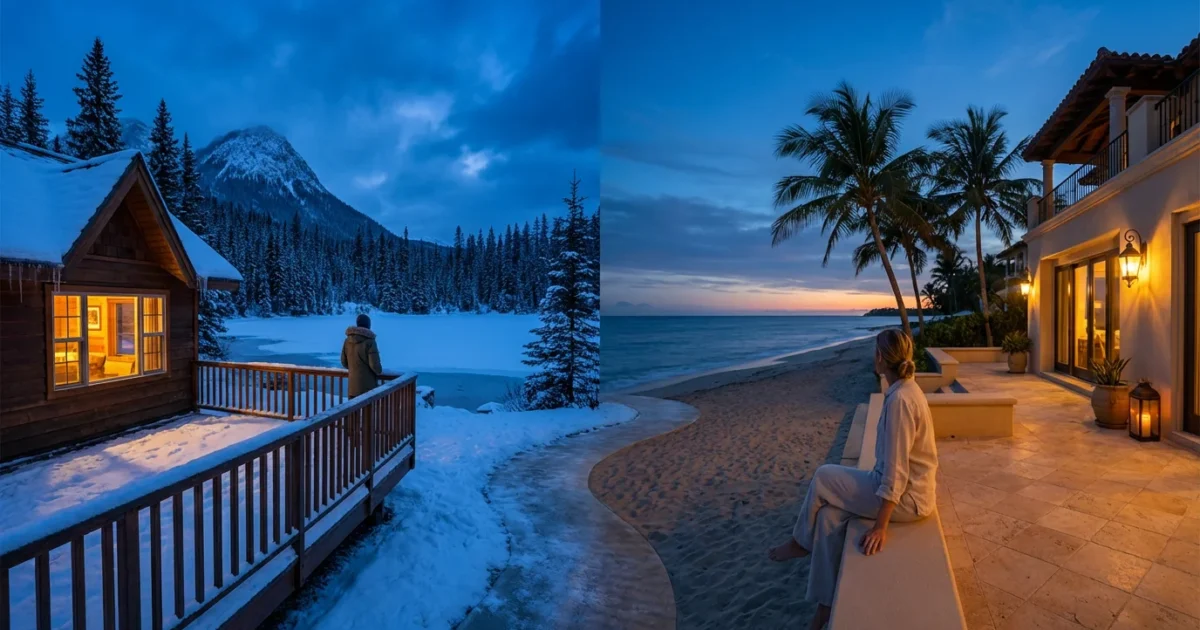
Deciding where to spend your retirement years involves a complex evaluation of many factors, and climate often stands as one of the most significant. Your daily comfort, health, recreational pursuits, and even your budget link directly to the weather patterns of your chosen location. Many Americans consider a move from a northern climate to a southern one, seeking a reprieve from harsh winters, while others prefer the distinct beauty and seasonal changes of the north. This article provides a comprehensive climate comparison, helping you determine which retirement climate is right for you, whether you prefer northern vs southern retirement.
Understanding the nuances of each region allows you to make an informed decision aligned with your personal preferences and lifestyle goals. We delve into specific weather patterns, examine their impact on health and daily living, and discuss the economic and social implications of choosing a northern climate or a southern climate for your golden years.
Table of Contents
- Understanding Northern Retirement Climates
- Exploring Southern Retirement Climates
- Key Factors Influencing Your Climate Choice
- Economic Impact: Cost of Living and Utilities
- Healthcare Access and Quality
- Community and Lifestyle
- Relocation Logistics and Planning
- Making Your Informed Decision
- Frequently Asked Questions

Understanding Northern Retirement Climates
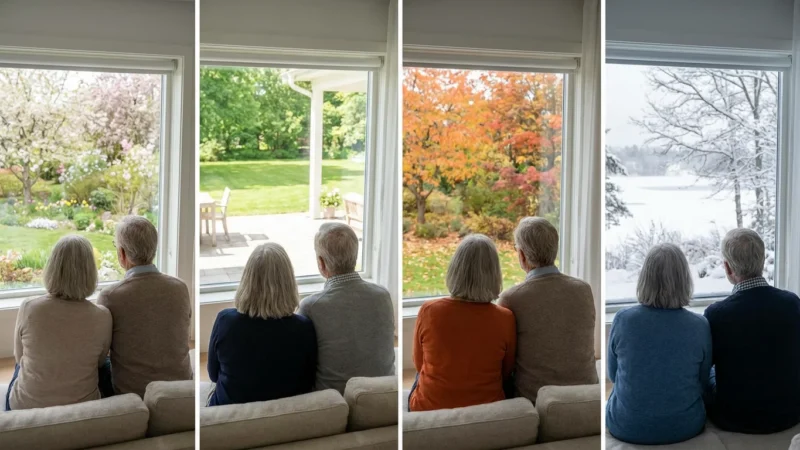
Northern retirement climates typically feature four distinct seasons. These regions experience cold, snowy winters, often requiring significant heating and snow removal efforts. Summers are generally warm and pleasant, but shorter than those in southern areas. Spring and fall offer beautiful transitional periods, characterized by blooming flowers and vibrant autumn foliage.
In regions with heavy snowfall, exploring retirement communities with indoor amenities can ensure you remain active even when the weather is at its worst.
Characteristics of Northern Climates
You can expect a considerable range of temperatures across the year in northern states. Winter temperatures frequently drop below freezing, sometimes reaching single digits or even negative figures. Snowfall varies greatly, from moderate amounts in states like Pennsylvania to heavy, persistent snow in regions of Michigan or Upstate New York. Summer highs typically reach the 70s or 80s Fahrenheit, with occasional heat waves.
Pros of Northern Retirement
- Distinct Seasons: Enjoy the beauty of changing leaves in autumn, fresh snowfall in winter, blooming springs, and warm summers. This variety appeals to many.
- Lower Humidity: Many northern areas experience lower humidity levels compared to the South, making summer heat feel more manageable for some.
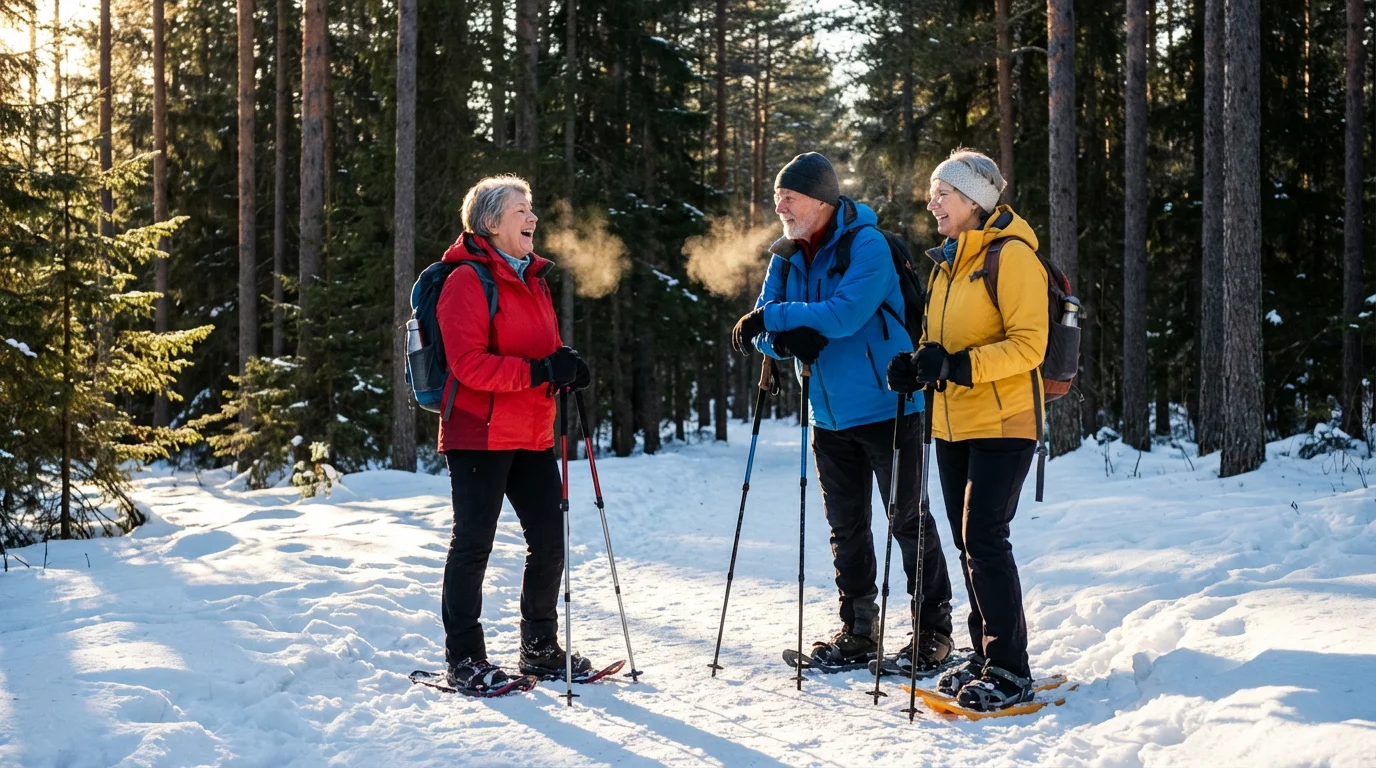
- Winter Sports: Access to skiing, snowboarding, ice skating, and snowshoeing offers unique recreational opportunities.
- Fewer Natural Disasters: While not immune, northern regions generally face fewer hurricanes or intense wildfires than some southern counterparts. They do experience blizzards and ice storms.
- Established Communities: Many northern towns and cities boast long histories, mature infrastructure, and strong community ties.
Cons of Northern Retirement
- Harsh Winters: Cold temperatures and heavy snow can restrict outdoor activities, make travel difficult, and require significant effort for snow removal.
- Higher Heating Costs: Long heating seasons lead to higher utility bills for maintaining comfortable indoor temperatures.
- Shorter Growing Seasons: Gardeners may find the growing season significantly shorter than in southern regions.
- Seasonal Affective Disorder (SAD): Reduced daylight hours and prolonged gray weather during winter can impact mood for some individuals.
- Icy Conditions: The risk of slips and falls on ice increases during winter, posing a concern for older adults.
Consider specific northern locations like parts of the Pacific Northwest, the Upper Midwest, or New England. Each offers unique microclimates and cultural experiences, influencing your daily life significantly.
“Home is not where you are from, it is where you belong.”
Exploring Southern Retirement Climates
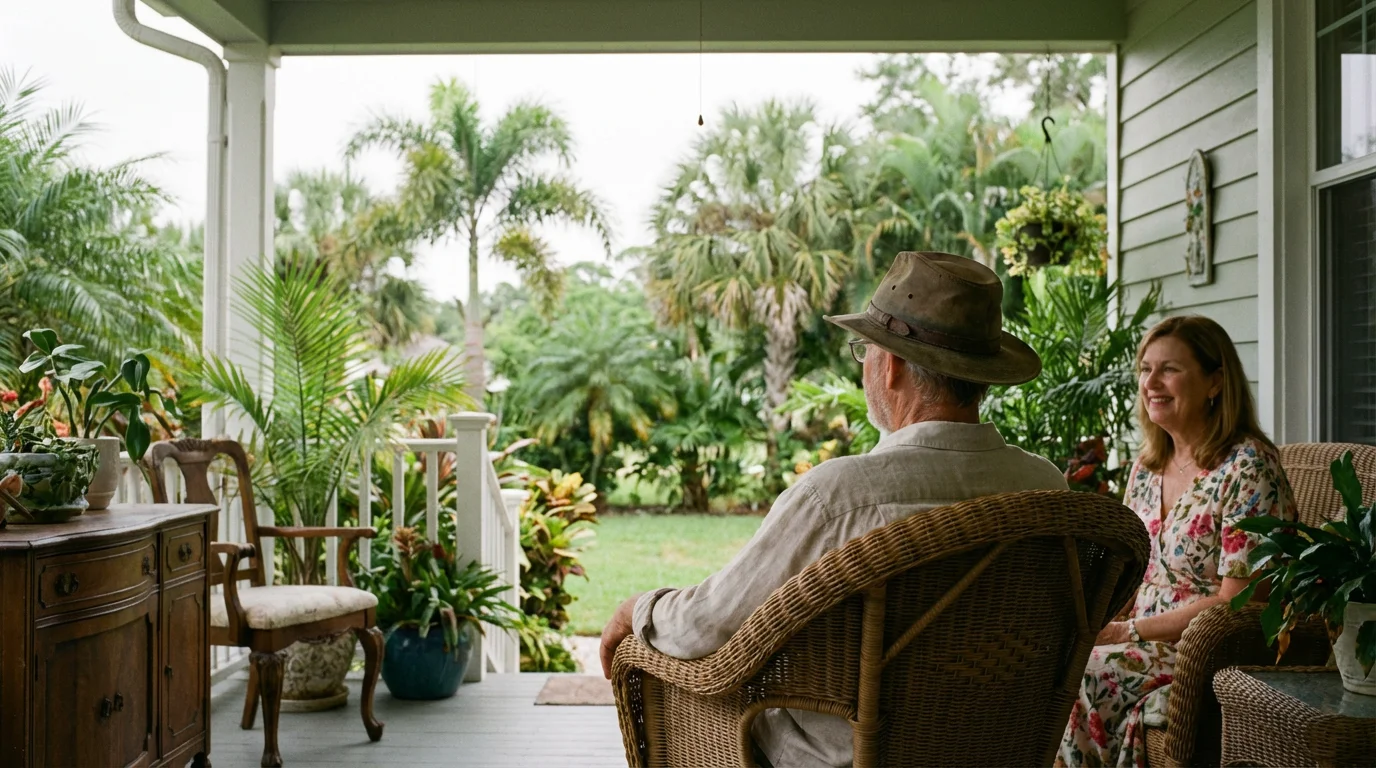
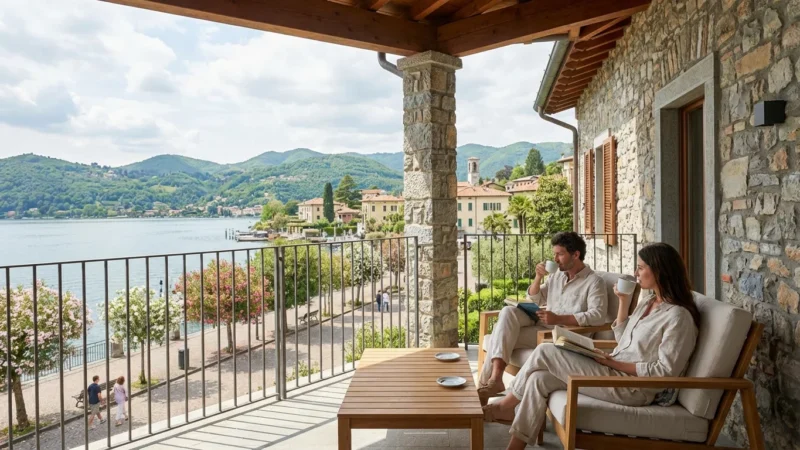
Southern retirement climates attract those seeking warmth and abundant sunshine. These regions typically feature mild to warm winters, extended hot summers, and less distinct seasonal transitions than their northern counterparts. Many states in the South, Southwest, and Southeast fall into this category, offering a range of coastal, desert, and humid subtropical environments.
Characteristics of Southern Climates
Winters in southern states often remain mild, with many areas rarely seeing freezing temperatures or snow. Summers are long, hot, and frequently humid, especially in the Southeast. Average summer highs often sit in the 90s Fahrenheit, while winter lows might only dip into the 40s or 50s. Desert climates, like those in Arizona, feature intense dry heat during the day and cooler nights.
Pros of Southern Retirement
- Mild Winters: Enjoy year-round outdoor activities, including golf, tennis, and walking, without the need for heavy winter clothing.
- Abundant Sunshine: Higher sun exposure can boost mood and provide essential Vitamin D for many individuals.
- Lower Heating Costs: Minimal cold weather means significantly reduced heating expenses throughout the year.
- Extended Growing Seasons: Gardeners can cultivate a wider variety of plants and enjoy longer periods of growth.
- Coastal and Desert Lifestyles: Access to beaches, warm ocean waters, or unique desert landscapes offers diverse recreational opportunities.
Cons of Southern Retirement
- Intense Summer Heat and Humidity: Prolonged periods of high temperatures and humidity can be uncomfortable, lead to higher cooling costs, and pose health risks.
- Natural Disaster Risks: Many southern coastal areas face hurricane risks, while interior southern states contend with tornadoes. Western southern states face wildfire and drought concerns.
- Pest Control: Warmer climates often mean more prevalent insects and pests, requiring ongoing management.
- Allergies: Extended growing seasons can contribute to longer and more intense allergy seasons for some individuals.
- Seasonal Crowding: Popular southern destinations often experience increased population and traffic during winter months as “snowbirds” arrive.
Popular southern choices include Florida, Arizona, Texas, and the Carolinas. Each region offers distinct weather patterns, from humid subtropical to arid desert, influencing daily life and activity options.

Key Factors Influencing Your Climate Choice
Your ideal retirement climate hinges on personal priorities. You must evaluate various aspects of your life and preferences to make an informed decision. This goes beyond simply preferring sun or snow, encompassing health, lifestyle, and social connections.
Health Considerations
Climate can significantly impact health conditions. Individuals with arthritis often report reduced pain in warmer, drier climates. Conversely, those with respiratory issues might find high humidity challenging. Research suggests sunlight exposure in southern climates can alleviate symptoms of Seasonal Affective Disorder (SAD). You should consult your doctor about how a move might affect your specific health needs.
Lifestyle and Activities
Your preferred retirement activities play a major role. Do you envision skiing and cozy evenings by a fireplace, or year-round golf, beach walks, and gardening? Northern climates support winter sports and distinct seasonal festivals. Southern climates facilitate continuous outdoor recreation like hiking, boating, and swimming. Match your lifestyle aspirations with the climate that best supports them.
Family Proximity
The distance from family often weighs heavily on relocation decisions. Moving to a different climate might mean being further from children and grandchildren. You must balance your climate preference with the desire for regular family interactions. Some retirees opt for a climate they love, planning for family visits, while others choose to stay closer, even if it means enduring less-than-ideal weather.
Natural Disaster Preparedness
All regions face some form of natural disaster. Northern areas experience blizzards, ice storms, and flooding. Southern regions contend with hurricanes, tornadoes, and wildfires. You must assess the risks in potential locations, understand insurance implications, and prepare for emergency scenarios. Resources from the National Weather Service provide valuable insights into regional weather risks.

Economic Impact: Cost of Living and Utilities
The financial implications of your chosen retirement climate extend beyond housing costs. Utility bills, property maintenance, and state tax policies vary significantly between northern and southern states, directly impacting your budget.
Heating Versus Cooling Costs
Your utility expenses will shift dramatically depending on your climate choice. Northern residents face higher heating costs during extended winters, often utilizing natural gas or electricity for warmth. Southern residents, conversely, spend more on air conditioning during long, hot, and humid summers. Research average utility bills for specific areas to gain a clear picture of expected expenses. The Bureau of Labor Statistics provides regional consumer expenditure data.
Property Maintenance
Property maintenance also differs. Northern homes require snow removal services or equipment, winterizing efforts, and potentially more robust insulation. Southern homes often demand more frequent lawn care and landscaping due to longer growing seasons, as well as regular pest control. Hurricane-prone areas in the South may also require stronger building codes and higher home insurance premiums.
State Tax Friendliness
State tax policies greatly influence your overall retirement income. Some states are considered more “tax-friendly” for retirees. This means they might not tax Social Security benefits, have no state income tax, or offer property tax relief for seniors. These policies exist in both northern and southern states. For example, Florida (southern) has no state income tax, while New Hampshire (northern) has no state income or sales tax. You can find detailed comparisons from the Tax Foundation.
| Factor | Northern Climate (Example: Michigan) | Southern Climate (Example: Florida) |
|---|---|---|
| Average Winter Temp (Jan) | 20-30°F (-6 to -1°C) | 60-70°F (15-21°C) |
| Average Summer Temp (Jul) | 70-80°F (21-27°C) | 80-90°F (27-32°C) |
| Primary Utility Cost Driver | Heating (Natural Gas, Electricity) | Cooling (Electricity) |
| Snowfall | High (e.g., 50-80 inches annually) | Very Low (rare) |
| Humidity | Moderate | High |
| State Income Tax | Yes | No |
| Tax on Social Security | No | No |
| Tax on Retirement Income | Yes (some exemptions) | No |
This table illustrates general differences. Always research specific state and local tax laws for precise information.
Healthcare Access and Quality
Access to quality healthcare becomes increasingly vital in retirement. You should thoroughly investigate the healthcare infrastructure in any potential retirement destination, regardless of its climate. This involves looking at hospital ratings, the availability of specialists, and proximity to major medical centers.
Additionally, managing healthcare transfers when relocating ensures you have continuity of care in your new northern or southern home.
When planning your move, comparing healthcare costs in retirement state-by-state is essential for your long-term financial health.
Availability of Services
Consider your specific health needs. If you require specialized care, research the presence of relevant specialists in your target area. Urban centers in both northern and southern states generally offer comprehensive medical services. Rural areas, regardless of climate, might have more limited options. Medicare.gov provides tools to compare providers and plans by location.
Hospital Rankings and Accreditations
Check the rankings and accreditations of local hospitals. Organizations like U.S. News & World Report often publish hospital rankings, which can offer insight into the quality of care. Proximity to teaching hospitals or university medical centers often indicates access to cutting-edge treatments and research.
Impact of Climate on Health Needs
As mentioned, climate can influence certain conditions. Warmer, drier climates might ease arthritis symptoms, while extreme heat or humidity can exacerbate heart or respiratory issues. Ensure the climate supports your health, and that adequate medical support for any climate-related conditions is readily available. The Eldercare Locator can help you find services in local communities.
Community and Lifestyle
Your choice of retirement climate directly shapes your daily community engagement and lifestyle. Consider how the local environment, social opportunities, and pace of life align with your personal vision for retirement.
Many people find that exploring 55+ communities helps them find the perfect social fit regardless of the climate.
Outdoor Recreation
A northern climate offers unique outdoor activities such as skiing, snowboarding, ice fishing, and snowshoeing during winter, alongside hiking, cycling, and water sports in warmer months. Southern climates, in contrast, often enable year-round golf, tennis, swimming, and beach activities. Consider which set of activities you will most enjoy and consistently pursue.
Social Opportunities and Community Engagement
Both northern and southern regions host vibrant 55+ communities and developments. These communities offer structured activities, social clubs, and amenities like clubhouses, fitness centers, and pools. Beyond dedicated retirement communities, consider the general social fabric. Do you prefer a quiet, tight-knit small town or the diverse cultural offerings of a large city? The U.S. Census Bureau provides demographic data for communities.
Pace of Life and Cultural Offerings
The pace of life often differs between regions. Many southern areas, particularly smaller towns, are perceived to have a slower, more relaxed pace. Northern cities, while offering four seasons, frequently boast a faster pace and a wider array of cultural institutions, theaters, museums, and diverse dining options. Weigh what kind of daily rhythm and cultural access will make you happiest.

Relocation Logistics and Planning
Relocating for retirement, especially across different climates, involves significant planning. You must approach the process systematically to ensure a smooth transition. Consider trial visits, financial planning, and the physical aspects of moving.
Don’t forget the importance of creating a budget for your retirement relocation to manage the costs of moving between regions.
Trial Visits and Exploration
Before committing to a major move, conduct extended trial visits. Spend time in your prospective northern or southern location during different seasons. Experience a full summer and winter, if possible. This allows you to gauge daily life, local amenities, traffic patterns, and community feel beyond a vacation perspective. Renting for a few months provides invaluable insight.
Financial and Estate Planning
Review your financial plan to accommodate new living expenses, utility costs, and tax structures. Update your estate plan to reflect any new state laws or your changed residency. Consult with a financial advisor and an estate planning attorney licensed in your target state to ensure compliance and optimization. USA.gov provides resources for senior planning.
Practical Relocation Steps
A structured approach helps manage the moving process. You can break down the relocation into manageable tasks.
- Research and Visit: Thoroughly research potential locations and conduct extended visits during different seasons.
- Budgeting and Financial Review: Create a detailed budget for your new location, considering housing, utilities, taxes, and lifestyle costs.
- Healthcare Transition: Research new doctors, specialists, and hospital systems. Plan for transferring medical records and prescriptions.
- Housing Decisions: Decide whether to buy or rent. Consider the type of housing that suits your needs, such as a 55+ community or a single-family home.
- Downsizing and Packing: Begin decluttering and downsizing possessions early. Hire a reputable moving company or arrange for self-moving logistics.
- Notify Key Institutions: Inform banks, insurance providers, the post office, and other relevant parties of your address change.
- Update Legal Documents: Update your driver’s license, vehicle registration, and voter registration in your new state. Review your will and power of attorney for state-specific requirements.
- Connect with Your New Community: Join local clubs, volunteer groups, or senior centers to build a new social network.
Making Your Informed Decision
The choice between a northern climate and a southern climate for retirement is deeply personal. There is no universally “best” option, only the best fit for your unique circumstances and desires. You must weigh the various factors discussed, considering their importance in your daily life.
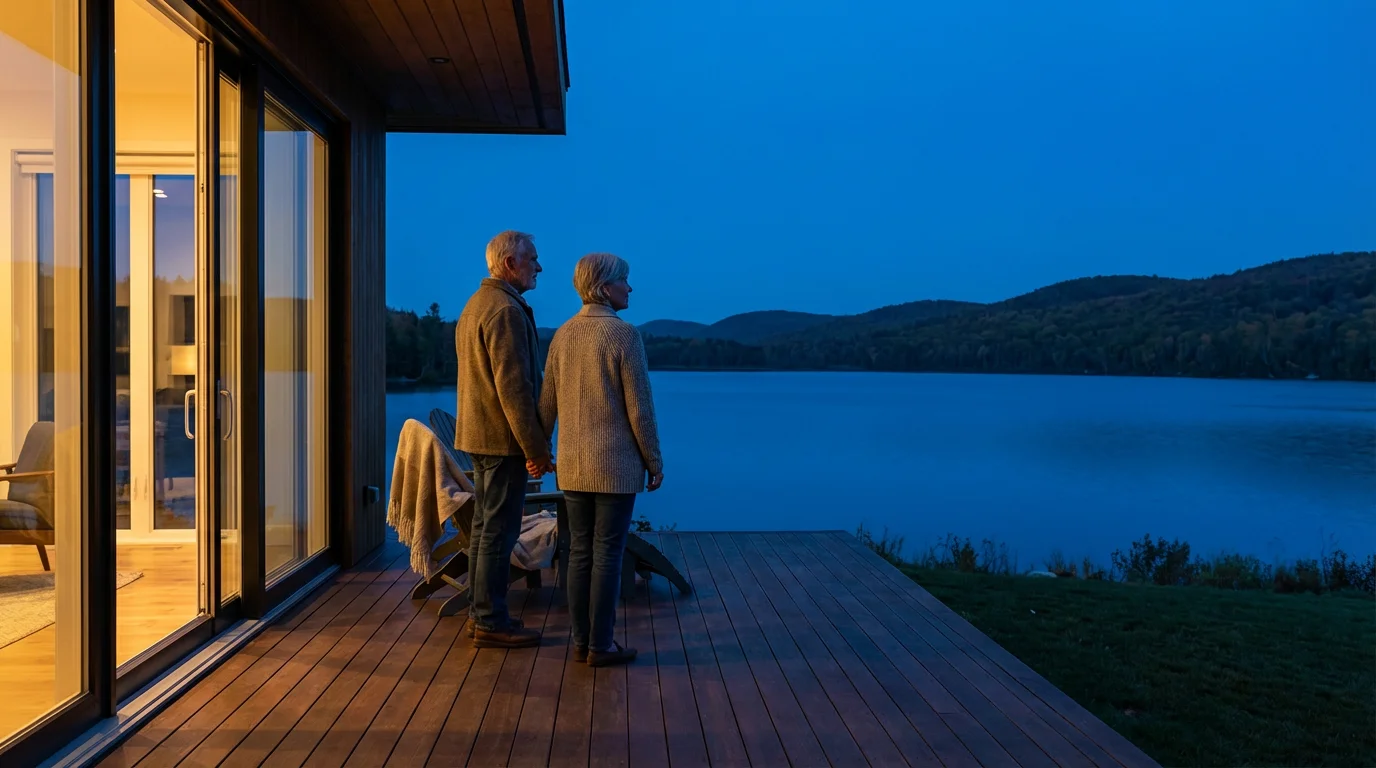
Reflect on your health, hobbies, financial situation, and proximity to loved ones. Prioritize what truly matters to you. Perhaps you thrive on the energy of seasonal changes and winter sports, or you might find immense joy in year-round warmth and sunshine. Your ideal retirement should enhance your well-being and provide opportunities for the lifestyle you envision.
Take the time to thoroughly research and visit potential destinations. Speak with residents, experience the local culture, and test how you feel in the climate. Your retirement location represents a significant decision, and a thoughtful approach ensures you create a fulfilling and comfortable environment for your golden years.
Frequently Asked Questions
Which retirement climate is right for me if I have specific health conditions?
Your health conditions significantly influence your ideal retirement climate. Those with arthritis often find relief in warmer, drier southern climates like Arizona, where low humidity can reduce joint pain. Conversely, individuals experiencing Seasonal Affective Disorder (SAD) might benefit from sunnier southern regions with more consistent daylight hours. Consult your doctor to understand how different climates might affect your specific health needs before making a decision.
How do utility costs differ between northern and southern retirement locations?
Utility costs show a clear divergence between northern and southern climates. Northern regions typically incur higher heating expenses during long, cold winters. Conversely, southern areas face substantial cooling costs during extended, hot summers. For example, a home in Minnesota might spend hundreds more on heating during winter months, while a similar home in Florida could see high electricity bills for air conditioning from May through September. You should research average utility costs for specific locations you consider.
Are natural disaster risks higher in one climate over the other?
Both northern and southern climates present different natural disaster risks. Northern states contend with blizzards, ice storms, and significant snowfall, which can lead to power outages and difficult travel conditions. Southern states, particularly coastal ones, face hurricanes, tropical storms, and associated flooding. Interior western states, whether northern or southern, experience wildfire risks. You must assess the specific risks for any potential location and plan for insurance and emergency preparedness.
Can I still enjoy outdoor activities in a northern climate during winter?
Absolutely. Northern climates offer unique outdoor recreational opportunities during winter months. You can engage in activities such as skiing, snowboarding, ice fishing, snowshoeing, and cross-country skiing. Many communities maintain trails for winter sports and offer robust indoor recreational facilities. If you embrace the cold, northern winters provide a distinct and active lifestyle, rather than limiting outdoor engagement.
How important is family proximity when considering a climate move?
Family proximity often ranks as a top consideration for retirees. Moving to a different climate might take you further from children and grandchildren, which impacts your social support network and opportunities for regular visits. Some retirees prioritize a desirable climate and plan for family visits, while others choose to remain closer to family, even if it means compromising on their preferred weather. You should weigh the emotional benefits of proximity against your climate preferences and lifestyle goals.
Disclaimer: This article is for informational purposes only. Cost of living, taxes, and local conditions change over time. We encourage readers to verify current information through official sources and visit potential retirement destinations before making relocation decisions.






Leave a Reply