
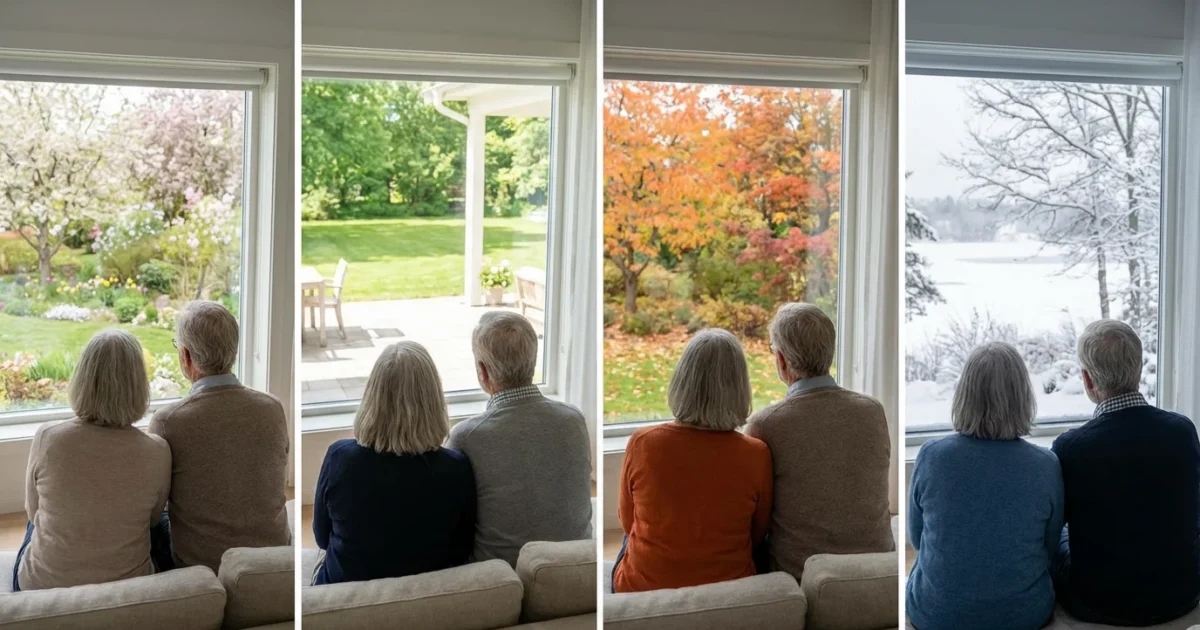
For many Americans envisioning retirement, the ideal destination offers more than just sunny days. You might dream of experiences that shift with the calendar, providing fresh perspectives and opportunities throughout the year. Embracing a four seasons climate means experiencing the distinct beauty and activities of spring, summer, autumn, and winter, enriching your daily life with varied natural splendor.
Finding the best states for active retirement often involves weighing personal hobby preferences against local weather patterns.
When planning your move, it is helpful to compare northern and southern climates to understand how seasonal shifts affect daily life.
This comprehensive guide helps you explore what a retirement with distinct seasons entails, examining the benefits, challenges, and specific regions across the U.S. that embody this vibrant lifestyle. You will discover practical insights and actionable advice to help you decide if a four seasons retirement aligns with your vision.
Table of Contents
- Understanding the Appeal of Seasonal Activities
- Key Considerations for Your Four Seasons Retirement
- Which States Offer Four Distinct Seasons?
- Northeast: Classic Four Seasons Retirement
- Midwest: Balanced Seasonal Living
- Mountain West: High-Altitude Seasonal Beauty
- Pacific Northwest: Temperate Seasonal Options
- Navigating Relocation for a Seasonal Climate
- Finding Your Perfect Seasonal Haven
- Frequently Asked Questions

Understanding the Appeal of Seasonal Activities
Retiring in a location with four seasons offers a dynamic lifestyle, providing a natural rhythm to your year. Each season presents unique outdoor seasonal activities and sensory experiences. This constant change can contribute significantly to mental and physical well-being.
To stay active during the winter, many look for retirement communities with indoor amenities that allow for exercise and socializing regardless of the temperature.
Spring bursts with blooming flowers and longer daylight hours, inviting gardening, leisurely walks, and community festivals. Summer brings warmth and sunshine, ideal for outdoor dining, water sports, and exploring local parks. Autumn transforms landscapes with vibrant changing leaves, perfect for scenic drives, hiking, and apple picking. Winter, while colder, offers opportunities for cozy indoor pursuits, snow sports, and holiday celebrations.
This variety helps many retirees avoid monotony, keeping them engaged with their environment and community. The anticipation of seasonal shifts adds an element of excitement and novelty to retirement living, fostering a deeper connection to nature and local traditions.
Key Considerations for Your Four Seasons Retirement
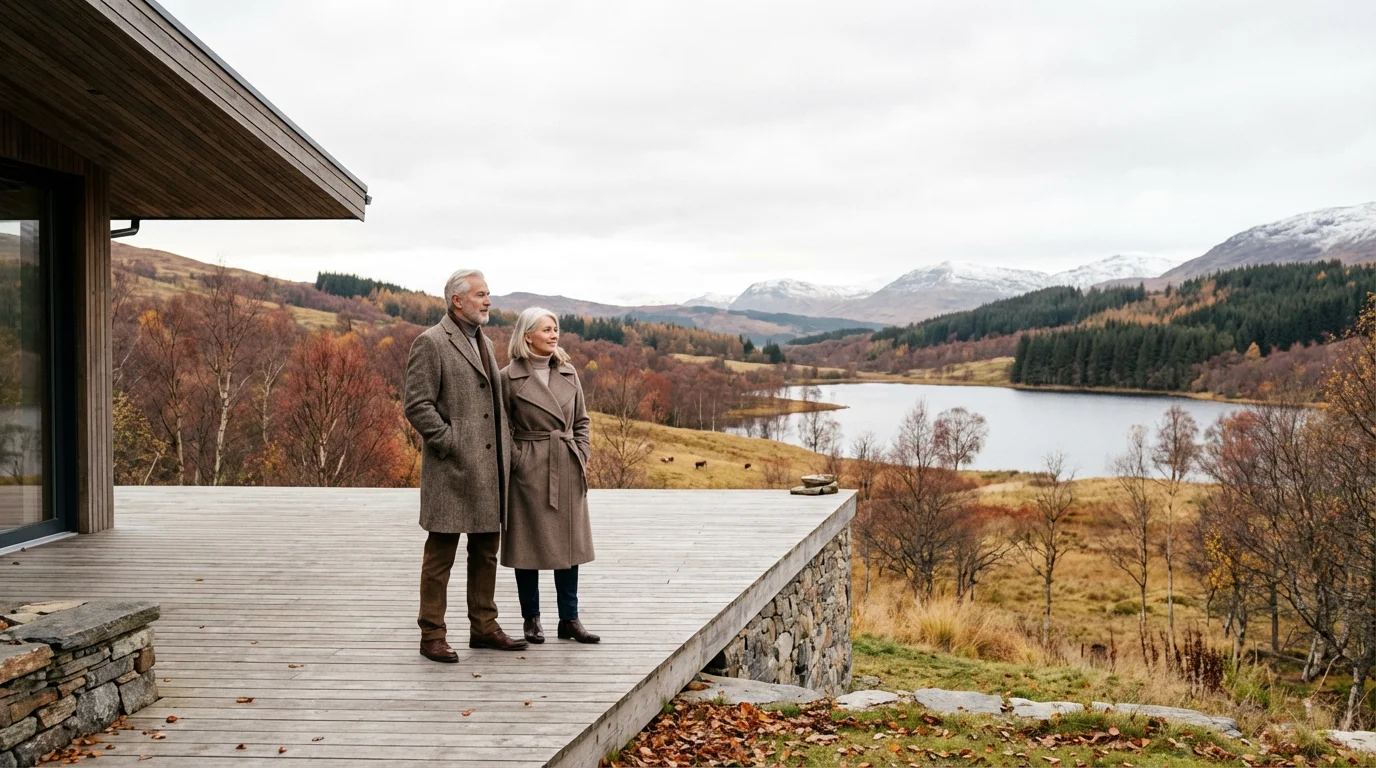
Choosing a location with distinct seasons involves balancing the allure of seasonal beauty with practical living considerations. Your decision should account for more than just scenic views, covering aspects like climate, cost, and access to essential services. Evaluate how each factor aligns with your personal preferences and needs.
Climate Variability and Weather Patterns
Understanding the specific weather patterns of your chosen region is paramount. Some areas experience mild transitions, while others have extreme temperature swings and heavy snowfall or intense summer humidity. Research average temperatures, precipitation levels, and historical weather events to avoid surprises. The National Weather Service provides detailed historical data for many locations.
Cost of Living
The overall cost of living significantly impacts your retirement budget. Areas with four distinct seasons often include popular tourist destinations, which can drive up housing costs. Factor in property taxes, utility expenses for heating and cooling, and everyday costs for groceries and transportation. The Bureau of Labor Statistics offers regional cost of living insights.
Healthcare Access
Ensuring access to quality healthcare becomes increasingly important as you age. Research local hospitals, specialist availability, and proximity to your preferred medical facilities. Consider how winter weather conditions might affect your ability to travel for appointments. Medicare.gov provides tools to compare healthcare providers and plans by location.
Tax-Friendly States
State and local taxes can greatly affect your retirement income. Some states offer significant tax benefits for retirees, such as no state income tax on Social Security benefits or pensions. However, these states might have higher property or sales taxes. Consult resources like the Tax Foundation to compare tax policies across different states when considering where to retire with distinct seasons.
Proximity to Family and Social Connections
Your social support network plays a vital role in retirement happiness. Consider how far your chosen location is from family and friends, and how easy it is for them to visit. Evaluate the availability of social clubs, volunteer opportunities, and community events that align with your interests. A vibrant social life enhances the quality of your seasonal experiences.
“The best time to plant a tree was 20 years ago. The second best time is now.”

Which States Offer Four Distinct Seasons?
Many parts of the United States truly offer a four seasons experience, defined by noticeable shifts in temperature, foliage, and precipitation. These regions span various geographies, from coastal areas to mountain ranges, each providing its unique seasonal character. You find distinct seasonal changes in the Northeast, much of the Midwest, and parts of the Mountain West.
Generally, states located in the mid-latitudes and away from extreme coastal moderating effects tend to exhibit the most pronounced seasonal variations. Latitude influences the angle of the sun, causing temperature fluctuations throughout the year. Inland locations also experience wider temperature ranges between summer and winter compared to coastal areas, which often have milder climates.
When asking which states have four distinct seasons, consider a broad swath of the country. This includes the New England states, the Great Lakes region, and even elevated areas in the Rocky Mountains. Each area offers a unique flavor of seasonal living, requiring careful research into specific local climates and microclimates.
Northeast: Classic Four Seasons Retirement
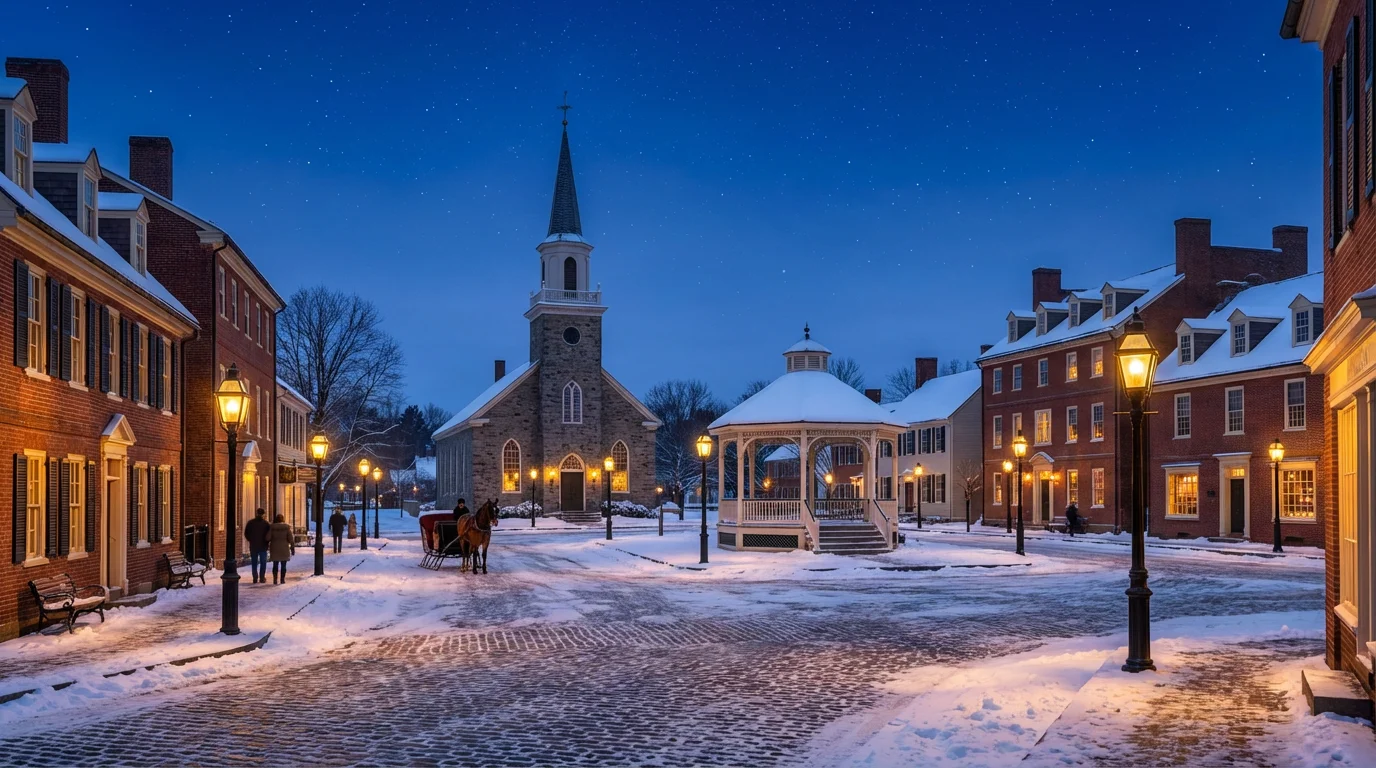
The Northeast is arguably the quintessential region for experiencing all four seasons in their full glory. States like Vermont, New Hampshire, Maine, Massachusetts, and parts of New York and Pennsylvania offer picturesque seasonal transitions. This area is renowned for its vibrant autumn foliage, a major draw for many retirees seeking changing leaves.
If you love the Atlantic, you might also consider coastal retirement options that offer distinct seasons by the sea.
Pros of Retiring in the Northeast:
- Stunning Natural Beauty: Iconic fall foliage, scenic coastlines, and pristine forests.
- Rich History and Culture: Abundance of historical sites, museums, and cultural institutions.
- Seasonal Activities: Skiing and snowshoeing in winter, hiking and boating in summer, fall festivals.
- Strong Healthcare Infrastructure: Access to world-class medical facilities and research hospitals.
Cons of Retiring in the Northeast:
- Higher Cost of Living: Many areas, particularly coastal and urban centers, have high housing and property costs.
- Harsh Winters: Significant snowfall and extended periods of cold weather can challenge some retirees.
- Higher Tax Burdens: Some states have high income and property taxes, impacting retirement budgets.
Example Location: Lancaster, Pennsylvania
Lancaster offers a blend of historical charm, agricultural beauty, and a distinct four-season climate. It provides a more affordable alternative to coastal New England while retaining many seasonal benefits. The area boasts excellent healthcare, a vibrant arts scene, and proximity to major East Coast cities.
The rolling farmlands provide a beautiful backdrop for spring blooms and autumn colors. Winters bring snow, offering a cozy atmosphere, while summers are warm and green. Its central location makes it a good base for exploring the Mid-Atlantic region. Many retirees find its slower pace attractive, combined with ample amenities.

Midwest: Balanced Seasonal Living
The Midwest provides a robust four-season experience with a reputation for affordability and strong community ties. States such as Michigan, Wisconsin, Minnesota, Ohio, and Illinois exhibit clear transitions between warm summers and snowy winters, with vibrant springs and autumns. This region often appeals to those seeking a more balanced cost of living without sacrificing seasonal dynamics.
Pros of Retiring in the Midwest:
- Affordable Cost of Living: Generally lower housing costs compared to coastal regions.
- Strong Sense of Community: Friendly towns and cities, often with active senior centers and volunteer opportunities.
- Diverse Seasonal Activities: Great Lakes recreation, winter sports, vast park systems for hiking and biking.
- Access to Major Universities: Many cities host large universities, offering cultural events and lifelong learning programs.
Cons of Retiring in the Midwest:
- Severe Winters: Can involve heavy snowfall, ice, and prolonged cold temperatures.
- Humid Summers: Summers in some areas can be hot and humid, impacting outdoor comfort.
- Limited Mountainous Terrain: Lacks the dramatic mountain landscapes found in other regions.
Example Location: Ann Arbor, Michigan
Ann Arbor, home to the University of Michigan, presents a lively retirement option with distinct seasons. Its vibrant downtown, extensive park system, and rich cultural scene thrive throughout the year. Retirees benefit from top-tier healthcare facilities and a highly educated community.
Spring brings blooming trees and river activities, while summers offer outdoor concerts and farmers markets. Autumn transforms the landscape with brilliant fall colors, attracting visitors for leaf-peeping. Winters are cold and snowy, providing opportunities for cross-country skiing and enjoying local cafes. The city blends intellectual stimulation with small-town charm.

Mountain West: High-Altitude Seasonal Beauty
The Mountain West, encompassing states like Colorado, Utah, and parts of Montana, offers a unique four-season experience characterized by stunning high-altitude landscapes. Here, seasons are often defined by elevation, with distinct changes visible from valley floors to mountain peaks. Retirees seeking dramatic scenery and abundant outdoor recreation find this region appealing.
Some retirees find that the best small towns for retirement in this region provide the perfect balance of adventure and community.
Pros of Retiring in the Mountain West:
- Spectacular Scenery: Majestic mountains, national parks, and vast wilderness areas.
- Abundant Outdoor Recreation: Skiing, hiking, mountain biking, fishing, and rock climbing.
- Dry Climate: Many areas feature low humidity, making temperature extremes feel more tolerable.
- Active Lifestyle: A strong culture of health and outdoor engagement among residents.
Cons of Retiring in the Mountain West:
- Higher Elevation Challenges: Some retirees might experience altitude sickness or find physical activity more challenging.
- Intense Sun: High altitude means stronger UV radiation, requiring greater sun protection.
- Potentially Higher Costs: Popular mountain towns and cities can have elevated housing and living expenses.
Example Location: Boulder, Colorado
Boulder sits at the foothills of the Rocky Mountains, offering immediate access to a wealth of outdoor activities. It boasts a mild, dry four-season climate, though winters bring snow and summers are warm. The city has a strong focus on health, wellness, and environmental sustainability, appealing to active retirees.
Boulder offers excellent healthcare services, a vibrant downtown, and a strong sense of community. Its extensive trail system allows for year-round hiking and biking. The changing seasons paint the Flatirons with incredible colors, from spring greens to autumn golds and winter whites. The proximity to Denver provides additional urban amenities.
| City | Average January Low (°F) | Average July High (°F) | Annual Snowfall (Inches) | Cost of Living Index (National Avg=100) |
|---|---|---|---|---|
| Burlington, VT | 10 | 81 | 80 | 109.9 |
| Lancaster, PA | 22 | 86 | 27 | 95.5 |
| Ann Arbor, MI | 19 | 82 | 55 | 105.9 |
| Boulder, CO | 22 | 88 | 89 | 147.2 |
Source: National Weather Service, U.S. Census Bureau (for cost of living estimates)

Pacific Northwest: Temperate Seasonal Options
While often known for its mild, rainy winters, the Pacific Northwest, particularly inland areas or regions east of the Cascades, also experiences distinct seasonal shifts. Coastal areas tend to have more temperate weather year-round, but places like Spokane, Washington, or parts of Oregon’s Willamette Valley enjoy clear four seasons, including warm, dry summers, crisp autumns, and snowy winters. This region offers a unique blend of coastal proximity and seasonal variety.
Pros of Retiring in the Pacific Northwest:
- Mild Temperatures: Coastal areas offer mild temperatures, while inland areas provide more seasonal variation.
- Abundant Natural Beauty: Lush forests, mountains, rivers, and rugged coastlines.
- Emphasis on Outdoor Recreation: Hiking, kayaking, skiing, and exploring national parks.
- Growing Economy and Innovation: Access to modern amenities and cultural opportunities in urban centers.
Cons of Retiring in the Pacific Northwest:
- Frequent Rainfall: Western parts of the region experience significant rainfall, especially in winter.
- Higher Cost of Living: Major cities like Seattle and Portland have high housing costs.
- Seismic Activity: The region is prone to earthquakes, a consideration for some residents.
Example Location: Spokane, Washington
Spokane, situated in Eastern Washington, offers a drier climate and more distinct seasonal changes than its western counterparts. You experience warm, sunny summers, vibrant autumns, snowy winters, and pleasant springs. The city provides a more affordable cost of living compared to Seattle, with good healthcare access and a growing urban core.
The surrounding natural beauty includes rivers, lakes, and nearby mountains, offering extensive seasonal activities. Spokane provides a balance of urban amenities and natural escapes, making it an attractive option for retirees seeking a true four-season experience without the consistent rain of the coast.

Navigating Relocation for a Seasonal Climate
Relocating to a new area, especially one with a different climate, requires thoughtful planning. You need to consider logistical aspects and also personal adjustments to fully embrace your new seasonal environment. A well-executed move minimizes stress and allows you to settle into your new home efficiently.
Key Relocation Considerations:
- Trial Visits: Spend time in your prospective location during different seasons to experience the full range of weather and activities.
- Housing Adaptation: Research homes equipped for all seasons, considering insulation, heating, and air conditioning needs.
- Vehicle Preparedness: If snow is a factor, consider a suitable vehicle, tires, or local transportation options.
- Community Resources: Identify local services for snow removal, yard maintenance, or other seasonal tasks.
- Financial Planning: Adjust your budget for seasonal utility spikes and potential changes in property taxes.
Steps for a Smooth Relocation:
- Research thoroughly: Gather detailed information on climate, cost of living, healthcare, and taxes for specific towns.
- Declutter and organize: Begin sorting possessions months in advance, deciding what to keep, sell, or donate.
- Hire reputable movers: Obtain multiple quotes and check references for movers experienced in long-distance relocation.
- Update important documents: Change your address for mail, banking, and insurance policies.
- Establish healthcare connections: Transfer medical records and find new doctors before your move.
- Connect with the community: Join local groups or clubs to build a social network in your new home.
- Explore locally: Take time to discover your new surroundings, local amenities, and seasonal attractions.
Finding Your Perfect Seasonal Haven
Your ideal where to retire with distinct seasons ultimately depends on your individual preferences and priorities. No single location suits everyone, and what feels like perfect seasonal change for one person might be too extreme for another. Consider what aspects of each season you value most.
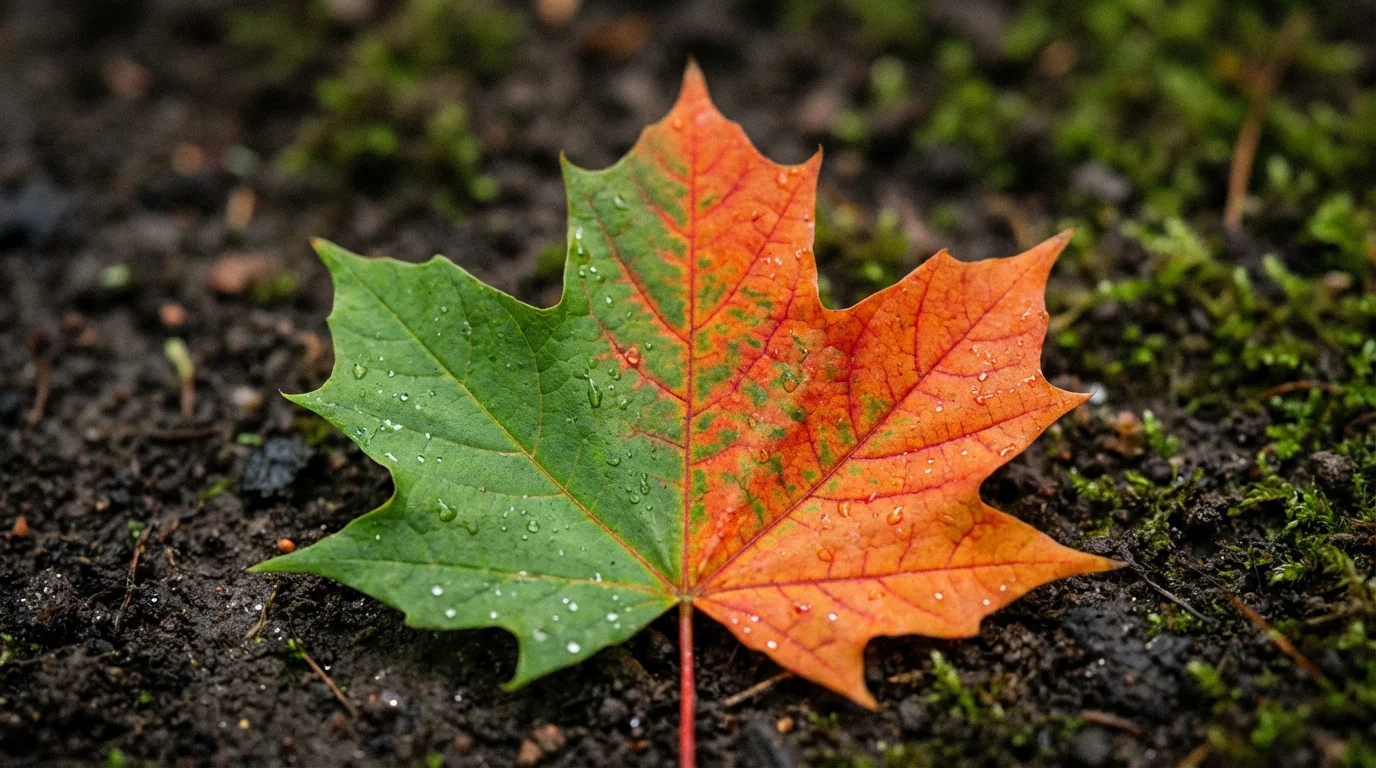
Do you love snowy winters for skiing, or do you prefer a milder winter with occasional frost? Are you drawn to the intense greens of spring and summer, or the vibrant hues of autumn? Your answers guide you toward regions and specific towns that best match your seasonal dreams. Always prioritize personal comfort and access to essential services.
We encourage you to visit potential retirement destinations multiple times, perhaps once in each season, to gain a true sense of daily life there. Renting for a few months can offer a more immersive experience than a short vacation. Engage with local residents, explore community resources, and evaluate the practicalities of living there year-round. This proactive approach ensures your four-seasons retirement becomes a source of joy and fulfillment.
Frequently Asked Questions
What exactly defines “four distinct seasons” in a retirement location?
Four distinct seasons typically mean noticeable and regular shifts in temperature, daylight hours, and natural phenomena like foliage changes or snowfall. Spring brings warming temperatures and new growth, summer is warm to hot, autumn features cooling temperatures and vibrant fall colors, and winter is cold, often with snow or ice.
Are locations with four seasons generally more expensive for retirees?
Not necessarily. While popular tourist areas known for their seasonal beauty can have higher costs, many Midwestern or Mountain West states offer a more affordable cost of living. Factors like property taxes, state income tax, and utility costs for heating and cooling vary significantly by location, impacting your overall budget.
How does winter weather impact healthcare access in these regions?
In areas with significant snowfall or ice, winter weather can occasionally make travel to medical appointments challenging. Consider living in a community with good snow removal services, or near larger towns with robust infrastructure. Telehealth options and home healthcare services also provide alternative solutions during inclement weather.
What are the best states for retirees who love fall foliage?
The New England states, such as Vermont, New Hampshire, and Maine, are world-renowned for their spectacular fall foliage. Other excellent choices include parts of New York, Pennsylvania, Michigan, Wisconsin, and Colorado, particularly in mountainous or forested regions. The intensity and duration of the changing leaves season vary year to year based on weather conditions.
Can I find 55+ communities in areas with four distinct seasons?
Yes, many areas offering four distinct seasons also feature active adult 55+ communities. These communities often provide amenities and activities tailored to each season, such as indoor pools, community centers for social events, and organized outings to enjoy local seasonal attractions. Research specific communities in your preferred region.
What should I consider about transportation in a four-season climate?
Consider the reliability of public transportation, if available, especially during winter months. If you plan to drive, evaluate whether your vehicle suits snowy or icy conditions. Some retirees opt for a car with all-wheel drive, while others prioritize living close to essential services to minimize driving during challenging weather. The AARP Livable Communities initiative offers resources on transportation options.
Disclaimer: This article is for informational purposes only. Cost of living, taxes, and local conditions change over time. We encourage readers to verify current information through official sources and visit potential retirement destinations before making relocation decisions.







Leave a Reply