
Relocating to a new city for retirement presents an exciting opportunity to redefine your daily life. You gain the chance to explore new surroundings, build fresh friendships, and engage in meaningful activities. For many retirees, this new chapter includes a strong desire for community involvement, a sense of purpose, and enriching retirement activities.
While looking for ways to give back, ensure you are also creating a budget for your relocation to account for travel costs to and from your volunteer site.
Volunteering offers a powerful pathway to achieve these goals. It provides a structured way to contribute your valuable skills and experience, meet like-minded individuals, and truly integrate into your new environment. This guide delivers practical steps and actionable insights to help you successfully find volunteer opportunities in your new city.
Disclaimer: This article is for informational purposes only. Cost of living, taxes, and local conditions change over time. We encourage readers to verify current information through official sources and visit potential retirement destinations before making relocation decisions.
Table of Contents
- The Profound Benefits of Retirement Volunteering
- Identifying Your Ideal Volunteer Role
- Effective Strategies for Finding Local Opportunities
- Diverse Avenues for Retiree Involvement
- Seamless Integration: Volunteering in Your New Community
- Making a Lasting Impact: Overcoming Challenges and Sustaining Engagement
- Frequently Asked Questions
- Embrace Your Next Chapter Through Service

The Profound Benefits of Retirement Volunteering
Engaging in volunteer opportunities offers a wealth of advantages extending far beyond the immediate impact you make on your community. Retirees consistently report significant personal gains from their service. These benefits contribute to a more fulfilling and vibrant retirement lifestyle.
Volunteering is a fantastic way to enjoy cost-effective recreation while giving back to your new neighbors.
One major benefit involves improved health and well-being. Studies indicate that older adults who volunteer regularly experience lower rates of depression and increased physical activity. The purposeful engagement provides mental stimulation and reduces feelings of isolation, common challenges during relocation.
Volunteering also builds robust social connections. When you volunteer, you meet people who share your passions and values. This creates a ready-made social circle in your new community, accelerating the process of forming friendships and establishing a support network. You quickly feel more connected to your new home.
Consider these key benefits:
- Enhanced Physical Health: Many volunteer roles involve light to moderate physical activity, keeping you active.
- Improved Mental Well-being: Purposeful work reduces stress and fosters a sense of accomplishment.
- Expanded Social Network: You meet new people with shared interests, vital for community involvement.
- Skill Utilization and Development: Apply your professional or life skills, or learn entirely new ones.
- Sense of Purpose: Contribute meaningfully to causes you care about, creating deep satisfaction.
- Faster Community Integration: Volunteering helps you understand local culture and connect with local issues.
Your efforts truly make a difference, both for the organizations you serve and for your personal fulfillment. The U.S. Bureau of Labor Statistics reported that in 2021, 23.2% of people ages 65 and over volunteered, demonstrating a widespread commitment to service among older adults. This participation highlights the value many retirees find in contributing their time and talents.
Identifying Your Ideal Volunteer Role
Before you dive into searching for volunteer opportunities, take time to reflect on what truly excites and motivates you. Your ideal role aligns with your interests, skills, and the amount of time you wish to commit. This introspection ensures a more satisfying and sustainable volunteer experience.
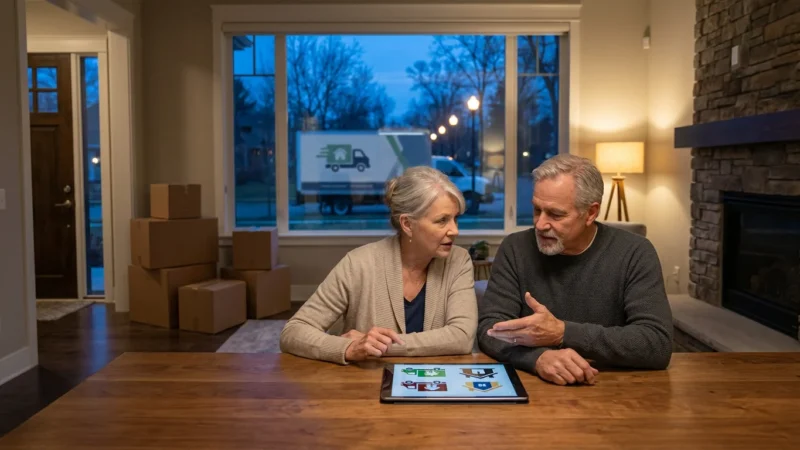
Once you have finished choosing the right moving company and settled into your new house, you can start focusing on these philanthropic paths.
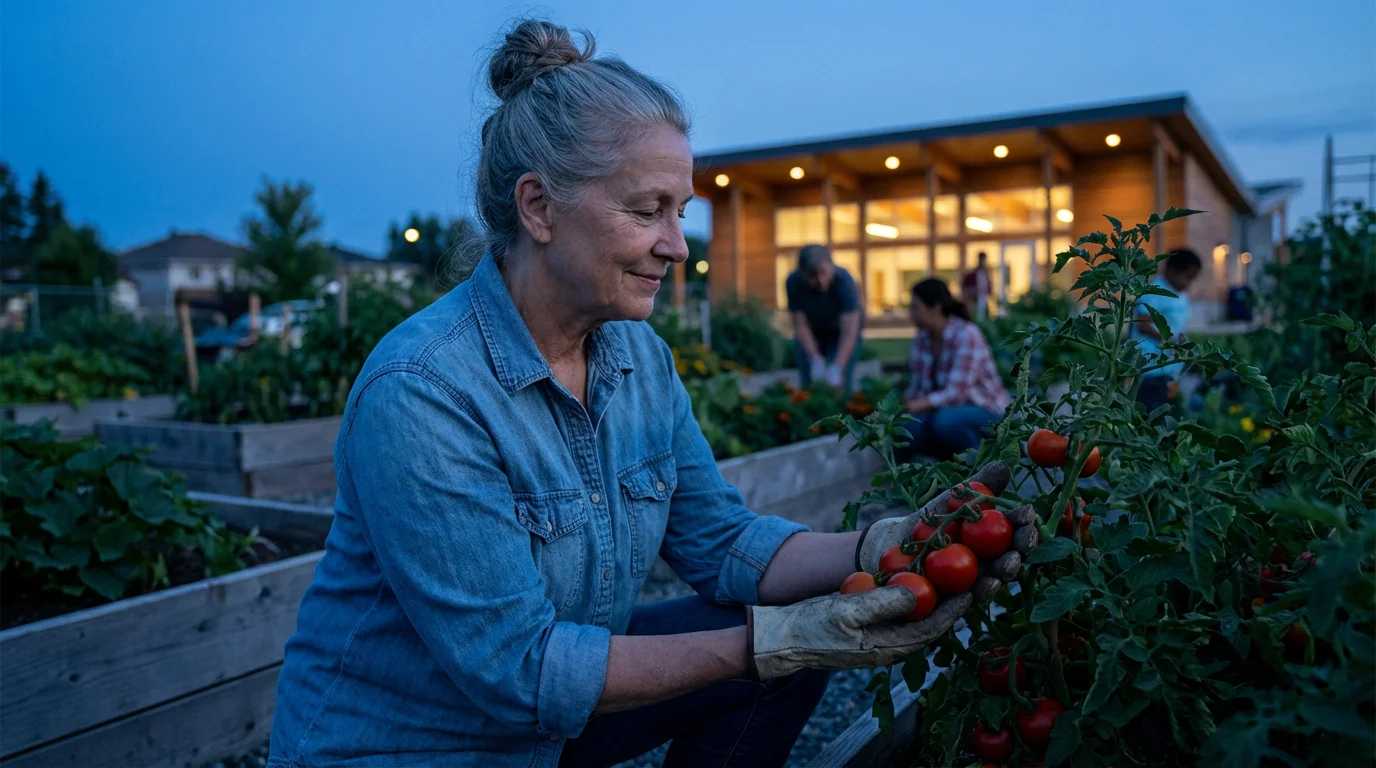
Start by considering your lifelong passions. Do you love animals, history, education, or the outdoors? Tapping into these existing interests makes volunteering feel like a natural extension of your hobbies. For example, a retired teacher might find joy in tutoring, while an avid gardener might assist at a botanical garden.
Next, evaluate your skills and experience. Your professional career likely equipped you with valuable talents, such as organizational skills, financial management, communication, or technical expertise. Many non-profits desperately need these specialized skills for administrative tasks, fundraising, or marketing. Even life experiences, like raising a family or managing a household, provide transferable skills such as problem-solving and nurturing.
Finally, assess your time availability and physical capabilities. Determine how many hours per week or month you realistically want to commit. Some roles require a regular schedule, while others offer more flexibility. Be honest about any physical limitations to find a role that is comfortable and sustainable for you. Matching your capacity with the role prevents burnout and ensures long-term enjoyment.
Ask yourself these questions:
- What causes genuinely stir your passion? (e.g., environmental protection, helping children, supporting veterans)
- What unique skills or knowledge do you possess? (e.g., accounting, teaching, carpentry, event planning)
- How much time can you realistically dedicate each week or month?
- Do you prefer working independently, as part of a team, or leading a group?
- Are you seeking a physically active role, or do you prefer desk-based tasks?
- What kind of social interaction do you desire from your volunteer work?

Effective Strategies for Finding Local Opportunities
Finding the right volunteer opportunities in your new community requires a systematic approach. Several resources exist to connect you with organizations seeking assistance. Employing a mix of online and in-person strategies often yields the best results.
Begin with online volunteer matching platforms. Websites like VolunteerMatch.org or Idealist.org allow you to search for opportunities by location, interest, and skill set. Many local United Way chapters also maintain online databases of volunteer needs. These platforms offer a convenient starting point for exploring various options.
Next, engage with local community centers, senior centers, and public libraries. These institutions often serve as hubs for local information and outreach. They frequently post flyers for local non-profits seeking volunteers or maintain a list of community needs. Staff members can provide valuable insights into specific local organizations.
“The best way to find yourself is to lose yourself in the service of others.” — Mahatma Gandhi
Direct outreach to organizations you admire also proves highly effective. If a particular charity, museum, hospital, or school resonates with you, visit their website or call them directly. Inquire about their volunteer programs and explain your interests and skills. Many organizations welcome proactive inquiries, even if they do not have specific openings listed.
Furthermore, networking within your new community can uncover hidden gems. Talk to new neighbors, friends, and acquaintances about their experiences with local charities or community projects. Word-of-mouth recommendations often lead to fulfilling volunteer placements. Attend local events or club meetings to expand your network and learn about local initiatives.
Consider these steps for your search:
- Utilize Online Portals: Explore national platforms like VolunteerMatch.org or local government sites for listings.
- Visit Local Information Hubs: Check community centers, libraries, and senior centers for postings and directories.
- Contact Organizations Directly: Reach out to non-profits, museums, hospitals, or schools that align with your interests.
- Network in Your Community: Ask new acquaintances about their volunteer experiences and local opportunities.
- Attend Local Events: Discover organizations and causes seeking support by attending community fairs or open houses.
- Explore Government Programs: Investigate federal or state programs like AmeriCorps Seniors, which specifically engage older adults. You can find more information through USA.gov.
Diverse Avenues for Retiree Involvement
Retirees bring a lifetime of experience and wisdom to a vast array of volunteer opportunities. Many popular roles capitalize on these strengths, offering engaging and impactful ways to contribute. You will likely find a perfect fit among the diverse options available in your new city.
Residents of active adult communities often find that many volunteer-led clubs and organizations are already established within their neighborhood.
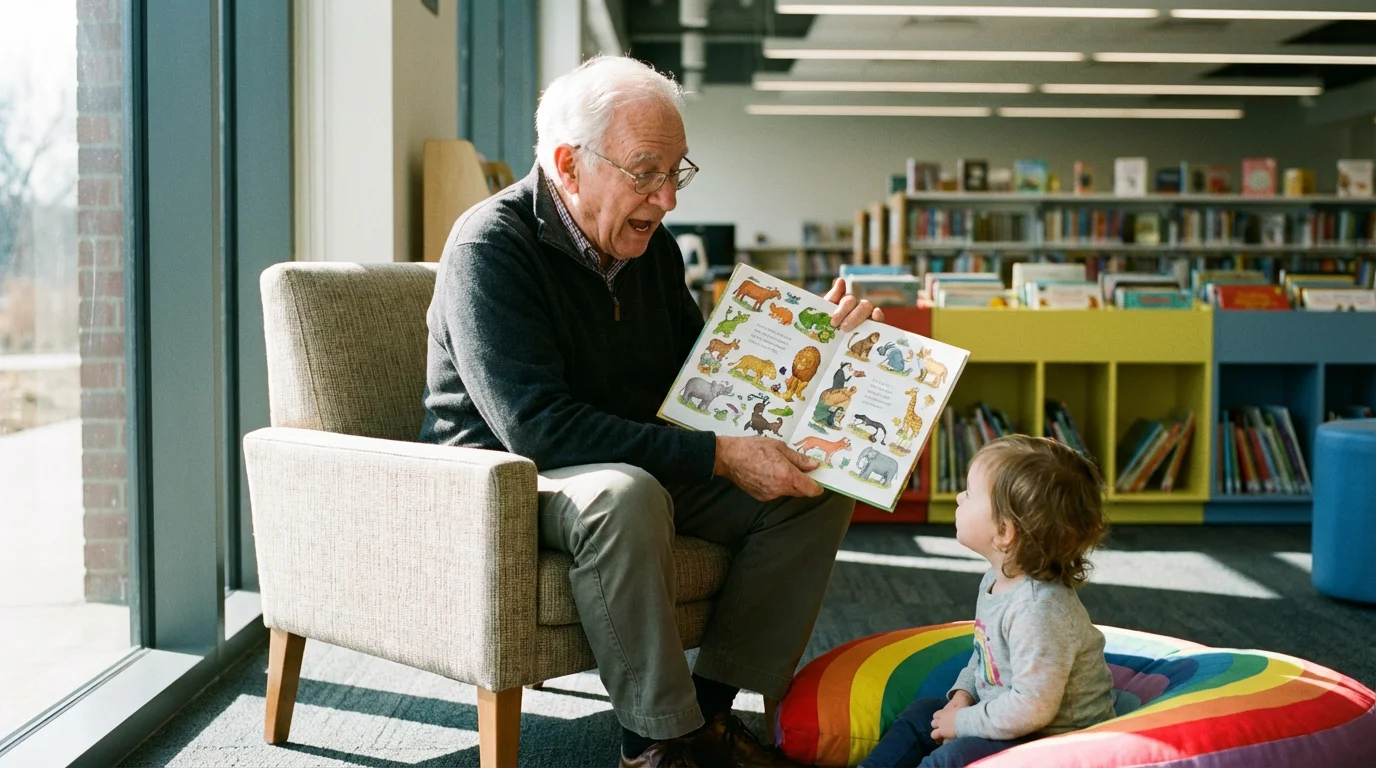
Educational settings frequently welcome volunteers. Schools, libraries, and literacy programs need tutors, mentors, and classroom assistants. You can help children with reading, assist students with homework, or support adult literacy initiatives. Your experience provides invaluable guidance to learners of all ages.
Healthcare organizations also depend heavily on volunteer support. Hospitals, hospices, and clinics seek volunteers for roles ranging from patient companionship and administrative tasks to assisting with visitor services. These roles offer a compassionate way to support individuals and families during challenging times. Many organizations, like those listed on the Eldercare Locator, focus on supporting older adults directly.
Environmental and animal welfare causes provide fulfilling options for nature lovers. You can participate in park cleanups, trail maintenance, or assist at local animal shelters. These opportunities often involve outdoor activity, connecting you with nature and conservation efforts. Your work directly benefits local ecosystems and animal well-being.
Arts and cultural institutions, such as museums, theaters, and historical societies, frequently rely on volunteers. You might serve as a docent, usher, archivist, or help with event coordination. These roles allow you to share your appreciation for culture and history while supporting local arts scenes.
Civic and community development initiatives also offer significant impact. Get involved with local government committees, neighborhood associations, or organizations focused on urban beautification. Your voice and effort contribute directly to shaping the future of your new community.
Here are some popular volunteer opportunities for retirees:
- Education & Literacy: Tutoring students, mentoring youth, assisting in classrooms, supporting adult literacy programs.
- Healthcare Support: Patient companionship, administrative tasks in clinics, guiding visitors in hospitals, hospice support.
- Animal Welfare: Walking shelter dogs, assisting with adoptions, caring for rescued animals.
- Environmental Conservation: Park cleanup efforts, trail maintenance, community garden projects.
- Arts & Culture: Museum docent, theater usher, historical society archivist, event planning.
- Food Security: Working at food banks, delivering meals to homebound individuals, helping in soup kitchens.
- Community & Civic Engagement: Serving on local boards, participating in neighborhood watch, assisting with community events.
- Senior Peer Support: Providing companionship or assistance to other seniors, often through local senior centers.

Seamless Integration: Volunteering in Your New Community
Moving to a new community brings both excitement and a need for adaptation. Volunteering offers an excellent avenue for seamless integration, helping you feel at home faster. Approach your initial volunteer experiences with an open mind and a willingness to learn.
Start by observing local customs and communication styles within your chosen organization. Each non-profit possesses its own unique culture. Understanding these nuances helps you adapt quickly and effectively. Do not hesitate to ask questions; your new colleagues will appreciate your proactive approach to learning the ropes.
Be patient with yourself as you learn a new role and connect with new people. It takes time to build relationships and fully understand an organization’s mission and operations. Focus on building rapport with fellow volunteers and staff members. These connections form the bedrock of your new social circle and enhance your sense of belonging.
Furthermore, actively seek opportunities to participate in training sessions or social gatherings offered by your volunteer organization. These events provide additional chances to learn more about the cause and bond with others. Engaging beyond your direct duties strengthens your ties to the organization and the wider community.
Remember that your experiences and perspectives as a newcomer are valuable. You might offer fresh ideas or different approaches from your previous experiences. Share your insights respectfully, contributing to a dynamic and evolving volunteer environment. Your unique background enriches the organization.
Tips for integrating through volunteering:
- Observe and Learn: Pay attention to the organization’s culture and communication styles.
- Be Proactive with Questions: Clarify expectations and procedures to quickly understand your role.
- Build Relationships: Make an effort to connect with fellow volunteers and staff.
- Attend Social Events: Participate in gatherings to deepen your connection with the team.
- Offer Your Unique Perspective: Share your insights and experiences to benefit the organization.
- Be Reliable: Consistently show up on time and fulfill your commitments, building trust and respect.

Making a Lasting Impact: Overcoming Challenges and Sustaining Engagement
While volunteering offers immense rewards, you might encounter occasional challenges. Addressing these proactively helps ensure a sustained and impactful experience. Your commitment to service creates lasting positive change, both for you and your community.
Time management often presents a challenge. It is crucial to set realistic expectations for your availability from the outset. Clearly communicate your schedule and any limitations to your volunteer coordinator. This prevents overcommitment and ensures you maintain a healthy work-life balance. Remember, volunteering should enhance your retirement, not overwhelm it.
Physical demands can also become a factor. Some volunteer roles require more physical activity than others. If your physical capabilities change, do not hesitate to discuss this with your organization. Many organizations offer a variety of roles, allowing you to transition to less physically demanding tasks. Prioritizing your health ensures you can continue contributing effectively.
Maintaining motivation over the long term also requires attention. Connect with the impact of your work by asking for feedback or seeing the results of your efforts. Reflect on why you started volunteering and the difference you make. Sharing your experiences with others also helps reinforce your commitment and enthusiasm.
If you feel unsatisfied or discover the role no longer fits your interests, communicate openly. It is perfectly acceptable to seek a different volunteer opportunity that aligns better with your evolving preferences. The goal is a mutually beneficial arrangement where your contributions feel meaningful and fulfilling. Staying engaged means finding the right fit.
To sustain your engagement:
- Manage Your Time Realistically: Only commit to what you can comfortably handle.
- Communicate Changes in Capacity: Inform your coordinator of any shifts in your physical ability or availability.
- Connect with Your Impact: Regularly reflect on the positive difference your efforts create.
- Seek Feedback: Understanding the value of your contributions fuels continued motivation.
- Stay Open to Change: Re-evaluate your role periodically and explore new opportunities if interests shift.
- Prioritize Self-Care: Ensure volunteering complements, rather than depletes, your energy and well-being.
Frequently Asked Questions
What are the age requirements for most volunteer opportunities?
Most volunteer opportunities do not have an upper age limit. Many organizations welcome volunteers of all ages, recognizing the unique skills and experiences older adults bring. Some programs, like AmeriCorps Seniors, specifically target individuals aged 55 and over.
Do I need specific skills to volunteer?
Not always. While some roles benefit from specialized professional skills, many volunteer opportunities require only a willingness to help, a positive attitude, and reliability. Organizations often provide training for specific tasks. Your life experience alone is a valuable asset.
How much time should I dedicate to volunteering each week?
The time commitment varies greatly by opportunity and organization. You can find roles that require as little as an hour or two per month, up to several hours per week. Clearly communicate your availability upfront to find a role that fits your lifestyle comfortably.
Can I volunteer remotely from home?
Yes, many organizations offer remote or “virtual” volunteer opportunities. These can include tasks like grant writing, social media management, data entry, phone banking, or online tutoring. Remote options provide flexibility, especially if you have mobility constraints or prefer working from home.
What if I try a volunteer role and it is not a good fit?
It is perfectly acceptable if a volunteer role does not prove to be the right fit. Communicate your concerns honestly and respectfully with your volunteer coordinator. They might offer an alternative role within the organization, or you can gracefully transition to explore other opportunities. Your satisfaction and the organization’s needs are both important.
Where can I find more resources on volunteering for seniors?
Several excellent resources exist. The AARP website offers extensive information on volunteering and community engagement for older adults. Government portals like USA.gov also provide links to federal and state volunteer programs. Local senior centers and community non-profits are also great local resources.

Embrace Your Next Chapter Through Service
Relocating to a new retirement community opens a vibrant chapter in your life. Embracing volunteer opportunities provides a powerful and rewarding way to connect with your new surroundings, make new friends, and contribute your valuable wisdom and experience. You gain a profound sense of purpose and belonging, enriching your retirement years significantly.
Take the time to identify your passions, leverage your skills, and explore the diverse avenues for community involvement available in your new city. Your active participation enriches the community and delivers immense personal satisfaction. You truly have the power to make a lasting difference.
Keywords: volunteer opportunities, retirement activities, community involvement, how to find volunteer work in my new city, what are some popular volunteer opportunities for retirees?
Meta Description: Discover practical steps and actionable insights for finding fulfilling volunteer opportunities in your new retirement community, boosting well-being and connection.








Leave a Reply