
Relocating for retirement brings a fresh start, offering countless opportunities to redefine your daily life. Moving to a new community means you can explore interests you always wanted to pursue or discover entirely new passions. This transition empowers you to build new routines, forge meaningful connections, and truly embrace the next chapter of your life.
To start your journey on the right foot, ensure you are choosing the right moving company for your retirement relocation to minimize stress during the transition.
Selecting the right environment is vital for social success, so it helps to know how to choose a retirement community that supports your desired lifestyle.
Successfully integrating into a new environment after relocation often hinges on establishing a vibrant social life and engaging in fulfilling activities. Finding new hobbies and joining community groups provides structure, purpose, and a strong sense of belonging in your new home. This guide offers practical insights and actionable steps to help you find your niche.
Table of Contents
- The Power of Purpose: Why New Hobbies Matter After Relocation
- Initial Steps: Assessing Your Interests and Environment
- Finding Your Tribe: Connecting Through Shared Activities
- Exploring Local Resources: Community Centers and Beyond
- Popular Retirement Activities to Consider
- Overcoming Challenges: Practical Tips for Engagement
- The Benefits Beyond the Activity
- Actionable Steps to Get Started
- Frequently Asked Questions
The Power of Purpose: Why New Hobbies Matter After Relocation
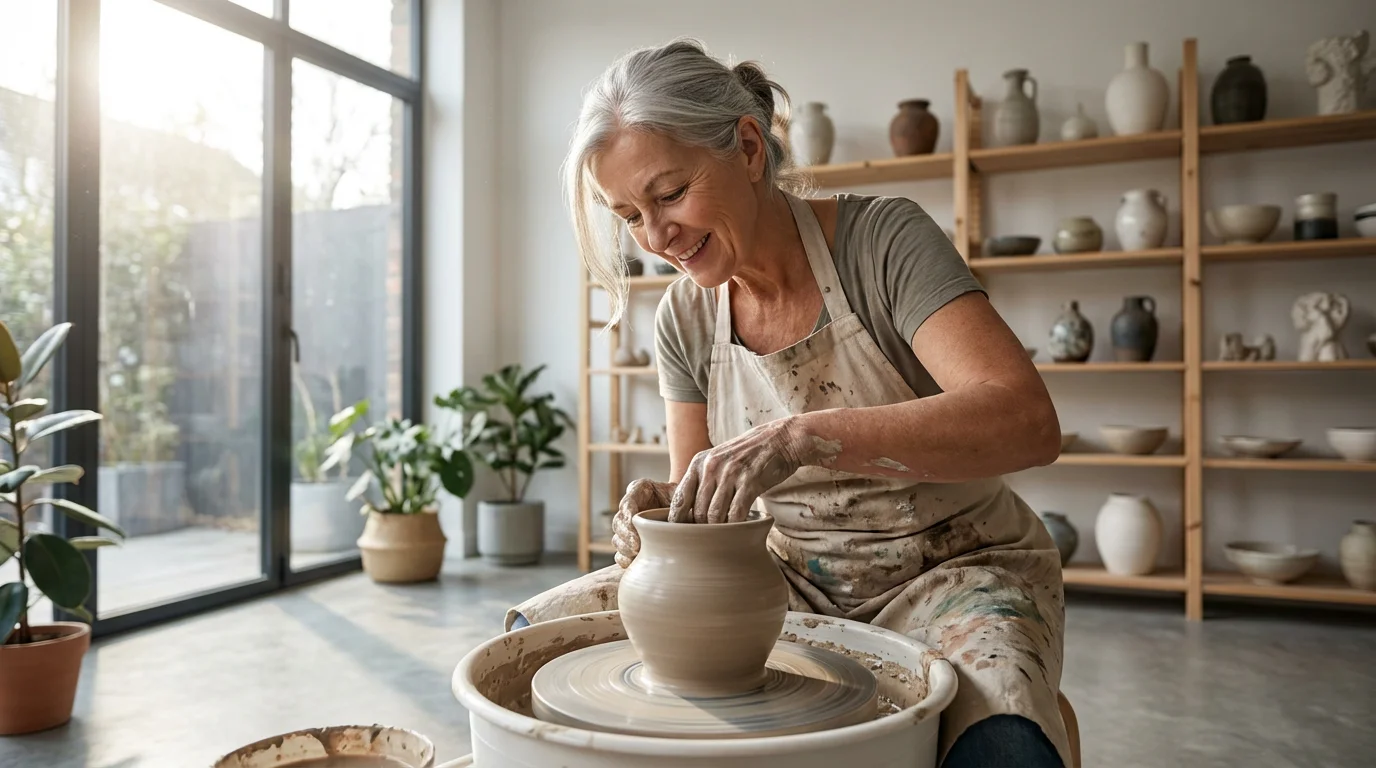
Retirement relocation offers a unique chance to redefine your sense of purpose. Engaging in new activities provides structure and meaning, helping you adjust to your new surroundings. This focus prevents feelings of isolation and keeps your mind sharp.
While settling in, remember that managing healthcare transfers is a vital part of maintaining the energy levels needed for these new activities.
While focusing on social growth, ensure you also complete administrative tasks like updating your important documents to fully settle into your new home.
Studies consistently show that active retirees report higher levels of life satisfaction. A study by the National Institute on Aging highlights the strong correlation between social engagement and improved cognitive function in older adults. Finding new hobbies after relocating directly contributes to your overall well-being.
Developing new interests also serves as a critical pathway to forming new social circles. You automatically connect with like-minded individuals who share your passions. These connections are invaluable when building a new support network in an unfamiliar place.
“Active participation in community life leads to stronger social ties and improved health outcomes for older adults.”

Initial Steps: Assessing Your Interests and Environment
Before diving into specific activities, take time to reflect on what genuinely interests you. Consider past hobbies you enjoyed but set aside, along with new areas you always wanted to explore. Your relocation provides the perfect opportunity to try something different.
Many people find that exploring 55+ communities reveals a pre-built structure of clubs and facilities that make adoption of new hobbies much easier.
When planning your transition, creating a budget for your relocation will help you determine how much to allocate toward classes, equipment, and travel for your hobbies.
Many seniors find that downsizing your home for retirement reduces maintenance stress, leaving more time and energy for these new interests.
Start by making a list of your preferences. Do you prefer indoor or outdoor activities? Do you enjoy solitary pursuits or group settings? Thinking about these aspects guides your search for fulfilling retirement hobbies.
Research local opportunities even before you move, if possible. Many towns publish guides to local amenities, including parks, senior centers, and libraries. Understanding the available options helps you quickly integrate into your new community.
Consider these questions when assessing your interests:
- What activities brought you joy in the past?
- What skills have you always wanted to learn?
- Do you prefer physical, creative, intellectual, or social pursuits?
- How much time can you realistically dedicate to a new hobby each week?
- What are your personal goals for engagement, such as meeting new people or staying physically active?
Finding Your Tribe: Connecting Through Shared Activities
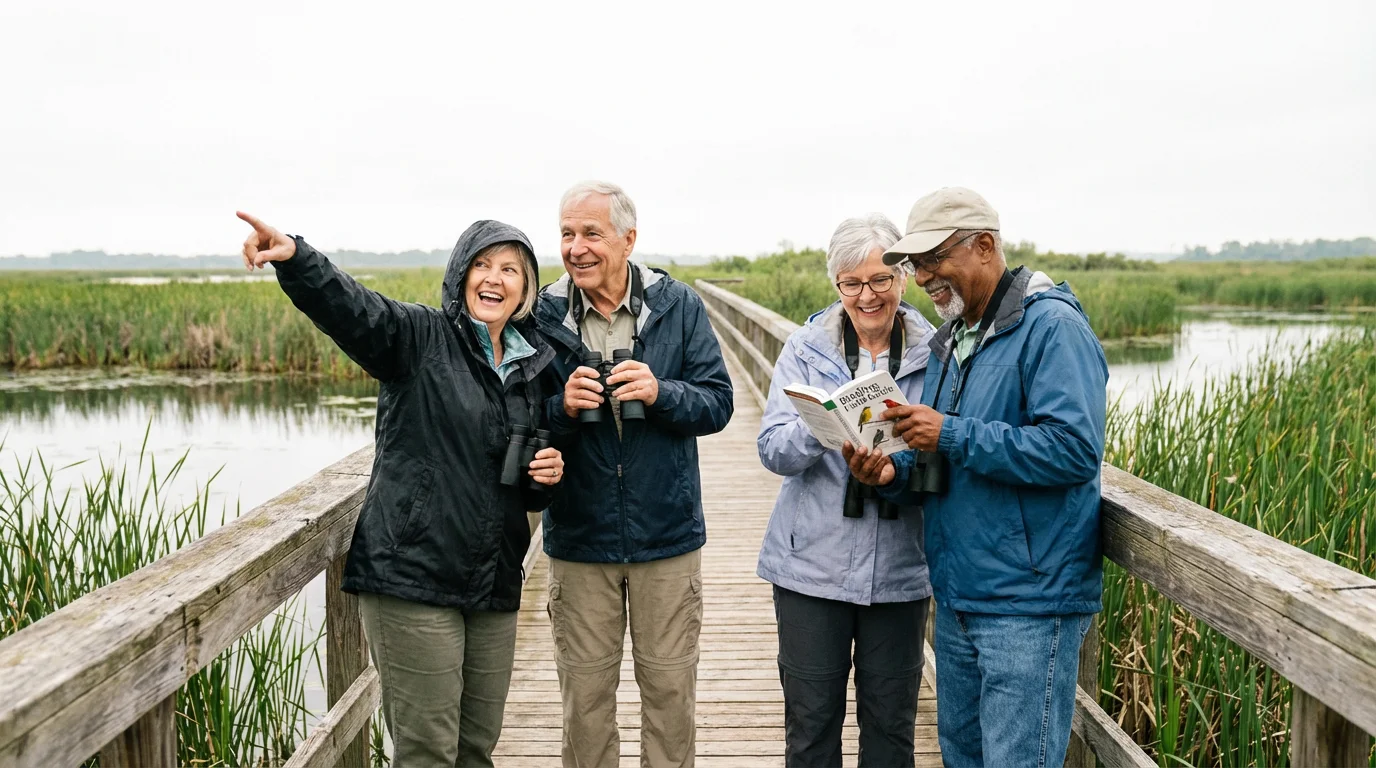
Building a new social circle is a primary benefit of engaging in new activities after relocation. Shared interests naturally foster camaraderie and create common ground for conversations. You move from being a newcomer to an active participant in your community.
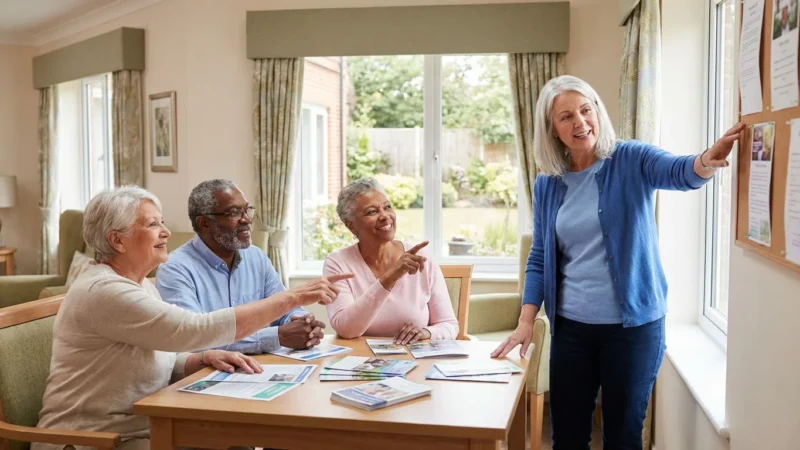
Look for established groups or clubs that align with your interests. Many communities have specific organizations for retirees. These groups often welcome new members and provide an immediate entry point into the local social fabric.
Volunteer opportunities offer another excellent way to meet people and contribute to your new community. Supporting a cause you care about introduces you to a diverse group of individuals who share your values. You find purpose while making new friends.
Consider these ideas for connecting through shared activities:
- Join a local book club at the library or a community center.
- Enroll in a fitness class, such as yoga, Zumba, or water aerobics.
- Participate in a walking or hiking group if your new location offers suitable trails.
- Seek out local crafting or art guilds if you enjoy creative pursuits.
- Attend lectures or workshops at a local university or community college.
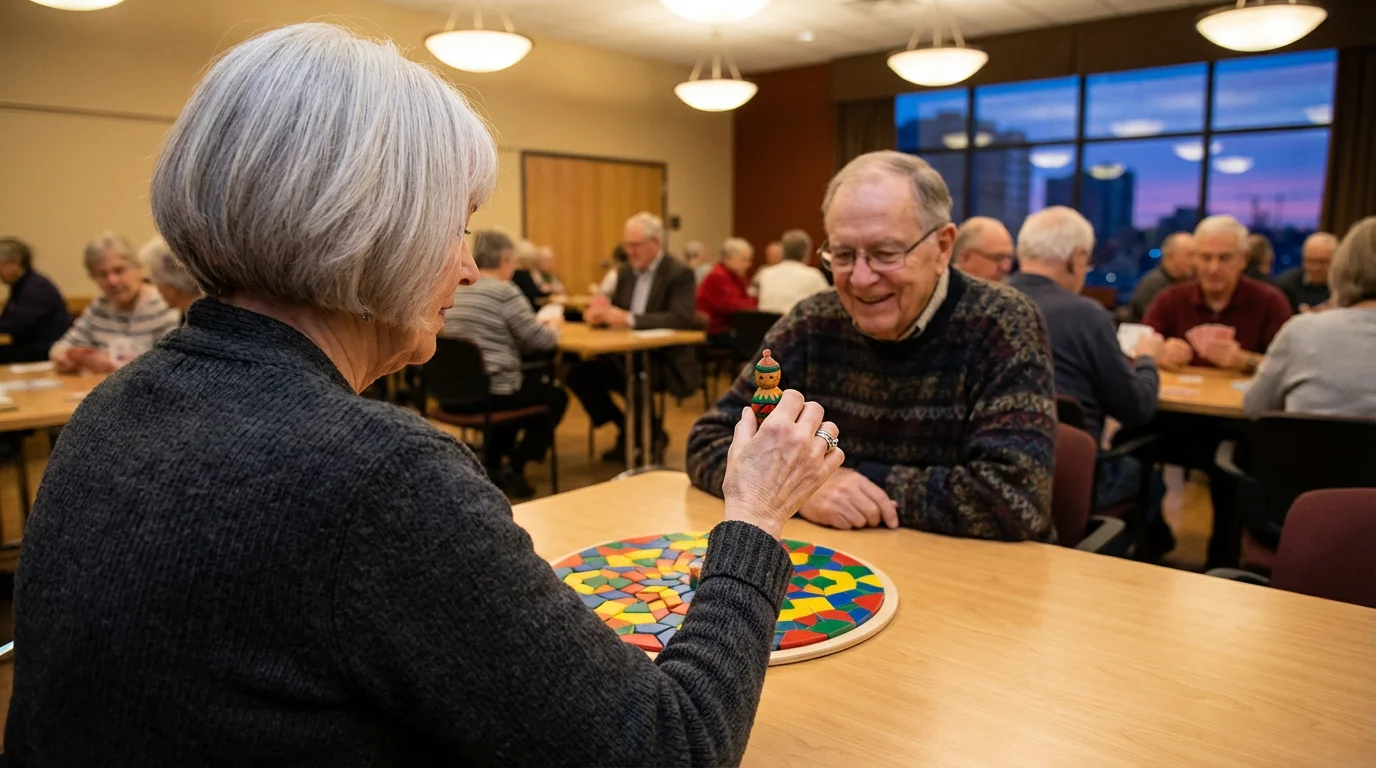
- Join a card game or board game group.
- Volunteer at a hospital, animal shelter, or local food bank.
Exploring Local Resources: Community Centers and Beyond
Your new community likely offers a wealth of resources designed to facilitate engagement, especially for retirees. Learning how to find new hobbies after relocating often starts with exploring these local hubs.
Community centers are often central points for social and recreational activities. These centers provide affordable classes, fitness programs, and social events tailored to various age groups, including seniors. Many offer specific programs for older adults, making them excellent places to meet peers.
Libraries, senior centers, and local parks and recreation departments also serve as valuable resources. Libraries host book clubs, technology workshops, and cultural events. Senior centers often provide a wide array of services and activities, from day trips to health screenings and educational seminars. Parks departments manage local trails, sports leagues, and outdoor programs.
Utilize these local resources to discover new activities:
- Visit your local community center for a schedule of classes and events.
- Check the public library’s calendar for book clubs, lectures, and workshops.
- Inquire at the senior center about social groups, fitness programs, and volunteer opportunities.
- Explore the parks and recreation department website for outdoor activities and sports leagues.
- Look for local interest groups through online platforms or bulletin boards at coffee shops.
- Consider adult education programs offered by local colleges for lifelong learning.
Popular Retirement Activities to Consider
Many retirees discover immense satisfaction in exploring various activities. What are some popular activities for retirees? The options are diverse, catering to different energy levels and interests. Here are some curated recommendations, categorized for easier exploration.
As you build this new life, dealing with family concerns regarding your move can help your loved ones understand and support your quest for engagement.
Selecting a home in one of the best states for active retirement can ensure you have a climate that supports your favorite outdoor pursuits year-round.
Physical Activities
Staying physically active is crucial for health and provides excellent opportunities for social interaction. Options range from gentle exercises to more vigorous sports.
- Walking and Hiking Groups: Many communities have walking clubs that explore local parks, trails, or even shopping malls. It is an accessible way to exercise and socialize.
- Yoga and Tai Chi: These practices improve flexibility, balance, and mindfulness. Many studios and community centers offer classes specifically for seniors.
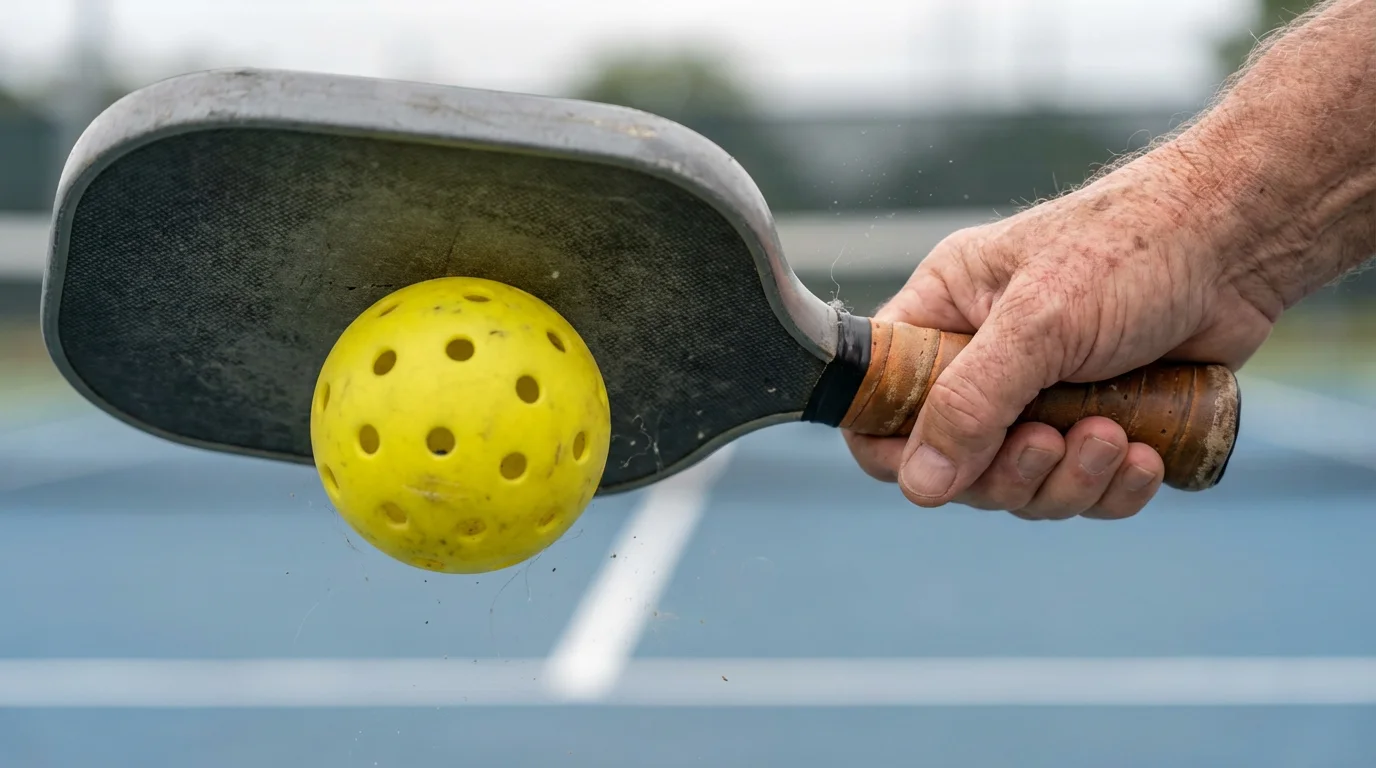
- Pickleball: This rapidly growing sport combines elements of tennis, badminton, and ping-pong. It is easy to learn and provides a fun, social workout.
- Swimming or Water Aerobics: Water-based exercises are low-impact and beneficial for joint health. Public pools and fitness centers offer various aquatic programs.
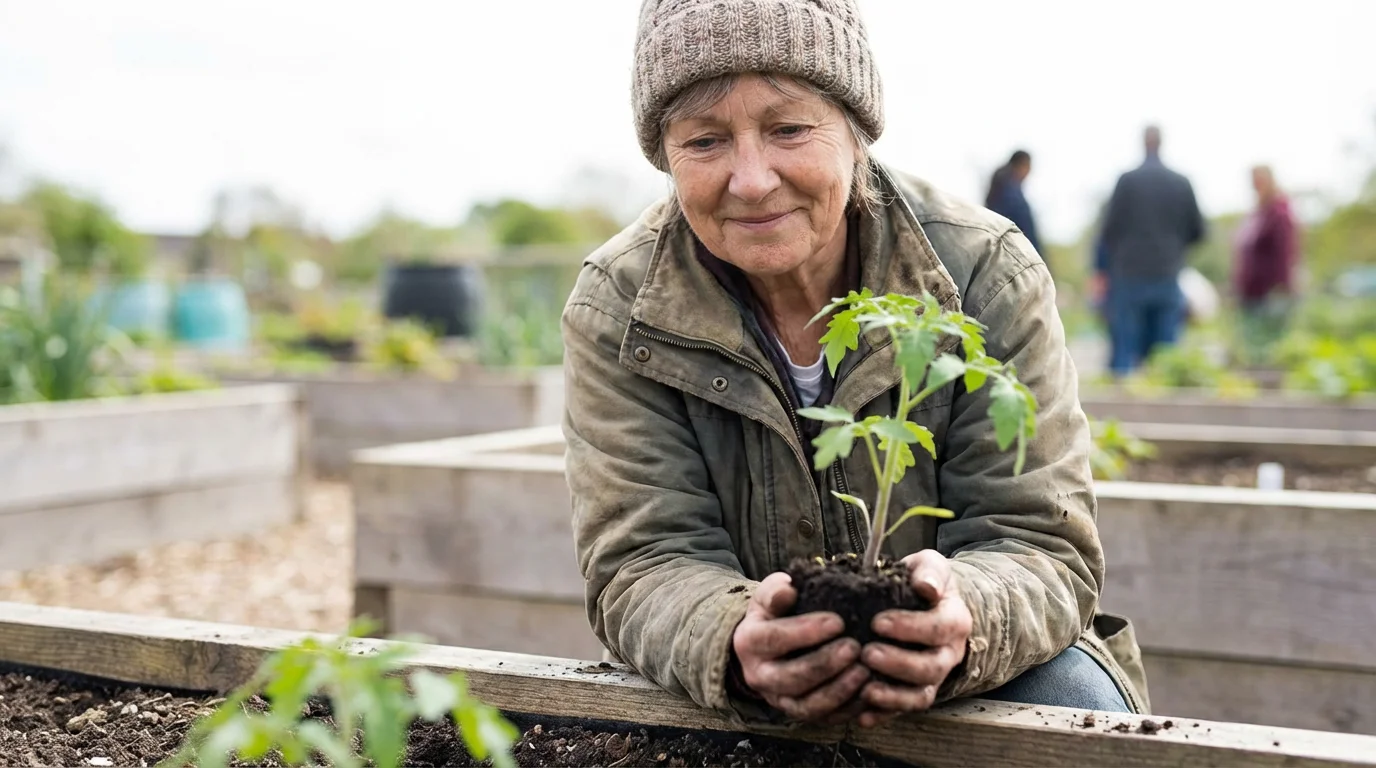
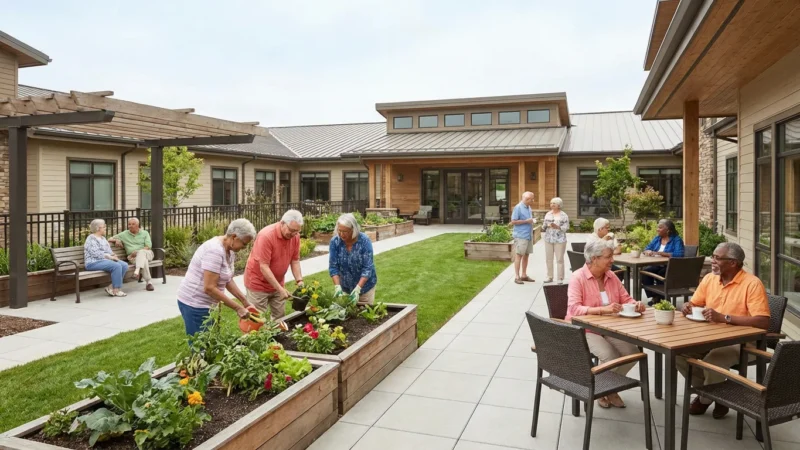
- Gardening: Tending to a garden, whether at home or in a community plot, offers physical activity, a connection to nature, and often a chance to share produce.
Creative Pursuits
Engaging your creative side offers mental stimulation and a sense of accomplishment. You do not need prior experience to start a creative hobby.
- Art Classes: Explore painting, pottery, sculpting, or drawing. Local art centers or community colleges offer beginner-friendly courses.
- Writing Workshops: Join a group to write memoirs, poetry, or short stories. This provides an outlet for expression and constructive feedback.
- Music: Learn a new instrument or join a choir. Many community groups welcome new members regardless of experience level.
- Crafting: Knitting, quilting, woodworking, or jewelry making offer satisfying projects and often lead to craft groups and fairs.
- Photography: Explore your new surroundings through a camera lens. Join a photography club to share tips and explore new techniques.
Intellectual Engagement
Keeping your mind active contributes to cognitive health and provides ongoing learning opportunities.
- Book Clubs: Discussing literature with others stimulates critical thinking and provides social interaction.
- Lifelong Learning Courses: Many universities and community colleges offer auditing options or special programs for seniors, covering diverse subjects from history to current events.
- Foreign Language Classes: Learning a new language challenges your brain and can be particularly enjoyable if you plan to travel.
- Bridge or Chess Clubs: Engaging in strategic games provides mental exercise and a competitive, social outlet.
- Genealogy: Researching your family history can be a fascinating, long-term project that connects you to your past.
Community and Volunteerism
Contributing to your community offers immense personal satisfaction and a direct path to meeting new people. You truly embed yourself in your new location by giving back.
- Local Charities: Volunteer for causes you care about, such as environmental protection, animal welfare, or social services.
- Mentoring Programs: Share your professional or life experience by mentoring younger individuals or startups.
- Hospital or Museum Docent: Share your knowledge and passion by guiding visitors.
- Civic Organizations: Join Rotary, Lions, or other local service clubs to participate in community projects.
- Neighborhood Watch: Contribute to local safety and get to know your neighbors better.
You can find more ideas for engaging communities at AARP Livable Communities.
Overcoming Challenges: Practical Tips for Engagement
Relocating and starting fresh can present some initial hurdles. It is normal to feel a bit shy or overwhelmed when trying to find new hobbies after relocating. Overcoming these challenges requires a proactive approach and a willingness to step outside your comfort zone.
It is also beneficial to address any family concerns during your move so you can focus entirely on your personal well-being and social integration.
One common challenge is the initial awkwardness of joining a new group. Remember that most people are friendly and welcoming. Take the first step by introducing yourself and asking questions about the activity or group. Consistency helps you become a familiar face.
Another hurdle involves managing your time and commitments. It is tempting to sign up for everything initially. Start with one or two activities, allowing yourself time to settle in and see what truly fits your schedule and interests. You can always add more later.
Consider these practical tips for successful engagement:
- Start Small: Begin with an activity that feels comfortable, even if it is just attending an introductory meeting or a single class.
- Be Persistent: It might take a few tries to find the perfect fit. Do not get discouraged if the first group or activity is not for you.
- Embrace Technology: Use online platforms like local community forums, Meetup groups, or social media pages to discover events and groups.
- Attend Open Houses or Fairs: Many community centers or organizations host events where you can learn about various clubs and activities without a commitment.
- Bring a Friend: If you are relocating with a partner or already know someone in the area, suggest exploring new hobbies together.
- Be Open-Minded: Try activities you never considered before. You might discover an unexpected passion.
- Ask Questions: Engage with current members or instructors. They are excellent sources of information and can make you feel more at home.

The Benefits Beyond the Activity
Engaging in new hobbies and activities offers far more than just filling your time. The benefits extend deeply into your mental, physical, and emotional well-being, enhancing your retirement experience significantly. Understanding these broader impacts can motivate you to explore more.
Mentally, new activities stimulate your brain, improving memory, focus, and problem-solving skills. Whether it is learning a new language or mastering a complex game, cognitive engagement reduces the risk of cognitive decline. These are critical aspects of healthy aging.
Physically, consistent engagement in activities like walking, dancing, or gardening contributes to better cardiovascular health, stronger muscles, and improved flexibility. Even less strenuous activities promote circulation and overall vitality. Regular movement helps maintain independence and quality of life.
Emotionally, a sense of purpose and belonging combats feelings of loneliness and isolation, common after relocation. Meaningful connections reduce stress and improve mood. Sharing laughter and experiences with new friends fosters a strong support system, which is vital for emotional resilience.
A study published by the U.S. Census Bureau underscores the importance of social connections for older adults, noting their correlation with reduced mortality rates and improved self-rated health. Participating in what are some popular activities for retirees directly supports these positive outcomes.

Actionable Steps to Get Started
Taking the first step is often the hardest part of embracing new activities after retirement relocation. Follow this structured approach to successfully integrate new hobbies into your life and establish a fulfilling routine in your new community.
- Research Local Options: Before or immediately after moving, use online searches, local government websites, and community bulletins to identify potential clubs, classes, and volunteer opportunities. Focus on your new zip code for hyper-local results.
- Visit Community Centers: Make a point to visit your local community center, senior center, and public library. Pick up program guides, talk to staff, and observe activities. These are central hubs for information on `community centers` and events.
- List Your Interests and Skills: Write down everything you enjoyed doing in the past, skills you possess, and new things you want to try. This helps narrow down the vast array of `new activities` available.
- Try Introductory Classes or Events: Sign up for a single session or a short introductory course in an activity that sparks your interest. This low-commitment approach allows you to sample without feeling tied down.
- Connect with New Neighbors: Strike up conversations with people you meet in your neighborhood, at the grocery store, or at local cafes. Ask them about their favorite local activities and groups. This is a great way to discover `how to find new hobbies after relocating`.
- Volunteer for a Cause: Choose a local charity or organization that resonates with you. Volunteering immediately connects you with like-minded individuals and gives you a sense of purpose. You discover `what are some popular activities for retirees` while helping others.
- Join Online Community Groups: Explore local Facebook groups, Nextdoor, or Meetup.com for specific interest groups in your area. Many groups organize outings and meetings, making it easy to find social opportunities.
The Eldercare Locator, a public service of the U.S. Administration for Community Living, provides resources and information on local senior services at eldercare.acl.gov.
Frequently Asked Questions
What are the best ways to meet people after retiring and relocating?
The best ways to meet people involve actively participating in your new community. Join local clubs, volunteer, take classes at a community center, or attend local events. Engaging in shared activities creates natural opportunities for connection and friendship.
How can I find out about local activities specifically for seniors?
Check with your local senior center, community center, or library. Many towns have dedicated programs and resources for older adults, including specific calendars and newsletters. You can also explore your new city’s parks and recreation department website.
What if I am shy about joining new groups?
Many people feel shy initially. Start by attending introductory events or open houses where you are not obligated to commit. Consider bringing a friend or spouse if you relocated together. Focus on the activity itself, and social connections often follow naturally. Remember, consistency helps you become more comfortable.
Are there affordable options for new hobbies after retirement?
Absolutely. Many community centers offer low-cost or free classes, particularly for seniors. Libraries host free book clubs and workshops. Volunteering is free and provides significant social and personal rewards. Walking, hiking, and many crafting activities require minimal investment.
How long does it typically take to feel settled and find new hobbies after relocating?
The timeline varies for everyone, but it is common for the process to take several months to a year. Be patient with yourself. Focus on trying different things and building connections gradually. The effort you put in will eventually yield a rewarding and active retirement life.
Disclaimer: This article is for informational purposes only. Cost of living, taxes, and local conditions change over time. We encourage readers to verify current information through official sources and visit potential retirement destinations before making relocation decisions.





Leave a Reply