

Planning for retirement involves many important decisions, and where you will live often tops the list. Many Americans approaching their golden years consider downsizing their home. This move offers significant financial and lifestyle advantages, allowing you to enjoy a more streamlined and flexible retirement.
This comprehensive guide walks you through the practical steps of downsizing your home for retirement. You will discover actionable strategies for decluttering, selling items, and managing the logistics of your move. Our goal is to equip you with the knowledge to make this transition smooth and successful.
Table of Contents
- The Why and When of Downsizing for Retirement
- Assessing Your Needs and Future Lifestyle
- Creating Your Downsizing Plan and Timeline
- Decluttering Room by Room: A Practical Approach
- Selling, Donating, and Disposing of Items
- Managing Sentimental Items and Important Documents
- Storage Solutions and What to Bring
- The Logistics of the Move
- Adjusting to Your New, Smaller Space
- Frequently Asked Questions

The Why and When of Downsizing for Retirement
Downsizing for retirement is more than just moving to a smaller house; it represents a significant lifestyle shift. Many retirees choose to downsize to reduce housing costs, minimize maintenance, and free up capital for other retirement pursuits. This strategic move can significantly impact your financial well-being and daily enjoyment.
It is also wise to compare healthcare costs by state to see how a move might affect your overall medical budget.
Financial freedom often stands as a primary motivator. A smaller home typically means lower property taxes, reduced utility bills, and less money spent on repairs and upkeep. For example, a 2023 report indicated that homeowners aged 65 and older spend an average of 3.4% of their home’s value annually on maintenance and repairs. Moving to a more manageable property can significantly reduce this expenditure, freeing up funds for travel, hobbies, or simply living comfortably.
Deciding when to start the downsizing process depends on your individual circumstances. Many experts suggest beginning at least a year or two before your target retirement date. This provides ample time to sort through belongings, prepare your current home for sale, and find your ideal new residence without feeling rushed.
“The best way to predict the future is to create it.”

Assessing Your Needs and Future Lifestyle
Before you begin sorting items, define your ideal retirement lifestyle and housing needs. Ask yourself, “How do I downsize my home for retirement in a way that truly supports my future?” Consider factors like desired location, accessibility, and proximity to family or amenities. Your new home should align with your daily activities and long-term goals.
Evaluate your daily routines and aspirations. Do you plan to travel extensively, pursue new hobbies, or spend more time with grandchildren? Your new living space should accommodate these plans. For instance, if you dream of a low-maintenance lifestyle, a condo or a home in a 55+ community might be perfect. These communities often handle exterior maintenance, allowing you more free time.
Consider the essential spaces you need. While you might currently have a formal dining room or multiple guest bedrooms, assess if these are still necessary. A common trend is to reduce the number of unused rooms, focusing instead on comfortable, multi-functional areas. This thoughtful evaluation prevents you from moving items you no longer require.

Creating Your Downsizing Plan and Timeline
A structured plan is crucial for a successful downsizing experience. Breaking the process into manageable steps makes it less overwhelming. Establish a clear timeline, setting realistic deadlines for each phase of your move.
During the planning phase, don’t forget to manage your healthcare transfers early if you are moving to a new city or state.
Your downsizing plan should include a detailed moving checklist. This list helps you track progress and ensures no critical steps are overlooked. Start by identifying your ideal move date, then work backward to schedule tasks like decluttering, repairs, and professional services.
Here is a comprehensive downsizing and moving checklist to guide your process:
- 6-12 Months Out:
- Define your new ideal living situation and budget.
- Research potential retirement locations and housing types.
- Consult a real estate agent to understand your current home’s value.
- Begin a preliminary decluttering pass, identifying obvious items to discard.
- Gather important documents and create a digital backup.
- 3-5 Months Out:
- Secure your new home, if applicable.
- Start decluttering room by room, making firm decisions on each item.
- Arrange for estate sales, donations, or consignment of unwanted items.
- Obtain moving quotes from professional movers.
- 6-8 Weeks Out:
- Confirm moving dates and services.
- Begin packing non-essential items.
- Arrange for utility transfers and new service setups.
- Notify friends, family, and businesses of your change of address. Consider using USA.gov’s moving checklist for official changes.
- 2-4 Weeks Out:
- Pack remaining items, keeping essentials separate.
- Confirm travel arrangements if relocating long-distance.
- Arrange for childcare or pet care on moving day.
- Schedule final cleaning services for your old home.
- Moving Day:
- Oversee movers, if using them.
- Conduct a final walkthrough of your old home.
- Ensure all utilities are off at the old residence and on at the new one.

Decluttering Room by Room: A Practical Approach
Tackling your entire home at once can feel daunting. A room-by-room strategy makes the decluttering process manageable and efficient. Start with less frequently used areas, such as guest rooms or storage spaces, to build momentum.
Once you’ve cleared the clutter, you can focus on smart storage solutions to make your new, smaller home feel organized and comfortable.
As you go through each room, use a four-box method: Keep, Sell, Donate, Discard. Be honest with yourself about each item’s practical value and sentimental worth. Remember, you are creating space for your new life, not just moving clutter to a smaller home.
Consider these practical tips for different areas:
- Kitchen: Remove duplicate appliances, rarely used gadgets, and excess dishware. Keep only what you use regularly. For instance, do you truly need three sets of dinner plates if you rarely host large gatherings?
- Bedrooms and Closets: Sort through clothing, shoes, and accessories. Donate items you have not worn in over a year. Keep only what fits your current style and climate.
- Garage and Shed: These areas often accumulate tools, old paint, and gardening supplies. Assess the condition and utility of each item. Many items can be donated or safely disposed of at local hazardous waste events.
- Living Areas: Evaluate furniture for size and necessity. Large, bulky pieces might not fit or suit a smaller space. Focus on comfortable, proportionate furnishings.
This systematic approach helps answer the question, “what items to sell when downsizing?” Many valuable items might be hidden among your possessions.

Selling, Donating, and Disposing of Items
Once you have categorized your belongings, the next step involves finding new homes for them. This process can help recover some costs, benefit charities, and responsibly remove waste. Strategic planning here maximizes your efficiency and impact.
Selling Your Items
Identify items with potential resale value. Furniture, collectibles, antiques, and gently used electronics often sell well. Consider these options for selling:
- Estate Sales: A professional estate sale company can manage the entire process, from pricing to selling, for a percentage of the profits. This works well for a large volume of items.
- Online Marketplaces: Platforms like Facebook Marketplace, eBay, or local classifieds allow you to list individual items. Take clear photos and provide accurate descriptions.
- Consignment Shops: Furniture, designer clothing, and unique decor can often be sold through consignment shops, which take a percentage upon sale.
- Garage Sales/Yard Sales: Best for lower-value items, garage sales can quickly clear out a significant amount of clutter. Price items competitively.
Donating Your Items
Many organizations gratefully accept donations of household goods, clothing, and furniture. Donating provides a tax deduction and supports worthy causes. Remember to obtain a receipt for tax purposes.
- Charitable Organizations: Goodwill, Salvation Army, Habitat for Humanity ReStore, and local shelters accept a wide range of items. Some even offer pickup services for larger donations.
- Libraries and Schools: Books in good condition can often find new homes at local libraries or schools.
- Animal Shelters: Old towels, blankets, and pet supplies are often welcome donations at animal shelters.
Disposing of Items
Some items simply cannot be sold or donated. Responsible disposal is important. This includes broken furniture, worn-out clothing, and hazardous materials.
- Junk Removal Services: Companies specialize in hauling away large, unwanted items or entire loads of trash.
- Recycling Centers: Check local regulations for recycling electronics, hazardous waste (paints, chemicals), and large appliances. Many communities hold special collection events.
- Landfill: As a last resort, items with no other viable destination must go to a landfill. Minimize this option through selling and donating first.

Managing Sentimental Items and Important Documents
Sentimental items often pose the greatest challenge during downsizing. You cannot keep everything, but you also do not want to discard cherished memories. A thoughtful approach helps you honor the past while embracing the future.
Focus on quality over quantity for keepsakes. Select a few truly meaningful items that you want to display or pass down. Consider these strategies:
- Photo Digitization: Scan old photos and albums into digital files. Services exist that professionally digitize entire collections, saving significant physical space.
- Memory Boxes: Designate a single box for small sentimental items that you cannot part with, such as letters, small gifts, or children’s artwork.
- Pass Down: Offer meaningful family heirlooms or mementos to family members who will cherish them. This ensures their legacy continues.
- Creative Display: If you have a collection of small items, consider consolidating them into a display case that fits your new space, rather than scattering them throughout.
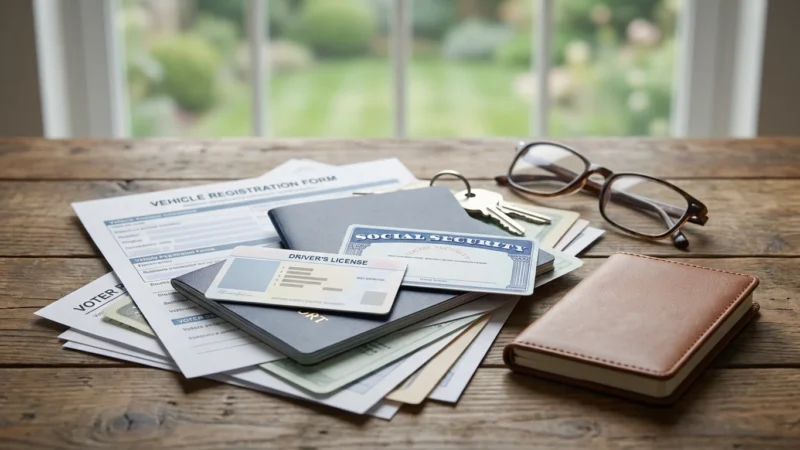
Managing important documents requires careful organization and security. Consolidate financial records, legal papers, medical histories, and insurance policies. Determine what needs to be kept in physical form and what can be securely digitized.
- Physical Copies: Keep original birth certificates, marriage licenses, passports, social security cards, wills, and property deeds in a fireproof safe or safety deposit box.
- Digital Copies: Scan and securely save copies of tax returns, medical records, financial statements, and insurance policies. Use password-protected cloud storage or external hard drives.
- Shredding: Dispose of old bank statements, expired policies, and other personal documents securely by shredding them to prevent identity theft.
For guidance on managing finances and important papers in retirement, consult resources like AARP’s Livable Communities section, which offers various financial planning articles.

Storage Solutions and What to Bring
Even after extensive decluttering, you might find a few items you are not ready to part with but cannot accommodate in your new home. This is where storage solutions come into play. Understand the differences between short-term and long-term storage options to make an informed decision.
Consider temporary storage if you are between homes or renovating your new space. Long-term storage is for items you genuinely intend to keep but do not need immediate access to. However, weigh the cost against the value and utility of the stored items. Storing items for years can quickly become more expensive than replacing them.
Here are common storage considerations:
- Self-Storage Units: Available in various sizes, self-storage offers flexibility and generally good security. Costs vary by location and unit size.
- Portable Storage Containers: Companies deliver a container to your home, you pack it, and they transport it to your new location or store it at their facility. This offers convenience for moving.
- Full-Service Storage: A moving company packs and stores your items in their climate-controlled warehouse. This option provides maximum convenience but typically comes with a higher price tag.
When deciding what to bring to your new, smaller home, prioritize items that are:
- Essential: Daily use items like clothing, toiletries, and basic kitchenware.
- Sentimental: A select few cherished items that genuinely bring you joy.
- Functional: Furniture and decor that fit the scale of your new space and serve a purpose.
- New Lifestyle Aligned: Items that support your retirement hobbies, like art supplies, golf clubs, or gardening tools.
Avoid bringing items “just in case.” If you have not used something in years, you likely will not need it in your smaller, optimized space.
The Logistics of the Move
The actual moving day involves numerous logistical considerations, from hiring movers to changing your address. Careful planning here prevents last-minute stress and ensures a smooth transition.
If you opt for professional movers, obtain multiple quotes and verify their licensing and insurance. A good moving company provides a binding estimate and clear communication throughout the process. Ensure they understand any special requirements for delicate or oversized items.
Key logistical steps include:
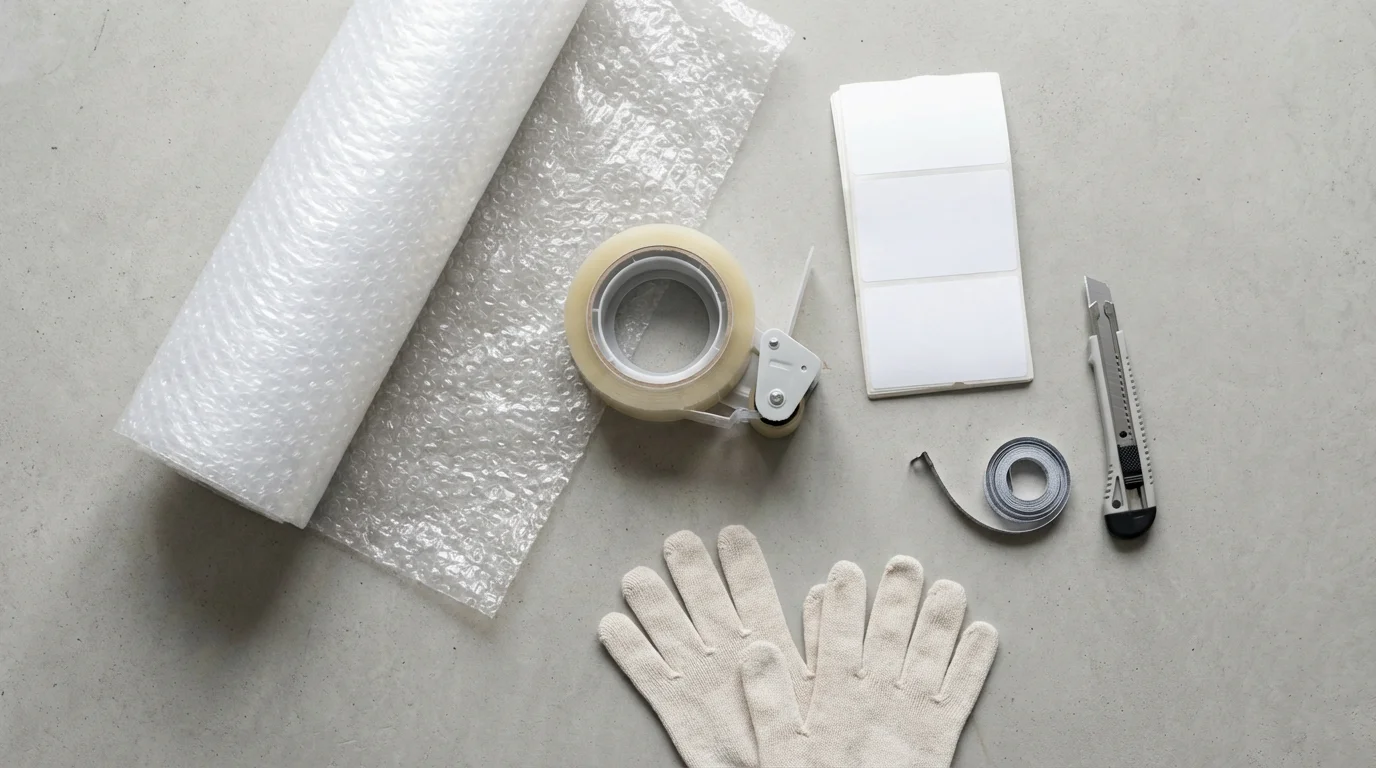
- Packing Strategy: Label boxes clearly with contents and the room they belong to in your new home. Pack an “essentials” box with items you will need immediately upon arrival, such as medications, toiletries, and a change of clothes.
- Utility Transfers: Schedule disconnection dates for old utilities and connection dates for new ones. Coordinate with providers for electricity, gas, water, internet, and cable.
- Change of Address: File a change of address with the U.S. Postal Service well in advance. Notify banks, insurance companies, subscription services, and government agencies like Medicare.gov. You can typically manage many of these updates online.
- Pet and Child Care: Arrange for pets or young grandchildren to be cared for on moving day to keep them safe and reduce stress.
- Home Security: Change locks and update alarm codes at your new home promptly upon moving in.
A well-executed plan ensures you settle into your new home efficiently and without major disruptions.

Adjusting to Your New, Smaller Space
Moving into a smaller home involves an adjustment period. Embrace the opportunity to create a space that perfectly suits your retired lifestyle. Think about how to maximize functionality and comfort in your new environment.
To maximize your comfort in a more compact layout, consider implementing smart storage solutions for retirees to keep your new home organized and functional.
Upon arrival, prioritize unpacking essential items. Unpack rooms strategically, starting with the kitchen and bedrooms. This allows you to quickly establish routines and feel settled. Do not feel pressured to unpack everything immediately; take your time to organize and decorate thoughtfully.
Consider these tips for your new space:
- Smart Furniture Choices: Opt for multi-functional furniture, such as ottomans with storage, pull-out sofas, or nesting tables. Furniture that serves more than one purpose is ideal for smaller footprints.
- Vertical Storage: Utilize wall space with shelves, tall bookcases, and wall-mounted organizers. Vertical storage keeps items accessible without taking up floor space.
- Declutter Regularly: Continue the habit of decluttering. A smaller home means less tolerance for excess. Periodically review your belongings to ensure they still serve a purpose or bring joy.
- Personalize and Decorate: Make your new space feel like home. Display cherished artwork, photos, and decor items that fit the scale. Your home should reflect your personality and comfort.
Embracing the benefits of a simpler life often comes with reduced stress, lower expenses, and more time for what truly matters to you. This transition marks an exciting chapter in your retirement journey.
Frequently Asked Questions
What are the biggest benefits of downsizing for retirement?
The biggest benefits include reduced housing costs, such as lower mortgage payments or rent, property taxes, and utility bills. Downsizing also means less home maintenance and upkeep, freeing up your time and money. It can also unlock equity from your current home, providing a financial cushion for retirement.
How do I start the decluttering process without getting overwhelmed?
Begin by setting a clear plan and a realistic timeline. Tackle one room or even one closet at a time. Use a systematic approach like the four-box method (Keep, Sell, Donate, Discard) to make decisions. Starting with less sentimental or less frequently used areas can build momentum and confidence.
What items should I prioritize selling when downsizing?
Prioritize selling items that hold significant value, are in good condition, and are unlikely to fit or be needed in your new home. This often includes large furniture pieces, valuable collectibles, antiques, high-end electronics, and fine jewelry. Research market prices to set realistic expectations.
Should I use a storage unit during downsizing?
A storage unit can be useful for temporary solutions, such as during a home renovation or if you are between residences. For long-term storage, carefully weigh the monthly cost against the value and necessity of the items. Storing items for extended periods can often become more expensive than replacing them if you truly need them later.
How can I manage sentimental items when I have limited space?
Focus on curating your sentimental items. Select a few truly meaningful pieces to keep, display, or pass down to family. Consider digitizing old photos and documents to save physical space. Create a single “memory box” for small, irreplaceable mementos.
What should be on my moving checklist for retirement?
Your moving checklist should include assessing your new lifestyle needs, decluttering room by room, scheduling movers, transferring utilities, filing a change of address, and packing essentials. Plan several months in advance, breaking down tasks into manageable phases to ensure a smooth transition.
Downsizing your home for retirement marks a significant step towards a fulfilling and unencumbered future. This practical guide provides you with a clear roadmap, transforming a potentially daunting task into an achievable project. By carefully planning, decluttering strategically, and managing logistics, you can transition smoothly into a new living situation that perfectly complements your retirement dreams. Embrace the opportunity to simplify, optimize, and create a home that truly supports your next chapter.
Disclaimer: This article is for informational purposes only. Cost of living, taxes, and local conditions change over time. We encourage readers to verify current information through official sources and visit potential retirement destinations before making relocation decisions.








Leave a Reply