

Retirement offers a unique opportunity to pursue passions, explore new interests, and enjoy life at your own pace. Many retirees prioritize managing their budget effectively, especially when it comes to leisure and recreational pursuits. Balancing your desire for engaging experiences with financial prudence becomes a cornerstone of a satisfying retirement.
You can discover numerous ways to enjoy a rich, active retirement without overspending. This guide provides practical strategies and ideas for cost-effective recreation, helping you find affordable hobbies and activities that enrich your golden years. You will learn how to leverage community resources, embrace nature, and make smart choices that maximize your enjoyment while keeping your recreation costs in check.
Table of Contents
- Understanding Your Recreation Budget
- Embracing Nature: Free and Low-Cost Outdoor Pursuits
- Community Engagement: Socializing Without the Spend
- Creative and Learning Pursuits: Enriching Your Mind Affordably
- Health and Wellness on a Budget
- Leveraging Senior Discounts and Local Programs
- Affordable Travel and Exploration
- Choosing a Location that Supports Affordable Recreation
- Maximizing Value: Tips for Sustainable Enjoyment
- Frequently Asked Questions

Understanding Your Recreation Budget
Effective financial planning forms the foundation for enjoyable retirement activities. You must first understand your available funds for discretionary spending. A clear budget prevents overspending and allows you to prioritize activities that bring you the most joy without financial stress.
Consider your fixed income sources, such as Social Security and pensions, alongside any withdrawals from retirement accounts. Allocate a specific amount each month or quarter for entertainment and hobbies. This proactive approach helps you plan for both recurring affordable hobbies and occasional special outings.
Many retirees discover that a lower overall cost of living allows more flexibility for recreation. For example, a recent U.S. Census Bureau report indicated significant variations in regional living expenses across the country. Moving to an area with lower housing and utility costs frees up more of your budget for the fun stuff.
Embracing Nature: Free and Low-Cost Outdoor Pursuits
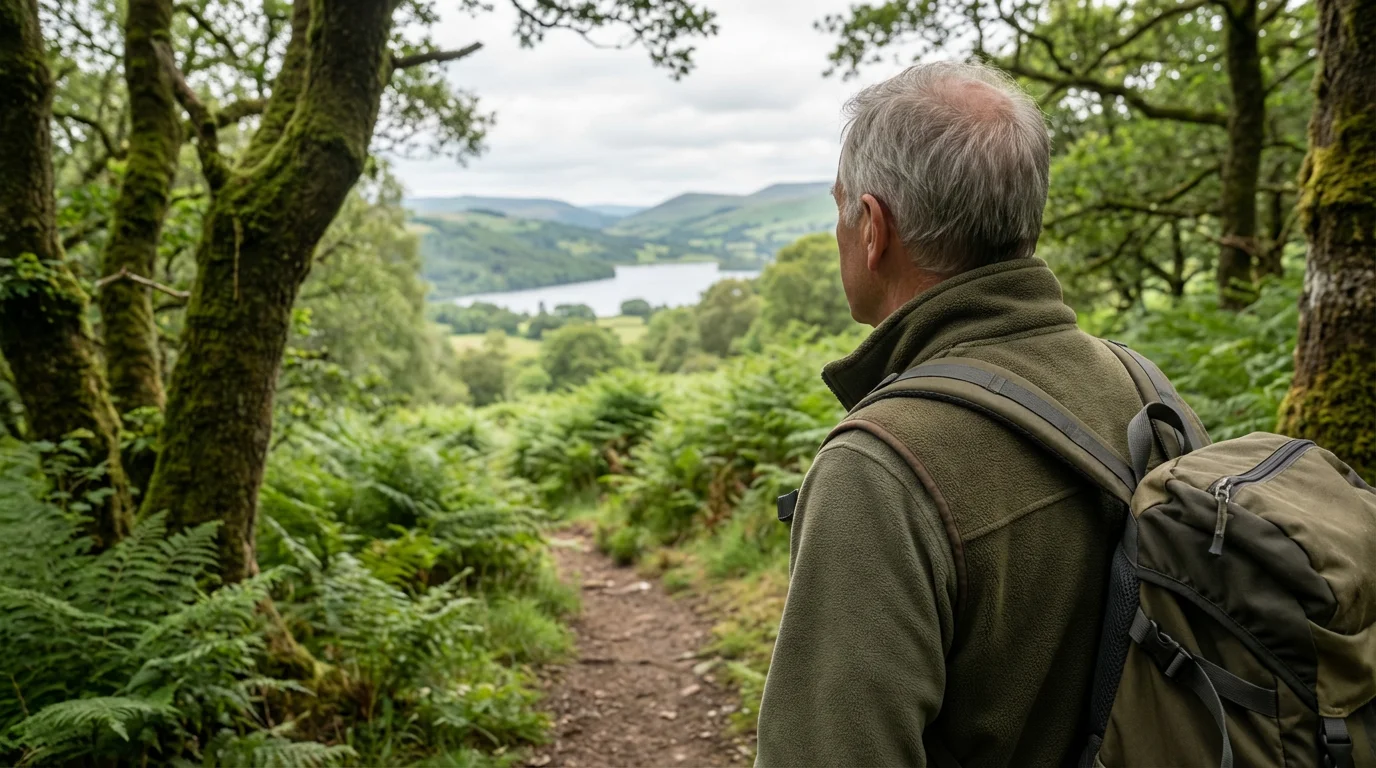
Nature offers a wealth of opportunities for enjoyable, low-cost recreation. Engaging with the outdoors provides physical activity, mental stimulation, and a sense of peace, often for free or a minimal fee.
National, state, and local parks offer extensive trail systems for walking, hiking, and biking. Many seniors obtain annual passes for national parks at a significantly reduced rate. These passes provide unlimited entry to federal lands and recreation sites for a lifetime.
Consider these readily available outdoor activities:
- Walking and Hiking: Explore local trails, greenways, and scenic routes. Many communities invest in accessible walking paths.
- Biking: Rediscover the joy of cycling on dedicated bike paths or quiet neighborhood streets.
- Gardening: Cultivate a home garden or participate in a community garden plot. This offers fresh produce and satisfying physical work.
- Bird Watching: Grab a pair of binoculars and a field guide. Many parks and nature preserves are excellent spots for observing local wildlife.
- Picnics: Pack a lunch and enjoy it in a local park, by a lake, or at a scenic overlook. This turns a meal into an outing.
- Fishing: With a state license, often available at a senior discount, you can enjoy peaceful hours by the water.
- Photography: Capture the beauty of your surroundings. Digital cameras and smartphones make this an accessible and rewarding hobby.

Community Engagement: Socializing Without the Spend
Social interaction is crucial for well-being in retirement. You can find numerous free or inexpensive ways to connect with others in your community. These activities often provide structure, purpose, and camaraderie.
Senior centers, community centers, and local libraries are invaluable resources. They frequently host a variety of programs tailored for older adults. These can range from card games and book clubs to exercise classes and educational workshops.
Think about these opportunities for engagement:
- Volunteering: Donate your time to a cause you care about. Local hospitals, schools, animal shelters, and charities always need help.
- Senior Center Programs: Participate in organized social events, craft groups, or group outings. These centers often offer free or low-cost meals.
- Library Clubs: Join a book club, writing group, or even a film discussion club at your local library. Many libraries also offer free workshops.
- Neighborhood Associations: Get involved in local community initiatives. This provides a sense of belonging and helps improve your immediate surroundings.
- Potlucks and Game Nights: Organize informal gatherings with friends or neighbors. Sharing a meal or playing board games keeps recreation costs low.
- Community Classes: Many towns offer inexpensive or free classes on topics like cooking, art, or local history through their recreation departments.
The AARP Livable Communities initiative highlights how communities can support active and engaged aging. These resources can help you identify local opportunities for social connection and affordable activities.

Creative and Learning Pursuits: Enriching Your Mind Affordably
Retirement offers the perfect time to explore new intellectual interests or rediscover old creative passions. You can engage in enriching activities that stimulate your mind without requiring significant financial investment.
Public libraries remain a cornerstone of affordable learning and entertainment. They offer not only books, but also movies, music, magazines, and access to online courses and databases. Many libraries also provide free computer access and internet services.
“The best time to plant a tree was 20 years ago. The second best time is now.”
Consider these options for mental stimulation and creative expression:
- Reading: Access countless books and e-books from your library. Join a book club for discussion and camaraderie.
- Writing: Start a journal, write short stories, or contribute to a local newsletter. This hobby requires only paper and a pen, or a computer.
- Learning a New Language: Use free apps like Duolingo or library resources. Many online platforms offer introductory courses.
- Auditing College Courses: Many community colleges and universities allow seniors to audit classes for free or at a significantly reduced rate. Check with local institutions.
- Arts and Crafts: Explore drawing, painting, knitting, or scrapbooking. Use existing supplies or start with inexpensive materials from craft stores.
- Music: Learn to play an instrument using online tutorials, or join a local community choir or band.
- Online Tutorials and Workshops: Websites like YouTube or free platforms offer tutorials on virtually any subject, from cooking to coding.

Health and Wellness on a Budget
Maintaining physical and mental health is paramount in retirement. You do not need expensive gym memberships or specialized equipment to stay active and well. Many effective health and wellness practices are entirely free or very low cost.
While focusing on physical health through recreation, it is also vital to consider healthcare costs in retirement as part of your overall wellness budget.
Walking remains one of the most accessible and beneficial forms of exercise. Regular walks improve cardiovascular health, boost mood, and help manage weight. You can easily integrate walking into your daily routine.
Explore these budget-friendly wellness options:
- Walking and Brisk Walking: Utilize local parks, sidewalks, and nature trails. Aim for at least 30 minutes most days of the week.
- Home Workouts: Follow free exercise videos online. Many target seniors and require no equipment. Bodyweight exercises are highly effective.
- Community Exercise Classes: Many senior centers and community recreation departments offer low-cost or free yoga, Tai Chi, or aerobics classes.
- Stretching and Flexibility: Incorporate daily stretching routines to maintain mobility and prevent injuries.
- Meditation and Mindfulness: Practice these techniques using free apps or online guides. They improve mental clarity and reduce stress.
- Healthy Cooking at Home: Preparing your own meals from scratch is often cheaper and healthier than dining out. Explore new recipes and ingredients.
Some Medicare Advantage plans include fitness benefits, such as SilverSneakers or Renew Active. You can find more information about Medicare options and coverage on the official Medicare.gov website, which may indirectly support your health and wellness activities.

Leveraging Senior Discounts and Local Programs
One significant benefit of retirement is the widespread availability of senior discounts. Many businesses and organizations offer reduced prices on goods and services, helping you manage your recreation costs effectively.
Always ask about senior discounts before making a purchase or booking an activity. These savings accumulate over time, allowing your budget to stretch further. Membership in organizations like AARP often unlocks additional benefits.
Look for these discount opportunities:
- Museums and Art Galleries: Many cultural institutions offer reduced admission for seniors. Plan your visits during off-peak hours for a more relaxed experience.
- Movie Theaters: Catch a matinee or check for specific senior days with discounted tickets.
- Public Transportation: Some cities offer reduced fares for seniors on buses, trains, and subways. This helps you explore your area affordably.
- Restaurants: Many eateries provide senior discounts on certain days or for specific menu items.
- Retail Stores: Ask at pharmacies, grocery stores, and department stores if they have senior discount days.
- Travel and Lodging: Airlines, hotels, and car rental companies often have senior rates.
- Educational Programs: As mentioned, many colleges and community centers offer reduced tuition or free auditing for older adults.
Your local city or county government website can provide information on specific senior programs and resources available in your area. These often include transportation services, social events, and health screenings.
Affordable Travel and Exploration
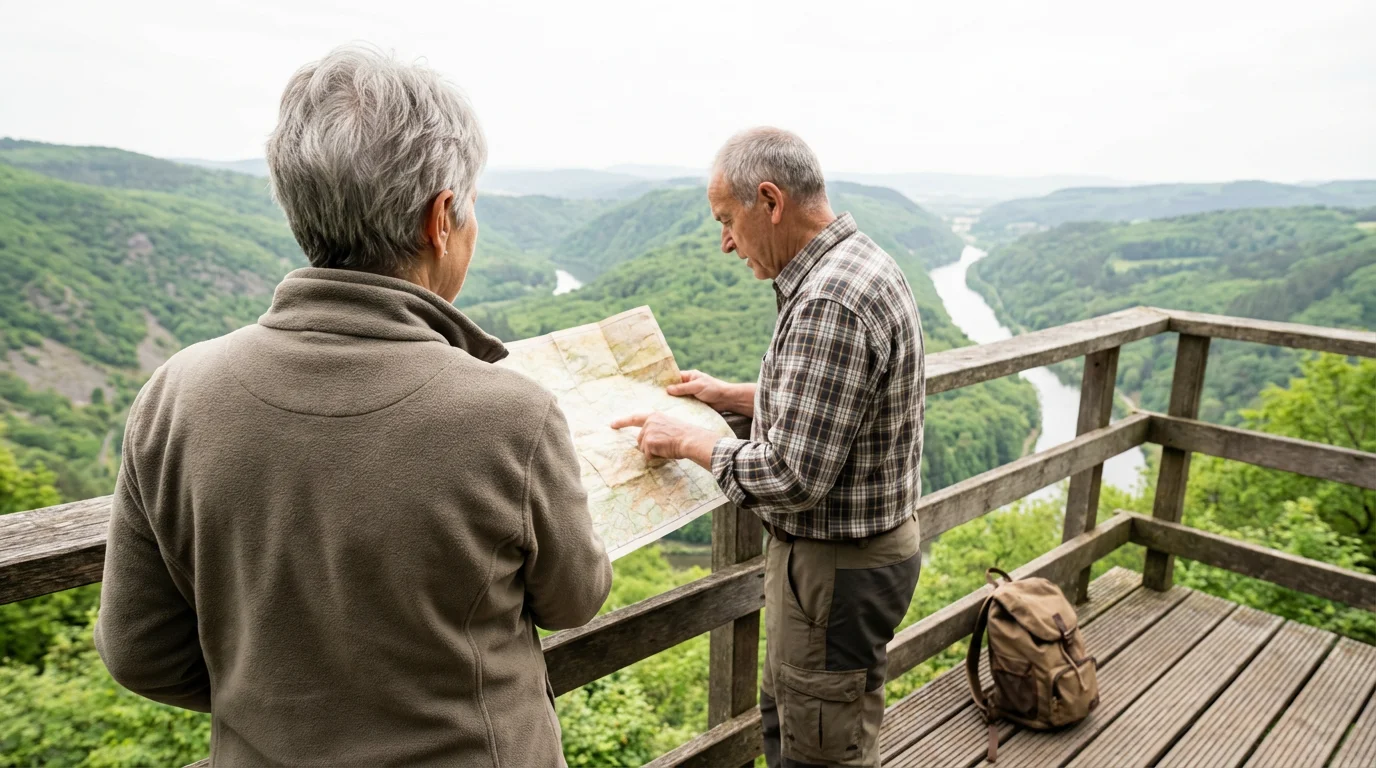
You do not need to embark on expensive international trips to satisfy your wanderlust in retirement. Many opportunities exist for affordable travel and exploration, allowing you to discover new places without straining your finances.
Focus on local exploration and day trips. Many fascinating historical sites, natural wonders, and charming small towns lie within a short driving distance. Pack a lunch and enjoy a change of scenery for minimal expense.
Consider these strategies for budget-friendly travel:
- Day Trips: Explore nearby towns, historical sites, or state parks. These provide a change of pace without accommodation costs.
- Road Trips: Plan multi-day drives to nearby regions, staying in budget-friendly motels or utilizing camping facilities.
- Camping: National and state parks offer beautiful campsites that are significantly cheaper than hotels. Many provide senior discounts on site fees.
- House Sitting: Exchange free accommodation for looking after someone’s home and pets. Several reputable websites facilitate these arrangements.
- Off-Season Travel: Visit popular destinations during their off-peak seasons. Prices for flights, lodging, and attractions are often much lower.
- Volunteer Travel: Some organizations offer programs where you volunteer your time in exchange for discounted or free travel and accommodation.

Choosing a Location that Supports Affordable Recreation
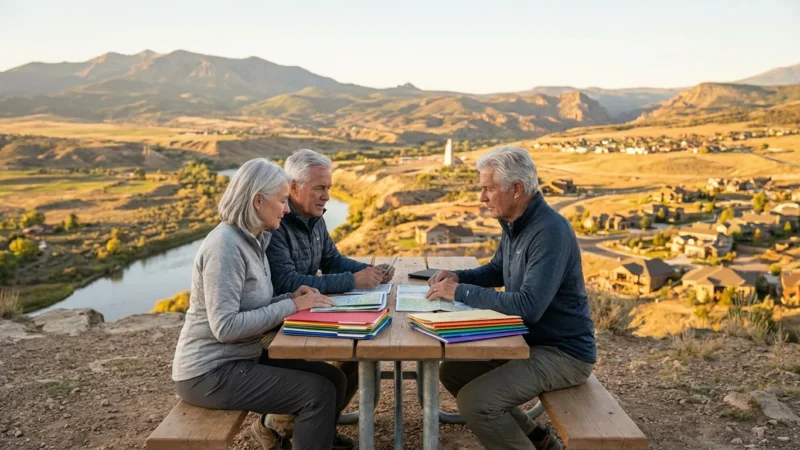
The place you choose to retire profoundly impacts your ability to enjoy cost-effective recreation. Some locations inherently offer more opportunities for affordable activities due to their climate, natural resources, and community infrastructure. When considering where to retire, factor in how a location supports your desired recreational lifestyle.
Look for communities with an abundance of public parks, extensive walking and biking trails, and access to natural attractions like beaches, mountains, or lakes. These features provide a built-in framework for enjoyable, low-cost activities. A walkable community further reduces transportation recreation costs.
Consider these location-based factors:
- Climate: A mild climate allows for year-round outdoor activities, maximizing your enjoyment of nature without seasonal limitations.
- Public Transportation: Good public transit reduces your reliance on a car, saving on fuel, insurance, and maintenance costs.
- Community Amenities: Look for areas with well-funded senior centers, public libraries, and recreation departments offering diverse programs.
- Access to Nature: Proximity to national or state parks, forests, lakes, or coastal areas expands your options for free outdoor pursuits.
- Cost of Living: Regions with a lower overall cost of living, as tracked by the Bureau of Labor Statistics, free up more of your budget for recreation and hobbies.
- Volunteer Opportunities: Communities with active non-profits and volunteer networks provide structured ways to engage and contribute.
For example, a city like Portland, Oregon, known for its extensive park system and public transportation, offers ample opportunities for affordable engagement. Similarly, many smaller towns in states like North Carolina or Tennessee boast beautiful natural surroundings and lower living costs.
Maximizing Value: Tips for Sustainable Enjoyment
Living an enjoyable and active retirement on a budget involves more than just finding cheap activities. It also requires a mindset of resourcefulness and intentionality. You can maximize the value of your recreational pursuits by making smart choices and adopting sustainable habits.
Prioritize experiences over material possessions. Investing in memories and personal growth often yields greater long-term satisfaction than acquiring new items. Focus on quality time and enriching activities.
Implement these tips for sustainable enjoyment:
- Prioritize Experiences: Allocate your budget towards activities that create lasting memories, personal growth, and social connections, rather than accumulating possessions.
- Share Costs: Plan outings with friends and neighbors to split expenses like transportation, shared meals, or group admission fees.
- DIY Solutions: Learn to do things yourself, whether it is gardening, home repairs, or crafting, rather than paying for services or buying finished products.
- Utilize Free Resources: Consistently check out your library, senior center, and local government websites for free events and programs.
- Re-purpose and Re-use: Find new uses for old items, especially in hobbies like crafting or home decorating, reducing the need to buy new supplies.
- Embrace Bartering: Exchange skills or services with friends and neighbors. You might offer gardening help in exchange for computer assistance, for example.
- Plan Ahead: Research free events, public park access, and senior discounts well in advance to optimize your recreational spending.
Frequently Asked Questions
What are some popular cheap retirement activities?
Popular cheap retirement activities include walking, hiking, gardening, bird watching, reading, volunteering, attending free events at senior centers or libraries, and engaging in home-based crafts like knitting or painting. These options often require minimal or no financial outlay.
How can I find affordable hobbies in my local area?
Start by checking your local public library, senior center, and community recreation department websites. Many communities offer free or low-cost classes, clubs, and events for seniors. Local newspapers and online community boards also list upcoming activities.
Do senior discounts significantly reduce recreation costs?
Yes, senior discounts can significantly reduce recreation costs over time. Many museums, theaters, public transportation systems, and even some restaurants offer reduced rates for older adults. Always inquire about senior discounts before paying for an activity or service.
How does my retirement location affect my recreation budget?
Your retirement location plays a major role. Areas with a lower overall cost of living, abundant public parks and trails, and well-funded community programs naturally provide more opportunities for affordable recreation. A mild climate also enables year-round outdoor activities.
What is the benefit of volunteering for recreation?
Volunteering offers numerous benefits for recreation. It provides a sense of purpose, opportunities for social interaction, and mental stimulation. Many volunteer roles also involve physical activity, contributing to your overall health and wellness, all without direct financial cost.
Can I travel affordably in retirement?
Absolutely. You can travel affordably by focusing on day trips, road trips, camping, and utilizing house sitting opportunities. Traveling during the off-season and taking advantage of senior discounts on transportation and lodging also helps keep costs down.
Disclaimer: This article is for informational purposes only. Cost of living, taxes, and local conditions change over time. We encourage readers to verify current information through official sources and visit potential retirement destinations before making relocation decisions.






Leave a Reply