

Dreaming of waking to the sound of waves, feeling the ocean breezes, and enjoying a relaxed pace of life? Coastal retirement captivates many Americans aged 55 and older. The allure of beach towns, endless horizons, and a vibrant lifestyle by the water is undeniable. However, transforming this dream into reality requires careful planning, especially when considering the financial implications.
This article guides you through the complexities of coastal living, helping you balance the idyllic beauty with your retirement budget. You will discover practical insights, explore different coastal regions, and learn how to identify affordable coastal retirement communities that match your financial goals and lifestyle preferences. Making an informed decision ensures your golden years truly shine by the sea.
Table of Contents
- The Enduring Allure of Coastal Living
- Understanding Coastal Retirement Costs
- Identifying Affordable Coastal Regions
- East Coast Options: From Maine to Florida
- Gulf Coast Gems: Texas, Louisiana, Mississippi, Alabama
- West Coast Considerations: California, Oregon, Washington
- Practical Steps for Your Coastal Relocation
- Frequently Asked Questions

The Enduring Allure of Coastal Living
The appeal of coastal living is deep-rooted for many. Imagine morning strolls on the beach, fresh seafood for dinner, and the calming presence of the ocean. This lifestyle promises physical activity, opportunities for social engagement, and a generally slower pace than bustling city life. Many retirees seek these benefits for a fulfilling post-career chapter.
A recent AARP survey indicated a strong preference among retirees for walkable communities and access to natural beauty, both hallmarks of many beach towns. The health benefits of spending time outdoors, particularly near water, also contribute to the draw. However, realizing this vision often comes with a higher price tag compared to inland options.
Benefits of Coastal Retirement
- Access to natural beauty, including beaches and waterways.
- Opportunities for outdoor activities like swimming, fishing, and boating.
- Potential for a more relaxed, vacation-like daily atmosphere.
- Favorable climates in many southern coastal areas.
- Strong community focus in many smaller beach towns.

Understanding Coastal Retirement Costs
Coastal areas generally command higher prices than their inland counterparts. This premium primarily stems from limited land availability and high demand. Understanding these specific cost drivers helps you prepare financially for a coastal move.
Successfully transitioning to the shore begins with creating a budget for your retirement relocation to account for these specific shoreline expenses.
Housing represents the most significant expense. You will often find median home prices and rental rates substantially higher in popular coastal communities. For instance, the median home price in Naples, Florida, a popular coastal city, significantly surpasses the state’s average. This trend holds true across many desirable coastal locations.
Key Cost Factors in Coastal Living
- Housing: Expect higher home purchase prices and rental costs due to demand and limited land.
- Insurance: Coastal properties face increased risks from hurricanes, floods, and storms. Homeowners insurance premiums, including wind and flood insurance, are significantly higher.
- Property Taxes: High property values often lead to higher property tax bills, even if the local tax rate is modest.
- Cost of Living: Groceries, utilities, and services can also be more expensive due to transportation costs and a tourist-driven economy.
- Utilities: Air conditioning costs can be substantial in humid coastal climates.
“Home is not where you are from, it is where you belong. Consider where your budget truly belongs to make your dream a reality.”
Let us look at a general comparison of costs to illustrate the point. Actual figures vary widely by specific location.
| Cost Category | Typical Coastal Area | Typical Inland Area |
|---|---|---|
| Median Home Price | $450,000+ | $300,000 |
| Average Rent (1-BR) | $1,800+ | $1,200 |
| Homeowners Insurance | $3,000 – $8,000+ (incl. flood/wind) | $1,200 – $2,500 |
| Property Taxes (annual) | $4,500 – $8,000+ | $2,500 – $5,000 |
| Grocery Index | 105-120 (above national average) | 95-105 (around national average) |

Identifying Affordable Coastal Regions
While coastal living often carries a premium, pockets of affordability exist. Finding them requires looking beyond the most popular, well-known destinations. Focus your search on areas that are: emerging, slightly less developed, or situated a short drive from the immediate beachfront rather than directly on it. These locations allow you to enjoy ocean access without the highest price tags.
Consider states with favorable tax policies for retirees. The Tax Foundation provides comprehensive state-by-state tax guides, showing how factors like income tax, sales tax, and property tax affect your overall budget. States without state income tax, for example, can stretch your retirement dollars further.
Factors for Affordable Coastal Options
- Distance from Major Cities: Towns further from large metropolitan areas often have lower housing costs.
- Emerging Markets: Look for coastal towns gaining popularity, but not yet experiencing extreme price surges.
- Proximity to the Beach: Properties a few miles inland from the immediate coastline can offer significant savings while maintaining easy beach access.
- Lower Property Taxes: Some states and counties have lower effective property tax rates.
- Lower Insurance Costs: Areas slightly inland or less prone to severe storm damage may have more manageable insurance premiums.

East Coast Options: From Maine to Florida
The East Coast offers a diverse range of coastal experiences, from rugged northern shores to subtropical southern beaches. Each region presents a unique balance of climate, cost, and lifestyle.
New England: Maine, New Hampshire, Massachusetts
Coastal New England charms with picturesque lighthouses, rocky shores, and historic fishing villages. You experience distinct four seasons, vibrant autumns, and cooler summers. However, this beauty often comes at a high cost. Housing in popular areas like Cape Cod, Massachusetts, or southern Maine rivals major metropolitan areas.
Property taxes are generally high across New England. Winter weather can be severe, adding heating costs and requiring snow removal. For those prioritizing four seasons and scenic beauty above all else, and possessing a substantial budget, New England offers an unparalleled experience.
Mid-Atlantic: Delaware, Maryland, Virginia
The Mid-Atlantic region offers a blend of historic charm and beach life. Delaware, in particular, appeals to retirees with its lack of state sales tax. Coastal towns like Lewes and Rehoboth Beach boast vibrant communities, though housing costs reflect their popularity.
Maryland’s Eastern Shore and Virginia Beach offer access to the Chesapeake Bay and Atlantic Ocean. These areas experience milder winters than New England and warmer summers. Property values remain relatively high, particularly in waterfront communities, but you might find slightly more accessible options further from the prime beach zones.
The Carolinas: North Carolina, South Carolina
The Carolinas represent a sweet spot for many retirees seeking more affordable coastal living. You find a moderate climate, beautiful beaches, and a lower overall cost of living compared to the Northeast. Both states offer growing 55+ communities and generally tax-friendly environments.
North Carolina’s Outer Banks offer stunning natural beauty and a quieter pace, though hurricane risk is a consideration. Smaller towns like Southport provide charm and community. South Carolina’s Myrtle Beach area and Hilton Head offer extensive amenities, golf courses, and a wide range of affordable coastal retirement communities. Property taxes are often lower in South Carolina than in many other coastal states. However, hurricane season requires vigilance and adequate insurance.
South Carolina Coastal Advantages
- Lower property taxes than national average.
- Mild winters and long warm seasons.
- Numerous 55+ communities with extensive amenities.
- Access to golf courses, fishing, and boating.
- Diverse coastal landscapes from barrier islands to marshlands.
Florida: The Sunshine State
Florida remains a perennial favorite for retirees due to its warm weather and lack of state income tax. The state offers thousands of miles of coastline along the Atlantic and Gulf of Mexico, with countless beach towns and 55+ communities. Cities like Fort Myers, Sarasota, and Port St. Lucie consistently rank high for retirement.
However, Florida’s popularity has driven up housing costs, particularly in desirable coastal areas. Insurance premiums, especially for wind and flood coverage, are among the highest in the nation due to hurricane frequency. While you save on state income tax, these insurance costs can offset other savings. You must also contend with significant population density and summer humidity. Researching specific smaller towns or communities a short drive from the immediate coast often reveals more affordable options.
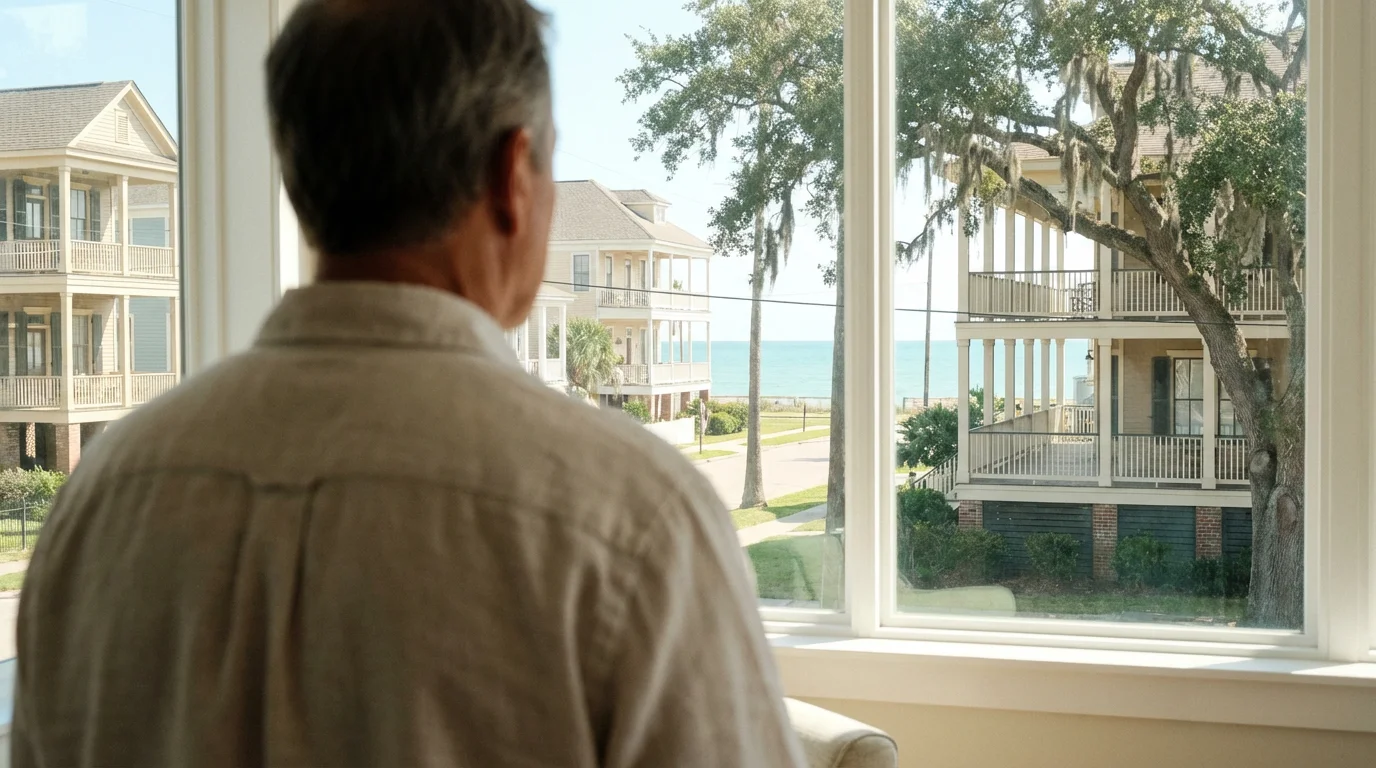
Gulf Coast Gems: Texas, Louisiana, Mississippi, Alabama
The Gulf Coast offers a distinct flavor of coastal living, often at a more accessible price point than many East and West Coast locations. These states combine southern charm with beautiful beaches, though humidity and hurricane risk are consistent factors.
Texas: Galveston, Corpus Christi
Texas provides expansive Gulf Coast access, and like Florida, it has no state income tax. Galveston, with its historic architecture and vibrant arts scene, offers a unique coastal experience. Corpus Christi features beautiful beaches and a lower cost of living than many other coastal cities. While property taxes can be higher in Texas, the absence of state income tax benefits many retirees. The climate is warm and humid, with a hurricane season to monitor.
Louisiana: The Bayou State’s Coast
Louisiana’s coast is primarily known for its bayous and marshlands, offering a unique ecological experience. While traditional sandy beaches are less common than in neighboring states, communities like Grand Isle provide a rustic coastal feel, focused on fishing and outdoor pursuits. The cost of living is generally lower here, but the state faces significant hurricane threats and coastal erosion challenges.
Mississippi and Alabama: Affordable Southern Beaches
The coasts of Mississippi and Alabama are true hidden gems for affordable coastal retirement. Towns like Gulfport and Biloxi in Mississippi offer beautiful white-sand beaches, casinos, and a relaxed atmosphere. The cost of living here is significantly lower than the national average, making it a strong contender for budget-conscious retirees. You find friendly communities and a slower pace of life.
Alabama’s Gulf Shores and Orange Beach boast stunning beaches and a growing number of amenities without the extreme price tags of Florida’s popular areas. Property values remain relatively reasonable, and insurance costs, while still a factor, are often more manageable than in Florida. These areas are excellent choices for retirees seeking tranquil beach towns and good value.
Features of Gulf Coast Beach Towns
- More affordable housing compared to East and West Coasts.
- Warm, humid climate suitable for year-round outdoor activities.
- Rich cultural heritage and delicious Southern cuisine.
- Emphasis on fishing, boating, and nature observation.
- Access to quiet, less crowded beaches.

West Coast Considerations: California, Oregon, Washington
The West Coast presents some of the most dramatic and beautiful coastlines in the country. However, this beauty comes with a premium, as these states typically rank among the most expensive places to live in the U.S.
California: Beauty at a High Price
California’s coast offers unparalleled scenic vistas, from rugged cliffs to sunny surf spots. Its diverse climate ranges from Mediterranean in the south to cooler, Redwood-filled stretches in the north. However, the cost of coastal living in California is notoriously high. Median home prices in popular areas regularly exceed $1 million. High state income taxes further impact retirement budgets.
For those determined to retire in California, look to less-developed areas in Northern California or consider communities slightly inland. Even then, you will likely find significantly higher costs than other coastal regions. Earthquake risk is also a significant consideration for property insurance and safety.
Oregon and Washington: Pacific Northwest Appeal
The coasts of Oregon and Washington offer stunning natural beauty, with dramatic cliffs, lush forests, and expansive beaches. You will find a cooler, rainier climate, particularly during the winter months, and a more rugged, less developed feel than many southern coasts. Oregon has no sales tax, which benefits some retirees, but property taxes vary.
Housing costs on the immediate coast in Oregon and Washington are generally high, though less exorbitant than in California. You might find more affordable options in charming small towns slightly inland or in less touristy coastal communities. Seismic activity is also a consideration in this region. These states appeal to those who value dramatic scenery, cooler weather, and outdoor adventure over warm, sunny beach days.

Practical Steps for Your Coastal Relocation
Making a major relocation decision, especially to a coastal area, requires a systematic approach. Thorough planning minimizes surprises and ensures a smoother transition into your new retirement life.
Your Coastal Retirement Relocation Checklist
- Assess Your Finances: Create a detailed budget. Factor in not only housing and standard living expenses, but also higher insurance premiums, potential flood zone requirements, and increased utility costs for heating or cooling.
- Research Specific Locations: Go beyond general state information. Dive into specific towns and neighborhoods. Research local property taxes, crime rates, healthcare facilities, and available social activities.
- Visit Prospective Locations: Spend time in potential retirement spots during different seasons. A summer visit shows tourist crowds, while an off-season visit reveals the true community feel.
- Investigate Healthcare Access: Verify the availability of quality hospitals, specialists, and long-term care facilities. Use resources like Medicare.gov or Eldercare Locator to find providers and services.
- Understand Tax Implications: Consult a financial advisor regarding state income tax, property tax exemptions for seniors, and inheritance taxes in your chosen state. This impacts your retirement income.
- Connect with Local Communities: Explore 55+ communities, local clubs, and volunteer opportunities. Building a social network is crucial for a fulfilling retirement.
- Plan for Severe Weather: Understand the risks associated with hurricanes, floods, or other coastal weather events. Research evacuation routes, emergency services, and how local infrastructure handles such events.
- Consult a Local Real Estate Agent: An agent with deep local knowledge can guide you through specific neighborhoods, insurance requirements, and market trends in coastal properties.
Frequently Asked Questions
What are the most affordable coastal states for retirement?
States on the Gulf Coast, like Mississippi and Alabama, often offer the most affordable coastal retirement options. Parts of the Carolinas, particularly away from prime tourist areas, also present good value for retirees.
How much more expensive is coastal insurance?
Coastal homeowners insurance, including wind and flood coverage, can be significantly more expensive than inland policies. Premiums often range from $3,000 to over $8,000 annually, depending on the property’s proximity to the water, construction, and the specific state’s risk profile.
Can I find 55+ communities near the beach?
Yes, many coastal states, especially Florida and the Carolinas, feature numerous 55+ communities designed for active adults. These communities offer amenities like clubhouses, pools, and social activities, often with convenient access to nearby beaches.
What is the biggest financial challenge of coastal retirement?
The biggest financial challenge typically involves housing costs and insurance premiums. High property values combined with elevated insurance rates for wind, flood, and hurricane coverage can substantially increase your monthly expenses.
Are there any coastal states with no income tax for retirees?
Yes, Florida and Texas are two prominent coastal states that do not levy a state income tax. This can provide significant savings for retirees, though you should always consider overall cost of living and property taxes in your budget.
How does healthcare access vary in coastal areas?
Healthcare access varies widely. Major coastal cities generally offer comprehensive medical facilities. Smaller, more remote beach towns might have limited options, requiring travel for specialized care. Always research local healthcare infrastructure before committing to a location.
Choosing a coastal retirement destination involves careful consideration of your dream lifestyle and your financial realities. While the beauty of ocean breezes and beach towns is undeniable, you must factor in the how much coastal retirement costs, including housing, insurance, and taxes. By thoroughly researching affordable coastal retirement communities and regions, you can find a place where your retirement budget supports a beautiful coastal living experience.
The “perfect” coastal retirement spot depends entirely on your individual priorities, budget, and desired lifestyle. With diligent planning and research, you will discover the ideal beach town to call home in your golden years.
Disclaimer: This article is for informational purposes only. Cost of living, taxes, and local conditions change over time. We encourage readers to verify current information through official sources and visit potential retirement destinations before making relocation decisions.








Leave a Reply