
Retirement offers a significant opportunity to redefine your lifestyle, especially if you envision an active, engaged future. Many Americans aged 55 and older prioritize physical well-being and outdoor recreation, seeking environments that support these goals. Selecting the right state for your active retirement involves more than just beautiful scenery; it demands careful consideration of climate, access to activities, cost of living, and healthcare.
For those seeking mountain elevations, a Colorado retirement offers a unique blend of high-altitude adventure and vibrant community life.
Researching the best retirement states for outdoor enthusiasts can provide a helpful starting point for your relocation journey.
This comprehensive guide explores top states where sunny skies and abundant outdoor recreation opportunities align to create an ideal setting for your golden years. We deliver practical insights to help you identify what are the best active retirement locations that fit your unique preferences. Your perfect active retirement destination awaits your discovery.
Table of Contents
- Understanding Active Retirement: Why Location Matters
- Key Factors for Choosing an Active Retirement State
- Florida: The Sunshine State’s Outdoor Playground
- Arizona: Desert Adventures and Year-Round Sun
- Colorado: Mountain Majesty and Four-Season Activities
- North Carolina: Diverse Landscapes and Mild Climates
- Oregon: Pacific Northwest’s Green Oasis for Outdoor Enthusiasts
- Practical Steps for Relocating to Your Active Retirement Destination
- Choosing Your Best Fit for Active Retirement
- Frequently Asked Questions

Understanding Active Retirement: Why Location Matters
Active retirement signifies a commitment to an engaged and healthy lifestyle, extending beyond traditional notions of quiet leisure. It often involves pursuits such as hiking, cycling, golf, water sports, and maintaining social connections. For many, maintaining physical and mental vitality becomes a cornerstone of these years.
Your geographic location plays a pivotal role in enabling this lifestyle. A state with a favorable climate and ample outdoor recreation opportunities removes barriers to consistent engagement. You can enjoy your preferred activities daily when the weather cooperates and accessible facilities are nearby.
Home is not where you are from, it is where you belong.
The “best” active retirement locations seamlessly integrate natural beauty with infrastructure supporting an active life. This integration allows you to fully embrace hobbies and enjoy your surroundings. Your chosen location should feel like an extension of your active self.

Key Factors for Choosing an Active Retirement State
Selecting an active retirement state requires evaluating several interconnected factors. You want a location that consistently supports your desired lifestyle. Understanding these elements will help you make an informed decision for your future.
It is also essential to start creating a budget for your retirement relocation to account for both one-time moving expenses and long-term cost variations.
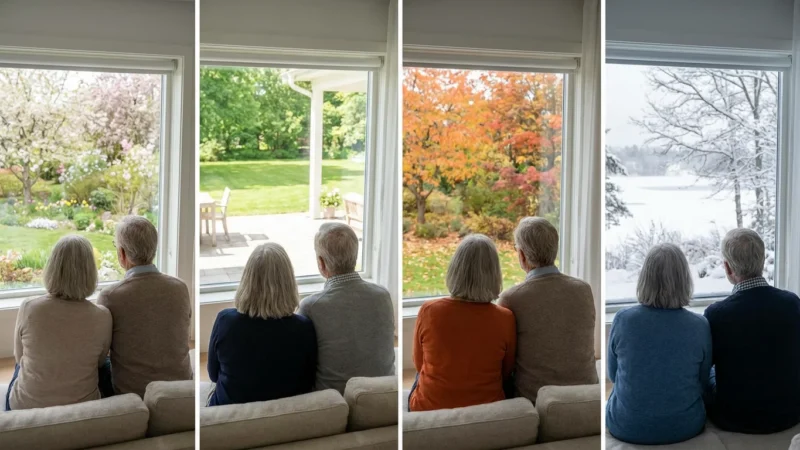
For those who enjoy distinct weather patterns, a four seasons retirement offers the variety of changing landscapes throughout the year.
Beyond proximity to hospitals, it is wise to compare healthcare costs in retirement as insurance premiums and out-of-pocket expenses vary by state.
Climate and Weather Considerations
Climate stands as a primary driver for an active outdoor retirement. Consider average temperatures, humidity levels, and the number of sunny days annually. You need conditions that encourage, rather than deter, your outdoor activities throughout the year.
For example, regions with mild winters allow for year-round golf and walking. States with dry heat might be preferable for hiking over humid climates. Researching specific regional climates within a state is also crucial, as conditions can vary significantly from coast to mountains.
Access to Outdoor Recreation
Proximity to natural parks, extensive trail systems, lakes, rivers, and coastal areas is essential. Evaluate the sheer volume and diversity of outdoor activities available. Look for opportunities that align with your personal interests, whether that is kayaking, cycling, or birdwatching.
Many communities also offer recreational facilities like pickleball courts, community pools, and golf courses. A truly active retirement benefits from easy access to both organized and informal outdoor pursuits. Ensure the infrastructure supports your chosen hobbies.
Cost of Living
Your budget profoundly impacts where you can comfortably retire. The cost of living includes housing, utilities, transportation, groceries, and healthcare. Compare potential states against the national average and your personal financial plan.
While some states offer excellent outdoor amenities, their high cost of living might strain your retirement savings. Conversely, more affordable states can free up resources for travel and leisure activities. Use tools like the Bureau of Labor Statistics (BLS) Consumer Price Index data for cost comparisons.
Healthcare Infrastructure
Access to quality healthcare becomes increasingly important as you age, even for the most active individuals. Research the availability of hospitals, specialty care, and geriatric services in potential retirement areas. Consider proximity to major medical centers and your preferred providers.
Medicare.gov provides resources for comparing health plans and providers by location. You want assurance that excellent medical care is readily available, offering peace of mind for you and your family.
Tax-Friendliness for Retirees
State tax policies directly affect your retirement income. Some states do not tax Social Security benefits, pension income, or withdrawals from retirement accounts. Others have no state income tax at all, which can significantly boost your disposable income.
Property taxes, sales taxes, and estate taxes also factor into the overall financial picture. Consult resources like the Tax Foundation to understand the full tax implications of each state. A tax-friendly environment can sustain your active lifestyle for longer.
Community and Social Opportunities
An active retirement is not solely about physical activity; it also involves social engagement. Look for communities with vibrant social scenes, volunteer opportunities, and clubs that match your interests. Many 55+ communities specifically cater to active adults, offering a built-in social network.
A strong sense of community can significantly enhance your quality of life. Consider whether you prefer the bustling environment of a city or the more intimate atmosphere of a small town. Both can offer rich social opportunities depending on your preferences.
Florida: The Sunshine State’s Outdoor Playground
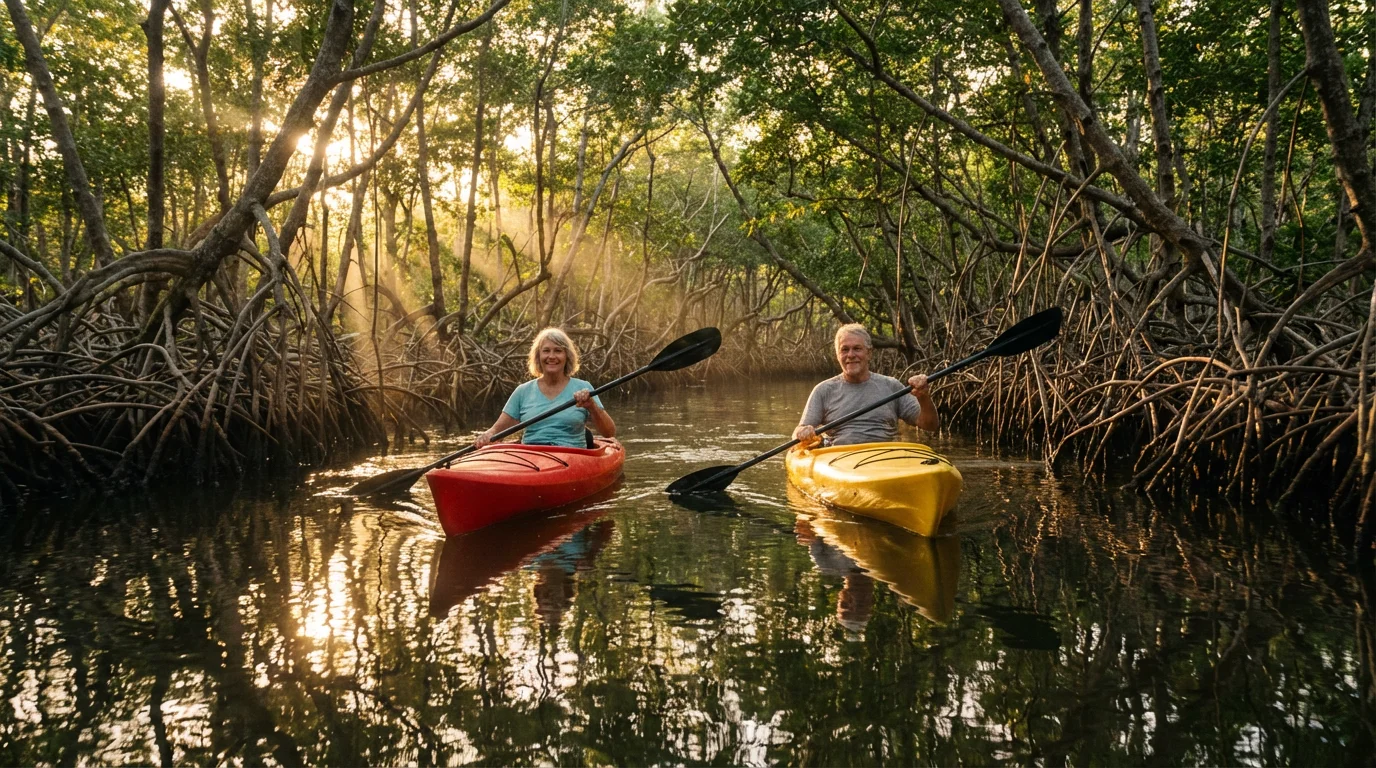
Florida consistently ranks as a top destination for active retirees, earning its nickname, the “Sunshine State,” with good reason. Its warm climate and extensive coastline provide unparalleled opportunities for outdoor recreation. You will find a robust environment here for maintaining an active lifestyle.
Learning how to choose a retirement community involves evaluating on-site amenities and the surrounding neighborhood’s recreational access.
Transitioning from snow to sun is a major motivation for many retirees looking to escape northern winters for Florida’s warmth.
Climate and Activities
Florida boasts an average of 237 sunny days per year, well above the national average. Winters are mild and pleasant, with average temperatures in the 60s and 70s Fahrenheit, allowing for year-round outdoor activities. Summers are hot and humid, but proximity to water often provides relief.
The state is an outdoor recreation paradise. You can enjoy:
- Miles of sandy beaches for walking, swimming, and sunbathing.
- World-class golf courses, with over 1,200 public and private options.
- Boating, fishing, and kayaking in its abundant lakes, rivers, and coastal waters.
- Extensive state park systems, such as Everglades National Park, offering hiking and wildlife viewing.
- Countless opportunities for cycling on dedicated trails.
This environment ensures that you can pursue your favorite outdoor hobbies almost any day.
Cost of Living and Taxes
Florida offers a mixed financial picture for retirees. While the cost of living index is close to the national average, housing costs in popular coastal areas or major cities can be higher. However, property taxes vary widely by county, with homestead exemptions providing relief for permanent residents.
Significantly, Florida has no state income tax, which is a major draw for retirees. This means your Social Security benefits, pension income, and other retirement distributions are not taxed at the state level. This financial advantage can help stretch your retirement savings further.
Healthcare Access and Communities
Florida features a strong healthcare infrastructure with numerous hospitals and medical centers, particularly in its larger metropolitan areas. Major systems like AdventHealth and HCA Healthcare provide extensive services. You can generally find specialized care with ease.
The state leads the nation in 55+ communities, offering a wide array of options from active adult neighborhoods to resort-style living. These communities often provide amenities like golf courses, fitness centers, and organized social events. Locations like The Villages exemplify this focus on active senior living.
Pros of Florida for Active Retirement
- Abundant sunshine and warm temperatures for year-round outdoor activities.
- No state income tax, benefiting retirement income.
- Vast selection of outdoor recreation, especially water sports and golf.
- Extensive choice of 55+ communities with active programming.
- Well-developed healthcare infrastructure.
Cons of Florida for Active Retirement
- Hot, humid summers can be challenging for some.
- Risk of hurricanes and tropical storms.
- High population density in popular areas can lead to traffic and crowds.
- Property insurance costs can be higher due to storm risks.

Arizona: Desert Adventures and Year-Round Sun
Arizona presents an enticing option for those seeking an active retirement under consistently sunny skies. Its dry, warm climate, particularly during the winter months, makes it a haven for outdoor enthusiasts. You will find a unique blend of desert landscapes and vibrant urban centers here.
While desert life is appealing, some seniors prefer avoiding extreme heat by seeking higher elevations or more temperate regions.
Climate and Activities
Arizona averages an impressive 290 sunny days per year, among the highest in the nation. Winters are famously mild and sunny, with daytime temperatures often in the 60s and 70s. Summers bring intense dry heat, often exceeding 100 degrees Fahrenheit, which requires early morning or evening activity scheduling.
The state’s landscape provides a stunning backdrop for outdoor pursuits. You can explore:
- Thousands of miles of hiking and biking trails, especially in the Sonoran Desert.
- World-renowned golf courses that capitalize on the desert scenery.
- National Parks and Monuments, including the Grand Canyon, offering breathtaking exploration.
- Opportunities for rock climbing and off-roading.
- Lakes and rivers for boating and fishing in cooler elevations.
These varied options ensure your active retirement remains engaging.
Cost of Living and Taxes
The cost of living in Arizona is slightly above the national average, primarily driven by housing costs in major metropolitan areas like Phoenix and Scottsdale. However, many communities outside these hubs offer more affordable options. Property taxes are generally lower than the national average.
Arizona offers a favorable tax environment for retirees. It does not tax Social Security benefits. While there is a state income tax, it generally applies to other forms of retirement income at moderate rates. This combination can make your retirement savings more effective.
Healthcare Access and Communities
Arizona boasts a robust healthcare system, particularly in its population centers. The Mayo Clinic has a major campus in Phoenix, and other large hospital systems like Banner Health serve communities across the state. You will find comprehensive medical facilities and specialists readily available.
Similar to Florida, Arizona offers a wide selection of active adult and 55+ communities. These developments often feature extensive amenities like clubhouses, pools, fitness centers, and organized social activities. The concentration of retirees fosters a strong sense of community and shared interests.
Pros of Arizona for Active Retirement
- Exceptional number of sunny days and mild, dry winters.
- Stunning desert landscapes for unique outdoor activities.
- Lower property taxes compared to many other states.
- No state income tax on Social Security benefits.
- Strong presence of active adult communities.
Cons of Arizona for Active Retirement
- Extremely hot summers can limit daytime outdoor activity for several months.
- Water conservation is an ongoing concern in some regions.
- Higher housing costs in popular areas.
- Distance from major family centers for some East Coast retirees.
Colorado: Mountain Majesty and Four-Season Activities
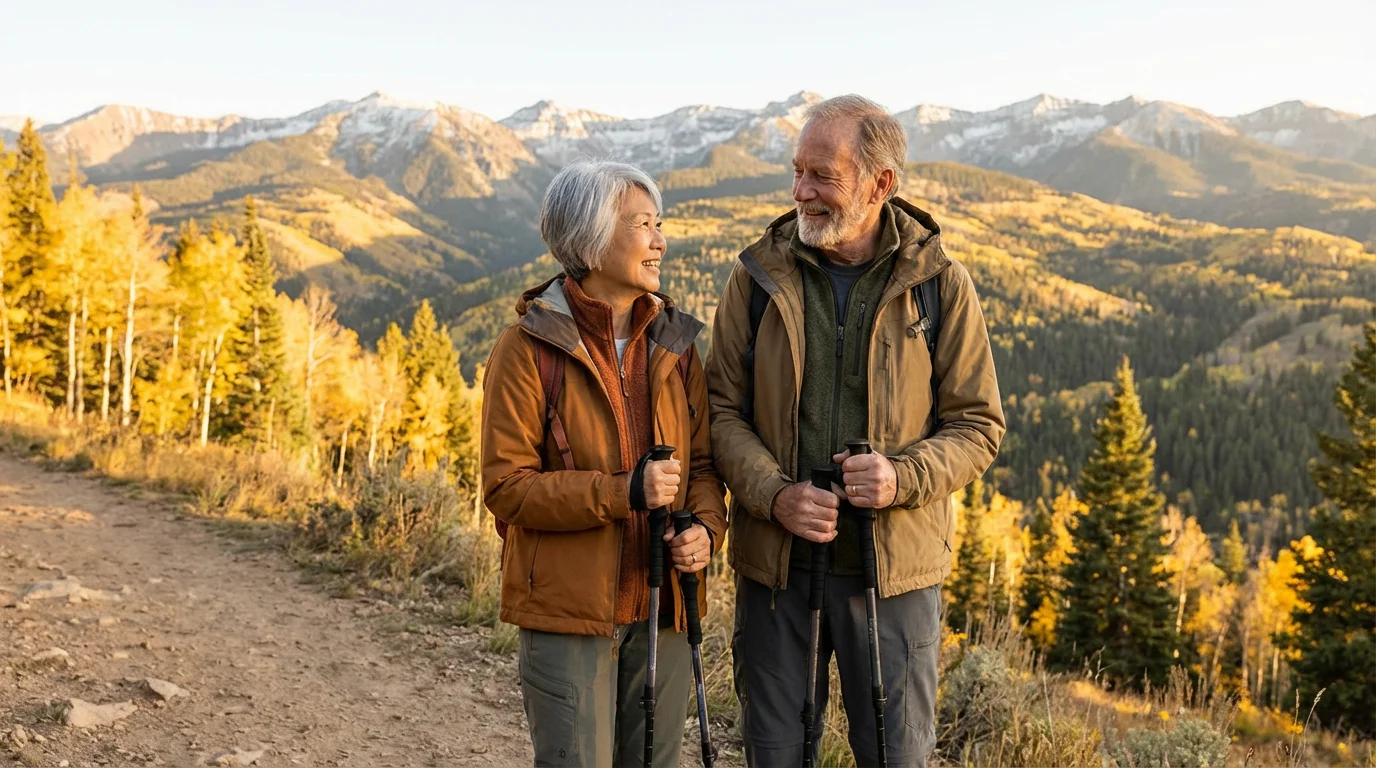
For retirees who envision an active lifestyle amidst majestic mountains and distinct four seasons, Colorado offers an compelling choice. The state’s natural beauty and outdoor-centric culture provide endless opportunities for adventure. You will find a community that values health and engagement here.
Climate and Activities
Colorado’s climate is characterized by low humidity and abundant sunshine, even during winter months. While it experiences true four seasons, the high altitude often means intense sun. Winters bring significant snowfall, while summers are warm and pleasant, rarely reaching extreme heat.
The Rockies define Colorado’s outdoor recreation scene. You can partake in:
- World-class skiing and snowboarding in resorts like Aspen and Vail.
- Thousands of miles of hiking and mountain biking trails, from easy paths to challenging ascents.
- Fly fishing, rafting, and kayaking in its numerous rivers and alpine lakes.
- Rock climbing and mountaineering for the adventurous.
- Access to four National Parks, including Rocky Mountain National Park.
This ensures continuous outdoor engagement throughout the year.
Cost of Living and Taxes
The cost of living in Colorado, particularly in the Denver metro area and popular mountain towns, is generally higher than the national average. Housing costs are a significant factor, but more affordable options exist in smaller cities and towns on the Eastern Plains. Property taxes are relatively low.
Colorado has a flat state income tax rate. While it taxes retirement income, it offers generous deductions for seniors, particularly on pension and annuity income for those aged 65 and older. This helps mitigate the impact on your retirement funds. Social Security benefits are fully exempt from state income tax for most retirees.
Healthcare Access and Communities
Colorado possesses a strong healthcare system, particularly in its Front Range urban corridor. Denver and Boulder host major hospitals and specialized medical centers. You can access high-quality care with relative ease in these population centers.
While Colorado has fewer dedicated 55+ communities compared to Florida or Arizona, many towns and cities foster active lifestyles. Communities are often built around outdoor amenities, offering clubs and groups focused on hiking, cycling, and other sports. You can find active senior centers and a strong emphasis on wellness.
Pros of Colorado for Active Retirement
- Spectacular mountain scenery and diverse four-season outdoor activities.
- Abundant sunshine and low humidity year-round.
- Strong culture of health and outdoor engagement.
- Generally low property taxes.
- Generous income tax deductions for seniors.
Cons of Colorado for Active Retirement
- Higher cost of living, especially for housing in popular areas.
- Winters can be long with significant snowfall.
- High altitude might require adjustment for some individuals.
- Fewer dedicated 55+ communities compared to Sun Belt states.
North Carolina: Diverse Landscapes and Mild Climates
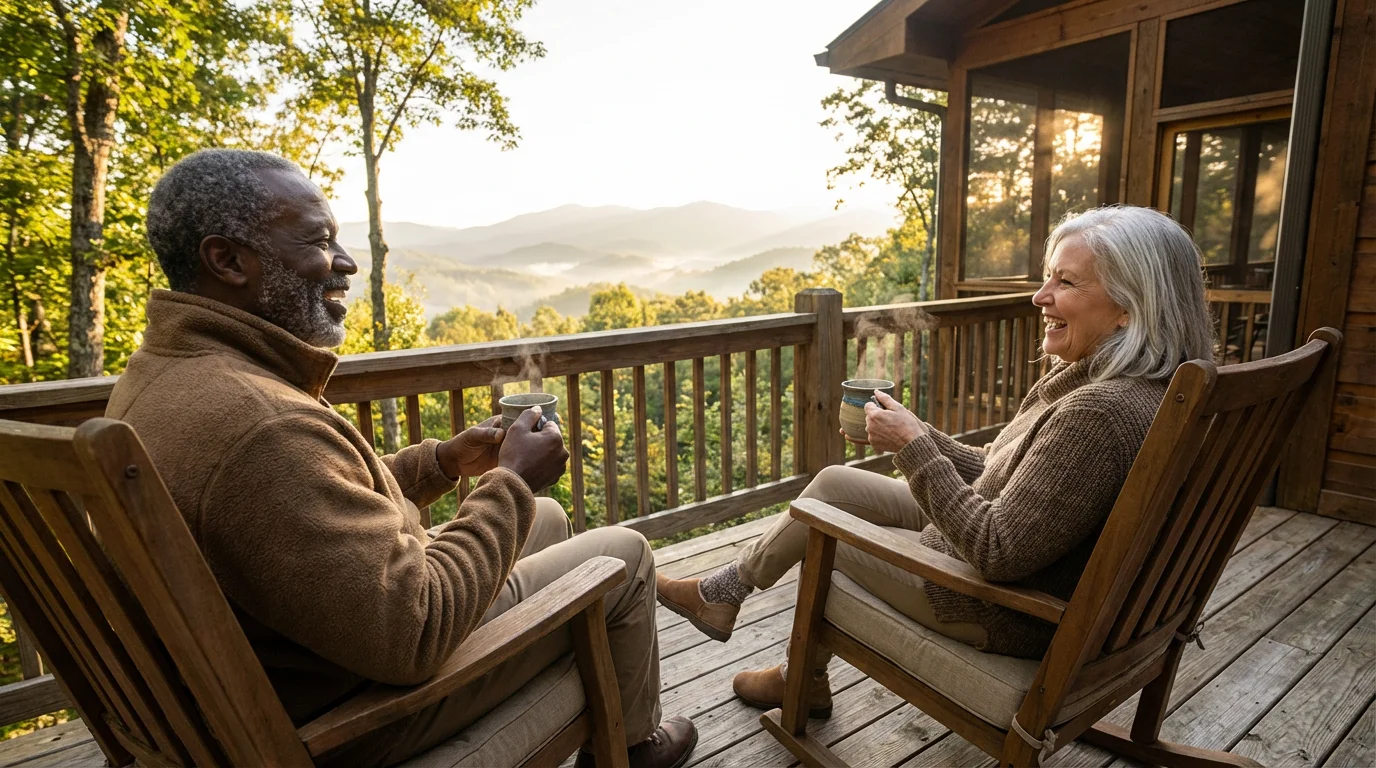
North Carolina offers a balanced approach to active retirement, providing diverse landscapes and generally mild climates. From the Appalachian Mountains to the Atlantic coast, the state caters to a wide range of outdoor interests. You can find a fulfilling and active lifestyle here without extreme weather conditions.
Climate and Activities
North Carolina’s climate varies significantly across its three main regions: the mountains, the Piedmont, and the Coastal Plain. Generally, it enjoys four distinct seasons with mild winters and warm, humid summers. The mountains offer cooler summers, while the coast benefits from ocean breezes. The state experiences an average of 213 sunny days annually.
This geographic diversity translates into a wealth of outdoor activities. You can enjoy:
- Hiking and exploring the Blue Ridge Parkway and Great Smoky Mountains National Park.
- Boating, fishing, and swimming along the extensive coastline and Outer Banks.
- Golfing on hundreds of courses, including Pinehurst’s legendary greens.
- Cycling on scenic routes and greenways throughout the state.
- Kayaking and paddleboarding on inland lakes and rivers.
This variety ensures you always have options for outdoor adventure.
Cost of Living and Taxes
North Carolina’s cost of living is generally below the national average, making it an attractive option for retirees on a budget. Housing costs are moderate across much of the state, though popular coastal towns and mountain communities can be more expensive. Property taxes are relatively low.
The state has a flat income tax rate. While it taxes most retirement income, including pensions and 401(k) withdrawals, Social Security benefits are exempt from state income tax. This exemption helps to preserve your retirement funds. You will find the overall tax burden manageable compared to many other states.
Healthcare Access and Communities
North Carolina boasts excellent healthcare, with major medical centers like Duke University Health System and UNC Health at the forefront. Access to quality hospitals and specialized care is strong, particularly in the larger cities and research triangles. You can find comprehensive medical services across the state.
The state features numerous active adult and 55+ communities, especially in the rapidly growing Piedmont region and along the coast. These communities often provide amenities like golf courses, fitness centers, and robust social calendars. Many smaller towns also cultivate strong community ties and offer active senior programs.
Pros of North Carolina for Active Retirement
- Diverse landscapes supporting a wide range of outdoor activities.
- Generally mild climate with four distinct seasons.
- Cost of living is typically below the national average.
- No state income tax on Social Security benefits.
- Excellent healthcare infrastructure.
Cons of North Carolina for Active Retirement
- Summers can be humid.
- Risk of hurricanes in coastal areas.
- Income tax applies to most other retirement income.
- Traffic can be heavy in major metropolitan areas.

Oregon: Pacific Northwest’s Green Oasis for Outdoor Enthusiasts
Oregon offers a compelling destination for active retirees who appreciate lush landscapes, dramatic coastlines, and a commitment to outdoor living. This Pacific Northwest gem provides a unique blend of natural beauty and diverse recreational opportunities. You will find a vibrant community that embraces the outdoors here.
Climate and Activities
Oregon’s climate varies significantly between its western and eastern halves. Western Oregon, including cities like Portland and Salem, experiences mild, wet winters and warm, dry summers. Eastern Oregon has a drier, more continental climate with hotter summers and colder winters. The state averages about 158 sunny days per year, with much of the sun concentrated in the summer months.
The state’s natural environment provides a playground for outdoor activities. You can indulge in:
- Hiking and backpacking through lush forests, including the Cascade Mountains and along the Pacific Crest Trail.
- Cycling on extensive scenic routes and urban bike paths.
- Kayaking, paddleboarding, and fishing on rivers like the Willamette and Deschutes, and numerous lakes.
- Exploring the rugged and beautiful Oregon Coast, with opportunities for beachcombing and storm watching.
- Skiing and snowboarding on Mount Hood and other volcanic peaks in winter.
These options ensure a diverse and continuously active lifestyle.
Cost of Living and Taxes
The cost of living in Oregon, particularly in the Portland metropolitan area, is above the national average, primarily due to higher housing costs. However, smaller towns and cities outside the major hubs offer more affordable living. Property taxes are moderate and vary by county.
Oregon has no state sales tax, which is a significant advantage for consumers. However, it has a progressive state income tax with some of the highest rates in the nation. All retirement income, including Social Security benefits, pensions, and 401(k) withdrawals, is subject to state income tax. This factor requires careful financial planning.
Healthcare Access and Communities
Oregon maintains a strong healthcare system, particularly in its major population centers. Portland hosts several highly-ranked hospitals and medical research facilities, including Oregon Health & Science University (OHSU). You can access comprehensive and specialized medical care with ease in these areas.
While Oregon has fewer large-scale 55+ communities compared to Sun Belt states, many towns and cities, particularly Bend and Ashland, are known for their active retiree populations. These communities often feature a strong emphasis on outdoor sports clubs, cultural events, and health and wellness initiatives. You will find a welcoming atmosphere for active adults.
Pros of Oregon for Active Retirement
- Stunning natural beauty, from coastlines to mountains and forests.
- Diverse range of outdoor activities for all seasons.
- Mild temperatures, especially in Western Oregon.
- No state sales tax.
- Strong emphasis on health and sustainability.
Cons of Oregon for Active Retirement
- Wet, cloudy winters in Western Oregon.
- High state income tax, applying to all retirement income.
- Higher cost of living, particularly in metropolitan areas.
- Fewer dedicated 55+ communities compared to other popular retirement states.

Practical Steps for Relocating to Your Active Retirement Destination
Relocating for retirement is a major life decision that involves careful planning and execution. Taking a structured approach ensures a smoother transition to your new active lifestyle. Follow these practical steps to navigate your relocation successfully.
- Thoroughly Research Potential Locations: Dive deep into the climate, cost of living, tax laws, healthcare facilities, and specific outdoor opportunities of your preferred states. Utilize resources like the U.S. Census Bureau for demographic data and Medicare.gov for healthcare comparisons. Gather as much information as possible to inform your decision.
- Visit Your Top Choices: Spend extended time in potential retirement cities or towns, preferably during different seasons. Renting for a month or two allows you to experience daily life, assess traffic, and test out local amenities. This firsthand experience is invaluable for confirming your preferences.
- Develop a Comprehensive Financial Plan: Consult with a financial advisor to understand the full financial implications of moving. Factor in not just initial relocation costs, but also ongoing expenses in your new state, including property taxes, insurance, and activity fees. Ensure your retirement savings align with your chosen lifestyle.
- Assess Healthcare and Insurance Needs: Before moving, research doctors, hospitals, and specialists in your new area. Verify that your current health insurance plans, especially Medicare, will provide adequate coverage. If you take regular medications, ensure local pharmacies are accessible and covered.
- Downsize and Plan Logistics: Moving often means downsizing. Start decluttering and organizing your possessions well in advance. Obtain quotes from reputable moving companies and consider the logistics of transporting vehicles or special equipment. A well-organized move reduces stress significantly.
- Build a New Community: Once settled, actively seek out ways to connect with your new community. Join clubs, volunteer for local organizations, or participate in senior center activities. Building new social networks is crucial for overall well-being and maintaining an active social life.

Choosing Your Best Fit for Active Retirement
The “best” state for active retirement is ultimately a highly personal decision. Your ideal location depends on your specific outdoor interests, financial comfort, health needs, and social preferences. You must weigh the unique advantages and disadvantages of each state against your personal priorities.
Consider whether year-round access to a specific activity, like golf or hiking, outweighs higher costs in a certain region. Think about the balance between plentiful sunny skies and potential humidity or extreme heat. Your happiness in retirement directly correlates with how well your environment supports your chosen lifestyle.
We encourage you to use this guide as a starting point for your research. Explore the states that resonate most with you and delve into specific communities within those states. Your active retirement should be an adventure, and finding the right place is the first exciting step.
Frequently Asked Questions
What defines an “active retirement”?
Active retirement emphasizes an engaged lifestyle, often centered around physical activities, hobbies, social interaction, and continued learning. It moves beyond traditional notions of quiet leisure, focusing instead on maintaining physical and mental vitality through consistent participation in meaningful pursuits, especially those outdoors.
How does climate impact outdoor retirement activities?
Climate significantly influences your ability to enjoy outdoor activities consistently. Mild temperatures, abundant sunshine, and less extreme weather facilitate year-round engagement in pursuits like hiking, cycling, and gardening. States with predictable and pleasant climates allow for a more reliable schedule of outdoor recreation, reducing reliance on indoor alternatives.
Should I prioritize tax-friendliness or climate for active retirement?
The choice between prioritizing tax-friendliness and climate depends on your individual financial situation and lifestyle goals. A tax-friendly state can significantly extend your retirement savings, while an ideal climate supports your desired active lifestyle. Many states offer a beneficial balance, so evaluate your budget and preferred activities carefully to find a location that aligns with both priorities.
How important is healthcare access in an active retirement location?
Healthcare access remains critically important, regardless of how active you are. Even highly active individuals need reliable medical services, including specialists and emergency care. Researching a state’s healthcare infrastructure and facility quality is a non-negotiable step in your relocation planning to ensure peace of mind and access to necessary services as you age.
Can I find active retirement opportunities in smaller towns or rural areas?
Absolutely. Many smaller towns and rural areas across America provide extensive opportunities for active retirement. These locations often boast direct access to natural parks, trails, lakes, and rivers, making them ideal for outdoor recreation. While they may offer fewer organized activities than large cities, they provide a strong connection to nature and a sense of community, appealing to those seeking a quieter yet active lifestyle.
Disclaimer: This article is for informational purposes only. Cost of living, taxes, and local conditions change over time. We encourage readers to verify current information through official sources and visit potential retirement destinations before making relocation decisions.






Leave a Reply