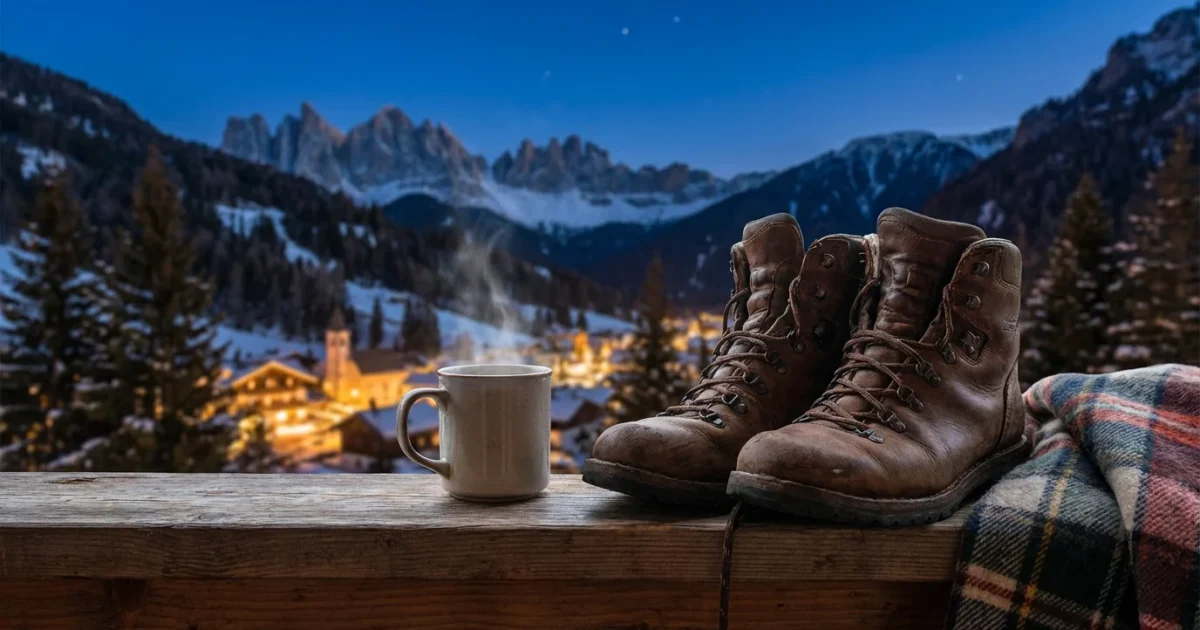
The Mountain West, with its majestic peaks, vast open spaces, and vibrant communities, draws many Americans seeking a fulfilling retirement. This region offers a unique blend of natural beauty, outdoor adventure, and a slower pace of life. For those envisioning retirement in a place where community thrives and stunning landscapes define daily living, small towns in the Mountain West present compelling options.
Before you begin your journey, creating a budget for your retirement relocation is a vital first step to ensure your dream move is financially sustainable.
You may dream of crisp mountain air, access to national parks, or a close-knit community away from urban sprawl. This guide explores the best small towns for retirement across states like Montana, Colorado, Idaho, Wyoming, Utah, and Arizona. We deliver actionable insights on cost of living, healthcare, climate, and lifestyle to help you determine your ideal relocation.
Table of Contents
- Understanding the Mountain West for Retirement
- Key Factors for Choosing a Small Town Retirement
- Bozeman, Montana
- Durango, Colorado
- Sandpoint, Idaho
- Cody, Wyoming
- Cedar City, Utah
- Prescott, Arizona
- Relocation Planning for Your Mountain West Move
- Frequently Asked Questions

Understanding the Mountain West for Retirement
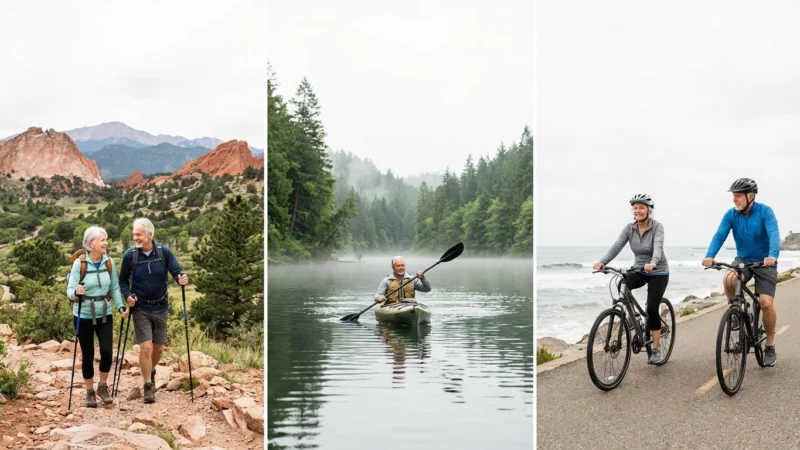
The Mountain West encompasses a diverse geographic area, generally including Arizona, Colorado, Idaho, Montana, Nevada, New Mexico, Utah, and Wyoming. Retirees often seek this region for its unparalleled access to nature and a lifestyle that prioritizes outdoor activities. You find everything from arid deserts to alpine forests here.
Many retirees choose high-altitude towns specifically because they are premier destinations with moderate summers, offering relief from the intense heat found in lower desert regions.
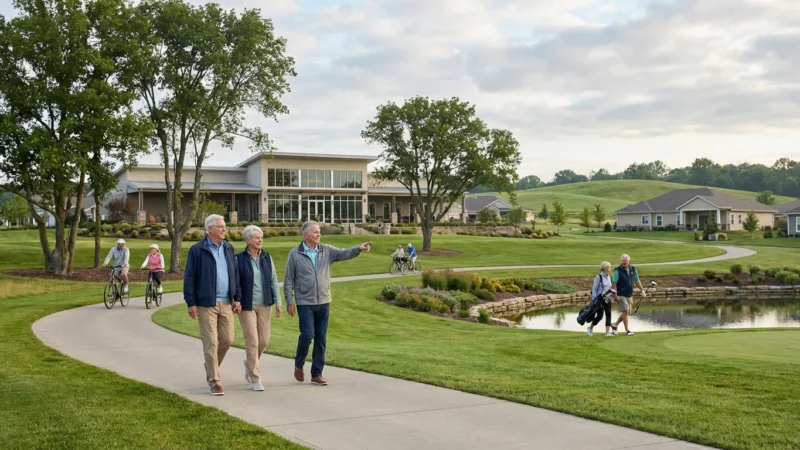
This region also appeals to those looking for a strong sense of community. Small towns often foster closer relationships and more engaged local participation. The pace of life typically slows compared to larger metropolitan areas, offering a tranquil environment for your retirement years.
“The mountains are calling and I must go.” — John Muir

Key Factors for Choosing a Small Town Retirement
Selecting the right small town for your retirement involves careful consideration of several critical factors. Your personal preferences and financial situation will ultimately guide your decision. We encourage a holistic approach to evaluating potential locations.
It is also helpful to review healthcare costs in retirement across the region to understand how medical expenses vary by state.
Many locations in this region consistently rank among the best states for active retirement because they encourage a healthy, engaged lifestyle.
You must weigh the importance of affordability, healthcare access, and the local climate. Furthermore, consider the community’s social fabric, available activities, and proximity to family or larger urban centers. Each factor plays a significant role in your overall quality of life.
Cost of Living: Where Can I Retire Cheaply?
The cost of living varies significantly across Mountain West small towns. While some offer relative affordability, others rank among the nation’s most expensive. Housing often represents the largest expense, so research median home prices and rental costs extensively.
Consider overall expenses like groceries, utilities, transportation, and healthcare. States like Wyoming and Idaho generally present more affordable options than parts of Colorado or Montana. A lower cost of living can significantly extend your retirement savings, helping you retire more comfortably.
Healthcare Access and Quality
Healthcare access becomes paramount in retirement. Small towns may offer excellent local clinics and hospitals, but often lack specialized medical facilities. Assess the proximity to larger medical centers and university hospitals, especially if you have specific health needs.
Research local doctor-to-patient ratios and hospital ratings. The Eldercare Locator, a public service of the U.S. Administration on Aging, connects you to services for older adults and their families, providing valuable local resources. Visit eldercare.acl.gov for assistance.
Climate and Weather Considerations
The Mountain West features diverse climates. You can find everything from high-altitude towns with long, snowy winters to desert communities with hot summers and mild winters. Consider how seasonal changes affect your comfort and desired activities.
High elevations mean thinner air and more intense sun. Research average temperatures, snowfall, and sunshine hours for any prospective town. The National Weather Service provides detailed historical climate data for specific locations, available at weather.gov.
Tax-Friendly Retirement States
State tax policies significantly impact your retirement finances. Some Mountain West states offer distinct advantages for retirees. Wyoming, for example, has no state income tax, making it highly attractive for those living on fixed incomes.
Conversely, states like Colorado tax retirement income, though often with deductions or exemptions. Evaluate property taxes, sales taxes, and inheritance taxes in each state you consider. The Tax Foundation offers comprehensive state-by-state tax guides, which you can find at taxfoundation.org.
Bozeman, Montana
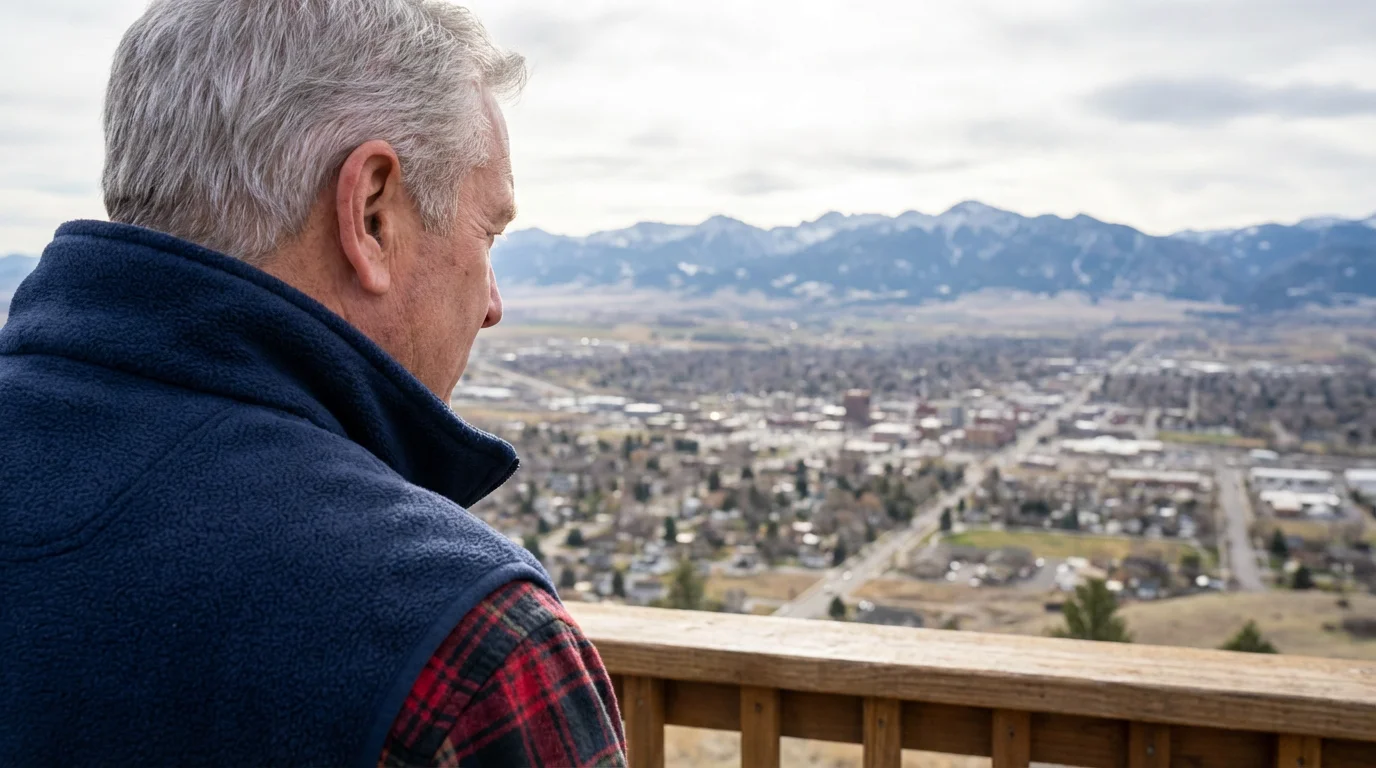
Bozeman, Montana, offers an enviable blend of outdoor recreation and cultural amenities. Located in the Gallatin Valley, surrounded by mountain ranges, it serves as a gateway to Yellowstone National Park. The city provides a vibrant, active lifestyle for retirees.
Living in a mountain hub like Bozeman provides endless opportunities for embracing new hobbies and activities after retirement relocation, from fly fishing to winter photography.
While growing, Bozeman maintains a friendly, small-town feel. Montana State University adds an intellectual and cultural dimension, bringing performing arts, educational opportunities, and a diverse population to the area. This makes it an engaging environment for `retirement living`.
Cost of Living in Bozeman
Bozeman’s cost of living exceeds the national average, primarily due to rising housing costs. The median home price in Bozeman in early 2024 hovered around $700,000, significantly higher than many other `small towns` in the `mountain west`. Groceries and utilities align more closely with national averages.
While not a choice for `where can I retire cheaply`, Bozeman offers exceptional quality of life. Property taxes in Montana are relatively moderate, but the higher home values mean higher tax bills. Factor in these costs when evaluating your budget.
Climate and Scenery
Bozeman experiences four distinct seasons. Winters are cold and snowy, attracting skiers and snowmobilers. Summers are mild and pleasant, ideal for hiking, fishing, and exploring the surrounding wilderness. You will find incredible opportunities to enjoy `scenic retirement destinations` here.
The town sits at an elevation of nearly 4,900 feet, providing stunning mountain views. Spring and fall offer beautiful transitions, though snow can fall as early as September and as late as May. Prepare for true winter conditions if you choose Bozeman.
Healthcare Access
Bozeman benefits from Bozeman Health Deaconess Hospital, a reputable facility offering a wide range of services. The hospital consistently receives high patient satisfaction ratings. Specialized care may require travel to larger cities, such as Salt Lake City, Utah, or Denver, Colorado, though it covers many needs locally.
The region has a good number of primary care physicians, reflecting its growing population. Access to medical specialists continues to improve with the area’s expansion.
Pros and Cons of Retiring in Bozeman
- Pros:
- Excellent access to outdoor activities: skiing, hiking, fishing, national parks.
- Vibrant community with cultural amenities from Montana State University.
- Beautiful `scenic retirement destinations` and natural surroundings.
- Friendly, engaged population.
- Cons:
- High cost of living, especially housing.
- Cold, snowy winters can be challenging.
- Growing population leads to increased traffic and development.
- Not ideal if you seek `where can I retire cheaply`.

Durango, Colorado
Durango, Colorado, nestles in the Animas River Valley, surrounded by the San Juan Mountains. This historic mining town thrives on its outdoor recreation opportunities and rich cultural heritage. It offers a robust environment for `retirement living`, particularly for active individuals.
If you are planning to move into a smaller mountain cottage, learning how to downsize your home for retirement can help you transition into your new space with ease.
The charming downtown area features Victorian architecture, unique shops, and diverse restaurants. Fort Lewis College adds youthful energy and cultural events, making Durango a dynamic community. The Durango & Silverton Narrow Gauge Railroad is a beloved local attraction.
Cost of Living in Durango
Durango’s cost of living significantly exceeds the national average, similar to Bozeman. Median home prices in early 2024 ranged in the high $600,000s, reflecting its desirability and limited housing supply in the `mountain west`. Property taxes in Colorado are relatively low, which can offset some of the higher home values.
Utilities and groceries also trend higher than national averages. While beautiful, Durango is not a budget-friendly option. Retirees considering Durango should budget carefully for housing and everyday expenses.
Climate and Scenery
Durango enjoys over 300 days of sunshine annually. Summers are warm and dry, with average temperatures in the 80s, while winters are cold with moderate snowfall. The town’s elevation of 6,512 feet means cooler summers than lower-elevation areas.
The surrounding San Juan Mountains provide breathtaking scenery and abundant recreational opportunities. You find world-class skiing, mountain biking, hiking, and fishing. Durango undoubtedly qualifies as one of the most `scenic retirement destinations`.
Healthcare Access
Mercy Hospital and Medical Center serves the Durango area, providing comprehensive medical services. This facility is part of the Centura Health network, ensuring access to a broader system of care. For highly specialized treatments, residents may need to travel to larger cities like Denver or Albuquerque, New Mexico.
The local medical community includes a variety of primary care physicians and specialists. Access to care is generally good for a town of its size.
Pros and Cons of Retiring in Durango
- Pros:
- Exceptional outdoor recreation: skiing, biking, rafting, hiking.
- Historic charm and vibrant downtown area.
- Strong community feel with cultural events.
- Ample sunshine and `scenic retirement destinations`.
- Cons:
- Very high cost of living, particularly for housing.
- Not suitable for those seeking `where can I retire cheaply`.
- Winters can be cold with significant snowfall.
- Can feel isolated from larger metropolitan areas.
Sandpoint, Idaho
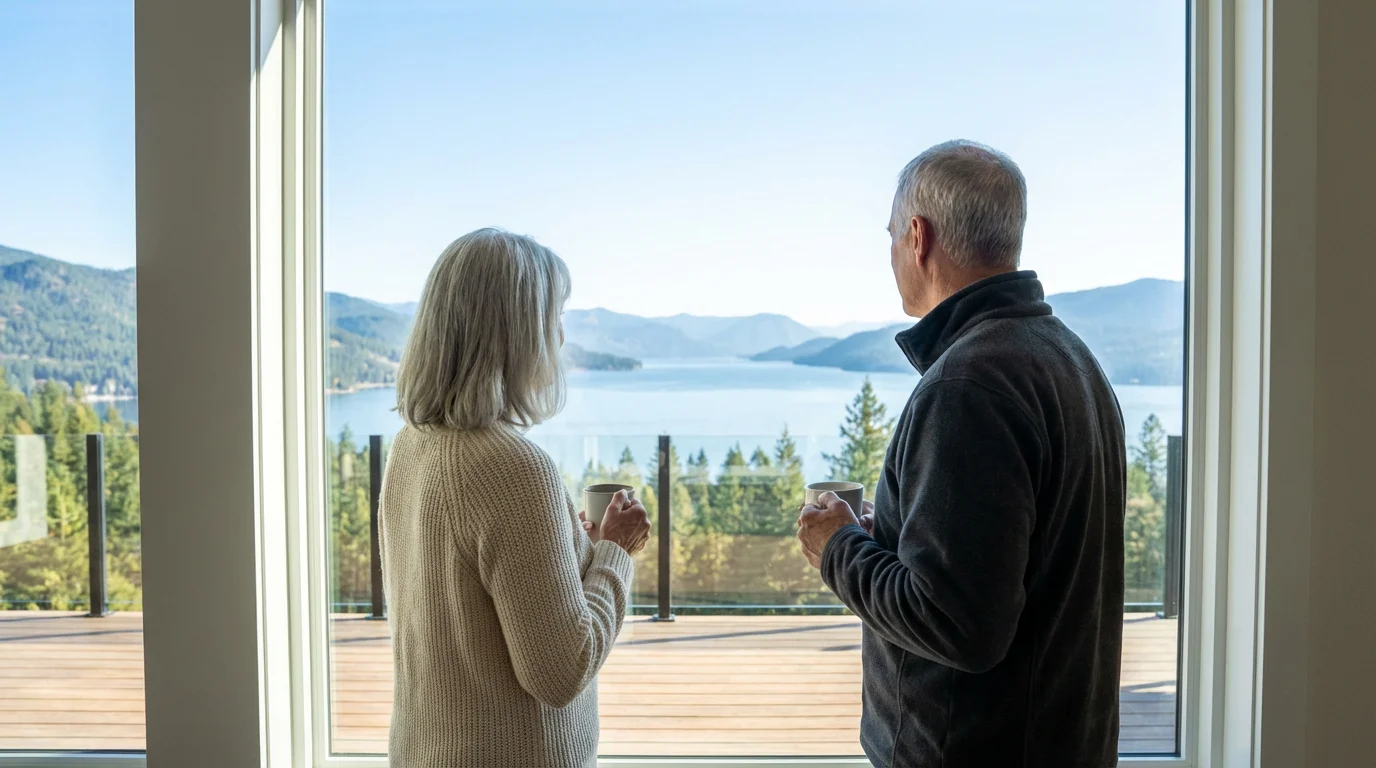
Sandpoint, Idaho, situated on the shores of Lake Pend Oreille and surrounded by three major mountain ranges, offers a serene yet active `retirement living` experience. This idyllic `small town` is known for its natural beauty and community spirit. It perfectly exemplifies a peaceful `mountain west` retreat.
The town boasts a charming downtown with local shops, art galleries, and restaurants. Schweitzer Mountain Resort, a premier ski destination, lies just minutes away, offering winter sports and summer activities. Sandpoint offers a relaxed pace of life with abundant recreational opportunities.
Cost of Living in Sandpoint
Sandpoint’s cost of living is above the national average, driven by its desirable lakeside location and growing popularity. Median home prices in early 2024 ranged from $500,000 to $600,000, making it more affordable than Bozeman or Durango but still a significant investment. Idaho property taxes are generally lower than the national average.
Groceries and utilities are moderately priced. While not an ultra-low-cost option, Sandpoint offers better value than some of the pricier Colorado or Montana `small towns`. It appeals to retirees valuing natural amenities over metropolitan access.
Climate and Scenery
Sandpoint experiences distinct seasons. Summers are warm and sunny, perfect for lake activities, hiking, and biking. Winters are cold and snowy, providing ample opportunities for skiing and other winter sports. The lake moderates temperatures somewhat, keeping them milder than higher elevations.
The combination of lake, mountains, and forests creates truly picturesque surroundings. The town provides incredible opportunities to enjoy `scenic retirement destinations`. You can enjoy stunning views year-round.
Healthcare Access
Schweitzer Mountain Community Hospital serves Sandpoint and the surrounding Bonner County. This hospital provides a range of medical services, including emergency care and primary care. For more specialized medical needs, Spokane, Washington, approximately an hour and a half away, offers larger medical centers.
The town has a good network of family practitioners and specialists for routine care. You can find essential healthcare services locally.
Pros and Cons of Retiring in Sandpoint
- Pros:
- Beautiful lakeside and mountain setting, truly `scenic retirement destinations`.
- Excellent outdoor recreation opportunities year-round.
- Strong community feel and friendly atmosphere.
- More affordable than some other `mountain west` resort towns.
- Cons:
- Cost of living is still above the national average.
- Winters are cold and receive significant snowfall.
- Limited access to highly specialized medical care without travel.
- Can feel somewhat remote from major urban centers.
Cody, Wyoming
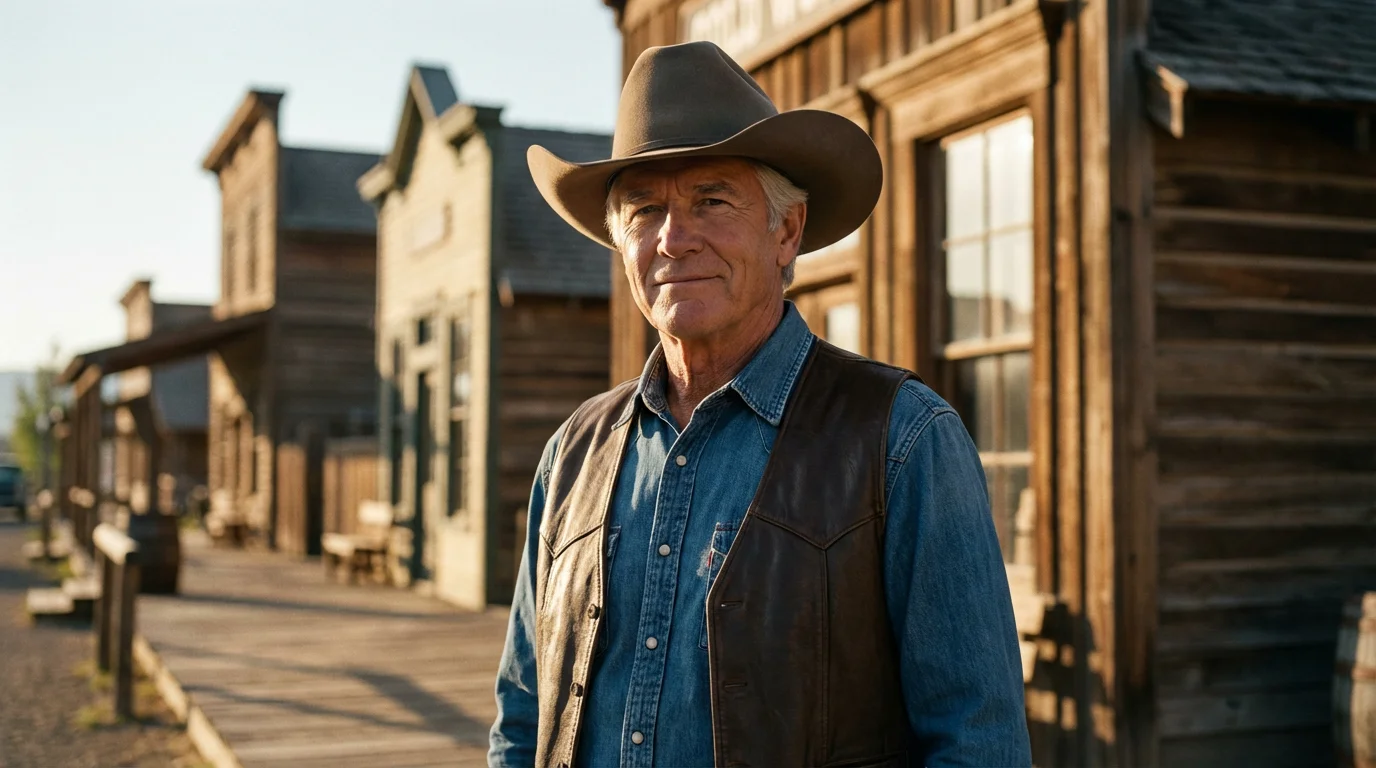
Cody, Wyoming, known as the “Rodeo Capital of the World,” offers an authentic Western `retirement living` experience. Located just 52 miles from the East Entrance of Yellowstone National Park, this `small town` is steeped in history, particularly that of Buffalo Bill Cody. It provides a more remote and distinctly Western feel compared to other `mountain west` options.
The town features the Buffalo Bill Center of the West, a world-class museum complex, and hosts nightly rodeos throughout the summer. Cody appeals to those seeking a quiet, community-focused lifestyle with vast open spaces and easy access to wilderness. It’s a prime example of a `scenic retirement destination` for nature lovers.
Cost of Living in Cody
Cody offers a significantly more affordable cost of living compared to the resort towns in the Mountain West. Housing costs are below the national average, with median home prices in early 2024 typically in the high $300,000s. Wyoming has no state income tax, making it a highly attractive option for `where can I retire cheaply` when considering overall tax burden.
Property taxes are also low. Groceries and utilities align more closely with national averages. Cody represents a strong option for budget-conscious retirees seeking an authentic Western experience.
Climate and Scenery
Cody experiences a semi-arid climate. Summers are warm and dry, with comfortable temperatures in the 80s. Winters are cold and typically dry, though snowfall occurs. The town sits at an elevation of 5,016 feet, contributing to its distinct seasonal weather patterns.
The surrounding landscape features stunning red rock canyons, vast plains, and the dramatic Absaroka Range. The proximity to Yellowstone ensures unparalleled access to truly `scenic retirement destinations` and wildlife. This area is perfect for those who love wide-open spaces.
Healthcare Access
Cody Regional Health provides medical services to the community, including a hospital, clinics, and emergency care. The facility has expanded its services in recent years. For highly specialized care, residents may need to travel to Billings, Montana, approximately two hours away, or to Denver, Colorado.
Access to primary care physicians and some specialists is available locally. The community emphasizes health and wellness programs for seniors.
Pros and Cons of Retiring in Cody
- Pros:
- Very affordable cost of living, especially for housing.
- No state income tax, making it tax-friendly.
- Authentic Western heritage and strong community spirit.
- Close proximity to Yellowstone National Park and incredible `scenic retirement destinations`.
- Cons:
- Can feel isolated due to its remote location.
- Winters are cold and dry.
- Limited access to highly specialized medical care.
- Fewer cultural amenities compared to college towns.
Cedar City, Utah
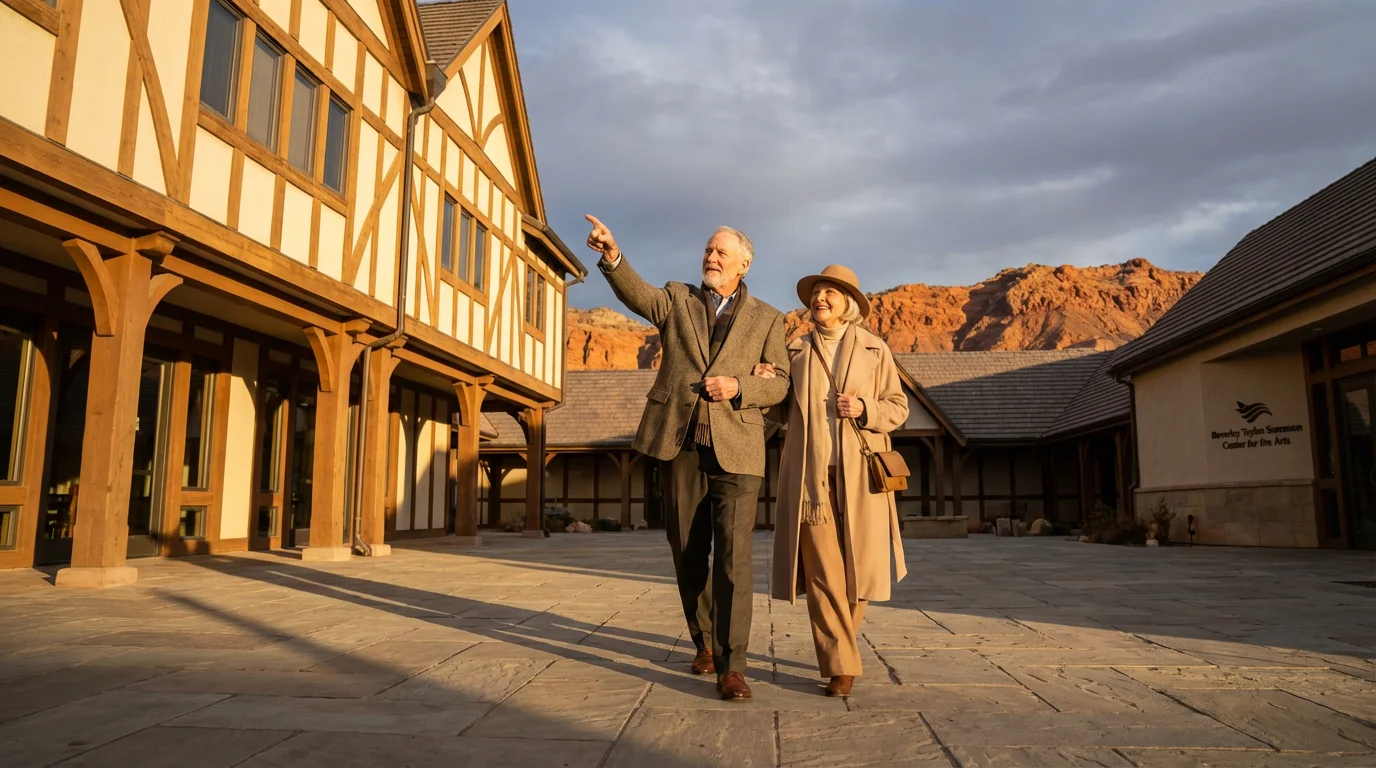
Cedar City, Utah, nestled in southwestern Utah, provides a vibrant cultural scene amidst stunning natural landscapes. Known as “Festival City, USA,” it hosts the Utah Shakespeare Festival and numerous other arts events. This `small town` offers a compelling blend of culture, education, and outdoor recreation for `retirement living` in the `mountain west`.
Southern Utah University contributes significantly to the town’s energetic atmosphere, offering lifelong learning opportunities and collegiate sports. Its location offers easy access to multiple national parks, including Zion and Bryce Canyon, making it a superb `scenic retirement destination`.
Cost of Living in Cedar City
Cedar City boasts a cost of living that is generally below the national average, particularly for housing. Median home prices in early 2024 ranged in the high $300,000s to low $400,000s, making it a strong contender for `where can I retire cheaply` in the Mountain West. Property taxes in Utah are moderate.
Utilities and groceries are also reasonably priced. This affordability, combined with access to amenities and natural beauty, makes Cedar City an attractive option for retirees on a budget. The lower cost allows your retirement savings to go further.
Climate and Scenery
Cedar City features a high desert climate. Summers are warm and dry, with average temperatures in the 90s, though lower humidity often makes it feel more comfortable. Winters are mild compared to higher-elevation towns, with some snowfall. The town sits at an elevation of 5,830 feet.
The surrounding landscape is dramatically beautiful, with red rock formations, forests, and easy access to several national parks. These geological wonders make it an outstanding `scenic retirement destination`. Outdoor activities like hiking, biking, and photography are popular year-round.
Healthcare Access
Cedar City Hospital, part of the Intermountain Healthcare system, serves the community. It offers a comprehensive range of services, including emergency care, surgical services, and primary care. As part of a larger network, it provides access to advanced medical resources within the state.
The town has a solid base of primary care physicians and specialists, supported by the growing university community. You will find good healthcare options available locally.
Pros and Cons of Retiring in Cedar City
- Pros:
- Affordable cost of living, particularly housing.
- Vibrant arts and culture scene, thanks to the Utah Shakespeare Festival and SUU.
- Exceptional access to national parks and `scenic retirement destinations`.
- Mild winters compared to other `mountain west` towns.
- Cons:
- Summers can be hot.
- Utah is not considered a tax-friendly state for retirement income.
- Less diverse politically than some other `small towns`.
- Can feel somewhat remote from very large metropolitan areas.

Prescott, Arizona
Prescott, Arizona, often called “Arizona’s Christmas City,” offers a distinct high-desert `retirement living` experience in the `mountain west`. Located at a higher elevation than Phoenix, it provides a milder climate and a four-season lifestyle, making it attractive for those wishing to avoid Arizona’s intense summer heat. This historic `small town` is renowned for its charming downtown, historic Whiskey Row, and abundant outdoor opportunities.
Prescott fosters a strong sense of community, with numerous local events, art galleries, and a vibrant volunteer culture. Its unique blend of Western heritage and natural beauty makes it a desirable `scenic retirement destination` for many.
Cost of Living in Prescott
Prescott’s cost of living is above the national average, especially for housing. Median home prices in early 2024 ranged in the high $500,000s to low $600,000s, reflecting its popularity and desirable climate. While not a choice for `where can I retire cheaply`, it offers a desirable lifestyle. Property taxes in Arizona are relatively low, which helps offset some housing costs.
Utilities and groceries are generally on par with or slightly above national averages. Retirees should budget for a comfortable but not necessarily inexpensive lifestyle. The value often lies in its climate and amenities.
Climate and Scenery
Prescott enjoys a four-season climate that sets it apart from lower-elevation Arizona cities. Summers are warm and dry, with average temperatures in the 80s, but rarely reach extreme highs. Winters are mild, with occasional light snowfall that typically melts quickly. The town sits at an elevation of 5,367 feet.
The surrounding landscape features Ponderosa pine forests, granite Dells, and numerous lakes, providing stunning `scenic retirement destinations`. These diverse natural settings are perfect for hiking, kayaking, and enjoying the outdoors year-round. You will find ample opportunities for active engagement.
Healthcare Access
Yavapai Regional Medical Center serves the Prescott area, providing comprehensive medical services including two hospitals, emergency care, and specialized clinics. The facility is a vital healthcare hub for the region. For highly complex medical needs, residents may travel to Phoenix, approximately an hour and a half away, which offers a broader range of specialized services and university hospitals.
The community has a robust network of primary care physicians and specialists. You can access quality healthcare services locally.
Pros and Cons of Retiring in Prescott
- Pros:
- Mild four-season climate, avoiding extreme Arizona heat.
- Historic charm and vibrant downtown.
- Excellent outdoor recreation opportunities.
- Strong community engagement and volunteerism.
- Beautiful `scenic retirement destinations`.
- Cons:
- Cost of living is above the national average, particularly for housing.
- Arizona taxes retirement income, though it has some exemptions.
- Summer can still bring hot temperatures, though milder than Phoenix.
- Not ideal if you seek `where can I retire cheaply`.

Relocation Planning for Your Mountain West Move
Moving to a new retirement location involves careful planning and execution. A structured approach helps minimize stress and ensures a smooth transition. Consider these steps as you prepare for your `retirement living` in the `mountain west`.
When you are ready to make your move official, choosing the right moving company for your retirement relocation will ensure your belongings arrive safely at your new mountain home.
You can manage the process effectively by breaking it down into manageable tasks. Beginning early gives you ample time to research, declutter, and organize logistics. This proactive approach supports a successful relocation.
- Assess Your Needs and Priorities: Determine your non-negotiables regarding climate, cost of living, healthcare, and community size. This clarifies your search for `small towns` and helps filter options.
- Thoroughly Research Potential Locations: Gather data on housing, taxes, medical facilities, and local amenities for each town. Use resources like the U.S. Census Bureau (census.gov) for demographic information and the Tax Foundation for tax comparisons.
- Visit Prospective Towns: Spend time in your top choices during different seasons if possible. Experience daily life, check out grocery stores, and visit medical facilities. This firsthand experience is invaluable.
- Create a Detailed Budget: Factor in all potential expenses, including moving costs, new housing, utilities, property taxes, and healthcare premiums. Understand how your income streams align with local costs, especially if you are looking for `where can I retire cheaply`.
- Downsize and Declutter: Begin sorting through possessions early. Decide what to keep, sell, donate, or discard. This lightens your load and simplifies the moving process.
- Secure Housing: Whether buying or renting, finalize your housing arrangements before the move. Consider temporary rentals initially if you are uncertain about a long-term commitment.
- Plan Your Move Logistics: Research moving companies, secure insurance, and arrange for utilities to be connected at your new home. Create a checklist for critical tasks leading up to moving day.
- Update Important Documents: Change your address with the post office, Social Security Administration, and your financial institutions. Update your driver’s license and vehicle registration upon arrival. USA.gov provides useful checklists for moving, which you can find at usa.gov.
- Build a Local Network: Actively engage with your new community. Join clubs, volunteer, or participate in local events to make new friends and establish a support system. This is key for fulfilling `retirement living`.
“The secret to getting ahead is getting started.” — Mark Twain
Frequently Asked Questions
Are Mountain West small towns generally affordable for retirement?
Affordability varies significantly. Towns like Cody, Wyoming, and Cedar City, Utah, offer a lower cost of living, including housing, compared to the national average. Conversely, popular destinations like Bozeman, Montana, and Durango, Colorado, typically have higher housing costs. Your definition of “affordable” depends on your budget and desired lifestyle.
What kind of climate can I expect in the Mountain West?
The Mountain West features diverse climates due to varied elevations and geography. You find everything from high-altitude towns with cold, snowy winters and mild summers (e.g., Bozeman, Durango) to high-desert communities with warm, dry summers and milder winters (e.g., Prescott, Cedar City). Research specific town climates to match your preferences.
Is healthcare readily available in Mountain West small towns?
Most small towns in the Mountain West have local hospitals or medical centers providing essential services, including primary care and emergency services. However, access to highly specialized medical care often requires travel to larger regional cities. Always research specific healthcare facilities in your chosen town and consider proximity to major medical hubs.
How do taxes impact retirement in this region?
State tax policies differ considerably. Wyoming has no state income tax, making it very tax-friendly for retirees. Idaho and Montana tax retirement income, though Montana generally has lower property taxes. Arizona and Colorado also tax retirement income, but often provide exemptions. You should consult the Tax Foundation for detailed state-specific tax information relevant to your financial situation.
What defines a “small town” in the Mountain West for retirees?
For retirement purposes, a “small town” in the Mountain West typically refers to communities with populations under 50,000, often even under 20,000. These towns offer a close-knit community feel, a slower pace of life, and usually direct access to natural landscapes and outdoor recreation, distinguishing them from larger metropolitan areas in the region.
What are scenic retirement destinations in the Mountain West?
The entire Mountain West offers stunning scenery, making most towns potential scenic retirement destinations. Specific examples include Sandpoint, Idaho, with its lake and mountain views, Durango, Colorado, surrounded by the San Juan Mountains, and Cody, Wyoming, bordering Yellowstone National Park. Your preference for mountains, lakes, or high desert will guide your ideal scenic choice.
Disclaimer: This article is for informational purposes only. Cost of living, taxes, and local conditions change over time. We encourage readers to verify current information through official sources and visit potential retirement destinations before making relocation decisions.





Leave a Reply