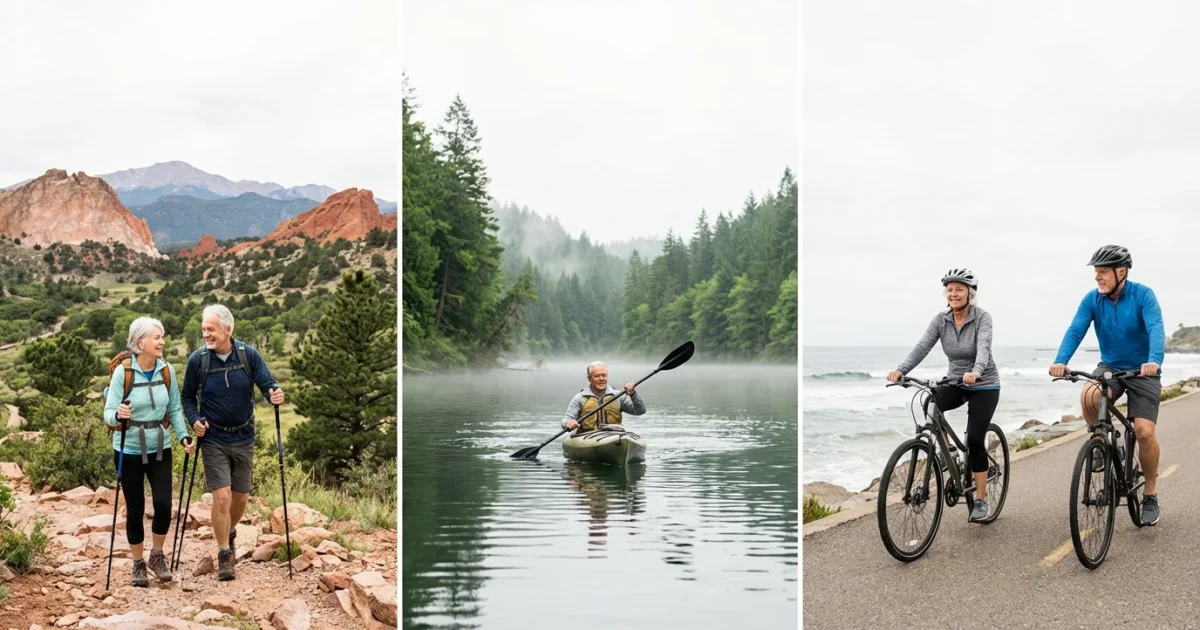
Retirement offers you a unique opportunity to embrace a lifestyle focused on your passions. For many Americans, that means spending more time outdoors, exploring nature, and staying active. Choosing the right state for your retirement can significantly enhance your quality of life as an outdoor enthusiast.
This comprehensive guide helps you navigate the diverse landscapes and recreational opportunities across America. We provide practical insights into states offering exceptional natural beauty, abundant outdoor activities, and comfortable living for retirees. Discover locations where you can truly thrive amidst the great outdoors.
Table of Contents
- Understanding Your Outdoor Retirement
- Colorado: Mountain Majesty and High-Desert Adventures
- Oregon: Pacific Northwest Paradise
- Florida: Sunshine State Water Wonderland
- Arizona: Desert Beauty and Canyon Grandeur
- North Carolina: Appalachian to Atlantic
- Utah: Red Rocks and Ski Slopes
- Making Your Relocation Smooth
- Frequently Asked Questions
Understanding Your Outdoor Retirement
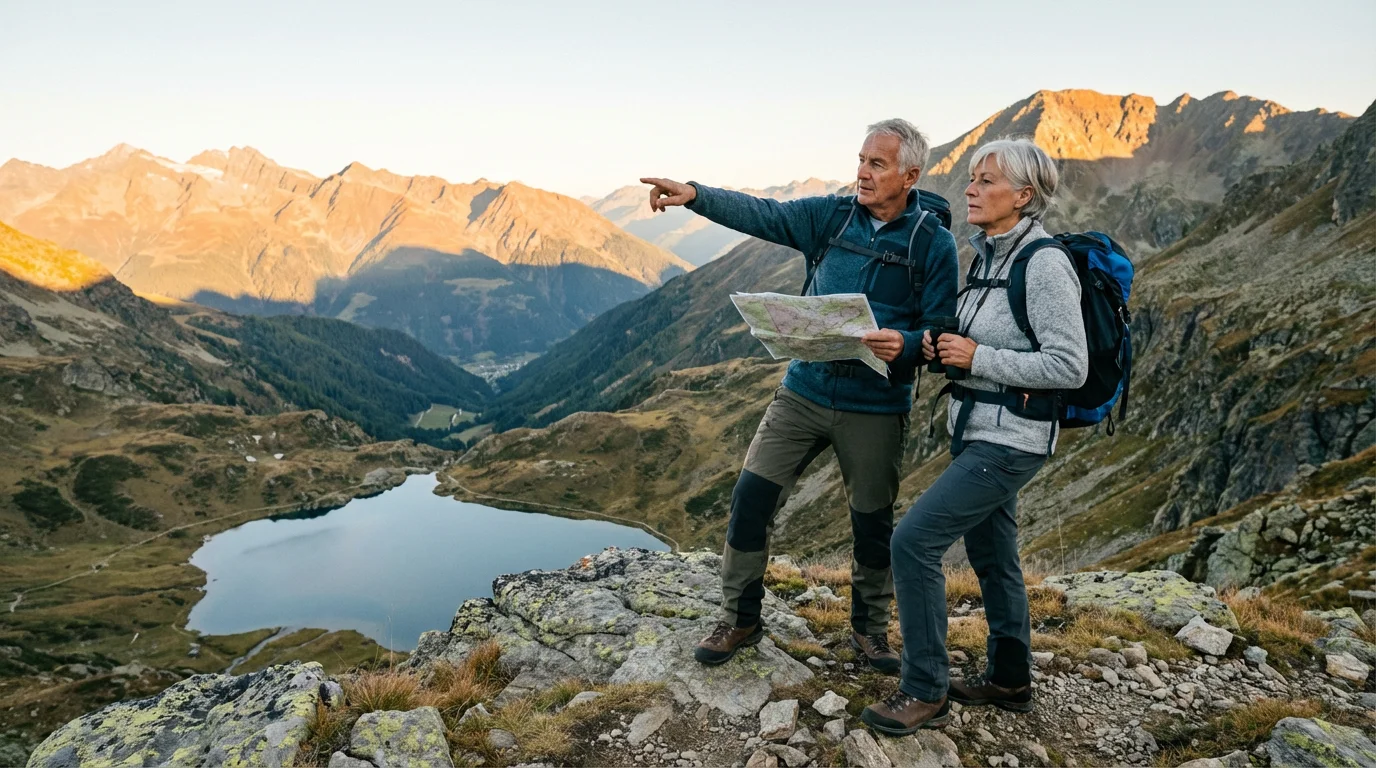
Before diving into specific states, you must first consider what defines your ideal outdoor retirement. Do you dream of daily hikes, kayaking on serene lakes, cycling scenic trails, or skiing fresh powder? Your preferred activities will guide your search effectively.
Engaging with nature doesn’t have to be expensive, and many states offer plenty of cost-effective recreation for retirees looking to enjoy life on a budget.
Think about your climate preferences. Do you prefer four distinct seasons, year-round warmth, or mild temperatures? This choice impacts your comfort and the types of outdoor activities available throughout the year. For instance, cold winters limit hiking for many, while hot summers deter prolonged daytime activity in some regions.
Financial considerations remain crucial for any major relocation. Research the cost of living in potential areas, including housing, utilities, and transportation. Factor in state income taxes, property taxes, and sales taxes, as these vary significantly by location and can impact your retirement budget. The Tax Foundation provides detailed state-by-state tax guides for retirees, helping you understand the financial implications.
“Home is not where you are from, it is where you belong.”
Access to quality healthcare also plays a vital role in retirement planning. Investigate local hospital systems, specialty care availability, and Medicare acceptance in prospective locations. Proximity to family and existing social networks might also influence your final decision, providing important support systems as you settle into a new area.
Climate Considerations for Outdoor Living
The climate greatly influences your daily outdoor opportunities. Consider how temperature extremes, humidity, and precipitation affect your comfort and activity levels. Some states offer mild, four-season climates, while others excel with year-round warmth or dry, sunny conditions. Use this table to compare general climate trends across selected states, remembering that regional variations exist within each state.
| State | Typical Summer Climate | Typical Winter Climate | Annual Sunny Days (Avg.) | Key Outdoor Activity Seasons |
|---|---|---|---|---|
| Colorado | Warm, dry, sunny days, cool nights | Cold, snowy, especially in mountains | 250-300 | Summer, Fall (hiking, biking), Winter (skiing) |
| Oregon | Mild, dry, pleasant | Cool, wet, cloudy (west), cold (east) | 160-200 | Spring, Summer, Fall (hiking, coast), Winter (skiing) |
| Florida | Hot, humid, frequent thunderstorms | Mild, sunny, low humidity | 230-260 | Fall, Winter, Spring (all activities) |
| Arizona | Very hot, dry (low deserts), mild (high deserts) | Mild, sunny, pleasant | 280-300 | Fall, Winter, Spring (hiking, golf) |
| North Carolina | Warm, humid, coastal breezes | Mild to cool, occasional snow (mountains) | 210-220 | Spring, Summer, Fall (diverse activities) |
| Utah | Warm, dry, hot (south), mild (mountains) | Cold, snowy, excellent powder | 220-240 | Spring, Fall (hiking), Summer (mountains), Winter (skiing) |
Colorado: Mountain Majesty and High-Desert Adventures
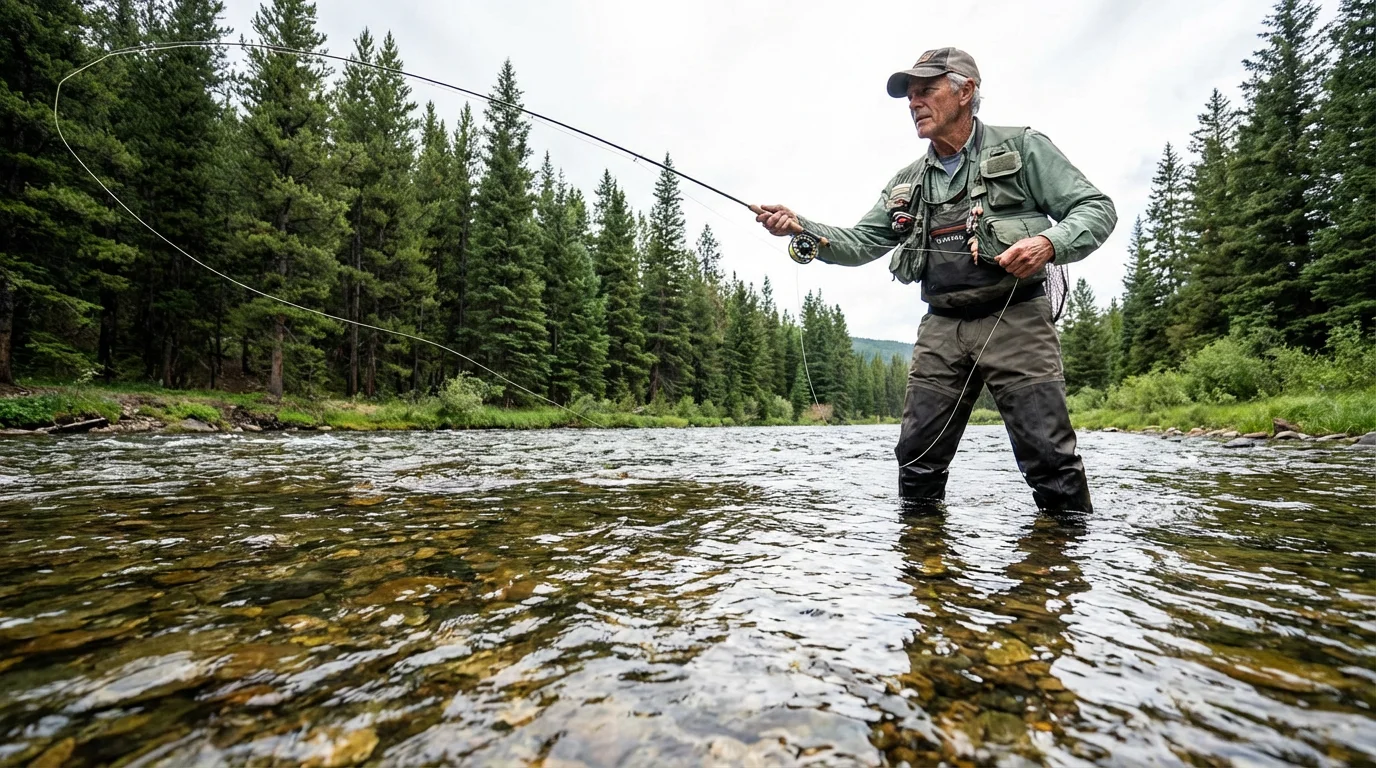
Colorado consistently ranks high for its outdoor opportunities, attracting retirees who love mountains, skiing, and hiking. The state boasts 58 peaks over 14,000 feet, numerous national parks like Rocky Mountain National Park, and vast national forests. Summers offer ideal conditions for hiking, mountain biking, and fly fishing, while winters transform the landscape into a skier’s paradise with abundant snow.
Outdoor Activities and Lifestyles
- Extensive network of hiking and biking trails, including portions of the iconic Colorado Trail and countless local paths.
- World-class skiing and snowboarding resorts such as Aspen, Vail, Breckenridge, and Telluride cater to all skill levels.
- Excellent opportunities for fly fishing, whitewater rafting, and kayaking on rivers like the Arkansas and Colorado.
- Access to national parks, state parks, and wilderness areas provides ample settings for camping, wildlife viewing, and rock climbing.
- You can enjoy year-round activity with distinct seasons offering different sports, from snowshoeing in winter to paddleboarding in summer.
Pros and Cons for Retirees
- Pros: Colorado offers stunning natural beauty, four distinct seasons, and a vibrant outdoor culture. Many towns foster a healthy, active community with retiree-friendly amenities. The state often ranks high for overall well-being.
- Cons: The cost of living is generally higher than the national average, particularly in popular mountain towns and front-range cities. Winters can be long and snowy, requiring adaptation to colder weather. Property taxes vary but can be substantial in desirable areas, impacting your budget.
Cost of Living and Healthcare
The cost of living in Colorado is generally above the national average, especially in metropolitan areas like Denver and Boulder. Housing prices significantly contribute to this higher cost; the U.S. Census Bureau reported the median home value in Colorado at $548,400 in 2022. However, smaller towns and rural communities often offer more affordable options.
Colorado’s healthcare system offers high-quality facilities, especially in major cities. You will find numerous hospitals consistently receiving high ratings for patient care and specialized services. Medicare acceptance is widespread, ensuring access to quality medical services throughout your retirement.
Oregon: Pacific Northwest Paradise
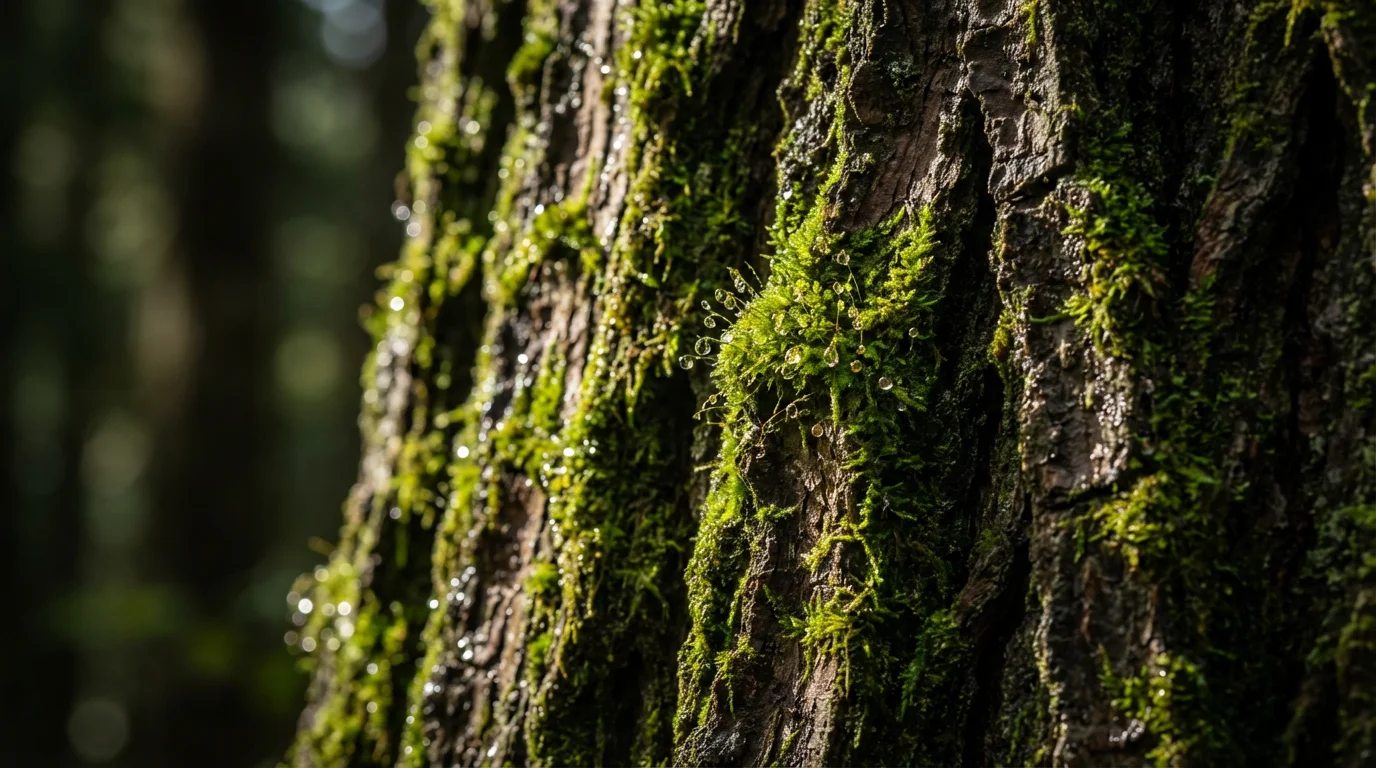
Oregon offers a diverse outdoor experience, from rugged coastlines and dense forests to high desert and volcanic peaks. Retirees here find ample opportunities for hiking, cycling, water sports, and exploring unique natural wonders. The state embraces an active, eco-conscious lifestyle, making it ideal for nature lovers seeking varied adventures.
If the rugged shoreline of the Pacific is what calls to you, exploring the nuances of coastal retirement can help you balance natural beauty with your financial plans.
Nearby, Idaho retirement offers a similar landscape of mountains and rivers for those seeking a slightly slower pace of life.
Outdoor Activities and Lifestyles
- Miles of scenic coastline offer opportunities for beachcombing, tide pooling, and whale watching.
- Vast forests, including those in the Cascade Range and national forests, provide extensive trails for hiking, camping, and mountain biking.
- Water sports thrive on the Willamette River, Columbia River, and numerous lakes, including kayaking, paddleboarding, and fishing.
- Skiing and snowboarding are popular activities on Mount Hood and other Cascade peaks during winter months.
- You can explore natural marvels like Crater Lake National Park, the deepest lake in the U.S., and the geological formations of the high desert.
Pros and Cons for Retirees
- Pros: Oregon boasts incredibly diverse landscapes, a strong emphasis on environmental conservation, and no state sales tax. The mild climate along the coast and in the Willamette Valley appeals to many retirees. There is a strong farm-to-table culture and abundant craft breweries and wineries.
- Cons: The state features high income taxes, especially for higher earners, which can impact retirement income. Persistent rain and cloud cover characterize winter months, particularly west of the Cascades, which may not suit everyone. Housing costs can be high in urban centers like Portland and Bend.
Cost of Living and Healthcare
While Oregon lacks a state sales tax, its income tax rates are among the highest in the nation. The cost of living in major cities such as Portland is above the national average, largely driven by housing prices. Rural areas and smaller towns throughout the state often provide more affordable living options for retirees.
Oregon provides excellent healthcare facilities, particularly in its major metropolitan areas like Portland and Eugene. You will find a good selection of hospitals and clinics, with most accepting Medicare plans. The state prioritizes access to care for its residents, including its growing senior population.

Florida: Sunshine State Water Wonderland
Florida beckons retirees with its warm climate, extensive coastline, and abundant water-based activities. It remains a popular choice for those seeking year-round sunshine and a vibrant outdoor lifestyle centered around beaches, boating, and golf. The state features numerous 55+ communities specifically designed for active living, fostering social engagement and recreational opportunities.
While the sun is a major draw, those who struggle with high temperatures might prefer looking into retirement destinations with moderate summers to ensure year-round comfort.
Outdoor Activities and Lifestyles
- Endless opportunities for swimming, sunbathing, and watersports along its Atlantic and Gulf coasts, including snorkeling and scuba diving.
- Boating, fishing, and kayaking thrive in its numerous lakes, rivers, and the unique ecosystems of the Everglades.
- Extensive golf courses throughout the state offer options for every skill level, often integrated into retirement communities.
- You can explore national parks like Everglades National Park and Biscayne National Park, discovering unique wildlife and landscapes.
- Cycling on flat, scenic trails is popular, making it accessible for many seniors.
Pros and Cons for Retirees
- Pros: Florida offers no state income tax, a warm climate year-round, and a vast array of 55+ communities tailored to retirees. Water-based activities are accessible everywhere. You will find a diverse culture and numerous entertainment options.
- Cons: The state experiences hot and humid summers, which can be challenging for some. Hurricane season risks are a significant consideration for coastal residents, often leading to higher home insurance costs. Population density can be high in popular retirement zones, resulting in traffic and crowded attractions.
Cost of Living and Healthcare
Florida’s lack of a state income tax makes it financially attractive for many retirees. While housing costs have risen, particularly in desirable coastal communities, they remain more affordable than in some other popular retirement states. Property taxes vary significantly by county, so research specific locations.
The state offers a robust healthcare system with a wide selection of hospitals and specialized care centers. Many facilities cater specifically to the needs of an older population, providing comprehensive geriatric care. You can generally find good Medicare coverage options and numerous providers across the state.
Arizona: Desert Beauty and Canyon Grandeur
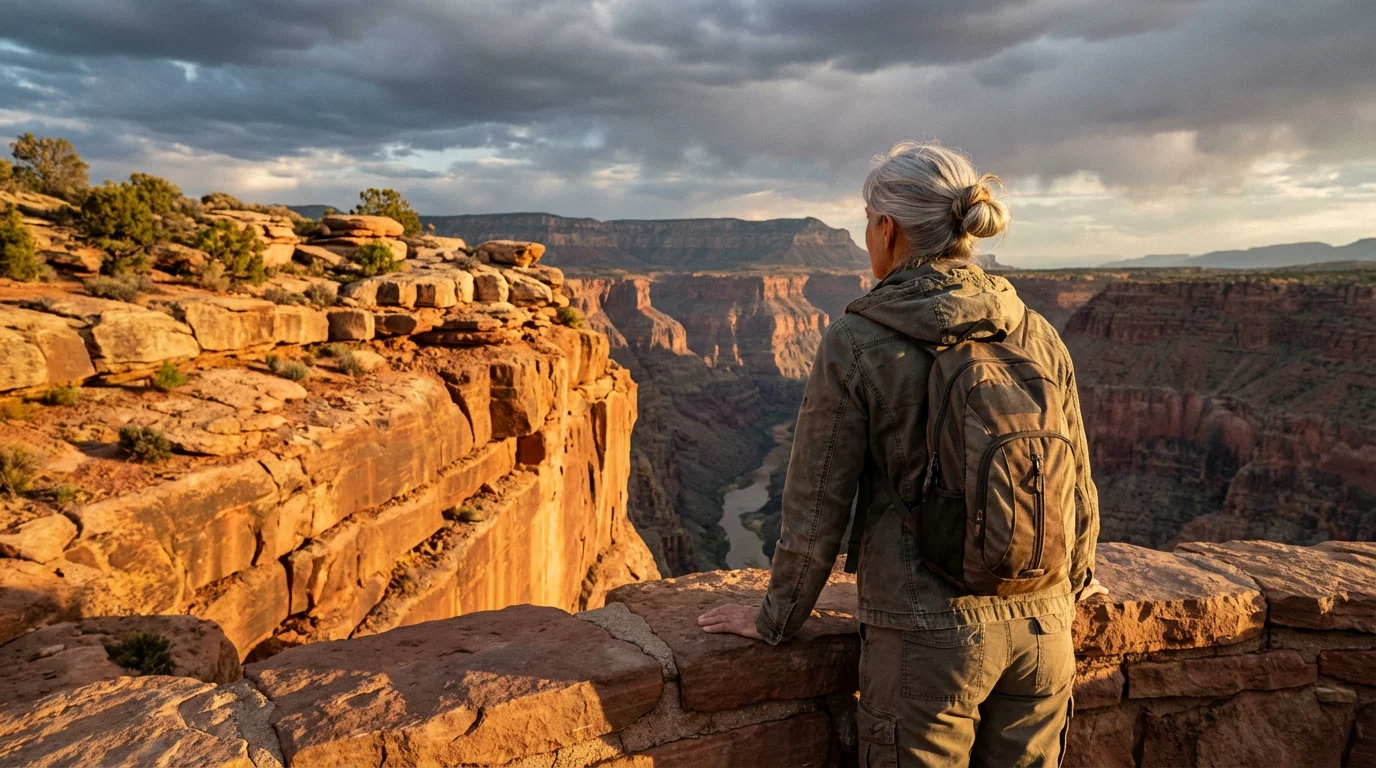
Arizona offers a unique desert landscape combined with mountainous regions, providing diverse outdoor experiences. Retirees enjoy dry, sunny winters perfect for hiking, golf, and exploring iconic natural wonders. The state’s natural beauty includes towering saguaro cacti, dramatic red rock formations, and the awe-inspiring Grand Canyon.
An Arizona retirement provides an unparalleled mix of desert scenery, year-round sunshine, and potential tax savings for seniors.
Outdoor Activities and Lifestyles
- Exceptional hiking trails are abundant in places like Sedona, Scottsdale, and within numerous national parks and state parks.
- World-class golf courses, especially in the Phoenix and Tucson areas, provide year-round play.
- You can explore national parks and monuments, including the iconic Grand Canyon National Park.
- Mountain biking and horseback riding are popular activities in both desert and mountain environments.
- Stargazing is a beloved pastime in its numerous dark sky communities, offering unparalleled views of the night sky.
Pros and Cons for Retirees
- Pros: Arizona boasts abundant sunshine, low humidity, spectacular scenery, and excellent winter weather. Many active adult communities cater specifically to retirees, offering extensive amenities and social opportunities. Generally, property taxes are lower compared to many other states.
- Cons: The state experiences extremely hot summers, especially in low-desert areas like Phoenix, limiting daytime outdoor activity. Water conservation is an ongoing concern, affecting resource management. Some popular areas experience heavy tourist traffic during peak season, which can lead to crowds.
Cost of Living and Healthcare
The cost of living in Arizona is close to the national average, with housing costs varying significantly by region. Phoenix and Scottsdale tend to be more expensive, while areas like Tucson and smaller towns offer more affordable options. The state has a progressive income tax system, which impacts retirement income.
Arizona’s healthcare infrastructure is well-developed, particularly in its major cities. You will find many highly-rated hospitals and specialist providers, ensuring comprehensive medical care. Medicare plans are widely accepted across the state, offering numerous choices for health coverage.
North Carolina: Appalachian to Atlantic
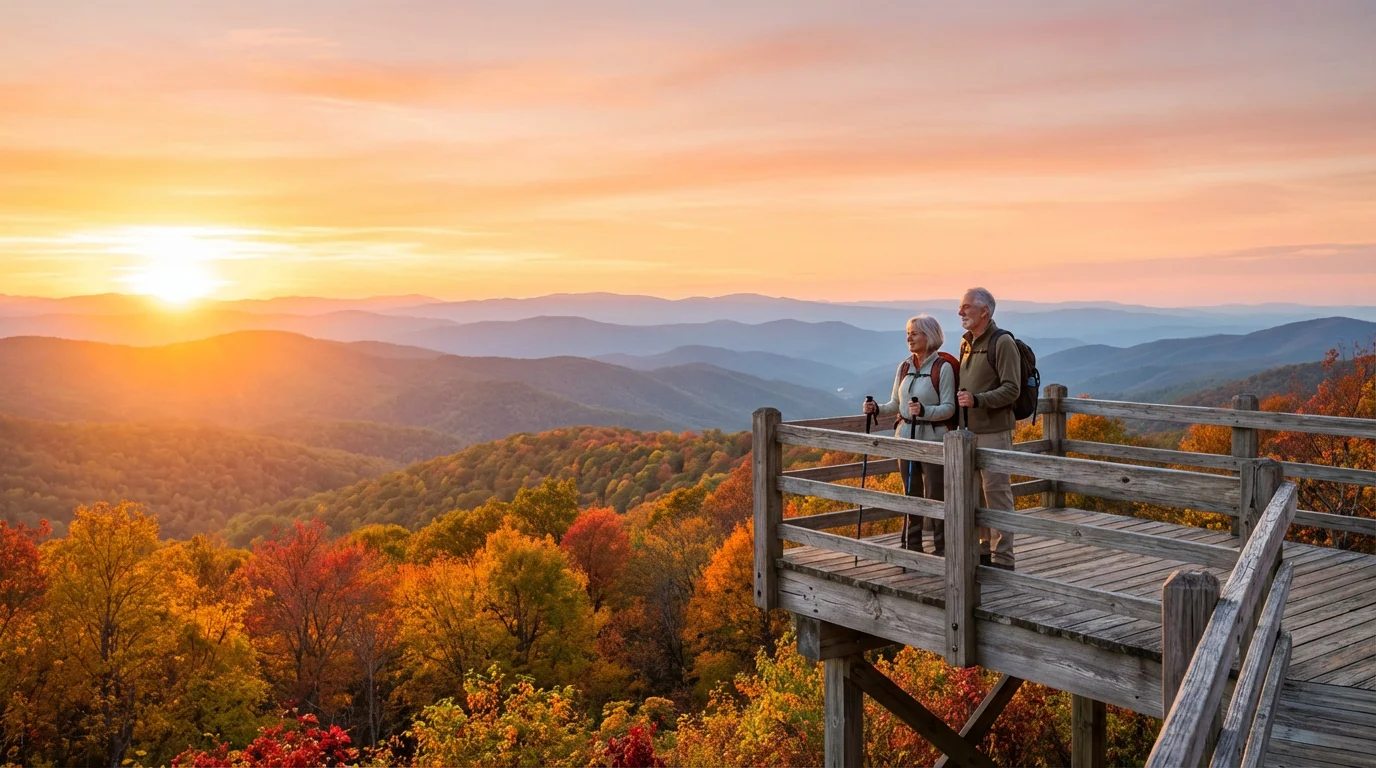
North Carolina provides an incredible range of outdoor environments, from the majestic Appalachian Mountains to the scenic Outer Banks. This diversity means retirees can choose between mountain living, coastal charm, or vibrant piedmont cities with easy access to both. The state offers four distinct seasons, each bringing unique outdoor opportunities.
Outdoor Activities and Lifestyles
- You can enjoy hiking and exploring the scenic Blue Ridge Parkway and Great Smoky Mountains National Park in the western part of the state.
- Kayaking, fishing, and boating are popular along the expansive coast, barrier islands, and numerous inland lakes and rivers.
- Golfing on championship courses is a major draw, especially in the legendary Pinehurst area.
- Mountain biking trails are plentiful in areas like Asheville and within the Pisgah National Forest, catering to various skill levels.
- Birdwatching and beach activities, including shelling and fishing, are abundant along the Outer Banks and other coastal areas.
Pros and Cons for Retirees
- Pros: North Carolina offers diverse landscapes, four distinct seasons, and a relatively moderate cost of living in many areas. It provides a strong sense of community in many towns. You will find good access to major metropolitan amenities and cultural attractions.
- Cons: The state experiences humidity in summer, particularly in eastern and central regions, which can be uncomfortable. Income tax applies to all retirement income, though rates are moderate. Coastal areas face hurricane risks, requiring preparedness and potentially higher insurance costs.
Cost of Living and Healthcare
North Carolina generally offers a cost of living below the national average, making it an attractive option for many retirees. Housing costs are moderate compared to other popular retirement states, though prices in popular coastal or mountain towns can be higher. The state has a flat income tax rate, and property taxes are assessed at the local level.
The state features excellent healthcare facilities, especially in its research triangle and major university towns like Chapel Hill, Durham, and Winston-Salem. You can expect good access to specialized care and a wide network of Medicare providers. Many hospitals have dedicated senior services.
Utah: Red Rocks and Ski Slopes
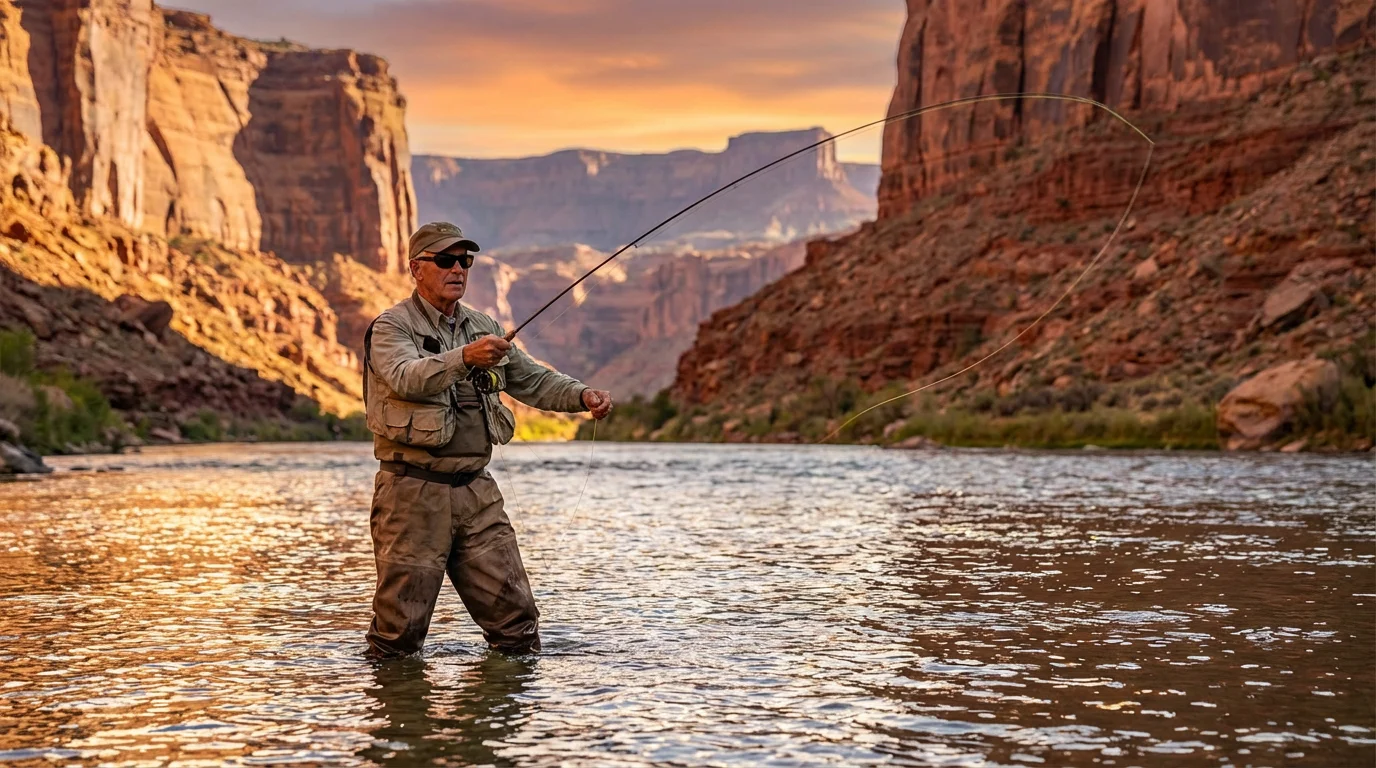
Utah presents a dramatic landscape of red rock canyons, vast deserts, and towering mountain ranges, making it an outdoor enthusiast’s dream. The state is home to five national parks, often called “The Mighty 5,” and boasts some of the world’s best skiing. Retirees here embrace an active, adventurous lifestyle surrounded by unparalleled natural beauty.
Outdoor Activities and Lifestyles
- World-renowned hiking and canyoneering opportunities await in Zion, Bryce Canyon, and Arches National Parks, offering stunning geological formations.
- Exceptional skiing and snowboarding resorts, including Park City, Alta, and Snowbird, draw enthusiasts from around the globe.
- Mountain biking thrives on extensive trail networks across the state, from desert singletrack to high-alpine routes.
- Boating and fishing are popular on large lakes like Lake Powell and Flaming Gorge, as well as numerous smaller reservoirs and rivers.
- Stargazing is a profound experience in Utah’s designated International Dark Sky Parks, where light pollution is minimal.
Pros and Cons for Retirees
- Pros: Utah offers unparalleled natural beauty, four distinct seasons with a generally dry climate, and exceptional skiing. Access to diverse outdoor activities is a major advantage. You will find a strong community focus and a high quality of life in many areas.
- Cons: Many desirable mountain areas are at high altitudes, which may require an adjustment period for some. Summers can be very hot in the southern desert regions. Income tax applies to all retirement income, including Social Security for some.
Cost of Living and Healthcare
The cost of living in Utah varies significantly. While ski towns like Park City are very expensive, areas around Salt Lake City offer a more moderate cost of living. Housing costs have risen in recent years across many parts of the state. Utah imposes a flat income tax rate, which impacts retirement income.
Utah’s healthcare system is robust, particularly in the Salt Lake City metropolitan area. The state has highly-rated hospitals and a good network of medical professionals. Medicare acceptance is common, ensuring you have options for your healthcare needs.

Making Your Relocation Smooth
Relocating for retirement involves more than selecting a state; it requires careful planning and execution. A structured approach ensures a smoother transition for you and your family, minimizing stress and maximizing your excitement. Consider these practical steps as you prepare for your move.
- Research Thoroughly: Dig deeper into specific towns, neighborhoods, and 55+ communities within your chosen state. Consider factors like local amenities, community vibe, and proximity to services and outdoor access points.
- Visit Potential Locations: Spend extended time in your top choices during different seasons. This helps you experience the climate, local traffic, community events, and daily life firsthand, providing valuable insights beyond online research.
- Budget Realistically: Create a detailed budget for your new location, factoring in housing costs, utilities, property taxes, insurance, and healthcare expenses. Compare this carefully to your current expenses to ensure financial comfort.
- Downsize and Declutter: Begin sorting through your belongings early in the process. Selling, donating, or discarding items you no longer need significantly simplifies the moving process and reduces relocation costs.
- Secure Housing: Decide if you will buy or rent in your new location. Start your home search well in advance, especially in competitive markets, to find the right fit before your move.
- Transfer Healthcare and Services: Arrange for medical records transfer and establish new doctors, dentists, and specialists. Update your prescriptions and ensure continuity of care, a crucial step for retirees.
- Connect with New Communities: Explore local clubs, volunteer opportunities, and outdoor interest groups. Meeting new people outdoors can significantly enhance your retirement experience and help you integrate into your new community, building a new social circle. The Eldercare Locator can connect you to local resources for seniors, including social and recreational programs.
Remember to update your voter registration, driver’s license, and other essential documents soon after arriving. Inform friends and family of your new address to keep connections strong and ensure they can visit your new outdoor paradise.
Frequently Asked Questions
What states have the best outdoor areas for seniors?
Many states offer exceptional outdoor areas suitable for seniors. Colorado and Utah provide extensive mountain trails and national parks. Florida boasts accessible beaches and water activities. Arizona offers mild, dry winters perfect for desert hiking and golf. North Carolina features a diverse landscape from mountains to coast. The “best” depends on your preferred activities, climate, and accessibility needs.
How can I meet people outdoors in my new retirement state?
Meeting people outdoors in your new retirement state is often straightforward. Join local hiking clubs, cycling groups, or kayaking organizations, which often cater to various age groups and skill levels. Many communities offer senior-specific outdoor programs through recreation centers. Volunteering for environmental causes or park cleanups also provides excellent opportunities to connect with like-minded individuals who share your passion for nature.
Are there tax benefits for retirees who are outdoor enthusiasts?
Tax benefits for retirees generally depend on the state’s overall tax structure, not specifically on outdoor activities. States like Florida, Nevada, and Texas have no state income tax, which can benefit retirees with significant retirement income. Other states may offer property tax relief or exemptions for certain types of retirement income. You should always research specific state tax policies through official sources like the Tax Foundation to understand their impact on your finances.
What are common challenges for retirees relocating to outdoor-focused states?
Common challenges for retirees relocating to outdoor-focused states include adapting to new climates, especially extreme heat or cold, which can affect activity levels. The cost of living in popular outdoor destinations can be higher than expected, particularly for housing. Building new social networks and finding appropriate healthcare providers in less populated or remote areas can also present hurdles. Thorough research and extended visits to potential locations mitigate these challenges effectively.
How important is climate when choosing a retirement state for outdoor activities?
Climate is extremely important when choosing a retirement state for outdoor activities. Your enjoyment and ability to participate in activities directly depend on comfortable weather conditions. For instance, if you love year-round hiking, a state with mild winters and less extreme summers might be ideal. If you prefer seasonal variety, a state with four distinct seasons could be a better fit. Consider how weather impacts your daily life, your health, and the duration of your outdoor activity season.
What resources help me find accessible outdoor activities for seniors?
Several resources help you find accessible outdoor activities for seniors. National and state park websites often detail accessible trails, visitor centers, and facilities. Organizations like the AARP promote livable communities and provide information on senior-friendly activities and resources. Local recreation centers and senior centers frequently offer programs and guides specifically designed for accessible outdoor engagement. The Eldercare Locator can also connect you to local agencies and services for seniors in your chosen area.
Disclaimer: This article is for informational purposes only. Cost of living, taxes, and local conditions change over time. We encourage readers to verify current information through official sources and visit potential retirement destinations before making relocation decisions.






Leave a Reply