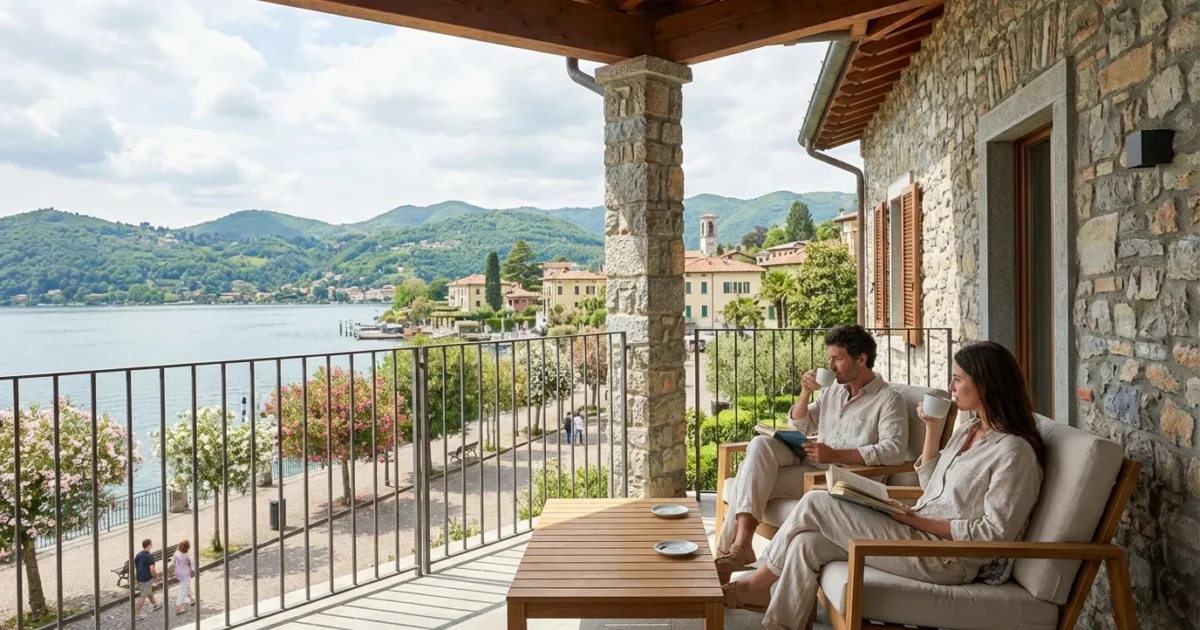
For many retirees, the dream of a peaceful retirement doesn’t include sweltering heat, oppressive humidity, or endless air conditioning bills. Extreme heat poses health risks, limits outdoor activities, and can make everyday life uncomfortable. If you are seeking to escape intense summer temperatures, exploring retirement destinations with moderate summers becomes a top priority. This guide helps you identify cooler locations across the United States, offering practical insights into climate, cost of living, and lifestyle factors. You can find places to retire without high heat, ensuring your golden years are comfortable and enjoyable.
Finding the right balance between outdoor activities and climate is key to maintaining a healthy lifestyle in your later years.
Choosing a retirement spot involves careful consideration of many elements. Your health, activity level, and financial situation all play a role in making this crucial decision. This article focuses on identifying locations known for their cooler temperatures and pleasant summer months, helping you narrow down the best retirement locations for moderate summers that align with your lifestyle preferences.
Table of Contents
- Understanding Moderate Summers for Retirement
- Why Avoid Extreme Heat in Retirement?
- Key Factors for Cooler Climates
- Pacific Northwest: Serene and Mild
- Mountain West: High Altitudes, Low Humidity
- Great Lakes Region: Lake Breezes and Greenery
- New England: Charming Summers with Distinct Seasons
- Cost of Living and Taxes in Cooler Regions
- Healthcare Access and Quality
- Relocation Planning for Your Cooler Haven
- Frequently Asked Questions

Understanding Moderate Summers for Retirement
What constitutes a “moderate summer” is subjective, but generally, it refers to regions where average daily high temperatures remain below 85°F. These areas also typically experience lower humidity levels compared to hotter climates. For retirees, moderate summers mean comfortable outdoor living, less reliance on air conditioning, and a reduced risk of heat-related health issues.
Many individuals prioritize cooler temperatures to maintain an active lifestyle throughout the year. They seek environments where morning walks, gardening, or golfing are pleasant, even in July and August. Finding a place with less heat can significantly enhance your quality of life during retirement.

Why Avoid Extreme Heat in Retirement?
Extreme heat can significantly impact health and daily life for seniors. Older adults are more susceptible to heatstroke, dehydration, and exhaustion due to physiological changes and potential medications. The Centers for Disease Control and Prevention (CDC) consistently warns about the dangers of high temperatures for this demographic.
Beyond health concerns, constant high heat forces many to stay indoors, limiting social engagement and physical activity. This can lead to feelings of isolation and a decline in overall well-being. Avoiding extreme heat allows you to enjoy outdoor activities, explore your community, and maintain an active social life year-round.

Key Factors for Cooler Climates
Several geographical and meteorological factors contribute to areas experiencing moderate summers. Understanding these elements helps you pinpoint potential retirement locations with cooler temperatures.
- Elevation: Higher altitudes generally result in lower temperatures. For every 1,000 feet gained in elevation, temperatures typically drop by about 3.5°F.
- Proximity to Large Bodies of Water: Coastal areas and regions near large lakes, like the Great Lakes, often benefit from a moderating effect. Water heats up and cools down more slowly than land, keeping adjacent areas cooler in summer and warmer in winter.
- Latitude: Locations farther north generally experience cooler overall temperatures and shorter, milder summers.
- Prevailing Winds: Areas influenced by cool ocean currents or consistent breezes can maintain more pleasant summer conditions.
- Vegetation and Tree Cover: Densely forested areas can create microclimates that are noticeably cooler than surrounding open spaces.
Considering these factors helps you evaluate potential destinations beyond just their average temperature readings. You can find places to retire without high heat by looking for these natural climate regulators.

Pacific Northwest: Serene and Mild
The Pacific Northwest, encompassing states like Oregon and Washington, is renowned for its mild climate. Coastal influences keep summer temperatures pleasant, rarely climbing into extreme ranges. While known for its rain, summer months are often drier and sunnier, offering a comfortable environment for outdoor pursuits.
Portland, Oregon
Portland offers a vibrant urban experience with a distinctly moderate summer climate. Average July high temperatures hover around 80°F, with cooler mornings and evenings. The city’s extensive park system, including Forest Park, provides ample green space for recreation.
- Pros:
- Mild summers with average July highs around 80°F.
- Access to high-quality healthcare facilities.
- No state sales tax, which benefits consumers.
- Strong public transport system and walkable neighborhoods.
- Abundant cultural attractions, dining, and natural beauty.
- Cons:
- Higher cost of living compared to national averages, particularly housing.
- Frequent rain and cloud cover during non-summer months.
- Oregon has an income tax, which can impact retirement income.
- Traffic congestion in certain areas.
- Pros:
- Significantly cooler summers than most of Arizona, average July high near 82°F.
- Low humidity makes warmer temperatures more comfortable.
- Access to outdoor activities like hiking and skiing in the surrounding national forests.
- Vibrant downtown area with cultural events and dining.
- Four distinct seasons, including beautiful fall foliage.
- Cons:
- Winters can be cold with significant snowfall.
- Higher cost of living compared to many parts of Arizona, especially housing.
- High altitude may be an adjustment for some individuals.
- Limited public transportation options.
- Pros:
- Beautiful coastal setting with moderate summer temperatures, average July high near 78°F.
- Excellent opportunities for boating, fishing, and water sports.
- Thriving food and wine scene.
- Lower cost of living compared to major coastal cities.
- Friendly community atmosphere.
- Cons:
- Winters can be long and cold with heavy snowfall.
- Michigan has an income tax, though some retirement income is exempt.
- The area can get crowded with tourists during peak summer season.
- Limited major medical facilities compared to larger metropolitan areas.
- Pros:
- Moderate and comfortable summers, average July high near 79°F.
- Stunning natural scenery, ideal for outdoor enthusiasts.
- Vibrant arts and culture scene.
- Access to excellent healthcare at the University of Vermont Medical Center.
- Strong sense of community.
- Cons:
- High cost of living, particularly housing, by national standards.
- Vermont has a relatively high state income tax.
- Winters are very cold with significant snowfall.
- Limited diversity in dining and retail options compared to larger cities.
- Key Healthcare Considerations:
- Proximity to hospitals and emergency services.
- Availability of specialists relevant to your health needs.
- Quality ratings of local healthcare providers (e.g., via Medicare.gov).
- Access to reputable pharmacies and home healthcare services.
- Presence of senior care facilities and support networks.
- Research Thoroughly: Visit potential locations during different seasons to experience the full climate. Talk to locals and real estate agents.
- Financial Assessment: Create a detailed budget for your new location, considering all aspects of the cost of living and tax implications.
- Downsizing and Decluttering: Begin paring down possessions well in advance. This makes packing and moving less daunting.
- Healthcare Transfer: Plan for transferring medical records and finding new doctors and specialists in your chosen area.
- Logistics of the Move: Obtain quotes from reputable moving companies or consider a DIY move. Factor in travel time and temporary housing if needed.
- Community Integration: Plan how you will connect with your new community, whether through clubs, volunteer work, or local events.
The median home price in Portland, Oregon, was around $550,000 in early 2024, significantly higher than the national average, according to the U.S. Census Bureau. Property taxes are moderate, but the overall cost of living requires careful budgeting.

Mountain West: High Altitudes, Low Humidity
For those who prefer a dry heat or seek relief through elevation, the Mountain West offers compelling options. Towns and cities situated at higher altitudes provide cooler temperatures and significantly lower humidity, making even warmer days feel more bearable.
If you are looking for specific communities, there are several small towns for retirement in the Mountain West that offer breathtaking scenery and cooler air.
Flagstaff, Arizona
Flagstaff, located in northern Arizona at an elevation of about 7,000 feet, provides a stark contrast to the state’s desert heat. Summer highs average in the low 80s°F, with nights consistently dropping into the 50s°F, offering a refreshing respite. This location is a prime example of places to retire without high heat, even within a generally hot state.
Arizona is considered tax-friendly for retirees, with no state income tax on Social Security benefits. Property taxes in Flagstaff are relatively low. Healthcare access includes Northern Arizona Healthcare, which operates Flagstaff Medical Center.

Great Lakes Region: Lake Breezes and Greenery
The Great Lakes region benefits from the immense moderating effect of its vast freshwater lakes. Areas along the shores often experience milder summers, with lake breezes providing natural cooling. These regions offer a blend of small-town charm and access to nature.
Traverse City, Michigan
Nestled on the shores of Grand Traverse Bay, Traverse City is a popular retirement destination known for its beautiful scenery and pleasant summers. Average July high temperatures are typically in the mid-70s°F, with refreshing lake breezes. This offers genuine cooler temperatures for those seeking less heat.
The median home price in Traverse City is competitive, often below national averages, offering more affordable housing options. Michigan offers various exemptions for retirement income, making it a reasonably tax-friendly state for seniors, according to the Tax Foundation.

New England: Charming Summers with Distinct Seasons
New England provides a quintessential experience of four distinct seasons, with summers that are generally moderate and beautiful. The northern states, in particular, offer a respite from intense heat, characterized by lush landscapes and historic charm.
Burlington, Vermont
Located on the eastern shore of Lake Champlain, Burlington offers a picturesque setting with delightful summers. Average July high temperatures are in the upper 70s°F, with cool evenings. The city combines natural beauty with a lively downtown area.
Vermont’s property taxes can be high, depending on the municipality. For tax planning, you should consult with a financial advisor to understand the impact of state and local taxes on your retirement income. The Medicare.gov website can help you compare healthcare options in the region.
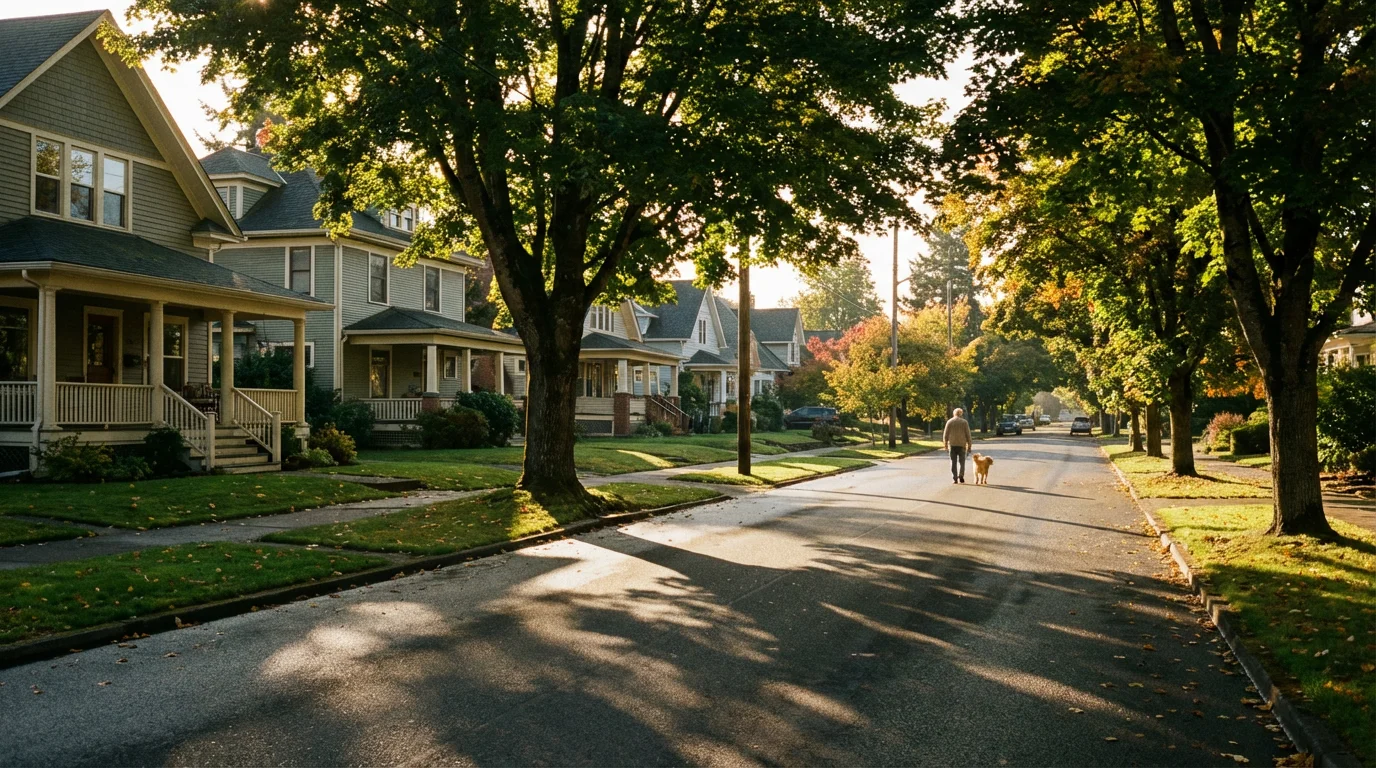
Cost of Living and Taxes in Cooler Regions
Your financial plan is a critical component of any retirement relocation decision. Cooler climates can sometimes correlate with higher living costs, particularly in desirable coastal or highly amenity-rich areas. However, many moderate summer locations also offer more affordable options.
While these climates are ideal, it is still vital to research housing affordability for seniors to ensure your budget aligns with your preferred location.
In addition to taxes, many seniors find that comparing utility costs across different regions can significantly impact their monthly budget.
You must consider housing, groceries, utilities, and transportation expenses. States vary significantly in their tax structures, impacting retirement income. Some states do not tax Social Security benefits, while others exempt specific pension income. Property taxes also differ widely.
| Location | Median Home Price (approx. 2024) | State Income Tax | Sales Tax | Social Security Tax |
|---|---|---|---|---|
| Portland, OR | $550,000 | Yes | 0% | No |
| Flagstaff, AZ | $500,000 | Yes (low) | 5.6% | No |
| Traverse City, MI | $400,000 | Yes | 6% | No |
| Burlington, VT | $470,000 | Yes (high) | 6% | Yes (partial) |
This table offers a snapshot for comparison. Remember, these figures are estimates and can change frequently. You should consult official state tax websites, such as those linked through the Tax Foundation, for the most current and accurate information relevant to your personal financial situation.
“Home is not where you are from, it is where you belong.”

Healthcare Access and Quality
Access to quality healthcare is a non-negotiable factor for many retirees. When considering retirement destinations with moderate summers, research the availability of hospitals, specialized medical centers, and primary care physicians. You can assess health system rankings through resources like Medicare.gov.
Beyond the proximity of facilities, you should also evaluate healthcare costs in retirement as these can vary significantly from one state to another.
Even if you are currently healthy, planning for future medical needs is prudent. Consider proximity to major medical centers, especially if you have existing conditions that require specialized care. You should also evaluate local patient-to-doctor ratios and the presence of assisted living facilities or other senior services if those are future considerations.
For individuals seeking comprehensive senior support, the Eldercare Locator, a public service of the U.S. Administration for Community Living, connects you to services for older adults and their families.

Relocation Planning for Your Cooler Haven
Moving in retirement is a significant undertaking, requiring careful planning and execution. A structured approach helps ensure a smooth transition to your new home with cooler temperatures.
Once you’ve identified your ideal climate, the next step is creating a budget for your retirement relocation to cover moving expenses and initial setup costs.
You can manage the complexities of relocation by breaking the process into manageable steps. This allows you to focus on the excitement of starting a new chapter in a location that offers comfortable, moderate summers.
Frequently Asked Questions
What constitutes a “moderate summer” temperature range for retirees?
A moderate summer typically means average daily high temperatures remain below 85°F, often with lower humidity. Many retirees seek locations where July and August highs are consistently in the 70s or low 80s Fahrenheit, allowing for comfortable outdoor activities.
Are locations with moderate summers generally more expensive?
Not necessarily. While some highly desirable coastal areas or vibrant urban centers with moderate summers can have a higher cost of living, many regions, particularly in the Great Lakes states or higher elevations of the Mountain West, offer more affordable options. Cost varies significantly by specific location and local market conditions.
How does elevation affect summer temperatures?
Higher elevation generally leads to cooler temperatures. For roughly every 1,000 feet increase in altitude, the temperature drops by approximately 3.5°F. This is why cities like Flagstaff, Arizona, at 7,000 feet, enjoy moderate summers while lower-lying areas in the same state experience extreme heat.
What are the tax implications of retiring in states with moderate summers?
Tax implications vary widely by state. Some states, like Oregon, have no sales tax but a state income tax. Other states might have higher property taxes but no income tax on Social Security. You should research the specific tax laws of any potential state, ideally with a financial advisor, to understand how it impacts your retirement income.
Besides temperature, what other climate factors should I consider?
Beyond temperature, consider humidity levels, rainfall patterns, and winter conditions. A location with moderate summers might have significant rainfall or snowfall in other seasons. Wind, air quality, and the frequency of natural disasters, such as wildfires in dry mountain regions, also merit consideration.
Disclaimer: This article is for informational purposes only. Cost of living, taxes, and local conditions change over time. We encourage readers to verify current information through official sources and visit potential retirement destinations before making relocation decisions.






Leave a Reply